Choosing the best prenatal multi vitamins is one of the most loving decisions you can make right now. Whether you are newly pregnant or planning ahead, prenatal vitamins give your body the extra support it needs. This journey is yours, and you deserve guidance that feels warm, clear, and completely honest. Think of this article as a trusted friend walking beside you, helping you find the right prenatal multivitamin with confidence.
Why Prenatal Vitamins Actually Matter

Your body works incredibly hard during pregnancy. It is growing a whole new person from scratch. Even with a healthy diet, it can be tough to get all the vitamins and minerals you and your baby need. That is where prenatal vitamins step in. They fill the nutritional gaps that food alone sometimes cannot cover. Taking prenatal vitamins helps protect both you and your growing baby every single day.
Many pregnant women assume that eating well is enough. And while a balanced diet absolutely matters, pregnancy raises your nutritional needs significantly. Your prenatal supplement is not a replacement for food. It is a safety net that catches what your plate might miss. When you commit to taking prenatal vitamins daily, you are making a simple but powerful promise to your baby's development.
The good news is that finding the best prenatal vitamins does not have to feel overwhelming. You have options ranging from capsules to prenatal gummies, making it easier than ever to stay consistent. The key is knowing what to look for and why each ingredient truly counts. Let us walk through that together, step by step.
When to Start Taking Prenatal Vitamins

If you are wondering when to start taking prenatal vitamins, the answer is: as early as possible. Ideally, you begin before you even conceive. The first few weeks of pregnancy are critical for neural tube development, and your baby's neural tube closes in the very first month. You might not even know you are pregnant yet when this happens.
Your healthcare provider will likely recommend you start taking prenatal vitamins at least one month before trying to conceive. This gives your body time to build up certain nutrients like folic acid and vitamin D. Think of it as preparing the soil before planting a seed. The stronger your nutritional foundation, the better the start for your baby. Talking to your healthcare provider about timing is always a wise first step.
Iron, Vitamin D, and Your Prenatal Multi
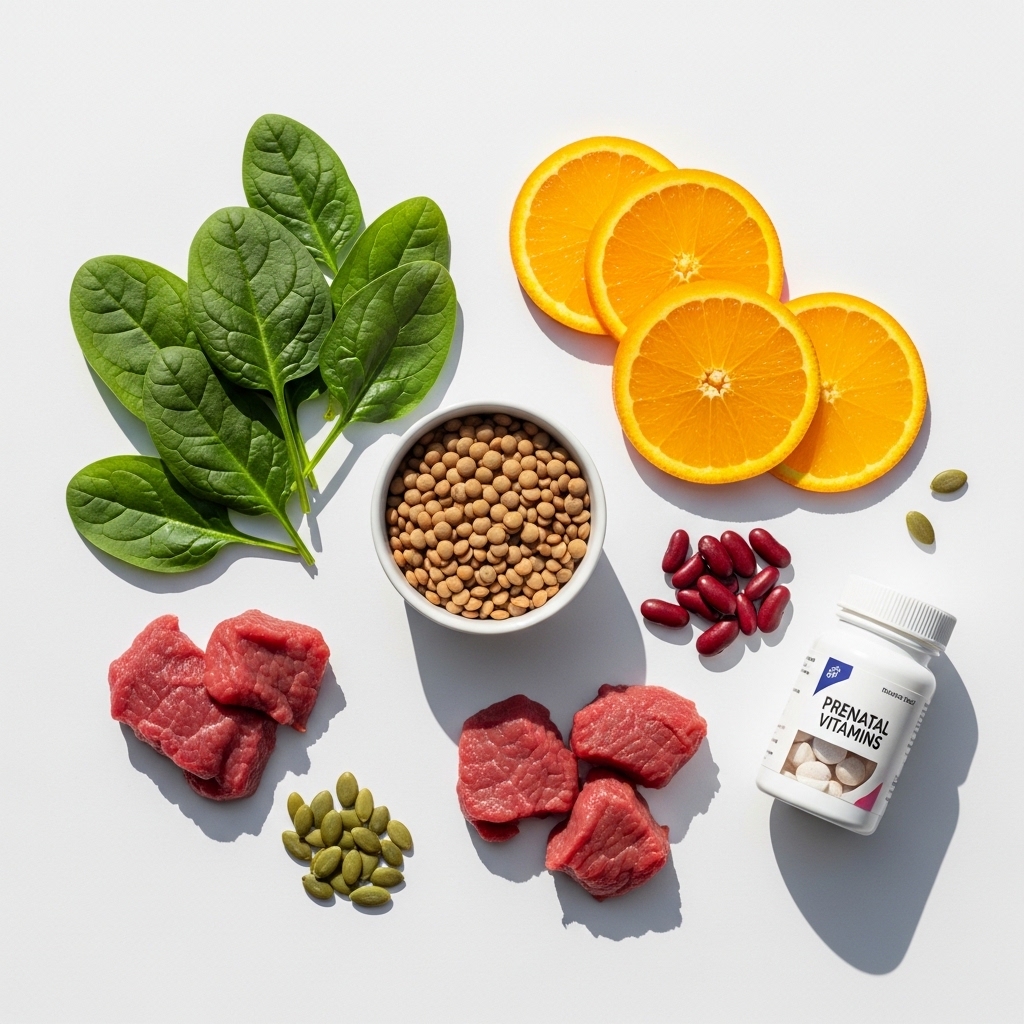
Iron is a powerhouse nutrient in your prenatal multi. During pregnancy, your body produces more blood to support your growing baby. That means you need more iron too. Enough iron helps produce healthy red blood cells and prevents fatigue. If you are low in iron, an iron supplement may be recommended alongside your prenatal vitamins. Always ask your healthcare provider before adding one separately.
Iron absorption is something to pay attention to. Vitamin C actually helps your body absorb iron more efficiently. Many prenatal vitamins include both together for this reason. You can also boost iron absorption by pairing your prenatal supplement with a glass of orange juice. Small habits like this make a real difference in how well your body uses the vitamins and minerals in your prenatal formula.
Vitamin D is another nutrient that deserves a spotlight in your prenatal multi. It supports baby's bones, immune function, and even brain health. Many pregnant women are low in vitamin D, especially if you live in a less sunny climate. Look for a best prenatal formula that offers at least 600 to 1000 IU of vitamin D. This is a critical nutrient that supports baby's development from the very beginning.
READ ALSO: Snacks for Low Carb Diet That Satisfy Without Stress
Omega-3s and Baby's Brain Development
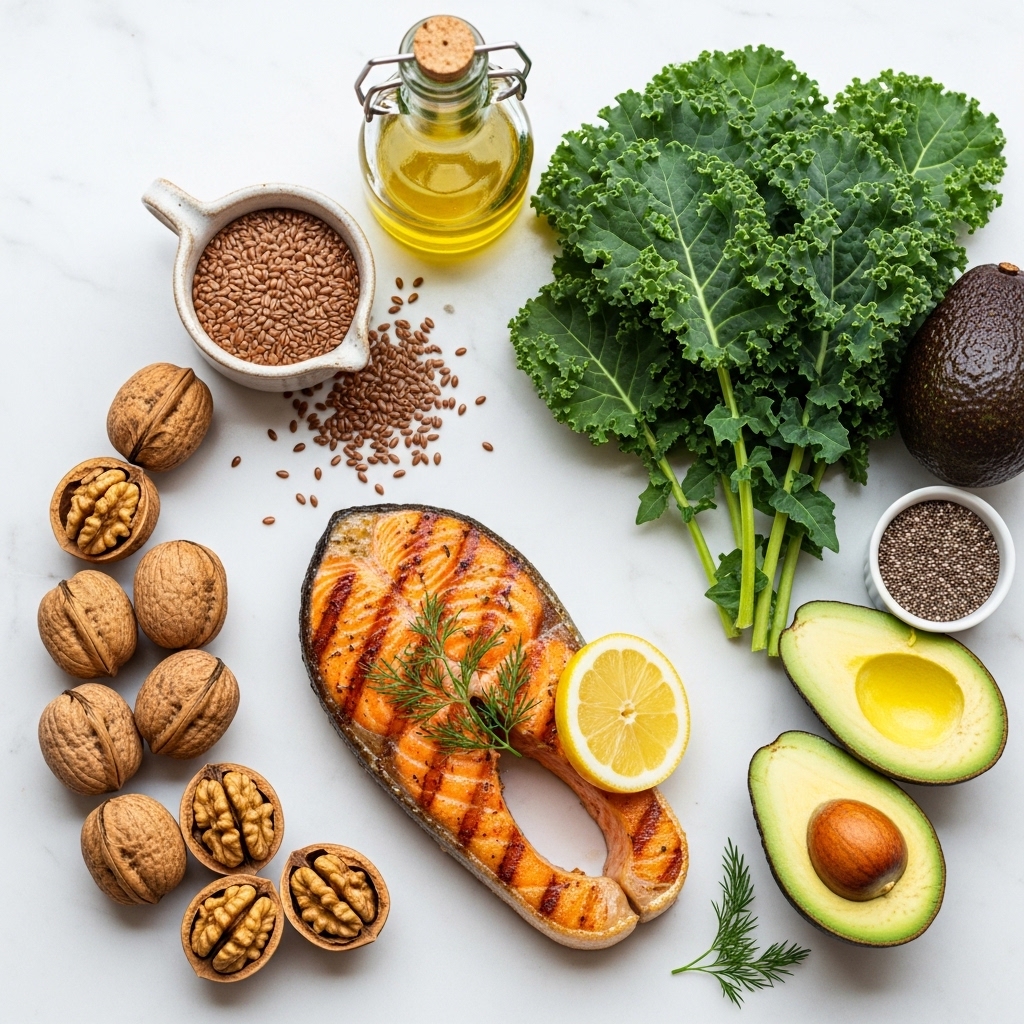
Omega 3s, especially DHA, are absolutely vital for your baby's brain. Research consistently shows that DHA supports healthy brain development and vision during pregnancy. Your baby's brain grows at an incredible pace, especially during the second and third trimester. Getting enough omega 3s during this window is one of the kindest things you can do for your child.
Not all prenatal vitamins include DHA, so it is worth checking the supplement facts panel carefully. Some best prenatal vitamins come with DHA built in, while others require a separate softgel. If your prenatal multi does not include omega 3s, consider adding a fish oil supplement after chatting with your healthcare provider. Fatty fish like salmon are also a wonderful food source to include in your meals.
Omega 3s also support your own brain health during pregnancy, which is a beautiful bonus. Pregnancy can be mentally demanding, and nourishing your own mind matters just as much. When both you and your baby are well-nourished, you are in the best position to thrive. That is the real power of a thoughtfully chosen prenatal multivitamin.
B Vitamins, Vitamin A, and Other Vitamins That Count
B vitamins are a family of nutrients that support energy, nerve health, and your mood during pregnancy. Vitamin B6 is especially helpful for easing morning sickness and supporting brain development. Vitamin B12 works alongside folic acid to protect the neural tube and supports healthy red blood cells. A strong prenatal multi will include both vitamin B6 and vitamin B12 in adequate amounts.
Vitamin A plays an important role in your baby's development, including eye formation and immune function. However, too much vitamin A in the retinol form can be harmful during pregnancy. Most prenatal vitamins use beta-carotene, a safer plant-based form of vitamin A. This allows your body to convert only what it needs, making it a smarter choice for expectant moms.
Vitamin C is another star in your prenatal lineup. It supports immune function, collagen production, and even healthy gums, which can become more sensitive during pregnancy. Vitamin C also enhances iron absorption, as mentioned earlier. These other vitamins may not always get the spotlight, but they work quietly behind the scenes to support your healthy pregnancy.
READ ALSO: Superfoods for Energy and Well-Being: Power Up Naturally
Prenatal Gummies vs. Pills and What Works for You
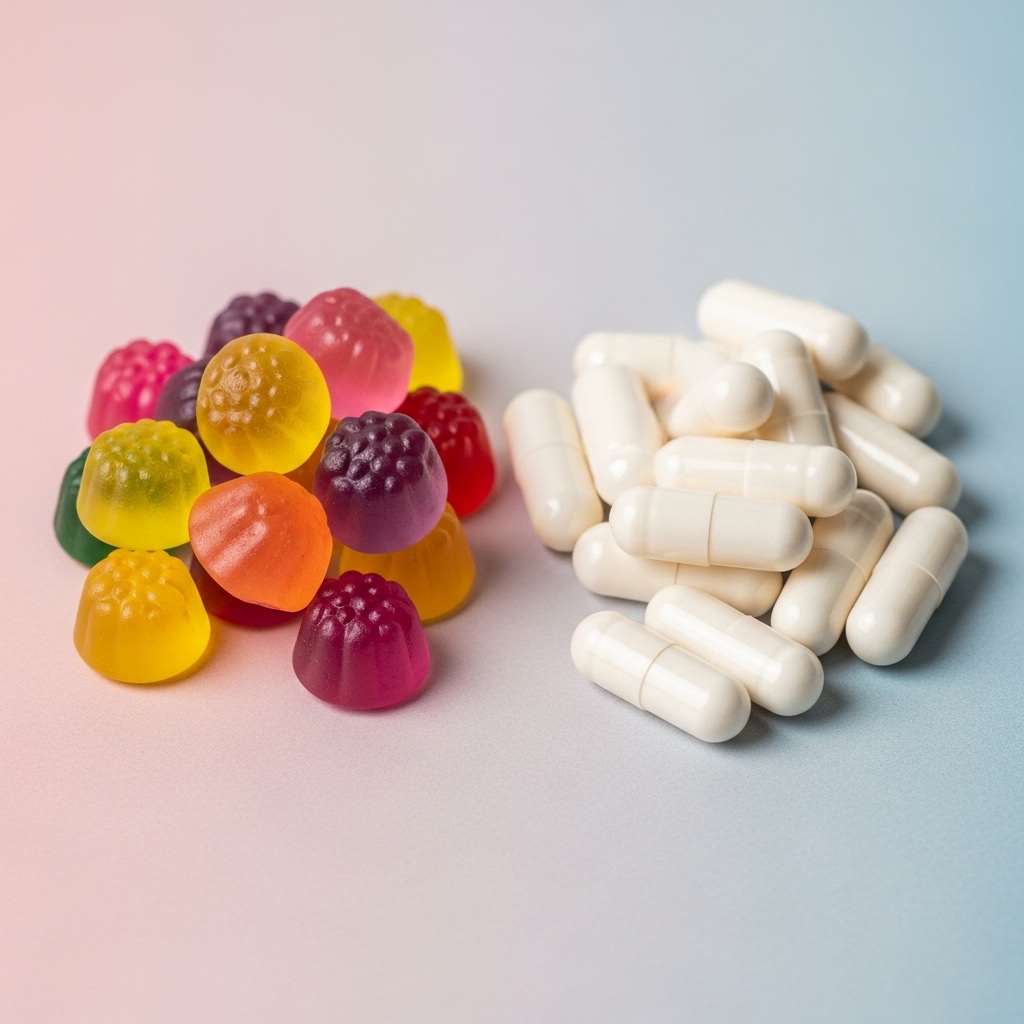
The format of your prenatal vitamins can make a real difference in your consistency. If swallowing multiple pills is tough, especially during first trimester nausea, prenatal gummies can be a gentle solution. They are easier on the stomach and often more enjoyable to take. Many expectant moms find that prenatal gummies help them stay on track without dread.
That said, prenatal gummies often skip iron to keep the flavor pleasant. If your prenatal gummy does not include enough iron, you may need a separate iron supplement. Your healthcare provider can check your iron levels and guide you appropriately. For those who prefer capsules or tablets, many best prenatal vitamins now come in smaller, easier-to-swallow sizes too.
Probiotics and Digestive Comfort During Pregnancy

Some newer prenatal formulas now include probiotics for gut health. This is a thoughtful addition because digestion can shift significantly during pregnancy. Bloating, constipation, and nausea are common complaints for many pregnant women. A prenatal multi with probiotics can offer comprehensive support for both digestive comfort and overall wellness.
While probiotics in prenatal vitamins are not strictly essential, they can be a welcome bonus. Gut health affects everything from nutrient absorption to mood and energy. When your digestion is running smoothly, your body can actually use the key nutrients in your prenatal supplement more effectively. Think of it as giving your prenatal formula an extra layer of support.
Calcium and Ensuring Enough Calcium for Both of You
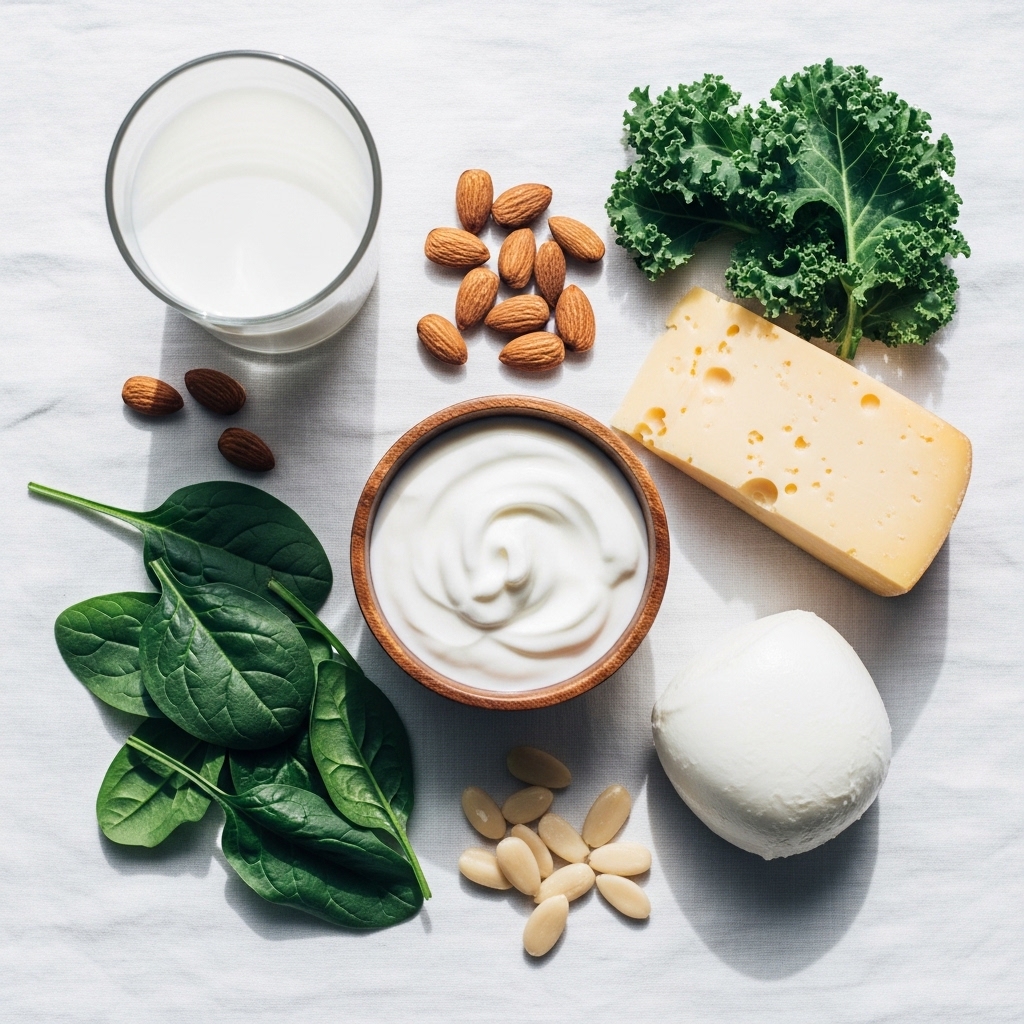
Calcium is a key nutrient for baby's bones and teeth. During pregnancy, if you do not get enough calcium, your body will actually pull it from your own bones to give to your baby. This makes getting enough calcium a priority for both you and your growing baby. Dairy products, leafy greens, and fortified foods are excellent sources to lean on.
Interestingly, most prenatal vitamins do not include a full daily dose of calcium. This is because calcium is bulky and would make the pill too large to swallow comfortably. Your healthcare provider may suggest meeting your calcium nutritional needs through food first. Knowing this helps you plan your healthy diet alongside your prenatal vitamins with intention and ease.
READ ALSO: The Benefits of B Vitamins
Prenatal Vitamins and a Healthy Pregnancy

Research shows that consistent use of prenatal vitamins is associated with better outcomes for both mom and baby. They can help reduce the risk of preterm birth, low birth weight, and neural tube defects. Protecting against neural tube defects like spina bifida is one of the most compelling reasons to start early. These are real, measurable benefits that make taking prenatal vitamins so worthwhile.
A healthy pregnancy is built on consistent daily habits. Your prenatal supplement is one of the easiest and most impactful habits you can build. Pair it with regular movement, hydration, and nourishing meals for comprehensive support. You are already showing up for your baby every single day just by being intentional. That is something truly worth celebrating, pregnant mother.
For pregnant people who are navigating dietary restrictions, finding the right prenatal vitamins may take a little extra research. Look for gluten free options, vegan prenatal formulas, or those free from artificial dyes. The best prenatal vitamins are the ones that suit your body, your lifestyle, and your nutritional needs. Your healthcare provider can help you narrow down the right choice.
Food First, Then Supplement
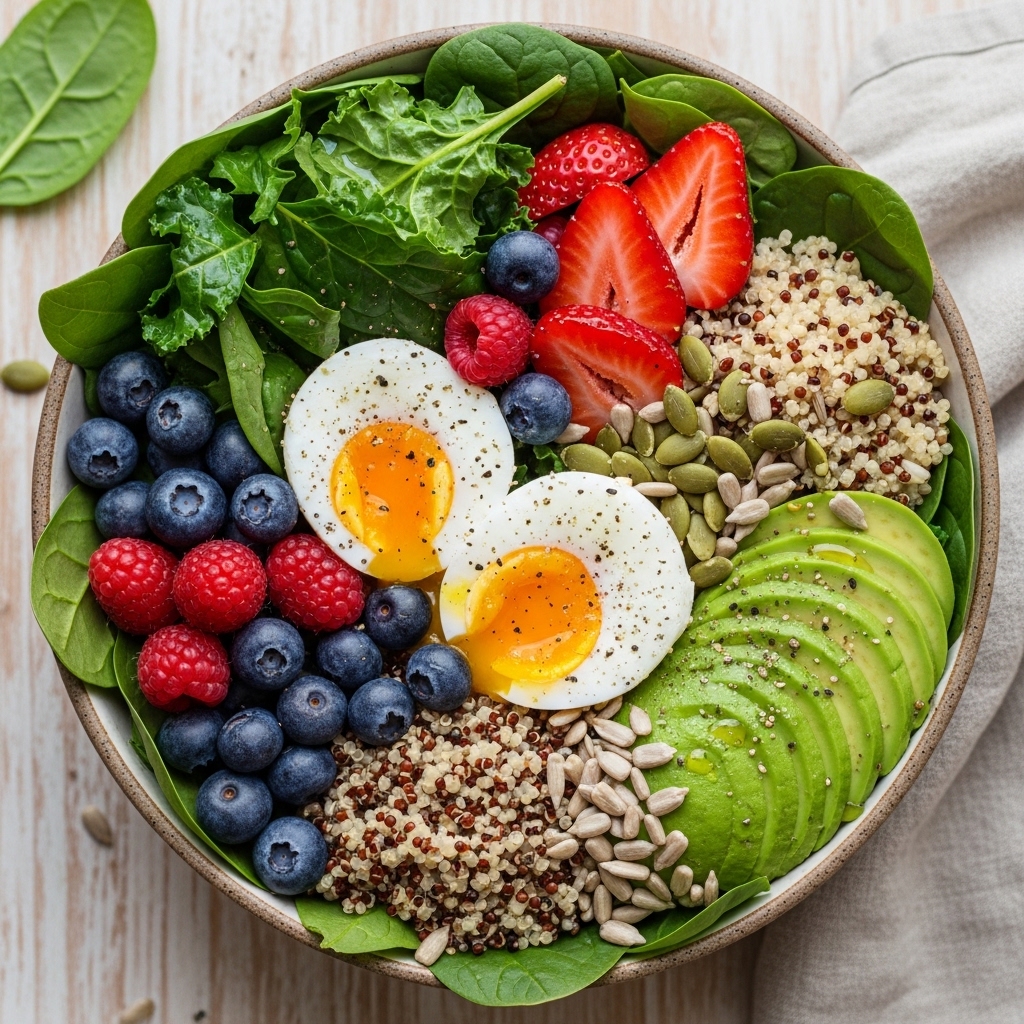
Prenatal vitamins work best alongside a nourishing healthy diet. Focus on whole foods rich in essential vitamins and minerals. Leafy greens bring folate and iron. Eggs and dairy offer vitamin B12 and calcium. Citrus and berries deliver vitamin C. Colorful vegetables carry vitamin A in its safest form.
Think of your plate and your prenatal multi as partners, not competitors. Prenatal nutrition is not about perfection. It is about doing your best and filling in the gaps with support. On days when morning sickness makes eating hard, your prenatal vitamins are there to hold the line. On good days, your food choices elevate your prenatal supplement even further.
Vitamin B6 found in bananas, potatoes, and poultry can also help ease nausea alongside your prenatal vitamins. Iron from leafy greens supports what your prenatal supplement provides. And omega 3s from fatty fish complement the DHA in your best prenatal vitamins. The whole picture of prenatal nutrition is one of synergy and balance.
You Are Already Doing Something Beautiful
Choosing the right prenatal vitamins is one of the earliest gifts you can give your child. It is a quiet, daily act of love that builds a foundation for healthy pregnancy and beyond. Whether you choose capsules, prenatal gummies, or a prenatal multi with all the bells and whistles, what matters most is that you stay consistent.
Trust yourself. Lean on your healthcare provider. Keep nourishing your body with a balanced diet full of leafy greens, color, and whole foods. Let your prenatal supplement fill in the rest. Your growing baby is already so lucky to have you showing up with such intention and care.
This season of life is extraordinary. And you, dear reader, are walking through it with more wisdom and grace than you may even realize. A healthier start is not just possible. It is already happening, one gentle day at a time.