Muscle mass is one of the strongest predictors of all-cause mortality in the clinical literature — not because strength is aesthetically valued, but because it is functionally necessary for the decades most people expect to spend in reasonable health. The research confirms this directly: a 2008 prospective cohort study published in the BMJ by Ruiz et al., tracking 8,762 men over two decades, found that low muscular strength was an independent predictor of all-cause and cancer-related mortality, even after controlling for cardiorespiratory fitness. The finding was dose-dependent: higher strength, lower risk.
For most people in Singapore, the practical question is not whether to build muscle but how to do it without a commercial gym. A standard gym membership in Singapore costs $80–150 SGD per month (2026). Many residents live in HDB flats where the available floor space precludes a barbell setup. The common assumption — that serious resistance training requires equipment — is not supported by the physiology of muscle adaptation, and the research on what actually drives hypertrophy makes this clear.
The Myth: You Need a Gym to Build Longevity-Scale Muscle
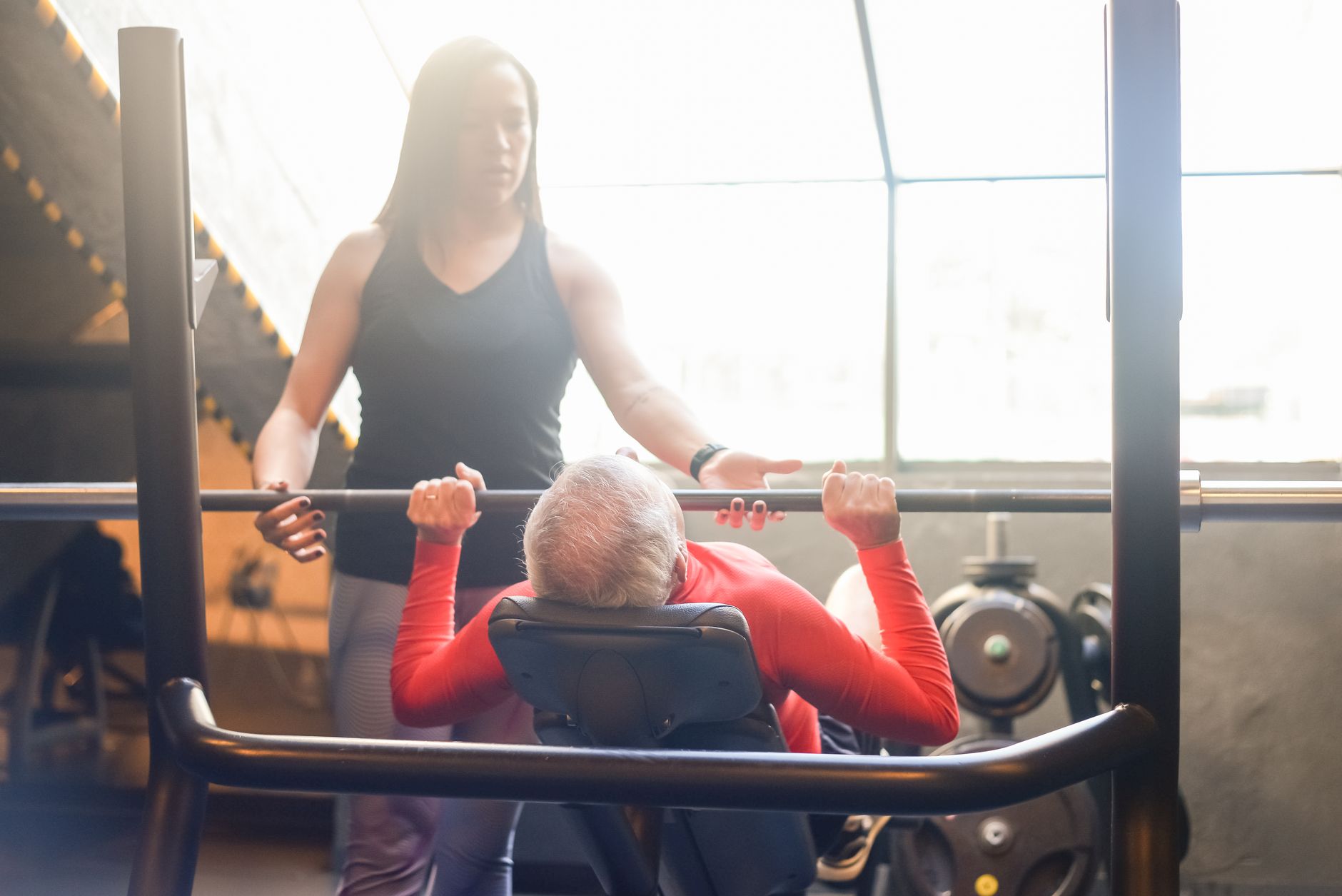
The belief is widespread and has surface logic to it: machines and barbells allow you to measure and incrementally increase load with precision. You add a 2.5 kg plate and know exactly how much harder the set became. Bodyweight training, in contrast, is assumed to hit a ceiling once you can do thirty push-ups — useful for cardiovascular endurance, but insufficient for building or preserving the muscle mass that matters for longevity.
This framing conflates the mechanism of muscle growth with the specific tools used to drive it. The mechanism is progressive overload — the application of sufficient mechanical tension to muscle fibres to trigger adaptation. That mechanism does not specify what creates the tension. Gravity acting through a mechanically challenging body position creates the same intracellular signal as gravity acting through an external weight, provided the difficulty is comparable. The question is not what equipment you use; it is whether you are generating sufficient and progressively increasing demand on the target muscle groups.
Why This Myth Persists: Equipment Culture and Marketing
The gym equipment industry has a clear commercial interest in linking results with equipment ownership. This shapes the information environment: gym memberships, equipment sales, and personal training businesses all benefit from the perception that bodyweight training is preliminary — a warm-up phase before “real” training begins. This is not a conspiracy; it is an incentive structure with predictable effects on what gets amplified in fitness culture.
There is also a genuine programming difficulty. In the gym, progression is straightforward: add weight. In bodyweight training, you need to understand the leverage progressions — the path from a push-up to an archer push-up to a pseudo-planche push-up — and most people have not been taught this framework. The limitation is not physiological; it is a programming knowledge gap. The American College of Sports Medicine, in its position statements on resistance training for muscle health, identifies progressive overload as the defining principle — not the tools used to achieve it.
READ ALSO: Zone 2 Cardio: The Longevity Protocol You're Probably Underdoing
What the Research Shows: Progressive Resistance Without Equipment
The central question is whether hypertrophy — the increase in muscle fibre cross-sectional area that underlies both strength and mass gains — depends on absolute load, or on how close a working set comes to muscular failure. The research confirms it depends on the latter.
A 2017 systematic review and meta-analysis by Schoenfeld et al., published in the Journal of Strength and Conditioning Research, pooled data from multiple randomised controlled trials comparing low-load (25–35 repetitions to failure) and high-load (8–12 repetitions to failure) resistance training protocols. Hypertrophic outcomes were statistically comparable across load ranges when sets were taken close to muscular failure. Proximity to failure — not the load used to reach it — was the operative variable. This is a Tier 1 finding: the research confirms that load is not the driver of muscle growth.
Supporting this, a 2012 study published in the Journal of Applied Physiology by Mitchell et al. measured muscle protein synthesis rates — the cellular mechanism underlying hypertrophy — after high-repetition low-load and low-repetition high-load resistance exercise. When both conditions were taken to muscular failure, the research suggests equivalent rates of muscle protein synthesis, regardless of the load used to reach that point.
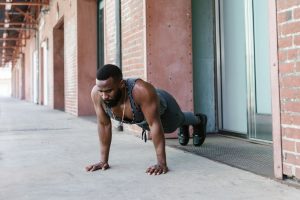
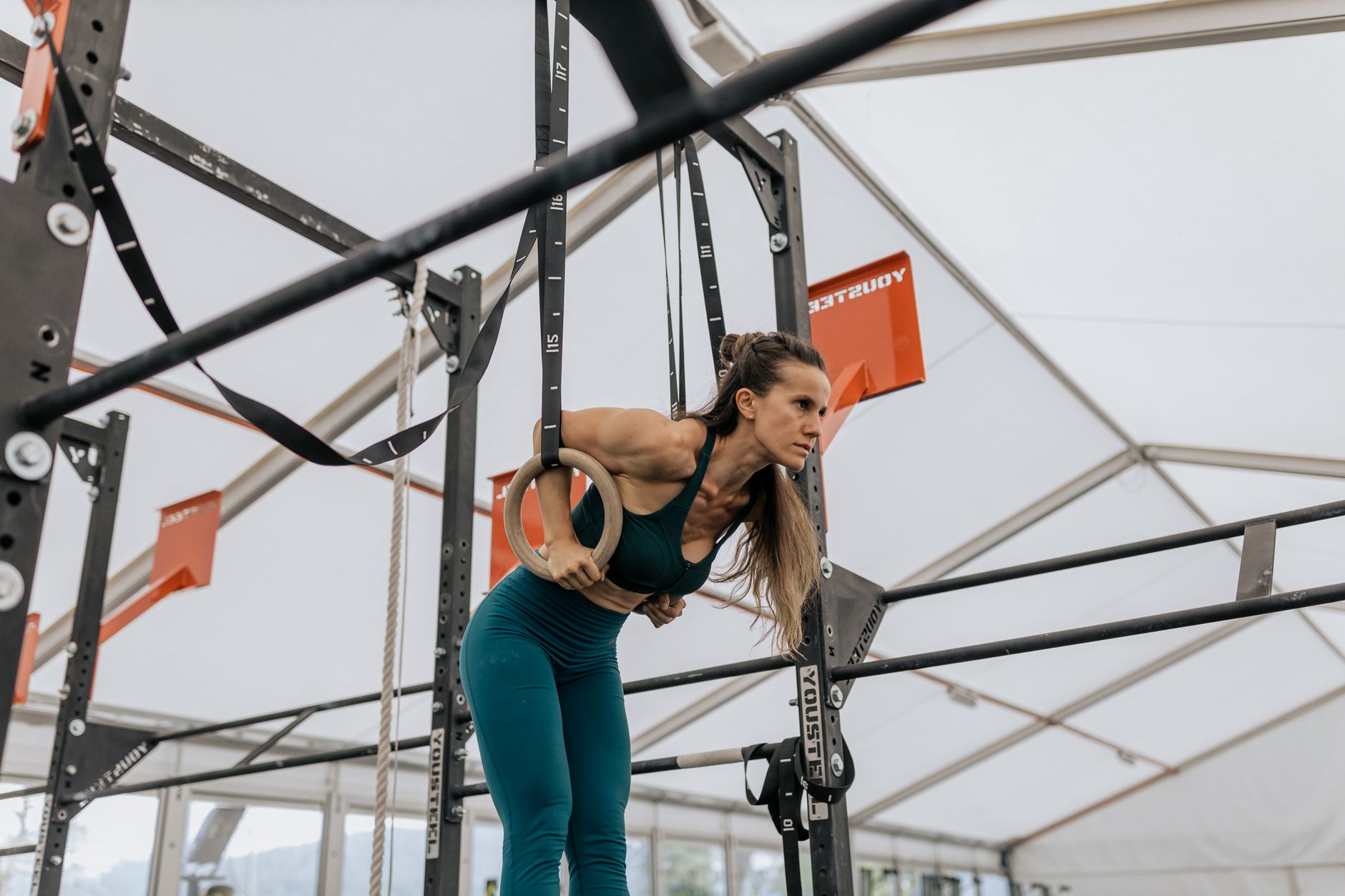
Applied to bodyweight training: a push-up variation performed to muscular failure in 8–15 repetitions generates the same hypertrophic stimulus as a bench press performed to failure in the same range. The precondition is that the variation is sufficiently difficult. A standard push-up done for 40 comfortable repetitions falls short. An archer push-up or ring push-up taken to genuine failure satisfies the requirement.
READ ALSO: Protein Timing and Muscle Longevity: What the Evidence Actually Supports
Muscle Adaptation in Bodyweight Training: How It Works
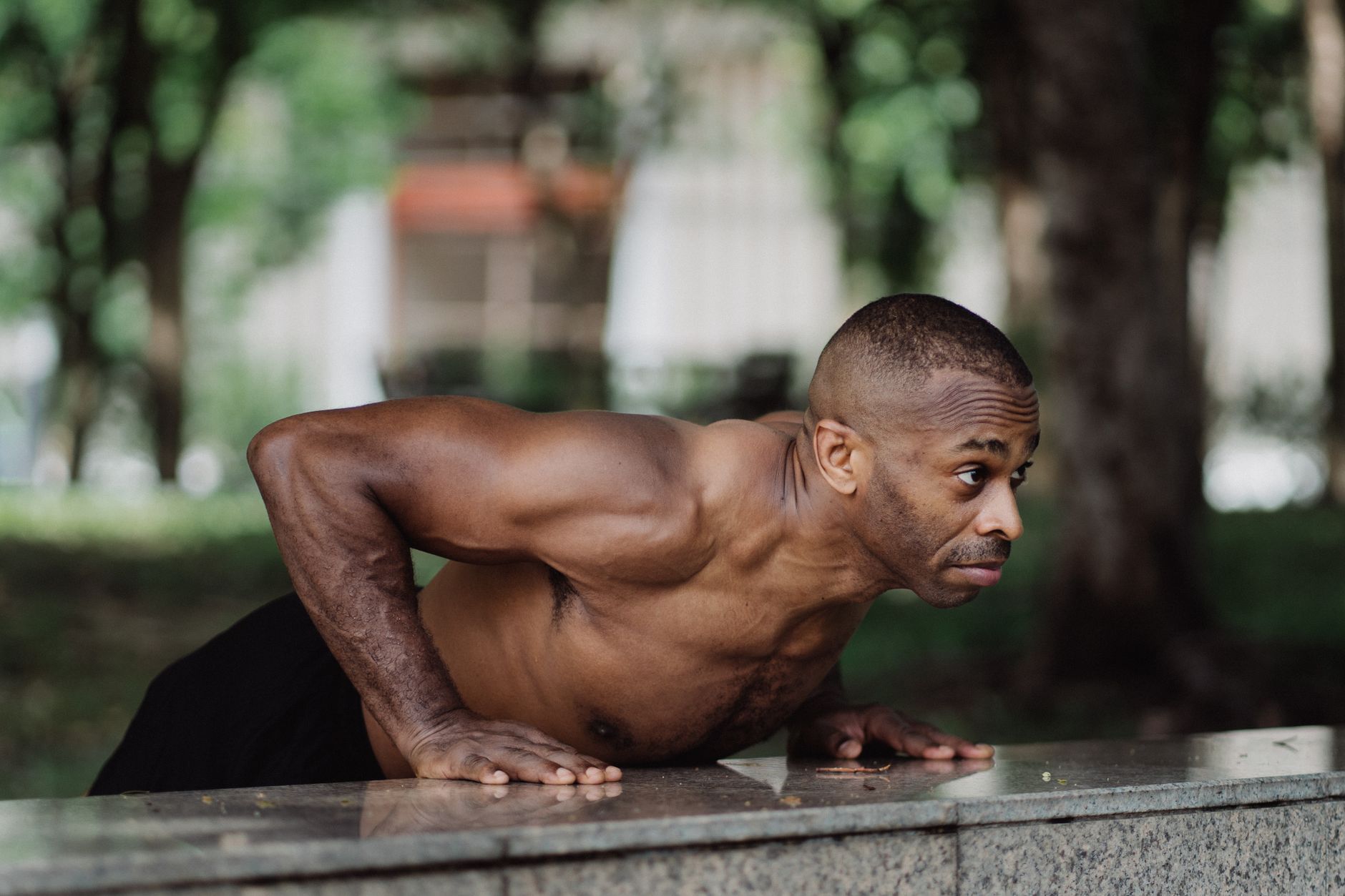
When a muscle is loaded to near-failure, the resulting mechanical tension and metabolic stress activate intracellular signalling through the mTOR (mechanistic target of rapamycin) pathway — the primary regulator of muscle protein synthesis (MPS), the process by which muscle fibres assemble new contractile proteins and increase in both diameter and force-generating capacity. This pathway responds to the mechanical stimulus applied to the fibre; it does not distinguish between a barbell and a bodyweight lever position. The stimulus is the signal.
The clinical framing for why this matters is sarcopenia — the age-related loss of muscle mass and function that accelerates after age 50. The European Working Group on Sarcopenia in Older People, in its updated 2019 consensus (EWGSOP2, published in Age and Ageing), defines sarcopenia as low muscle strength combined with low muscle quantity or quality, and classifies it as an independent risk factor for adverse health outcomes including falls, fractures, hospitalisation, and all-cause mortality. The NIH National Institute on Aging identifies progressive resistance training as the primary evidence-based intervention for muscle preservation across the lifespan.
Grip strength is the most validated single-point biomarker for functional muscle health in the longevity literature. The PURE study by Leong et al., published in The Lancet in 2015 and covering 139,691 participants across 17 countries, found that each 5 kg reduction in grip strength was associated with a 16% higher risk of all-cause mortality, independent of age, physical activity level, and other confounders. The research confirms grip strength is a more reliable predictor of cardiovascular mortality than systolic blood pressure in that cohort.
| Biomarker | Standard Clinical Threshold (EWGSOP2 — below this signals low muscle strength) | Longevity-Optimised Target (upper performance range associated with lowest mortality risk in PURE cohort) | The Gap |
|---|---|---|---|
| Grip Strength — Men | ≥27 kg | ≥40 kg | 13 kg above the minimum threshold |
| Grip Strength — Women | ≥16 kg | ≥26 kg | 10 kg above the minimum threshold |
The gap between “not sarcopenic” and “longevity-optimised” is where progressive resistance training — including well-programmed bodyweight work — operates. Clearing the clinical threshold is not the target. Developing functional strength meaningfully above it is.
READ ALSO: Strength Training Biomarkers: What to Test and What the Numbers Mean
Building a Progressive Bodyweight Protocol
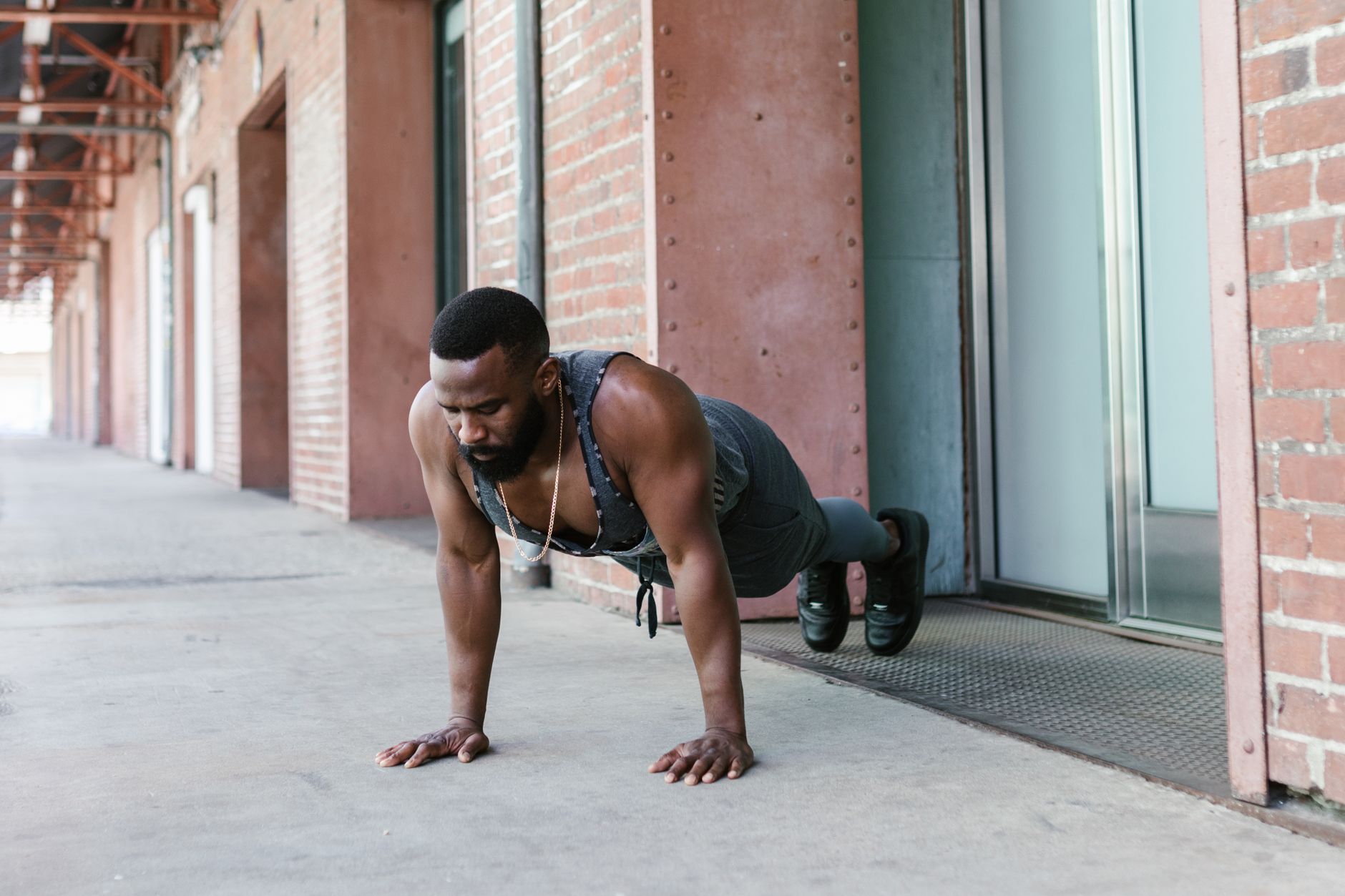
Bodyweight progression works through four primary levers: leverage (changing body position to increase the mechanical challenge), range of motion (moving through a deeper range to increase time under tension), tempo (slowing the eccentric — lowering — phase to increase metabolic stress), and unilateral loading (progressing from two-limb to single-limb movements, which effectively doubles the demand on each side). These levers apply across all major movement patterns.
A minimal effective protocol covering the four primary patterns:
- Horizontal push: push-up → diamond push-up → archer push-up → ring push-up → pseudo-planche push-up
- Vertical pull: inverted row → scapular pull-up → assisted pull-up → full pull-up → weighted pull-up (using a loaded backpack)
- Lower-body push: squat → Bulgarian split squat → shrimp squat → pistol squat
- Hip hinge: glute bridge → single-leg glute bridge → Nordic hamstring curl
The target within each set: approach muscular failure within 5–20 repetitions. Adjust the variation to stay within that range as strength improves — when you consistently exceed 20 repetitions with good form, move to the next progression. Two to three sessions per week of 30–45 minutes, covering all four patterns, is consistent with the training frequency and volume the research confirms is sufficient for muscle maintenance and growth in non-competitive contexts. The Health Promotion Board (HPB) recommends at least 150 minutes of moderate-intensity physical activity per week for Singaporean adults — a target this protocol exceeds at sufficient intensity. Given Singapore's midday heat (32–34°C, humidity above 80%), morning or early evening sessions are preferable for any outdoor component.
READ ALSO: Sleep as a Longevity Protocol: What the Data Requires
Measuring Functional Strength Gains
Without gym equipment, progress tracking requires different metrics. Grip strength is the most practical starting point: a hand dynamometer (a handheld spring-loaded device that measures squeeze force in kilograms) costs $20–40 SGD (2026) and is available from most pharmacies and online retailers. Testing monthly provides a direct readout of one of the best-validated longevity biomarkers in the literature. Target the longevity-optimised range in the table above, not just the clinical minimum. If you are significantly below the EWGSOP2 threshold, consult your clinician before beginning a progressive loading programme — your nearest polyclinic can perform a basic functional muscle assessment, including grip strength dynamometry, as part of a health screening.
Alongside grip strength, tracking your position in the bodyweight progression hierarchy provides direct evidence of functional strength development: moving from a standard push-up to an archer push-up, or from a squat to a Bulgarian split squat, represents a measurable strength gain that translates to real-world movement capacity. The Mayo Clinic recommends tracking both maximal strength and muscular endurance as complementary markers of functional fitness. In a bodyweight context, that translates to: which variation can you execute with clean form (strength indicator), and how many repetitions before failure (endurance indicator). Both numbers should improve over a consistent 8–12 week programme.
What to Do Instead: Your Next Steps
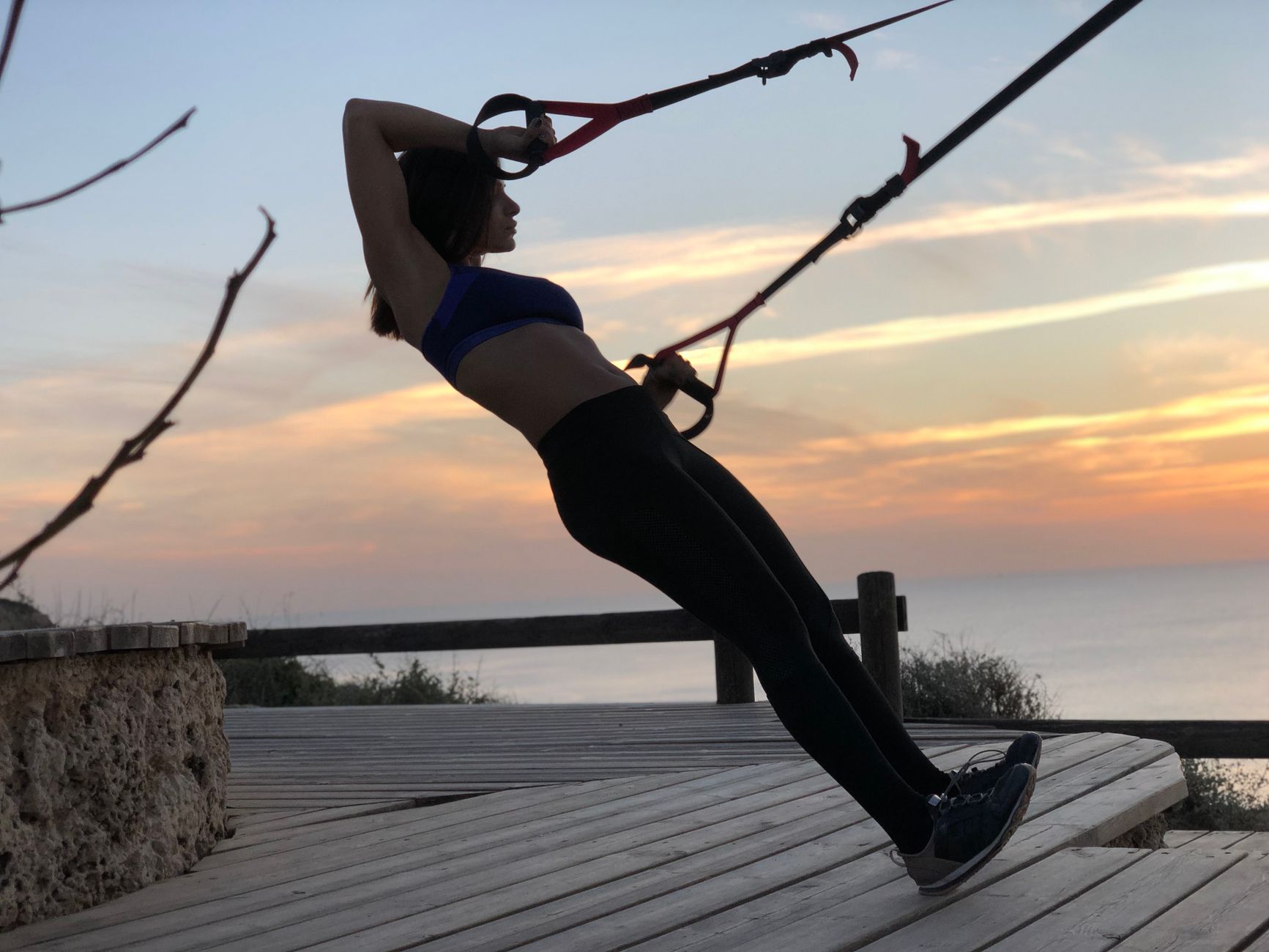
Equipment is a convenience, not a prerequisite. What matters is the mechanical stimulus applied to the muscle — and a well-structured bodyweight programme delivers that stimulus across all major muscle groups, without a gym membership, without a barbell, and within the space available in a standard HDB flat. The ceiling on bodyweight training is high enough that the vast majority of people will not reach it before other longevity priorities — sleep quality, protein intake, cardiovascular fitness — become the limiting factors. Harvard Health is consistent on this point: the longevity benefit of resistance training derives from progressive loading of the movement patterns, not from the specific implement used to create that load.
Start with an honest assessment of your current level in each of the four movement patterns listed above. Identify the variation you can take to failure in 8–15 repetitions — that is your starting point. Get a baseline grip strength measurement. Run the programme for eight weeks, progress one level in each pattern when you consistently exceed 20 repetitions, and retest grip strength at week eight. The gap between your baseline and the longevity-optimised target tells you how much work remains and whether the programme is working.
Now you know what the standard approach misses. The guide shows you what to do instead, starting tomorrow. Download the 30-Day Biohacking Starter Guide — built specifically for Singapore, with a day-by-day resistance protocol and the biomarker tracking framework that confirms it is working.
UP NEXT: VO2 Max and Longevity: The Cardiorespiratory Biomarker That Predicts Healthspan
This article is for educational purposes only and does not constitute medical advice, diagnosis, or treatment. The information provided is not a substitute for consultation with a qualified clinician. WholeLiving does not provide clinical services. Always consult your clinician or a registered healthcare professional before beginning any new exercise programme, particularly if you have an existing medical condition, injury, or health concern. Individual results will vary.