Singapore has one of the highest rates of dialysis utilisation in Asia-Pacific, according to data from the Singapore Renal Registry. Most of those dialysis cases did not begin as acute kidney failure. They began as an eGFR (estimated glomerular filtration rate) that drifted from 90 to 75, then 75 to 60, across years during which no clinician flagged a problem — because no diagnostic threshold had technically been crossed.
That is the gap this protocol addresses. The standard clinical cut-off for chronic kidney disease (CKD) is an eGFR below 60 mL/min/1.73m². The longevity-relevant question is different: at what point does kidney ageing begin to compound cardiovascular, metabolic, and cognitive risk? The evidence puts that threshold well above 60. This four-step protocol tells you how to access the right tests through Singapore's public and private healthcare systems, how to prepare, and what to do with the numbers you get back.
How eGFR and Creatinine Reflect Kidney Ageing
Your kidneys filter roughly 180 litres of blood per day through approximately one million filtration units called glomeruli. eGFR is a calculated estimate of how effectively that system is working — specifically, how many millilitres of blood the kidneys can clean per minute, adjusted for body surface area. The calculation uses serum creatinine (a waste product of muscle metabolism), age, and sex, using the CKD-EPI equation, which the KDIGO (Kidney Disease: Improving Global Outcomes) 2024 Clinical Practice Guideline recommends as the standard for clinical use.
Serum creatinine on its own is a useful companion marker, but it carries a known limitation: because creatinine is produced by muscle breakdown, people with lower muscle mass — including older adults, smaller-framed individuals, and many Southeast Asian women — produce less creatinine even as kidney function declines. Their creatinine can read as normal while their filtration rate is already falling. This is why eGFR, not creatinine in isolation, is the primary marker. Together, the two tell a fuller story than either alone.
Kidney function declines with age in almost everyone. Consistent observational data puts the typical rate at approximately 0.7–1 mL/min/1.73m² per year after age 40, independent of disease. A 40-year-old with an eGFR of 90 can therefore expect to approach the clinical CKD threshold in their seventies under average conditions — sooner if diabetes, hypertension, or metabolic syndrome accelerates the decline. Singapore's National Population Health Survey data shows hypertension affecting roughly one in four adults and diabetes affecting approximately one in nine, meaning the compound of age-related decline and cardiometabolic risk is not theoretical for most readers of this article.
Standard vs. Longevity-Optimised Ranges: The Gap

Standard clinical ranges reflect the point at which disease management becomes necessary. Longevity-optimised ranges reflect what the research suggests is associated with the lowest risk of cardiovascular events, cognitive decline, and accelerated ageing. For kidney function, that gap is where most working-age Singaporeans sit — and where intervention remains both possible and meaningful.
| Marker | Standard Clinical Range | Longevity-Optimised Range | The Gap |
|---|---|---|---|
| eGFR | ≥60 mL/min/1.73m² (no CKD diagnosis) | ≥75 mL/min/1.73m² | 15 mL/min/1.73m² — the subclinical zone where cardiovascular and metabolic risk compounds without a clinical label |
| Serum Creatinine (men) | 62–106 µmol/L | <84 µmol/L (lower half of normal) | Upper-normal creatinine alongside borderline eGFR warrants monitoring, not reassurance |
| Serum Creatinine (women) | 53–97 µmol/L | <75 µmol/L (lower half of normal) | Particularly relevant given lower average muscle mass, which can mask declining filtration behind normal-looking creatinine |
The research suggests that an eGFR between 60 and 74 is associated with meaningfully elevated cardiovascular and all-cause mortality risk compared to eGFR above 75, even without a formal CKD diagnosis. Data from the CKD Prognosis Consortium, published across multiple studies in The Lancet, confirms that eGFR and urine albumin-to-creatinine ratio (uACR) together predict risk more accurately than either marker alone — including in the ranges that standard clinical practice currently treats as unremarkable. For longevity purposes, the target is staying in the upper portion of the normal eGFR range, not merely avoiding the clinical threshold.
READ ALSO: Understanding Your Cardiovascular Biomarkers: A Singapore Guide
Step 1: Accessing Kidney Testing in Singapore
Three access pathways exist in Singapore, each with different costs and turnaround times.
Polyclinics via Screen for Life
Screen for Life, the HPB's (Health Promotion Board's) national subsidised screening programme, includes kidney function testing within its chronic disease screening package for eligible Singaporeans. Singaporeans and Permanent Residents aged 40 and above who are enrolled with a regular doctor under CHAS (the Community Health Assist Scheme) typically pay $5 SGD or less per polyclinic visit for screening-level blood tests, depending on their CHAS tier. Orange and Blue card holders receive the largest subsidies. The standard panel covers serum creatinine, eGFR, urea, and electrolytes, and is usually bundled with fasting glucose and lipids — one blood draw, multiple longevity markers.
To access testing via a polyclinic, register at HealthHub, book a general practitioner appointment, and explicitly request a renal function panel. The clinician will assess your cardiovascular risk factors — hypertension, diabetes, and family history — and order accordingly. Results typically appear in HealthHub within 24–48 hours.
CHAS-Accredited GPs
If you have a regular CHAS-accredited GP in the community, kidney function testing is claimable under CHAS for those managing chronic conditions including hypertension and diabetes. Out-of-pocket costs for blood tests at a CHAS GP are typically $20–40 SGD (2026), excluding consultation, depending on the practice and your CHAS tier. Ask specifically for a renal function panel (serum creatinine, eGFR, urea) and, if your GP agrees, a urine albumin-to-creatinine ratio (uACR) — the uACR detects early protein leakage that eGFR alone misses at this stage.
Private Laboratories
Outside the CHAS system — whether for faster turnaround, a more comprehensive panel, or if you are not a CHAS-eligible resident — most private labs in Singapore offer a renal function panel for $30–60 SGD (2026). Raffles Medical, Parkway Laboratory, and most hospital-based labs allow self-referral for basic panels. A comprehensive longevity panel combining kidney function, liver enzymes, HbA1c, and a lipid profile typically runs $80–120 SGD (2026), with results returned within 24 hours.
READ ALSO: HbA1c and Fasting Glucose: Reading Your Metabolic Biomarkers in Singapore
Step 2: Ordering and Preparing for Your Test
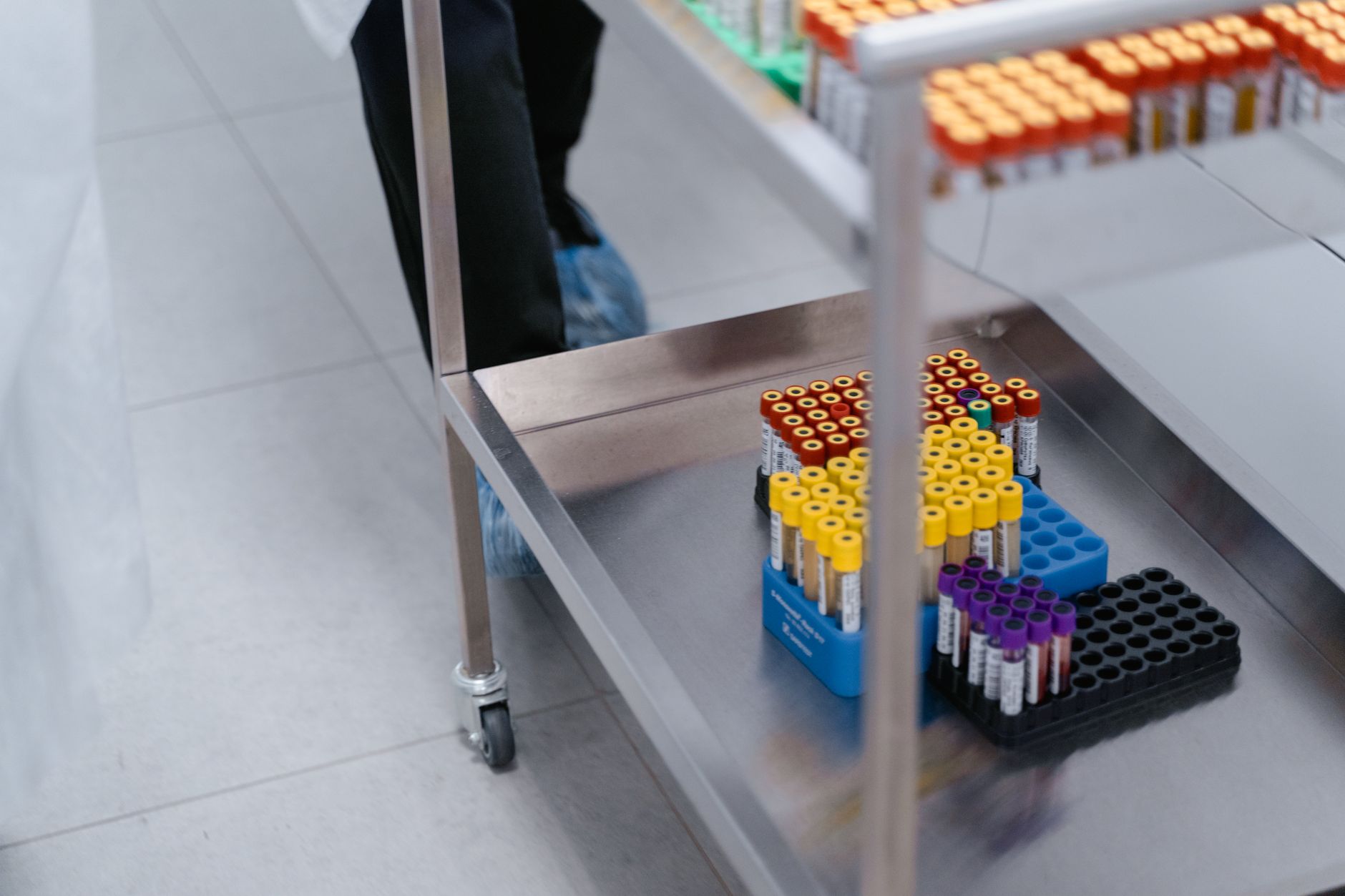
A standard renal function panel includes serum creatinine, eGFR, blood urea nitrogen (BUN), and electrolytes (sodium, potassium, bicarbonate). The two additions that carry the most longevity information are the uACR and serum cystatin C. Cystatin C is a protein-based kidney marker that is less affected by muscle mass than creatinine — making it particularly useful for smaller-framed individuals and older adults whose creatinine may understate their true decline.
Preparation matters. The NIDDK (National Institute of Diabetes and Digestive and Kidney Diseases) notes that the following can transiently elevate serum creatinine and produce an artificially low calculated eGFR:
- Intense or prolonged exercise in the 24–48 hours before the test — elevated muscle turnover temporarily raises creatinine
- A high-red-meat meal the evening before — cooked meat contains creatine, which converts to creatinine in the body
- Dehydration — particularly relevant in Singapore's heat and humidity, where fluid losses at rest exceed temperate-climate norms
- NSAIDs (ibuprofen, naproxen) and certain antibiotics (trimethoprim, cimetidine) — these can competitively inhibit creatinine secretion and produce falsely elevated readings
Practical preparation: avoid intense training for 48 hours before the blood draw, eat a normal (not high-protein) meal the evening before, and arrive well-hydrated. You do not need to fast for creatinine alone, but if your panel includes fasting glucose or lipids, an 8–10 hour overnight fast applies. Bring a full medication list to your appointment — some medications genuinely reduce eGFR (certain antihypertensives, immunosuppressants, contrast agents), and distinguishing a medication effect from true decline is clinically important.
READ ALSO: Lipid Panel Interpretation in Singapore: LDL, ApoB, and What Your Report Misses
Step 3: Interpreting Your eGFR and Creatinine Results

A single eGFR measurement is a data point, not a diagnosis. The KDIGO guidelines define CKD as eGFR below 60 mL/min/1.73m² persisting for more than three months, or evidence of kidney damage regardless of eGFR — specifically proteinuria or abnormal imaging. The three-month criterion matters: acute illness, dehydration, or a preparation error can temporarily lower your eGFR without reflecting long-term kidney function. One abnormal result warrants a repeat test, not an immediate diagnosis.
For the longevity reader, the more important output is trend. A single eGFR of 78 means very little in isolation. An eGFR that has moved from 90 to 82 to 75 across three tests over two years — each taken under consistent preparation conditions — indicates a decline rate of approximately 7.5 mL/min/1.73m² per year, roughly seven times the average age-related rate. That trajectory is the finding worth acting on.
When reading creatinine alongside eGFR, the key question is coherence. If your eGFR is 72 and your creatinine sits in the lower half of the normal range, the picture is more reassuring than if creatinine is in the upper half at the same eGFR. A Mayo Clinic overview of creatinine testing confirms that muscle mass, age, and ethnicity all affect baseline creatinine — interpreting creatinine without the eGFR calculation loses the adjustment that makes the number meaningful in context.
If your result includes a uACR, the reference range is below 3 mg/mmol. Even mildly elevated uACR (3–30 mg/mmol, classified as microalbuminuria) in the context of normal eGFR indicates kidney stress worth addressing — the Cleveland Clinic notes this is often the earliest detectable signal of kidney stress, preceding any eGFR change by years. The combination of borderline eGFR and elevated uACR is more informative than either marker flagging alone.
READ ALSO: Blood Pressure Monitoring in Singapore: What Your Numbers Really Mean
Step 4: Longevity Targets and Next Actions

Use this decision framework after receiving your results.
eGFR ≥75: On Target
Retest annually as part of a standard longevity panel. No clinical action is required at this level. Use successive tests to confirm your decline rate is staying within the age-expected range of approximately 0.7–1 mL/min/1.73m² per year. Focus preventive effort on the two primary risk factors for accelerated kidney decline: blood pressure (target below 130/80 mmHg per AHA guidelines) and fasting glucose (HbA1c below 5.7%). Adequate hydration is especially relevant in Singapore's climate, where fluid losses at rest are higher than in studies conducted in temperate settings.
eGFR 60–74: Monitoring Zone
The research suggests this range carries elevated cardiovascular and kidney-function risk relative to eGFR above 75, even without a CKD diagnosis. Discuss the trend with your clinician and add uACR to your next test if it was not already included. Reduce NSAID use and consult your clinician before modifying any prescribed medication. Retest at six months rather than twelve.
eGFR 45–59 (Stage G3a CKD)
Request a referral to a nephrologist (kidney specialist) via your polyclinic or GP. At this level, KDIGO guidelines recommend evaluating underlying causes including diabetes, hypertension, and autoimmune conditions. Dietary protein targets and medication adjustments at this stage require professional guidance — consult your clinician before changing your diet or any supplementation protocol.
eGFR <45
Nephrologist referral is standard of care. This protocol does not extend to clinical CKD management — your clinician leads the care plan from this point.
Creatinine in the Upper Half of Normal
If your creatinine exceeds approximately 84 µmol/L (men) or 75 µmol/L (women) in the context of an eGFR below 80, verify the result is not preparation-related — retest if intense exercise, dehydration, or a high-meat meal preceded the draw. If the pattern holds on retesting, discuss with your clinician and add cystatin C to the next panel for a muscle-mass-independent second measure of your filtration rate.
The Most Modifiable Risk Factor in the Singapore Context
The combination of hypertension and diabetes accounts for the majority of progressive kidney function decline in Singapore. Managing both conditions to target is, by extension, the most evidence-supported strategy for preserving eGFR over time. Both the WHO and the NIDDK identify blood pressure and blood glucose control as the primary levers for slowing kidney function decline in at-risk individuals. HPB's Screen for Life programme subsidises the screening to identify both — using it consistently is the lowest-friction version of this protocol for most Singaporeans.
This protocol is one step in a 30-day sequence. The 30-Day Biohacking Starter Guide gives you the full system, including what comes before and after this step.
UP NEXT: Urine Albumin-to-Creatinine Ratio: The Kidney Marker Your Panel Is Missing
Medical disclaimer: This article is for educational purposes only and does not constitute medical advice, diagnosis, or treatment. The content is not a substitute for consultation with a qualified healthcare professional. If you have concerns about your kidney function or any health matter, speak with a licensed clinician. WholeLiving is not a clinical service and does not provide medical advice.