Most Singaporeans walk out of a Screen for Life (SFL) appointment focused on two numbers: fasting glucose and total cholesterol. The functional fitness section of the assessment — the grip-strength test, the gait-speed walk, the single-leg stand, the chair-stand count — tends to be treated as supplementary, something for older adults that gets completed quickly and filed away. That framing inverts the actual evidence. These physical performance tests measure biomarkers that the research confirms are among the strongest known predictors of all-cause and cardiovascular mortality — in some cases, more predictive than standard metabolic markers at a single clinical time point.
Singapore's Screen for Life programme, administered by the Health Promotion Board (HPB) and the Ministry of Health (MOH), has expanded the functional component of its assessments over recent years. At polyclinics across the island — Bedok, Tampines, Queenstown, Ang Mo Kio — the Functional Screening for the Elderly (FSE) offers a standardised physical performance battery that, correctly interpreted, gives you a snapshot of biological age as measured by what your body can actually do, not just its internal chemistry. The gap between what your SFL report tells you and what the longevity evidence says you should be targeting is where this article lives.
The Stakes: Why Your Fitness Assessment Predicts Longevity
The critical distinction in interpreting your results is between two different thresholds. The clinical thresholds used in Singapore's SFL programme — aligned with the Asian Working Group for Sarcopenia (AWGS) 2019 consensus criteria and standard geriatric guidelines — are diagnostic. They are designed to identify people already in clinically significant decline: slow walkers, weak grippers, poor balancers who face near-term falls and hospitalisation risk. Passing these thresholds is a low bar by design.
The longevity-optimised ranges, derived from the upper-performance quartiles in large prospective studies, represent a different target entirely. The gap between “above the clinical threshold” and “within the longevity-optimised range” is where most working-age and early-older-age Singaporeans actually sit — and where the most actionable work is available. If your SFL report says your grip strength and gait speed are normal, that is not the same as saying they are where you want them to be for the next three decades.
What Screen for Life Tests Measure: The Functional Domains
The SFL functional assessment — formally the Functional Screening for the Elderly — covers four physical performance domains when conducted at a polyclinic. Each is a well-validated proxy for a broader physiological system:
- Grip strength (handgrip dynamometry) — a proxy for overall musculoskeletal integrity and neuromuscular function, not forearm fitness specifically. The hand dynamometer measures the maximum force you can generate in a single squeeze.
- Gait speed (4-metre walk test) — the time taken to walk a short standardised distance at your normal pace. It reflects the integrated output of cardiovascular, neurological, and musculoskeletal systems simultaneously.
- Balance (single-leg stand) — postural stability under a static load; a direct measure of vestibular and proprioceptive function.
- Lower-limb strength and power (30-second chair-stand test) — the number of sit-to-stand repetitions completed in 30 seconds without arm support, measuring both strength and the ability to generate force quickly, a quality distinct from slow maximum strength.
Together, these four tests constitute a Short Physical Performance Battery (SPPB) — a standardised clinical research tool used in geriatric cohort studies globally and referenced extensively by the National Institute on Ageing in the United States. The SPPB aggregates performance across the domains into a composite score out of 12; a score below 9 indicates meaningful functional decline and is used in research as an outcome marker for hospitalisation risk and mortality.
READ ALSO: The Longevity Biomarkers Singapore Clinicians Test
From Test Results to Longevity Biomarkers: The Evidence
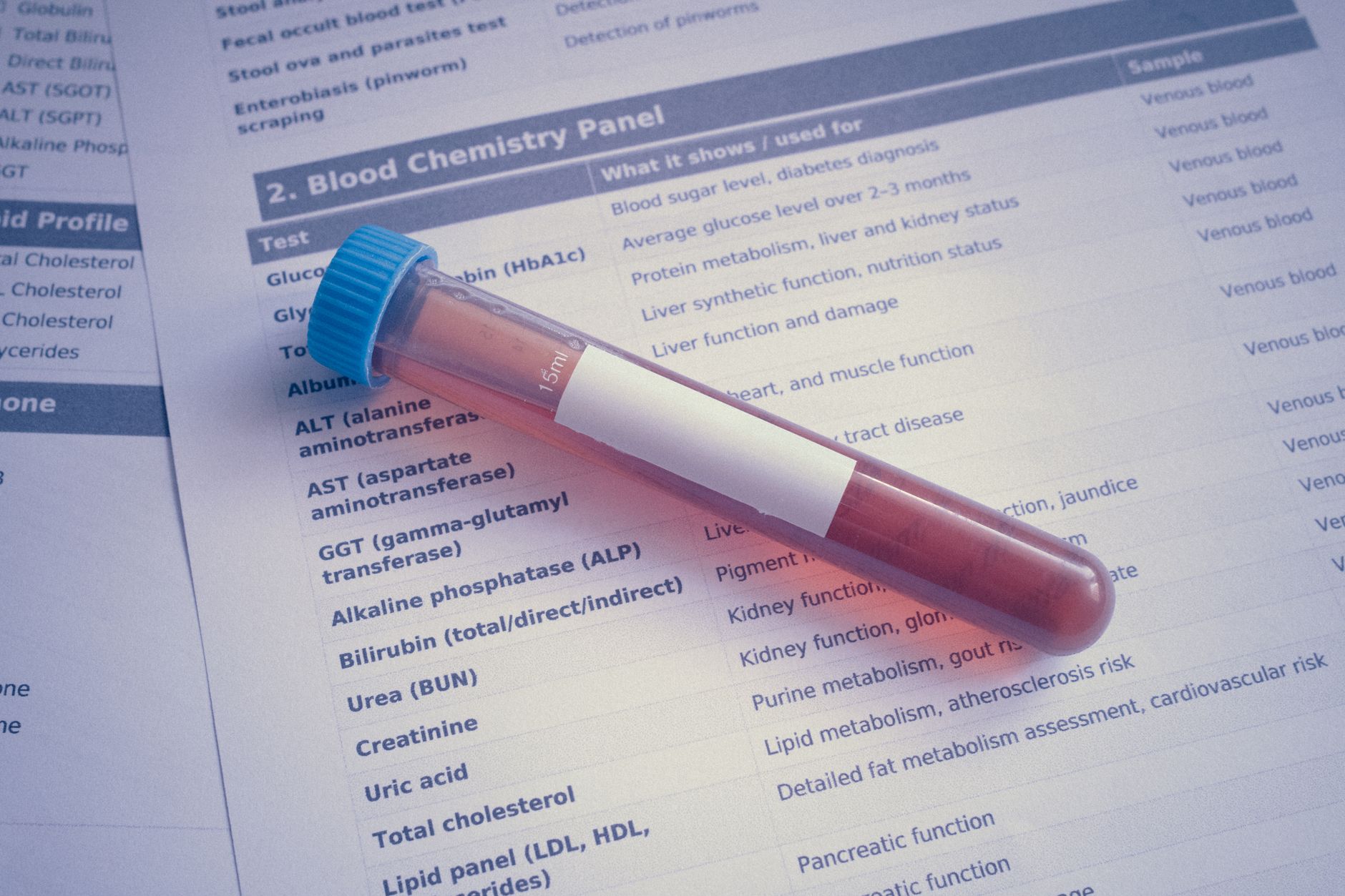
The research confirms that grip strength functions as a systemic biomarker. A landmark prospective cohort published in The Lancet (Leong et al., 2015) — the PURE (Prospective Urban Rural Epidemiology) study, covering 139,691 adults across 17 countries — found that each 5 kg reduction in grip strength was associated with a 17% higher risk of cardiovascular mortality and a 16% higher risk of all-cause mortality. The association held independently of physical activity level, body mass index, and education, and was consistent across high-income, middle-income, and low-income country cohorts, including Asian populations. The implication is that grip strength captures something beyond the hand: the integrated state of the neuromuscular and cardiovascular systems.
Gait speed carries comparable predictive weight. The research confirms that usual walking pace predicts long-term survival across diverse populations. A meta-analysis published in JAMA (Studenski et al., 2011) pooled data from 34,485 community-dwelling adults across nine cohort studies and found that each 0.1 m/s increase in usual gait speed was associated with a 12% reduction in the hazard of dying. The relationship held from age 60 upwards and was consistent across both sexes and a range of body weights. The mechanism is not circular: slow walkers are not dying because they walk slowly. Rather, gait speed reflects the composite output of cardiac reserve, neurological coordination, joint function, and muscular power — a reduction in any of those systems reduces the score before it produces a named diagnosis.
Cardiorespiratory fitness — reflected in part by the gait test and the chair-stand test in combination — also carries strong evidence. The research confirms that low cardiorespiratory fitness (the maximum rate at which your cardiovascular system can deliver oxygen to working muscle) is an independent predictor of all-cause mortality. A meta-analysis published in JAMA (Kodama et al., 2009) found that cardiorespiratory fitness was a stronger predictor of mortality than many conventional cardiovascular risk factors across the included studies.
Balance and lower-limb power are more directly connected to fall risk — and in Singapore, that is not a peripheral concern. Falls are the leading cause of injury-related hospitalisation among Singaporeans aged 65 and above, according to HPB programme data. The research suggests that poor balance performance in midlife is associated with higher mortality risk: an observational study published in the British Journal of Sports Medicine (Araujo et al., 2022) found that inability to stand on one leg for 10 seconds in adults aged 51–75 was associated with significantly elevated all-cause mortality over a seven-year follow-up. This is a single observational study, and findings should be interpreted accordingly — but it aligns with the broader evidence base on physical function as a mortality predictor.
READ ALSO: Zone 2 Training in Singapore's Heat: A Practical Protocol
Reading Your Results: Standard Ranges vs. Longevity-Optimised Ranges

The SFL report gives you a result against a clinical threshold. It does not show you the longevity-optimised target. The table below places both side by side, with the gap named explicitly — that gap is the point.
| Test | Standard Clinical Threshold | Longevity-Optimised Target | The Gap |
|---|---|---|---|
| Grip strength — men | ≥28 kg (AWGS 2019) | ≥40 kg | 12 kg — the distance between “not sarcopenic” and upper-quartile performance in the PURE study cohort |
| Grip strength — women | ≥18 kg (AWGS 2019) | ≥26 kg | 8 kg |
| Usual gait speed | ≥0.8 m/s | ≥1.2 m/s | 0.4 m/s — four tenths of a metre per second separates clinical clearance from the high-survival cohort in Studenski et al. |
| Single-leg balance (eyes open) | ≥10 seconds | ≥30 seconds | 20 seconds — the distance from fall-risk threshold to functional stability target |
The grip strength gap deserves elaboration. The AWGS 2019 criteria, which Singapore's functional screening uses, set their diagnostic cut-off at the point where sarcopenia — age-related loss of muscle mass and function — is considered clinically present. A 38 kg grip score in a 50-year-old man clears the clinical threshold with substantial margin. In the PURE study cohort, that same score places him in the second performance quartile. The longevity-optimised target is not to avoid diagnosis; it is to be in the upper-performance tier where the mortality hazard curves flatten.
For gait speed, the shape of the relationship in the Studenski meta-analysis matters. The hazard ratio improves across the full range of speeds — the 0.8 m/s threshold identifies a subgroup at acute clinical risk, not a longevity ceiling. At 1.2 m/s, the meta-analysis cohorts consistently showed low relative hazard rates. Moving from 0.9 to 1.2 m/s is a meaningful, trainable improvement, typically achievable in 12 weeks of targeted cardiovascular and leg-power work.
READ ALSO: Grip Strength as a Longevity Biomarker: What the Evidence Shows
Accessing Screen for Life: CHAS, Polyclinics, and Eligibility
Screen for Life is available to all Singaporeans and Permanent Residents aged 40 and above. The programme runs through two primary access points:
- Polyclinics — the most comprehensive access channel, with on-site equipment for all functional tests. No CHAS card is required, though CHAS cardholders receive additional subsidies. The FSE functional battery specifically is available at polyclinics for adults aged 60 and above as part of a standard SFL visit; adults under 60 can request individual functional tests through their polyclinic clinician.
- CHAS-enrolled GP clinics — CHAS (the Community Health Assist Scheme), administered by MOH, subsidises healthcare costs for lower- to middle-income Singaporeans. Blue and Orange cardholders access SFL screenings at subsidised rates at enrolled GP clinics. Not all CHAS-enrolled GP clinics carry the equipment for functional tests; confirm with the clinic before attending if the FSE battery is your priority.
As of 2025, the FSE at a polyclinic was priced at approximately $2–$5 SGD for CHAS-eligible adults; standard subsidised polyclinic rates apply for others. Verify current pricing at HealthHub's Screen for Life page before your appointment, as fees are reviewed periodically. For adults under 40, or for a more detailed assessment beyond the SFL scope — full VO2 max testing, detailed SPPB scoring with normative comparison — a private sports medicine clinic or hospital-based physiotherapy outpatient service can conduct a comprehensive functional assessment; expect to pay approximately $80–$150 SGD (2025) out-of-pocket.
Building a Protocol Around Your Results

Each domain in the SFL functional assessment points to a distinct training stimulus. Addressing the weakest domain first produces the most efficient SPPB composite improvement — effort spread equally across four domains when one is significantly below target is less effective than concentrating work where the gap is largest.
If grip strength is below the longevity-optimised target:
The research confirms that resistance training drives grip strength gains in adults over 40. A Cochrane systematic review by Liu and Latham (2009) — covering 121 randomised trials of progressive resistance strength training in older people — found significant improvements in strength and functional performance across the pooled evidence. For grip specifically, compound pulling movements produce the most direct stimulus: deadlifts, farmer carries, bent-over rows, and chin-ups loaded at 70–80% of estimated one-rep maximum, three sessions per week. Consult your clinician before beginning high-intensity resistance loading if you have a history of cardiovascular events or uncontrolled hypertension.
If gait speed is below 1.2 m/s:
Gait speed responds to both aerobic conditioning and lower-limb power training. Zone 2 aerobic training — sustained effort at the upper threshold of comfortable conversation, typically 60–70% of maximum heart rate — improves cardiovascular output and mitochondrial density (the ability of muscle cells to produce energy aerobically), both of which underlie gait speed at population level. In Singapore's conditions — ambient temperatures regularly at 30–33°C with relative humidity above 80% — cardiovascular drift means heart rate rises progressively under heat load even at constant work output. Calibrate Zone 2 effort against perceived exertion (the “comfortably conversational” threshold) rather than fixed heart-rate targets from temperate-climate protocols, which will systematically undershoot in this environment. Add two weekly sessions of incline walking, stair climbing, or loaded step-ups for the lower-limb power component.
If single-leg balance is below 30 seconds eyes-open:
Balance responds to specific vestibular and proprioceptive training. Begin with daily single-leg stands on both legs, targeting 30-second holds eyes-open before progressing to eyes-closed. The research suggests that group exercise programmes incorporating balance and strength components reduce fall rates in community-dwelling older adults: the Cochrane systematic review of fall prevention interventions (Gillespie et al., 2012) pooled evidence across multiple trial types and found consistent fall-rate reductions from balance-inclusive exercise. Tai chi has a specific and consistent record within that evidence base across trials involving adults over 60.
If chair-stand count is below age-sex norms:
Lower-limb power responds rapidly to plyometric and squat-pattern loading. Goblet squats, box step-ups, and jump rope (or low-impact modifications for those with joint load restrictions) produce measurable chair-stand improvements within 6–8 weeks of consistent training. Lower-limb power is the component most amenable to rapid short-term gains in adults across a wide age range, including those over 60.
READ ALSO: Strength Training Over 40 in Singapore: A Protocol
What Comes Next: From Assessment to Action

A Screen for Life result sits in a patient record until you decide what to do with it. The functional tests are not diagnostic for any specific condition — they are a snapshot of physical performance capacity against two sets of benchmarks: clinical sufficiency and longevity optimisation. Most adults who score above the clinical threshold and below the longevity-optimised target occupy a zone the healthcare system has no urgent interest in. That means the initiative is yours.
The practical sequence:
- Get the number. If you have not had an SFL screening with the functional component, book it at your nearest polyclinic via HealthHub. The FSE takes approximately 20 minutes and is included in the standard SFL appointment for adults 60 and above; request the functional battery specifically if you are under 60.
- Identify your weakest domain. The SPPB composite score improves most efficiently when training addresses the lowest-performing element. Do not spread effort evenly if one domain is significantly below its longevity-optimised target.
- Set a 12-week reassessment date. Functional fitness — unlike cardiovascular biomarkers such as ApoB or fasting glucose — responds visibly to training within 12 weeks. A polyclinic clinician can retest grip and gait speed at a standard follow-up visit; no specialised referral is required.
- Rule out secondary causes before attributing poor results to a training deficit. Low grip strength and slow gait speed can result from vitamin D deficiency, thyroid dysfunction, anaemia, or medication side effects. A polyclinic blood panel — often covered under SFL or CHAS — can confirm or rule these out, and the treatment path for a secondary cause differs entirely from a training programme.
This article covers one piece of the system. The 30-Day Biohacking Starter Guide covers all of it, with a day-by-day protocol built specifically for Singapore. Download the full guide here.
Frequently Asked Questions

Is Screen for Life free in Singapore?
The programme is subsidised, not free for most adults. CHAS Blue cardholders pay approximately $2 SGD (2025) per screening visit at a polyclinic; Orange cardholders and non-CHAS Singaporeans pay a higher subsidised rate. HPB periodically updates the fee structure; verify the current rate before attending.
How often should I retest?
HPB recommends annual SFL screening for adults 40 and above. For longevity tracking purposes, a 12-week functional reassessment following a targeted training programme is practical — sufficient time to produce measurable change without excessive testing burden. Year-on-year comparison of the annual SFL result gives a longer-term trajectory.
Can I compare my results year-on-year?
Yes, and this is one of the most underused features of the programme. Your SFL results are stored in your electronic medical record at the polyclinic. Ask your clinician to display the last two visits side by side. A year-on-year decline in grip strength of more than 1–2 kg, or any measurable reduction in usual gait speed, warrants investigation rather than passive monitoring — it may indicate a secondary cause rather than normal ageing, and early identification narrows the intervention window.
What if my results are already in the longevity-optimised range?
Maintain them. The research confirms that functional fitness gains erode without maintenance stimulus. Two resistance sessions per week and 150 minutes of moderate aerobic activity weekly — consistent with HPB's physical activity guidelines — are the floor for preserving functional performance across age. The goal at that point shifts from improving the score to holding it stable as you age, which is a different — and ongoing — programming task.
Does the FSE functional assessment apply only to older adults?
The FSE as a formal programme component is designed for adults 60 and above, but the biomarkers it measures — grip strength, gait speed, lower-limb power — are relevant across working age. A 35-year-old whose grip strength sits in the lower quartile for their age is not at acute clinical risk; they have time to build, and that time is the structural advantage. A baseline measurement at 35–40 gives a trajectory to track over decades, not just a single data point in retirement.
What is the AWGS and why does it matter for my results?
The Asian Working Group for Sarcopenia (AWGS) is a pan-Asian clinical body that sets the diagnostic criteria for sarcopenia — age-related loss of muscle mass and function — used across Singapore, Hong Kong, Japan, South Korea, and China. Their 2019 consensus update revised the grip strength cut-offs downward from the earlier 2014 criteria, making the diagnostic threshold more specific to Asian body composition norms. When your SFL result is flagged as “low” or “normal,” that classification is against AWGS 2019 criteria — not against the upper-performance ranges where the longevity evidence sits.