
Good Sleeping Posture: Small Fix, Better Mornings
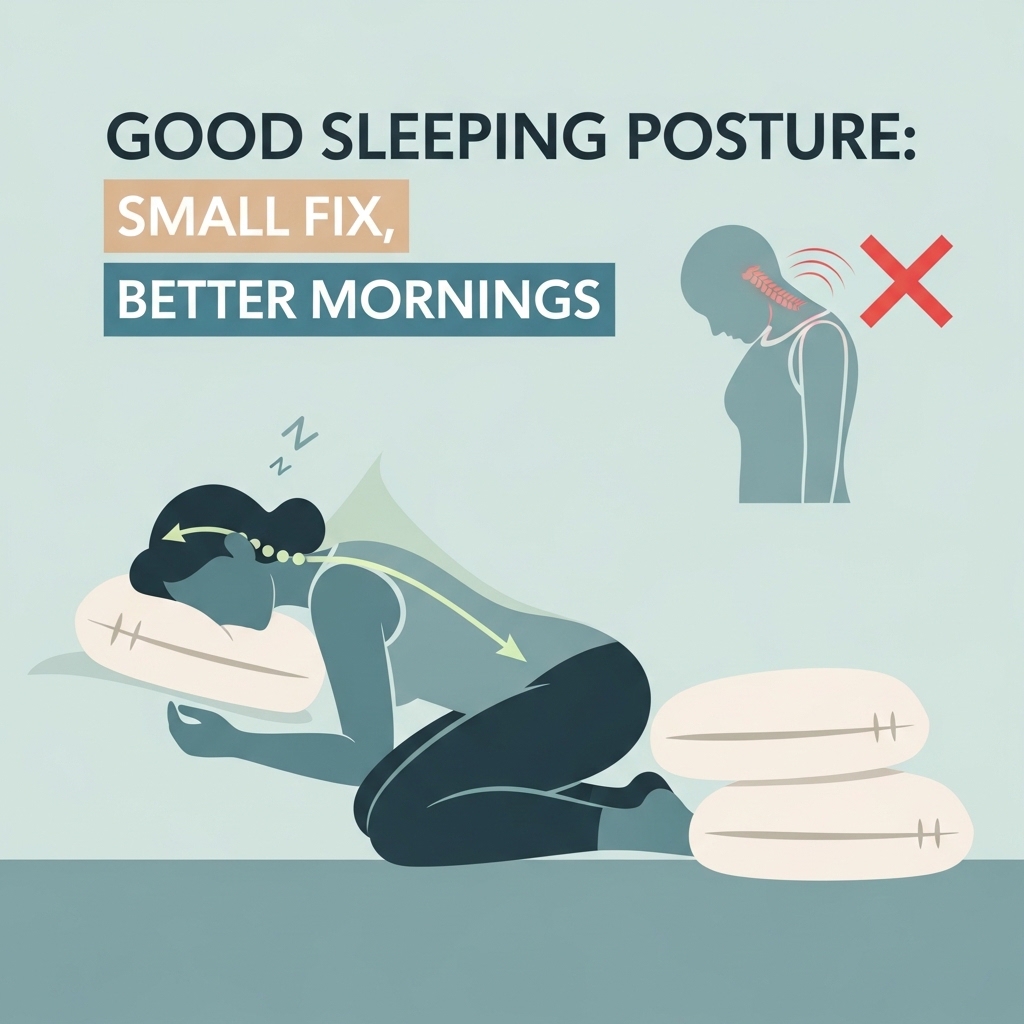
You may not think much about good sleeping posture, yet it quietly shapes how you feel each morning. The way your body rests at night influences comfort, breathing, and your ability to enjoy a true good night's sleep. When your sleep posture supports your body well, muscles relax and the mind wakes refreshed.
Many people focus on bedtime routines but forget the role of the sleep position itself. A small change in posture can reduce back pain, ease neck pain, and help your body move through the night with less strain. This simple awareness often leads to deeper restful sleep.
Think of this as a gentle adjustment rather than a strict rule. Your body already knows how to rest. You are simply learning how to guide it toward a position that protects your overall health.
Why Sleeping Posture Matters
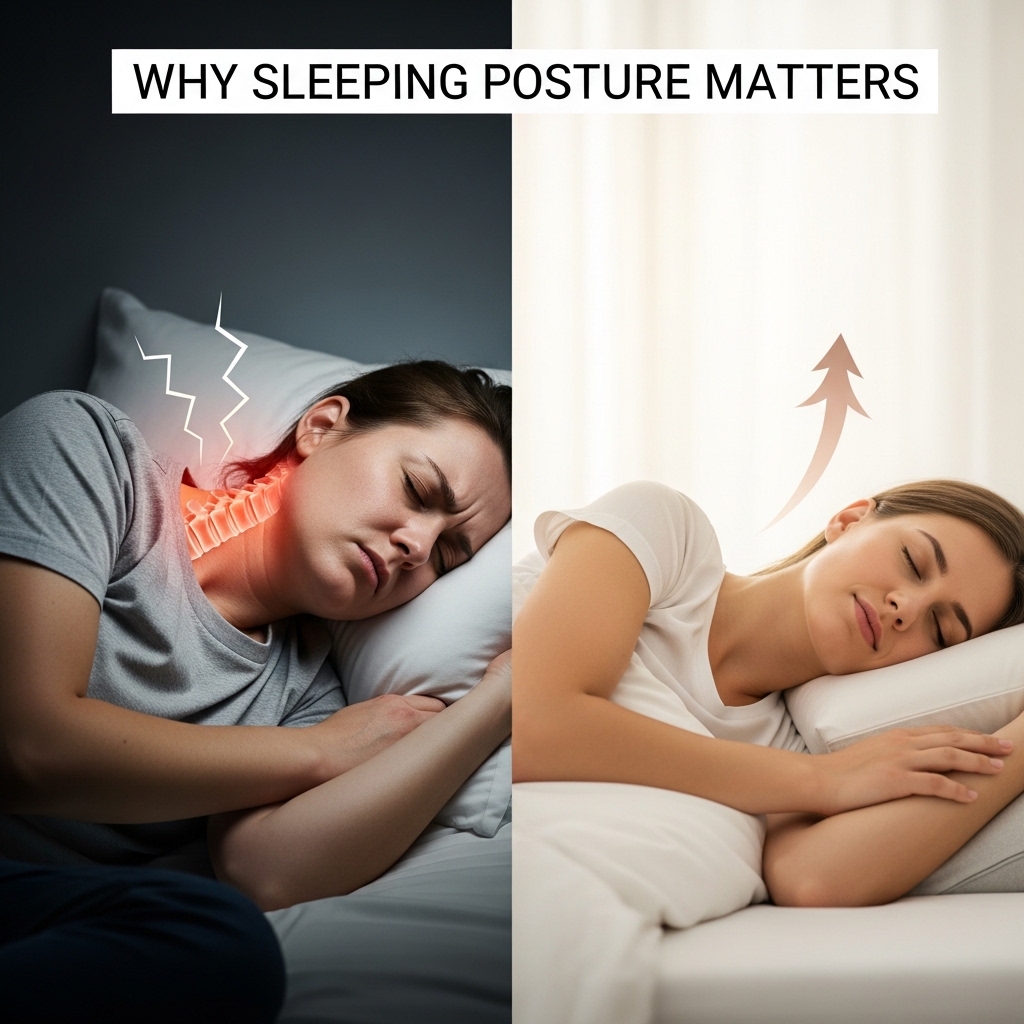
Your body performs quiet repair while you sleep. Muscles loosen, the brain processes the day, and tissues begin rebuilding. When your sleep posture keeps the spine steady, this healing process becomes smooth and efficient.
The spine naturally forms a soft curve from the neck to the lower back. Maintaining this natural curve is important for spinal alignment and proper circulation. When the spine stays aligned, pressure spreads evenly across muscles and joints.
Poor posture during sleep can slowly create tension. Over time, this may lead to stiff neck, back pain, or even persistent shoulder pain. These signals are the body asking for better support during adults sleep.
Improving posture during sleep can also bring subtle health benefits. Many people notice reduced stress in the morning and improved energy throughout the day. It becomes easier to move, stretch, and breathe comfortably.
READ ALSO: Essential Habits for Better Sleep Every Night
Understanding Common Sleep Positions
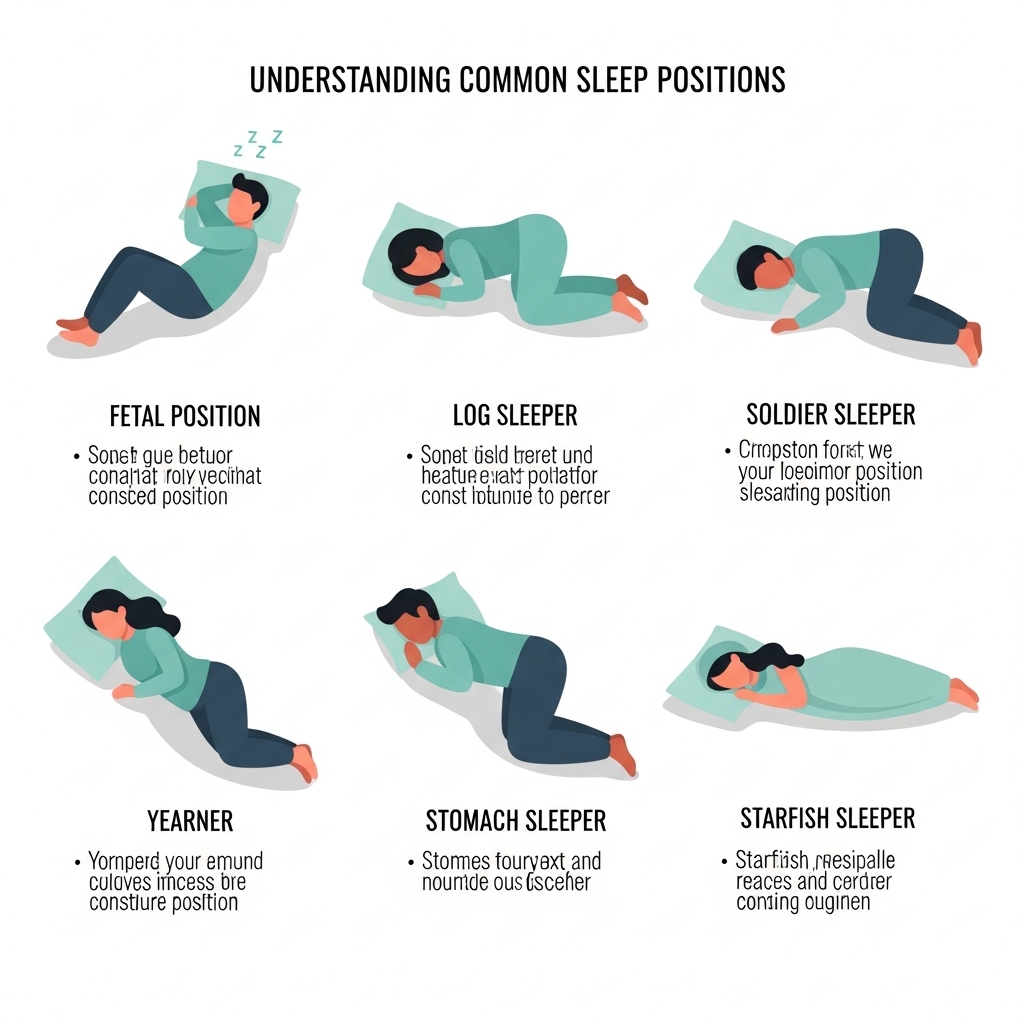
Most people settle into a preferred position without much thought. Over time, that habit becomes the same position every night. Yet not every popular sleep position offers equal comfort or support. The three main best sleeping positions include sleeping on your back, sleeping on your side, and sleeping on your stomach. Each one affects breathing, digestion, and the body's structure in unique ways. Learning about them helps you choose the right sleep position for your needs.
Even small adjustments within these other sleeping positions can make a difference. The angle of the knees, the height of the pillow, and mattress support all influence comfort. These details determine whether your body relaxes or holds tension.
When you understand these patterns, sleep becomes easier to improve. You are no longer guessing. You are guiding your body toward the best sleeping approach for long-term comfort.
READ ALSO: Sleep Better Tonight
Back Sleeping and Natural Alignment
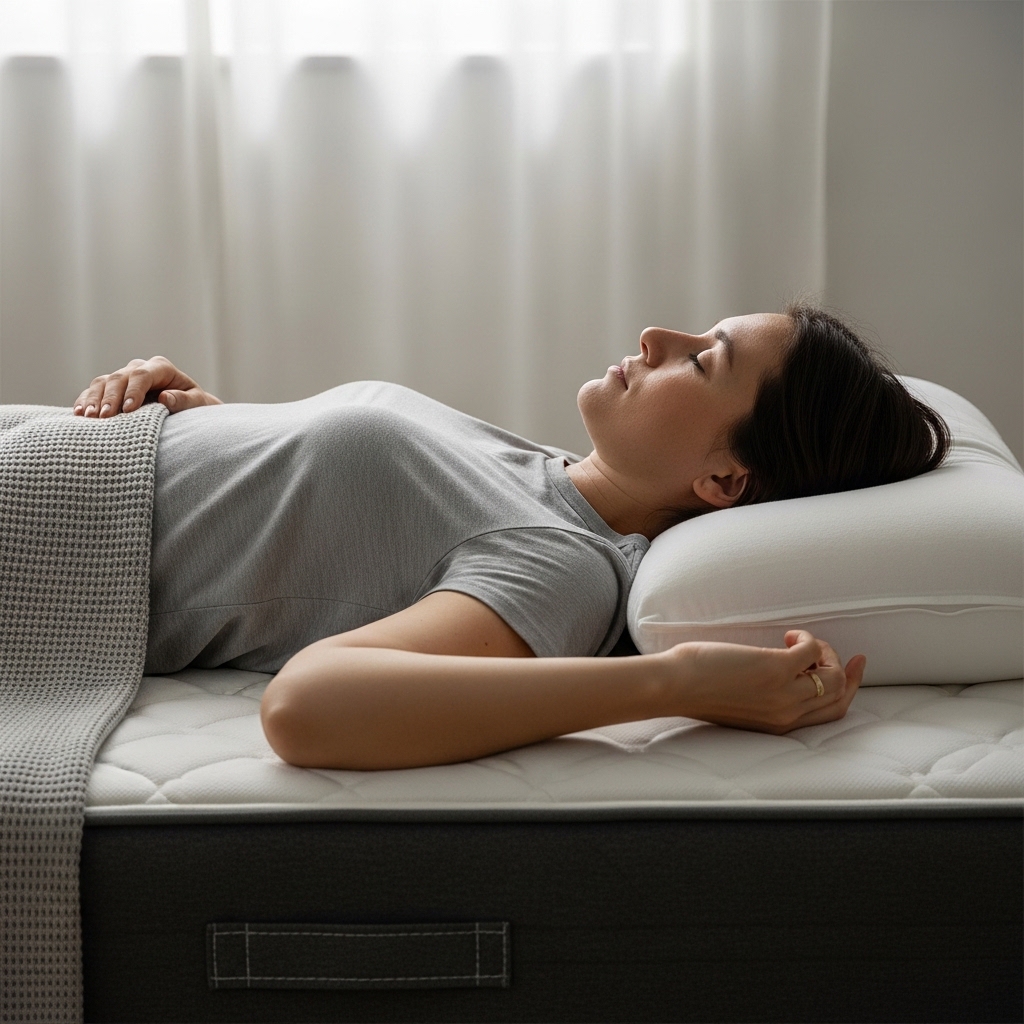
For many people, back sleeping is considered one of the best sleeping positions. When done properly, it helps maintain natural alignment across the spine. This allows muscles to rest without twisting or bending. Back sleepers distribute body weight evenly across the mattress. The upper body remains open, which allows the chest and shoulders to relax.
This position also supports back and neck health by protecting the spine's natural curve. A thin pillow or small pillow works best for this position. A pillow that is too high pushes the neck forward and may lead to neck pain. Gentle support keeps the head balanced while the spine stays steady.
Back sleeping can also reduce pressure on the face. This means fewer sleep wrinkles and fewer facial wrinkles over time. The skin rests calmly without being pressed against the pillow. However, some people with sleep apnea or obstructive sleep apnea may notice more snoring while sleeping on your back. In these cases, exploring different positions can improve breathing and reduce sleep disordered breathing.
READ ALSO: What’s a Good Mattress for Back Pain? Comfort Meets Care
Side Sleeping for Comfort and Balance
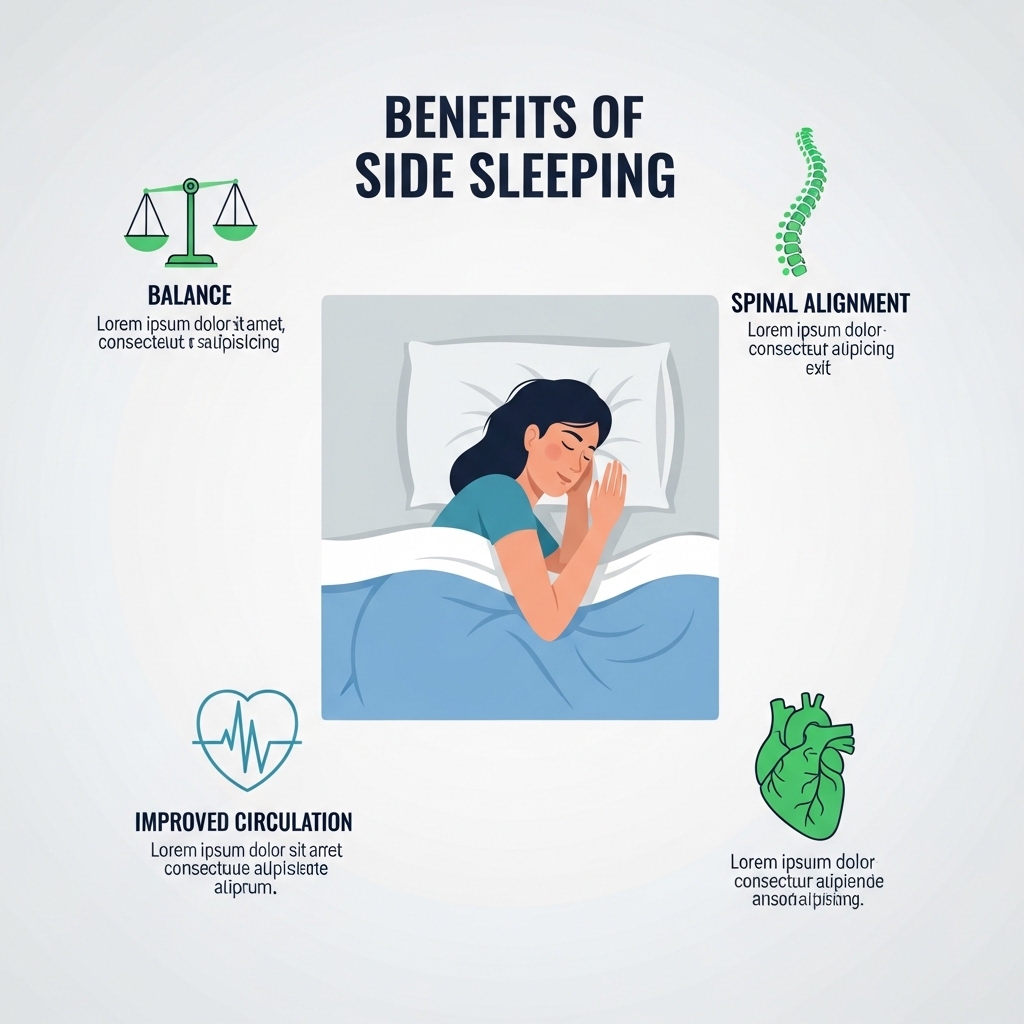
Many experts consider side sleeping one of the most comfortable options for long nights of rest. When sleeping on your side, the body rests naturally with the shoulders and hips supported. This helps maintain spinal alignment. A gentle bend in the legs is helpful here. Most people sleep best with knees slightly bent or comfortably knees bent toward the chest.
This shape supports the body's natural curve while easing tension in the lower back. Placing a pillow between the knees can also relieve pressure in the hips. This small adjustment keeps the pelvis stable and reduces strain during the night. Many people find this simple trick quickly improves restful sleep.
Your pillow also matters in this position. A supportive pillow should keep the neck level with the spine. This helps protect neck health and prevents morning soreness. Side sleeping is often recommended in sleep medicine because it may reduce snoring and support people with sleep disorders such as sleep apnea.
READ ALSO: How Can We Stop Snoring And Keep Peace At Night
The Benefits of the Left Side
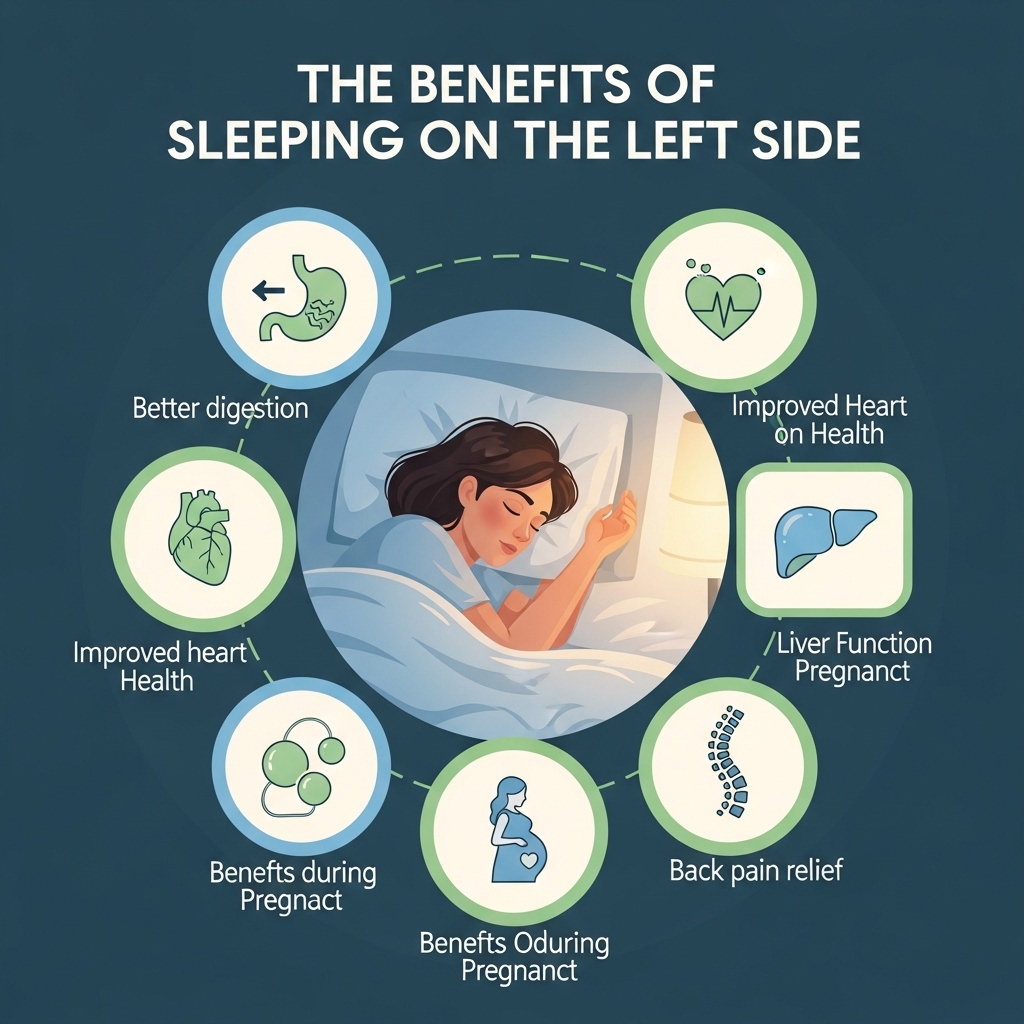
Among side sleepers, the left side often receives special attention. This position supports digestion and can reduce nighttime discomfort. Gravity helps keep stomach acid from rising upward. This makes the left side especially helpful for people who struggle with acid reflux or gastroesophageal reflux disease. Sleeping this way may prevent the burning sensation that interrupts sleep.
Many people notice calmer digestion overnight. Doctors also recommend this position during the second and third trimesters of pregnancy. It improves circulation and allows blood to move freely between mother and baby. These are gentle but important potential health benefits.
You do not need to force yourself to stay on the left side all night. Instead, allow your body to begin there and adjust naturally. Over time, this position often becomes a comfortable preferred position. Small habits like this quietly support your overall health.
READ ALSO: Better Sleep | Whole Living
Stomach Sleeping and Its Challenges
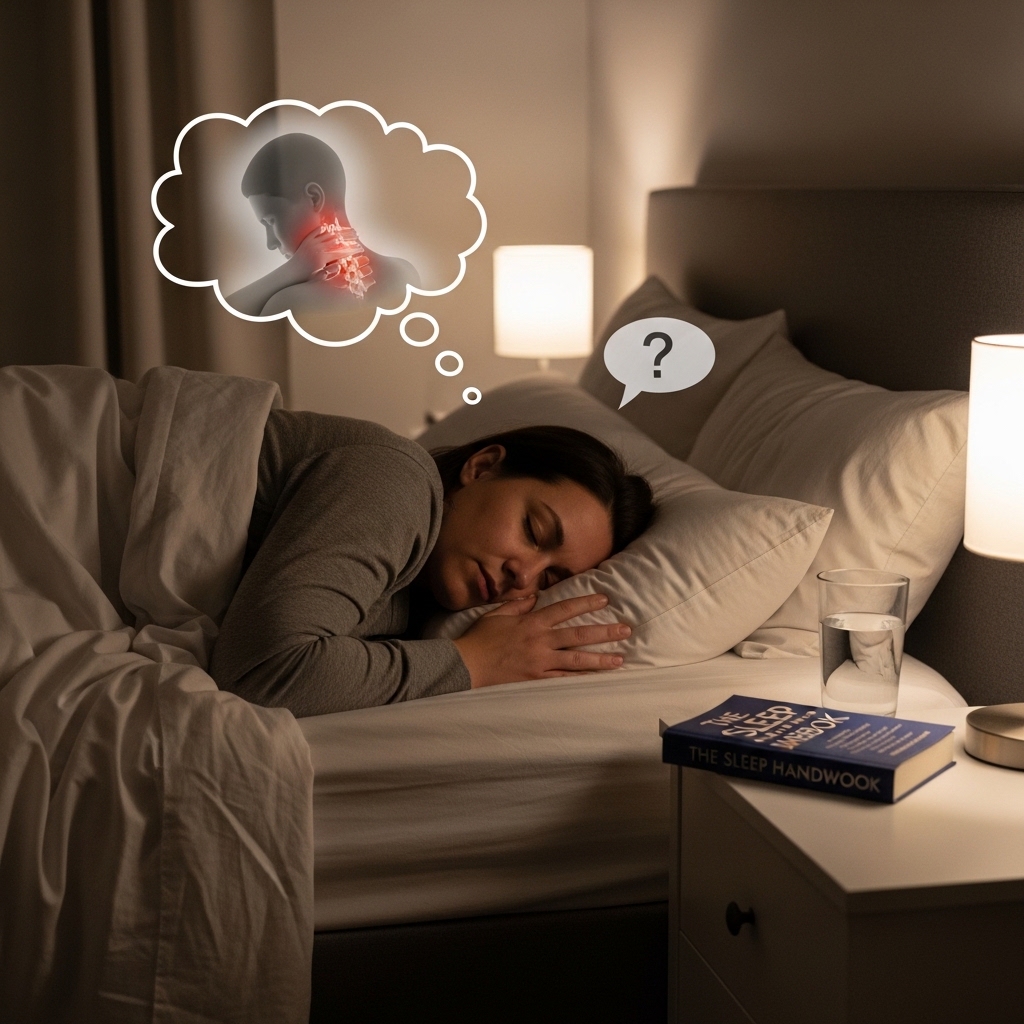
Many people enjoy stomach sleeping, yet it often creates stress for the spine. In this posture, the body rests in the stomach position or prone position. The neck must turn sharply to allow breathing. This twist can strain muscles and lead to neck pain or a stiff neck by morning. Over time, repeated tension may affect back and neck health.
The lower back may also sink into the mattress, which disrupts spinal alignment. Stomach sleepers often experience pressure on the chest and abdomen. For some people, this can affect breathing or cause discomfort in the ribs. This position may also press against the face and contribute to sleep wrinkles.
If you naturally fall asleep while sleeping on your stomach, small adjustments can help. A flat pillow or thin pillow reduces strain on the neck. Some people even avoid sleeping with a pillow to keep the neck straighter. Adding a pillow under the hips may also help restore the spine's natural alignment.
READ ALSO: Foods to Avoid Eating with Acid Reflux for Daily Comfort
Choosing the Right Pillow
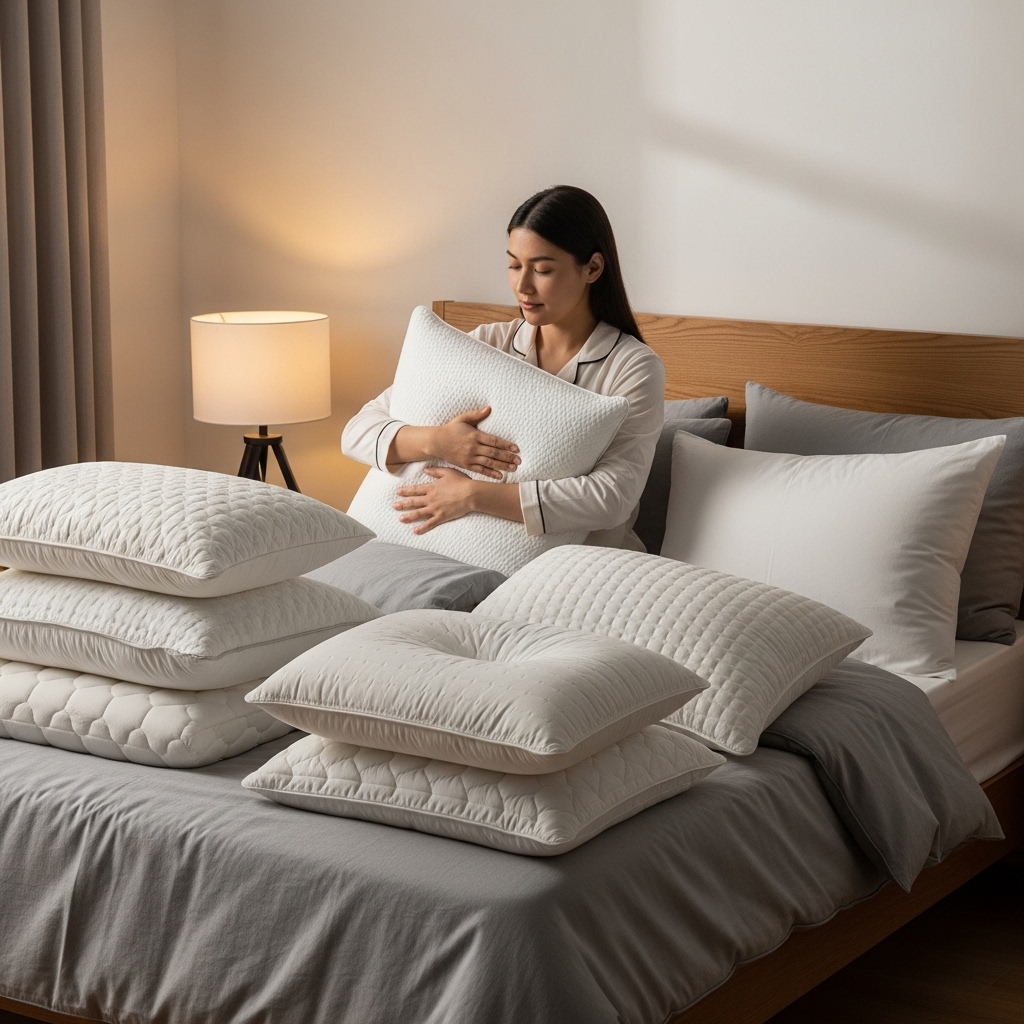
Your pillow quietly shapes your entire sleep posture. It determines how your neck rests and whether your spine stays balanced. Choosing the right support can prevent many common sleep problems. For side sleeping, a supportive pillow should fill the space between the head and mattress. This keeps the neck level and protects neck health.
Without this support, the neck tilts downward and creates tension. Back sleepers usually benefit from a small pillow or thin pillow. This keeps the head gently supported without bending the neck forward. Balanced support allows muscles to relax fully.
Stomach sleepers often prefer a flat pillow. A thinner pillow reduces twisting and helps the neck stay closer to neutral alignment. Your pillow acts like a quiet partner during the night. When it supports your body correctly, muscles relax and reduce stress across the spine.
READ ALSO: Choosing the Right Healthy Pillow for You | Whole Living
The Role of Your Mattress

The mattress beneath you supports the entire body. A good mattress helps maintain spinal alignment while distributing weight evenly. This balance protects muscles and joints during long hours of sleep. A firm mattress often provides reliable support. It prevents the hips and shoulders from sinking too deeply into the surface.
This stability helps the spine stay aligned throughout the night. However, comfort still matters. A mattress that feels too hard may create pressure points on the shoulders and hips. These points may lead to hip pain or shoulder pain over time.
The best mattress allows the body to settle naturally while supporting the natural curve of the spine. When the mattress provides this balance, your body relaxes more deeply. This deeper relaxation often leads to longer periods of restful sleep.
READ ALSO: What’s a Good Mattress for Back Pain? Comfort Meets Care
Breathing, Snoring, and Sleep Disorders
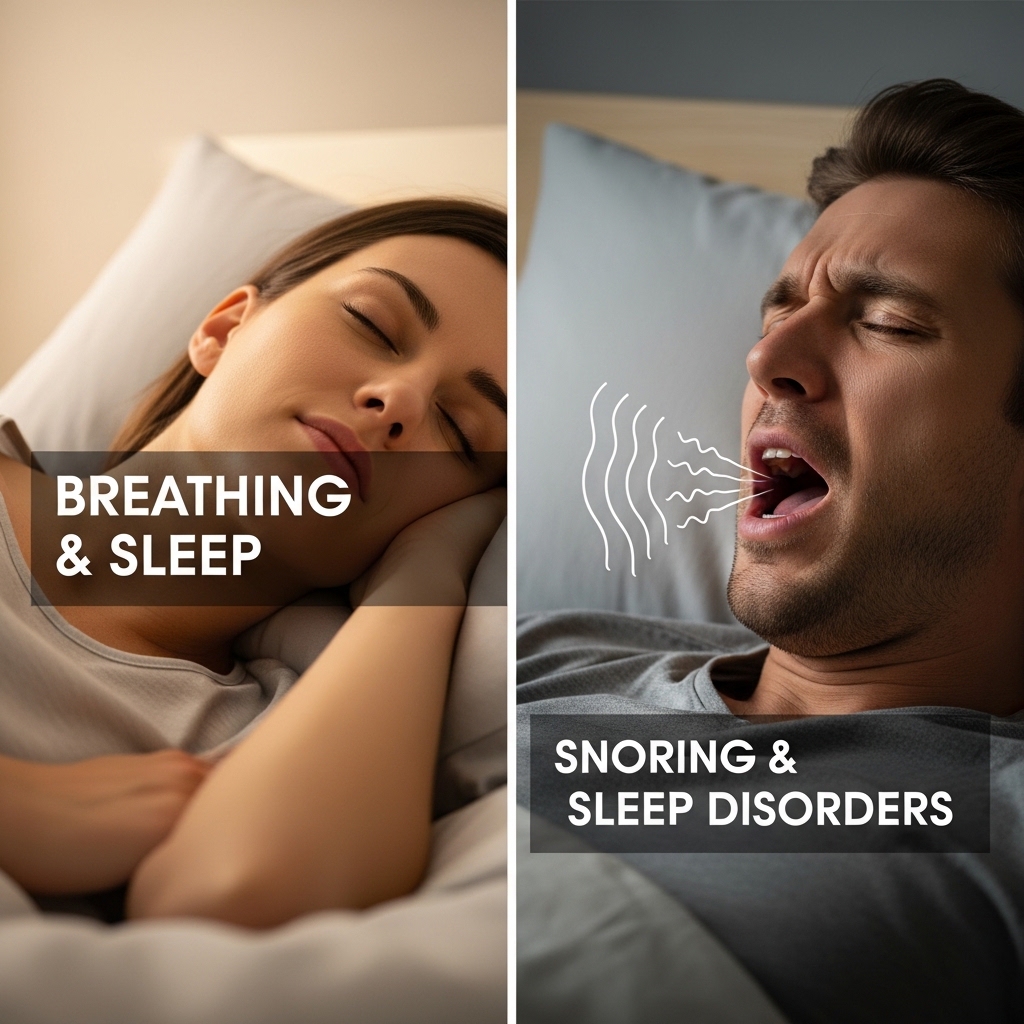
Your sleep position influences breathing patterns throughout the night. This becomes especially important for people with sleep disorders. Certain positions may improve airflow while others make breathing harder. People with sleep apnea experience repeated pauses in breathing during sleep. In obstructive sleep apnea, the airway collapses temporarily and blocks airflow.
This leads to fatigue and poor quality rest. These interruptions are known as sleep disordered breathing. Over time, they can affect energy, mood, and heart health. In some cases, they may even worsen health issues such as heart failure. Doctors often recommend positional therapy to improve breathing. Turning onto the side can help reduce snoring and limit airway collapse.
This simple change may improve oxygen flow. For more complex cases, specialists in sleep medicine can recommend professional sleep solutions. Good posture alone may not cure every condition, but it supports better breathing.
READ ALSO: How Can We Stop Snoring And Keep Peace At Night
Listening to Your Body

Your body constantly sends signals about comfort and strain. Pain often appears when pressure builds in the wrong places. Paying attention to these signals helps guide your sleep position choices. When the body stays spine aligned, muscles relax more deeply. This helps reduce pressure on joints and soft tissues.
The result is smoother movement and less soreness in the morning. If you wake with back pain, examine your mattress and posture. If shoulder pain appears often, consider adjusting pillow height. Small changes can make a surprising difference.
If hip pain occurs during side sleeping, place a pillow between your legs. This keeps the pelvis balanced and helps relieve pressure overnight. Your body rarely asks for dramatic change. Most improvements come from gentle adjustments that support your natural balance.
READ ALSO: Self Discovery Journey to Embrace Your Ageless Potential
Creating a Gentle Sleep Routine
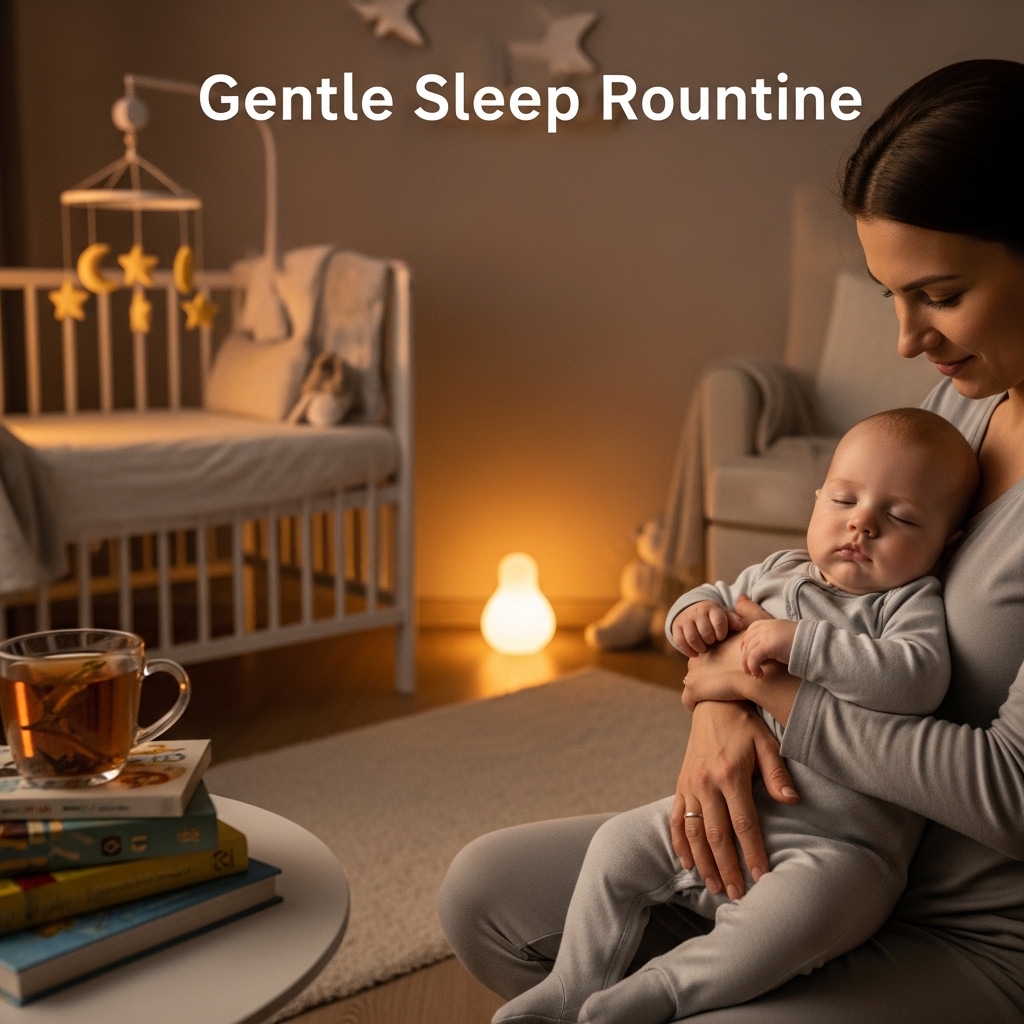
Good sleep begins before you lie down. Your body benefits from calm preparation and steady habits. A short evening routine helps signal that it is time to rest. Dim the lights and step away from bright screens. Take a few slow breaths or stretch your shoulders lightly. These small steps help the mind prepare for sleep.
When you enter bed, notice how your body settles into a sleep position. If tension appears, adjust gently until your spine feels long and relaxed. Allow the shoulders and jaw to soften.
Over time, these habits help your body fall asleep faster. They also support deeper and more consistent rest throughout the night. Better posture becomes easier when the entire routine supports relaxation.
READ ALSO: Self Care Night Routine Ideas to Calm Your Mind and Body
A Small Change for Better Mornings

Improving good sleeping posture does not require complicated rules. Most changes begin with awareness and patience. Your body will guide you when you listen carefully. Explore different other sleeping positions and notice how they affect comfort. Look for the best sleeping position that supports breathing and keeps the spine relaxed.
Adjust pillows and mattress support when needed. These small choices may help ease acid reflux, calm a stuffy nose, and support people with certain health conditions. Over time, they also protect joints and muscles from unnecessary strain.
You are building a quiet foundation for lasting well being. Each night becomes an opportunity to restore the body and mind. Tonight, when you lie down, pause for a moment. Choose a sleep position that supports your body with care. A small shift may lead to calmer nights and brighter mornings.