
You may feel a quiet desire to bring more clarity into your days. A creativity planner can become a gentle guide that helps you shape time with intention and care. Instead of rushing through tasks, you begin to plan your days with awareness. Many people think planning removes spontaneity. In truth, the right planner actually creates freedom. When your schedule is clear, your mind gains space for new ideas and meaningful work. A thoughtful creative planner helps you stay organized while protecting your creativity. It becomes a calm organizational tool that holds your tasks, your reflections, and the small details of everyday life. You begin to write your goals, track your progress, and notice patterns in your days. With time, this simple system brings balance to your work and your personal lifestyle. Let us explore how a planner can gently support your creative rhythm.
A Planner Is a Gentle Companion

A planner is more than a schedule book. When used with care, it becomes a steady companion for your everyday life. It quietly holds your thoughts, plans, and small victories. Many people choose a paper planner because writing by hand feels grounding. The moment you place pen on paper, your attention becomes focused. This small act slows the mind and invites clarity.
Your planner also acts as a dependable organizational tool. It helps you track appointments, events, and important reminders without stress. Instead of holding everything in memory, you create a reliable system for keeping track.
Over time, your planner becomes personal. It carries your notes, your ideas, and your creative sparks. It slowly turns into a living record of your progress and your evolving goals. When you return to your planner each day, it begins to feel familiar. Like a quiet guide that supports your path forward.
READ ALSO: Mindfulness Practices for Mental Well-Being You Need
Finding the Right Planner for You
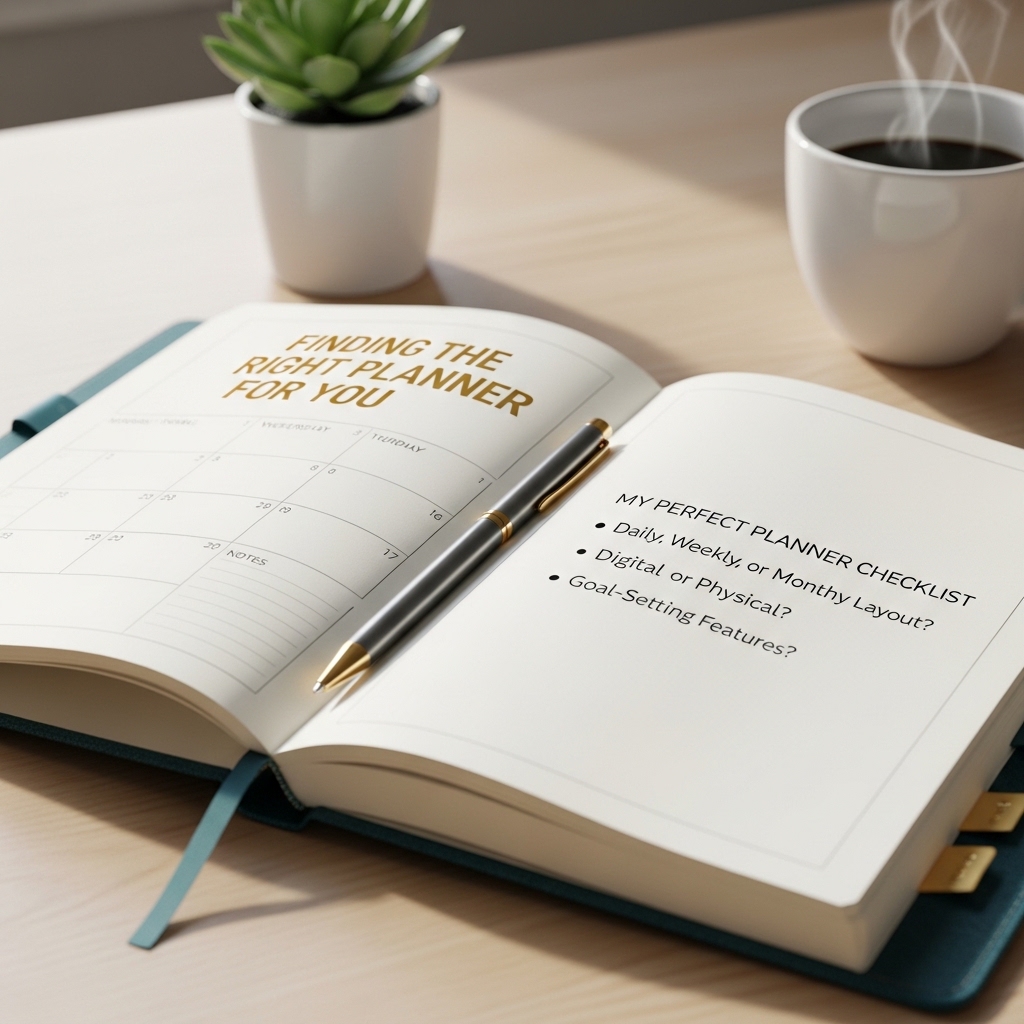
Choosing the right planner is an important step in building a calm planning habit. Your needs, schedule, and creative style should guide that decision. A planner should support your routine, not complicate it. Some people prefer weekly planners that display the entire week on two pages. This style offers a clear overview of tasks, appointments, and priorities.
It helps you manage responsibilities with a bit more flexibility. Others enjoy using a monthly planner alongside their weekly layout. A monthly calendar allows you to see upcoming events, holidays, and long term goals. This larger view helps you decide where to focus your energy.
You may also explore a focus planner or a full focus planner. These planners often include sections for reflection, goal setting, and structured thinking. They are especially helpful for people who want deeper planning support. Take time to explore cover options, layouts, and page designs. The perfect planner is not always the most expensive one. It is simply the planner that feels natural to open every day.
READ ALSO: Mindfulness Practices for Mental Well-Being You Need
The Quiet Power of Weekly Planning
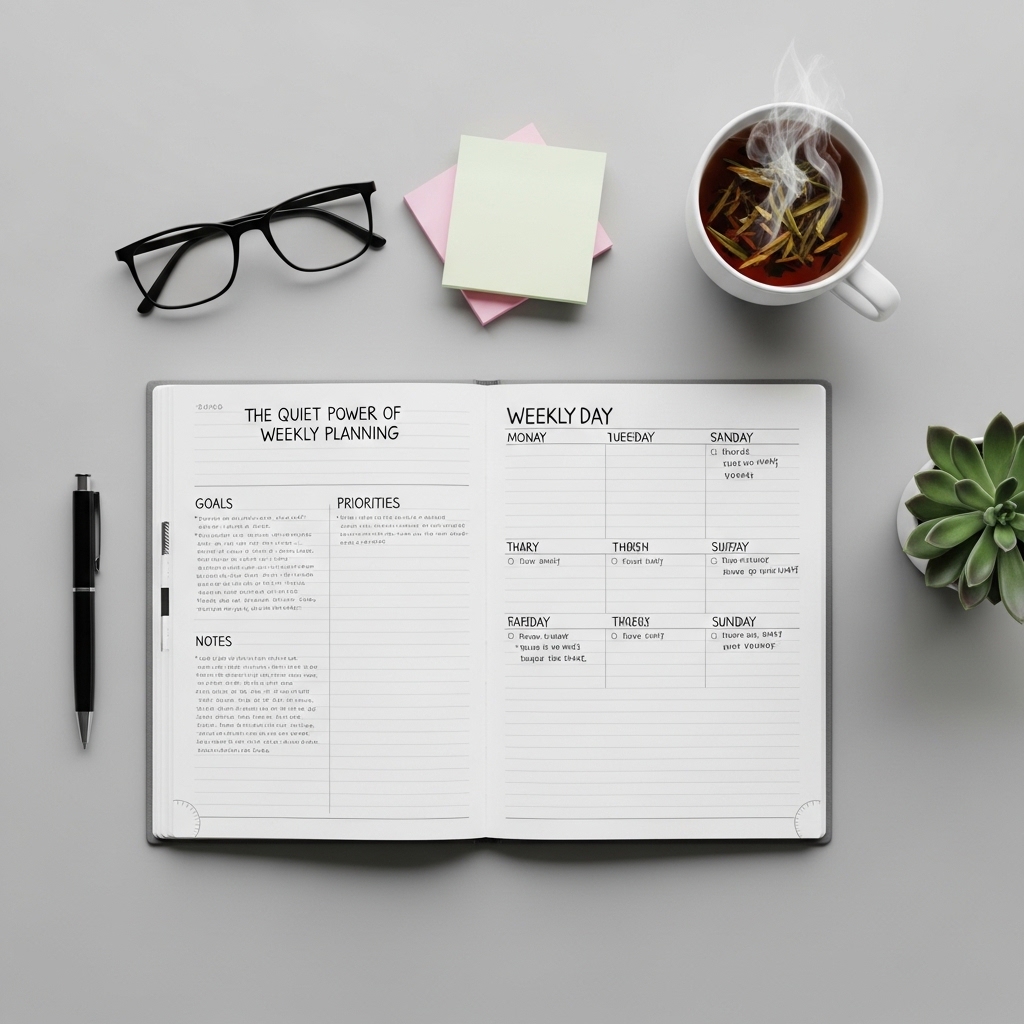
Weekly planning creates a steady rhythm in your routine. When you use weekly planners, you gain a balanced view of your responsibilities and opportunities. The entire week sits clearly in front of you. Start each week by reviewing your weekly pages. Write your key appointments, meetings, and events first.
This ensures your important commitments are always visible. Next, create a thoughtful weekly to do list. This list holds the tasks that matter most for your productivity and progress. By writing them down, you remove mental clutter.
A clear weekly layout also gives you breathing room. If one single day becomes too busy, you can shift tasks to another day. This flexibility keeps your system calm and manageable. Weekly planning gently teaches you how to manage priorities. Instead of reacting to every request, you begin to guide your own schedule.
READ ALSO: Yoga Mind-Body Connection: Simple Moves That Work
Monthly Planning Creates Direction
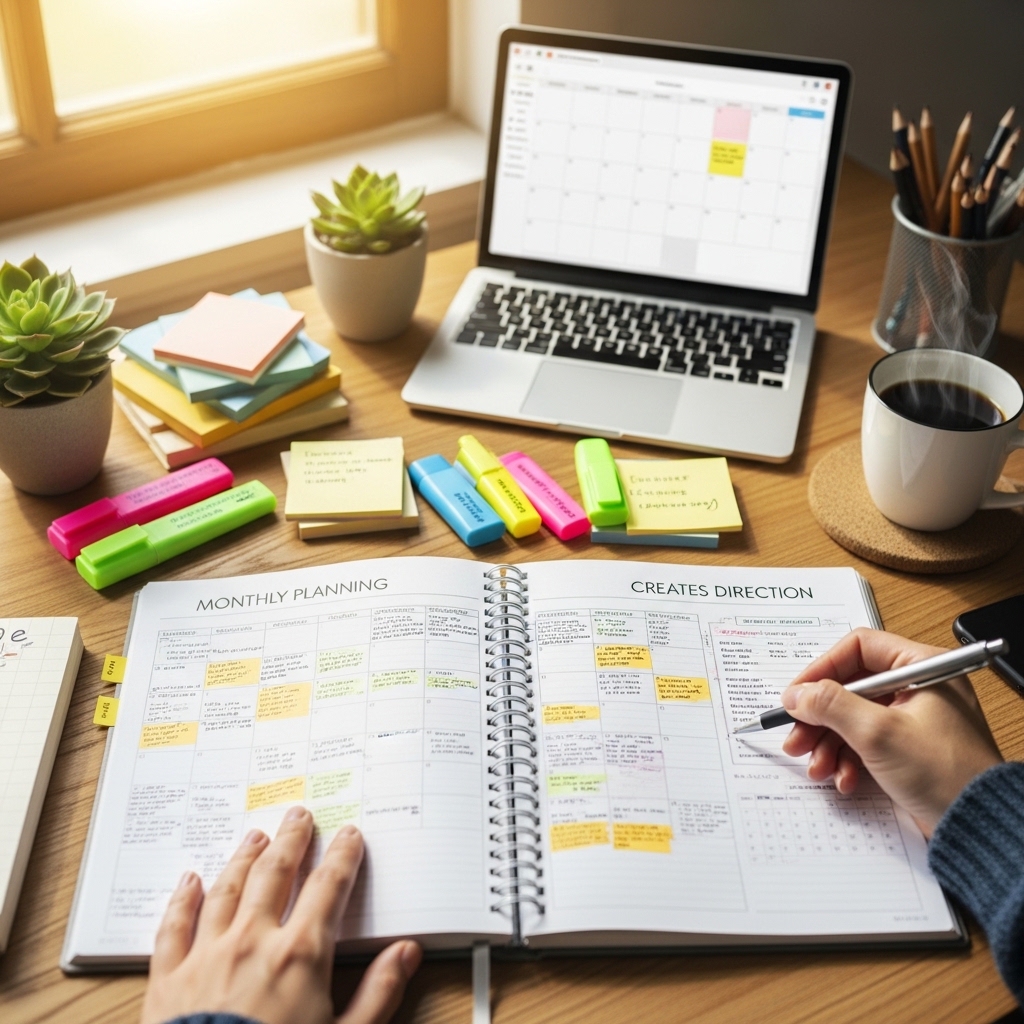
Weekly planning helps with daily movement. A monthly planner gives you direction for the bigger picture. It helps you understand how your weeks connect to long term goals. Your monthly pages usually include a clear calendar view. Use this space to record important dates, birthdays, and community events. Seeing these moments ahead of time prevents last minute stress.
A monthly calendar also helps you organize your commitments. You can mark travel, projects, or special occasions. This keeps your schedule balanced and intentional. Many planners include helpful monthly tabs.
These tabs allow you to move quickly between months during the full year. That small design detail improves efficiency and clarity. Monthly planning invites thoughtful reflection. When you review your month, you can reflect on progress and adjust your goals. This habit strengthens your planning system over time.
READ ALSO: Mind and Peace Tips to Achieve Calm and Clarity
Designing Daily Spreads That Feel Calm
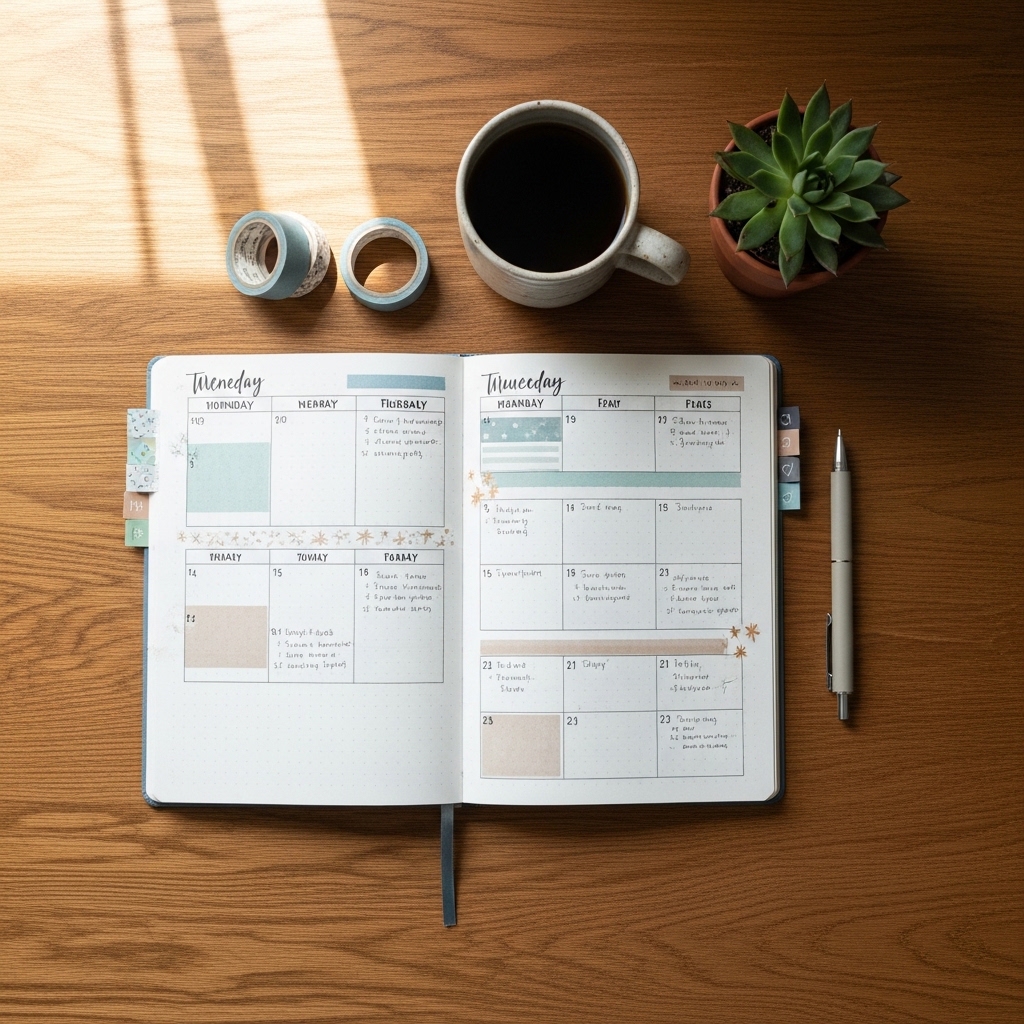
Your daily planner supports focus and clarity. The purpose of daily spreads is not to overwhelm you with tasks. Instead, they guide your attention toward what truly matters. Begin each page by listing your main priorities. Choose two or three meaningful tasks that deserve your strongest energy. This keeps your schedule realistic and supportive.
Below your priorities, write a simple to do list for the day. Include smaller daily tasks such as emails, errands, or phone calls. Keeping these tasks visible prevents forgetfulness.
Leave a little open space on the page. This area can hold quick notes, ideas, or reflections. Sometimes your best thoughts arrive during the busiest moments. Many planners also include space for daily gratitude. Writing a few thankful thoughts encourages a calm mindset. Over time, your daily pages become a gentle journal of your everyday life.
READ ALSO: Adaptable Mind in a World That Moves Too Fast
Using Your Planner for Goal Setting

A planner becomes powerful when it supports clear goal setting. Goals provide direction and purpose for your daily actions. Without them, tasks can feel scattered and unclear. Begin by writing your long term goals in a dedicated section. Think about your personal growth, career path, creative work, and relationships.
These larger goals guide your planning decisions. Next, break those goals into smaller steps. Each step becomes a manageable task within your weekly pages or daily planner. This method makes progress feel achievable.
As you track these tasks, your planner becomes a visual record of progress. You begin to see how small actions lead to meaningful change. This builds motivation and confidence. Over time, you learn to adjust your goals as your lifestyle evolves. Your planner grows with you, supporting both ambition and balance.
READ ALSO: Mindful Souls Grow at Their Own Pace
Keeping Track Without Feeling Overwhelmed
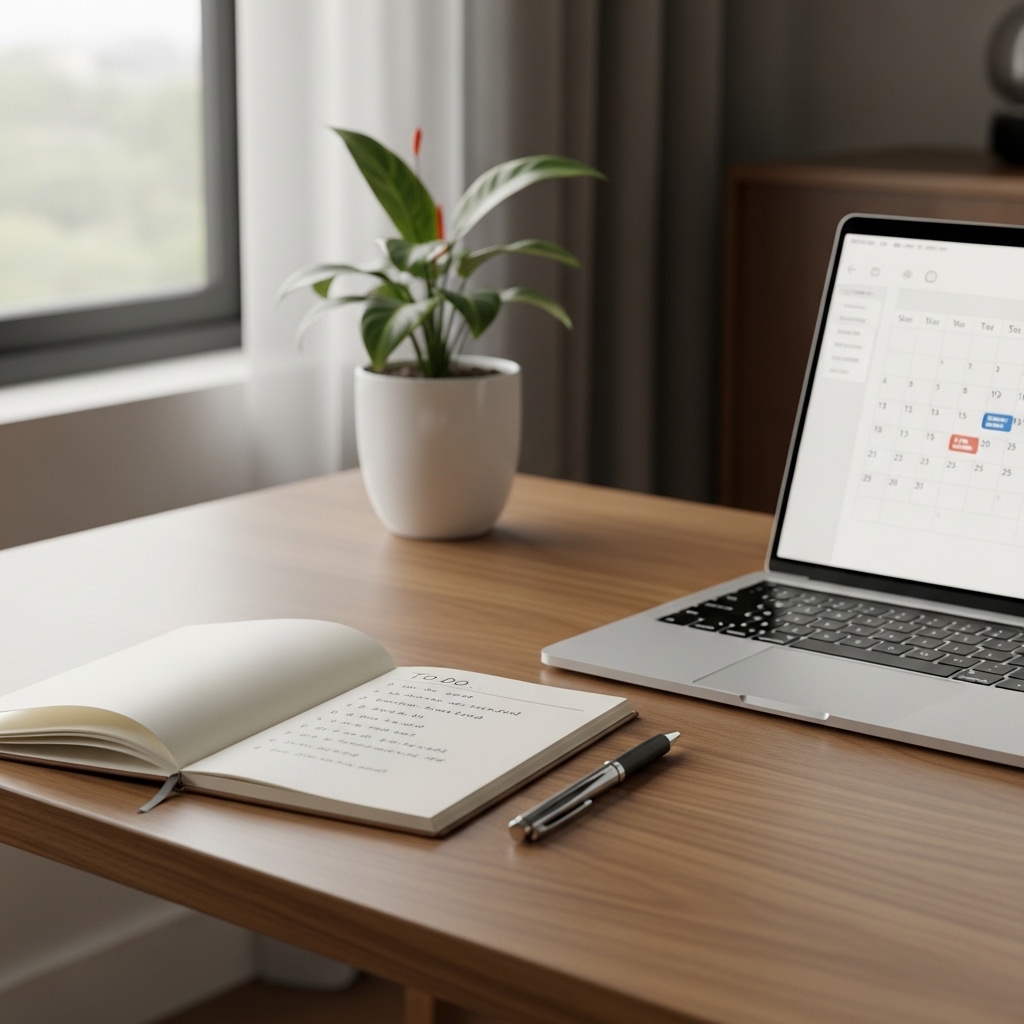
A good planner simplifies your day instead of adding pressure. Its purpose is to help with keeping track of the details that shape your schedule. When used thoughtfully, it prevents mental overload. Start by recording your appointments, meetings, and community events. This simple habit keeps your calendar accurate and reliable.
You always know where your time is going. You can also track birthdays, celebrations, and meaningful gatherings. These moments often bring joy and connection into your life. A planner ensures you never miss them.
Remember that planning should leave room for rest. Avoid filling every line with tasks. A calm schedule allows for creative thinking and unexpected opportunities. Your planner becomes a balanced system. It supports organization while respecting your energy and focus.
READ ALSO: Mindful Advantage Starts With One Breath
Adding Creativity to Your Pages

A creativity planner welcomes imagination into your planning process. Your pages do not have to remain plain or rigid. They can reflect your personality and creative spirit. Many people enjoy adding small touches of art to their planner. Simple sketches, colored pens, or decorative stickers bring warmth to each page.
These details make planning enjoyable. You may also treat your planner like a light journal. Write quick reflections, record creative thoughts, or capture spontaneous ideas. This habit protects inspiration before it disappears.
Some people enjoy simple craft elements such as taped photos or small drawings. These additions turn ordinary pages into personal memory spaces.Your planner becomes a creative environment. Within it, structure and imagination work together to support your growth.
READ ALSO: Mindful Body Whispers the Path to Inner Balance
Planning for Productivity With Balance

Productivity should never feel exhausting. True productivity respects the natural rhythm of your energy and attention. Your planner helps you maintain that balance. Start each week by identifying meaningful priorities. Focus on the tasks that support your goals and your work. These tasks deserve the best hours of your day.
Schedule focused work periods for these responsibilities. At the same time, remember to schedule a break when needed. Short pauses restore clarity and creativity.
Your planner also helps you manage distractions. When tasks are clearly written, your mind feels calmer and more focused. You know exactly what requires attention. Over time, your planner becomes a quiet productivity partner. It encourages steady effort without unnecessary pressure.
READ ALSO: Clear Mind Reveals The Gentle Truth of Living
Using Notes and Reflection

A thoughtful planner always leaves room for notes. These notes capture lessons, observations, and small discoveries throughout the week. They add depth to your planning process. At the end of the week, pause for a moment of reflection. Look back through your weekly layouts and completed tasks.
Notice what worked well and what felt difficult. Write a few sentences to reflect on these experiences. This habit improves your planning strategy over time. It teaches you how to work with your natural rhythm.
Reflection also encourages gratitude for progress. Even small accomplishments deserve recognition. Your planner becomes a supportive witness to your efforts. Through reflection, planning becomes more mindful and intentional.
READ ALSO: Self Care Night Routine Ideas to Calm Your Mind and Body
Self Care Belongs in Your Planner
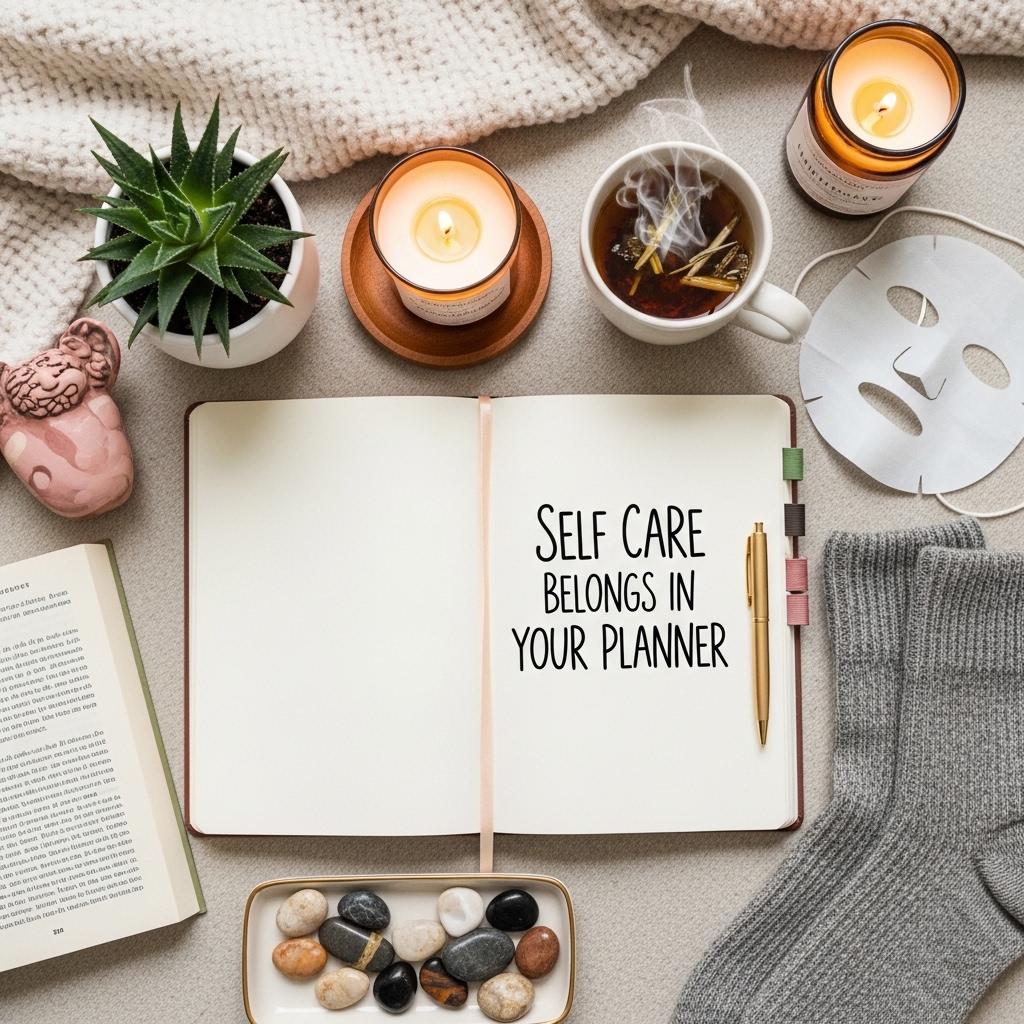
Your planner should care for your wellbeing as much as your productivity. Including self care activities within your schedule protects your energy. It reminds you that rest matters. You might schedule quiet reading time or a relaxing walk. Creative hobbies can also appear in your planner. These activities nurture both relaxation and inspiration.
Some planners include prompts similar to guided journals. These prompts encourage deeper thinking about emotions and personal growth. They add a reflective layer to your planning routine.
Your planner can also remind you to practice daily gratitude. A short gratitude note shifts your focus toward appreciation. This small habit supports emotional balance. When self care appears in your planner, it becomes part of your routine. You learn to care for both your work and your wellbeing.
READ ALSO: Tidy Mind, Tidy Life: 5-Minute Decluttering for Mental Clarity
Choosing Materials That Inspire You
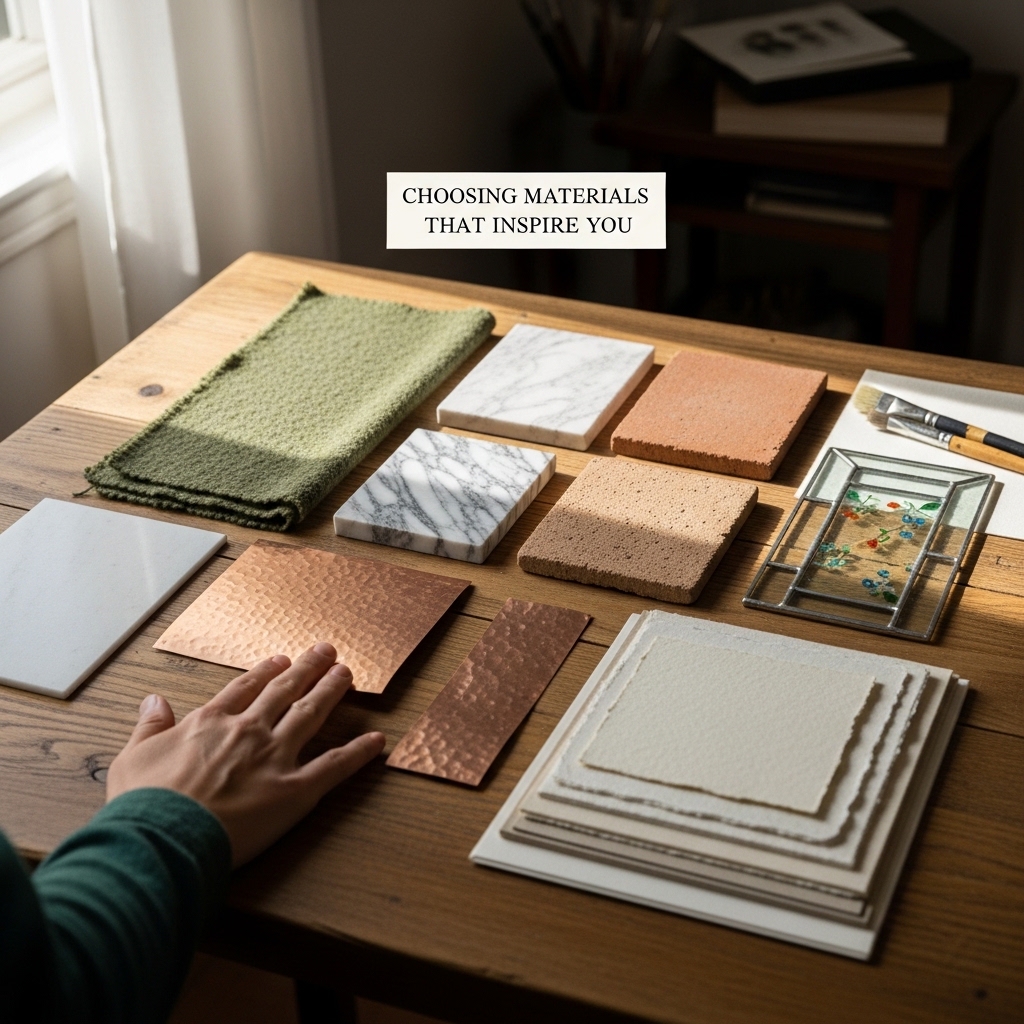
The physical design of a planner influences how often you use it. A beautiful cover can make opening the planner feel inviting. This small detail builds positive planning habits. Many planners offer different cover options. Some designs feel professional, while others celebrate creativity and color. Choose the one that reflects your personality.
Quality paper also improves the writing experience. Smooth pages allow pens and writing tools to glide comfortably. This makes planning feel calm and satisfying. Look carefully at the layout and page structure. Clear weekly layouts, readable calendars, and spacious monthly pages improve organization.
Also consider the regular price of the planner. The best choice balances inspiration and practicality. When your planner feels enjoyable, you return to it consistently.
READ ALSO: Mindful Walking
A Planner That Grows With Your Life
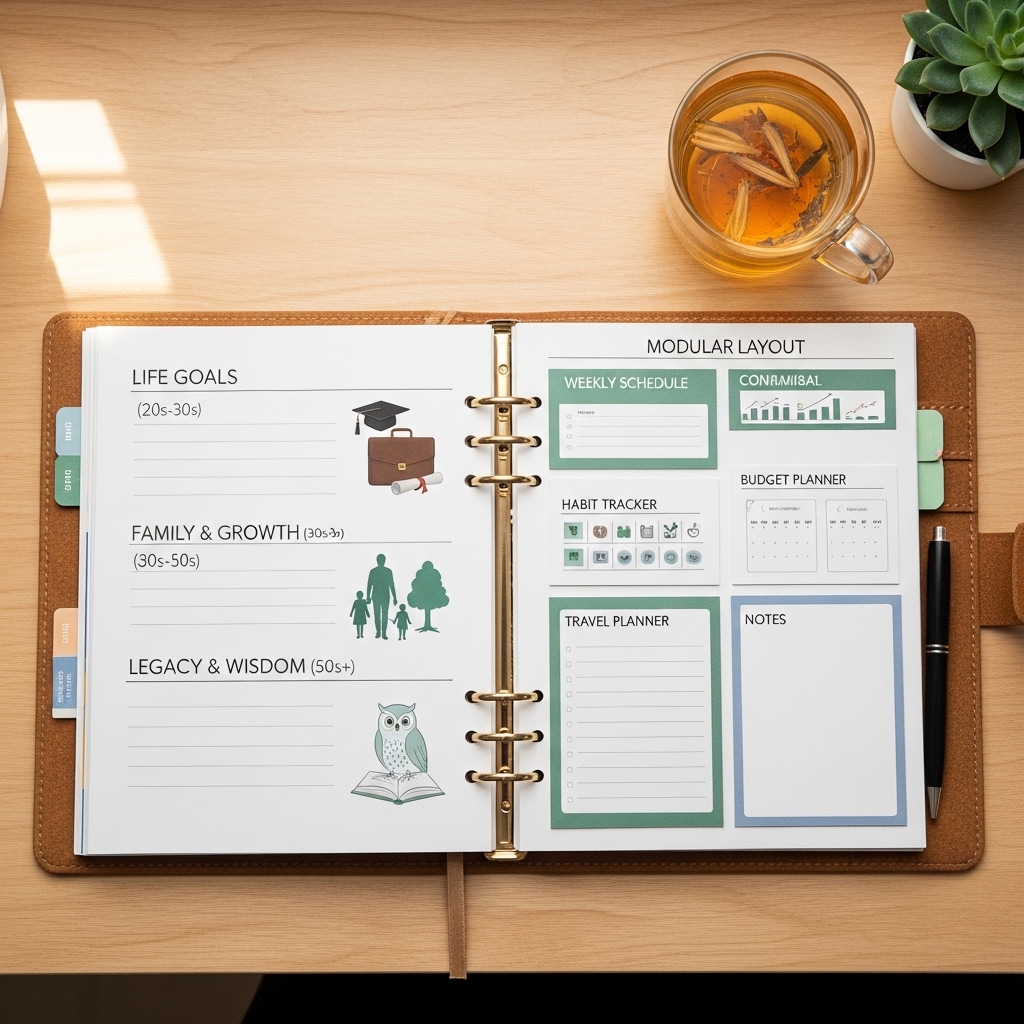
Your planning needs change as your life evolves. Students, professionals, and teachers may require different planning structures. Each lifestyle carries unique responsibilities.
Some seasons demand detailed daily planner pages. Other seasons work better with simple weekly planners. Flexibility allows your planning system to adapt. A new planner can feel like a fresh beginning. Many people start a new year with a full planning system. This moment encourages reflection and renewed intention.
As your goals shift, your planner adjusts with you. It becomes a flexible partner in your growth journey. The structure supports change without pressure. Over time, you learn how to design a planning system that truly supports your lifestyle.
READ ALSO: Pause & Breathe: Your Daily Mindfulness Practice | Whole Living Balance
Building a Planner Habit
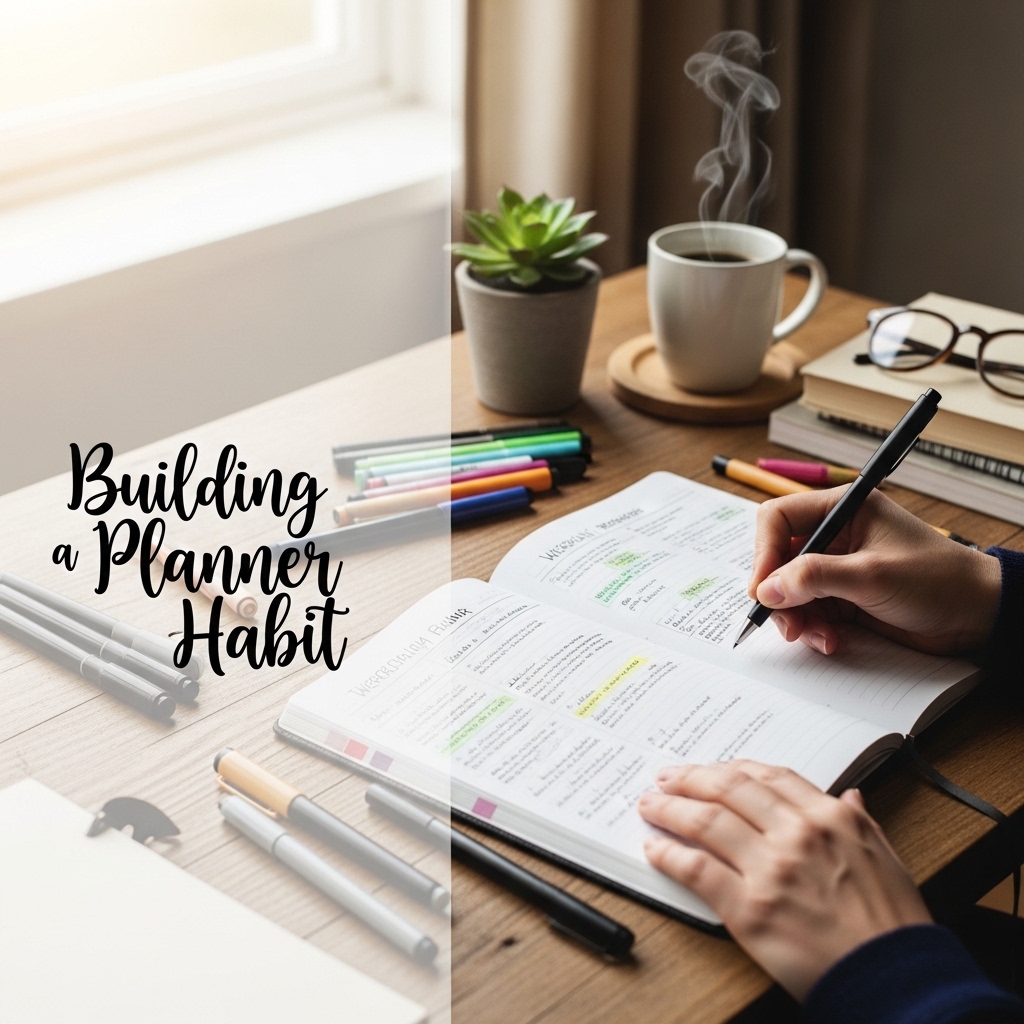
A planner becomes effective through consistent use. Start with a simple routine that feels easy to maintain. Consistency matters more than perfection. Begin each morning by reviewing your daily planner. Look at your appointments, tasks, and reminders.
This quick review prepares your mind for the day ahead. In the evening, return to your planner for a brief check. Mark completed tasks and move unfinished ones forward. This habit keeps your system organized.
At the end of every week, review your weekly pages. Prepare the next week with fresh tasks and goals. This gentle reset keeps your planning system clear. Soon, using your planner becomes natural. It becomes part of your daily rhythm and creative process.
READ ALSO: Exercise for Overall Health: Tips to Start Today
Your Calm System for Inspired Living
A thoughtful creativity planner is more than a place to schedule tasks. It becomes a calm companion that supports your vision and personal growth. Within its pages, your ideas slowly take form. You use it to track goals, manage tasks, and capture inspiration.
It holds your appointments, your reflections, and your creative sparks. Each page tells a small part of your story. With time, your planner becomes deeply personal. It reflects your priorities, your dreams, and your everyday progress. The system grows alongside your changing lifestyle.
You do not need a complicated structure to succeed. A simple planner that feels welcoming can guide your days beautifully. When planning feels calm, creativity naturally follows. Open your planner tomorrow with curiosity. Write your plans, capture your ideas, and move forward with quiet confidence. Your journey toward a more organized and creative life has already begun.