
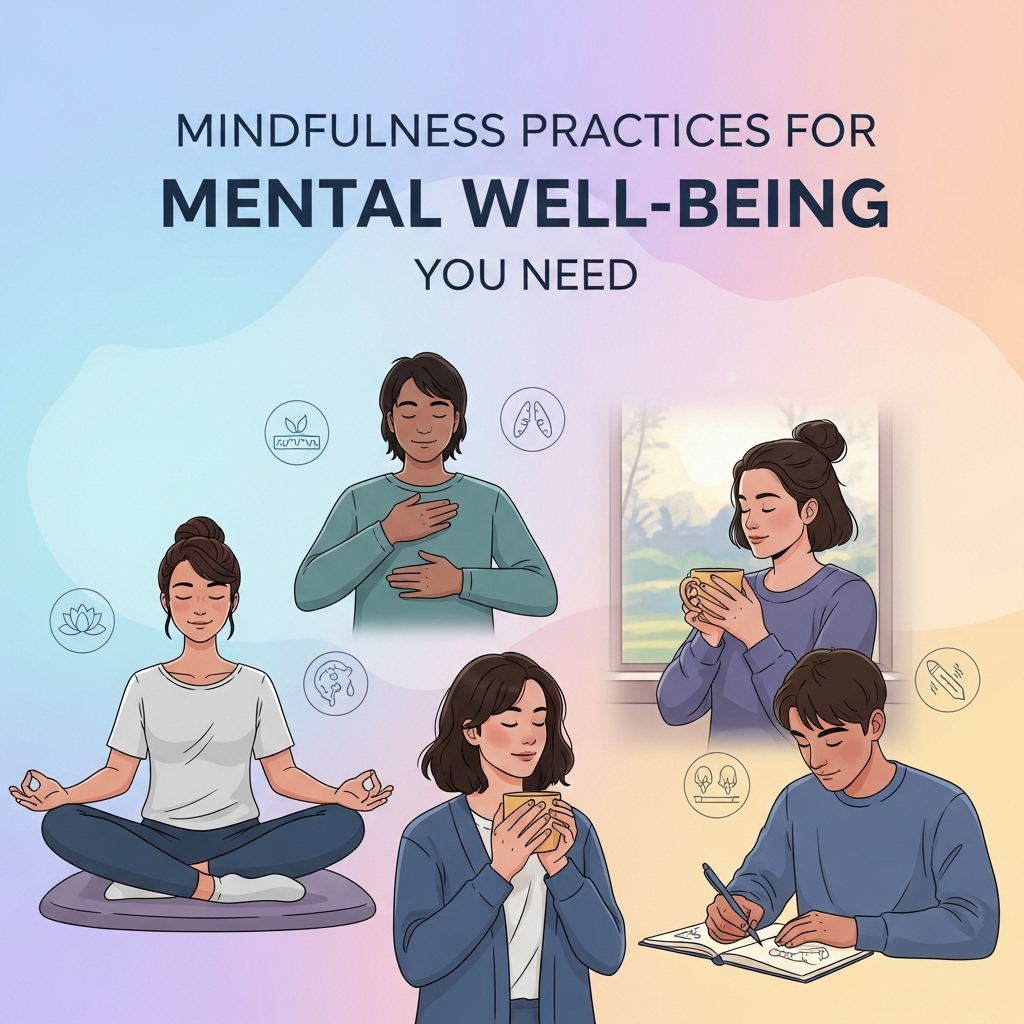
In our fast-paced, ever-demanding world, it's easy to feel overwhelmed, disconnected, and anxious. That’s why mindfulness practices for mental well-being have become a powerful tool for those seeking clarity, balance, and peace of mind. Practicing mindfulness allows you to be fully present, focusing on the moment and gaining greater awareness of your thoughts, emotions, and physical sensations. The benefits of mindfulness go beyond stress relief; it enhances mental health, emotional regulation, and overall well-being, helping you thrive in daily life. Let's explore mindfulness in a way that feels accessible, uplifting, and impactful.
Mindfulness Practices for Mental Well-being: What is Mindfulness?
Mindfulness is the practice of paying attention to the present moment with openness, curiosity, and without judgment. It involves being aware of your thoughts, emotions, and physical sensations as they arise. Mindfulness is a state of being mindful and aware of the present moment. Instead of reacting to them automatically, mindfulness teaches you to observe them, helping you develop a deeper self-awareness. Mindfulness also involves paying attention to what is going on inside and outside ourselves, moment by moment. The goal is not to avoid or suppress negative emotions, but rather to reduce stress and increase mental well-being by approaching them with compassion.
You can incorporate mindfulness into every part of your day, whether you’re drinking your morning coffee, walking to work, or interacting with others. When interacting with others, try to be fully present and aware of body language during conversations to improve understanding and connection. The idea is to stay focused, even for just a few minutes, to reconnect with yourself and the world around you.
The Science Behind Mindfulness and Mental Health
Research has shown that mindfulness has a significant positive impact on mental health. Research shows that mindfulness can help with a variety of mental health conditions, including anxiety and depression. Mindfulness meditation and other mindfulness practices have been proven to reduce stress, anxiety, and symptoms of depression. These practices can help regulate emotions, improve focus, and even enhance sleep quality.
Mindfulness-based stress reduction (MBSR) and mindfulness-based cognitive therapy (MBCT) are therapeutic approaches rooted in mindfulness practices that have helped countless people manage mental health problems. Regular practice has also been shown to reduce anxiety, improve well-being, and increase emotional balance. While many people find mindfulness helpful for reducing stress, anxiety, and depression, it may not be effective for everyone, and more research is needed to fully understand its benefits for various mental health conditions. Essentially, mindfulness is a form of mental training that allows you to better handle the ups and downs of life.
Benefits of Mindfulness for Mental Well-Being
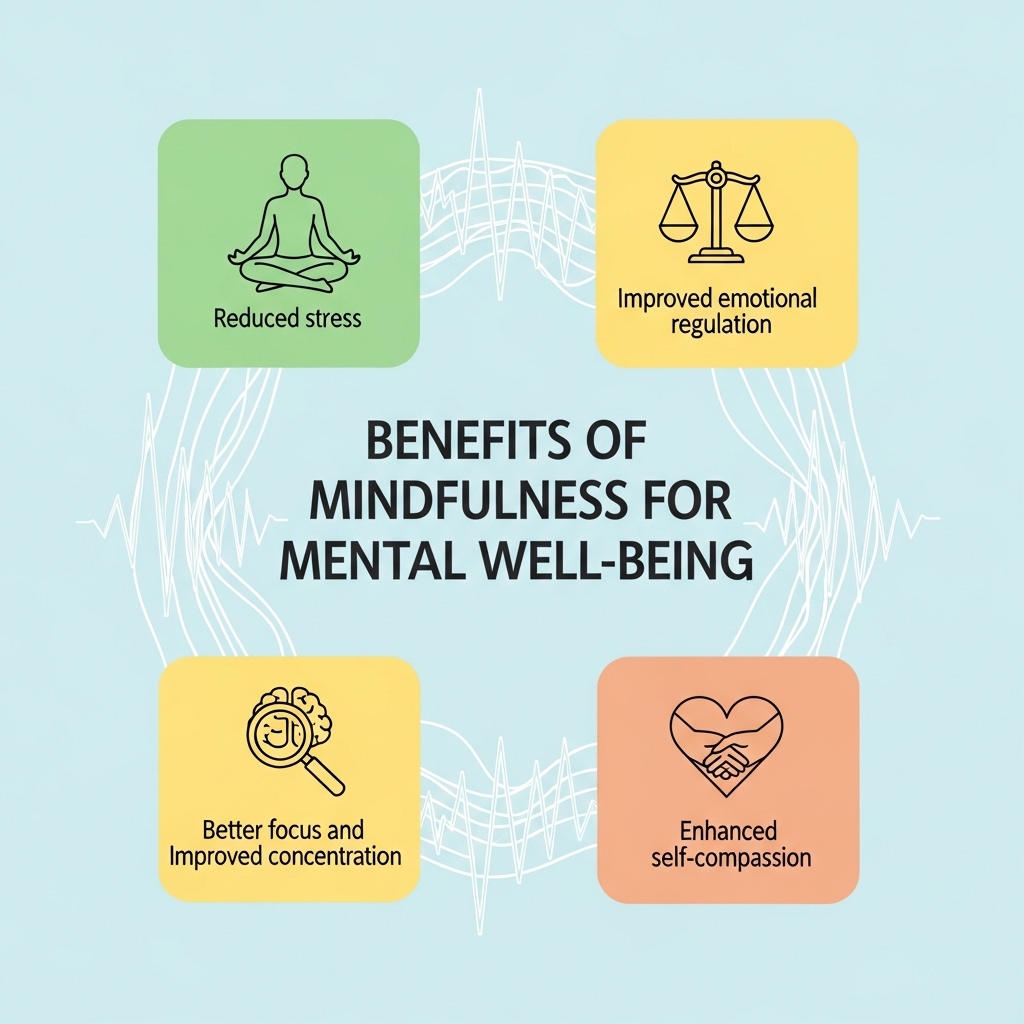
Practicing mindfulness offers an abundance of mental health benefits. Here are just a few of the most powerful ones:
- Reduced stress: Mindfulness has been shown to lower cortisol levels, helping you manage stress more effectively.
- Improved emotional regulation: By increasing your awareness of your emotions, mindfulness helps you manage them in healthier ways.
- Better focus and improved concentration: Practicing mindfulness can lead to improved concentration and mental clarity.
- Enhanced self-compassion: Mindfulness encourages you to be kind to yourself, reducing negative thinking and fostering a more positive self-image.
Mindfulness can help you enjoy life more and understand yourself better. It can also help you notice experiences, understand emotions, and make healthier choices.
Overcoming Common Myths About Mindfulness
Despite the growing popularity of mindfulness, several myths still surround these practices, often preventing people from experiencing their full benefits. One common misconception is that mindfulness requires a lot of time or a special environment, such as a quiet place or meditation cushion. In reality, mindfulness can be woven into your daily life—whether you’re taking a few deep breaths at your desk, noticing your body awareness while walking, or simply paying attention to the present moment during routine activities. Even a few minutes of mindful breathing or body awareness can make a noticeable difference in your mental wellbeing.
Another myth is that mindfulness is only for those struggling with mental health problems. While mindfulness is indeed helpful for managing stress, anxiety, and other mental health challenges, its benefits of mindfulness extend to everyone. Practicing mindfulness can enhance self-awareness, support emotional regulation, and contribute to overall wellness, regardless of your current mental health status. By letting go of these myths and embracing mindfulness practices, you can begin to reduce stress, improve your awareness, and enrich your daily lives with greater presence and balance.
READ ALSO: Men’s Mental Health: More Than Just Toughing It Out
How to Start Practicing Mindfulness
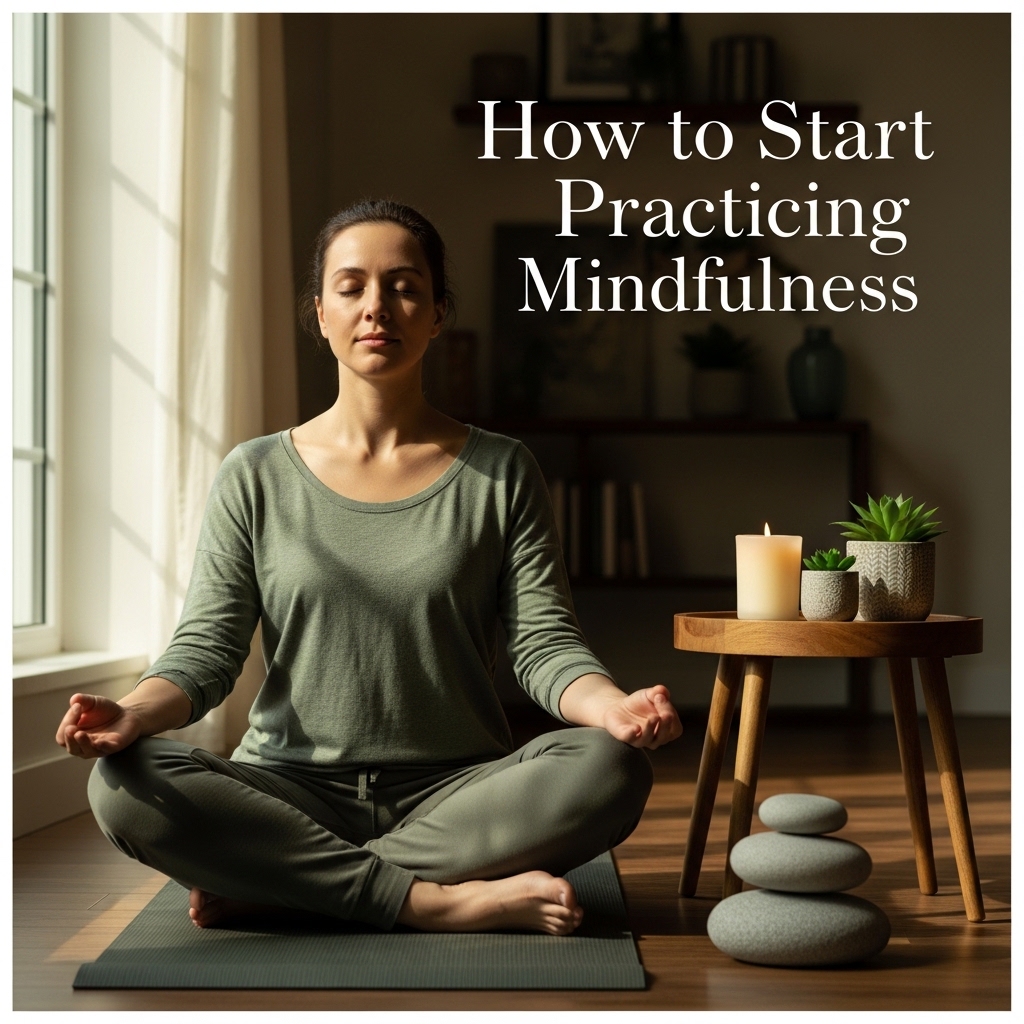
Starting a mindfulness practice doesn’t need to be overwhelming. Begin with small, manageable steps that you can easily incorporate into your day. Here are some simple ways to get started:
1. Mindful Breathing
Take a moment to sit comfortably, close your eyes, and pay attention to your breath. Mindful breathing involves observing your breath as it enters and leaves your body. Whenever your mind wanders, gently bring your focus back to your breath. Just a few minutes of focused breathing can reduce stress, increase awareness, and help you feel more centered.
2. Body Scan
A body scan is a powerful mindfulness exercise where you systematically focus on different parts of your body, noticing any sensations, tightness, or discomfort. This practice helps increase body awareness and encourages relaxation. It’s a wonderful way to reduce physical tension and become more attuned to your mental well-being.
3. Mindful Eating
Mindful eating is a simple yet transformative practice. It involves paying attention to the textures, flavors, and smells of your food, eating slowly and savoring every bite. By practicing mindfulness during meals, you can improve your relationship with food, cultivate gratitude, and avoid overeating.
Mindfulness Meditation: A Gateway to Mental Well-Being
Mindfulness meditation is one of the most effective practices for mental well-being. It involves sitting quietly, focusing on your breath, and gently noticing your thoughts and feelings as they come and go. The goal is not to empty your mind but to become more aware of your inner world without judgment.
Research shows that mindfulness meditation can help reduce anxiety, improve focus, and foster emotional balance. Even just a few minutes a day can have a significant impact on your mental health. If you’re new to meditation, start with five minutes and gradually increase the duration as you feel more comfortable.
READ ALSO: Top 10 Mental Health Games & Activities for Wellness
Using Mindfulness to Combat Negative Thinking

One of the most powerful benefits of mindfulness practices for mental well-being is their ability to help you break free from negative thought patterns. Often, our minds can get stuck in loops of worry, fear, and self-criticism. Mindfulness is especially effective in helping individuals recognize and understand their negative thoughts, making it easier to become more aware of stressors and develop healthier coping mechanisms. Mindfulness teaches you to observe these thoughts without getting swept away by them, allowing you to create space between yourself and your mental events.
When you notice negative thinking, instead of pushing it away or reacting to it, try to observe it with curiosity. What does the thought feel like? Where does it come from? By practicing mindfulness, you learn not to attach meaning to these thoughts, reducing their power over your emotions and behaviors.
READ ALSO: 10 Steps to a Stress-Free Home – Whole Living Balance
The Role of Mindfulness in Emotional Regulation
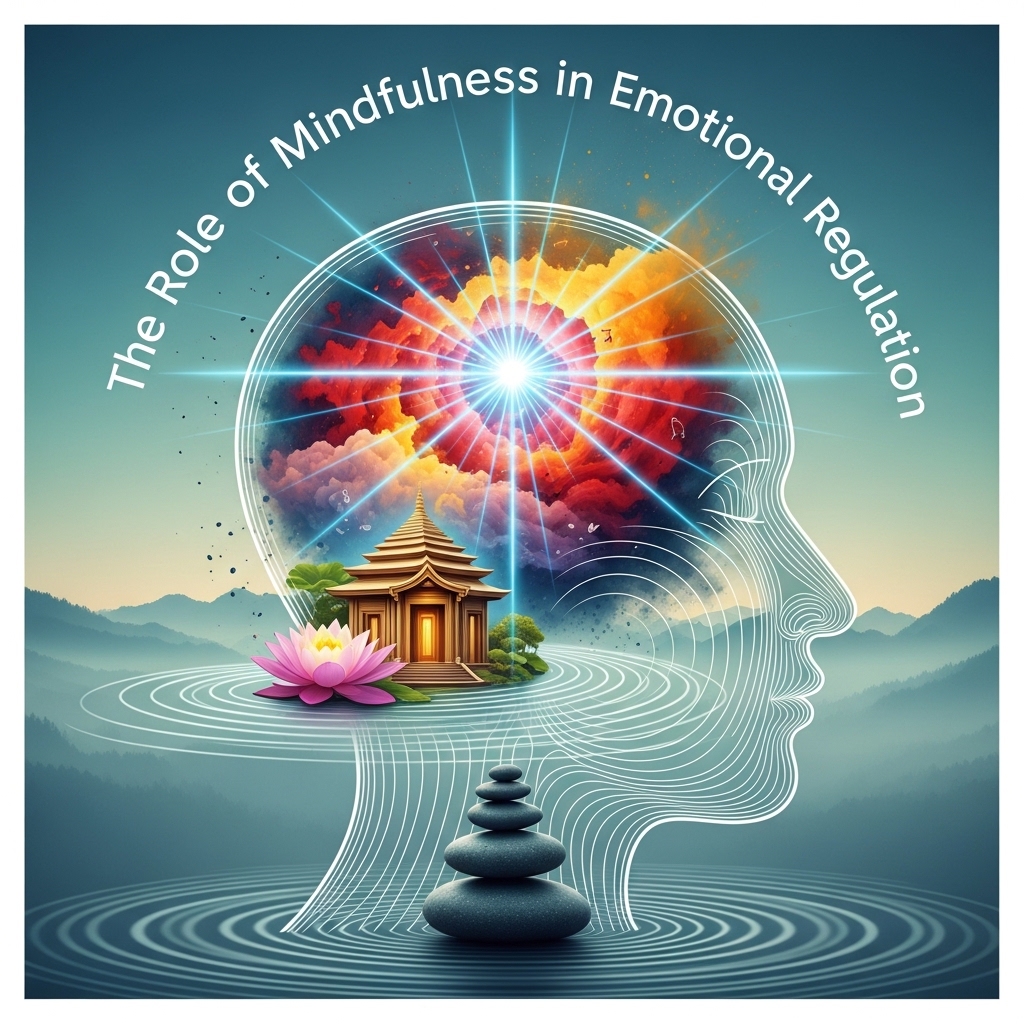
Mindfulness plays a key role in emotional regulation, which is the ability to manage and respond to your emotions in a healthy, balanced way. Mindfulness practices help you become aware of your emotional reactions in real time, enabling you to pause, reflect, and choose how to respond rather than reacting impulsively.
For example, if you feel frustration building up, mindful breathing can help you calm down and respond more thoughtfully. By being aware of your emotions and their triggers, you can reduce stress and improve emotional balance in your daily life.
Mindfulness and Self-Compassion
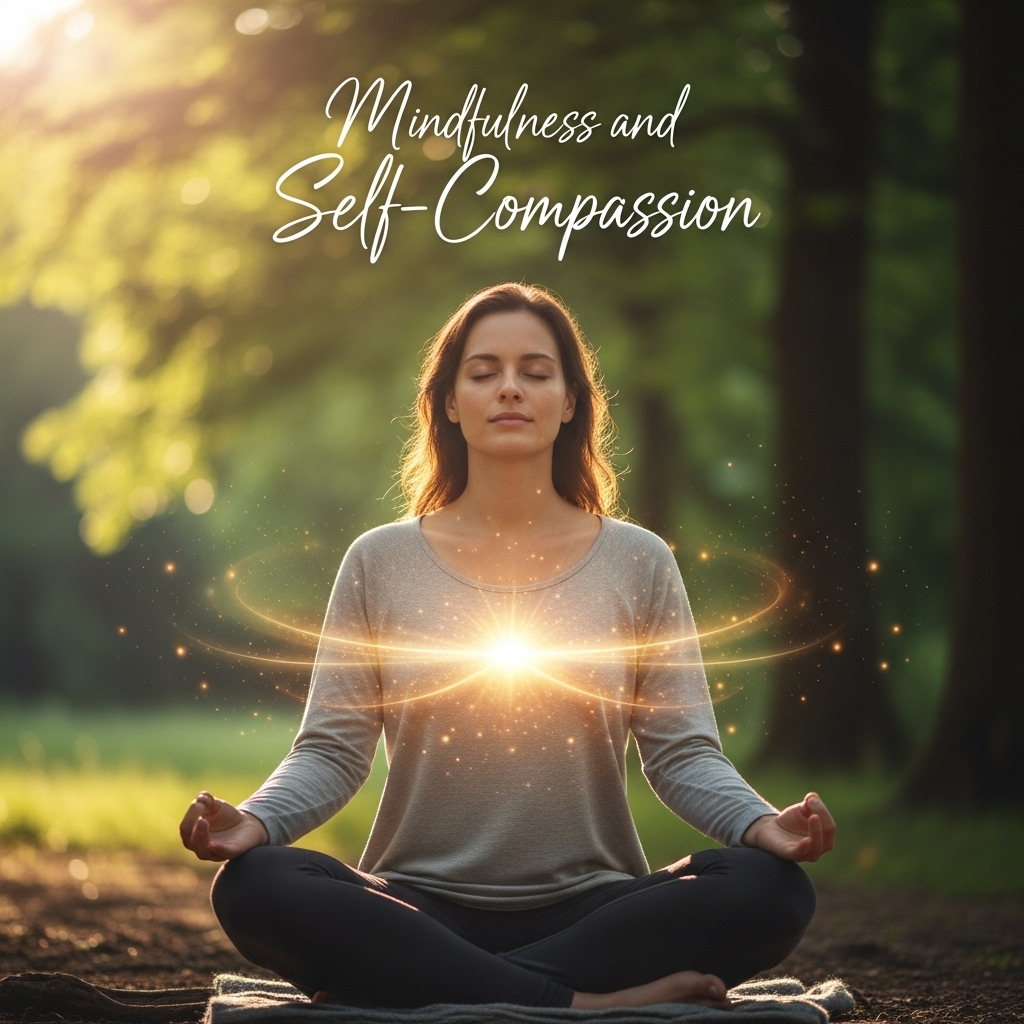
Another essential aspect of mindfulness is self-compassion. It’s easy to be hard on yourself, especially when life feels overwhelming. Mindfulness practices encourage you to treat yourself with the same kindness and understanding that you would offer to a friend.
When practicing mindfulness, make space to observe your emotions without judgment. If you’re feeling down or anxious, offer yourself gentle encouragement. Recognizing your struggles without criticism allows you to build emotional resilience and create a healthier relationship with yourself.
Mindfulness for Specific Groups
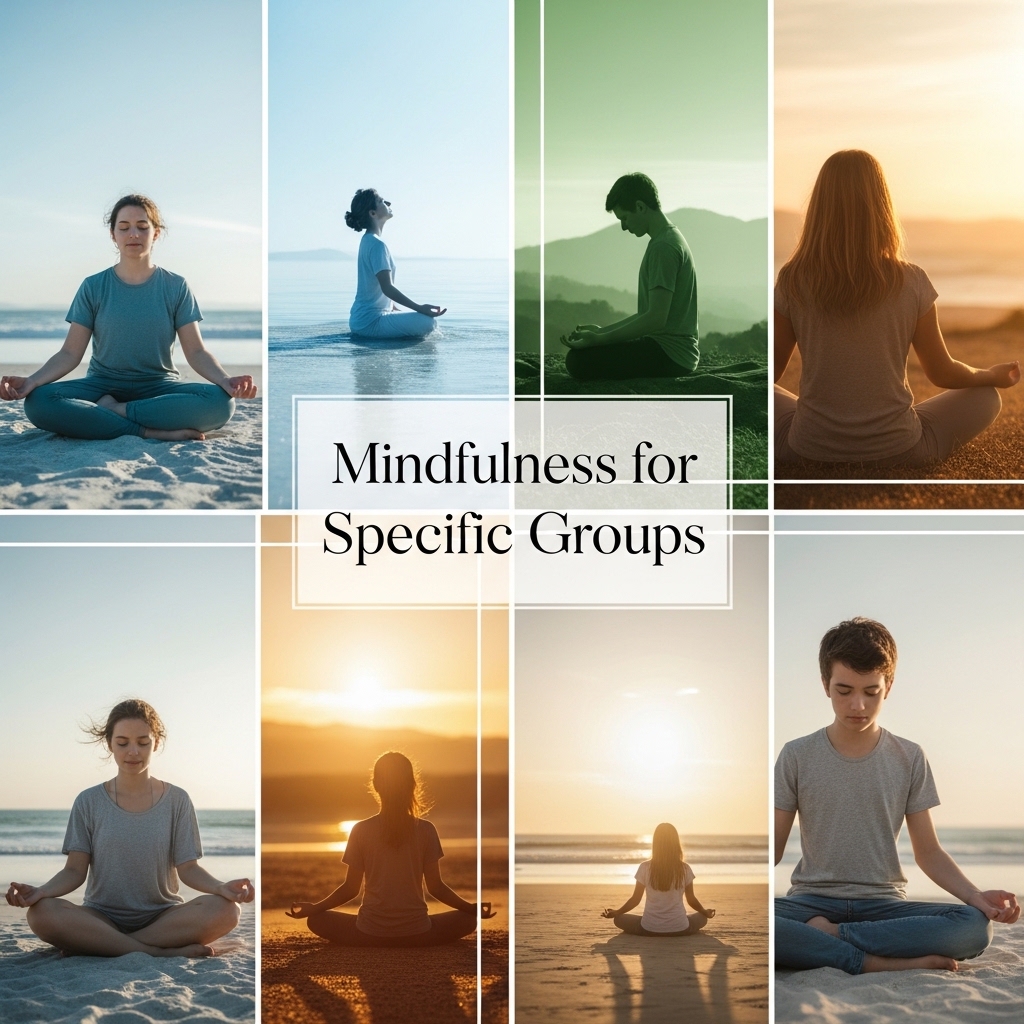
Mindfulness is a versatile practice that can be adapted to benefit people of all ages and backgrounds. For children, simple mindfulness practices like mindful eating or gentle movement can help improve focus, reduce anxiety, and foster emotional balance. These exercises encourage kids to pay attention to physical sensations and emotions, building a foundation for lifelong emotional regulation.
Adolescents, who often face unique challenges during puberty and school life, can benefit from mindfulness-based stress reduction techniques. These practices help teens manage stress, reduce symptoms of anxiety, and develop healthier coping strategies. For older adults, mindfulness exercises such as body scan meditation can be especially helpful. Focusing on physical sensations not only helps reduce symptoms of chronic pain but can also improve sleep quality and overall wellbeing.
Mindfulness is also accessible for individuals with disabilities or chronic illnesses. Practices can be tailored to accommodate different needs, ensuring that everyone can experience the benefits of mindfulness. By making mindfulness a regular part of your daily routine, you can enjoy improved focus, reduced stress, and enhanced emotional regulation, no matter your age or circumstances.
READ ALSO: Mental Health Days: When to Take One & Why It Matters
Mindfulness and Behavior Change
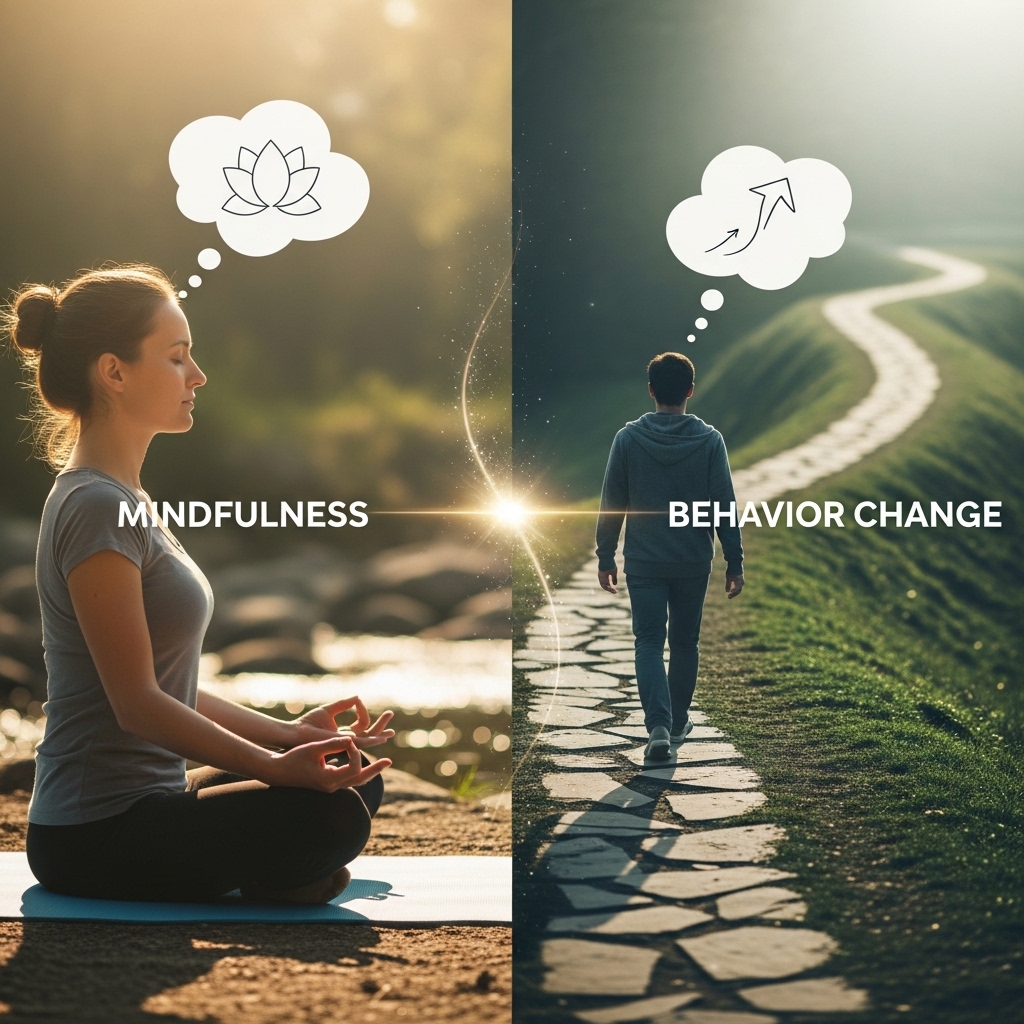
Mindfulness is a powerful catalyst for positive behavior change. By bringing attention to the present moment, mindfulness practices help you become more aware of your thoughts, feelings, and physical sensations as they arise. This greater awareness allows you to recognize negative thought patterns or habits that may be holding you back, and to respond with self compassion rather than self-criticism.
Mindfulness-based cognitive therapy is one approach that uses mindfulness to help individuals identify and challenge negative thinking, leading to healthier, more adaptive behaviors. Other mindfulness practices, such as mindful eating and mindful movement, can help you develop a more balanced relationship with food and exercise, supporting both physical and mental health.
With regular mindfulness practice, you can stay focused, reduce anxiety and depression, and improve your ability to manage stress in your daily lives. As you cultivate emotional regulation and self-awareness, you’ll find it easier to make positive changes that enhance your overall wellbeing. Mindfulness makes it possible to break free from old patterns and create a more fulfilling, meaningful life—one present moment at a time.
Incorporating Mindfulness Into Daily Life
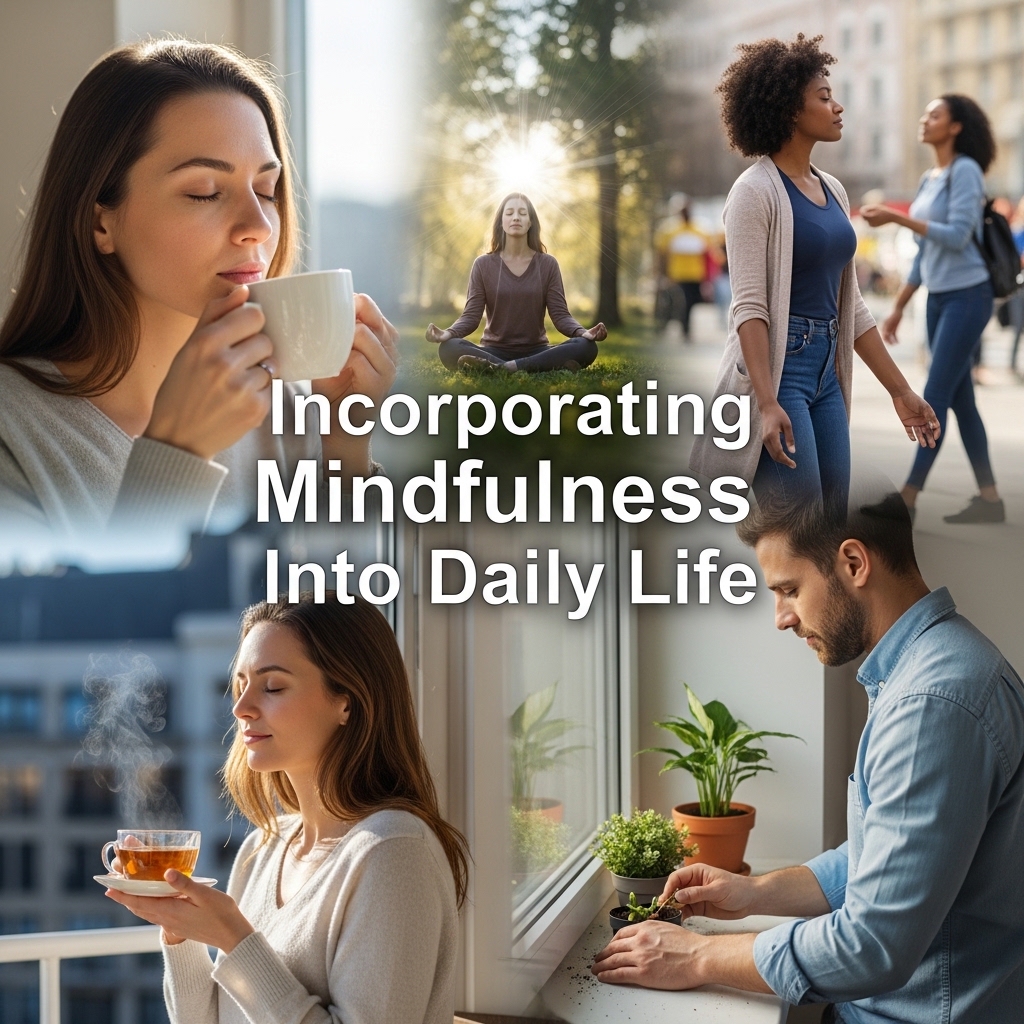
The beauty of mindfulness is that it can be integrated into every moment of your day, making it a valuable part of everyday life. Practicing life mindfulness means using a mindful approach during daily activities and routines, such as eating, working, or even brushing your teeth, to enhance your mental well-being and ease stress. Here are a few ways to incorporate mindfulness into your daily routine:
- Mindful walking: Take a walk and focus on the sensation of your feet hitting the ground and the rhythm of your stride. Notice the sounds, smells, and sights around you.
- Mindful listening: When talking with others, practice active listening by paying full attention to what they are saying, without planning your response ahead of time.
- Mindful breaks: Take short, intentional breaks throughout your day to check in with yourself. Breathe deeply, stretch, and reconnect with the present moment.
- Mindful transitions: Use everyday moments, such as moving between tasks or locations, to take a ‘mindful minute' and enhance your awareness.
- Single-tasking with awareness: Practice focusing on one task at a time during your work routine, bringing your full attention to the activity at hand.
Mindfulness can also be practiced during everyday tasks, such as eating or brushing your teeth. Anyone can practice mindfulness, regardless of age, background, or belief system. Setting aside a regular time to practice mindfulness can help make it a consistent part of your life.
Practicing mindfulness through other mindfulness exercises, such as tai chi, yoga, or meditation, can deepen your awareness and help you become more attuned to your own thoughts and feelings. Mindfulness training and mindfulness work support easing stress, improving focus, and building emotional resilience.
The Importance of Regular Mindfulness Practice
The more you practice mindfulness, the more natural it becomes. Regular mindfulness practice strengthens your ability to remain present and manage your thoughts, emotions, and stress. As you make mindfulness a habit, you’ll find that your mental well-being improves, and you experience a greater sense of calm and clarity.
Moving Forward with Mindfulness
As you embark on your mindfulness journey, remember that progress takes time. Mindfulness is a lifelong practice that requires patience, self-compassion, and dedication. Start small, be consistent, and over time, you’ll notice the profound positive impact on your mental health and well-being.
Remember, even a few minutes of mindfulness each day can make a big difference. Embrace this practice, and allow it to guide you toward a more peaceful, balanced, and fulfilled life.