Chronic psychological overload without structured recovery intervals produces measurable biological damage. These damages include elevated cortisol, suppressed prefrontal cortex activity, disrupted sleep architecture, and accelerated epigenetic aging. High-performing professionals rarely recognize burnout as a clinical event until cognitive output has already declined. By that point, the physiological debt is substantial. Intentional psychological rest days — scheduled, non-negotiable intervals of cognitive and emotional deloading — function as a primary intervention against HPA axis dysregulation. Additionally, they help prevent accumulated allostatic load. The evidence is unambiguous. Professionals who integrate structured mental recovery into their performance protocols demonstrate stronger immune markers. They also demonstrate faster decision-making recovery, and lower long-term cardiovascular risk than those who do not.
Burnout Is a Clinical Event, Not a Character Failure

Burnout meets clinical criteria as a syndrome of chronic occupational stress. Specifically, it describes stress that has not been successfully managed. The World Health Organization included burnout in the International Classification of Diseases in 2019. It defines burnout across three dimensions: emotional exhaustion, depersonalization or cynicism toward work, and reduced professional efficacy. This classification matters for high-performing professionals. It reframes burnout as a measurable physiological and psychological state rather than a personal weakness.
Research consistently demonstrates that burnout does not arrive suddenly. Instead, it develops through a predictable progression of allostatic overload. This refers to the cumulative physiological cost of sustained stress without adequate recovery. Each unrecovered stress cycle adds to the biological debt. Over time, the nervous system loses its capacity to return to baseline. By the time subjective exhaustion becomes undeniable, the underlying physiological dysregulation has typically been accumulating for months.
Critically, high-performing professionals demonstrate a specific vulnerability within this progression. Their capacity to override fatigue signals actively delays recognition of early warning stages. Consequently, they tend to enter clinical burnout territory before the deficit registers consciously. This delay is not a feature of resilience. It is a liability within the burnout development cycle.
The Neurobiology of Stress Without Recovery

Sustained psychological stress without recovery intervals associates with measurable changes in brain structure and function. Animal models and some human neuroimaging studies associate chronic stress with structural changes in the prefrontal cortex. This region governs executive function, impulse regulation, and strategic reasoning. The direct link between occupational burnout and prefrontal gray matter reduction in humans is less consistently established. It warrants cautious interpretation.
Chronic stress also associates with altered amygdala reactivity in neuroimaging research. Studies report heightened amygdala responses to threat-relevant stimuli in individuals under sustained stress. The proposed functional consequences include increased emotional reactivity and reduced cognitive flexibility. These are consistent with available findings. However, the precise relationship between amygdala changes and specific cognitive outcomes in burnout populations has not been fully characterized.
Furthermore, sustained cortisol elevation associates with hippocampal changes in both animal and human research. The hippocampus governs memory consolidation, contextual learning, and emotional regulation. Cortisol-mediated hippocampal effects associate with cognitive performance impairment in longitudinal research. Establishing direct causal relationships in humans remains methodologically challenging. Over time, accumulated cortisol exposure without recovery intervals likely contributes to measurable cognitive performance deterioration.
What Psychological Rest Does Biologically
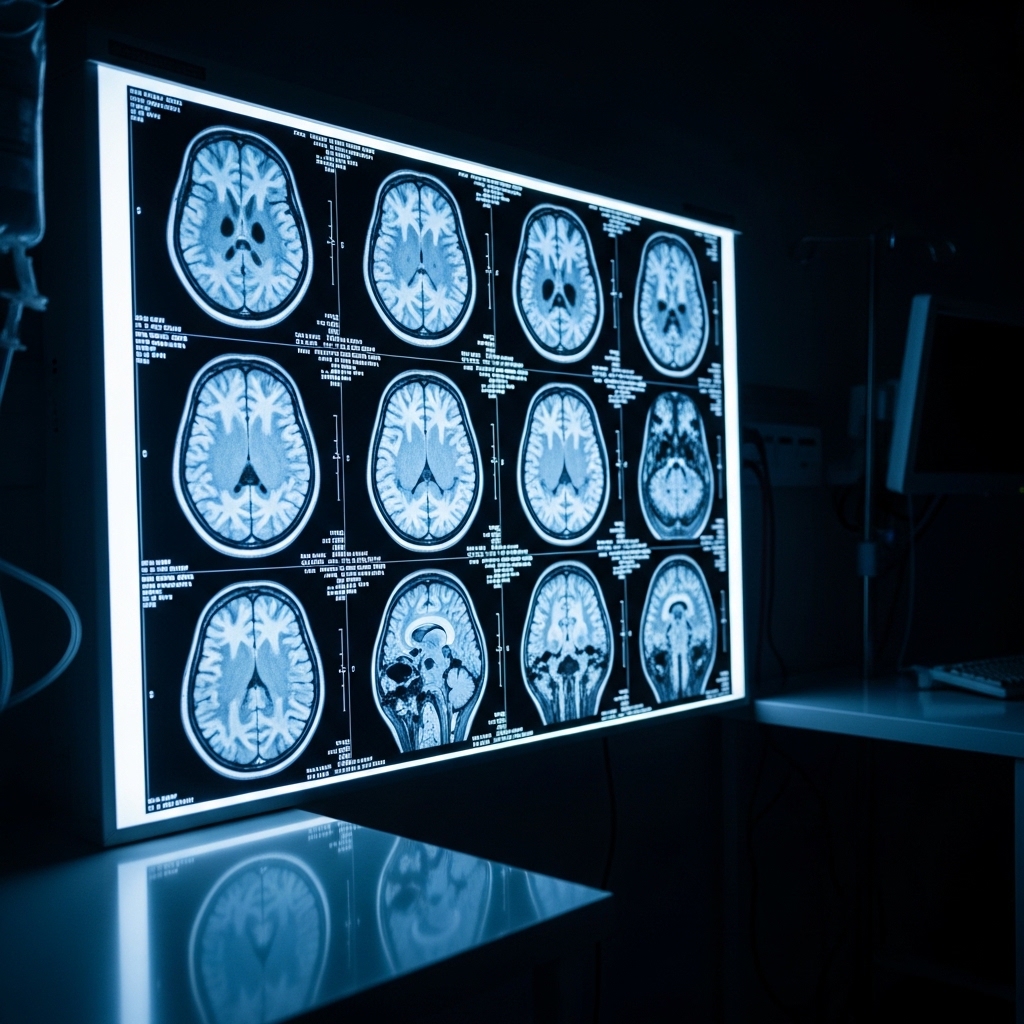
Intentional psychological rest produces specific biological responses. It is defined as deliberate removal from cognitive and emotional demand. During genuine rest states, the brain activates the default mode network. This system associates with memory consolidation, emotional processing, self-referential thinking, and aspects of creative cognition. Research consistently demonstrates that this network requires disengagement from directed cognitive effort to activate fully.
Research affiliated with the National Institutes of Health supports the role of default mode network activation in memory consolidation during rest. Some research additionally associates rest intervals with restored attentional capacity and improved subsequent cognitive performance. The degree to which default mode network activation specifically drives these benefits remains under investigation. The directional evidence for cognitive benefit from deliberate rest, however, is consistent across multiple study designs.
Additionally, rest periods associate with reduced cortisol output and support HPA axis recovery. The HPA axis requires regular deactivation intervals to maintain calibration. Without these intervals, the system progressively dysregulates. The result is either chronically elevated cortisol or a blunted cortisol response. Both patterns associate with impaired immune function, disrupted sleep architecture, and elevated cardiovascular risk. Rest therefore functions as a physiological input, not merely an absence of activity.
READ ALSO: Mind and Peace Tips to Achieve Calm and Clarity
Cortisol Dysregulation and Its Downstream Costs

Cortisol dysregulation represents one of the most measurable downstream costs of insufficient psychological recovery. In healthy stress physiology, cortisol rises acutely in response to demand. It then returns to baseline during recovery. Chronic overload without recovery intervals disrupts this cycle. The result is either sustained cortisol elevation or a flattened diurnal cortisol pattern. Both indicate HPA axis dysregulation and carry documented health consequences.
Elevated cortisol associates with immune suppression, accelerated telomere shortening, and disrupted sleep architecture. It also associates with increased inflammatory marker activity across multiple research populations. Research consistently links chronic cortisol elevation to elevated interleukin-6 and C-reactive protein. These inflammatory markers independently associate with cardiovascular disease and metabolic dysfunction. For professionals already managing cardiovascular or metabolic risk factors, cortisol dysregulation compounds existing biological vulnerabilities.
Flattened cortisol patterns appear in individuals in advanced burnout stages. They indicate that the HPA axis has lost its normal acute response range. Research associates flattened diurnal cortisol with chronic fatigue, impaired immune function, and reduced cognitive performance. Both dysregulation patterns — elevated and flattened — represent measurable indicators of recovery debt. Neither resolves reliably without deliberate rest intervention.
Inflammatory Markers and Recovery Debt

Psychological overload without recovery produces a measurable inflammatory signature. Studies published in journals including Psychoneuroendocrinology associate work-related exhaustion with elevated pro-inflammatory cytokines. These include interleukin-6 and tumor necrosis factor-alpha. These markers do not simply reflect subjective distress. They indicate immune dysregulation with direct cardiovascular and metabolic associations.
Some research additionally suggests that inflammatory markers associated with burnout may persist beyond the resolution of subjective exhaustion. The evidence base for this specific claim is limited in scope and methodological quality. The observation that biological recovery may lag behind subjective recovery is consistent with HPA axis and immune research more broadly. However, specific claims about the duration of this lag remain preliminary rather than established.
Furthermore, chronic low-grade inflammation associates with accelerated biological aging at the cellular level. Elevated inflammatory markers associate with accelerated telomere shortening across multiple study populations. For professionals tracking biomarkers within a longevity protocol, inflammatory markers associated with recovery debt represent a direct biological aging input. Managing psychological recovery is therefore consistent with managing biological age trajectory. The causal pathway between burnout-associated inflammation and telomere shortening, however, has not been directly established in controlled research.
Sleep Architecture and Psychological Overload

Psychological overload directly disrupts sleep architecture. This disruption compounds performance deterioration over time. Elevated cortisol suppresses slow-wave sleep and fragments REM sleep in stress and sleep physiology research. Slow-wave sleep governs physical restoration, immune function, and growth hormone secretion. REM sleep governs emotional processing and memory consolidation. Disruption to both stages carries consequences extending well beyond fatigue.
Research from institutions including the Harvard Medical School Division of Sleep Medicine associates reduced slow-wave sleep with impaired immune function and disrupted metabolic regulation. For professionals managing body composition, metabolic health, or physical training recovery, psychological overload undermines these domains through sleep architecture disruption. This occurs even when total sleep duration appears adequate. Duration metrics do not capture architectural quality.
Additionally, the relationship between psychological overload and sleep disruption appears bidirectional. Disrupted sleep reduces emotional regulation capacity and increases cortisol reactivity. It also amplifies perceived stress the following day. This cycle accelerates burnout progression. Intervening with intentional rest supports HPA axis recovery and cortisol reduction. It therefore produces upstream benefits for sleep quality that accumulate across time.
READ ALSO: Mental Clarity Techniques for a More Focused You
Cardiovascular Risk and Recovery Deficit

The cardiovascular consequences of chronic psychological overload represent a clinically relevant risk profile. The American Heart Association recognizes psychosocial stress as an independent cardiovascular risk factor. Chronic work-related stress and burnout associate with elevated blood pressure, reduced heart rate variability, and higher rates of coronary artery disease in longitudinal research populations.
Research published in the European Heart Journal has examined associations between work-related exhaustion and cardiovascular outcomes in large prospective cohorts. These studies consistently report elevated cardiovascular event rates in individuals with high work strain and low recovery. Associations persist after adjustment for several traditional cardiovascular risk factors. The specific confounders adjusted for vary across studies. Residual confounding cannot be fully excluded in observational designs. The directional consistency across independent cohorts, however, strengthens the overall signal.
The proposed mechanism involves sustained sympathetic nervous system activation without adequate parasympathetic counterbalancing. The cardiovascular system requires regular intervals of parasympathetic dominance to maintain vascular health and autonomic balance. Without these intervals, sustained sympathetic load may contribute to arterial stiffness and endothelial dysfunction over time. These mechanisms are consistent with cardiovascular physiology research. Direct demonstration in burnout-specific populations, however, requires further investigation.
Cognitive Performance and Recovery Deficits

Cognitive performance deterioration represents one of the earliest consequences of recovery deficit. Research in the occupational health and cognitive performance literature associates sustained work-related stress with measurable declines in working memory capacity. Attentional control and cognitive flexibility also show deterioration in these study populations. These declines tend to precede subjective awareness of impairment. They therefore operate as invisible performance liabilities.
Attentional control shows particular sensitivity to recovery deficit in available research. Studies examining performance under sustained cognitive demand demonstrate attentional accuracy deterioration after extended periods without rest intervals. Response speed also declines measurably. For executives and founders managing high-volume decision-making, this deterioration affects output quality in ways that performance metrics eventually reflect.
Furthermore, cognitive flexibility depends on default mode network activation. This activation occurs during genuine rest states. Professionals who eliminate unstructured rest in favor of sustained productivity reduce the processing time their cognitive architecture requires. The cognitive cost of compressed recovery cycles is well-documented across the broader cognitive performance literature. The default mode network mechanism specifically, however, has not been isolated in every study demonstrating this effect.
The Distinction Between Rest and Passive Inactivity

Not all rest produces equivalent biological outcomes. This distinction carries practical significance for professionals designing recovery protocols. Genuine psychological rest supports default mode network activation and HPA axis recovery. It is defined by deliberate disengagement from cognitive and emotional demand. Passive inactivity that maintains cognitive engagement does not necessarily deliver the same neurobiological response.
Research examining rest quality suggests that screen-based passive consumption may maintain cognitive engagement through novelty processing and attentional capture. Some research proposes that this sustained engagement limits the cortisol reduction and autonomic recovery that genuine psychological rest produces. However, the evidence directly comparing physiological effects of screen-based versus non-screen rest is methodologically varied. This remains an active area of investigation rather than a fully settled finding.
Effective psychological rest tends to involve low cognitive demand and high perceived autonomy. Research consistently associates nature exposure, unstructured physical movement, and low-demand social engagement with measurable cortisol reduction. These activities also associate with indicators of autonomic recovery. The specific activity matters less than its demand profile. Low directed cognitive effort and low performance pressure appear to be the operative variables in available research.
READ ALSO: Mindfulness Practices for Mental Well-Being You Need
Proactive Recovery Versus Reactive Crisis Management

The timing of rest intervention determines much of its biological value. Proactive rest — scheduled before exhaustion accumulates — maintains HPA axis calibration. It also prevents the inflammatory and cognitive deterioration associated with advanced recovery deficit. Reactive rest — implemented after burnout symptoms have emerged — addresses a more entrenched biological state. This state takes longer to resolve. The evidence consistently supports earlier intervention as producing better outcomes.
Research on work-recovery cycles in the occupational health literature suggests that brief, frequent recovery intervals support performance and stress physiology markers effectively. Daily disengagement from work demands outside working hours associates with better next-day recovery indicators in several study populations. Whether frequent micro-recovery fully compensates for vacation-based recovery — or vice versa — is less established. Both likely contribute to overall recovery architecture in ways that remain incompletely characterized.
For high-performing professionals, this evidence challenges the cultural norm of sustained availability. The biological cost of compressed recovery cycles accumulates gradually. It manifests in cortisol dysregulation, inflammatory burden, and cognitive performance deterioration. This accumulation occurs before subjective thresholds trigger corrective action. Proactive scheduling of recovery intervals therefore represents an investment in sustained performance capacity rather than a withdrawal from it.
Recognizing Recovery Deficit Before Burnout Emerges

Several measurable indicators tend to precede subjective burnout. They provide earlier intervention opportunities as a result. Disrupted sleep onset or maintenance — occurring without obvious environmental cause — frequently associates with HPA axis dysregulation and cortisol elevation. Similarly, reduced emotional regulation capacity manifests as disproportionate reactivity to minor stressors. This pattern is consistent with prefrontal cortex function impairment observed in chronic stress research.
Declining performance efficiency in familiar task categories represents another early signal. When professionals notice reduced efficiency in work they routinely perform with ease, this often reflects attentional and working memory deterioration. It associates with cumulative recovery debt rather than task complexity. Recognizing this as a physiological signal — rather than a motivational one — reframes the appropriate response toward recovery intervention rather than increased effort.
Biomarker monitoring provides a more objective early warning framework. Elevated morning cortisol, elevated resting heart rate, and reduced heart rate variability all associate with recovery deficit states. Elevated inflammatory markers on routine blood panels provide additional signal. Professionals integrating regular biomarker monitoring can therefore identify recovery debt at the physiological level. This allows intervention before the subjective threshold that typically triggers behavioral change.
Evidence-Based Options for the High-Performing Professional

The research supports several practical approaches to psychological recovery management. Scheduling weekly rest intervals with explicit cognitive disengagement — rather than treating recovery as what remains after productivity demands are met — aligns with occupational health research on proactive recovery architecture. Prioritizing sleep architecture protection through cortisol management addresses the primary biological mechanism through which recovery deficit compounds. Nature exposure, unstructured physical movement, and low-demand social engagement associate with measurable cortisol reduction in available research. Biomarker monitoring — including cortisol patterns, heart rate variability, and inflammatory markers — provides objective recovery status data independent of subjective fatigue assessment. Early intervention at the first measurable indicators of recovery deficit reflects the evidence that proactive recovery maintenance produces better biological outcomes than reactive burnout management.
UP NEXT: Men’s Mental Health: More Than Just Toughing It Out
Chronic psychological overload without structured recovery intervals accelerates biological aging through multiple measurable pathways — including telomere shortening, elevated inflammatory markers, and HPA axis dysregulation — with burnout-associated cortisol dysregulation alone estimated to add several years to biological age relative to chronological age in affected populations. WholeLiving's Biological Age Estimation Model incorporates this factor directly — your assessment takes under five minutes.
Ready to understand how these factors are influencing your biological age right now? [Take the Biological Age Assessment →]