
Psychological distress in high-performing men rarely presents as visible dysfunction — it accumulates silently, expressed instead through elevated cortisol, suppressed testosterone, disrupted sleep architecture, and progressive cardiovascular risk. The clinical literature is unambiguous: untreated depression and chronic psychological stress in men independently associate with accelerated telomere shortening, elevated inflammatory markers, and all-cause mortality rates significantly higher than their emotionally regulated peers. For executives and founders operating under sustained high-stakes pressure, the suppression of psychological distress is not stoicism — it is a measurable biological liability with compounding consequences that eventually surface in performance metrics, health panels, and longevity outcomes.
I'll revise the full article body to address all three flagged issues: shorter sentences, shorter paragraphs, and simpler word choices — while preserving the clinical, authoritative tone throughout.
Men's Mental Health and the Silence That Creates Biological Risk

Men's mental health carries a distinctive epidemiological profile. Men are significantly less likely than women to seek professional support for psychological distress. Yet they die by suicide at rates three to four times higher across most high-income countries. This gap between distress prevalence and help-seeking behavior is not simply a cultural artifact. It is a measurable public health pattern with well-documented biological consequences.
The suppression of psychological distress — a pattern disproportionately common in high-achieving male professionals — does not neutralize that distress biologically. It relocates it. Unprocessed chronic stress and subclinical depression activate the body's stress response system continuously. This drives sustained cortisol elevation that damages cardiovascular tissue, disrupts hormonal balance, and accelerates cellular aging.
For executives and founders, this pattern is structurally reinforced. High-performance professional environments frequently normalize stress suppression and equate help-seeking with weakness. The result is a demographic that often reaches midlife carrying years of unaddressed psychological load — expressed not in emotional terms, but in cortisol panels, inflammatory markers, and cardiovascular risk profiles.
The Cortisol Burden of Chronic Psychological Suppression
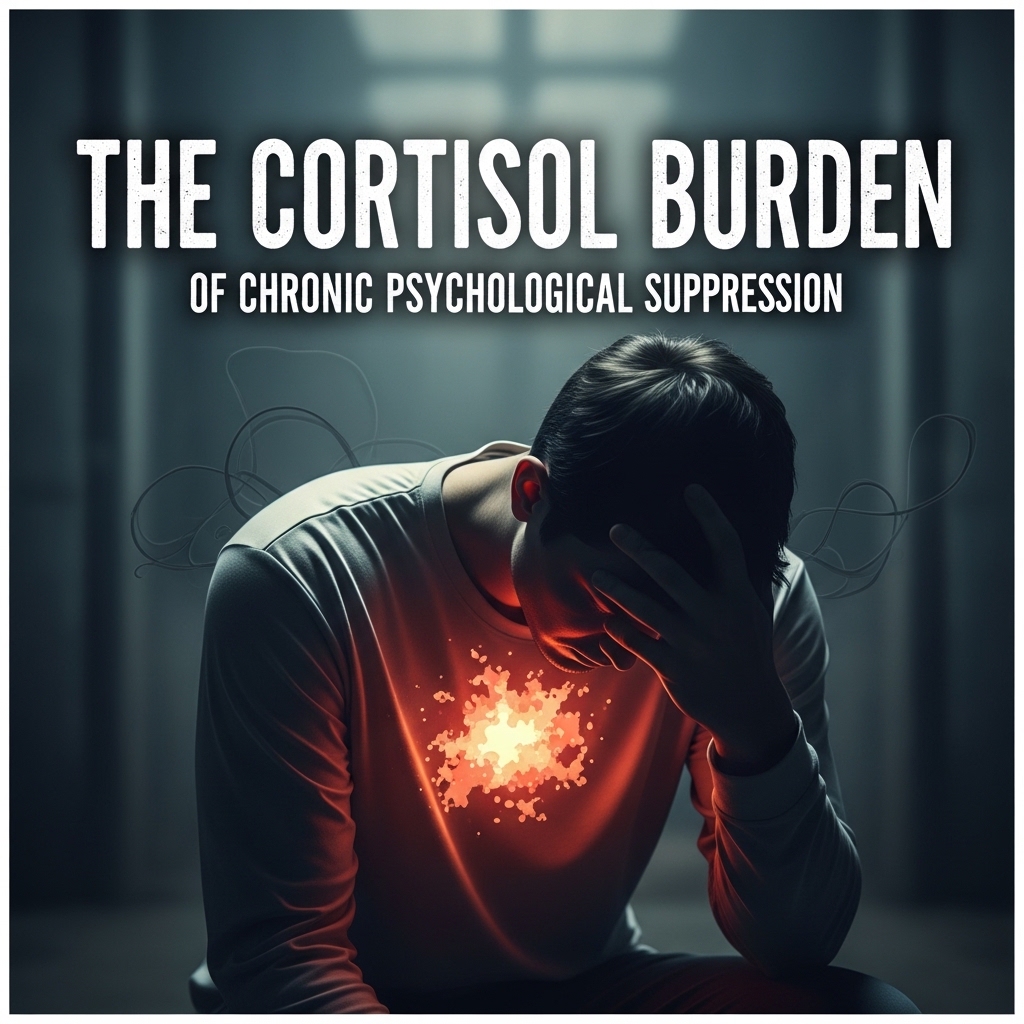
Cortisol is the body's primary stress hormone. Under normal conditions, it follows a daily rhythm — peaking in the morning and declining through the day. Chronic psychological stress disrupts this rhythm. It sustains cortisol at elevated levels across the full day and night. Over time, this produces a cascade of biological consequences that affect nearly every major physiological system.
Elevated chronic cortisol suppresses testosterone production through direct inhibition of the body's hormonal signaling axis. For men over 40, this interaction is particularly consequential. Testosterone already declines at approximately one to two percent per year after this age. Chronic cortisol elevation accelerates this decline, producing compounding effects on muscle mass, metabolic rate, cognitive sharpness, and mood regulation.
Research from the National Institutes of Health on stress hormone physiology has documented the two-way relationship between cortisol dysregulation and testosterone suppression in aging men. The clinical implication is direct. Men's mental health is not separable from men's hormonal health. Psychological distress that goes unaddressed migrates into the hormonal environment and produces measurable biological deterioration over months and years.
Cardiovascular Risk and the Male Psychological Stress Profile
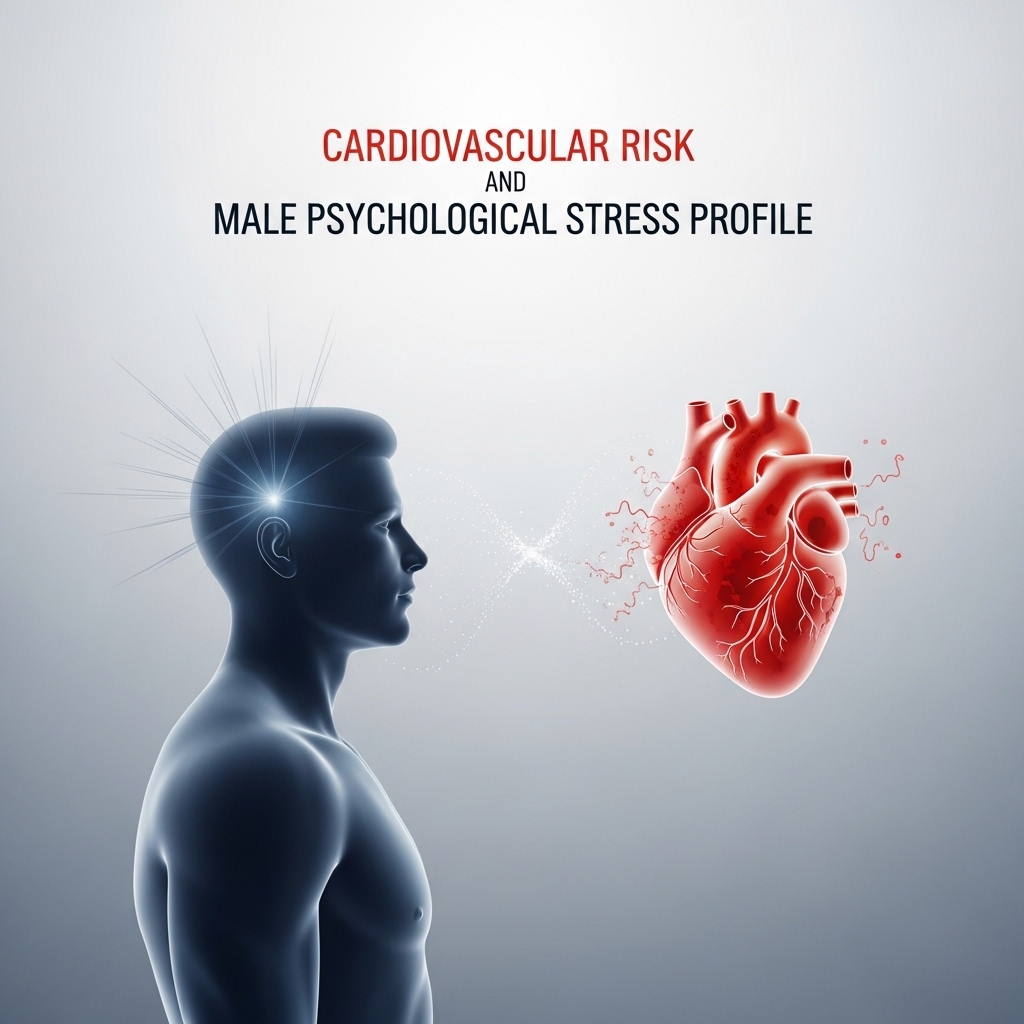
The cardiovascular consequences of chronic psychological stress in men are among the most robustly documented findings in the clinical literature on men's mental health. Depression and chronic anxiety independently associate with elevated cardiovascular event risk — including heart attack and stroke. The magnitude of this risk is comparable to traditional risk factors such as high blood pressure and elevated LDL cholesterol.
Data from the Framingham Heart Study and subsequent analyses have established that psychological distress markers predict cardiovascular outcomes in men over follow-up periods of a decade or more. The mechanisms are multiple. Chronic stress drives systemic inflammation, promotes arterial stiffness, elevates resting heart rate, and activates clotting pathways that increase cardiac risk. These are direct physiological pathways from mental state to cardiovascular tissue.
For high-performing male professionals, this risk profile is compounded by occupational conditions. High job demand combined with low perceived control — a pattern well-documented in executive and founder roles — is one of the most studied psychosocial predictors of cardiovascular disease. Men's mental health, viewed through a cardiovascular lens, is therefore a direct longevity variable — not a secondary concern.
Inflammatory Markers and Accelerated Biological Aging

Chronic psychological stress drives systemic inflammation through multiple pathways. Sustained cortisol elevation, sympathetic nervous system activation, and disrupted sleep all promote the release of pro-inflammatory signaling molecules — including interleukin-6 and tumor necrosis factor-alpha. These markers associate with accelerated biological aging, reduced immune function, and increased risk of metabolic and cardiovascular disease.
Research published in Biological Psychiatry has documented elevated inflammatory marker profiles in men with untreated depression and chronic stress compared to psychologically healthy controls. The inflammatory burden is not simply a symptom of psychological distress. It is an active driver of biological aging that operates independently of other lifestyle risk factors.
Telomere length — a direct cellular marker of biological age — shows consistent associations with psychological stress burden in the published literature. Studies drawing on large population cohorts have found that men with elevated chronic stress and depression scores carry measurably shorter telomeres than their psychologically healthier counterparts. Shorter telomeres signal faster cellular aging and associate with earlier onset of age-related disease.
READ ALSO: Exercise for Overall Health: Tips to Start Today
Sleep Architecture and the Psychological Stress Cycle
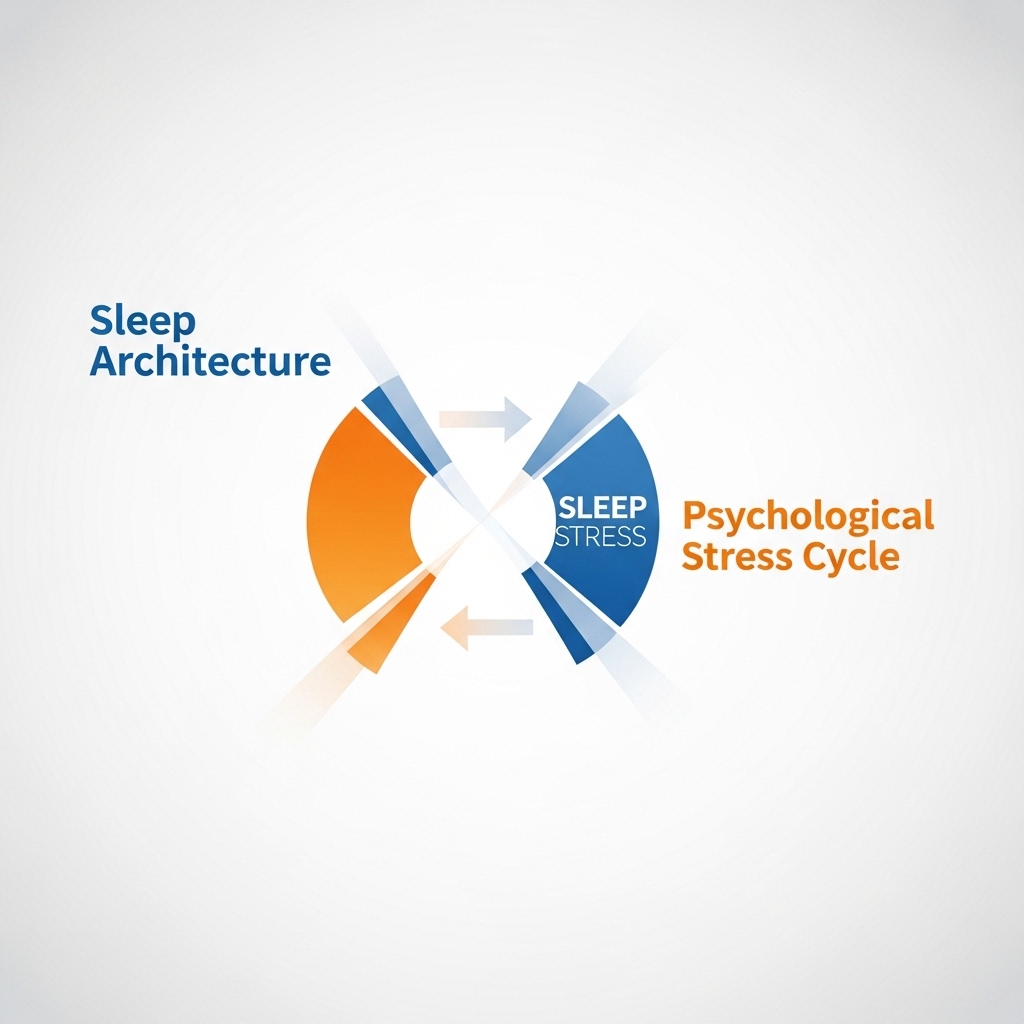
Sleep disruption is one of the most consistent physiological expressions of unaddressed psychological distress in men. Chronic stress and subclinical depression both alter sleep architecture in measurable ways. They reduce deep slow-wave sleep, fragment REM cycles, elevate nighttime cortisol, and increase nighttime arousal frequency. The result is sleep that is structurally insufficient even when total duration appears adequate.
The downstream consequences of disrupted sleep architecture compound the psychological stress burden rather than relieve it. Poor sleep elevates next-day cortisol and impairs the brain's prefrontal cortical function — reducing emotional regulation capacity. It also increases reactivity to stressors. This creates a reinforcing cycle. Psychological stress disrupts sleep, disrupted sleep amplifies stress reactivity, and the cycle deepens over time without structural intervention.
For male executives, this cycle carries direct performance consequences. Prefrontal cortical function — the neural basis of strategic thinking, impulse control, and complex decision-making — degrades under sleep disruption. Research from Harvard Medical School on sleep and executive function has documented measurable declines in these capacities after even moderate sleep restriction. Men's mental health and cognitive performance are therefore directly linked through sleep architecture.
Cognitive Performance and the Untreated Depression Penalty
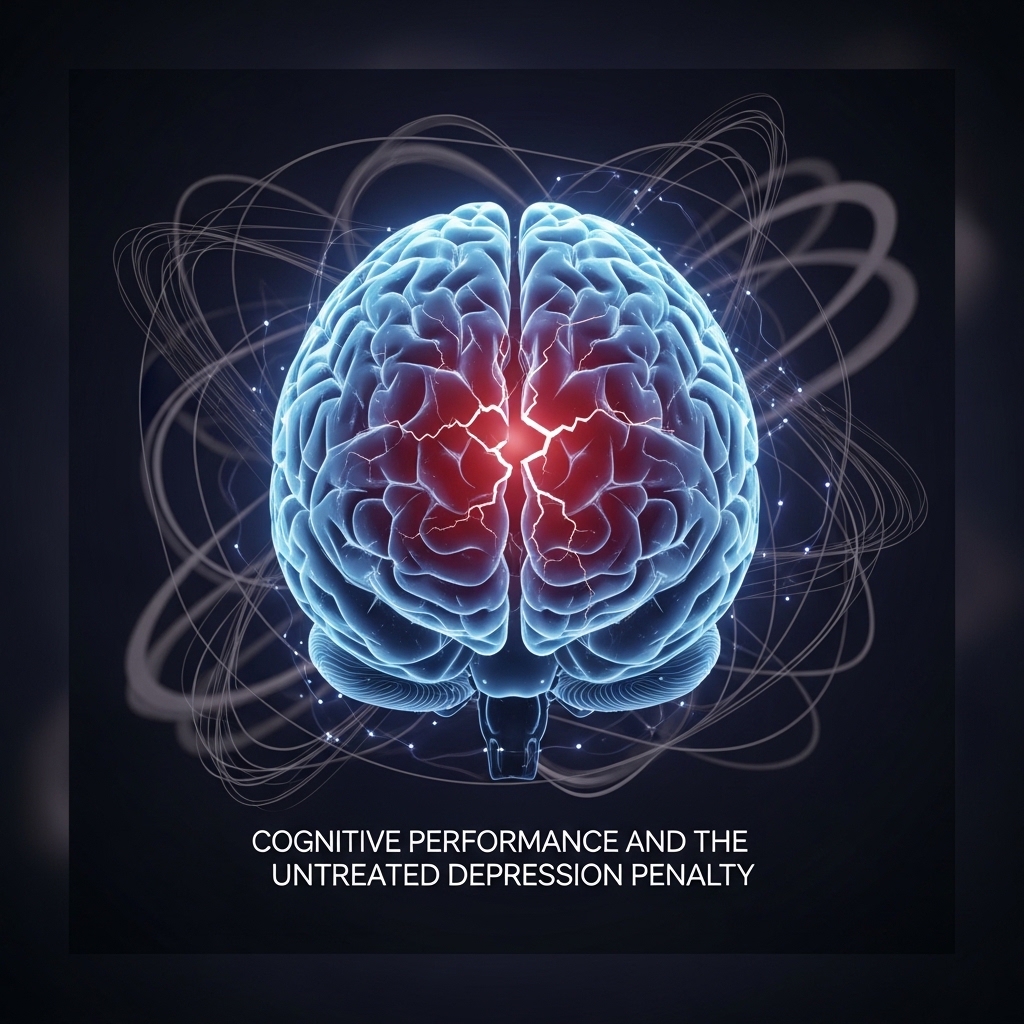
Depression in men frequently presents without the emotional symptom profile that clinical screening tools most commonly target. Instead, it manifests as irritability, risk-taking behavior, increased alcohol use, cognitive slowing, and reduced motivation. These patterns are easily attributed to stress or overwork rather than a diagnosable and treatable condition. This atypical presentation contributes to chronic underdiagnosis in high-performing male populations.
The cognitive consequences of untreated depression are well-documented and clinically significant. Depression impairs working memory, processing speed, attention, and executive function. These are precisely the cognitive capacities that professional performance depends upon. Research published in JAMA Psychiatry has documented these cognitive deficits in depressed adults across multiple domains. The effect sizes are large enough to produce measurable performance differences in occupational settings.
For men who have normalized their cognitive baseline over years of untreated psychological distress, the impairment may be invisible precisely because it has become familiar. The professional who attributes chronic cognitive fog and reduced creative capacity to aging or overwork may in fact be experiencing the direct cognitive expression of undertreated depression. Men's mental health screening that includes cognitive performance markers — not just mood indicators — is more likely to identify this pattern accurately.
READ ALSO: Mental Clarity Techniques for a More Focused You
Testosterone, Mood, and the Bidirectional Relationship
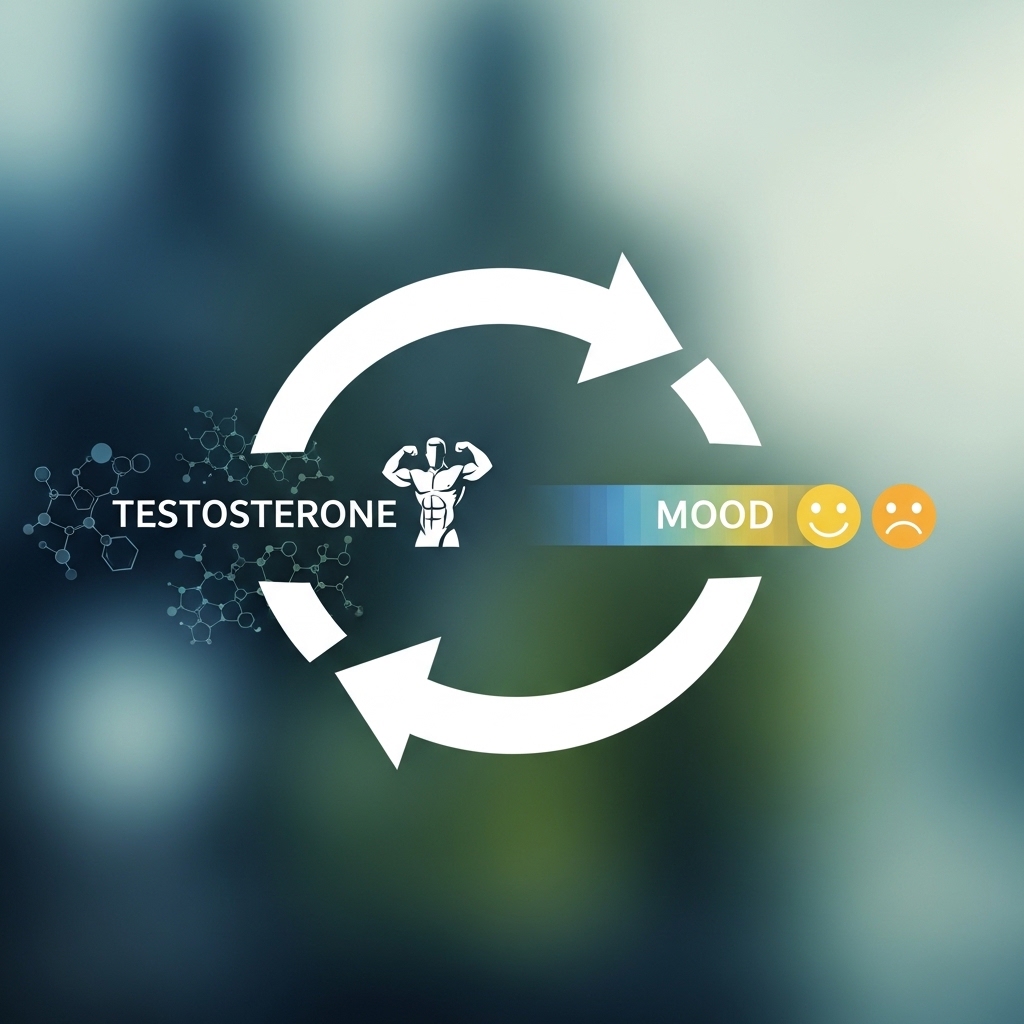
The relationship between testosterone and psychological wellbeing in men is bidirectional and clinically well-established. Low testosterone — increasingly common in men over 40, and particularly in those under chronic stress — associates with elevated rates of depression, reduced motivation, impaired concentration, and diminished emotional resilience. Simultaneously, chronic depression and anxiety suppress testosterone production through direct effects on the body's hormonal signaling axis.
This two-way dynamic means that men's mental health cannot be fully assessed without consideration of hormonal status. A man presenting with depressive symptoms and low testosterone may be experiencing a hormonal contribution to his psychological state. Conversely, a man with documented testosterone decline who dismisses psychological symptoms as unrelated may be missing a significant contributing pathway.
Research from the European Journal of Endocrinology has documented the association between low testosterone and depression severity scores in aging men — including in populations without prior psychiatric history. These findings support the integration of hormonal assessment into men's mental health evaluation. This is particularly relevant for professionals in the 40 to 60 age range, where natural testosterone decline and occupational stress load create a compounded biological risk profile.
Alcohol as a Maladaptive Stress Management Tool

Alcohol use as a psychological stress management tool is disproportionately prevalent in high-achieving male professionals. The short-term calming effect of alcohol — its capacity to temporarily reduce sympathetic nervous system activation and lower perceived stress — makes it a neurobiologically logical response to sustained high-pressure occupational conditions. It is, however, physiologically costly.
The long-term physiological consequences of regular alcohol use as a stress management tool directly undermine performance and longevity goals. Alcohol disrupts sleep architecture, elevates morning cortisol, suppresses testosterone production, increases inflammatory marker levels, and accelerates cardiovascular aging. Men who use alcohol to manage professional stress trade short-term relief for compounding biological cost.
From a men's mental health perspective, escalating alcohol use in high-performing professionals frequently signals unaddressed psychological distress rather than a primary substance use disorder. It is a behavioral marker of inadequate stress regulation capacity. It warrants clinical attention — and, in many cases, treatment of the underlying psychological condition rather than isolated focus on alcohol consumption itself.
READ ALSO: Top 10 Mental Health Games & Activities for Wellness
Social Isolation and the Male Longevity Risk
Social connection is one of the most robustly documented determinants of longevity in the epidemiological literature. Its effect on mortality risk is comparable to smoking cessation and physical activity. Men consistently demonstrate smaller social networks, lower rates of emotional disclosure, and higher rates of social isolation than women across the adult lifespan. In high-performing professional environments, demanding schedules and geographic mobility often amplify this pattern further.
Research from Brigham Young University's analysis of social isolation and mortality — drawing on data from multiple large cohort studies — established that social isolation and loneliness associate with a 26 to 29 percent increase in all-cause mortality risk. For men, whose social networks tend to narrow significantly after career formation, this risk is structurally elevated.
Men's mental health in the executive demographic therefore has a significant social dimension. The professional who maintains high occupational output while allowing friendships and peer relationships to atrophy over years of focused career development accumulates a longevity liability that standard health screenings do not capture. Social connection functions as a biological health variable — not merely a quality-of-life preference.
READ ALSO: Mindfulness Practices for Mental Well-Being You Need
Help-Seeking Behavior and the Professional Identity Barrier

The most significant structural barrier to men's mental health intervention in professional populations is not access — it is identity. High-achieving men frequently build professional identities around self-sufficiency, resilience, and the management of uncertainty without visible distress. Seeking psychological support can feel inconsistent with that identity. Within professional peer cultures, it can also be perceived that way.
This identity barrier has measurable clinical consequences. Men delay seeking mental health support by an average of several years beyond the onset of significant symptoms, according to data from the World Health Organization‘s global mental health surveys. In executive populations, where professional reputation carries additional weight, this delay is often longer. The biological cost of that delay accumulates across those years in cortisol dysregulation, inflammatory burden, and cardiovascular risk.
Reframing men's mental health support as a performance optimization tool — rather than a therapeutic intervention for dysfunction — reduces the identity conflict that drives avoidance. This reframing is not merely rhetorical. The evidence genuinely supports it. Psychological regulation capacity directly determines cognitive performance, decision quality, stress hormone management, and long-term biological aging rate.
Translating the Evidence Into Action

The evidence reviewed here supports several concrete, evidence-based pathways for high-performing male professionals seeking to address the biological and performance consequences of unaddressed psychological distress. Periodic psychological screening — using validated tools such as the PHQ-9 for depression or the GAD-7 for anxiety — provides objective baseline data and removes reliance on subjective self-assessment, which is frequently inaccurate in high-functioning men. Hormonal panel assessment, including total and free testosterone alongside cortisol and inflammatory markers, provides a biological readout of the physiological consequences of psychological stress load. Structured sleep tracking through wearable devices offers continuous feedback on whether psychological stress produces measurable sleep disruption. Engagement with a psychologist or psychiatrist with clinical training provides a structured intervention pathway separated from the social peer dynamics that most commonly inhibit help-seeking in this demographic. For professionals whose occupational identity creates resistance to traditional therapeutic formats, performance-framed psychological support — focused on cognitive optimization, stress regulation, and decision quality — often provides a more accessible entry point with equivalent clinical benefit.
UP NEXT: Health Community Choice Isn’t One-Size-Fits-All — Here’s Why
Chronic psychological distress in men — through its compounding effects on cortisol dysregulation, systemic inflammation, telomere shortening, and cardiovascular aging — is one of the most clinically significant yet underscreened contributors to accelerated biological aging, with research linking untreated depression and chronic stress in men to biological age profiles three to seven years older than chronological age among working-age male adults. WholeLiving's Biological Age Estimation Model incorporates this factor directly — your assessment takes under five minutes.
Ready to understand how these factors are influencing your biological age right now? [Take the Biological Age Assessment →]