
For executives and founders operating under sustained cognitive and metabolic demand, the wrong health community choice can quietly worsen dietary adherence, elevate cortisol, and increase long-term cardiovascular risk. This is not a consumer wellness question. It is a performance variable with measurable implications for biological age, glucose stability, inflammatory load, and decision quality under pressure. For high-performing professionals, the surrounding health culture often determines whether nutrition supports resilience, recovery, and longevity or steadily erodes them.
Health Community Choice Is a Daily Nutrition Exposure
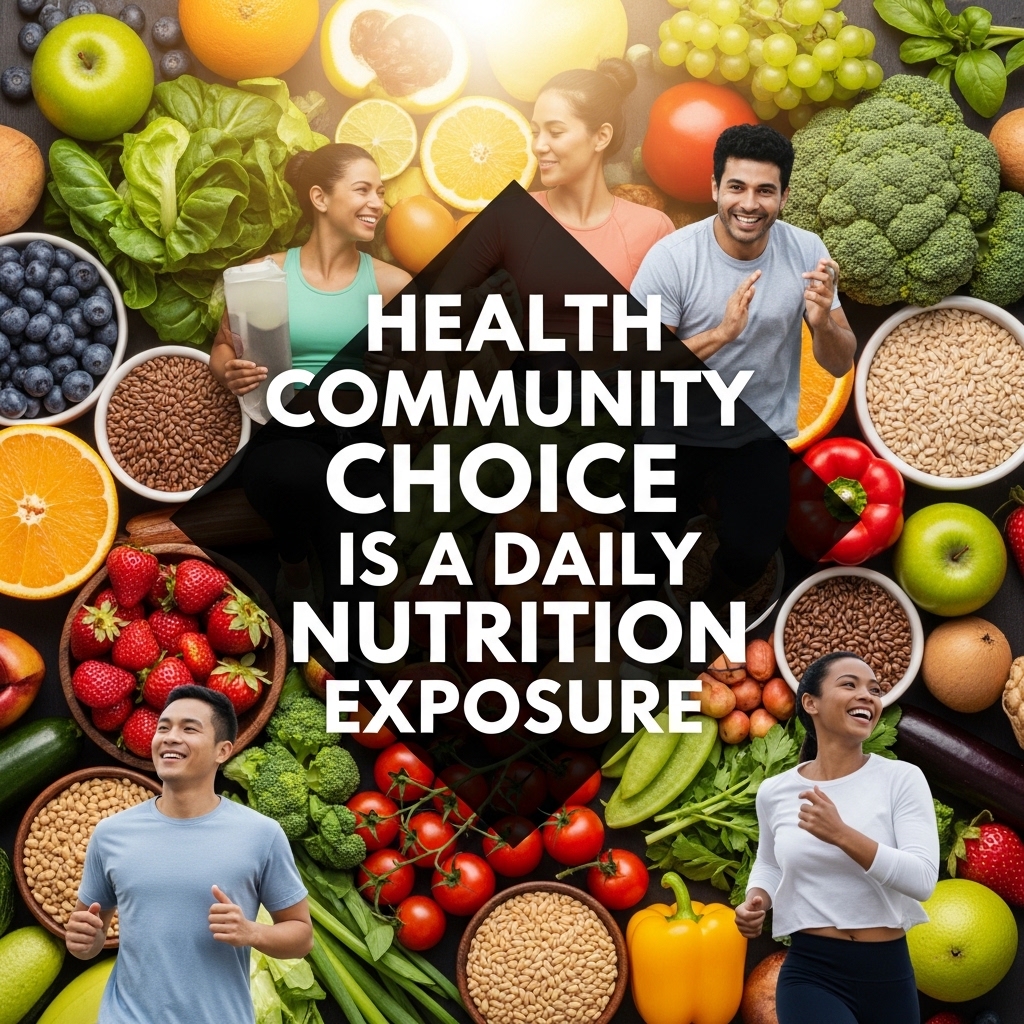
Health community choice is not a lifestyle label. In nutrition, it works like a daily exposure. It shapes meal timing, restaurant habits, alcohol use, recovery routines, and what a group treats as normal food behavior.
For high-performing professionals, that exposure affects more than food preference. It changes how often a person eats in stable patterns and how much strain the body carries across the week. Over time, that pattern can affect metabolic function, cardiovascular strain, and healthy aging.
Research from Harvard T.H. Chan School of Public Health and the American Heart Association has shown that the food environment shapes dietary behavior. People do not make nutrition choices in a vacuum. Their group, schedule, and setting often decide what feels normal.
Social Norms Change Eating Behavior Fast
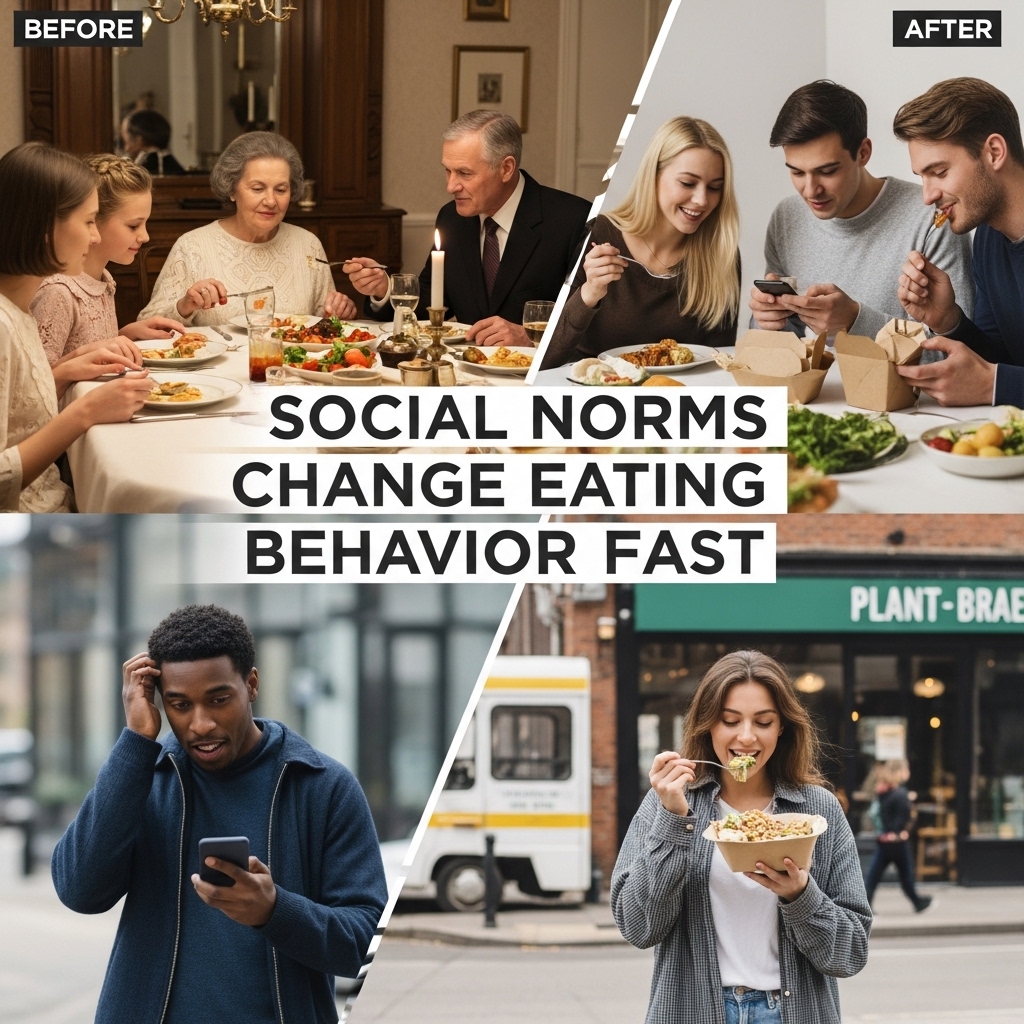
One useful term here is social contagion. It means behaviors can spread through a group. In the Framingham Heart Study network analysis, body weight patterns clustered within social ties over time.
That finding does not mean one person directly causes another person’s health outcome. It means repeated group behavior can change what people copy, accept, and repeat. Large portions, frequent dining out, late meals, and routine drinking can all become standard without much resistance.
That is why health community choice matters in nutrition. A professional may know what supports health. But if the group rewards unstable eating patterns, knowledge often loses to routine.
Adherence Matters More Than Motivation

In nutrition science, adherence predicts long-term results better than short bursts of effort. A person can understand the right food pattern and still fail to keep it. The real issue is whether the environment supports repeat behavior.
A 2024 study in JAMA Network Open linked stronger adherence to the Mediterranean diet with lower all-cause mortality. The benefit related to factors such as inflammation, insulin resistance, body weight, and blood lipids. Those are not vague wellness markers. They are measurable drivers of long-term health.
Health community choice affects adherence every day. A group can make structured eating easier. It can also make good nutrition feel socially awkward, inconvenient, or hard to keep.
Stress Biology Can Change Food Decisions
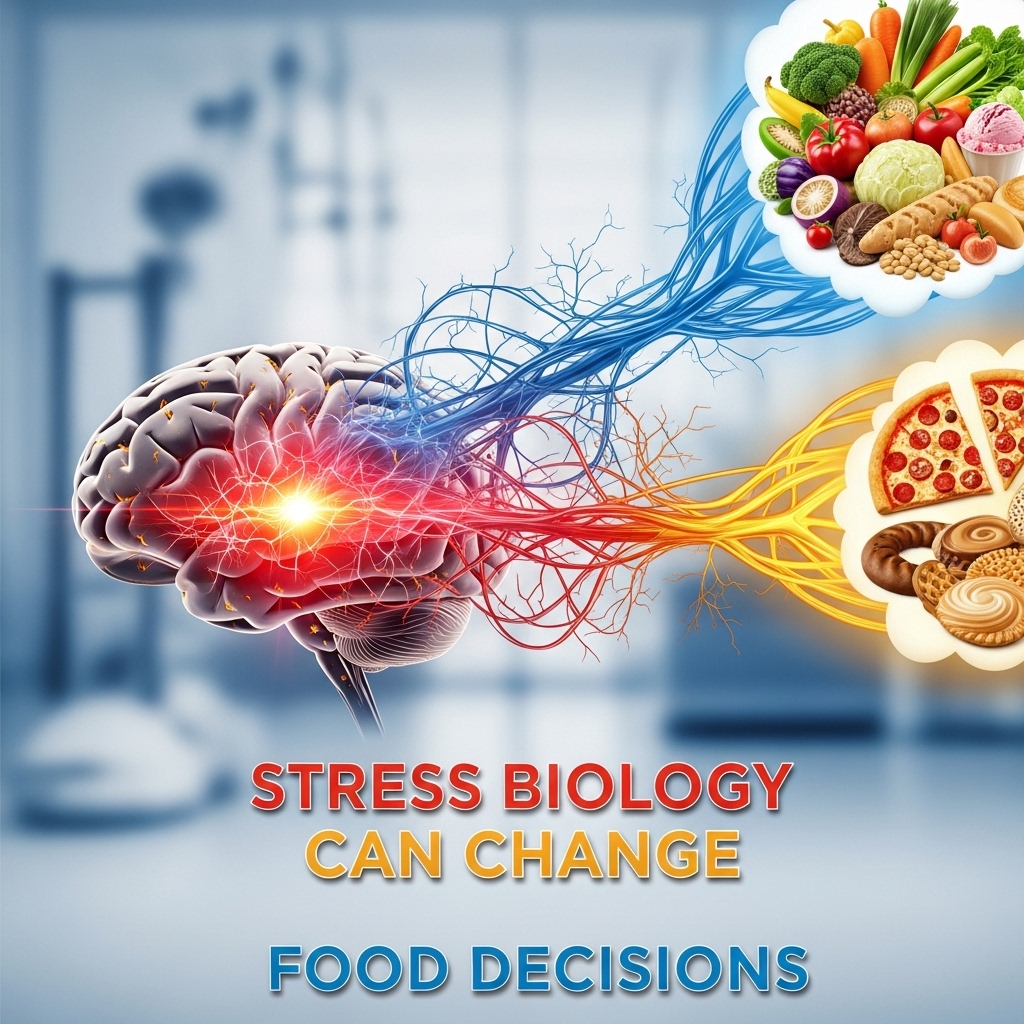
Nutrition often breaks down under pressure, not because of poor knowledge, but because of stress biology. Chronic stress can raise cortisol and increase the pull toward high-sugar, high-fat, and reward-based foods. That pattern matters in demanding work settings.
Research supported by the National Institutes of Health has linked chronic stress with changes in eating behavior. Work by Elissa Epel and colleagues also showed that people with stronger cortisol responses after stress often ate more and preferred sweeter foods. Stress can shift appetite in a measurable way.
A food-permissive group can make that problem worse. If a professional circle uses food, alcohol, or late dinners as stress relief, health community choice starts to affect endocrine balance, not just social comfort.
Relationship Quality Affects Inflammation
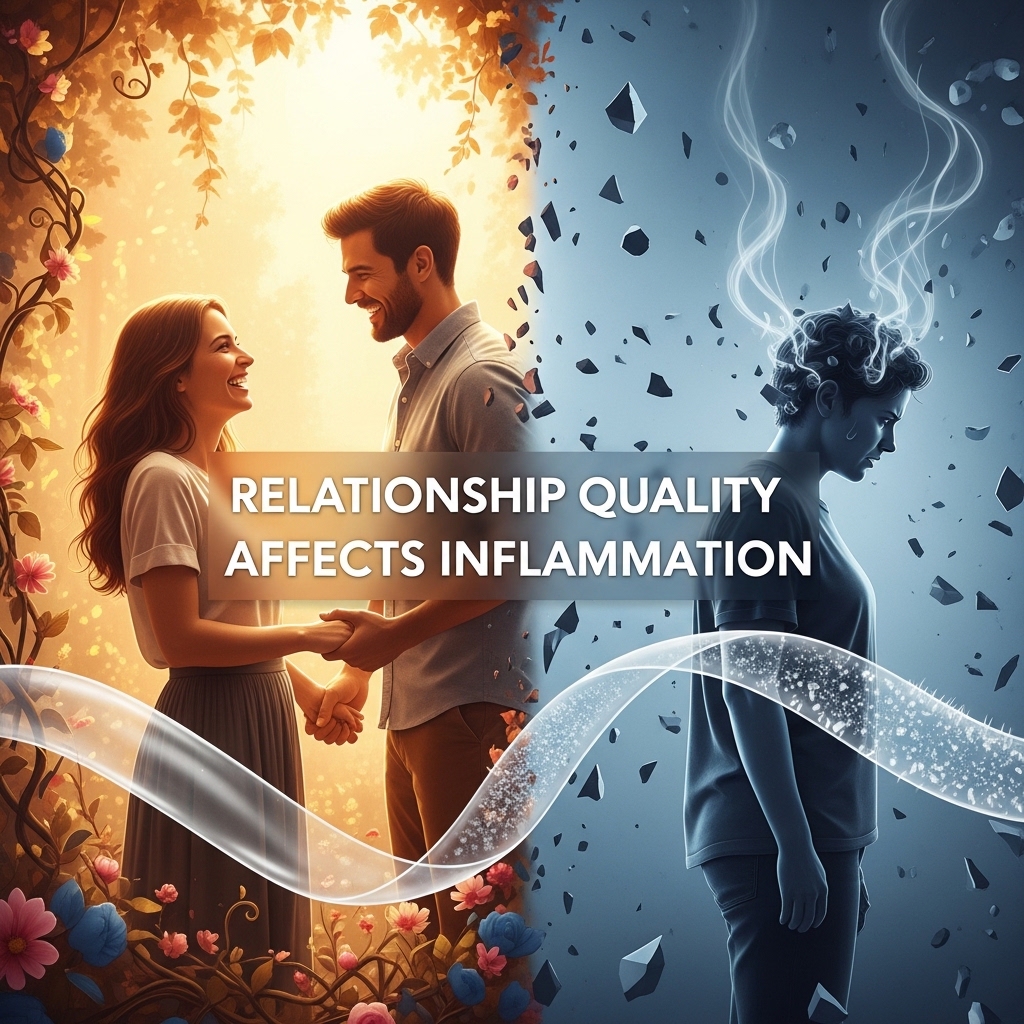
A second key concept is inflammation burden. This refers to the body’s long-term inflammatory load, often tracked with markers such as C-reactive protein and interleukin-6. These are relevant to both aging and cardiovascular risk.
The Midlife in the United States study found that social support and social strain related to later inflammatory patterns. In simple terms, the quality of close relationships showed links to measurable biology. Supportive ties helped. Strained ties added more stress to the system.
Nutrition and inflammation influence each other. A poor diet can raise inflammation. Chronic social stress can also push people toward worse food choices. That is why health community choice belongs inside serious nutrition planning.
Cardiovascular Risk Often Starts With Friction
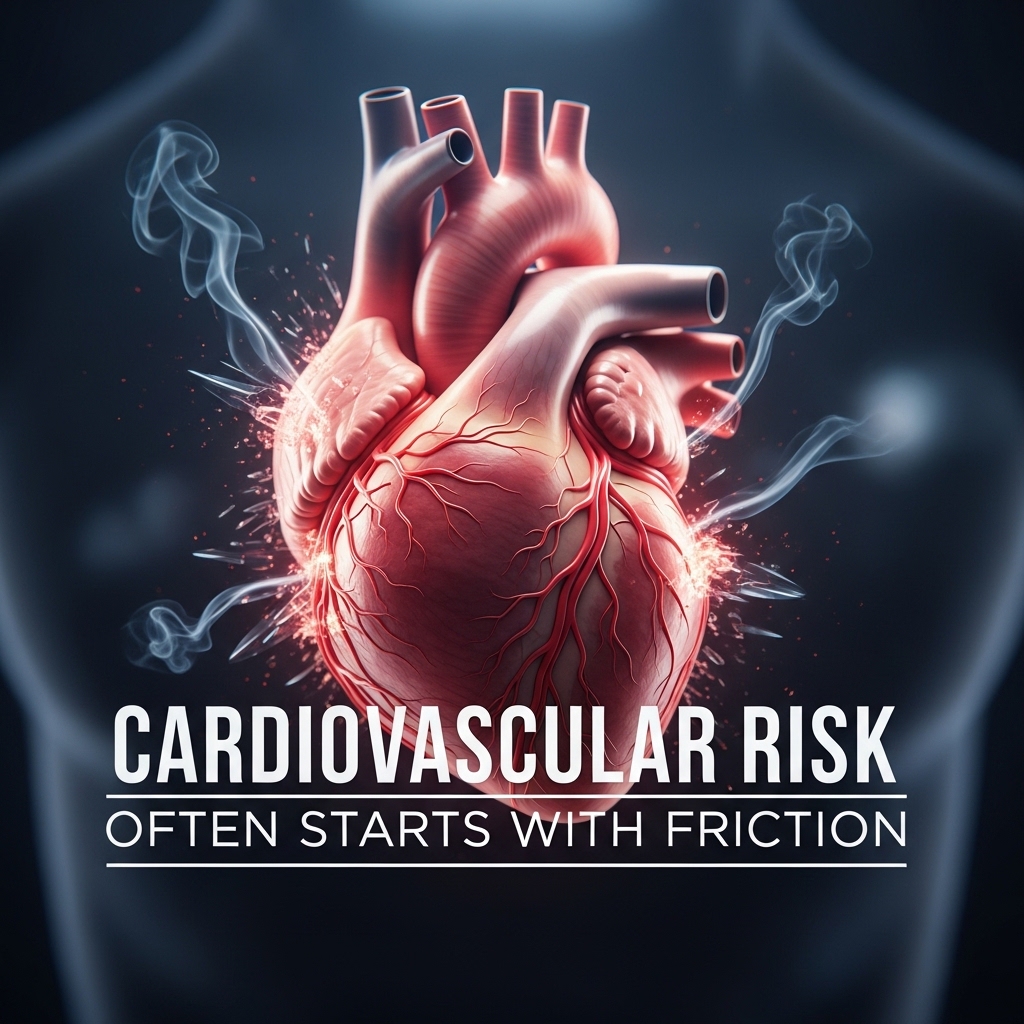
Cardiovascular health does not depend on nutrients alone. It also depends on daily friction. If healthy food takes more effort than unhealthy food, most busy professionals will drift toward the easier option.
The American Heart Association has stressed that food environments shape heart health. A group that normalizes high-sodium meals, heavy alcohol use, skipped meals, and low-fiber convenience foods raises the odds of worse blood pressure, poor glucose control, and higher triglycerides. These changes build slowly, but they still matter.
Health community choice can lower that friction or raise it. A strong group makes structured meals, better food quality, and better recovery feel normal. A weak group turns those same choices into constant work.
Biological Age Reflects Repeated Inputs

That matters here because repeated food patterns affect how a person ages. The body responds to what happens often, not to what happens once.
Harvard T.H. Chan School of Public Health has reported that healthier midlife eating patterns link with a better chance of healthy aging. That includes lower chronic disease burden and better physical, mental, and cognitive function later in life. Those findings make nutrition a direct longevity issue.
Health community choice shapes whether those patterns hold over time. A strong health culture supports stable meals, lower ultra-processed food intake, and better recovery. A poor culture pushes the body toward faster wear and higher allostatic load, a term for the strain caused by chronic stress.
READ ALSO: Nutrition for Lean Muscle Growth: Fuel Your Body Right
Cognitive Output Depends on Nutritional Stability
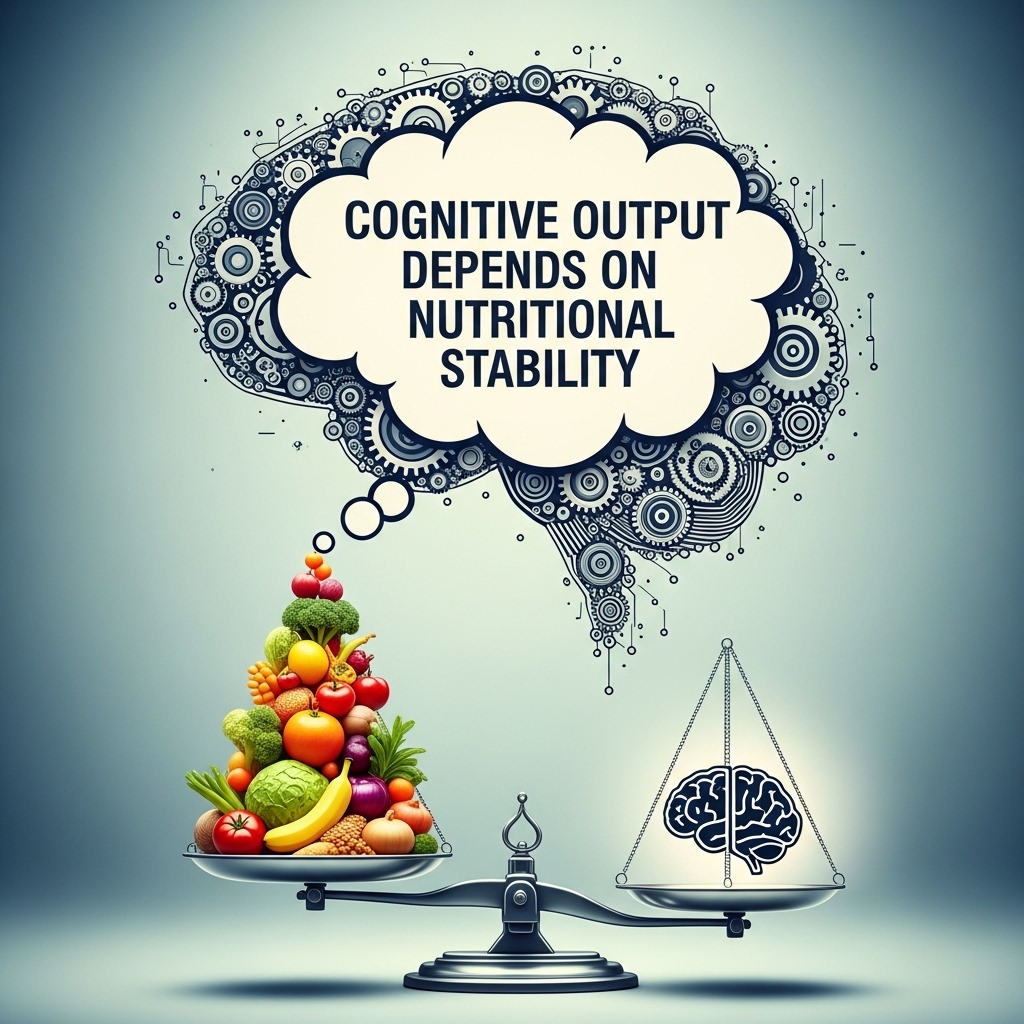
For executives and founders, nutrition is not only about disease prevention. It also affects attention, judgment, and mental stamina. A poor food environment can reduce cognitive consistency long before major disease appears.
Groups that normalize skipped meals, late-night eating, excessive caffeine, and fast high-glycemic food often increase glycemic variability. That term refers to swings in blood sugar across the day. These swings can affect energy, focus, hunger, and mood.
Health community choice shapes that pattern more than most professionals think. A stable group protects food timing and meal quality. An unstable group turns nutrition into a series of rushed decisions with lower returns.
READ ALSO: Nutrition for Muscle Growth and Fat Loss: A Balanced Approach
Sleep and Recovery Follow Social Patterns
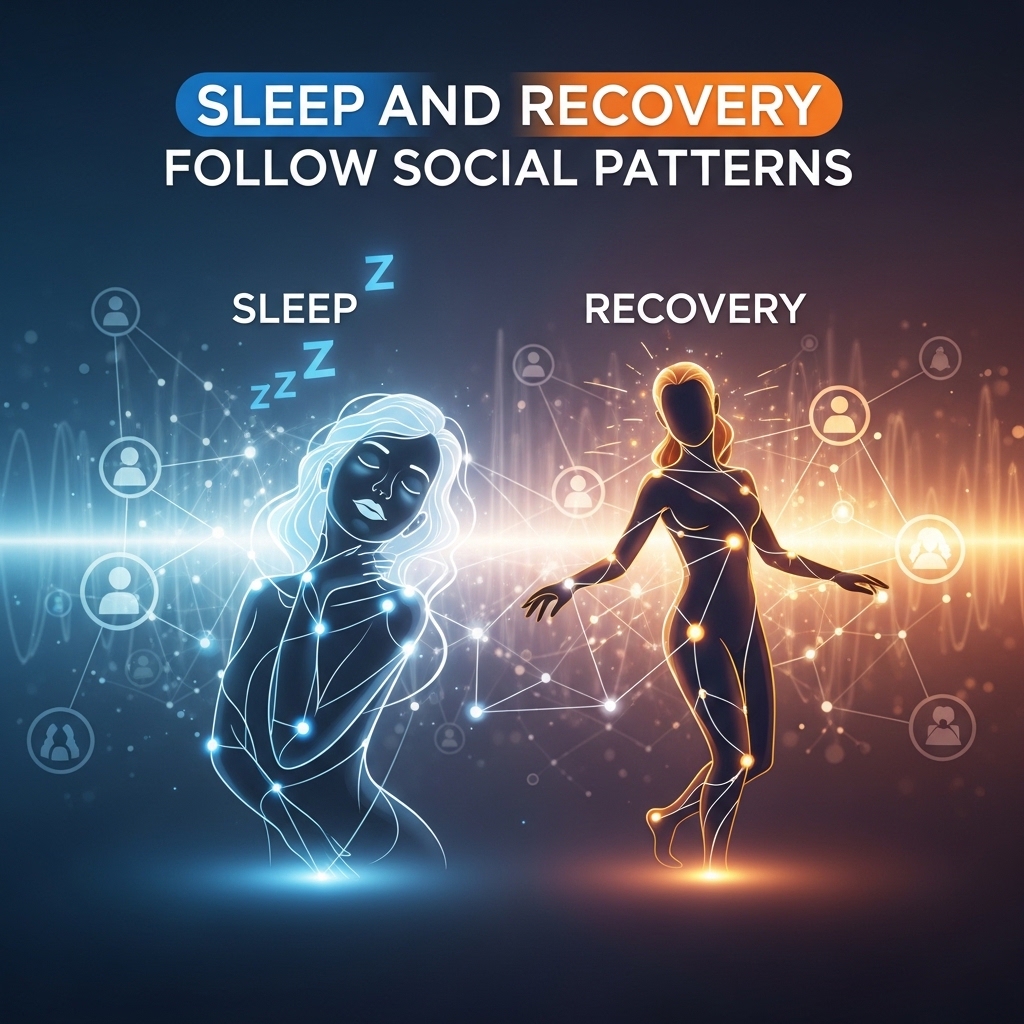
Sleep quality does not depend on biology alone. Social structure matters. Communities influence dinner timing, alcohol use, work hours, and how late stimulation fits into the routine.
That matters because poor sleep changes hunger signals and weakens metabolic control. Late meals and alcohol-heavy evenings can also disturb recovery and next-day appetite regulation. Once that becomes routine, nutrition quality often falls with it.
Health community choice can protect or damage recovery. A strong group respects sleep, stable meals, and lower evening strain. A weak group treats late eating and constant stimulation as signs of status or commitment.
READ ALSO: The Truth About Artificial Hydration and Nutrition
High-Status Circles Can Hide Nutritional Risk

Wealth and status do not guarantee a healthy food culture. In many elite circles, restaurant access, travel, alcohol, and social dining create a polished version of nutritional strain. The harm looks refined, but the biology stays the same.
That pattern can mislead high-performing professionals. Success can make poor habits look harmless. But blood pressure, lipids, glucose control, and inflammatory markers do not respond to image. They respond to repeated behavior.
That is why health community choice deserves close review in high-income networks. The real question is whether the group supports better metabolic control and healthy aging, or simply hides risk behind convenience and prestige.
UP NEXT: Poor Nutrition and Hydration: A Fitness Setback
How This Affects Your Biological Age
Health community choice can directly influence biological age by shaping daily eating patterns, stress load, alcohol exposure, sleep consistency, and adherence to cardiometabolic behaviors that affect inflammation, glucose control, and long-term cardiovascular risk. WholeLiving's Biological Age Estimation Model incorporates this factor directly — your assessment takes under five minutes.
Ready to understand how these factors are influencing your biological age right now? [Take the Biological Age Assessment →]