
Mindful living is an approach to life that focuses on embracing each moment with intention and awareness. Whether you are navigating a busy day or taking time to reflect, mindfulness offers powerful tools to help you stay grounded. Quotes about mindful living serve as gentle reminders to pay attention to the present moment, allowing you to experience the beauty and peace in everyday activities. These words of wisdom inspire you to practice mindfulness through breathing, meditation, and awareness, all of which contribute to your emotional and mental well-being.
By integrating these mindfulness quotes into your daily routine, you will learn to slow down, quiet the mind, and reduce stress. The teachings of renowned figures like Jon Kabat Zinn, Thich Nhat Hanh, and Eckhart Tolle guide us to understand the importance of staying present. As you explore these insights, you’ll discover that mindfulness isn't just a practice but a lifestyle—one that offers clarity, inner peace, and improved mental health. Every moment is an opportunity to practice mindful breathing and embrace the mindfulness journey.
In this article, we will delve into powerful quotes about mindfulness and how they can guide you on your path to living with more awareness and presence. From mindful fear to self-awareness, each quote provides an invitation to connect with your true self and embrace life with a fresh perspective. The practice of mindfulness brings balance to your mind, body, and spirit, helping you navigate life’s challenges with grace and peace.
Embracing the Present Moment

The present moment is where all of life unfolds. Yet, so many of us find ourselves distracted by worries about the past or future. Mindfulness teaches us to focus on what is happening right now. By doing so, we can fully appreciate the richness of each experience. The wisdom from quotes about mindful living encourages us to release the weight of past regrets and future anxieties.
As Eckhart Tolle reminds us, “The present moment is all you ever have.” Focusing on the present moment largely determines your mental state and emotional responses. By staying mindful, you learn to be at peace with what is, rather than what could have been or might be. This simple yet profound shift brings about clarity and ease in everyday life.
When you practice mindfulness, you make space to be fully engaged in whatever you are doing. Whether it’s enjoying a meal, taking a walk, or having a conversation, mindfulness allows you to experience these moments with more intention. As you nurture this awareness, you cultivate a life that is rooted in the now.
READ ALSO: Pause & Breathe: Your Daily Mindfulness Practice | Whole Living Balance
The Power of Mindful Breathing
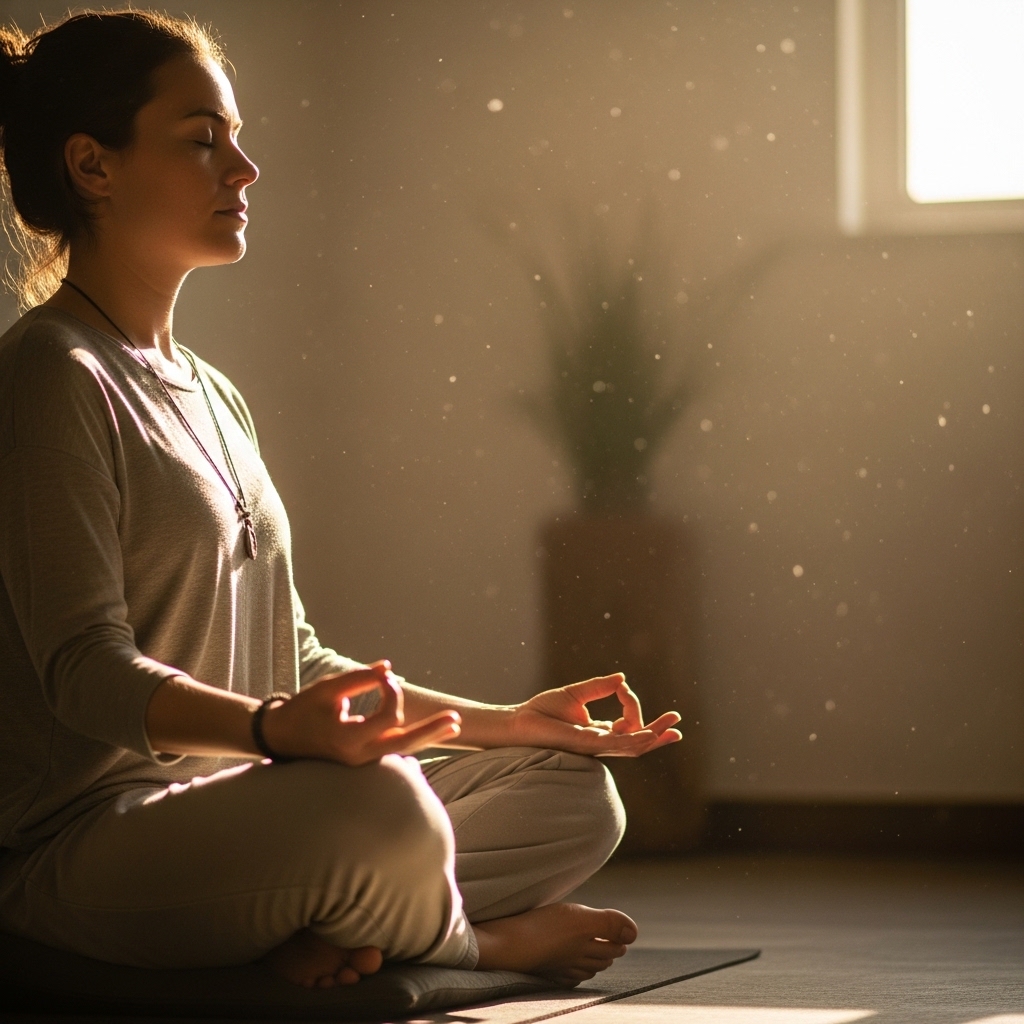
Mindful breathing is one of the most accessible and effective tools for calming the mind and body. By focusing on each inhale and exhale, you shift your attention from racing thoughts to the rhythm of your breath. This simple act anchors you in the present moment, promoting relaxation and reducing stress. Mindfulness practice doesn’t have to be complicated—it can start with something as simple as conscious breathing.
Jon Kabat Zinn beautifully explains, “You can’t stop the waves, but you can learn to surf.” This quote captures the essence of mindful breathing—instead of resisting stress, we learn to navigate it with calm awareness. By focusing on your breath, you allow your mind to quiet, creating a space for peace to settle in.
Breathing deeply and mindfully also activates the parasympathetic nervous system, which helps calm the body’s response to stress. This physical relaxation allows you to approach challenges with a clear mind and a balanced heart. Mindful breathing can be practiced anywhere, making it a great tool for reducing reactive impulses and staying grounded throughout the day.
Finding Calm Through Meditation

Mindfulness meditation is a powerful way to cultivate presence and emotional balance. It involves sitting quietly, focusing on your breath, and allowing your thoughts to come and go without attachment. In today’s world, where distractions are everywhere, meditation offers a sanctuary of stillness and clarity.
Thich Nhat Hanh shares that “Meditation is the most powerful way to bring mindfulness into your life.” This practice provides a space to witness your thoughts without judgment, creating space for self-awareness. As you sit with your thoughts and emotions, you learn to observe them from a distance, instead of being caught up in them.
Through consistent meditation, you begin to notice patterns in your thinking. Mindfulness meditation helps you identify areas where you can release chattering negative self-talk and replace it with compassion. It is a journey of self-discovery, where you learn to accept yourself as you are, without the need for perfection.
Practicing Mindfulness in Everyday Life

One of the beauties of mindfulness is its ability to integrate seamlessly into your daily routine. Whether you’re washing dishes, walking to work, or having a conversation, there are countless opportunities to practice mindfulness. By bringing awareness to each moment, you turn ordinary activities into powerful opportunities for connection and growth.
Mindfulness helps you approach everyday life with curiosity and a sense of wonder. By focusing on the present, you notice the details that often go unnoticed—the feel of the wind, the sound of a bird, or the warmth of the sun. These small moments are precious gifts that bring you back to the simplicity and joy of being alive.
Incorporating mindfulness into your daily routine can also reduce stress and increase your capacity for self-improvement. Whether you’re experiencing pleasant experiences or unpleasant ones, mindfulness allows you to stay grounded and respond with equanimity. It’s about learning to be fully present in everyday life, without judgment or distraction.
READ ALSO: Quotes Regarding Life That Spark Gentle Reflection
Overcoming Mindful Fear

Fear is a natural part of being human. However, when fear controls us, it becomes a barrier to growth and peace. Mindful fear involves observing your fears without letting them dictate your actions. By practicing mindfulness, you can move through fear with greater awareness and control.
Mindfulness encourages us to approach fear with curiosity, rather than avoidance. As you develop self-awareness, you begin to notice how fear manifests in your body and mind. Through mindfulness practice, you learn to separate your thoughts from your emotions, realizing that just your thoughts are not necessarily reality.
By staying present, you can face fearful situations with calmness and clarity. Mindful breathing helps ground you during moments of fear, allowing you to respond thoughtfully instead of reacting impulsively. Over time, you’ll find that your fears lose their grip on you, and you become more confident in handling challenges.
The Gift of Self-Awareness

Self-awareness is a cornerstone of mindful living. It allows you to recognize your thoughts, emotions, and behaviors, giving you the power to make conscious choices. Mindfulness helps you step back and observe your actions, cultivating a deeper understanding of yourself and your needs.
Through practices like mindful breathing and mindfulness meditation, you can increase your self-awareness and emotional intelligence. This awareness allows you to recognize when you are operating from emotional reactivity and choose a more thoughtful response. Instead of reacting from a place of fear or stress, you can respond with clarity and compassion.
Self-awareness also helps you break free from mindless fear and negative self-talk. When you are aware of your patterns, you can begin to shift them and create healthier habits. This process is a form of self-improvement, where each day brings new opportunities for growth and understanding.
Letting Go of Negative Thoughts

One of the most powerful aspects of mindfulness is its ability to help you release negative thoughts and beliefs. Mindfulness invites you to observe your thoughts without judgment, allowing you to quiet contentment and peace. Instead of getting caught up in the thinking mind, you learn to let thoughts come and go like clouds in the sky.
Mindfulness quotes often remind us that we are not our thoughts. They are simply passing experiences. As you practice mindful breathing and meditation, you begin to cultivate a sense of detachment from your thoughts, allowing you to live more fully in the present. The more you practice, the more you will notice a shift from chattering negative self-talk to a peaceful, grounded mindset.
This process of letting go can be incredibly freeing. As you release negative thoughts, you create space for positivity, gratitude, and joy. By embracing mindfulness, you can break free from the cycle of mindless fear and step into a life filled with clarity and calm.
READ ALSO: Friend Quotes That Remind You You’re Loved
The Power of Mindful Listening

Mindful listening is a practice that allows you to truly connect with others. Instead of waiting for your turn to speak, you fully engage with the person in front of you. This practice creates deeper connections and promotes more meaningful conversations.
When you listen mindfully, you bring present mindfulness into your interactions. You are fully engaged in the moment, free from distractions. This type of listening promotes understanding, empathy, and compassion. It also reduces misunderstandings and improves relationships, both personally and professionally.
Mindfulness helps you listen without judgment, allowing you to respond thoughtfully rather than reactively. When you listen mindfully, you not only improve your communication skills, but you also create a deeper sense of connection and trust with those around you.
The Role of Compassion in Mindful Living
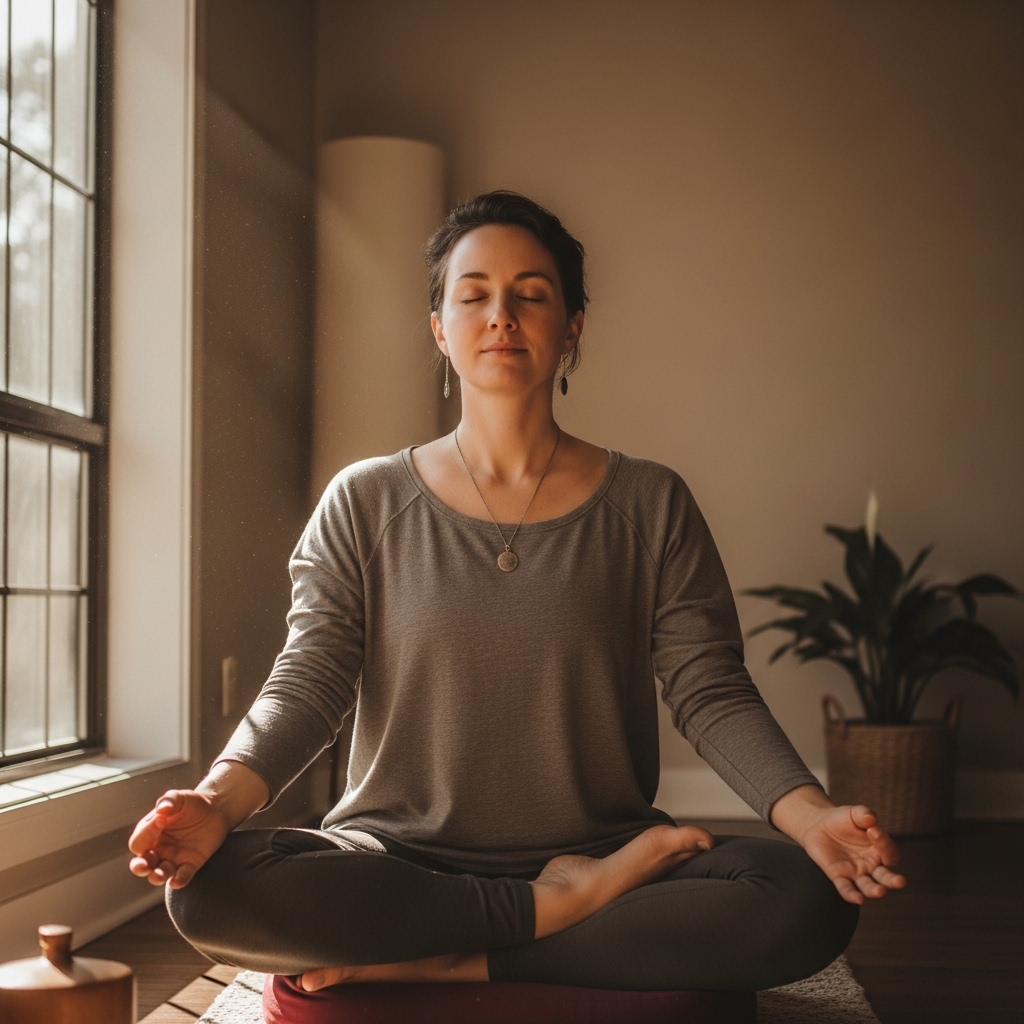
Compassion is at the heart of mindful living. It’s the ability to be kind to yourself and others, especially during difficult times. Mindfulness encourages us to approach life with compassion, recognizing the shared humanity in all of us.
As you practice mindfulness, you begin to notice areas where you can cultivate more compassion. This could be towards yourself, by practicing self-compassion, or towards others, by offering understanding and kindness. By embracing compassion, you create a more peaceful and harmonious world around you.
Mindfulness and compassion go hand in hand. As you grow in your mindfulness practice, you’ll notice that your capacity for empathy and understanding expands. This creates a ripple effect, spreading kindness and compassion wherever you go.
Mindfulness and Mental Health
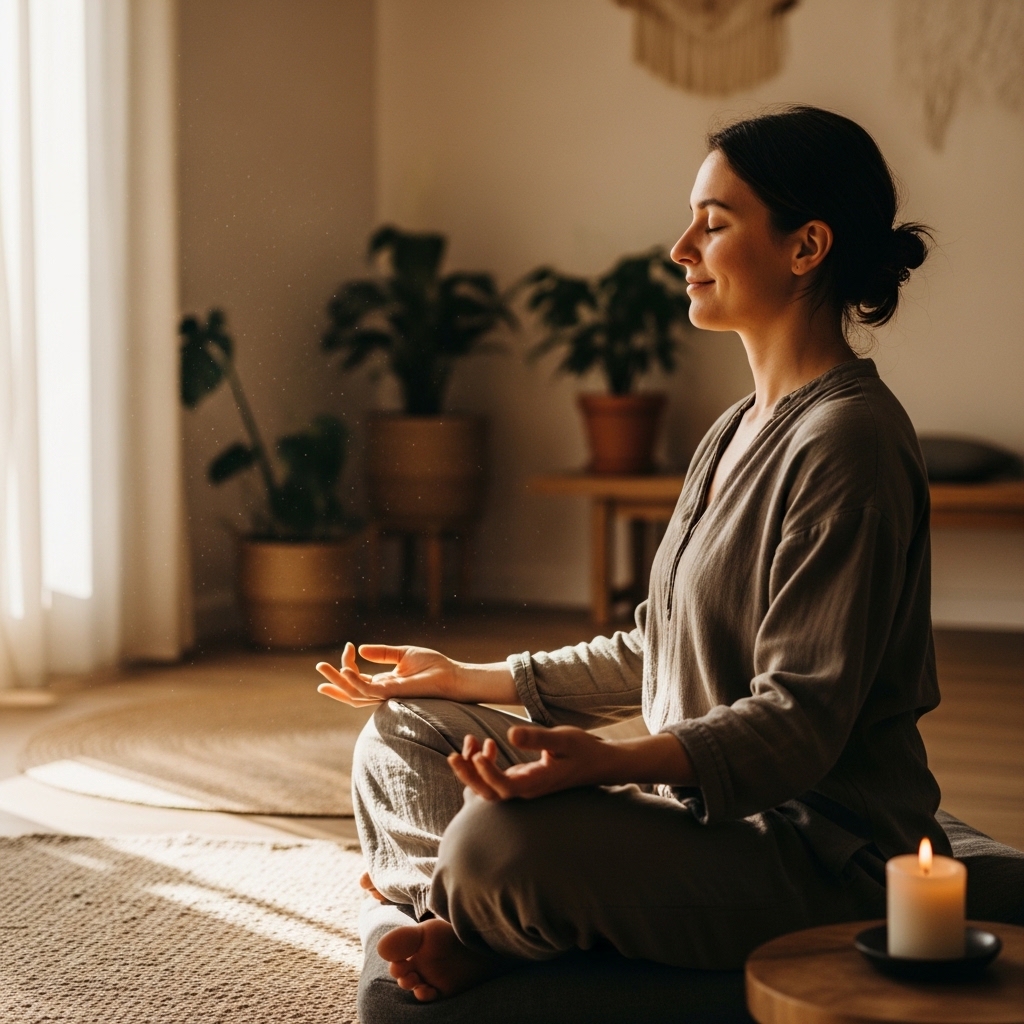
Mindfulness has been shown to have a profound impact on mental health. By practicing mindfulness regularly, you can reduce stress, anxiety, and depression. It helps you manage emotions and increase your overall well-being.
Mindfulness promotes a sense of balance and peace that directly affects your mental state. It helps you become more aware of your thoughts and emotions, allowing you to respond thoughtfully rather than react impulsively. By integrating mindfulness into your daily routine, you can create a foundation for better mental health and emotional resilience.
As you continue on your mindfulness journey, you’ll notice the positive changes in your life. Mindfulness gives you the tools to manage stress, anxiety, and negative emotions, while promoting a sense of inner calm. It’s a practice that can transform your mental health, one moment at a time.