
Weight Loss as a Metabolic Performance Variable
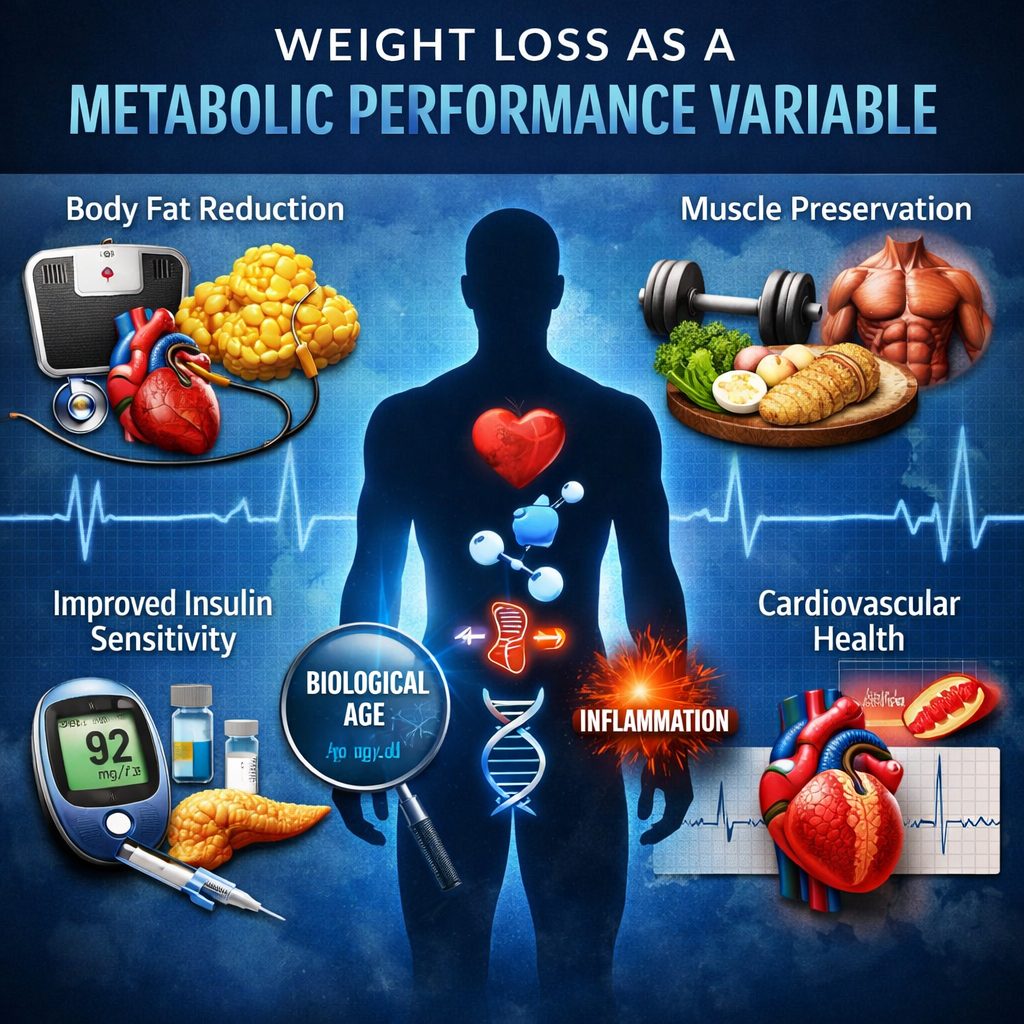
A weight loss nutrition diet for high-performing professionals is not a cosmetic plan. It is a metabolic strategy that lowers body fat, protects muscle, improves blood sugar control, and reduces long-term cardiovascular strain. Excess body fat often raises blood pressure, blood glucose, and overall cardiometabolic risk.
For executives, the core issue is not the number on the scale. The real issue is whether nutrition improves metabolic function, supports output, and lowers the body stress that drives vascular decline. The American Heart Association identifies excess weight as a major risk factor for heart disease and stroke.
That distinction matters. Fast weight loss can reduce body weight while worsening key performance markers. Muscle loss, unstable glucose, poor sleep, and stronger hunger can leave a person lighter but less resilient.
Diet Quality Matters More Than Calorie Math Alone
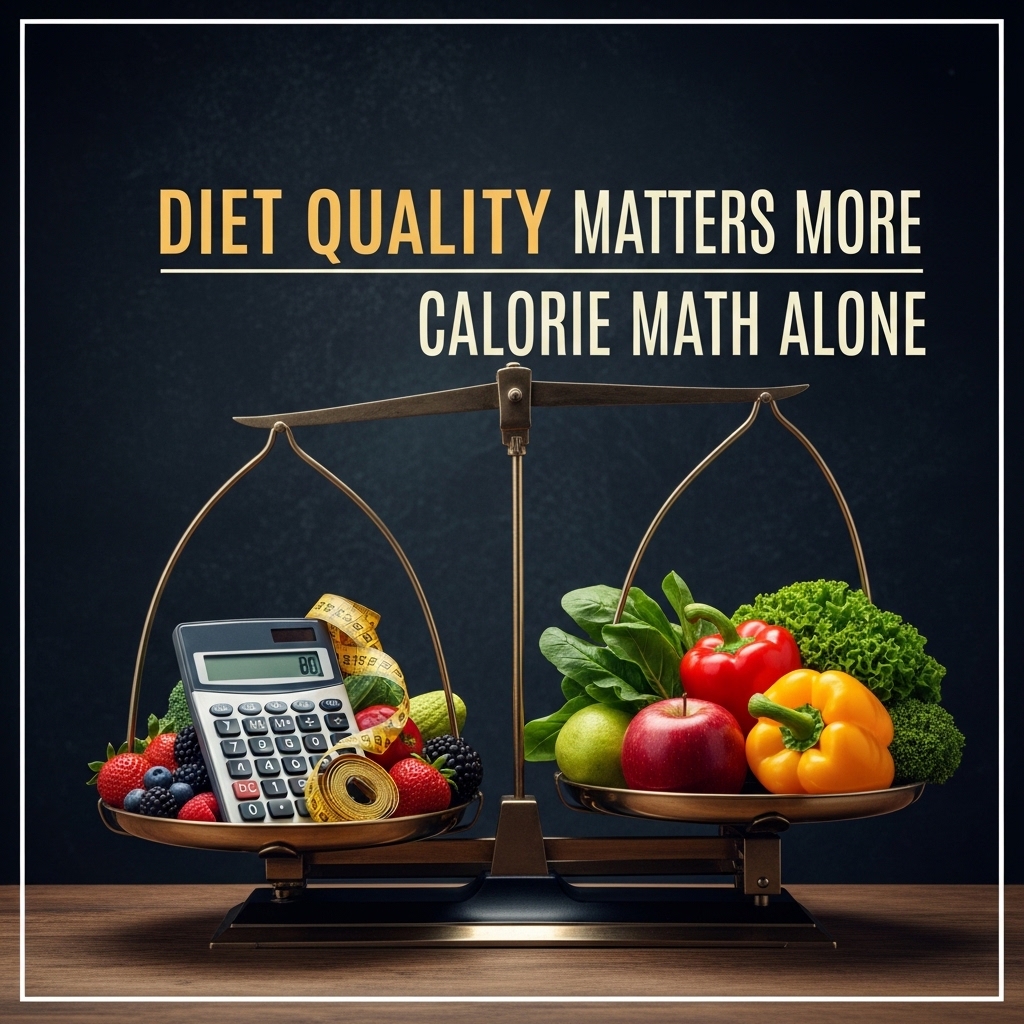
Not all calorie deficits act the same way. Food quality, food structure, and eating pattern all shape hunger, energy intake, and long-term adherence. Harvard T.H. Chan School of Public Health has repeatedly shown that diet quality affects weight control in ways that simple calorie math does not fully explain.
That is why a serious weight loss nutrition diet relies on minimally processed foods and high nutrient density. This pattern helps lower energy intake without creating as much biological stress. In a randomized crossover trial published in Nature Medicine, minimally processed diets led to greater weight loss and better cardiometabolic outcomes than ultraprocessed diets.
This matters for professionals under constant mental load. Ultraprocessed eating patterns often increase calorie intake, weaken satiety, and make control harder during stress. In controlled research, people on ultraprocessed diets consumed about 500 more calories per day and gained more weight.
Preserving Muscle Mass Changes the Outcome
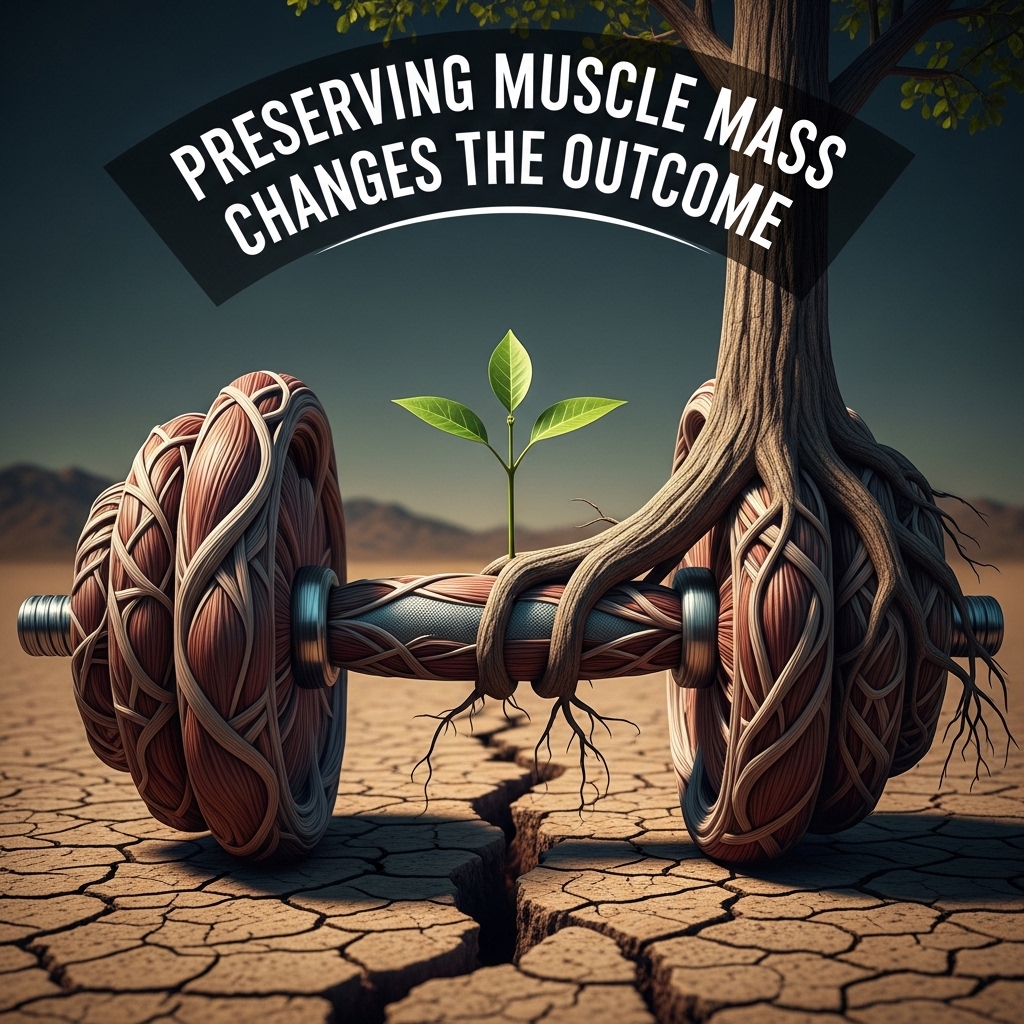
A strong weight loss nutrition diet protects skeletal muscle while reducing fat. Muscle plays a major role in glucose use, so major muscle loss can weaken insulin function and reduce the value of the intervention. A lower scale number does not fix that problem.
This issue becomes more serious after age 35. At that point, the risk of sarcopenia, or age-related muscle loss, starts to matter more. Reviews from the National Institutes of Health show that muscle-preserving strategies support function, insulin sensitivity, and better body composition over time.
For executives and founders, weight loss cannot be separated from physical capacity. Lower body weight with lower strength and worse glucose control is not a strong result. The target is better body composition, not simple mass reduction.
Metabolic Adaptation Makes Maintenance Harder
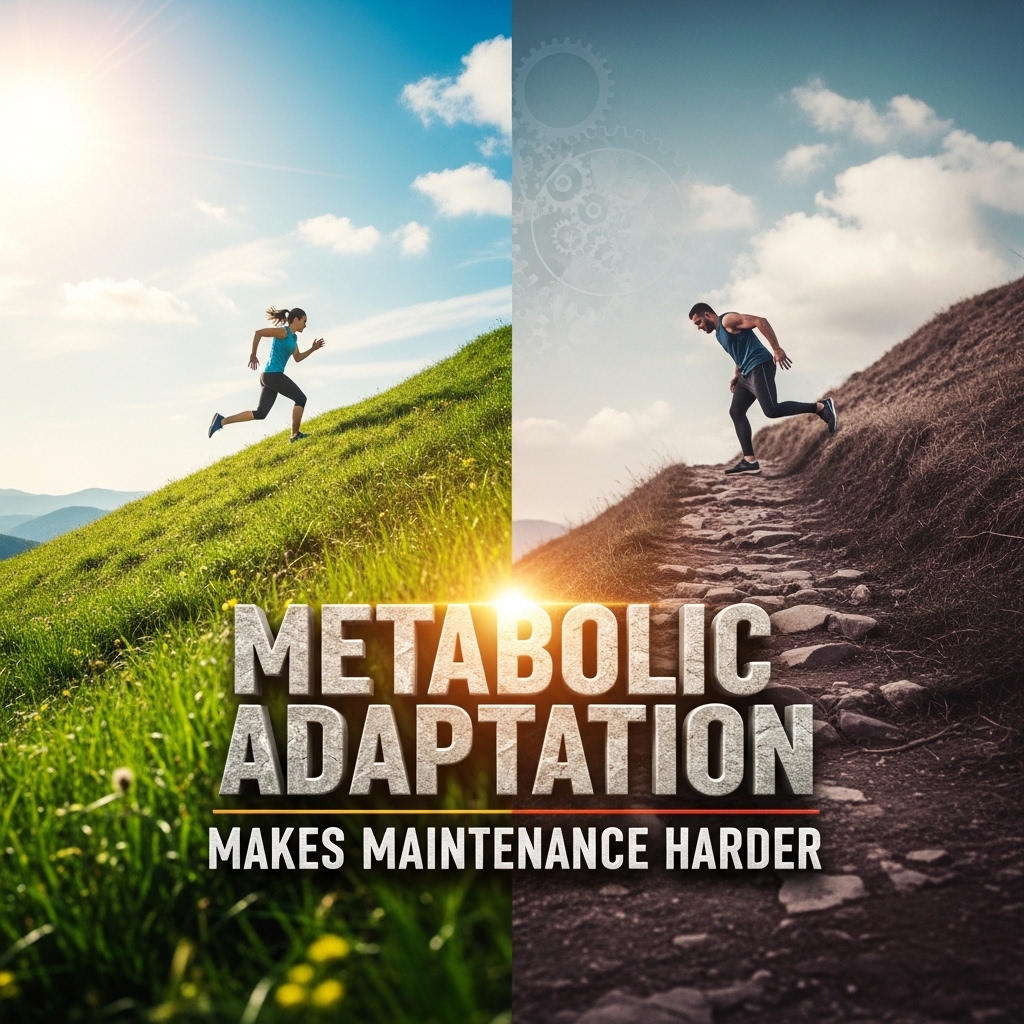
A weight loss nutrition diet must account for metabolic adaptation. After weight loss, resting energy use often drops more than expected for the new body size. That shift makes maintenance harder and increases the gap between effort and outcome.
This is a biological response, not a character issue. The body tries to conserve energy, appetite signals change, and hunger often rises. NIH-linked research shows that this response can last for years after major weight loss.
That is why extreme restriction often fails over time. It creates a larger biological pushback and raises the risk of rebound. A plan built on food quality, satiety, and muscle protection offers a more stable path.
Insulin Sensitivity Is a Better Marker Than Scale Loss
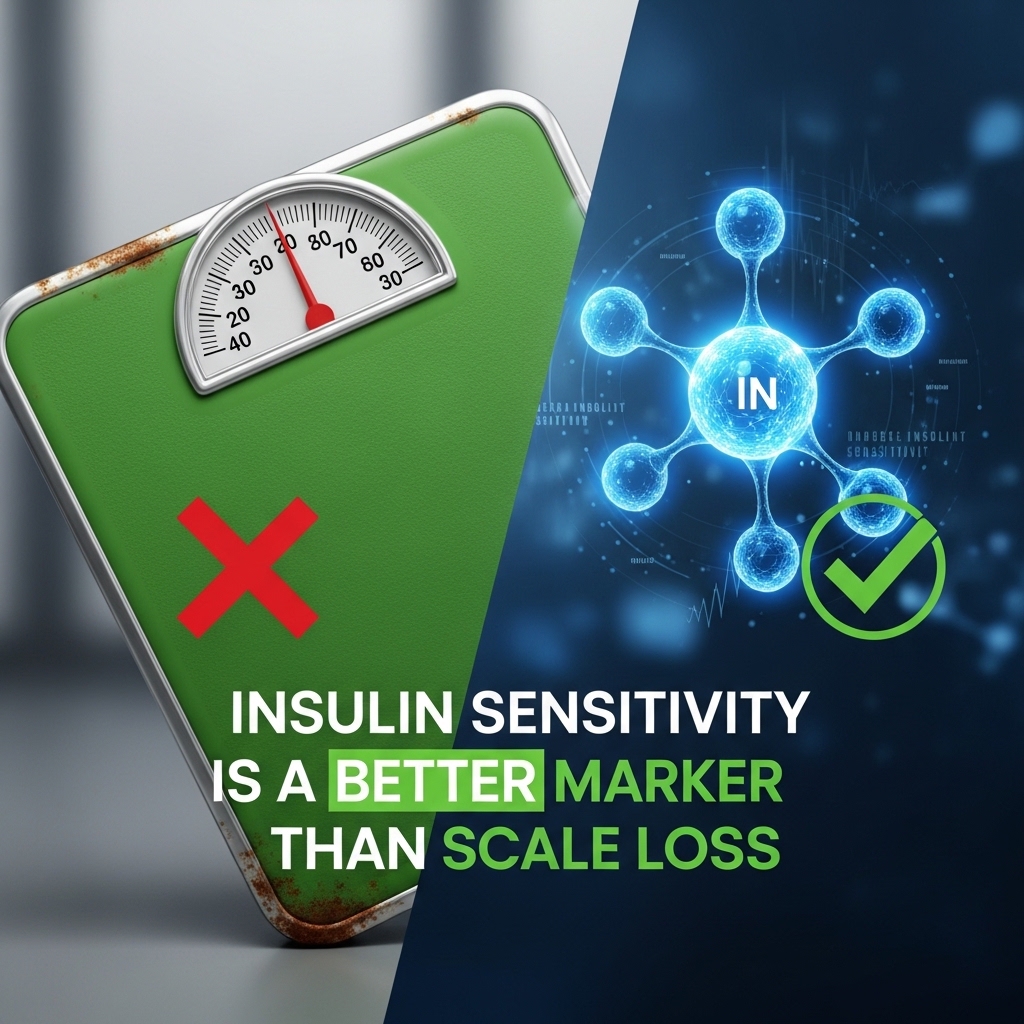
Short-term weight change is a weak measure on its own. Better markers include insulin sensitivity, fasting glucose, triglycerides, blood pressure, and waist size. These markers reflect real shifts in metabolic and cardiovascular risk.
Excess abdominal fat is not passive tissue. It drives hyperinsulinemia, abnormal lipids, and chronic inflammation. The Framingham Heart Study identified obesity as an independent risk factor for cardiovascular disease over long follow-up.
That is why a credible weight loss nutrition diet focuses on measurable metabolic change. It does not rely on food rules that sound strict but produce weak results. The best pattern lowers body fat, improves markers, and remains workable under travel, stress, and a full schedule.
Food Processing Alters Hunger and Weight Trajectory
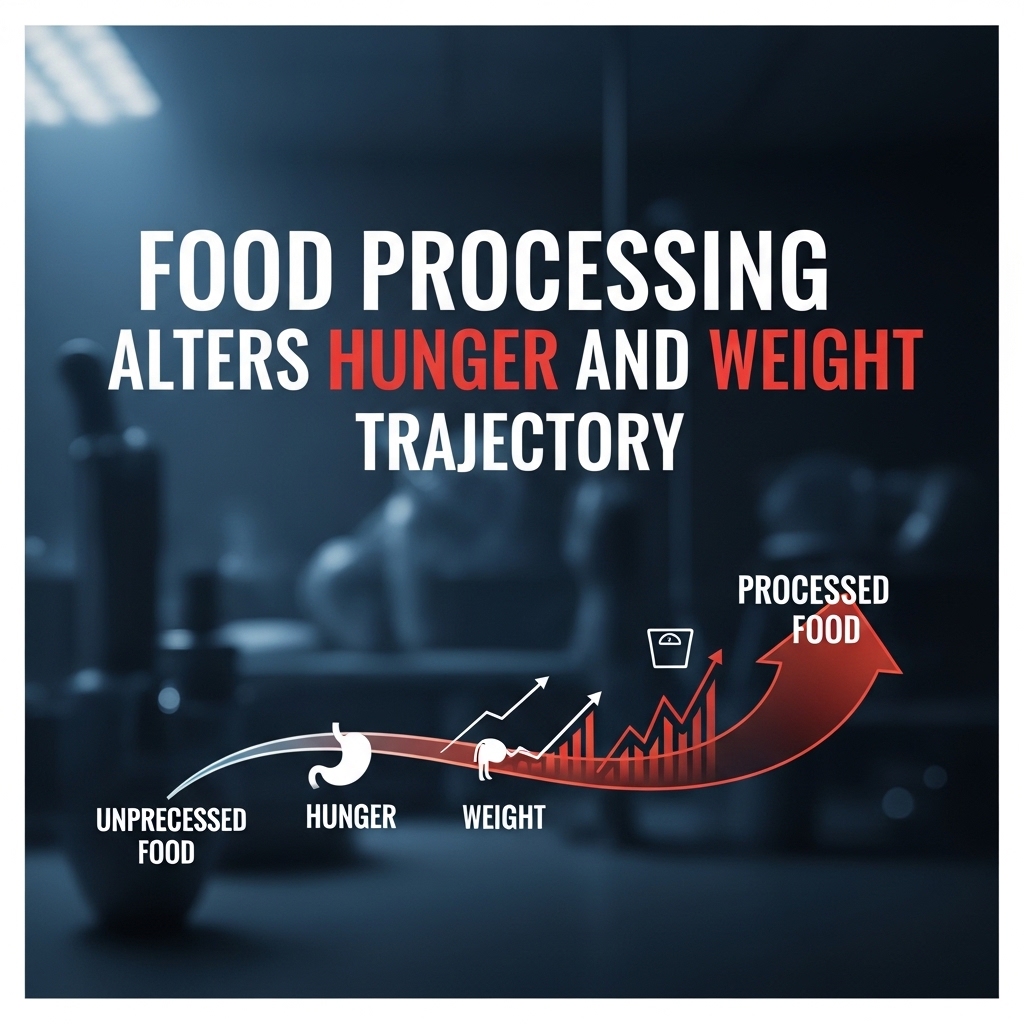
Food processing changes more than convenience. It changes texture, eating speed, satiety, and the chance of overconsumption. When those shifts move in the wrong direction, appetite control becomes harder before formal calorie targets are even reached.
This matters because it changes how weight gain is understood. Many people do not overeat because they lack discipline. They overeat because the food environment pushes intake upward. Harvard’s review of processed foods points to controlled evidence showing greater calorie intake and weight gain during ultraprocessed diet exposure.
This pattern affects professionals even more. Busy schedules reduce decision space, so food that drives passive overeating becomes a larger problem. A minimally processed diet lowers that burden and supports better control with less constant effort.
READ ALSO: Nutrition for Muscle Growth and Fat Loss: A Balanced Approach
Sleep and Stress Physiology Shape Diet Results
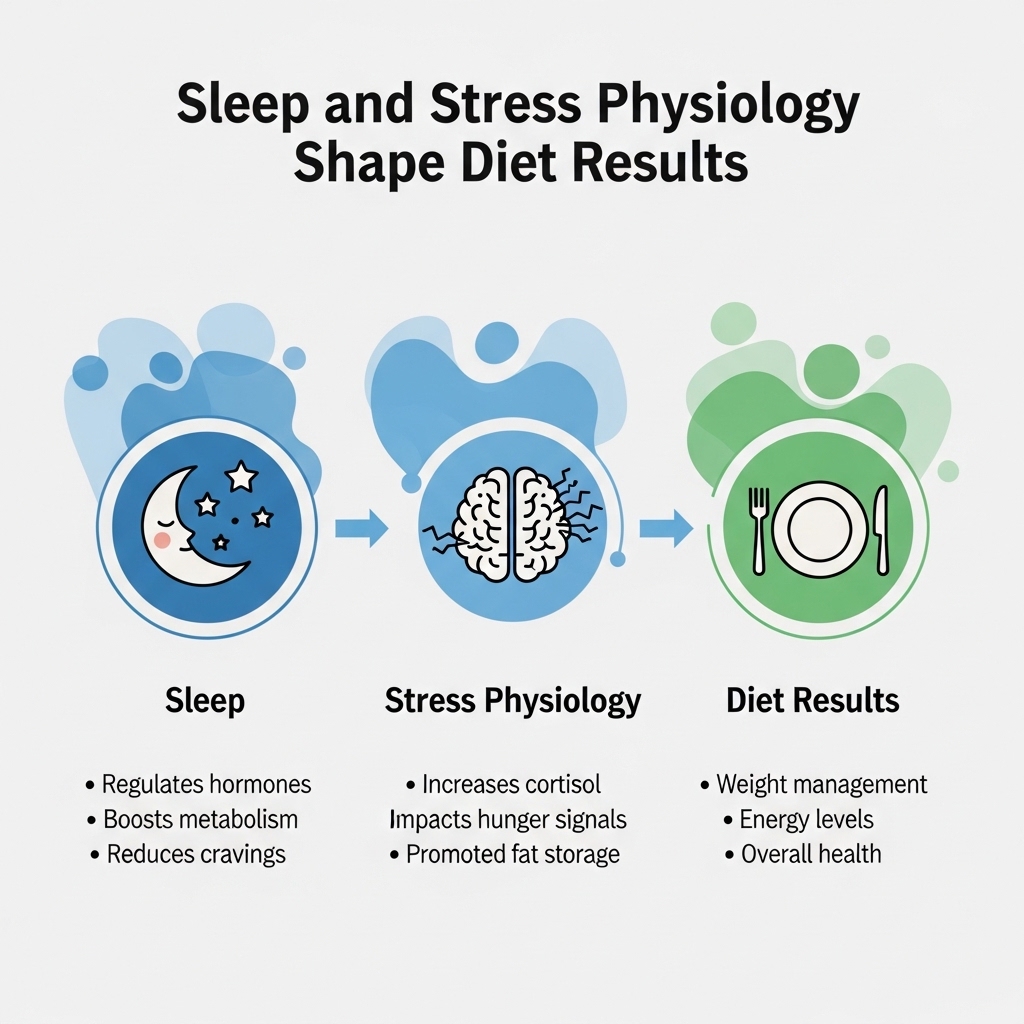
A weight loss nutrition diet does not work in isolation from sleep and stress. Sleep loss changes ghrelin and leptin, weakens insulin function, and increases the pull of high-calorie foods. NIH reviews describe these pathways as major drivers of obesity risk and poor weight control.
This helps explain why strict dieting often falls apart in high-pressure settings. High stress, poor sleep, and aggressive restriction create a cycle of stronger hunger and weaker restraint. The body then pushes back against the diet.
For executives, the implication is direct. Nutrition plans that ignore sleep debt and cortisol load often produce weaker adherence and worse metabolic results. A sound strategy treats appetite control as part of recovery physiology, not as a separate issue.
Cardiovascular Risk Falls With Better Dietary Patterns
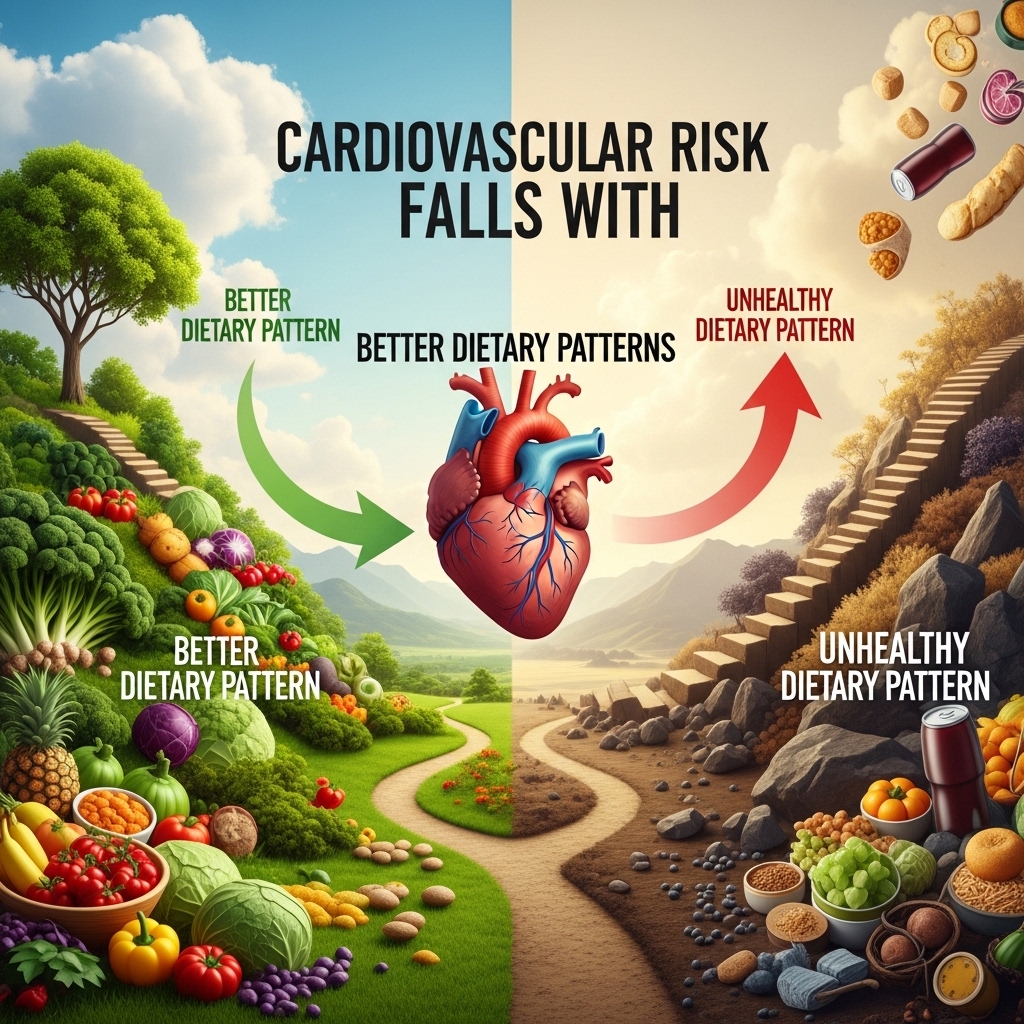
The strongest nutrition evidence does not support one trendy branded diet. It supports durable eating patterns that improve lipid levels, blood pressure, and overall cardiometabolic health. The American Heart Association states that overall dietary pattern matters more than isolated nutrients.
Among named models, the Mediterranean pattern remains one of the best supported. In the PREDIMED trial, published in The New England Journal of Medicine, a Mediterranean diet with extra-virgin olive oil or nuts reduced major cardiovascular events in high-risk adults.
This matters because cardiovascular disease develops over years, not days. Lipids, blood pressure, glucose, and inflammation build cumulative risk over time. A weight loss nutrition diet that lowers weight but weakens cardiovascular quality does not meet a clinical standard.
READ ALSO: Optimizing Body Composition for Peak Performance and Longevity Through Sustainable Weight Loss Strategies
Cognitive Performance Depends on Metabolic Stability
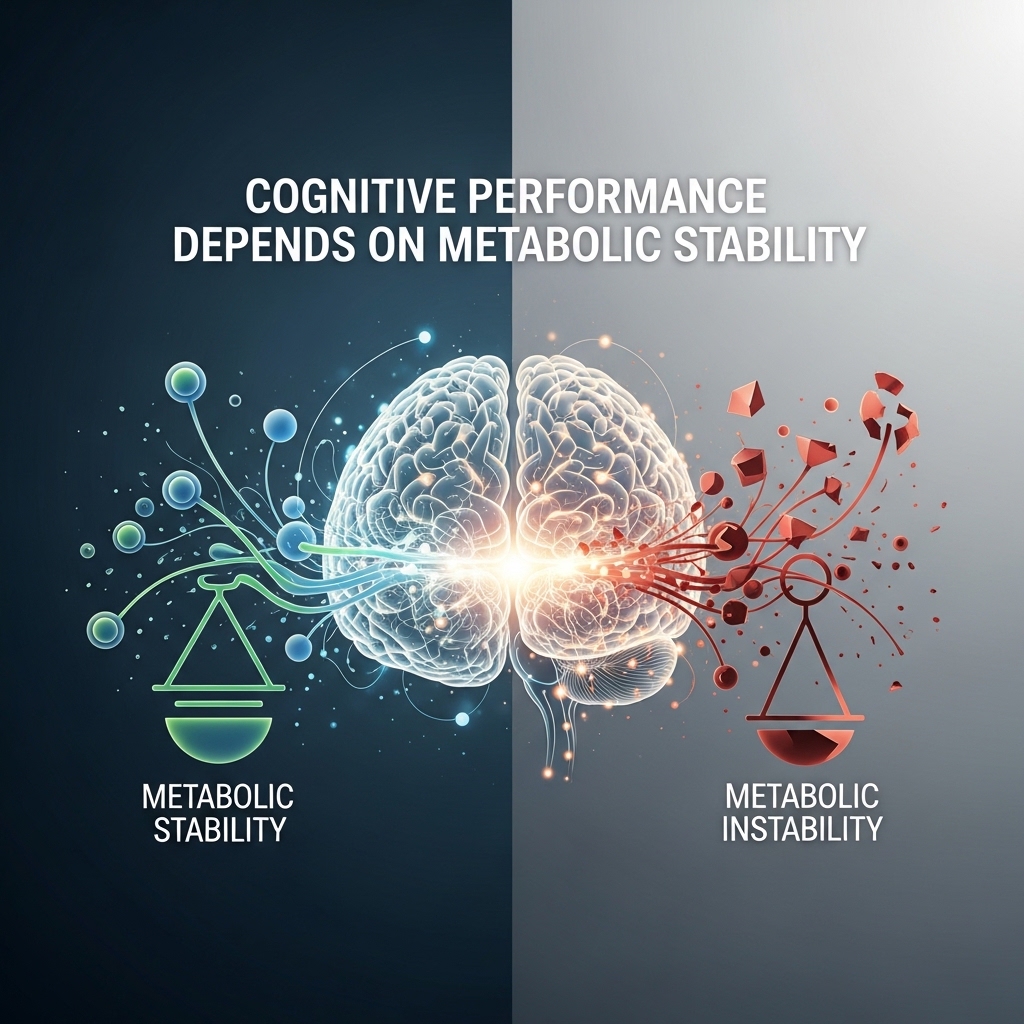
Nutrition for executives cannot stop at body fat loss. Cognitive performance, attention, and decision quality depend on glucose control, vascular health, and inflammatory load. Diet patterns that improve cardiometabolic health also support more stable brain function over time.
The Mediterranean and MIND dietary patterns stand out here. Harvard notes that stronger MIND diet adherence is linked to slower cognitive decline. Mediterranean diet research also shows benefits for brain-related outcomes.
This connection is not minor. The brain responds quickly to vascular dysfunction, insulin resistance, and chronic inflammation. In that setting, a weight loss nutrition diet becomes part of cognitive risk control for professionals who depend on memory, judgment, and mental endurance.
READ ALSO: Your Hormones and Weight Loss: How to Find Balance – Whole Living Wellness
Biological Age and Inflammation Are Emerging Targets
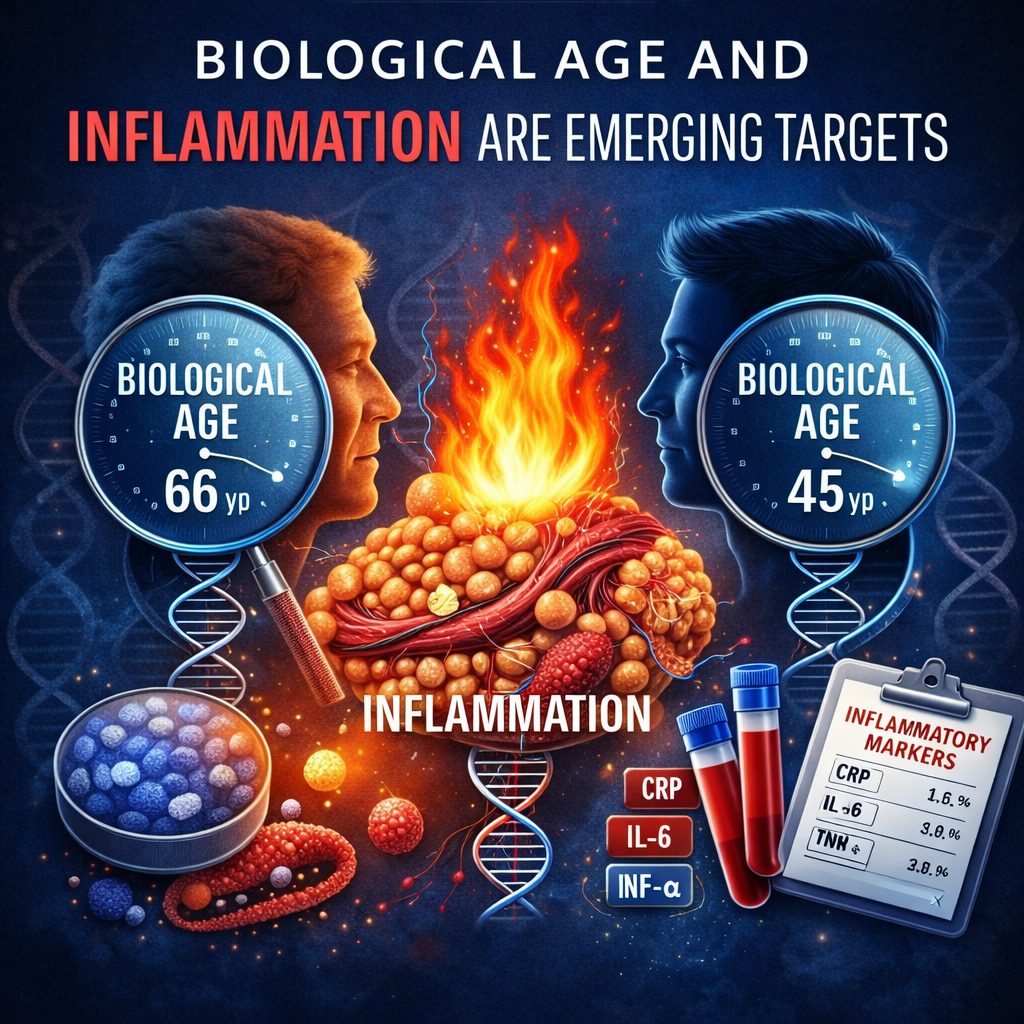
Weight loss now connects more often with biological age rather than age on paper alone. Research in Nature Medicine and related journals suggests that diet pattern, meal timing, and metabolic health can influence markers tied to aging speed. The response still varies across people and interventions.
Even so, the larger direction is clear. Chronic overeating, poor diet quality, excess body fat, and persistent metabolic dysfunction all raise inflammatory stress. Recent Nature research also found that fat tissue can retain an epigenetic memory of obesity even after major weight loss.
That finding changes the goal. A successful weight loss nutrition diet does more than lower weight fast. It lowers inflammation, improves metabolic resilience, and supports a longer shift away from the conditions linked with faster aging.