
For high-performing professionals, excess weight isn't just a cosmetic issue; it directly impacts critical biomarkers like insulin sensitivity, inflammation levels, and cardiovascular risk, all of which are vital for long-term performance and longevity. Weight imbalance accelerates biological aging, increases the risk of metabolic syndrome, and impairs cognitive function, leading to reduced decision-making capabilities and diminished energy. Understanding how to lose weight effectively isn’t merely about aesthetics—it's about optimizing physiological health for sustained performance at the highest levels. This article provides evidence-based strategies tailored to professionals seeking to maintain peak health without compromising their demanding lifestyles.
The Impact of Excess Weight on Biological Age and Longevity
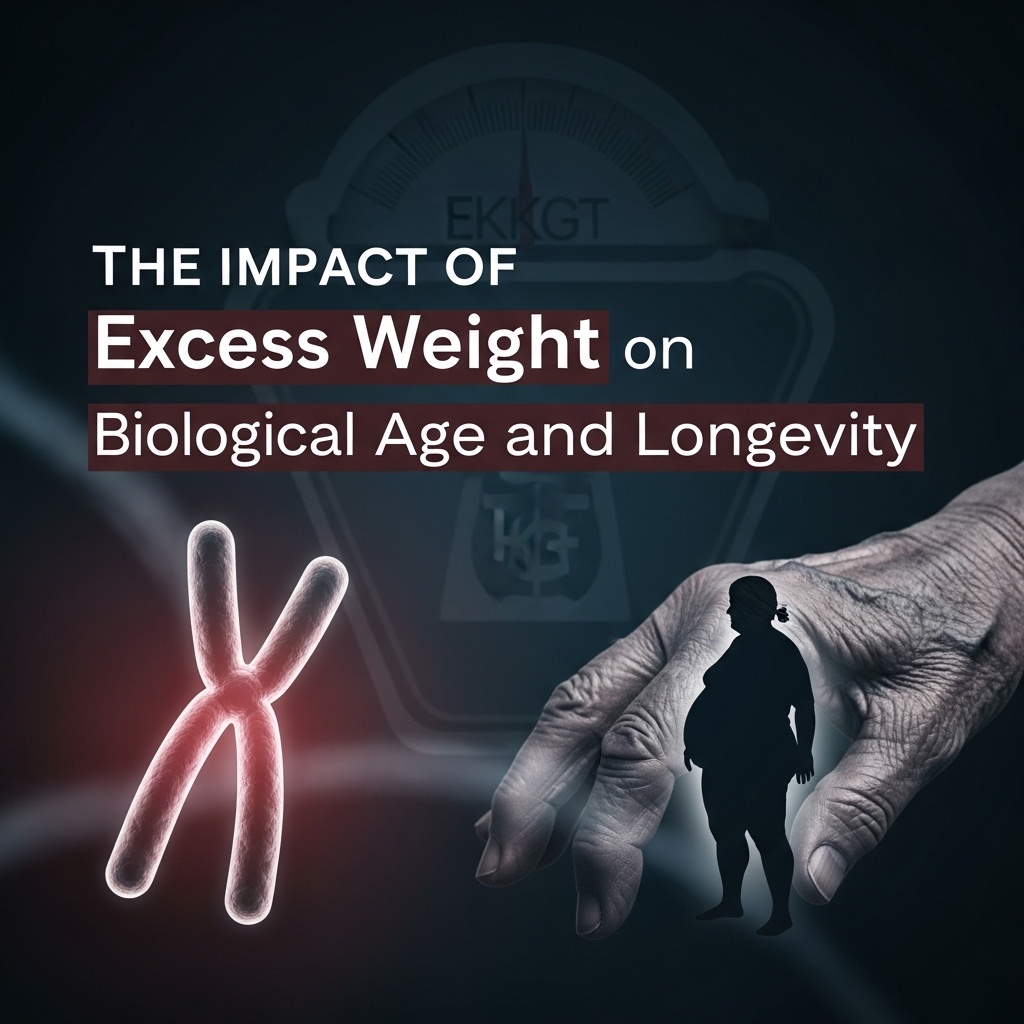
Excess weight accelerates biological aging, affecting cardiovascular health and metabolic function. Studies show that higher body fat percentages lead to quicker telomere shortening, a key marker of aging (Fitzgerald, 2019). Telomeres protect chromosomes, and their shortening speeds up cellular decline. Abdominal obesity is particularly harmful, as it produces inflammatory markers like C-reactive protein (CRP). These markers increase the risk of heart disease, diabetes, and cognitive decline.
Research from the Framingham Heart Study links abdominal obesity to higher cardiovascular risk and reduced life expectancy. The more visceral fat stored, the higher the risk of metabolic syndrome, including high blood pressure, insulin resistance, and elevated cholesterol. Managing weight effectively slows aging and prevents chronic diseases.
Proper weight management reduces inflammation, improves heart health, and lowers diabetes risk. Maintaining a lean body mass and reducing visceral fat are essential for cellular integrity and healthy aging. High performers can slow age-related decline by focusing on weight management and metabolic health.
Metabolic Function: A Key Variable in Weight Loss
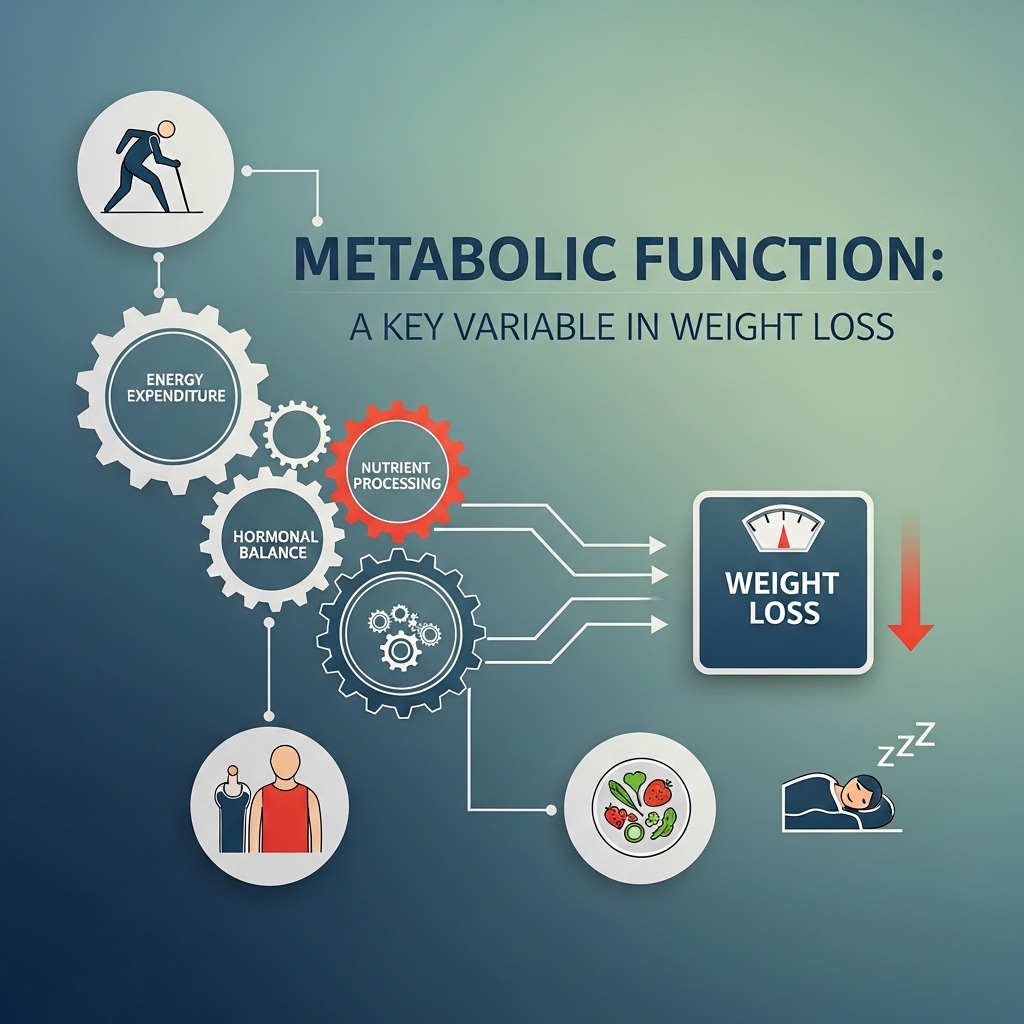
Metabolism is central to weight loss. The body’s ability to convert food into energy can be impaired by excess weight. Obesity, especially in individuals with high visceral fat, is linked to insulin resistance, where cells no longer respond to insulin properly (Zhang, 2021). Insulin resistance increases the risk of type 2 diabetes, heart disease, and cognitive decline.
Insulin resistance happens when fat cells, especially in the abdomen, release inflammatory cytokines. These cytokines interfere with insulin signaling, causing higher blood sugar levels. This results in fat storage instead of fat burning, creating a cycle of weight gain. High levels of visceral fat also increase oxidative stress, further accelerating aging by causing cellular damage.
Effective weight loss improves metabolic function. Reducing body fat enhances insulin sensitivity and reduces inflammation, which boosts metabolic health. Maintaining energy balance is essential for high performers aiming to improve both weight and metabolic health.
The Role of Cortisol in Weight Loss and Stress Management
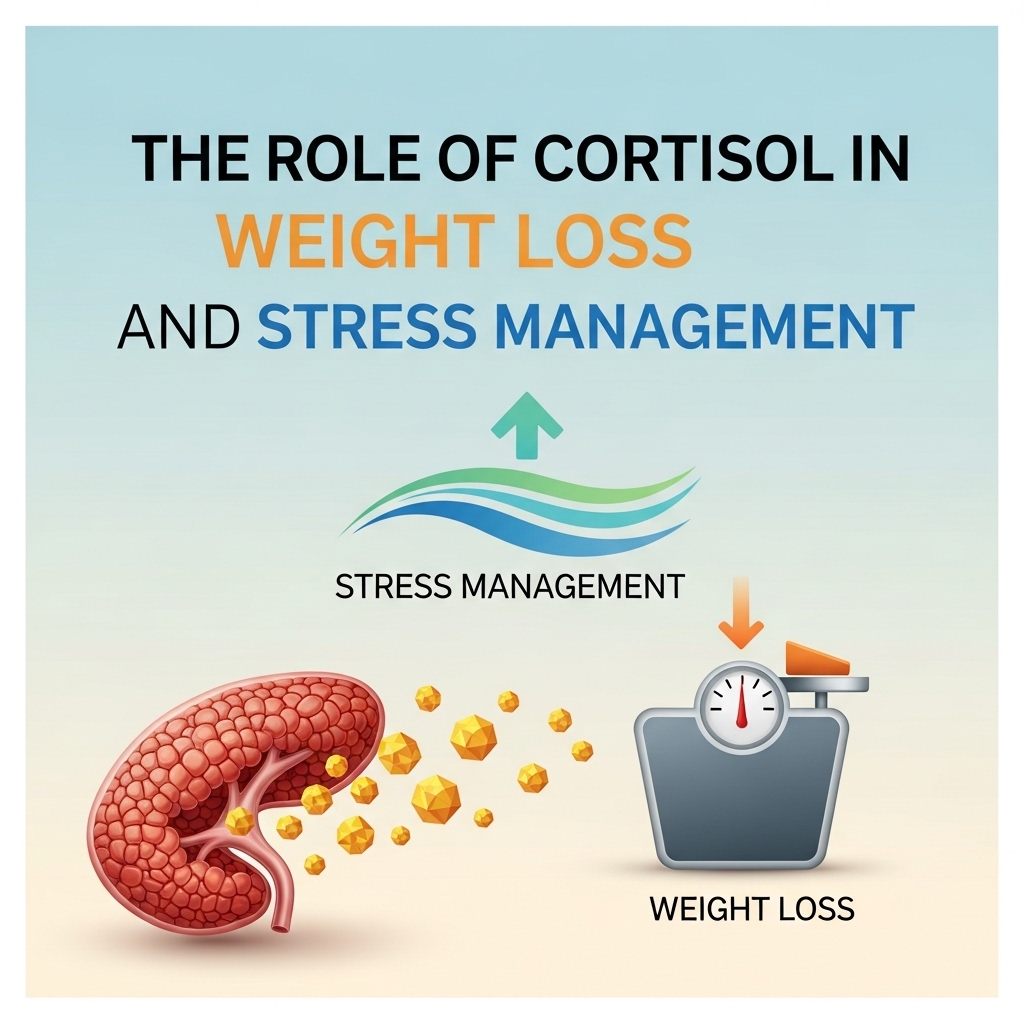
Cortisol, the stress hormone, plays a significant role in weight gain and the difficulty of losing weight. Elevated cortisol levels, due to chronic stress, cause the accumulation of visceral fat, especially in the abdomen. Harvard T.H. Chan School of Public Health research shows that stress-induced cortisol disrupts fat metabolism and promotes fat storage (Miller, 2017).
Cortisol also impairs other vital systems. It suppresses growth hormone production, which helps maintain muscle mass. As muscle mass declines, metabolic rate decreases, making it harder to lose weight. Chronic high cortisol levels also interfere with sleep, which impacts weight management by increasing appetite for high-calorie foods.
To support weight loss, it’s crucial to manage stress. Techniques like mindfulness, physical activity, and maintaining a balanced life help reduce cortisol. Additionally, prioritizing restful sleep helps lower cortisol and improves metabolic function.
Cognitive Performance and Weight Loss
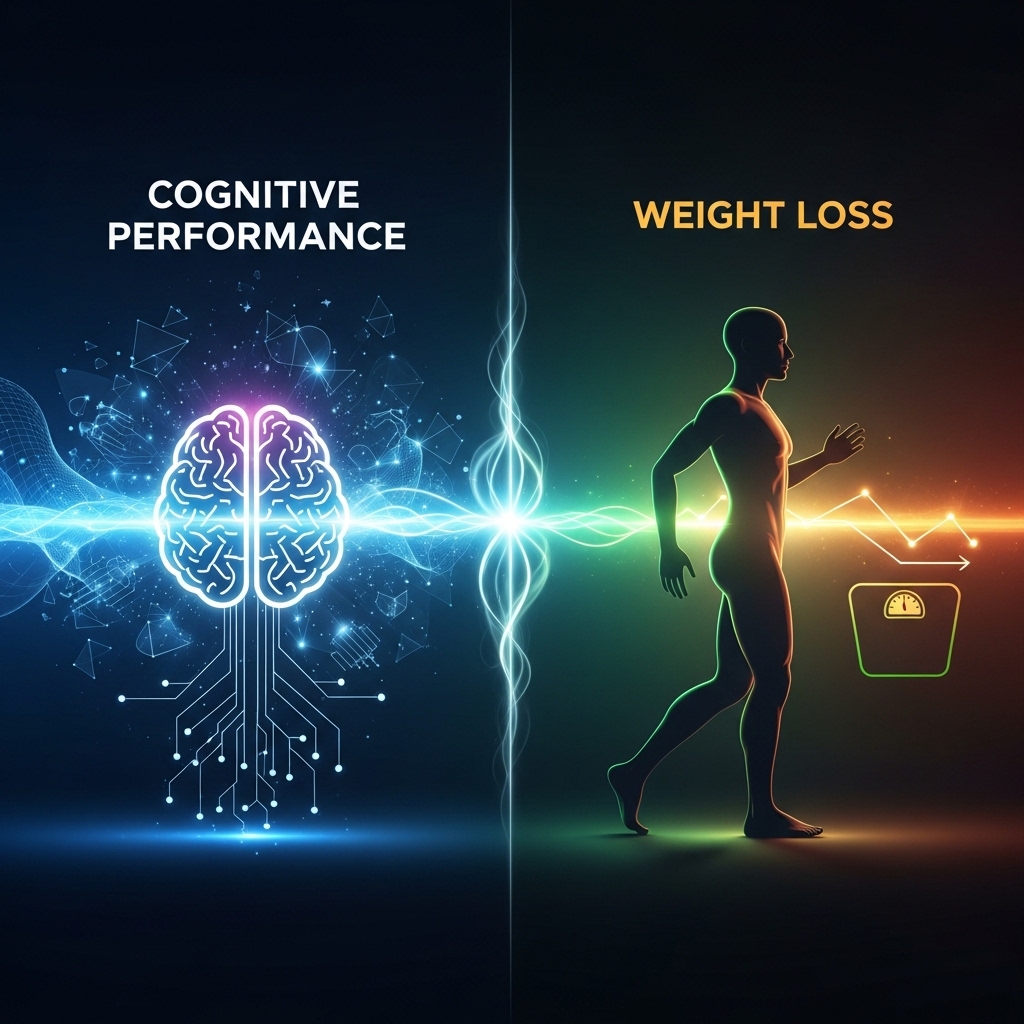
Excess weight can harm cognitive performance, which directly impacts professional effectiveness. Obesity, particularly visceral fat, is linked to cognitive decline and neurodegenerative diseases, including Alzheimer’s. A study in The Lancet Neurology found that higher BMI is associated with a higher risk of cognitive impairment (Whitmer, 2005).
Obesity affects cognition through inflammation and insulin resistance. Fat accumulation leads to oxidative stress, which damages neurons. This reduces the brain’s ability to process information, impairing memory, decision-making, and attention. These changes directly impact professional performance, where mental clarity is essential for success.
Losing weight can preserve cognitive function. Reducing visceral fat lowers inflammation, improves insulin sensitivity, and protects the brain from oxidative damage. High-performing professionals can safeguard their cognitive health by managing weight and metabolic health effectively.
READ ALSO: Your Hormones and Weight Loss: How to Find Balance – Whole Living Wellness
Sleep Quality and Weight Loss
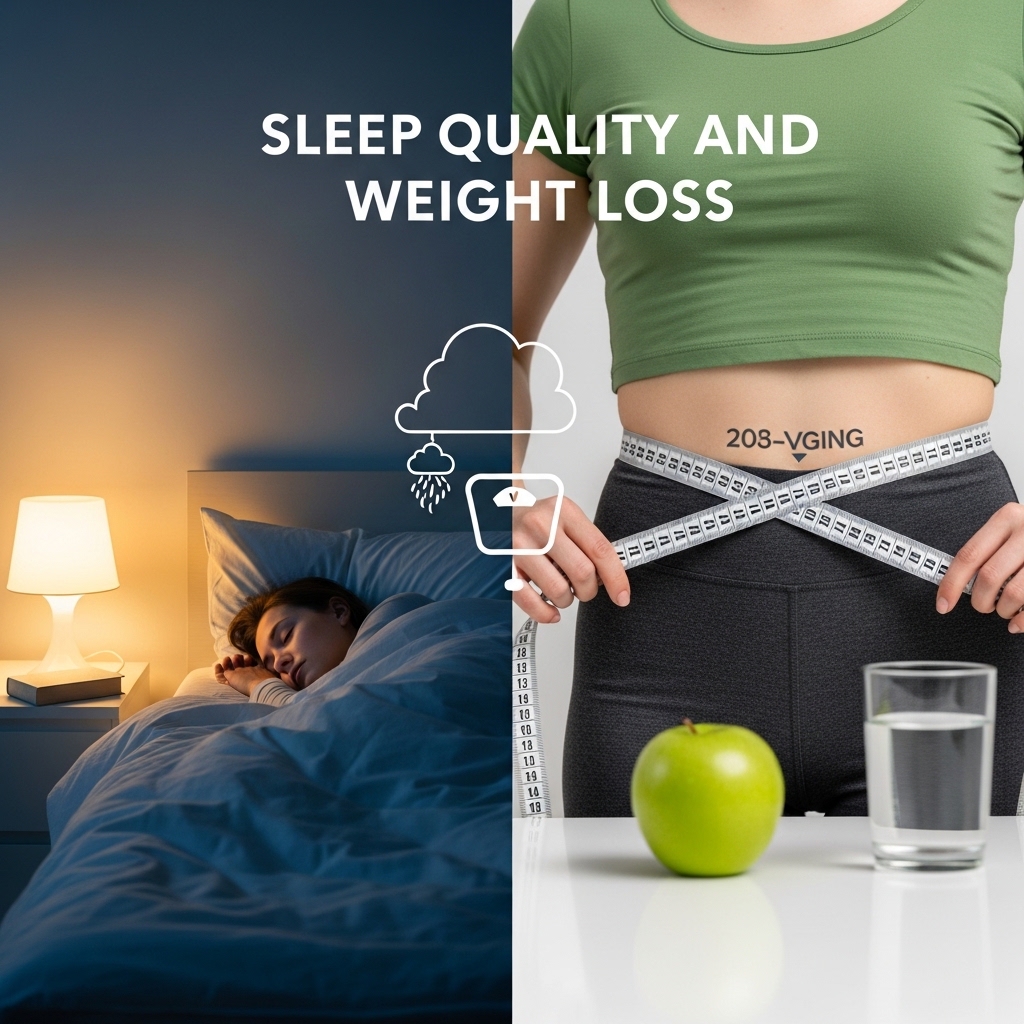
Sleep plays a critical role in weight loss. Poor sleep disrupts appetite-regulating hormones like leptin and ghrelin. Leptin signals satiety, while ghrelin stimulates hunger. Sleep deprivation lowers leptin levels and increases ghrelin, leading to overeating. Research from the National Institutes of Health shows that those who sleep less than six hours a night are more likely to gain weight, particularly in the abdominal area (Tasali, 2010).
Inadequate sleep also affects metabolic function. It increases insulin resistance and promotes fat storage. Sleep deprivation raises cortisol, worsening weight gain and metabolic dysfunction. Furthermore, poor sleep quality reduces the body’s ability to recover, impeding weight loss efforts.
Improving sleep can aid in weight loss. Establishing a consistent sleep routine and creating a sleep-friendly environment are essential steps. Prioritizing sleep enhances weight management, metabolic function, and cognitive performance.
READ ALSO: Recipes to Jump-Start Weight Loss
Sarcopenia and Muscle Mass Preservation
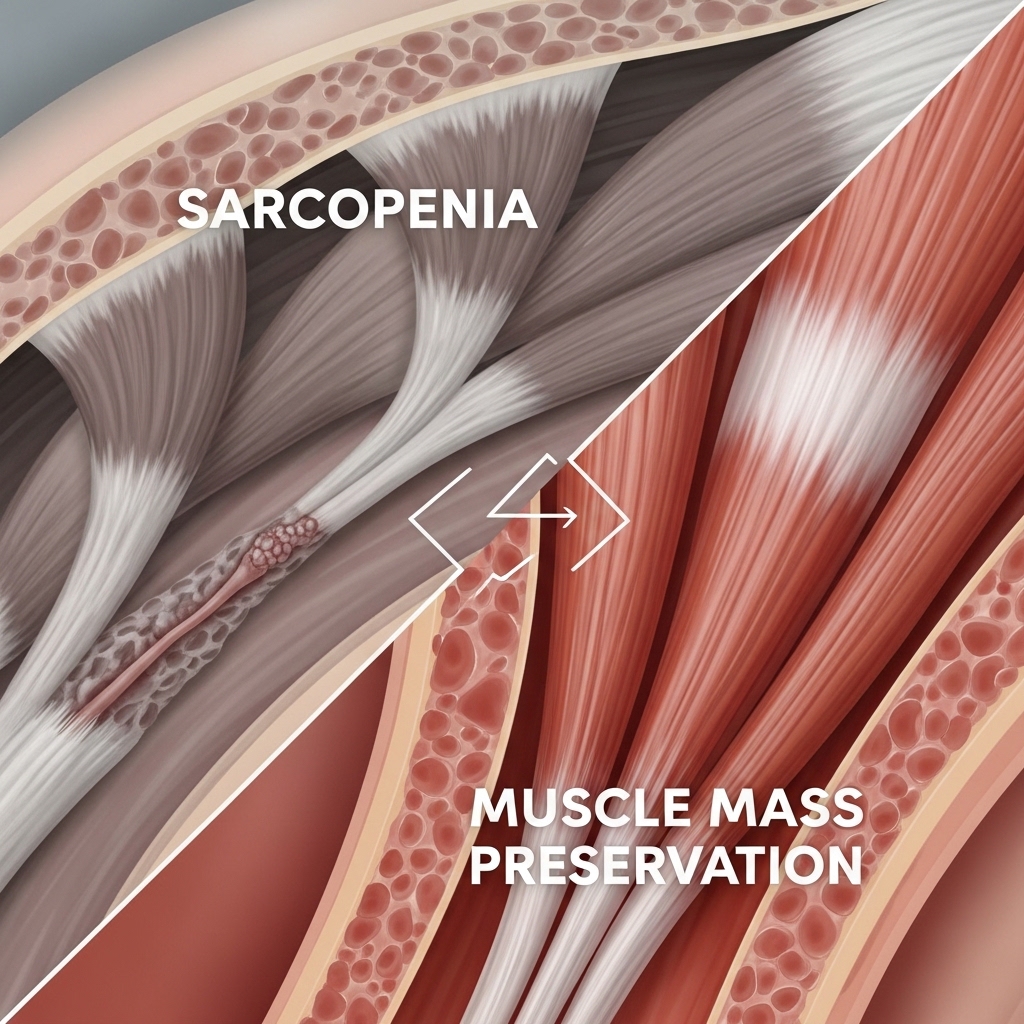
Sarcopenia, the loss of muscle mass with age, is a key factor in weight management. As people age, muscle mass declines, which slows metabolism and reduces calorie-burning capacity. This leads to a cycle where fat accumulates, making weight loss more challenging. Preserving muscle mass is crucial for maintaining metabolic rate and effective weight management.
Resistance training and adequate protein intake are essential for preventing sarcopenia. Research published in The Journal of Gerontology shows that older adults who engage in resistance training have a higher resting metabolic rate, indicating more efficient calorie burning (Breen, 2013). Muscle preservation not only aids weight loss but also enhances physical strength and overall health.
For high-performing professionals, maintaining muscle mass is vital. Strength training preserves muscle, boosts metabolic function, and improves body composition. Professionals can support weight management by focusing on resistance training and proper nutrition.
READ ALSO: Weight Loss Nutrition Diet That Respects Your Rhythm
Practical Steps for Professionals to Lose Weight
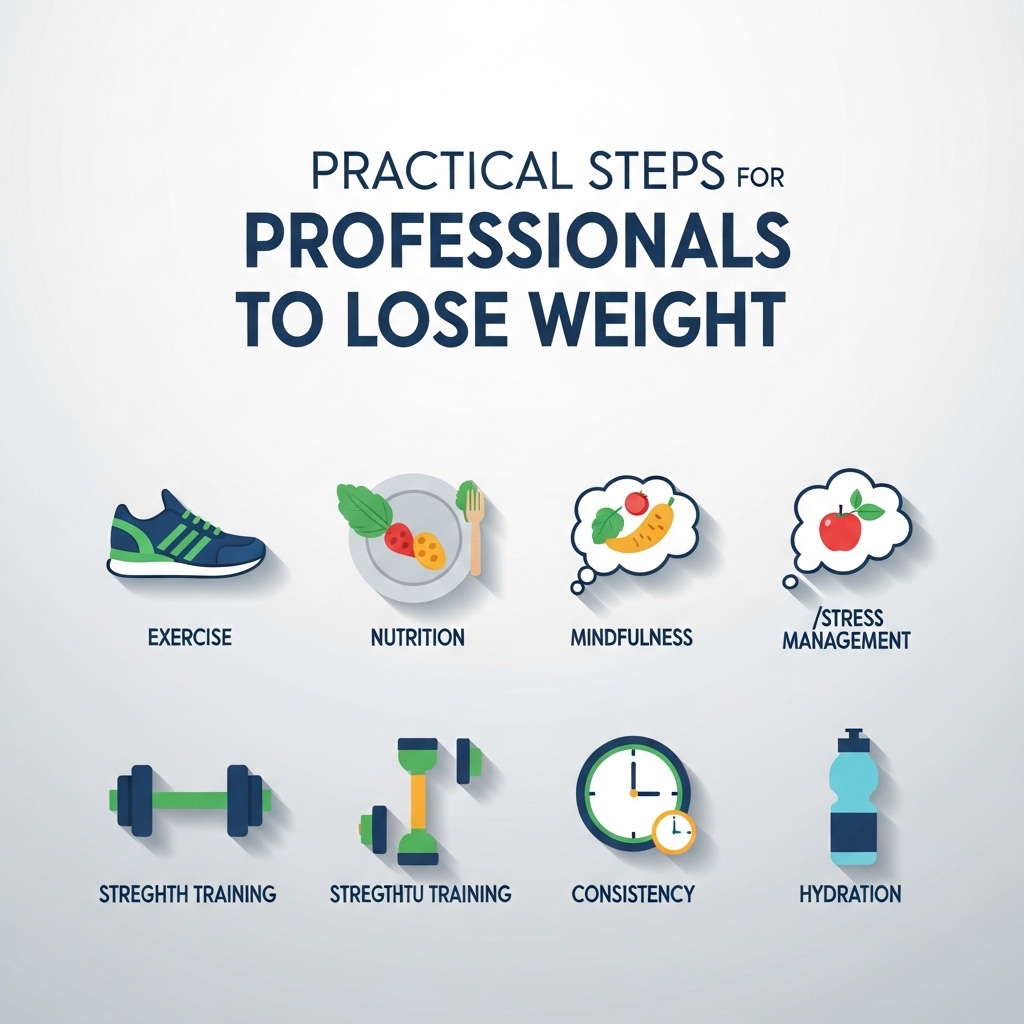
Professionals aiming to lose weight must adopt an evidence-based approach. Prioritize metabolic health by engaging in regular physical activity, particularly resistance training. This preserves muscle mass, boosts metabolism, and supports fat loss. Focus on a balanced diet with whole, nutrient-dense foods while avoiding processed foods that contribute to weight gain.
Managing stress and cortisol levels is crucial. Techniques like mindfulness and regular physical exercise help lower cortisol and promote fat loss. Prioritize sleep to regulate hunger hormones, improve metabolic function, and support recovery. Monitoring body composition and metabolic health through regular check-ups ensures that professionals stay on track with their weight loss goals.
By following these strategies, high-performing professionals can effectively lose weight, improve health markers, and enhance overall performance and longevity.
UP NEXT: Wake-Up Weights – Whole Living Wellness
Excess weight, particularly visceral fat, accelerates biological aging by increasing inflammation and impairing metabolic function, potentially adding years to your biological age. WholeLiving's Biological Age Estimation Model incorporates this factor directly — your assessment takes under five minutes.
Ready to understand how these factors are influencing your biological age right now? [Take the Biological Age Assessment →]