For high-performing professionals, difficulty forming new social bonds is not a soft relationship issue; it is a measurable performance risk tied to cortisol elevation, impaired executive function, and longer-term cardiovascular and cognitive burden. Social isolation and loneliness are associated with higher risks of heart disease, dementia, cognitive decline, and premature mortality, making relational capacity relevant to both daily decision quality and biological aging in midlife. This article examines how to win a friend with the same seriousness applied to sleep, training, and metabolic health because social connection is a material longevity variable, not a lifestyle extra.
The Neuroscience of Social Bonding: How to Win a Friend at the Biological Level
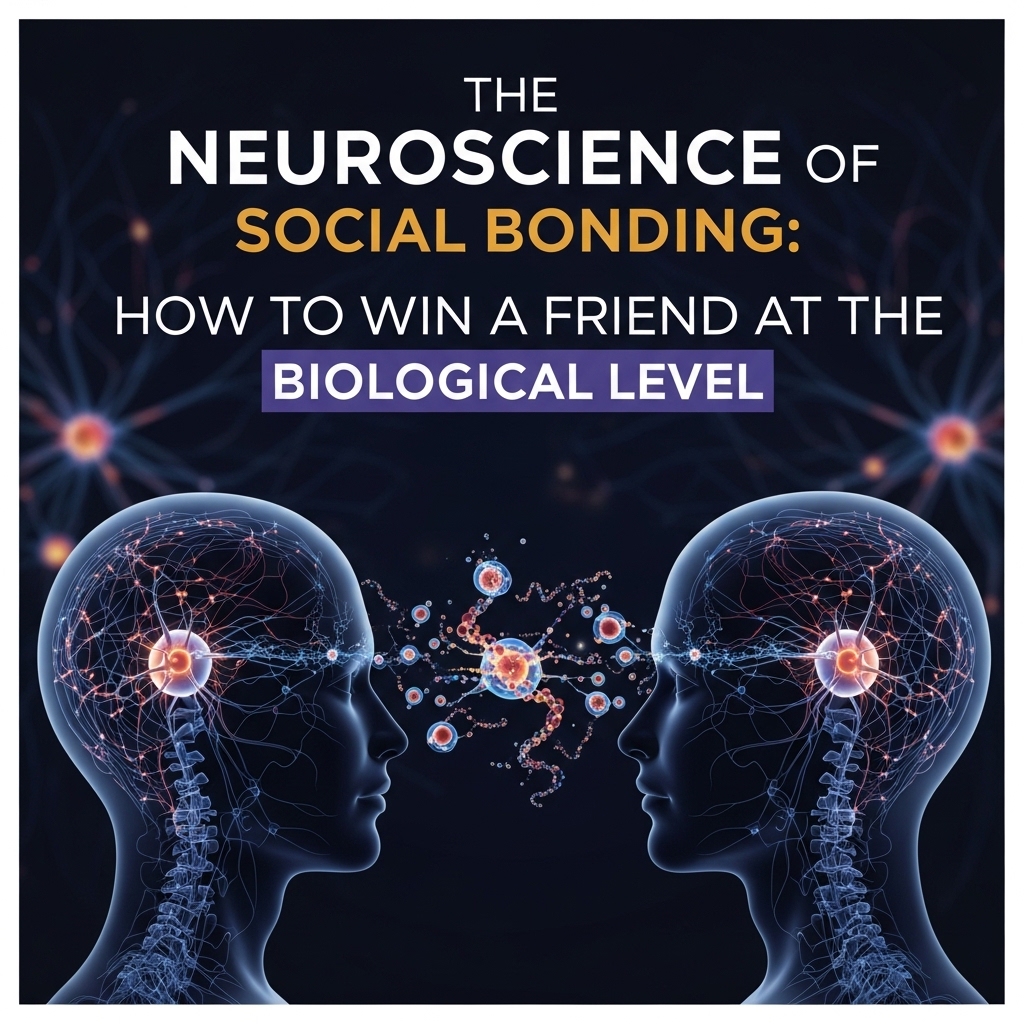
The human brain did not evolve in isolation. Neuroimaging research has identified a distinct set of neural circuits — the social brain network — that govern affiliation, trust, and reciprocal bonding. These circuits center on the prefrontal cortex, the anterior cingulate cortex, and the temporoparietal junction. They are metabolically expensive. Furthermore, they require consistent activation through real social interaction. When underused, the effects register biologically: elevated pro-inflammatory cytokines, disrupted neuroendocrine signaling, and measurable shifts in cardiovascular risk.
Research from the Harvard Study of Adult Development — tracking participants across more than eight decades — found that relationship quality was among the strongest predictors of late-life cognitive function and physical health. As a result, friendship is not a social nicety. It is a biological variable. Therefore, the mechanisms by which close social bonds form are directly relevant to any serious approach to longevity and performance.
Knowing how to win a friend at a neurobiological level begins with one key recognition: the brain processes social acceptance and rejection through many of the same pathways as physical pain and reward. The anterior cingulate cortex activates during both physical pain and social exclusion. Consequently, social disconnection is physiologically costly. In turn, deliberate relationship formation becomes a legitimate health intervention.
How to Win a Friend Through Proximity and Familiarity
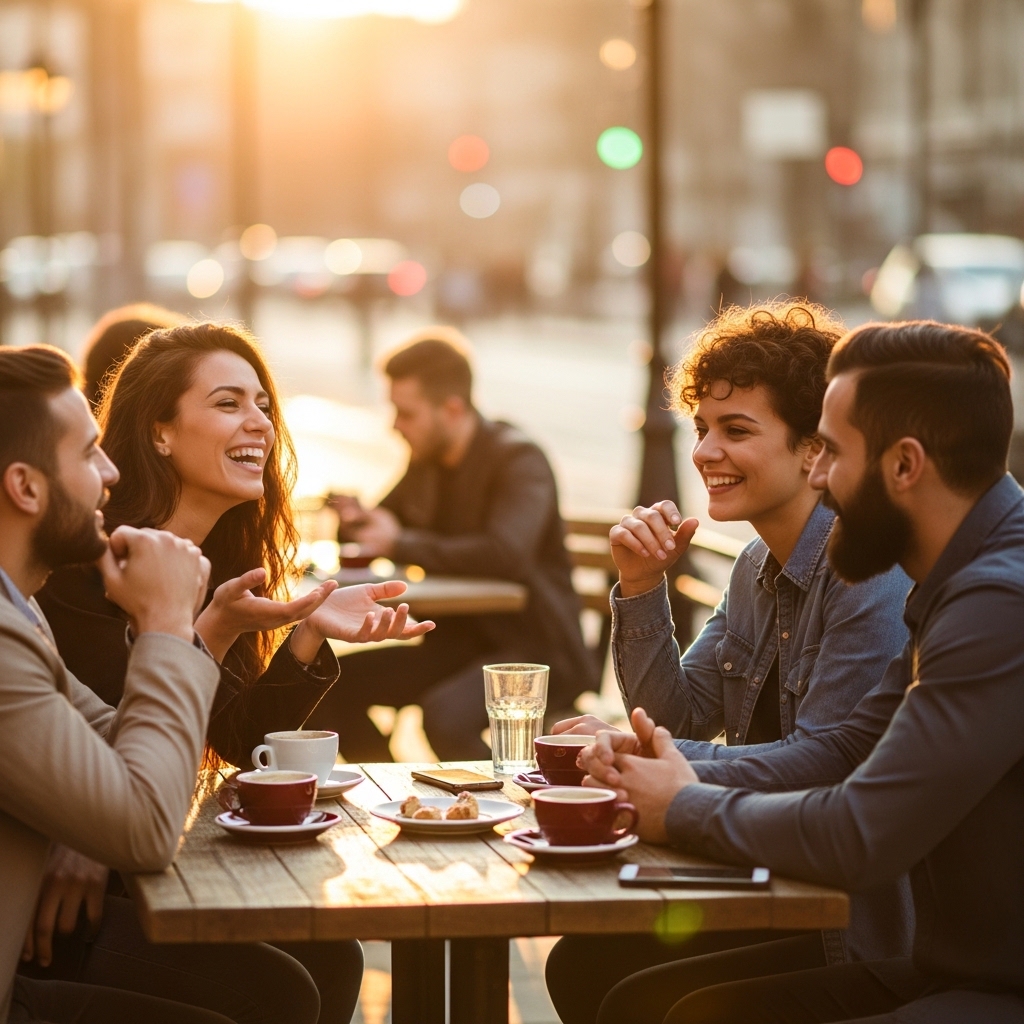
The mere exposure effect, first documented by psychologist Robert Zajonc in the 1960s, establishes that repeated exposure increases positive feeling toward a stimulus. In human relationships, proximity is not a passive backdrop to friendship. Instead, it is one of its primary drivers. People who share environments regularly form lasting bonds far more often than those who interact sporadically.
For executives and founders with fragmented schedules, this has a direct implication. The structural conditions that allow for proximity must be deliberately built. The brain's familiarity heuristics require repeated, low-stakes exposure to generate the conditions — particularly oxytocin and dopamine release — that precede genuine affiliation. As a result, scheduling recurrence matters as much as the quality of any single interaction.
The Framingham Heart Study, tracking social network dynamics alongside cardiovascular outcomes since 1948, found that proximity within social networks predicted the depth of close relationships. Moreover, individuals in dense, proximate social clusters showed lower rates of cardiovascular events over time. Knowing how to win a friend, therefore, begins with understanding that social structure has real vascular consequences.
Winning Friends Through Reciprocal Disclosure
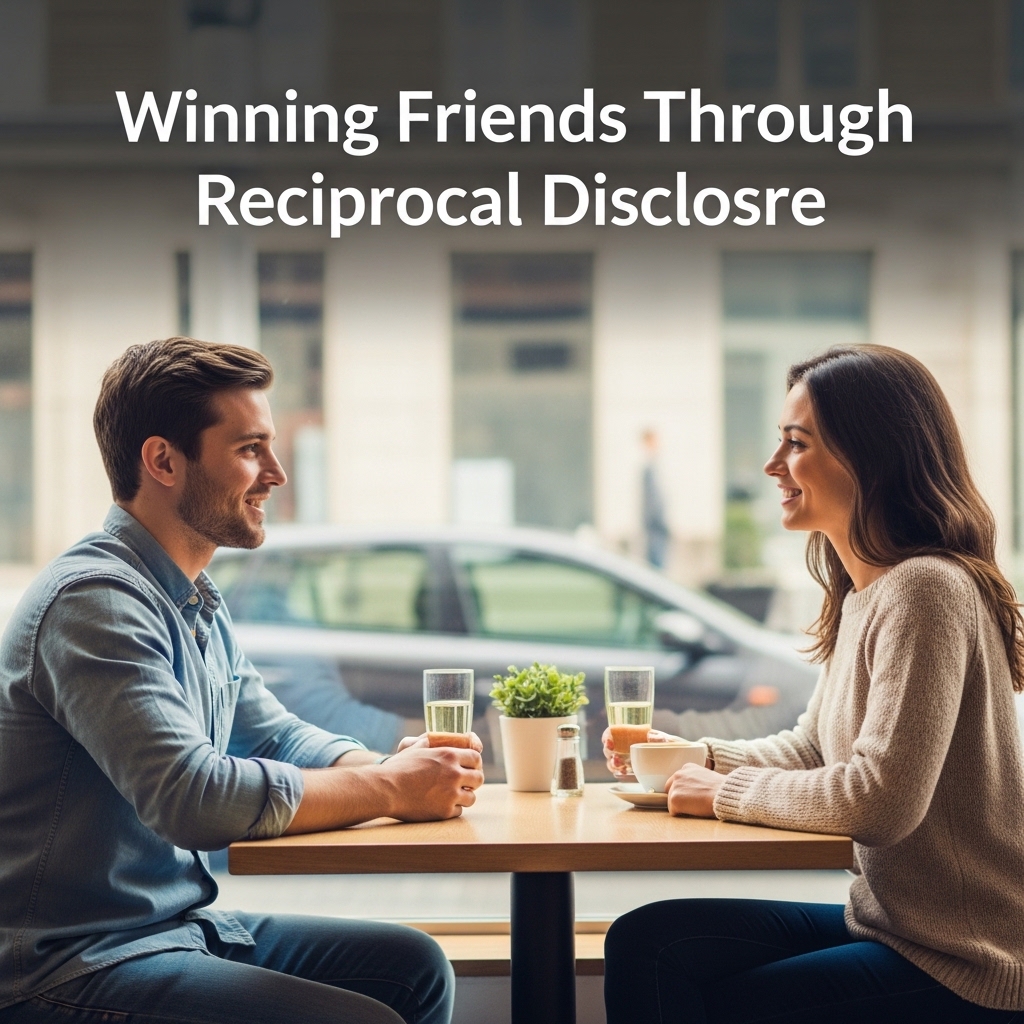
Friendship does not grow from small talk. Instead, it builds through self-disclosure reciprocity — the gradual, mutual exchange of personal information that signals trust and safety. Psychologist Arthur Aron's “36 Questions” protocol showed that structured, escalating personal disclosure between strangers could generate closeness within a single session. Specifically, that closeness matched what long-term friends typically report.
The mechanism runs through hypothalamic-pituitary-adrenal (HPA) axis modulation. When someone shares something meaningful and receives a non-judgmental response, cortisol tends to drop and oxytocin rises. In contrast, surface-level interaction that never reaches genuine disclosure fails to activate these pathways. The relationship stays biochemically thin. For professionals who maintain controlled public personas, this barrier is often the key obstacle to winning friends in adulthood.
Disclosure does not require depth in early interactions. Rather, the research supports a staged model — starting with moderate personal stakes before moving to more meaningful exchange. Authenticity matters more than intensity. Specifically, a relationship where one party consistently reveals while the other withholds does not produce the reciprocal response that genuine bonding requires.
How Shared Challenge Helps You Win Friends Faster
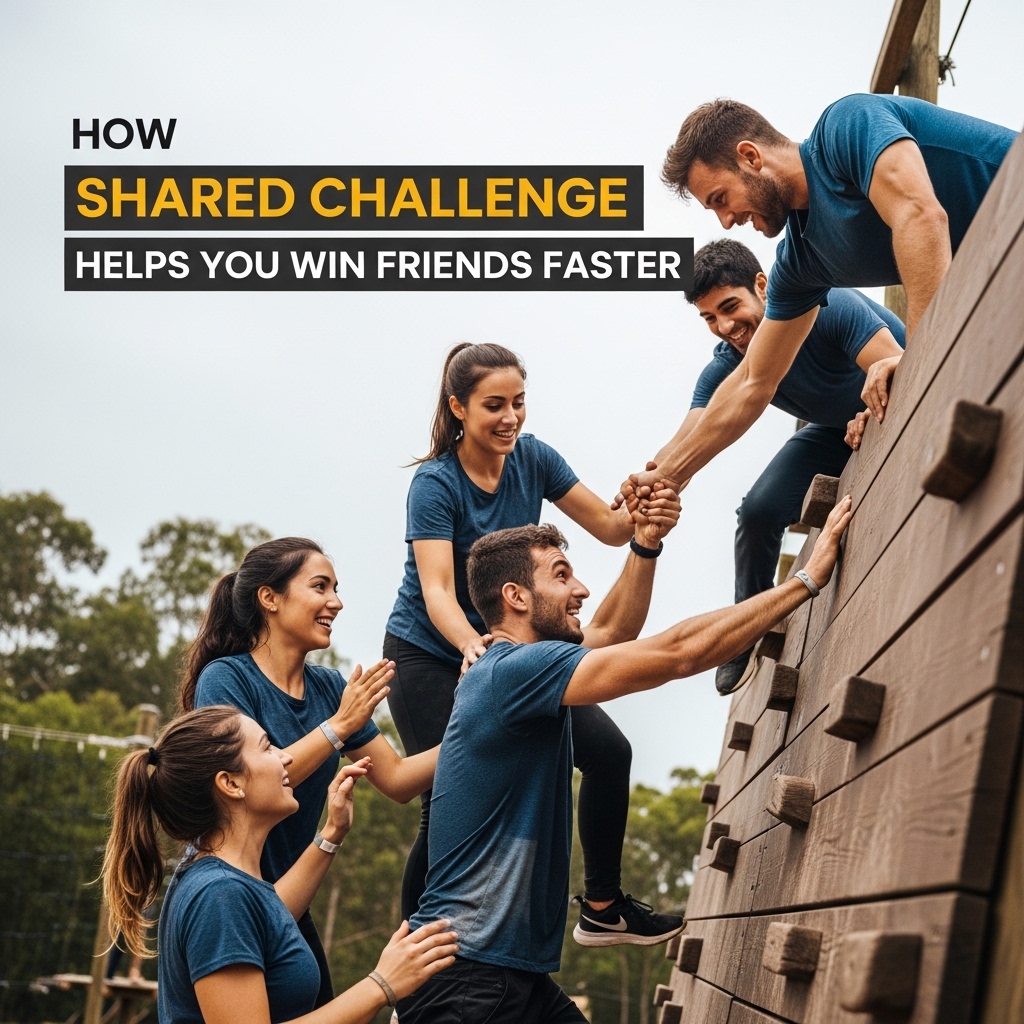
Among the strongest predictors of rapid friendship formation is shared adversity. Research in social psychology shows that co-regulation — two nervous systems synchronizing under shared stress — accelerates bonding more than shared positive experiences alone. For example, military units, surgical teams, and endurance athletes consistently report close friendships emerging from high-demand periods rather than leisure.
The mechanism involves sympathetic nervous system co-activation followed by mutual parasympathetic recovery. When two people face a demanding situation together, the resulting neurochemical release — norepinephrine, oxytocin, and endorphins — creates a strong bond. Furthermore, challenging shared experiences tend to produce closer friendships faster than equivalent hours of relaxed conversation. The nervous system encodes these experiences with greater relational weight.
For professionals, social interactions built around shared performance carry higher bonding value. For instance, collaborative problem-solving or demanding group training may compress the timeline for winning friends. In contrast, low-activation social contexts rarely produce the same depth. The meaning derived from shared challenge persists long after the experience ends.
Consistent Responsiveness: A Key to Winning and Keeping Friends
Forming a friendship differs from consolidating one. Once initial bonding occurs, the neurological circuitry sustaining it needs regular input. Attachment researchers call this consistent responsiveness — the reliable, attuned acknowledgment of a friend's needs and communications. This is not about constant availability. Rather, it is about signal reliability. The brain detects inconsistency in social partners, and perceived unreliability gradually erodes relational security.
Research on adult attachment — developed by John Bowlby and later extended to peer relationships by Cindy Hazan and Phillip Shaver — shows that neural templates from early caregiver bonding reactivate in adult friendship. As a result, people whose close friends respond reliably show lower baseline salivary cortisol, better sleep, and stronger vagal tone. In turn, vagal tone associates with both cardiovascular resilience and cognitive performance under pressure.
When professional demands limit availability, quality of response matters more than speed. Specifically, a thoughtful reply sent forty-eight hours later activates bonding circuits more effectively than a quick, hollow acknowledgment. The brain tracks attunement — whether the response signals that the person was truly seen. That signal, not reaction time, is what determines whether a friendship deepens or stalls.
READ ALSO: Friendship Movie: Films That Celebrate Real Connection
Inflammation, Loneliness, and the Cost of Not Winning Friends

The physiological cost of failing to form close friendships is measurable. A landmark meta-analysis by Julianne Holt-Lunstad and colleagues, published in Perspectives on Psychological Science, found that social isolation carries mortality risk comparable to smoking fifteen cigarettes per day. Moreover, the mechanisms run through both behavioral and direct biological pathways. Among the most significant is chronic loneliness's effect on inflammatory signaling.
Perceived social isolation upregulates genes encoding pro-inflammatory cytokines — including interleukin-6 and tumor necrosis factor-alpha. At the same time, it downregulates antiviral gene expression. The result is a sustained, low-grade inflammatory state. Consequently, this state accelerates biological aging, promotes atherosclerotic progression, and weakens immune function. Researchers in psychoneuroimmunology now regard these as established pathways, replicated across multiple independent cohorts.
The implication is direct. The absence of genuine friendship is not a neutral condition. Rather, it is a chronic stressor that generates measurable biological load. Therefore, learning how to win a friend functions as an anti-inflammatory intervention — one with a favorable side-effect profile and no ceiling on benefit.
READ ALSO: Building Lasting Friendships: The Key to a Meaningful Life
How to Win a Friend Through Mirroring and Attunement
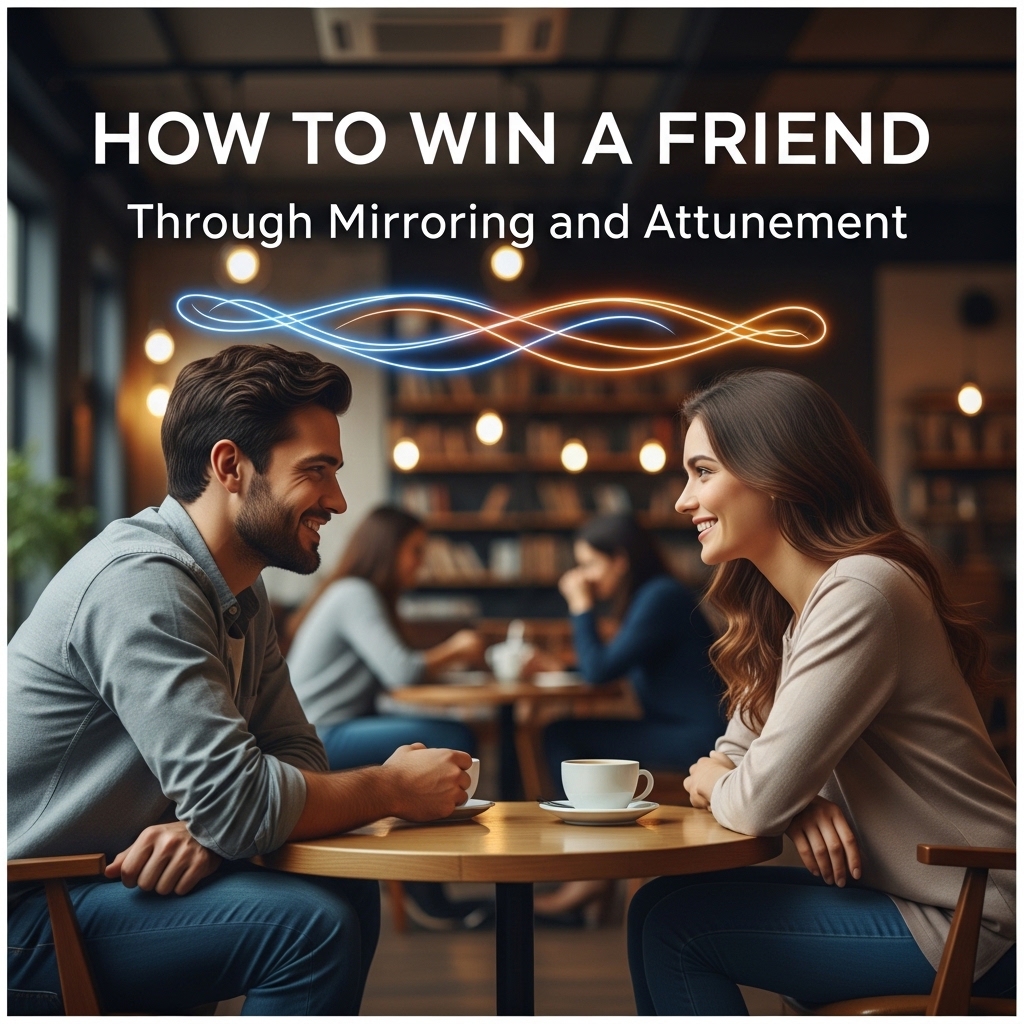
Friendship builds not only through words but also through the stream of non-verbal and paralinguistic signals two people exchange. The brain's mirror neuron systems — located partly in the premotor cortex and inferior parietal lobule — process the motor patterns, facial expressions, and vocal rhythms of social partners. As a result, they generate automatic simulations that form the basis of empathy and social understanding.
People who mirror the posture, speech tempo, and emotional tone of their conversation partners — a process called behavioral synchrony — earn higher ratings for likability and trust. Notably, this holds even when the mirroring goes undetected. The reason is that synchrony reduces predictive processing uncertainty. In other words, the brain spends less effort modeling a partner whose behavior it can anticipate. That reduced effort registers as comfort and affinity.
Behavioral synchrony is trainable. Research shows that genuine attention to a conversation partner naturally recruits the neural circuits driving synchronous response. Therefore, the quality of attention brought to an interaction is not merely a social courtesy. It is a neurological input. It shapes whether the other person's brain encodes the exchange as affiliative — and whether that person later sees you as someone worth knowing as a friend.
READ ALSO: How Friendship Quality in Adulthood Drives Psychological Resilience and Emotional Health Outcomes
The Time Investment Required to Win a Friend
Sociologist Mark Granovetter's foundational work distinguished between strong ties — high frequency, emotional depth, mutual investment — and weak ties, which are more numerous but shallower. Both serve roles in a healthy social network. However, only strong ties produce the physiological benefits of genuine friendship: cortisol buffering, oxytocin modulation, vagal tone support, and cognitive resilience.
Developmental psychologist Jeffrey Hall, in research published in the Journal of Social and Personal Relationships, estimated that moving from acquaintance to close friend requires roughly 200 hours of interaction over a condensed period. However, the more important finding is temporal density. Specifically, the same hours spread over years produce far weaker bonds than those accumulated over weeks or months. The brain consolidates social memory similarly to other long-term memory. Temporal clustering supports synaptic strengthening.
For professionals with limited free time, this reframes the problem. The question is not whether enough hours exist. Instead, it is whether those hours can cluster in dense periods — shared projects, recurring events, co-located work — rather than thin, scattered contact. Anyone serious about how to win a friend must treat temporal structure as seriously as the interactions themselves.
How to Win a Friend by Making Others Feel Capable
Feeling genuinely liked — not merely tolerated — activates the brain's reward circuitry, particularly the nucleus accumbens and the ventral tegmental area. This generates dopamine responses that reinforce approach behavior toward the liked individual. Consequently, a self-amplifying loop begins: being liked increases engagement, which increases likability, which in turn increases the chance of winning friends.
Research in social psychology consistently finds that people feel most drawn to those who make them feel capable, visible, and understood. Notably, this is not about being more accomplished or more entertaining. Self-expansion theory, proposed by Arthur and Elaine Aron, holds that people seek partners who expand their sense of identity and capability. In practice, this means showing genuine curiosity about someone's expertise and treating shared activities as enriching rather than obligatory.
Autonomic resonance — the synchronization of two people's physical states during interaction, measurable through heart rate variability and respiratory rhythm — is increasingly recognized as a marker of relational quality. Moreover, interactions that produce this coupling are remembered as more meaningful. The conditions that generate it are straightforward: sustained attention, emotional presence, and a single focus. These conditions are structurally incompatible with multitasking — a relevant constraint for any professional who wants to know how to win a friend in real-world settings.
Translating the Evidence Into Practice

Professionals seeking to apply this research have several clear structural options. First, building recurring proximity — through shared athletic commitments or scheduled encounters — gives the brain's familiarity mechanisms the exposure frequency they need. Second, choosing environments defined by shared challenge activates co-regulatory pathways and accelerates the process of winning friends. Third, practicing gradual, authentic self-disclosure moves HPA axis activity toward the patterns associated with relational security. Fourth, bringing full attention to interactions — rather than divided presence — supports the autonomic resonance the brain reads as a bonding signal. Finally, clustering social hours into dense periods rather than spreading them thinly uses how social memory is neurologically encoded. Individual variation in attachment history and social bandwidth will shape how each option translates in practice. What the evidence establishes clearly is that knowing how to win a friend in adulthood is a skill with identifiable mechanisms — and one whose returns, measured in inflammatory load, cardiovascular risk, cortisol levels, and cognitive resilience, justify deliberate and consistent investment.
UP NEXT: How to Make Friends as an Adult Without Feeling Like a Total Weirdo
How This Affects Your Biological Age
Difficulty with how to win a friend is associated with chronic social isolation, which correlates with elevated cortisol levels, increased inflammatory markers, and accelerated biological aging through sustained stress physiology. WholeLiving's Biological Age Estimation Model incorporates this factor directly — your assessment takes under five minutes.
Ready to understand how these factors are influencing your biological age right now? [Take the Biological Age Assessment →]