Introduction: Embrace a High-Fiber Lifestyle
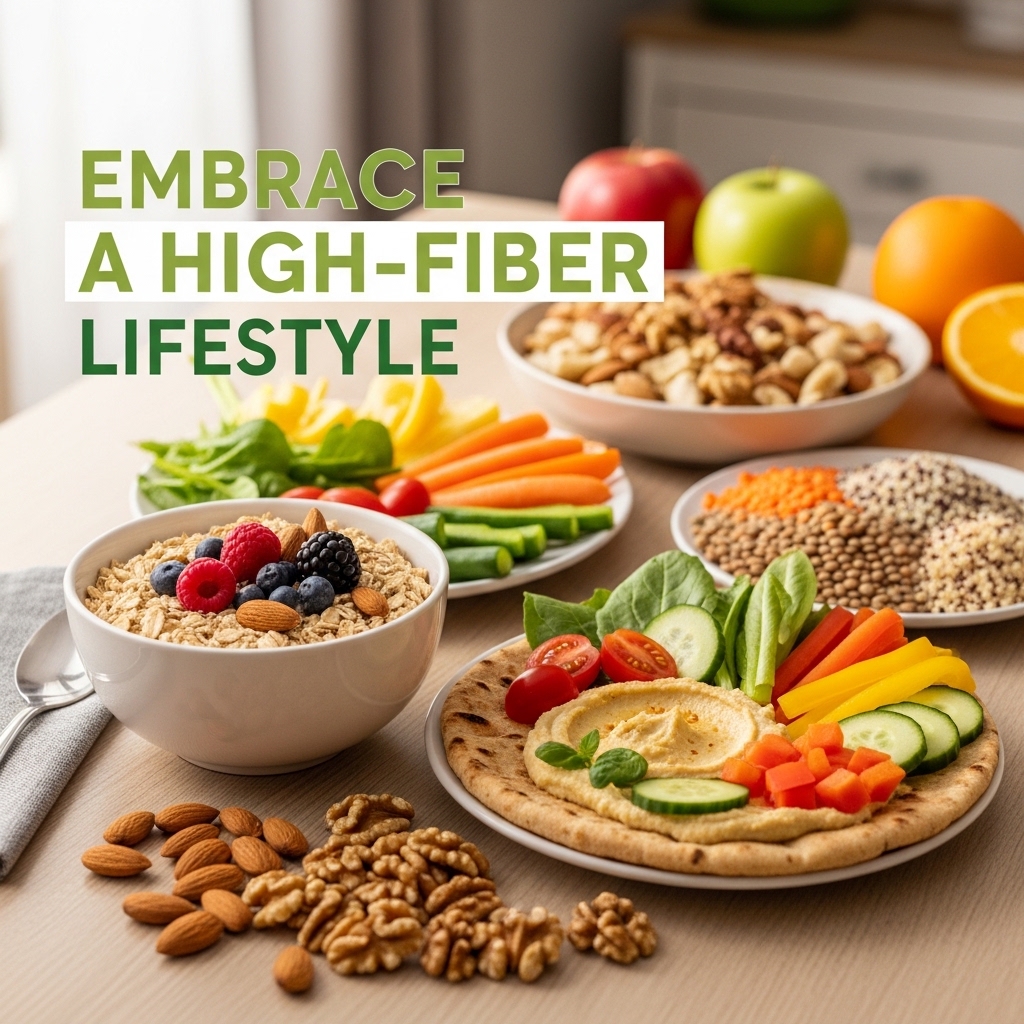
When you think about vegetables high in fiber, you’re thinking about a simple yet powerful tool to support your health. High-fiber foods like leafy greens, cruciferous vegetables, and beans don’t just help with digestion; they help maintain healthy cholesterol levels and keep blood sugar in check. You may have heard that dietary fiber is essential for your digestive system, but its benefits extend far beyond that. By adding more fiber to your diet, you can boost energy, protect against chronic diseases like heart disease, and improve overall health.
1. Vegetables High in Fiber: The Essential Role in Your Diet
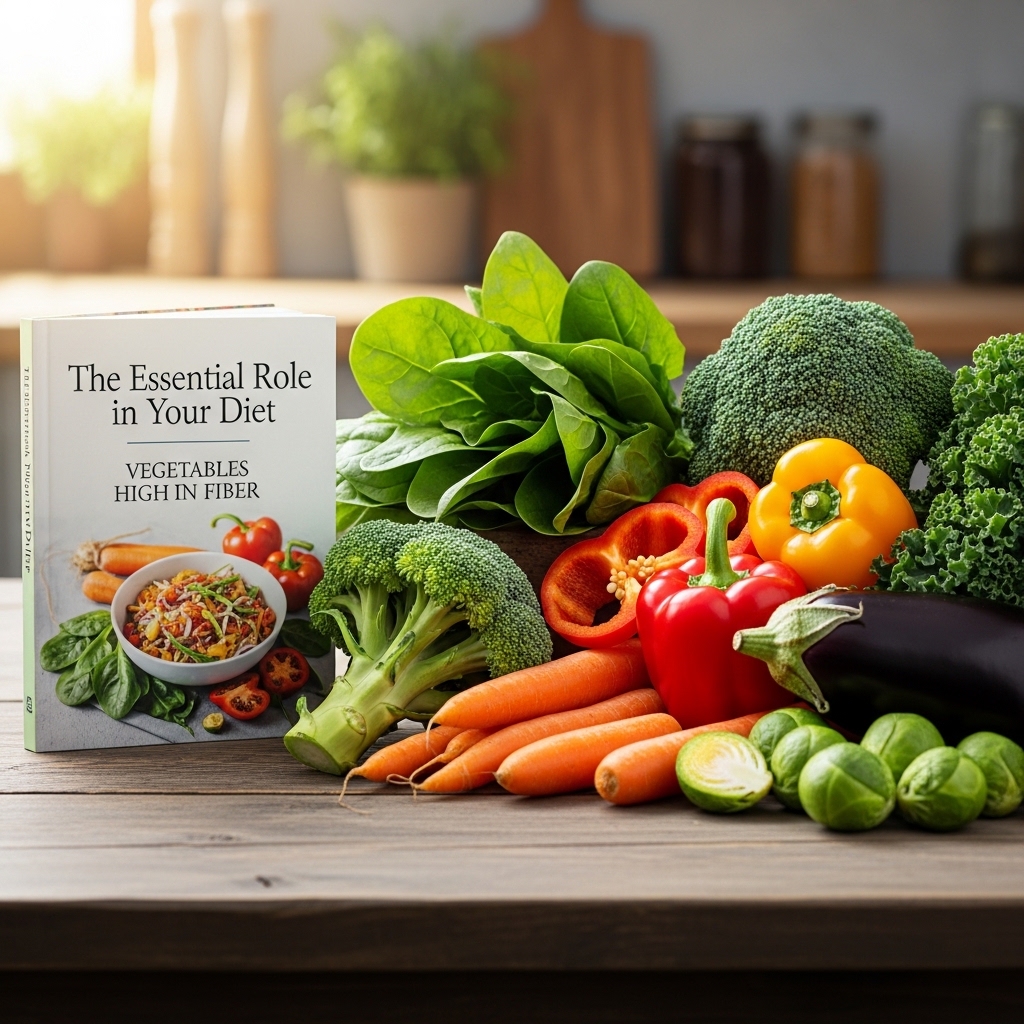
Fiber is a key nutrient for well-being. It can be divided into soluble fiber and insoluble fiber. Both types are important for digestive health. Soluble fiber dissolves in water and helps lower cholesterol, while insoluble fiber helps prevent constipation and ensures regular bowel movements. Understanding how much fiber you need can help you build a diet that promotes balance and harmony in your body. Aim for 25-30 grams of fiber daily, which can be achieved with a mix of fiber-rich foods. Many adults don’t meet their recommended intake, so consider checking the nutrition facts label to monitor your fiber consumption.
2. Fiber-Rich Veggies: A Powerhouse for Your Health
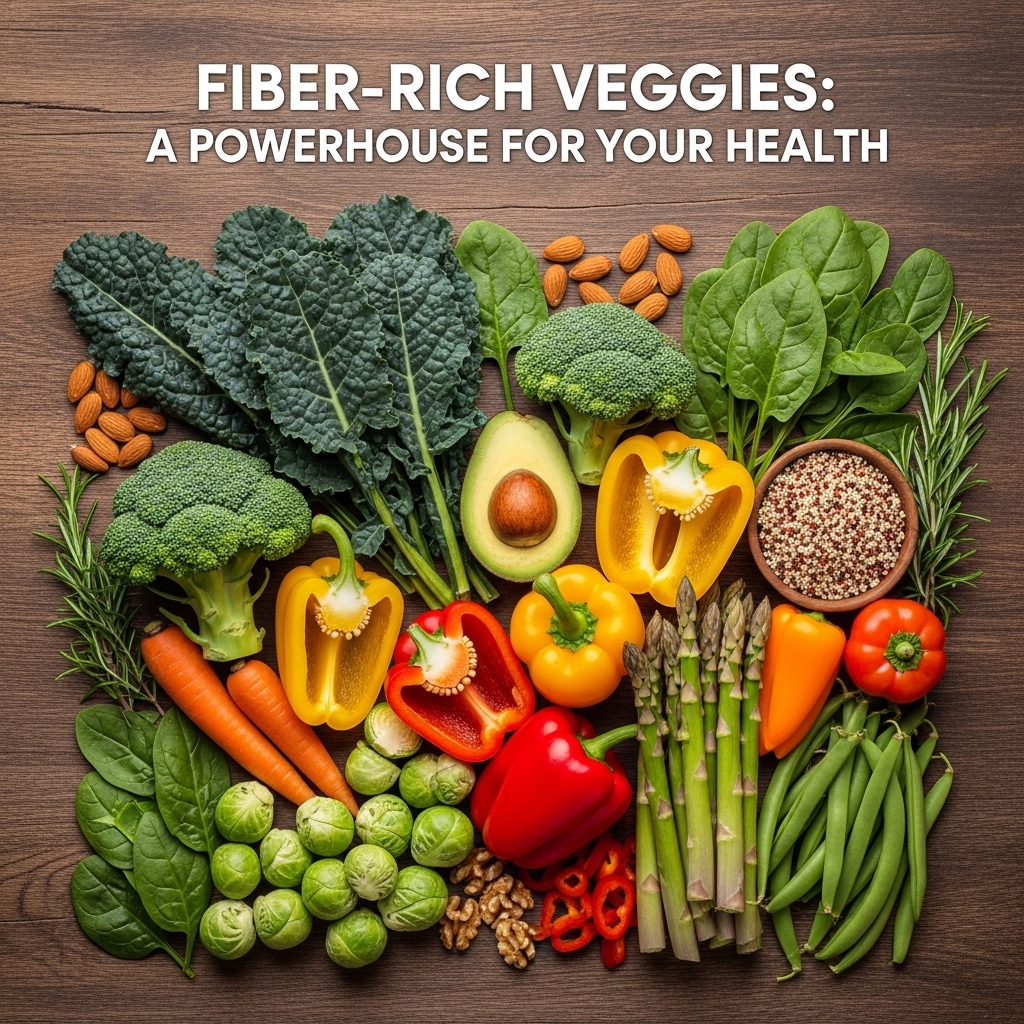
Including vegetables high in fiber in your meals is an easy way to increase your fiber intake. Vegetables like artichokes, peas, brussels sprouts, and leafy greens such as kale offer a combination of soluble and insoluble fiber. These vegetables also provide vitamins like vitamin C and vitamin K and antioxidants that support heart health and fight inflammation. Vegetables are often low in calories, making them ideal for a healthy, balanced diet. Moreover, they support digestion and improve your overall fiber content.
3. The Fiber Benefits of Green Peas
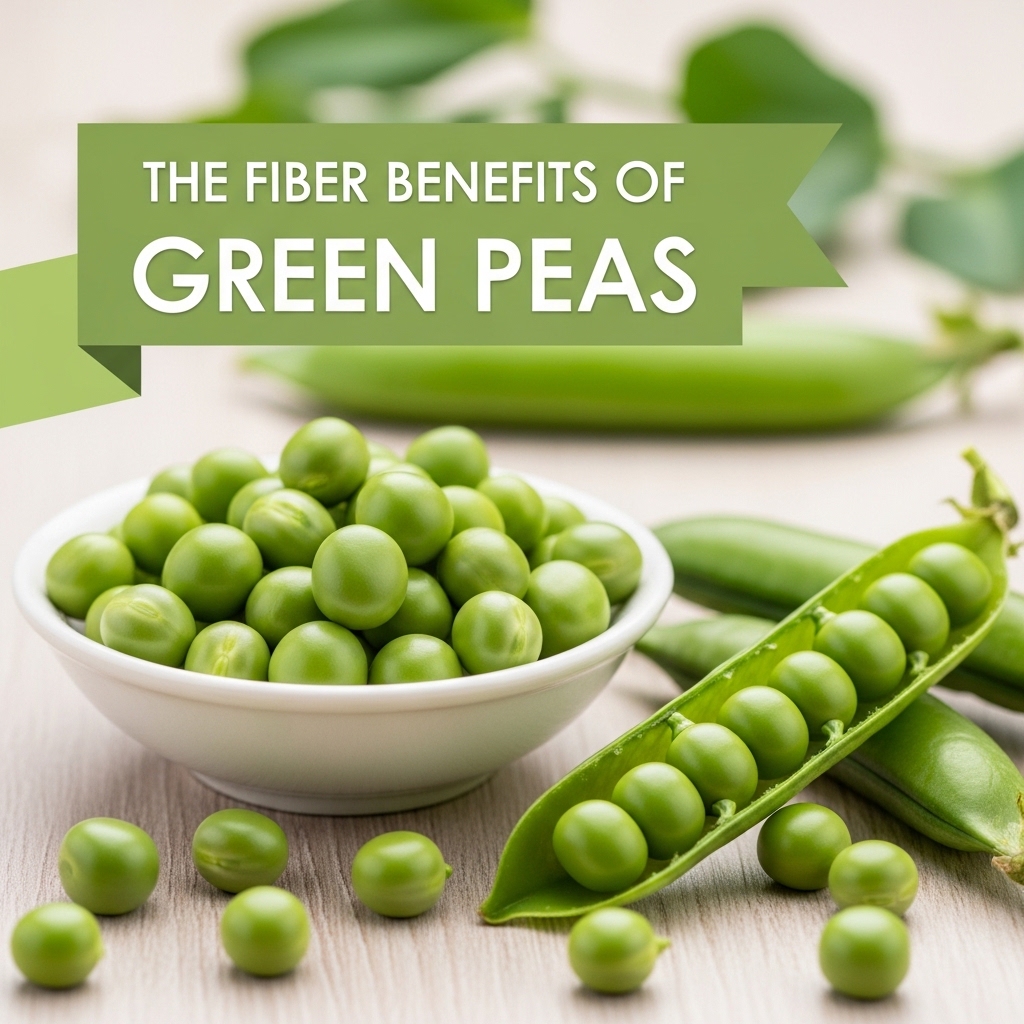
Green peas are an excellent source of fiber, offering around 4 grams per half cup. A full cup of cooked green peas provides more than 8 grams of fiber, helping regulate blood sugar and promote gut health. Green peas are also rich in vitamin C, vitamin K, and folate. They’re a versatile, high-fiber food, easily added to soups, salads, or enjoyed as a simple side dish.
4. Brussels Sprouts: A Cruciferous Fiber Bomb

Brussels sprouts are a fantastic vegetable high in fiber. With 4 grams of fiber per cup, they also offer plenty of vitamin K, vitamin C, and antioxidants. These cruciferous vegetables help protect your cells from oxidative stress. Studies show that eating brussels sprouts regularly may lower your risk of heart disease and improve cholesterol levels. Try roasting cooked brussels sprouts with olive oil for a delicious and nutritious addition to your meals.
5. Sweet Potatoes: A Delicious Fiber Source
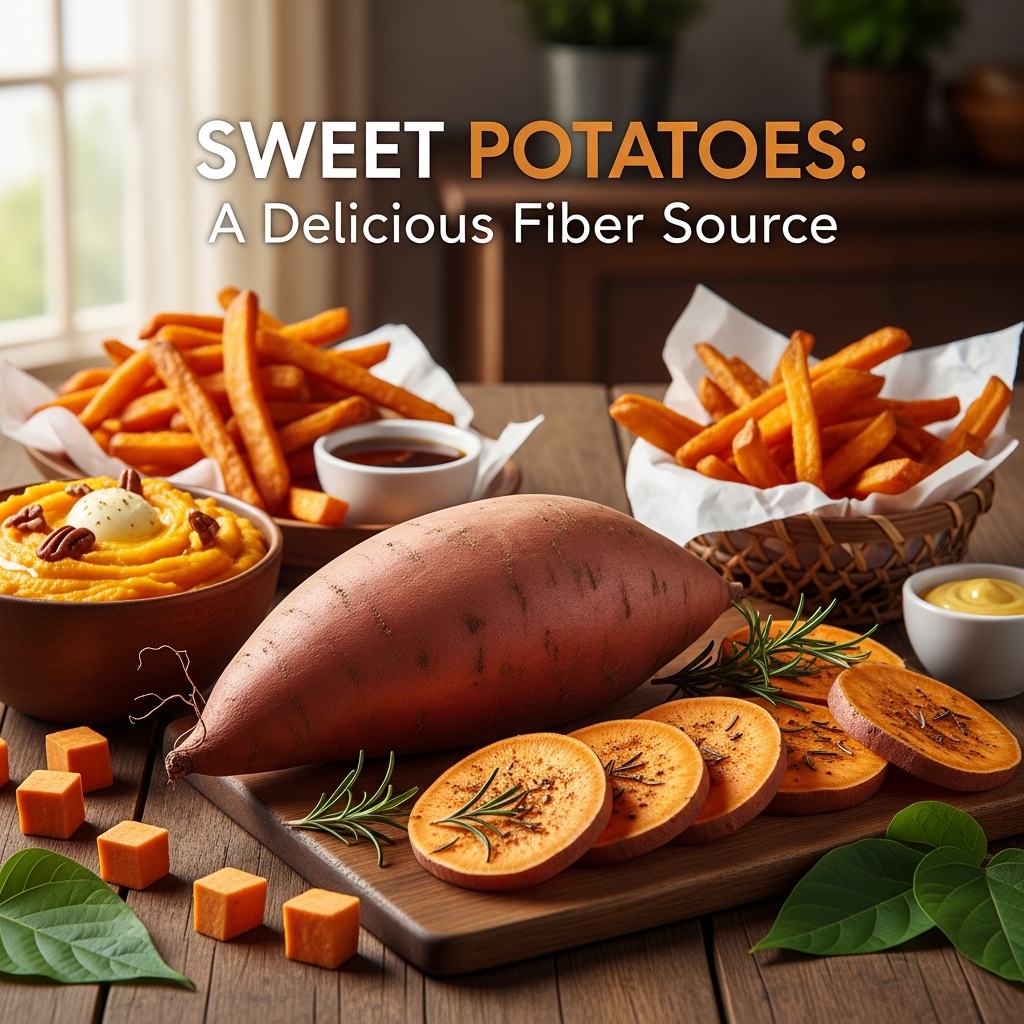
Sweet potatoes provide a great source of fiber, offering about 4 grams per medium-sized potato. They’re also packed with vitamin A, vitamin C, and potassium. Sweet potatoes contain antioxidants that support heart health and protect against cell damage. Their high fiber content helps regulate blood sugar, making them a great choice for those managing diabetes. Whether baked, mashed, or roasted, sweet potatoes are an easy and tasty way to add fiber to your diet.
6. Lentils: A High-Fiber, Plant-Based Protein
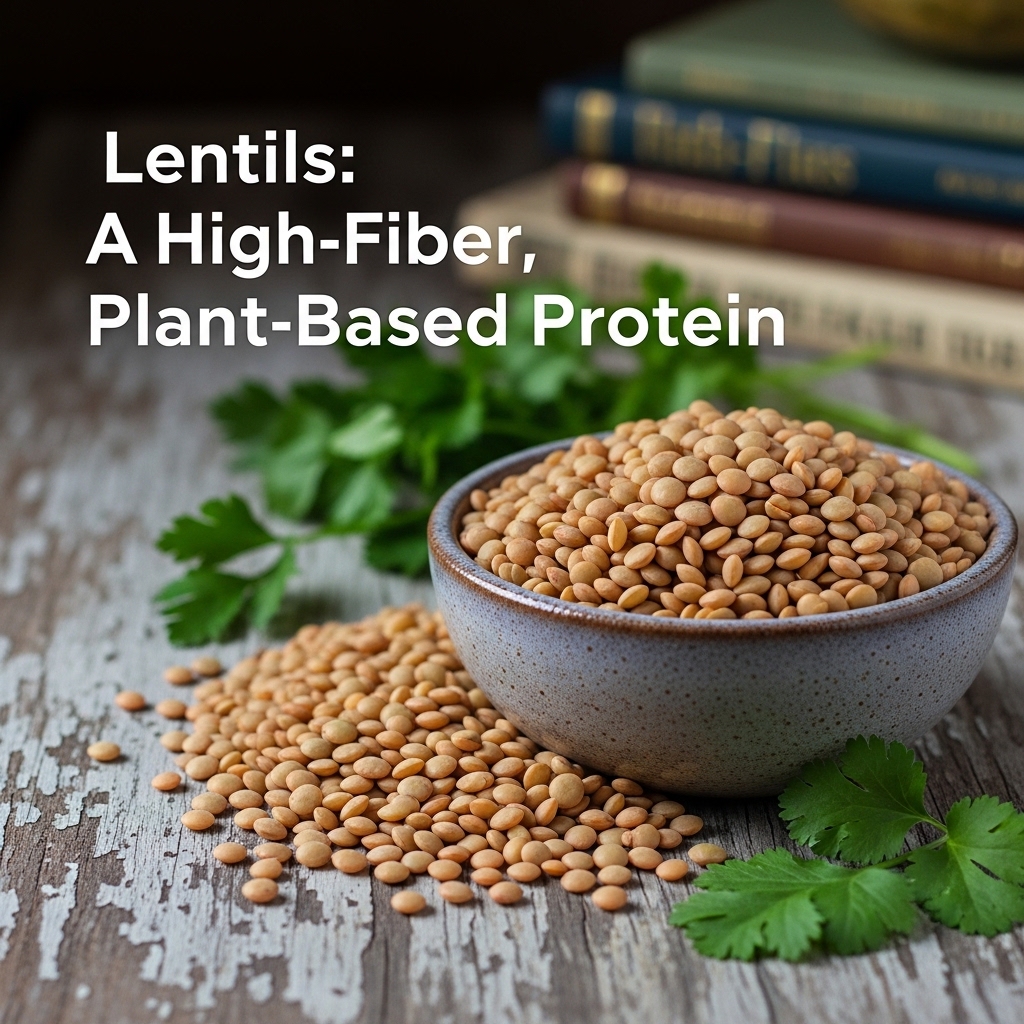
Lentils are a fiber powerhouse, with one cup of cooked lentils providing more than 15 grams of fiber. They’re not only fiber-rich but also a great plant-based protein, perfect for vegetarians and vegans. Lentils are also loaded with iron, folate, and vitamin B6, which support your immune system and boost energy. Add cooked lentils to soups, salads, or stews for a fiber-packed, nutrient-dense meal.
7. Kidney Beans: A Nutritious Fiber Option
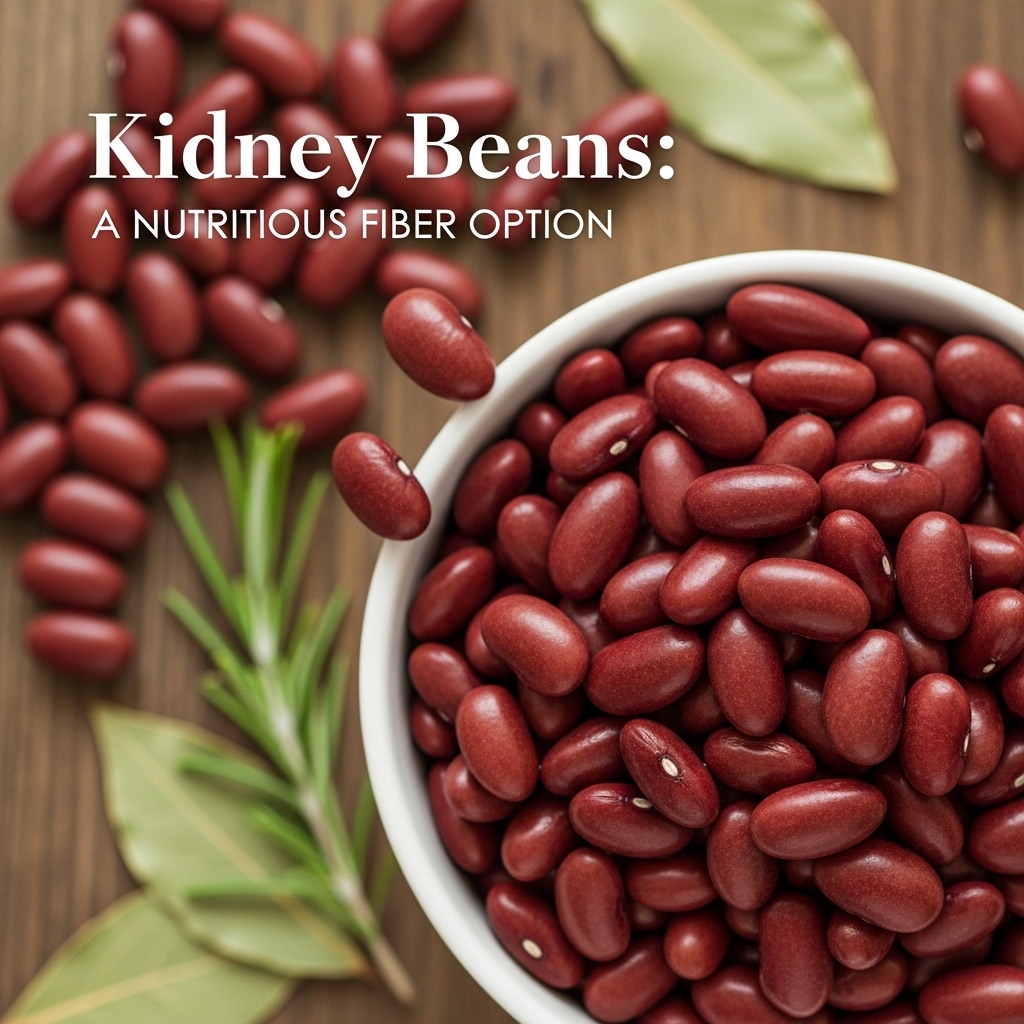
Kidney beans are an excellent source of fiber, offering around 13 grams per cup. They’re also packed with plant-based protein, iron, and other vital nutrients. Eating kidney beans regularly can help with digestion, blood sugar control, and cholesterol levels. Their high fiber content makes them perfect for maintaining regular bowel movements and preventing constipation. You can easily add kidney beans to soups, salads, or casseroles for a quick fiber boost.
8. How Much Fiber Do You Need?
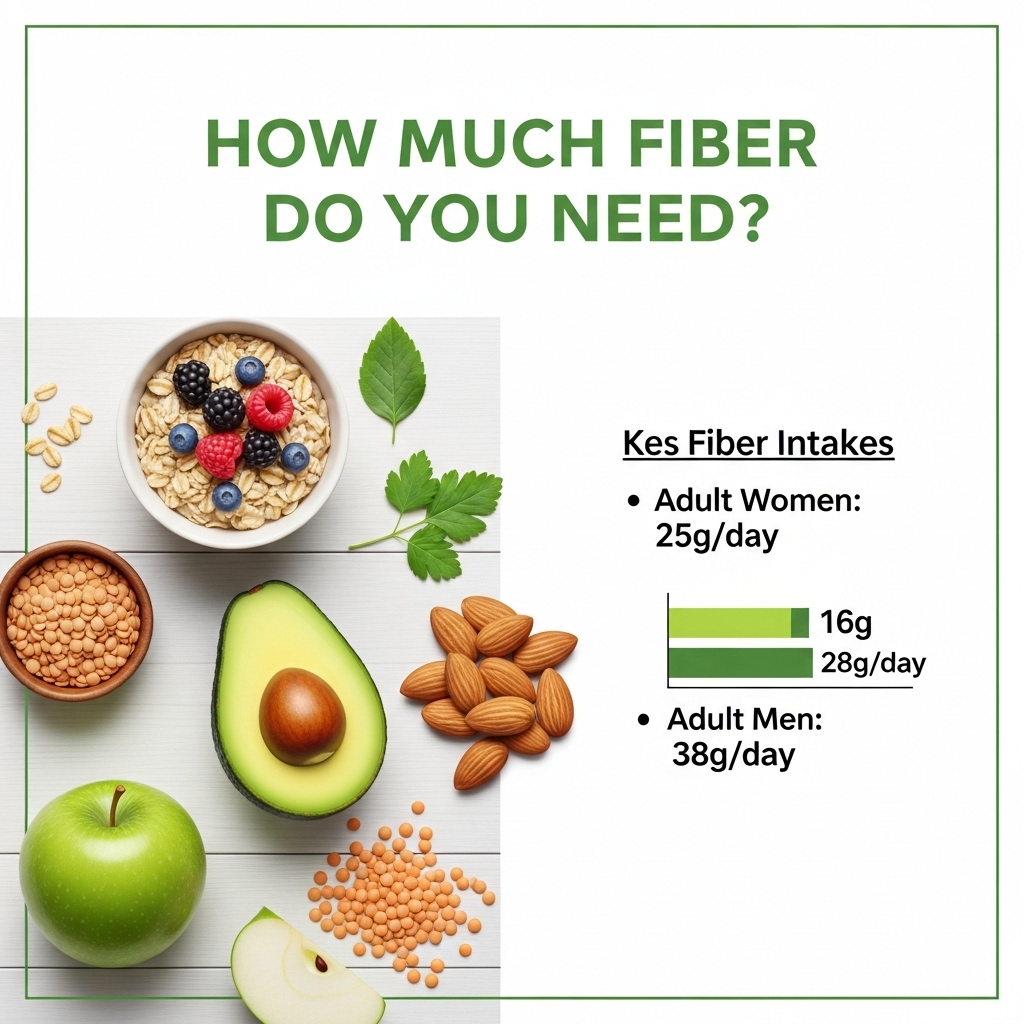
The recommended daily intake of fiber is typically 25-30 grams for adults, depending on age, sex, and activity level. You can reach this goal by including a variety of fiber-rich foods like vegetables, beans, legumes, and whole grains. Fiber slows the absorption of sugar in your bloodstream, helping manage blood sugar levels. Fiber supplements can be useful if you struggle to get enough fiber from food, but whole foods should always be your priority for fiber intake. Gradually increase your fiber intake to avoid discomfort, aiming for at least 25-30 grams of fiber daily from whole foods.
9. Soluble vs. Insoluble Fiber: Which Is Right for You?
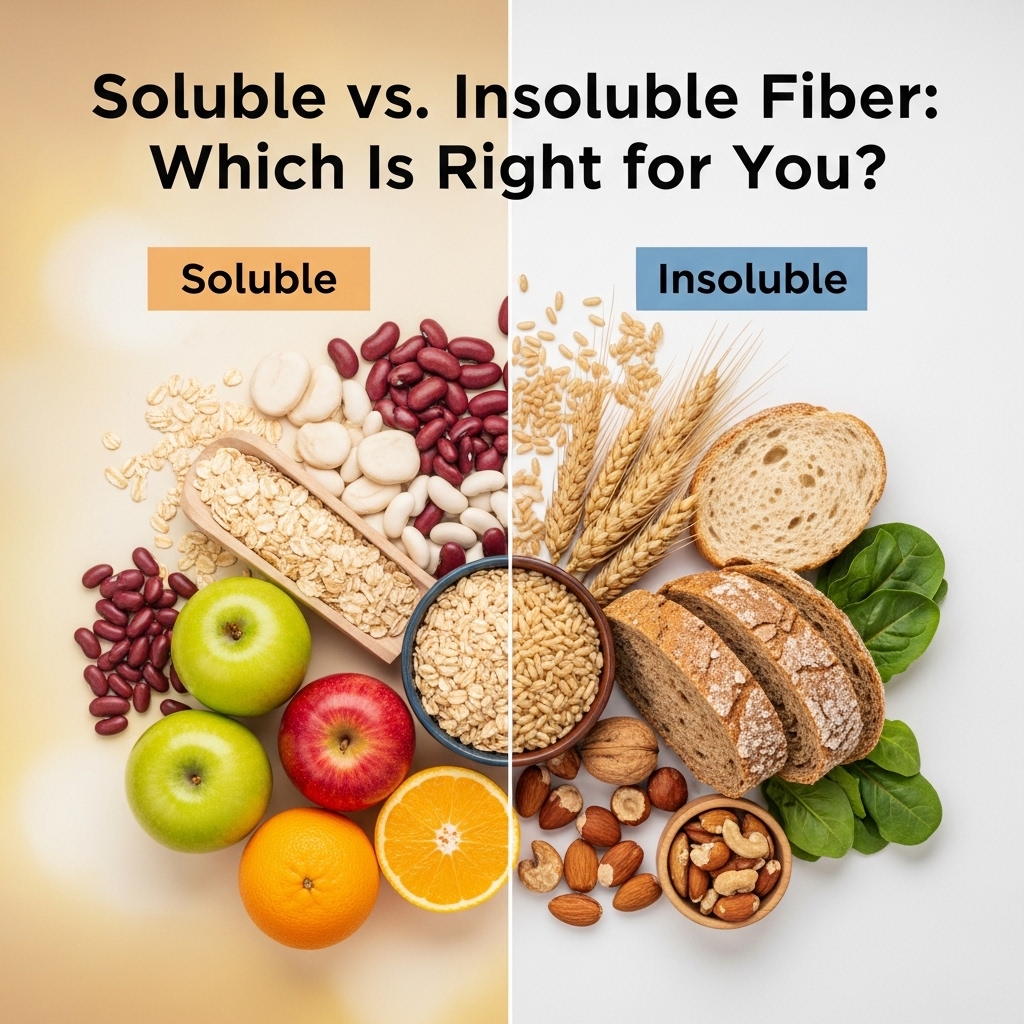
Understanding the difference between soluble and insoluble fiber can help you create a balanced diet. Soluble fiber dissolves in water, helping with cholesterol levels, blood sugar control, and heart health. On the other hand, insoluble fiber adds bulk to stool, supporting digestion and preventing constipation. Both types of fiber are necessary for optimal health. Aim to incorporate both by eating a variety of fiber-rich foods like beans, vegetables, and whole grains.
10. The Role of Fiber in Digestive Health
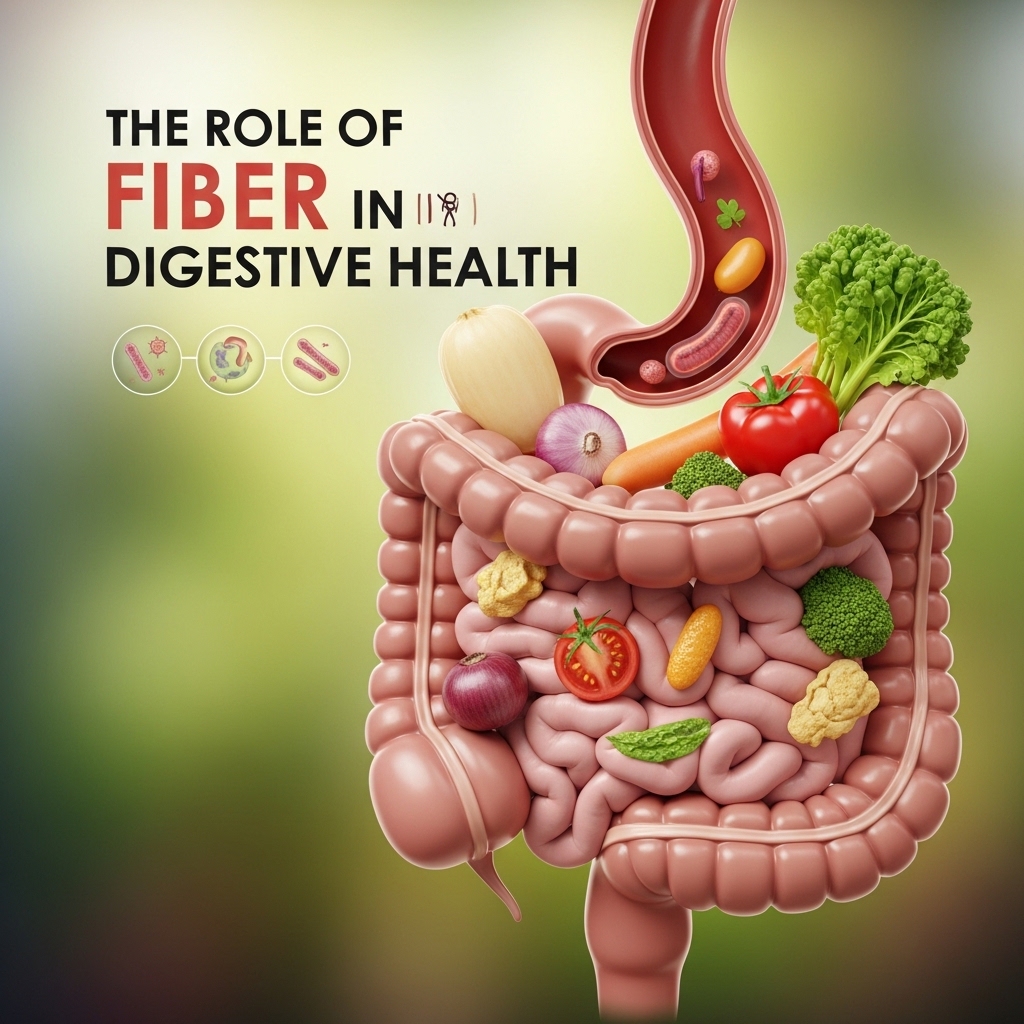
Fiber plays a vital role in digestive health by ensuring smooth, regular bowel movements. Insoluble fiber adds bulk to stool, making it easier to pass, while soluble fiber slows down digestion, allowing for better nutrient absorption. A high fiber diet can help prevent constipation, diverticulitis, and other digestive issues. By eating more fiber-rich foods, you support your digestive system and enhance your overall health.
READ ALSO: Snacks for Low Carb Diet That Satisfy Without Stress
11. The Power of Fiber in Managing Blood Sugar

Increasing your fiber intake is one of the best ways to manage blood sugar. High-fiber foods like green peas, lentils, and sweet potatoes help stabilize blood sugar levels. Fiber slows the absorption of sugar into your bloodstream, preventing sudden spikes and crashes. Adding chia seeds to smoothies or oatmeal is a simple way to increase fiber intake. Fiber not only helps regulate blood sugar but also supports gut health and overall well-being.
READ ALSO: Vegan Vitamin B12 Supplements for Mindful Nourishment
12. Tips for Increasing Fiber Intake
Boosting your fiber intake doesn’t have to be difficult. Start by having a high-fiber breakfast with oatmeal, fruit, and nuts. Swap refined grains for whole grains like brown rice, quinoa, and whole wheat bread. Fill your plate with a variety of vegetables like brussels sprouts, broccoli, and sweet potatoes. Snack on fiber-rich foods like raw kale, carrots, or apples throughout the day. Gradually increase your fiber intake to avoid discomfort, and aim for at least 25-30 grams of fiber daily from whole foods. Drink plenty of water to help fiber move efficiently through your digestive system.
READ ALSO: Weight Loss Nutrition Diet That Respects Your Rhythm
Boost Your Health with Fiber-Rich Veggies
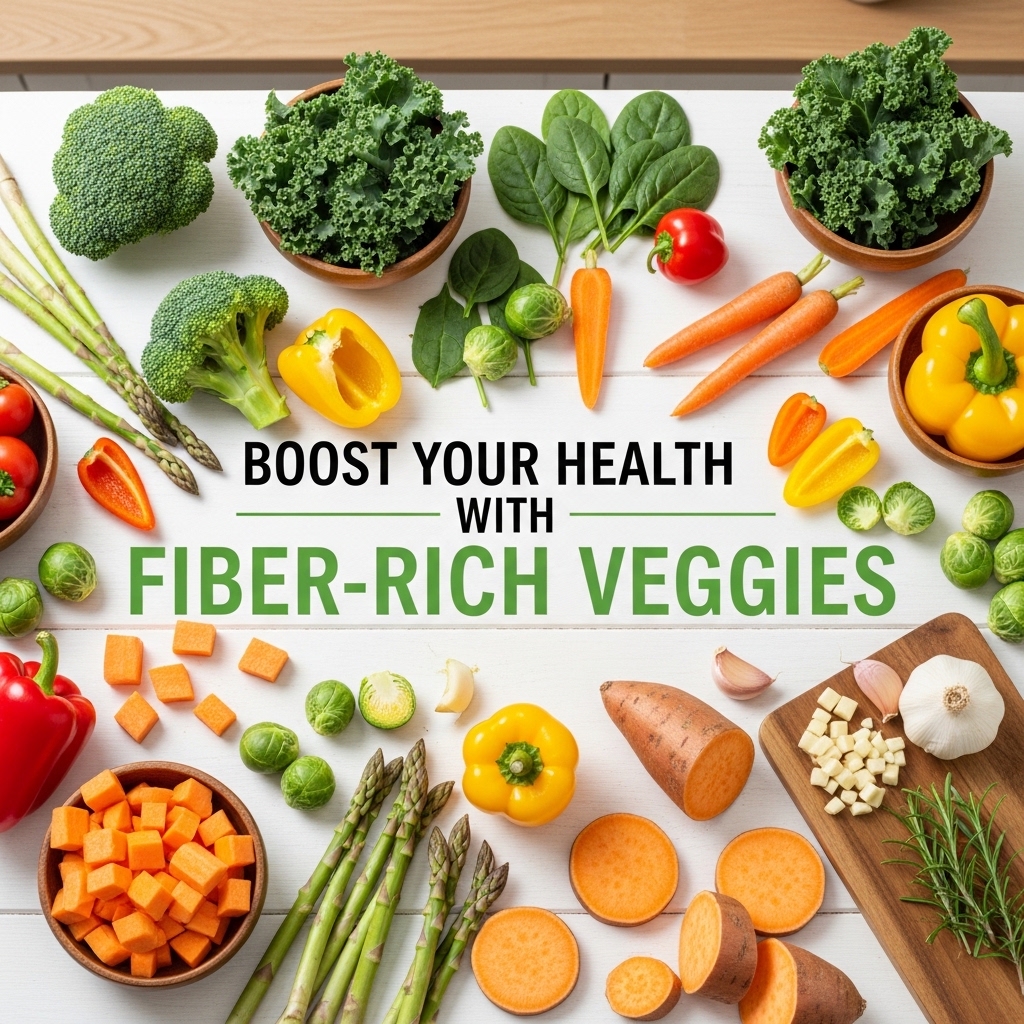
Vegetables high in fiber are an essential part of a healthy diet. They offer numerous health benefits, from improved digestion and heart health to better blood sugar control. Brussels sprouts, green peas, and sweet potatoes are just a few examples of fiber-packed vegetables you can enjoy. Add them to your meals today, and experience the positive effects on your energy, digestion, and overall well-being. By increasing your fiber intake, you’ll be supporting a healthier, more balanced lifestyle.