
In our busy, fast-paced lives, it's easy to overlook the vital role our brain plays in maintaining overall health. One critical component that impacts brain health is the blood-brain barrier disruption. This often-overlooked phenomenon can have profound effects on the brain barrier, leading to a variety of cognitive issues, from brain fog to mild cognitive impairment and even Alzheimer's disease.
In this article, we will explore the underlying causes of blood-brain barrier dysfunction, how it disrupts brain function, and what you can do to maintain optimal brain health and prevent further damage. By understanding the blood brain connection, you’ll gain insight into how to protect your brain homeostasis and maintain mental clarity.
1. What Is the Blood-Brain Barrier?
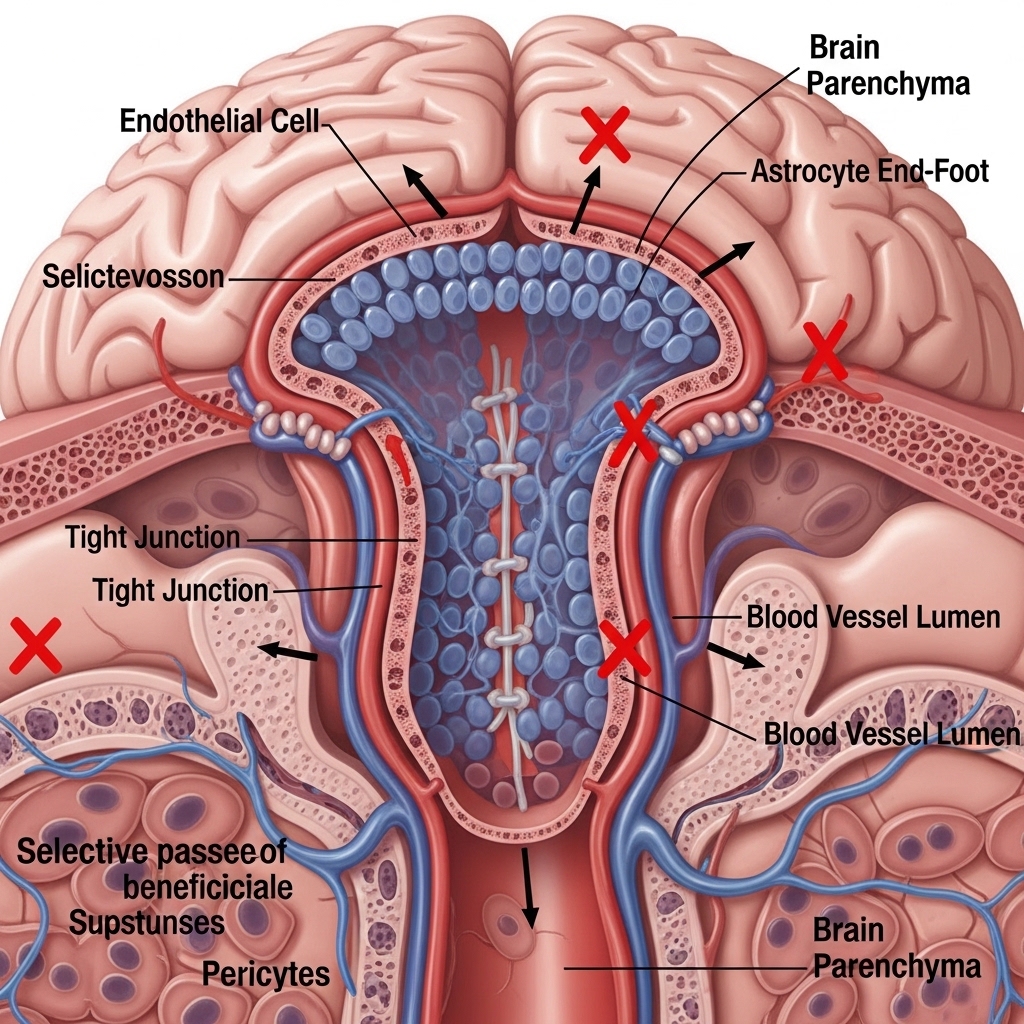
The blood-brain barrier (BBB) is a highly selective semipermeable membrane that protects the brain from harmful substances circulating in the blood. It maintains the brain's homeostasis by regulating which molecules can pass through from the blood vessels into the brain parenchyma. Endothelial cells in the BBB play a crucial role in keeping this barrier intact, and their dysfunction can result in increased BBB permeability. When the BBB is compromised, harmful substances, including toxins and immune cells, can leak into the central nervous system (CNS), causing damage to brain regions and impairing cognitive function.
This permeability allows neurotoxic elements like reactive oxygen species to enter the brain, potentially leading to cognitive dysfunction, brain fog, and long-term neurological issues. The vascular endothelial growth factor (VEGF) is one key player in regulating BBB function, and any disturbance in its signaling can lead to BBB breakdown.
2. The Science Behind Blood-Brain Barrier Disruption
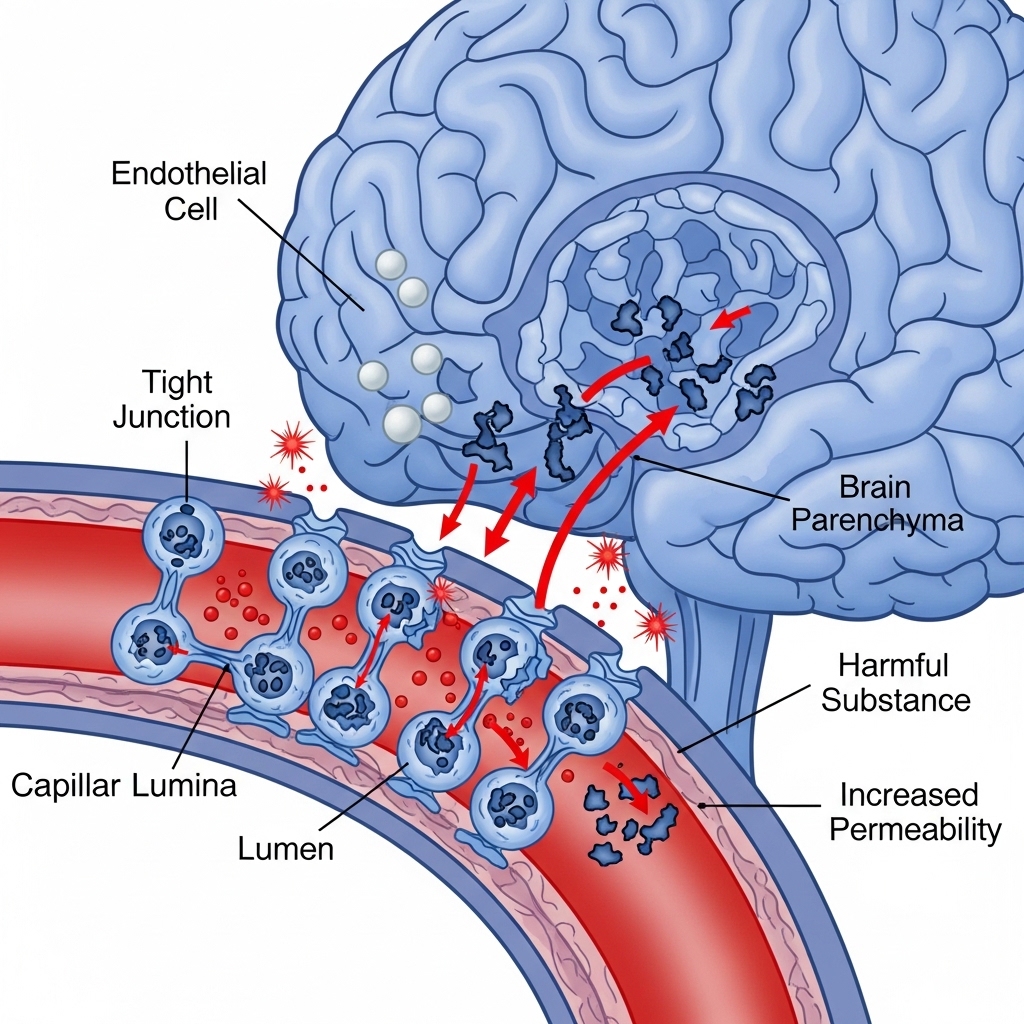
At a molecular level, BBB dysfunction occurs when the cells of the blood brain barrier become weakened or damaged. This often happens due to chronic systemic inflammation, traumatic brain injury, or vascular dysfunction. When BBB integrity is compromised, it results in BBB leakage, which disrupts the balance of the cerebral blood flow and increases the risk of neurological disorders.
Key mechanisms driving BBB disruption involve changes in the cellular and molecular structure of the endothelial cells. These changes allow for the increased permeability of the BBB, which then exposes the brain parenchyma to harmful agents that can impair cognitive abilities. For instance, a breakdown in the blood brain barrier permeability can lead to increased leakage of amyloid precursor protein, a factor often associated with Alzheimer's disease and cognitive decline.
READ ALSO: Neurowave Body-Mind Connection: Unlock Your Full Potential
3. The Impact of Increased BBB Permeability on Cognitive Function
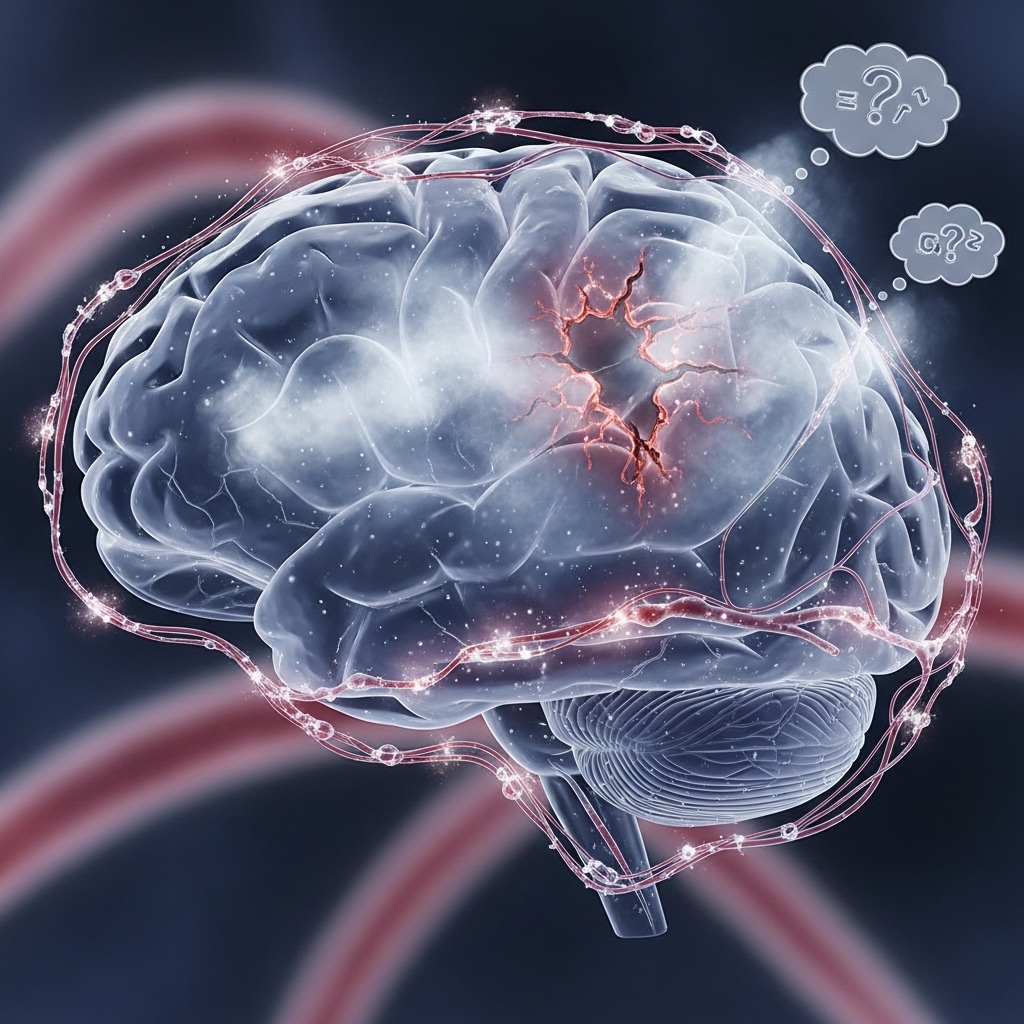
When BBB permeability is heightened, cognitive function suffers. This can manifest in various ways, such as mild cognitive impairment or more severe forms of cognitive dysfunction like Alzheimer's disease. The brain’s homeostasis is disrupted as the protective shield of the blood brain barrier breaks down, leading to a cascade of detrimental effects. Cerebral edema, a condition where the brain swells due to the accumulation of fluid, is another consequence of BBB dysfunction.
Chronic blood brain barrier disruption affects the brain's ability to regulate essential processes, such as nutrient transport and waste removal, which are vital for maintaining brain health. As the barrier becomes less effective, the brain’s volume may shrink, contributing to an overall decline in brain structure and function. Over time, this can lead to brain diseases like brain tumors or cognitive decline.
4. How BBB Disruption Contributes to Cognitive Decline
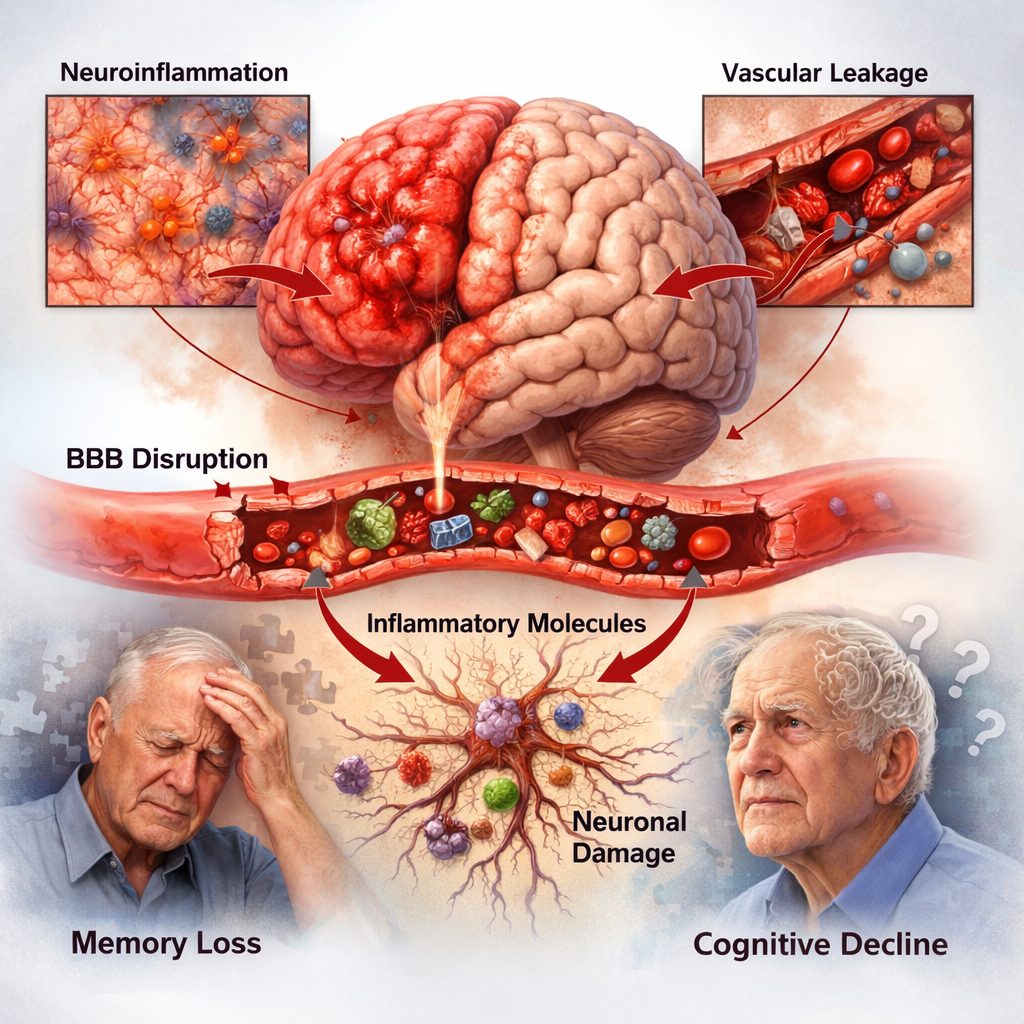
BBB dysfunction accelerates cognitive decline through several pathways. One of the most prominent is the inflammatory factors released during BBB breakdown, which can trigger an autoimmune response. Proinflammatory cytokines are produced, leading to chronic inflammation within the central nervous system. This persistent inflammation can worsen cognitive impairment and contribute to neurovascular unit disruption.
Additionally, BBB leakage can increase the influx of immune cells into the brain, further exacerbating the pathogenesis underlying cognitive decline. These immune cells release inflammatory cytokines, which can damage healthy brain cells and impair cerebral blood flow. Over time, the cumulative effect of these inflammatory processes leads to irreversible damage, contributing to diseases like Alzheimer's disease.
READ ALSO: Brain Stem Health for Everyday Vitality
5. Traumatic Brain Injury and Blood-Brain Barrier Disruption
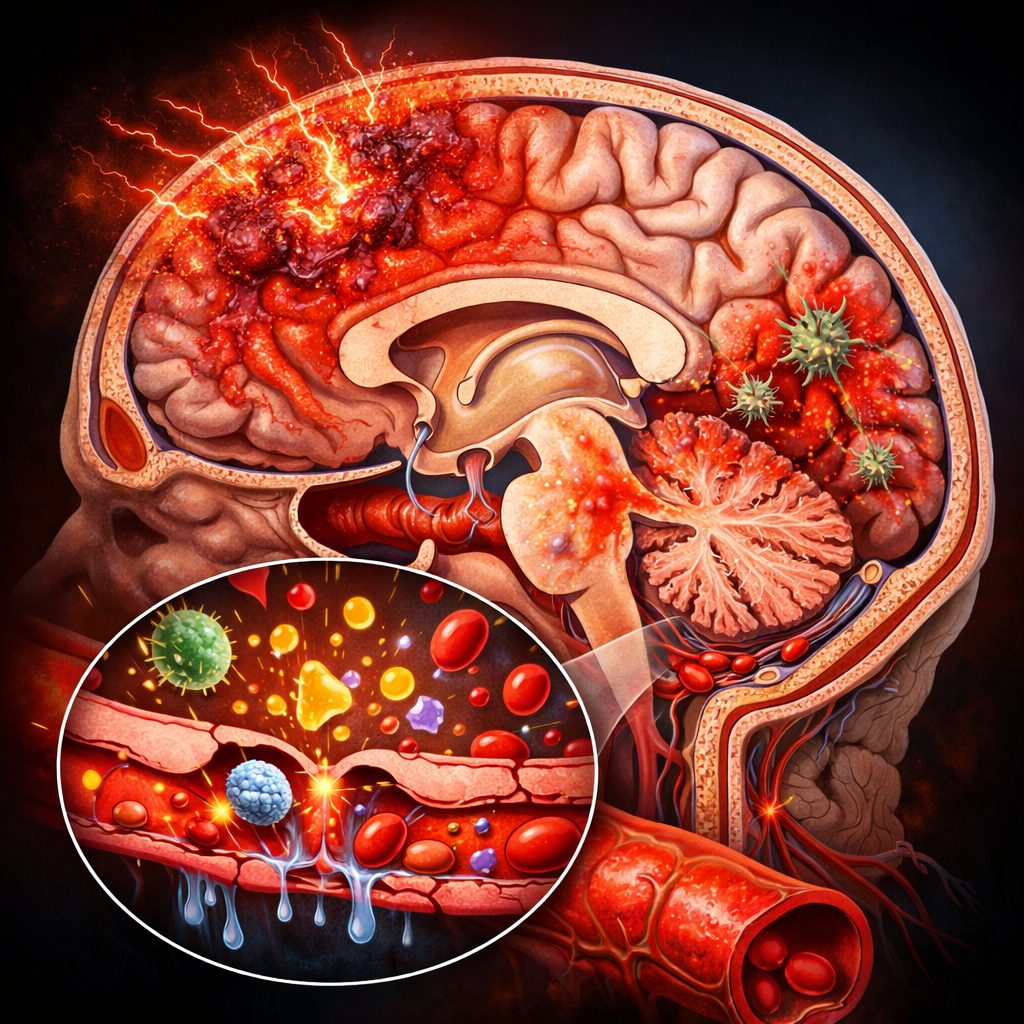
Traumatic brain injury (TBI) is one of the primary causes of blood brain barrier disruption. When the brain is injured, such as from a fall, car accident, or sports injury, the BBB can be compromised, allowing harmful substances to enter the central nervous system. TBI causes a cascade of events, including the release of vascular endothelial growth factor (VEGF), which can increase BBB permeability and trigger cerebral edema.
The effects of TBI on the blood brain barrier are long-lasting and can lead to chronic cognitive issues, even years after the injury. Studies have shown that individuals who have experienced traumatic brain injury are at a higher risk for developing neurodegenerative diseases like Alzheimer's or Parkinson’s disease, both of which involve significant brain barrier disruption.
6. The Role of Inflammation in BBB Disruption
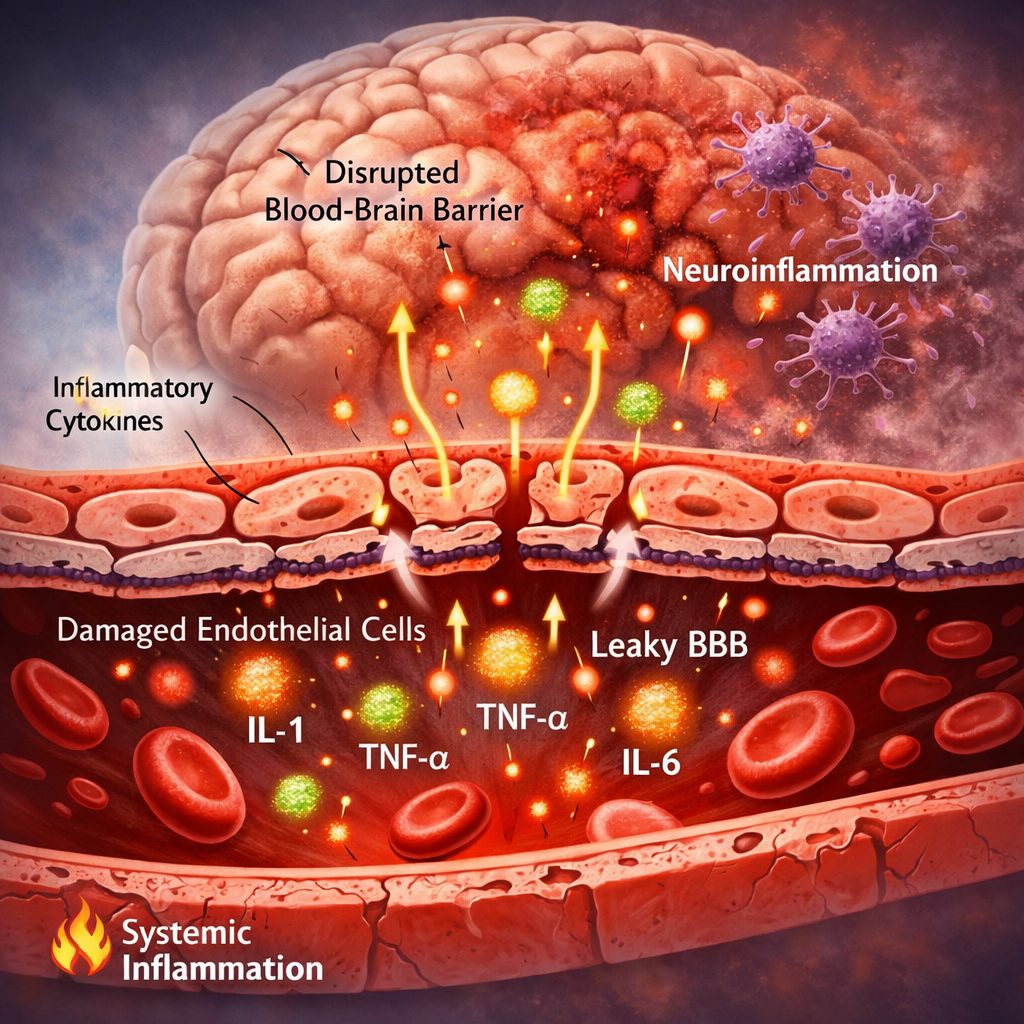
Sustained systemic inflammation is a significant factor that weakens the blood brain barrier. Chronic inflammation can alter the BBB integrity, leading to increased BBB permeability and a higher likelihood of harmful substances entering the brain regions. Conditions like autoimmune diseases, diabetes, and obesity are often accompanied by systemic inflammation, which directly impacts BBB function.
When inflammatory factors enter the brain through a compromised blood brain barrier, they worsen cognitive dysfunction. This also accelerates the progression of neurological disorders. As inflammation spreads, it releases proinflammatory cytokines. These cytokines further damage the BBB and impair its ability to maintain brain homeostasis.
READ ALSO: Emotional Brain Training Practices to Lift Your Mood Daily
7. Maintaining BBB Integrity for Brain Health

Maintaining BBB integrity is essential for protecting your brain from cognitive decline and neurological diseases. There are several ways you can support the blood brain barrier and promote its health. One of the most effective methods is through lifestyle changes, such as eating a diet rich in antioxidants and anti-inflammatory foods.
Studies suggest that omega-3 fatty acids, found in foods like salmon and walnuts, play a vital role in enhancing BBB repair and reducing inflammatory factors. Regular exercise is also crucial, as it helps regulate cerebral blood flow and supports the function of endothelial cells, which are vital for maintaining BBB integrity.
8. The Link Between BBB Disruption and Brain Fog

One of the early signs of blood brain barrier dysfunction is brain fog. This state of mental cloudiness or sluggishness can occur when the BBB is compromised, allowing toxins and immune cells to enter the brain. The inflammation caused by BBB breakdown can disrupt cognitive processing, leading to forgetfulness, lack of focus, and difficulty concentrating.
Brain fog is often linked to increased BBB permeability, as the brain struggles to maintain homeostasis in the face of inflammation. If left unchecked, brain fog can escalate into more severe cognitive problems. The good news is that you can reverse brain fog. Supporting BBB repair and improving cognitive function is possible. Focus on diet, exercise, and stress management techniques.
READ ALSO: Signs of a Brain Tumor: What to Notice Early
9. Can We Prevent Blood-Brain Barrier Disruption?

While it may not always be possible to completely prevent blood brain barrier disruption, there are steps you can take to reduce your risk. Prevent BBB disruption by adopting a healthy lifestyle, including a diet high in anti-inflammatory foods, regular physical activity, and mental exercises to keep your brain function sharp.
Managing stress levels and prioritizing sleep are crucial. Both factors play a significant role in maintaining brain homeostasis. They also help prevent chronic inflammation. If you're already experiencing cognitive decline or brain fog, consult a healthcare professional. They can help you explore potential treatments for BBB dysfunction.
10. Conclusion: Embracing a Brain-Healthy Lifestyle

Understanding the impact of blood-brain barrier disruption is key to protecting your brain and maintaining cognitive function. Whether you are experiencing mild cognitive impairment, brain fog, or more serious neurological concerns, it is essential to prioritize brain health through lifestyle changes and proper care. By supporting the blood brain barrier, you can ensure that your brain remains protected from harmful substances and cognitive dysfunction.
Remember, the brain barrier is a vital protector of your mental well-being. With small, consistent changes, you can help preserve its function and keep your brain healthy for years to come. Embrace a balanced lifestyle, filled with nourishing foods, regular exercise, and stress management, to maintain your brain’s homeostasis and enjoy a sharp, vibrant mind.