Muscle Energy Techniques can gently change how you move and feel each day. When you practice a muscle energy technique with care, you support balance, stability, and steady progress in your musculoskeletal system. Learn to work with your body instead of against it. You do not need force to create lasting change. You need awareness, patience, and a simple energy technique that respects your limits while helping treat chronic muscle pain and improve range of motion.
Understanding Muscle Energy Techniques
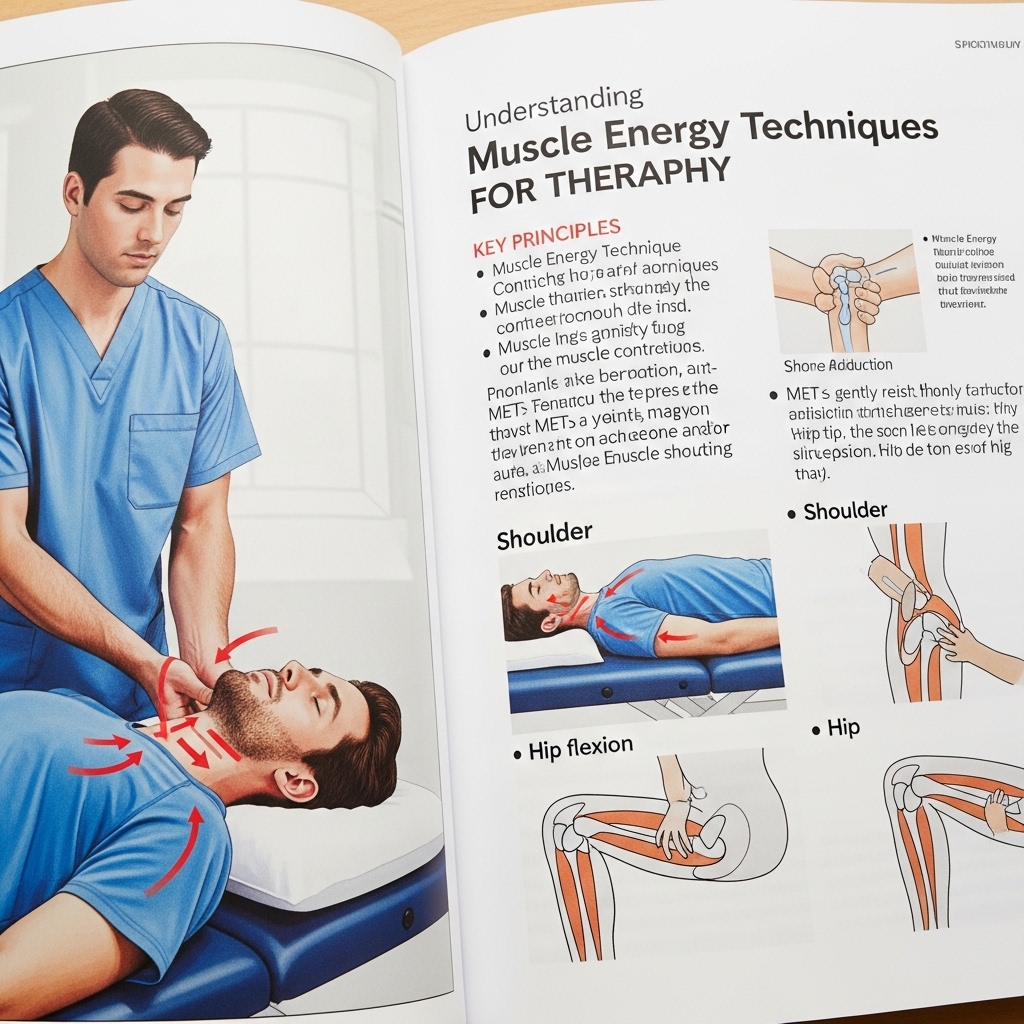
A muscle energy technique is a form of manual therapy that uses your own muscle contraction to create change. Instead of forcing a passive stretch, you gently contract specific muscle groups in a specific direction. This active technique helps treat somatic dysfunction with control and safety.
In osteopathic medicine, this approach is part of osteopathic manipulative treatment. Skilled physical therapists and osteopathic physicians often use muscle energy technique MET to restore range and reduce pain. The method focuses on careful positioning and guided effort.
You create a light isometric contraction against a resistance barrier, then the patient relaxes fully. As you soften, the practitioner moves you toward a new resistance barrier. This cycle helps lengthen shortened muscle fibers and reduce tone without strain.
How Muscle Energy Supports Your Musculoskeletal System
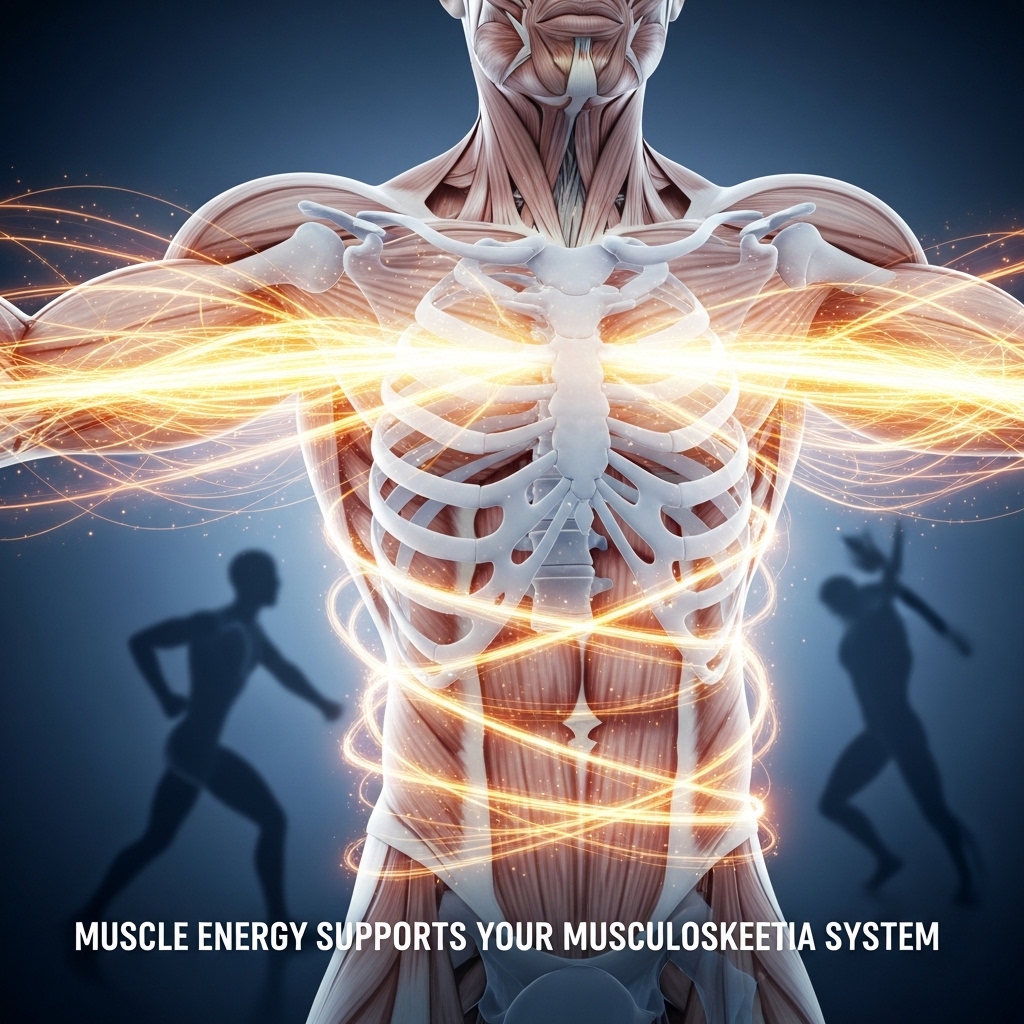
Your musculoskeletal system depends on balanced muscle groups working together. When one muscle becomes tight muscles or a shortened muscle, the opposite muscle must compensate. Over time, this pattern can lead to somatic dysfunction and chronic muscle pain.
A hypertonic muscle can pull on major joints and limit range of motion. This imbalance may affect musculoskeletal function and even change how you walk or stand. You might notice asymmetrical legs or stiffness in your spine.
Muscle energy restores balance by addressing one muscle at a time. You gently contract the agonist muscle while encouraging the antagonist muscle to relax through reciprocal inhibition. This process helps prevent future injury and supports steady, confident movement.
READ ALSO: Walking for Stress Relief
The Science Behind Gentle Muscle Contraction
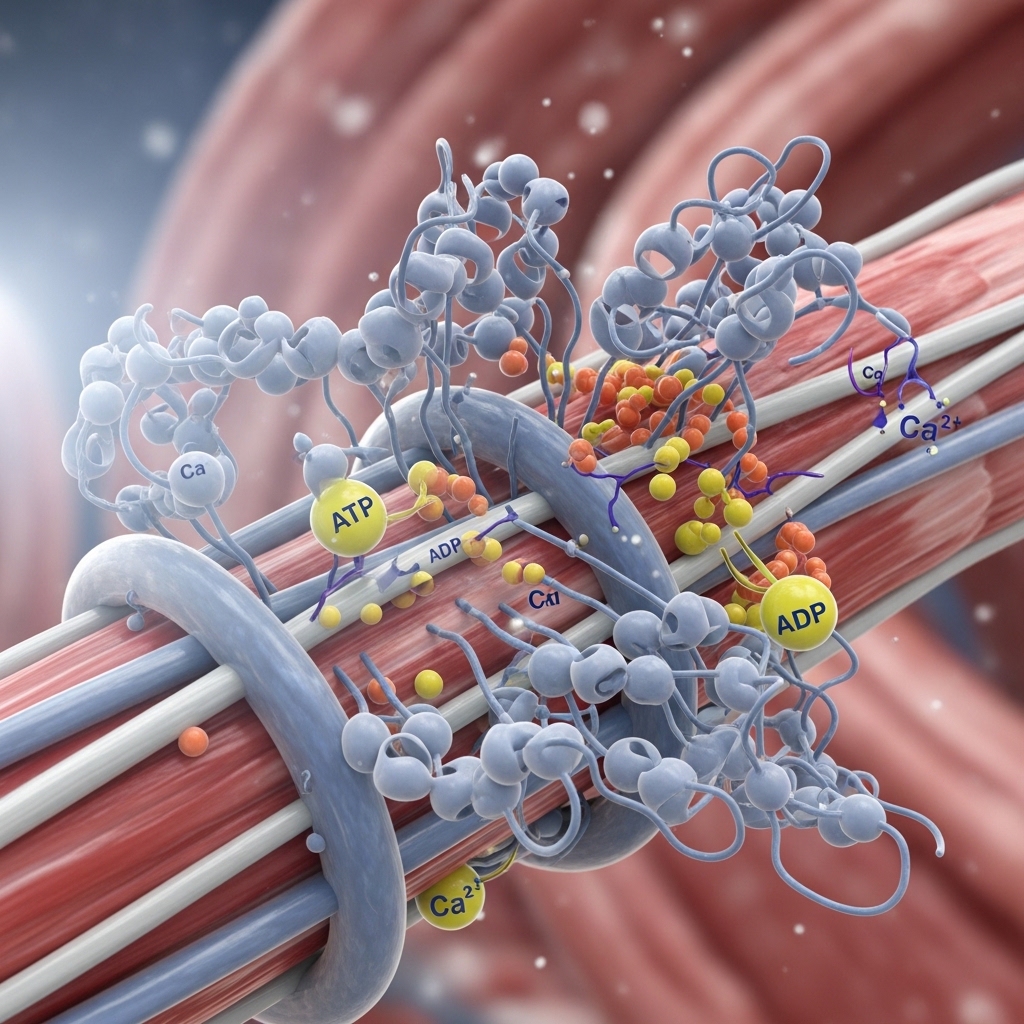
When you create an isometric contraction, your muscle fibers respond through the intrinsic reflex system. The muscle spindle senses stretch reflex activity and sends signals through the spinal cord. Nuclear bag fibers inside the spindle detect changes in muscle length.
At the same time, the Golgi tendon organ senses increased tension within the muscle tissue. It communicates with the extrinsic reflex system to reduce tone when needed. This response protects you from excessive muscle force.
Through post isometric relaxation, the same muscle can soften after effort. Reciprocal inhibition allows the opposite muscle to release as the agonist muscle contracts. Even the crossed extensor reflex and extensor reflex help maintain stability during this process.
Treating Chronic Muscle Pain with Intention

If you live with chronic muscle pain, you understand how it limits daily life. Muscle energy offers a thoughtful way to treat chronic muscle pain without aggressive stretching. You work with your body rather than pushing past pain.
During a treatment session, the practitioner identifies the restrictive barrier of a joint. You gently apply muscle force toward the resistance barrier. The effort stays light to avoid triggering a strong stretch reflex.
After you relax, the joint moves toward a new resistance barrier with less guarding. This steady rhythm can promote pain relief and reduce pain over time. You gradually restore range and improve comfort.
Releasing Muscle Tension and Spasm

Muscle tension often builds quietly in spastic muscles and deep muscle tissue. A muscle spasm may limit simple tasks like turning your head or bending forward. These patterns can feel frustrating and exhausting.
Muscle energy can relieve muscle spasm by guiding the body through controlled isometric contraction. You create effort in one muscle, then allow full relaxation. This approach supports post isometric relaxation and relaxing muscle groups safely.
As tension softens, the hypertonic muscle begins to lengthen shortened muscle fibers. Blood flow improves, and the area feels warmer. You notice greater ease and gentle pain relief with movement.
READ ALSO: 6 Deep Core Exercises Truths
Addressing Facet Joint Dysfunction and Joint Limits
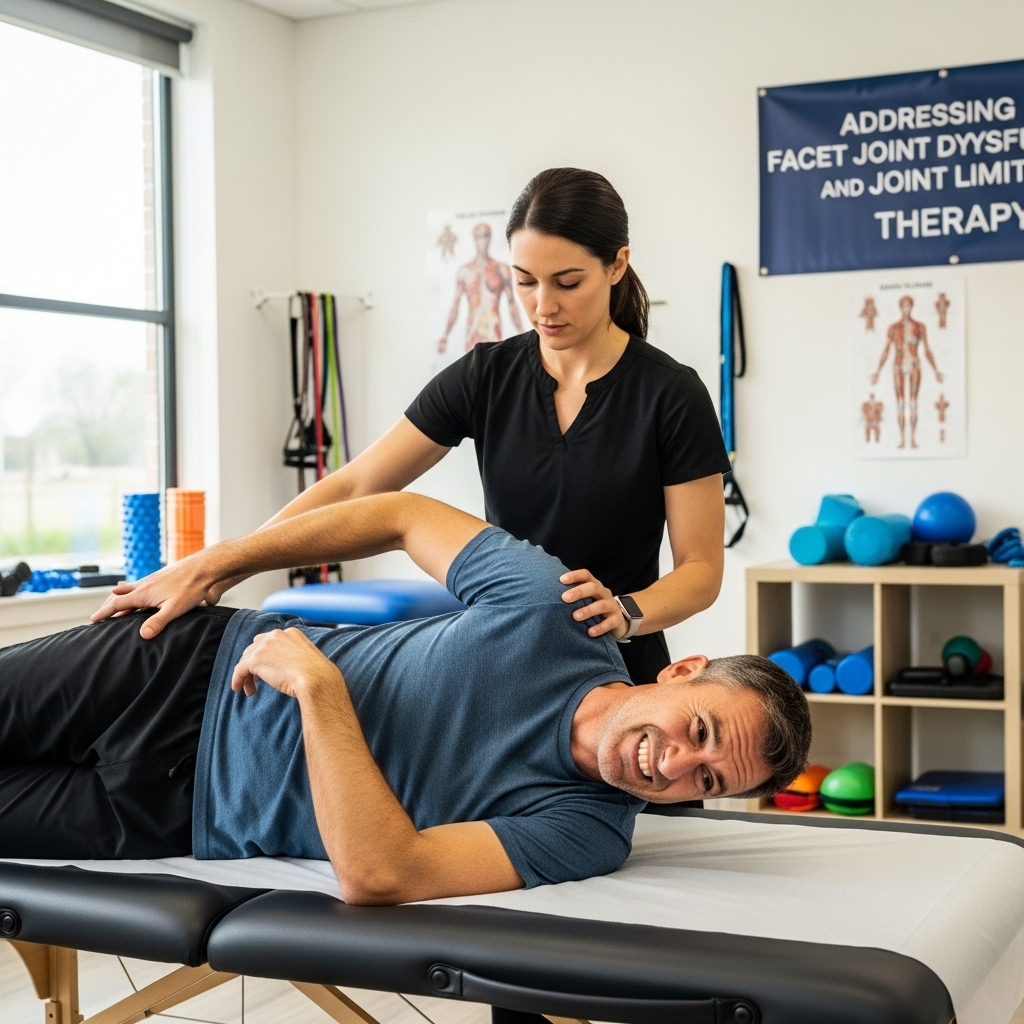
Facet joint dysfunction in the spine can restrict natural movement. You may feel stiffness in major joints or discomfort when twisting. These limits often relate to surrounding muscle tension.
Muscle energy works well with joint mobilization and mobilizing joints carefully. The practitioner places you in careful positioning at the first resistance barrier. You then contract one muscle in a specific direction.
When the patient relaxes, passive movement becomes easier and safer. The joint shifts toward a new resistance barrier with less resistance. Over time, you restore range and support healthy musculoskeletal function.
Improving Lymphatic and Hemodynamic Function
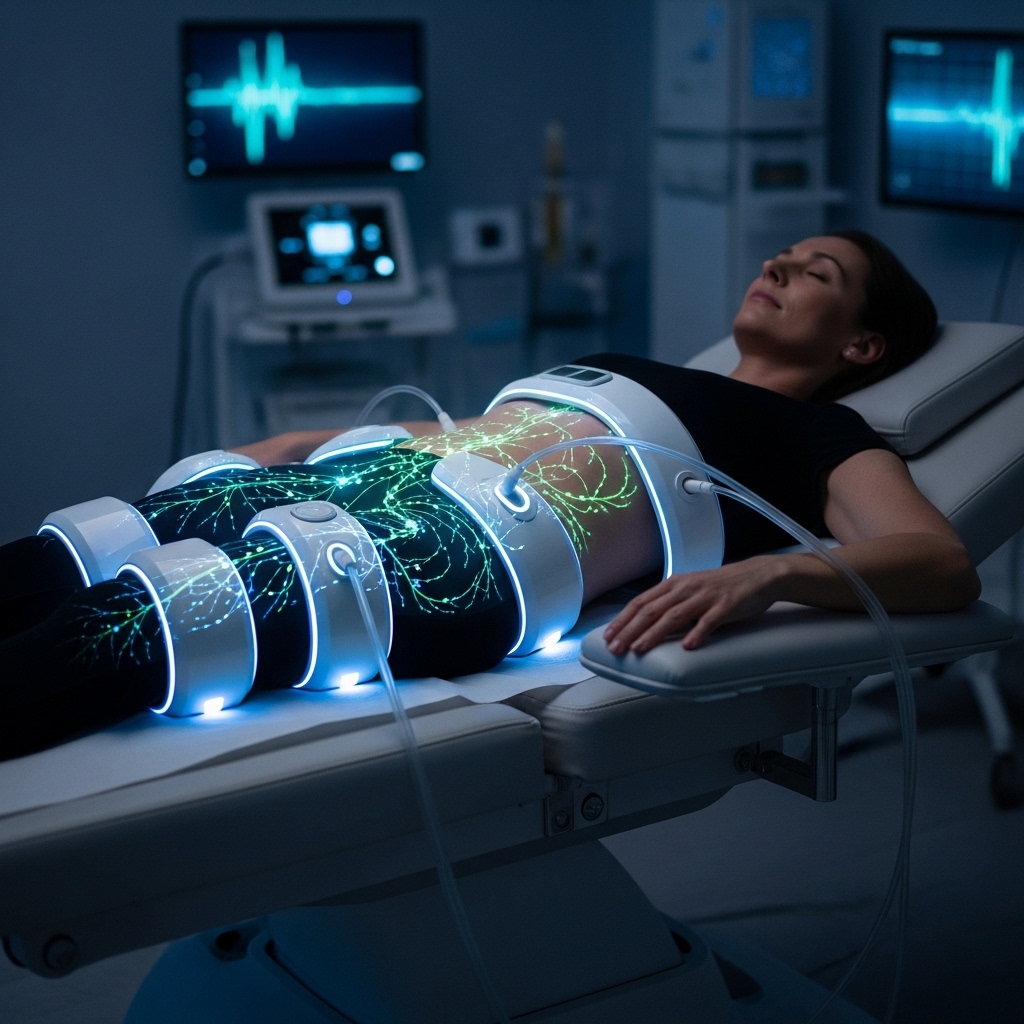
Gentle muscle contraction supports lymphatic flow throughout your body. Each contraction acts like a pump for lymphatic and hemodynamic function. This process nourishes muscle tissue and reduces stagnation.
Muscle energy encourages rhythmic activation of muscle groups without strain. Even small efforts in the same muscle can enhance hemodynamic function. Better circulation supports healing and reduces pain.
As fluids move more freely, swelling may decrease. You feel lighter and less restricted in your movements. This subtle shift supports long term pain relief and resilience.
The Role of Skilled Physical Therapists
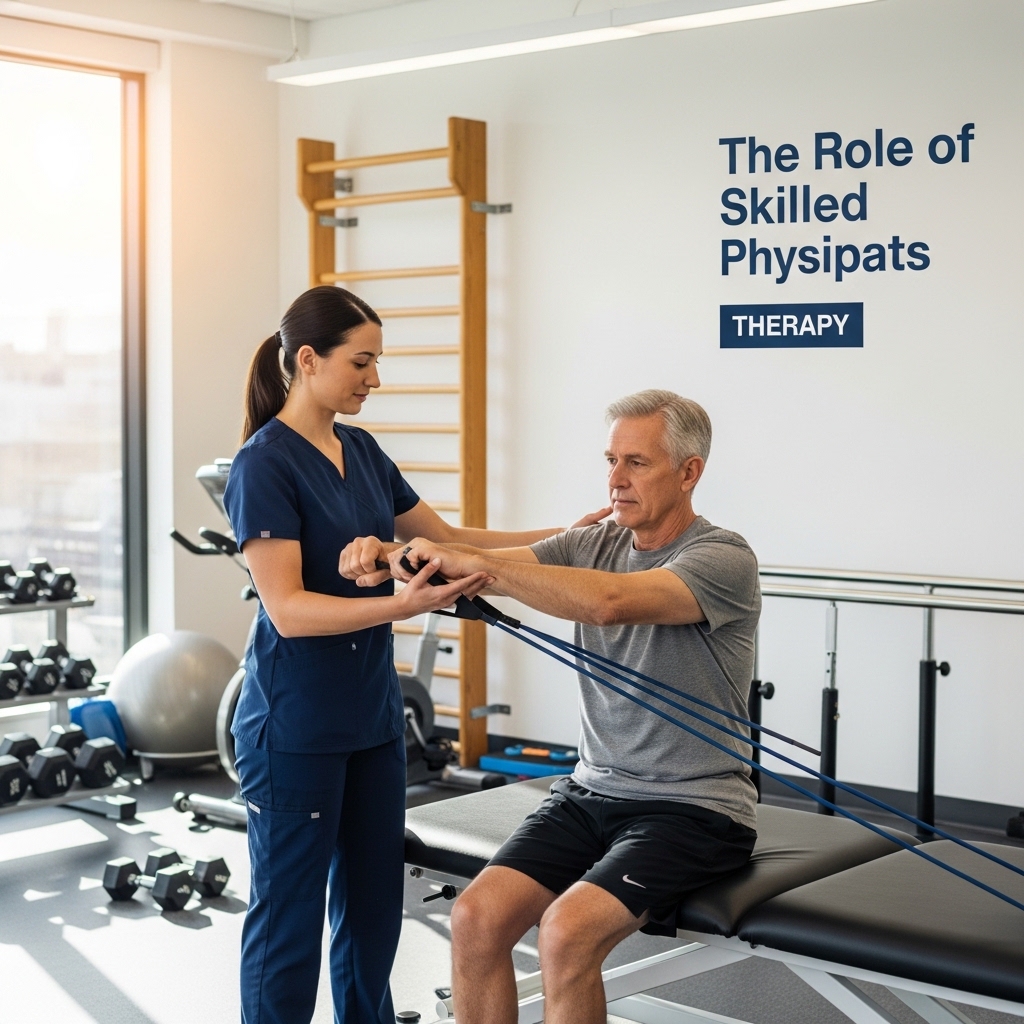
Skilled physical therapists understand how to apply muscle energy applied safely and effectively. They assess posture, asymmetrical legs, and patterns of somatic dysfunction. Their guidance ensures proper alignment and safe muscle force.
Physical therapists teach you how to contract the agonist muscle without excessive effort. They monitor increased tension and adjust pressure at the resistance barrier. This keeps the experience controlled and supportive.
In osteopathic medicine, osteopathic physicians may include respiratory assistance during a treatment session. Coordinated breathing enhances muscle energy and relaxation. You become an active partner in your healing process.
READ ALSO: DESKercise Simple Workout Routine
Comparing Muscle Energy to Passive Stretch
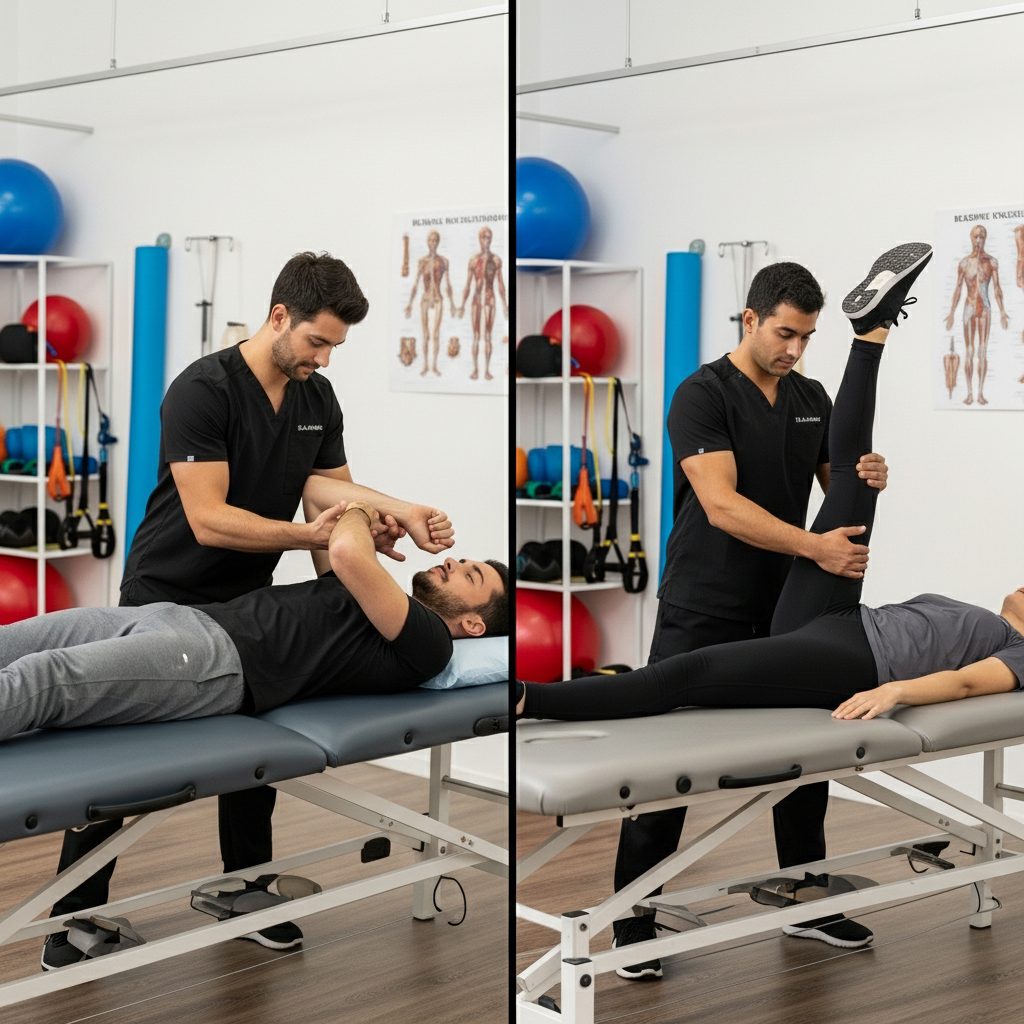
A passive stretch relies on outside force to move a joint beyond its comfort zone. Muscle energy is an active technique that uses your own muscle contraction instead. This difference protects the intrinsic reflex system.
When stretching is too forceful, the stretch reflex may cause reflexive contraction. Muscle energy avoids this reaction by using controlled isometric contraction. The body feels safe and cooperative.
You meet the restrictive barrier gently, then relax and lengthen shortened muscle fibers. This process reduces muscle tension and supports reciprocal inhibition naturally. It becomes a powerful preventative measure for future injury.
What a Treatment Session Feels Like

During a treatment session, you are placed in careful positioning that supports comfort and stability. The practitioner guides you to the first resistance barrier. You remain aware and engaged.
You contract one muscle in a specific direction using mild muscle force. The effort usually lasts several seconds and never feels overwhelming. Then the patient relaxes completely.
As you soften, the practitioner moves you toward the new resistance barrier. This cycle may repeat to reduce tone and improve range of motion. You often leave feeling balanced and calm.
Evidence and Ongoing Research
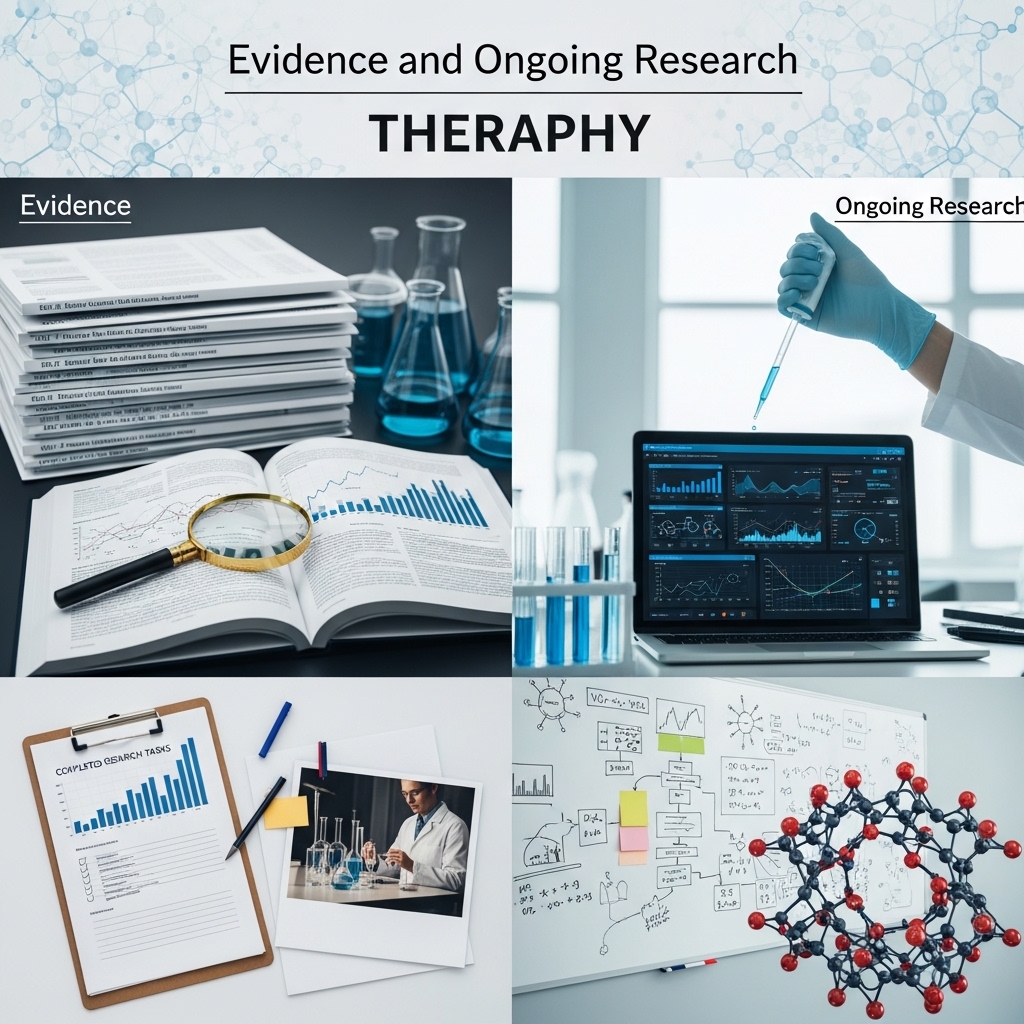
Research continues to examine muscle energy technique met and its clinical benefits. A randomized controlled trial has shown improvements in range of motion and reduced pain. These findings support its role in modern manual therapy.
Studies often compare muscle energy with passive movement and joint mobilization techniques. Many participants report meaningful pain relief and better musculoskeletal function. Results suggest it can treat somatic dysfunction effectively.
While research grows, practical experience remains valuable. Skilled physical therapists observe consistent improvements in chronic muscle pain and mobility. Science and hands on care work together here.
Integrating Muscle Energy into Daily Life
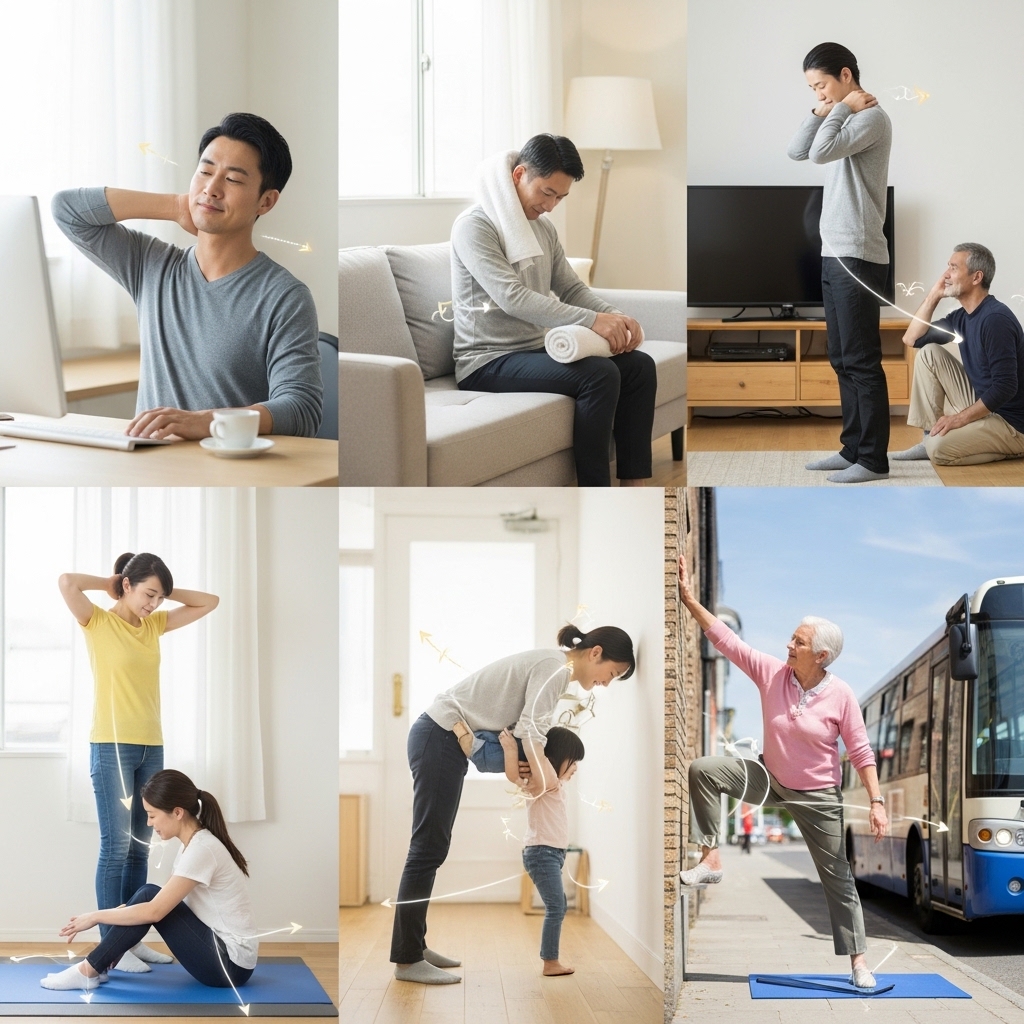
You can apply the principles of muscle energy beyond the clinic. When you notice tight muscles, pause before forcing a deep passive stretch. Consider a gentle isometric contraction instead.
Engage one muscle lightly, then allow full relaxation to lengthen shortened muscle fibers. Feel how the agonist muscle and antagonist muscle coordinate through reciprocal inhibition. This awareness supports healthy muscle length.
With steady practice, you protect your musculoskeletal system and major joints. You reduce muscle tension, support lymphatic flow, and prevent future injury. Step by step, you build strength, balance, and lasting pain relief.