The art of mindful living is not a distant practice reserved for monks on mountaintops. It is something you can touch right now, in this very moment. Mindful living invites you to show up fully for your own life. It asks you to breathe, to notice, and to choose presence over autopilot. You deserve that kind of peace, and it is closer than you think.
Throughout this guide, you will walk alongside the timeless wisdom of Thich Nhat Hanh, one of the world's most beloved zen master teachers. His voice is calm and his words are clear. He has spent decades showing ordinary people how to bring love and mindful awareness into every corner of their lives. You are about to discover why so many people call his practical teachings life-changing.
What Is the Art of Mindful Living?
When you hear the phrase art of mindful living, think of it as a gentle skill you practice every day. It is not about being perfect or sitting still for hours. It is about learning to notice what is happening inside and around you without rushing away from it. The art of mindful living teaches you that every ordinary moment holds something worth paying attention to.
Mindfulness is the thread that holds it all together. It is a way of being awake in your own life. When you wash dishes, you wash dishes. When you walk, you feel your feet on the ground. This simple shift is at the heart of what Thich Nhat Hanh offers you. And once you feel it, you will not want to go back to sleepwalking through your days.
Think of mindful awareness as your inner compass. It keeps you grounded when life gets loud. It reminds you to pause before reacting. It helps you find inner peace not by escaping your life, but by fully living it. That is the quiet power of this practice.
Who Is Thich Nhat Hanh and Why His Voice Matters
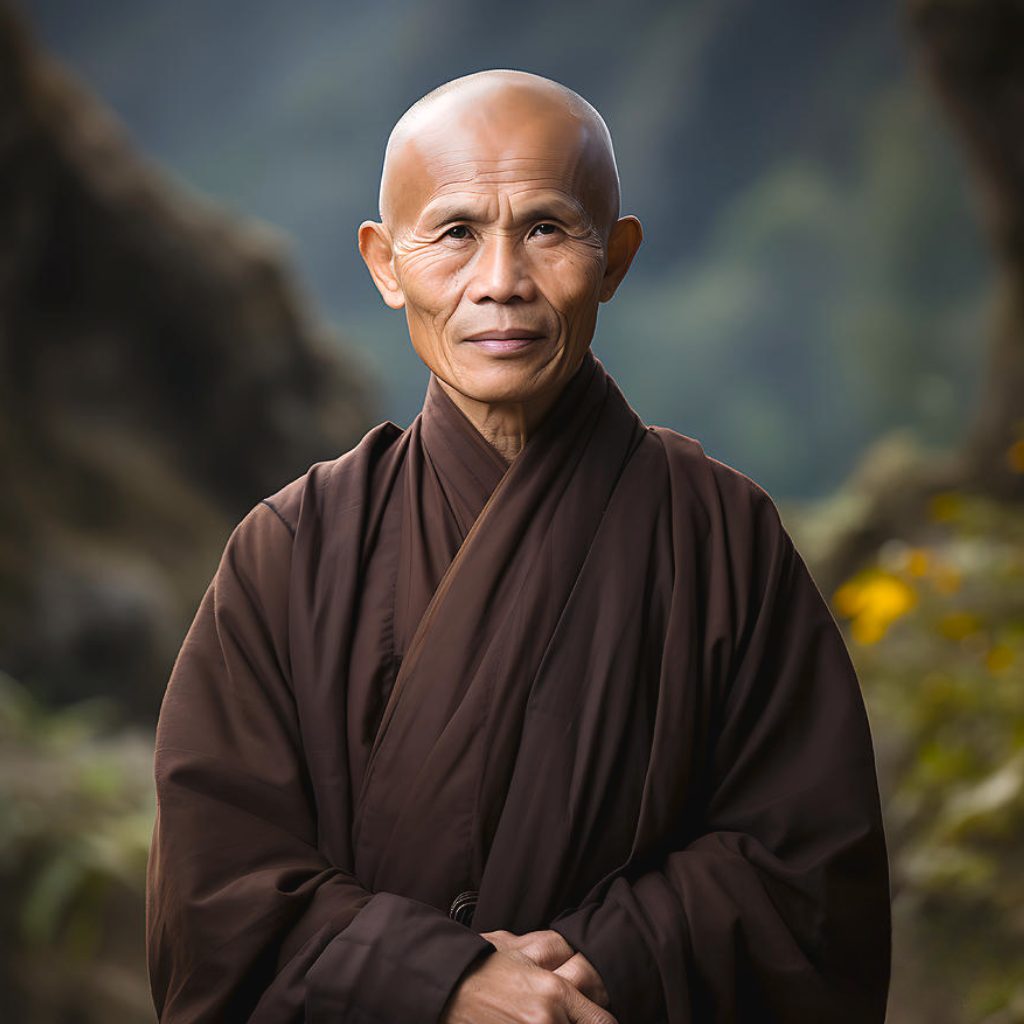
Thich Nhat Hanh was born in Vietnam and became a monk at the age of sixteen. He studied at Van Hanh Buddhist University, where he deepened his understanding of both ancient wisdom and modern thought. Later, he taught at Columbia University, bringing Eastern mindfulness to Western academic circles. His reach was extraordinary.
As a peace activist during the Vietnam War, he called for compassion across both sides of the conflict. His work caught the attention of Martin Luther King Jr., who nominated him for the Nobel Peace Prize. Author Thich Nhat Hanh went on to write dozens of books, including the national bestseller Living Buddha, Living Christ. That book alone has touched millions of hearts around the world.
Master Thich Nhat Hanh founded Plum Village in southern France as a retreat center and living community. It became a place where people from all backgrounds could come and learn to breathe again. His life is a living example that peace is possible, even in the middle of great pain and uncertainty.
Thich Nhat Hanh's Teachings: A Treasure Worth Exploring
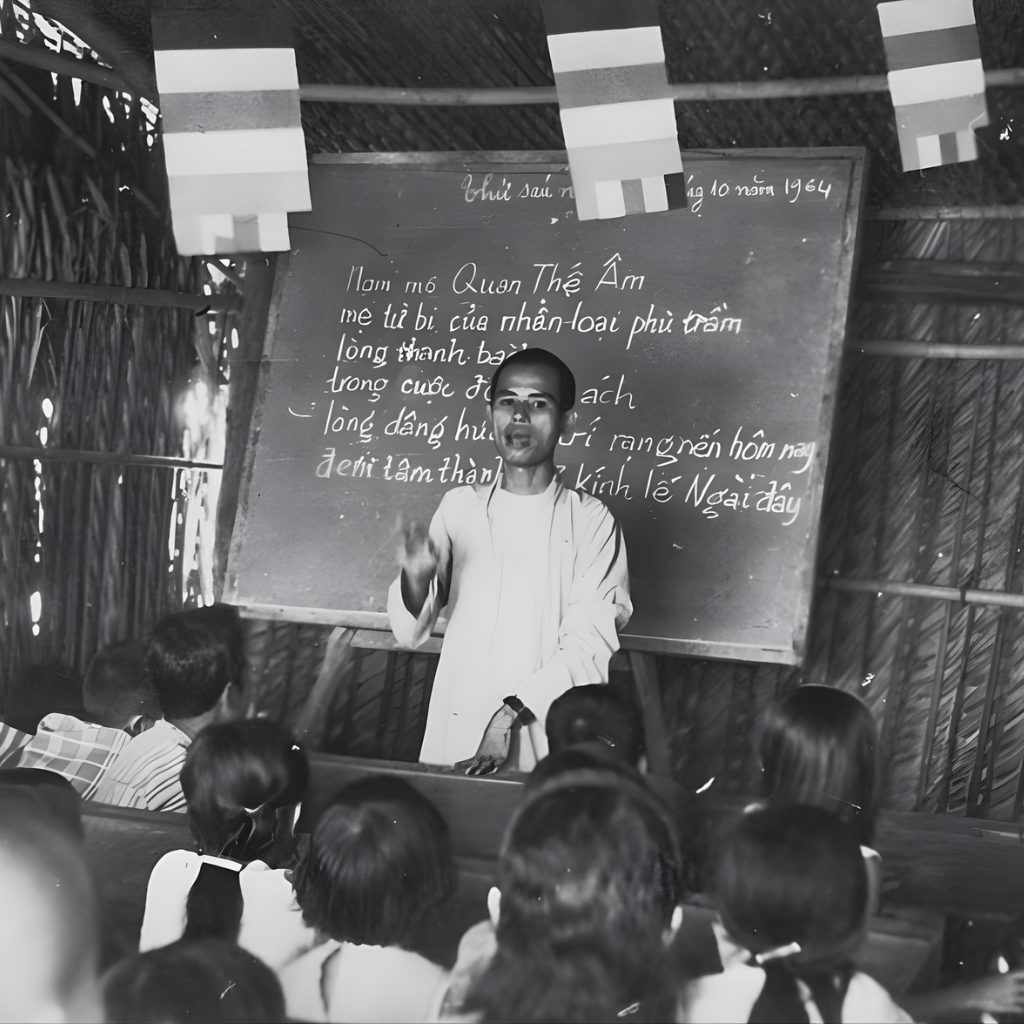
Thich Nhat Hanh's teachings are not complicated. That is exactly what makes them so powerful. He speaks to you the way a kind friend would. He does not pile on complex theory. Instead, he gives you practical steps you can use today, in your daily life, at any moment.
What Hanh offers his practical wisdom through is refreshingly accessible. He weaves stories, poems, and guided exercises into his work. He offers his practical teachings span decades of insight but stay rooted in simplicity. You do not need a philosophy degree to benefit from them. You just need a willingness to try.
Zen meditation master Thich Nhat Hanh has created an abundant treasure of wisdom for anyone willing to look. His words carry the warmth of someone who has walked the path himself through hardship, exile, and deep loss. He knows what it means to need peace, and he knows how to help you find it.
The Power of Mindful Breathing in Everyday Life
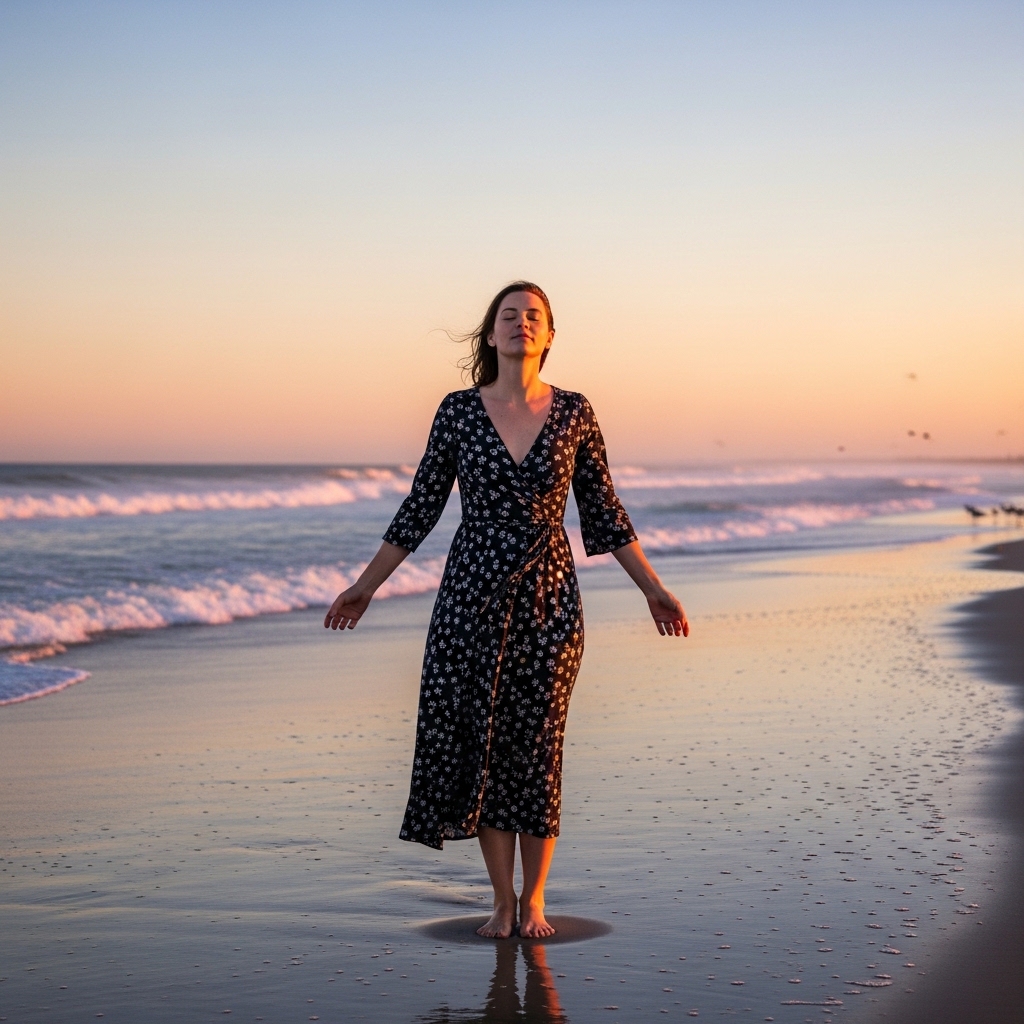
You have been breathing your whole life without thinking about it. Now imagine what happens when you actually pay attention. Mindful breathing is the starting point for nearly everything in the art of mindful living. It is free, always available, and surprisingly transformative.
Meditation master Thich Nhat Hanh teaches a simple rhythm. You follow the in breath as it enters your body. You follow the out breath as it leaves. That is it. No performance, no pressure. Just this breath, and then the next. This is where mindful awareness is born.
Over time, the breathing techniques he shares become like a trusted anchor. When your thoughts race, you return to your breath. When your emotions spike, your breath steadies you. These breathing techniques to deal with difficult moments are among the most valuable tools you will ever have. And they live inside you, ready whenever you need them.
READ ALSO: Pause & Breathe: Your Daily Mindfulness Practice
Traditional Gathas: Small Words With Big Impact
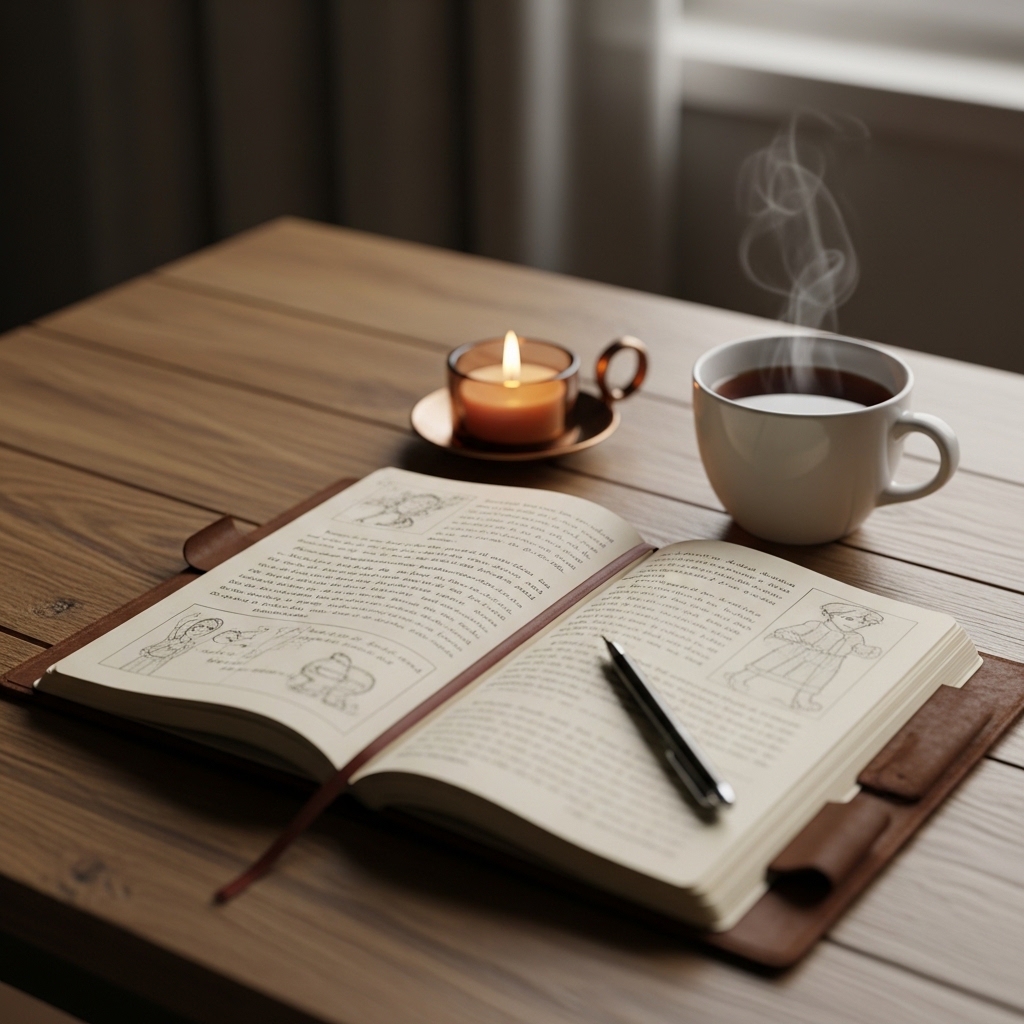
One of the most charming parts of Thich Nhat Hanh's teachings is his use of traditional gathas. These are short, poetic verses meant to be recited during everyday activities. You might say one while waking up, while washing your hands, or while eating a meal. They serve as gentle reminders to stay present and fully present in what you are doing.
The traditional teachings behind gathas come from ancient Buddhist practice. But zen meditation master Thich Nhat Hanh made them accessible for modern life. He translated them into English and adapted them so that you can use them in your kitchen, your office, or on your commute. They fit into real life beautifully.
Using traditional gathas helps you slow down without stopping. They are a bridge between your busy mind and the quiet awareness underneath it. If you try just one gatha this week, you may be surprised at how much it shifts your sense of calm. This is the quiet gift of Vietnamese tradition brought forward for today's seekers.
Plum Village: A Living Example of Mindful Community
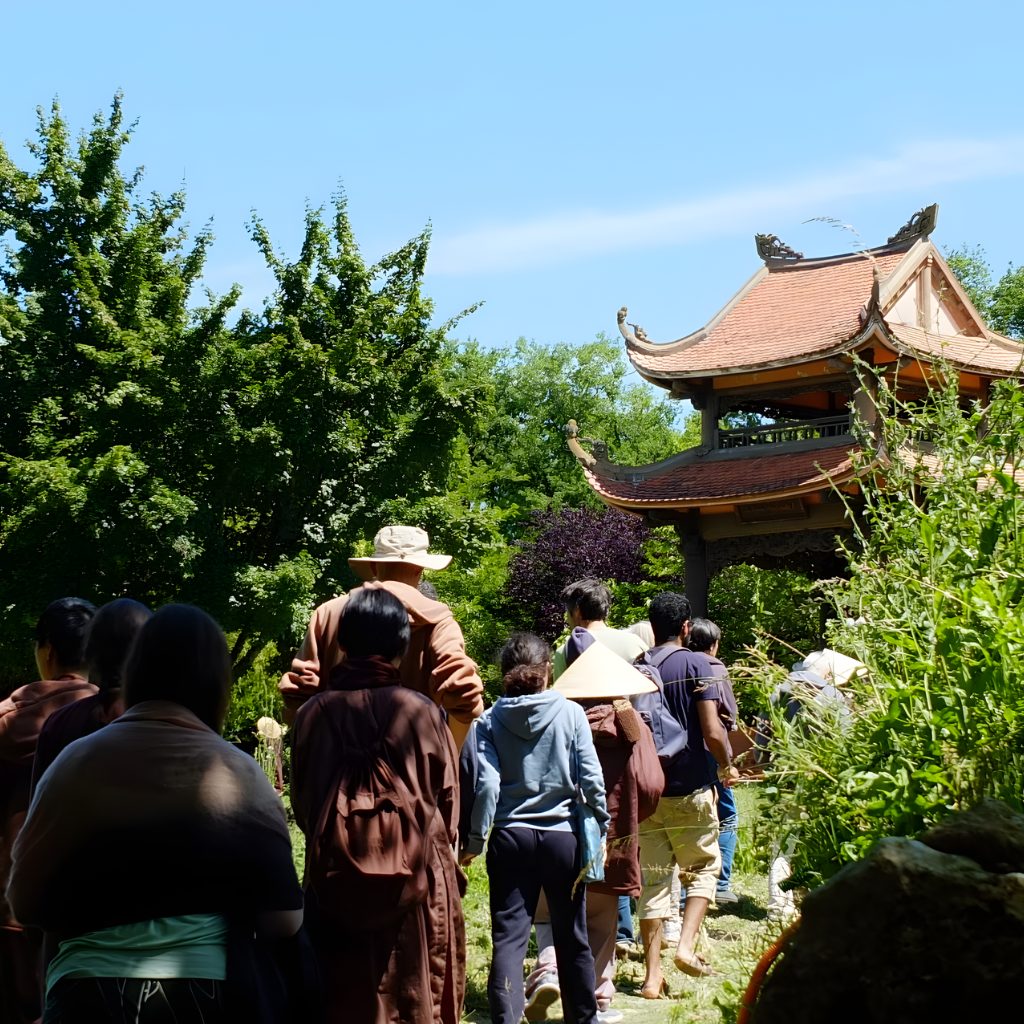
Plum Village is more than a retreat center. It is a breathing example of what a mindful community looks like. Founded by Thich Nhat Hanh in France, it welcomes thousands of visitors each year. People arrive feeling overwhelmed and leave feeling restored. That kind of transformation is real, and it happens through very simple practices.
Many of the courses at Plum Village have clear course objectives. They aim to help you develop a steady meditation practice, learn mindful breathing, and apply awareness to your everyday life. The environment itself supports you. The rhythm of the community, the silence, the meals eaten slowly. All of it teaches you without a single lecture.
Even if you never visit in person, you can still access the spirit of Plum Village through the resources zen meditation master Thich Nhat Hanh has made available. Video footage of Thich Nhat Hanh walking, speaking, and leading meditation is widely available. These moments on screen carry a quiet power that crosses all distance.
Teachings That Unify Meditation Practice and Daily Life

Many people think meditation practice must happen on a cushion, in silence, at a set time. Thich Nhat Hanh gently disagrees. His teachings that unify meditation and daily life show you that every moment is a chance to practice. Walking to your car is a meditation. Eating lunch is a meditation. Even washing dishes becomes a sacred act when done with full attention.
The goal is to unify meditation practice with the texture of real living. You do not escape your life to find peace. You find peace inside your life by being more awake in it. This is what makes master Thich Nhat Hanh different from many teachers. He meets you where you already are and says, “This is enough. This moment is enough.”
When you practice with the challenges of your actual day, something shifts. You become less reactive. You begin to respond from a place of inner peace instead of fear or habit. The mindfulness you build in small moments becomes a steady foundation for your whole life.
READ ALSO: Mindfulness Practices for Mental Well-Being You Need
Handling Pain, Anger, and Maintaining Strength With Grace

Nobody talks about the art of mindful living without eventually talking about pain. Life brings it. Loss, disappointment, conflict, grief. The question is not whether you will face hard things. The question is how you will meet them. Described by Thich Nhat Hanh, the practice is not about pushing pain away but turning toward it with compassion.
Nhat Hanh about mindfulness and difficult emotions is clear: breathe with your pain rather than running from it. His guidance on pain anger and maintaining strength is gentle but honest. He teaches you that anger is not your enemy. It is a signal asking for your attention. When you breathe with it and hold it kindly, it often softens on its own.
Maintaining strength through hard times is one of the greatest gifts mindful living offers. It does not make your problems disappear. But it gives you a steady, rooted place to stand while you face them. That kind of inner resilience is something you build slowly, one mindful breath at a time.
How to Bring Love and Mindful Awareness Into Your Relationships

One of the most practical parts of Thich Nhat Hanh's teachings is how they apply to your relationships. Bring love and mindful awareness into how you listen, and your conversations will change completely. When you are truly present with someone, they feel it. That kind of attention is one of the most generous gifts you can offer.
Love and mindful awareness together create a kind of attention that heals. You stop half-listening while scrolling your phone. You stop rehearsing what you will say next while the other person is still speaking. Instead, you actually hear them. You see them. And that simple act of being seen can transform how people feel around you.
Hanh's teachings can help you reconnect even with relationships that feel distant or strained. When you show up with mindful awareness, you bring a quality of presence that softens walls and invites honesty. Bring love into the ordinary moments, the shared meals, the quiet evenings, the small kindnesses. That is where real connection lives.
The Role of Vietnamese Tradition and Cultural Richness
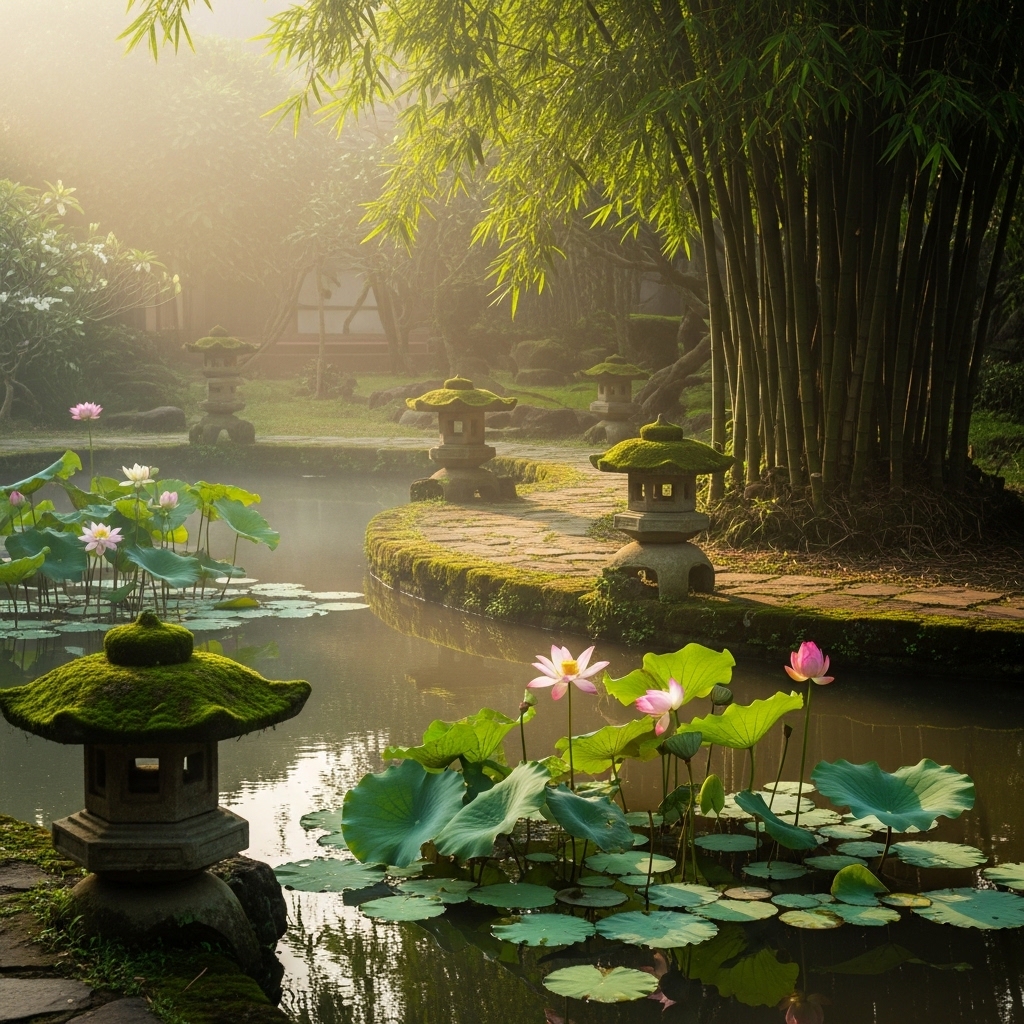
The art of mindful living as taught by Thich Nhat Hanh carries the heart of Vietnamese tradition. It is rooted in centuries of Buddhist culture, art, and community practice. This is not a watered-down version of mindfulness. It is the real thing, rich with depth and beauty that comes from a living tradition passed down through generations.
Vietnamese music from Plum Village is one of the ways this tradition breathes in modern teaching. The songs carry a meditative quality that slows your heart rate and opens your chest. Features include Vietnamese music that is soothing, ceremonial, and deeply human. Listening to it, even through a screen, can feel like a gentle homecoming.
Traditional teachings from this lineage remind you that mindfulness is not a wellness trend. It is a time-tested way of living that has helped people navigate war, displacement, grief, and transformation. When you practice, you are joining a long, quiet river of people who chose presence over panic. That companionship matters.
READ ALSO: Partner Yoga Workout – Whole Living Yoga + Mindful Movement
Applying the Aforementioned Techniques in Today's World

You live in a fast world full of noise and demands. The good news is that the aforementioned techniques do not require you to slow the world down. They simply invite you to be steady within it. You can practice mindful breathing before a hard meeting. You can use a traditional gatha before opening your phone each morning. You can take three conscious breaths before responding to a difficult message.
In today's world, you may not need real player programs or specialized software to access great teachings. A good internet connection opens a world of enhanced content, guided meditations, and text interview discussions with teachers like Thich Nhat Hanh. The resources are abundant, and your access to them grows every year.
The abundant treasure of traditional wisdom that master Thich Nhat Hanh has offered the world is now more reachable than ever. You do not need to travel to France or sit for a ten-day silent retreat to begin. You simply need a few quiet minutes, a willingness to breathe, and the gentle intention to be present. That is your future note to yourself: begin today, right where you are.
A Simple Daily Practice You Can Start Right Now

You do not need to overhaul your life to begin the art of mindful living. Small, consistent steps build real change over time. Here is a gentle routine inspired by the practical teachings of Thich Nhat Hanh that you can weave into your daily life starting today.
- Begin each morning with three slow, conscious breaths before you check your phone. Follow your in breath and out breath with full attention.
- Choose one traditional gatha to recite during a routine task, like brushing your teeth or making coffee.
- Set a soft alarm two or three times during your day. When it rings, pause and take one mindful breath. Just one.
- Before sleeping, bring to mind one moment from your day where you felt genuinely present. Let yourself appreciate that present moment.
- Once a week, spend ten minutes watching or listening to a short teaching from Plum Village video footage. Let it settle in you without rushing away.
These steps are not complicated. But over days and weeks, they build a life that feels more intentional, more grounded, and more yours. That is what the art of mindful living actually looks like in practice. It is not grand. It is small, steady, and deeply kind.
What Mindful Living Offers You Going Forward
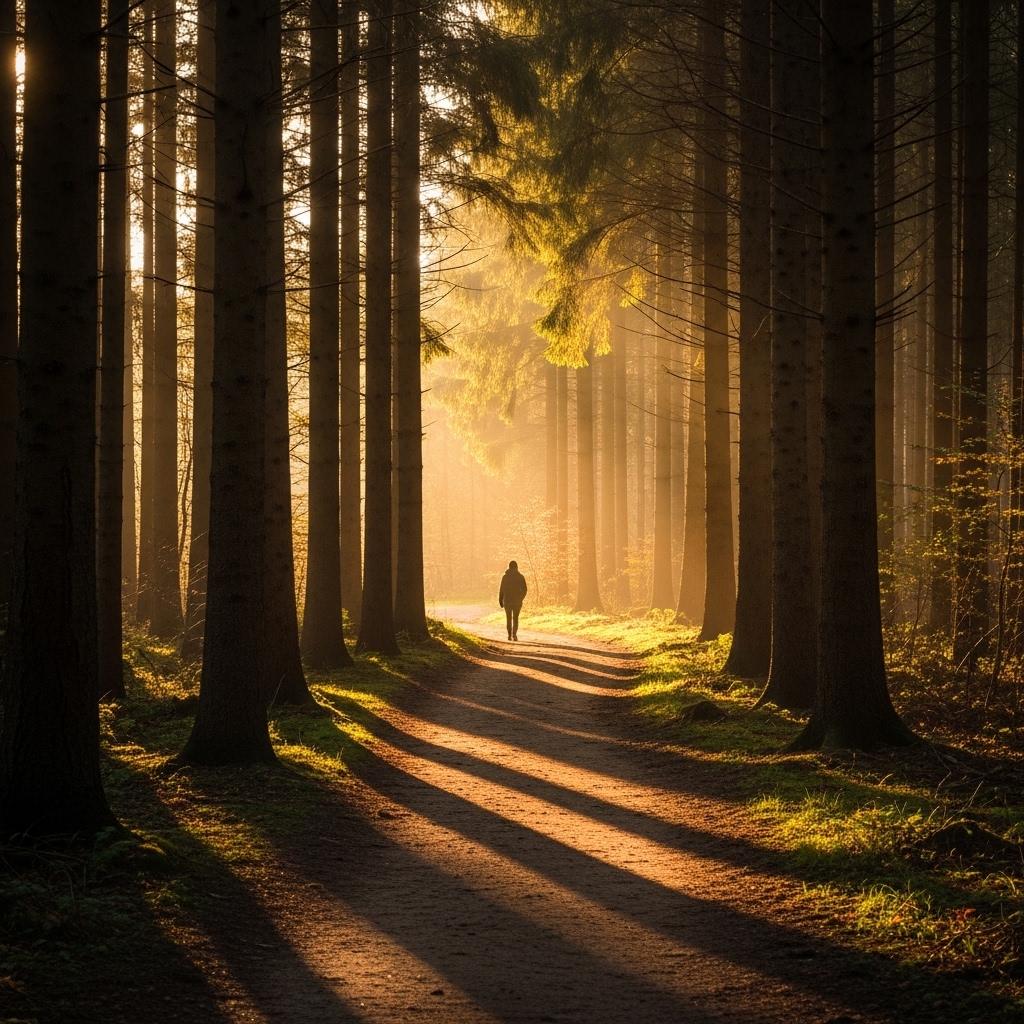
As you move forward, remember that mindful living is not a destination. It is a way of traveling. Some days you will feel centered and clear. Other days the noise will win for a while. Both are part of the journey, and both are okay. What matters is that you keep returning, keep breathing, and keep choosing presence over distraction.
Thich Nhat Hanh offers you something rare in a world that celebrates constant productivity: permission to simply be. His life's work is a reminder that peace is not something you earn after finishing your to-do list. It is something you can access right now, in the middle of your ordinary, beautiful, complicated life.
The art of mindful living is your art. You shape it with every breath you take with intention, every moment you choose mindful awareness over reaction, every time you bring love into a simple act. You are not just learning a skill. You are becoming someone who lives with more grace, more depth, and more inner peace. And that is one of the most beautiful things a person can do.