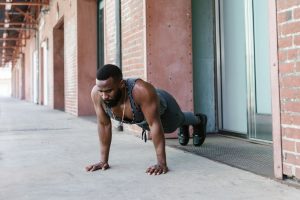
Are you looking to build a stronger core and embrace a sense of calmness? An effective abdominal workout not only helps you strengthen your core muscles but also contributes to better overall fitness and mental clarity. When you focus on the right core exercises, your abdominal muscles can become more defined, your posture will improve, and you’ll feel empowered. Many routines recommended by a fitness director or fitness professional can help ensure you are performing exercises safely and effectively. With the right combination of ab workouts, you can develop a balanced routine that leaves you feeling stronger in both body and mind.
This article is your guide to abdominal workouts, highlighting the importance of consistency, proper form, and understanding how each exercise supports your goals. Whether you are just starting your fitness journey or you are an experienced fitness enthusiast, this guide will help you focus on building that vital core strength without the overwhelm. Ab workouts can easily be done at home or in a gym, and you don't have to invest hours each week to see strength gains.
1. Understanding Core Strength
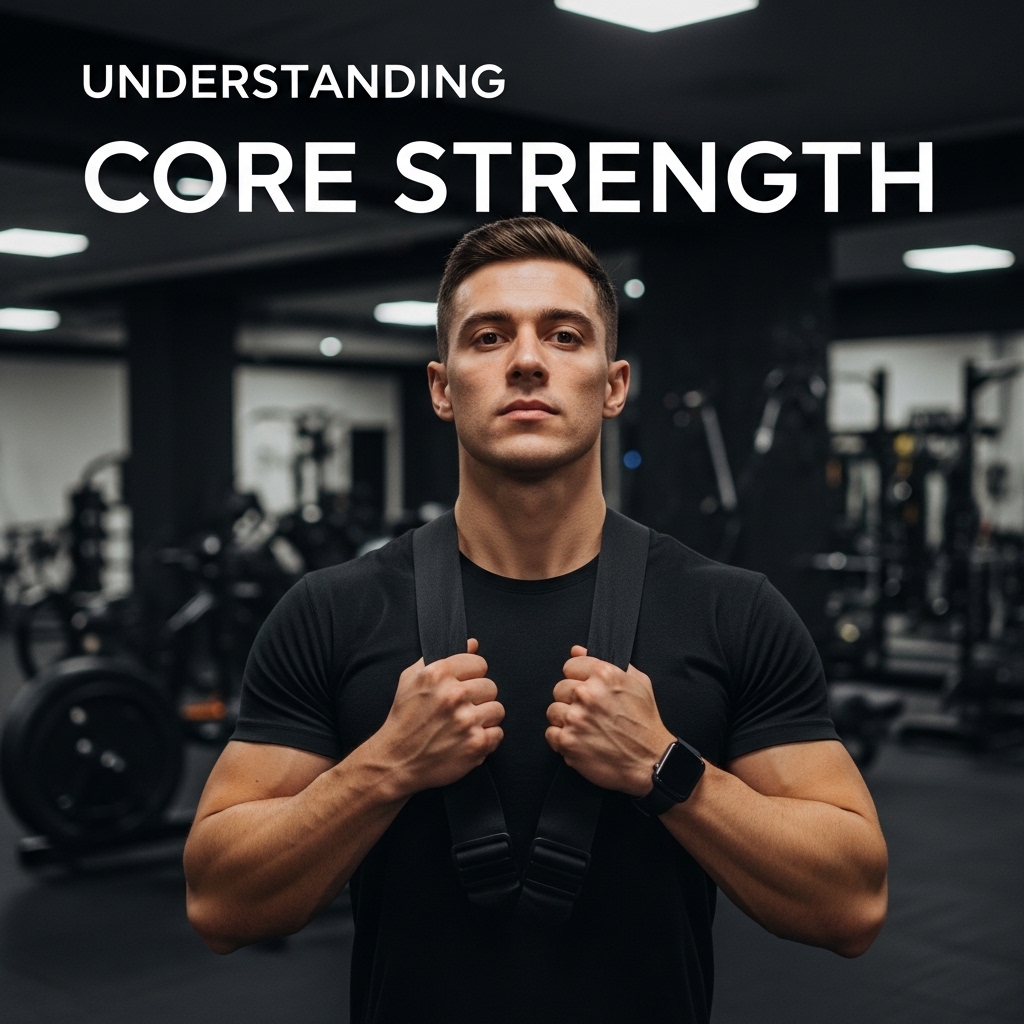
Your core muscles are the foundation of every movement you make. By working on your abdominal muscles, you are engaging multiple muscle groups, including your core muscles, hip flexors, and lower back. These muscles play a significant role in stabilizing your body and supporting functional movements, making core exercises incredibly important. A strong core can improve your balance, posture, and performance in both everyday tasks and more intense workouts. The key is to keep your core tight while focusing on proper form. Engaging other muscles, such as those surrounding the rib cage, is essential for effective abdominal training and overall muscle development.
You can start with basic ab exercises like crunches and planks, gradually moving to more advanced movements like weighted core exercises and the side plank. Engaging your core properly ensures that your abdominal muscles work in harmony, strengthening your entire body and reducing the risk of injury. The rib cage plays a crucial role in core stability and proper movement during exercises, helping to improve posture and prevent injuries.
2. The Importance of Proper Form
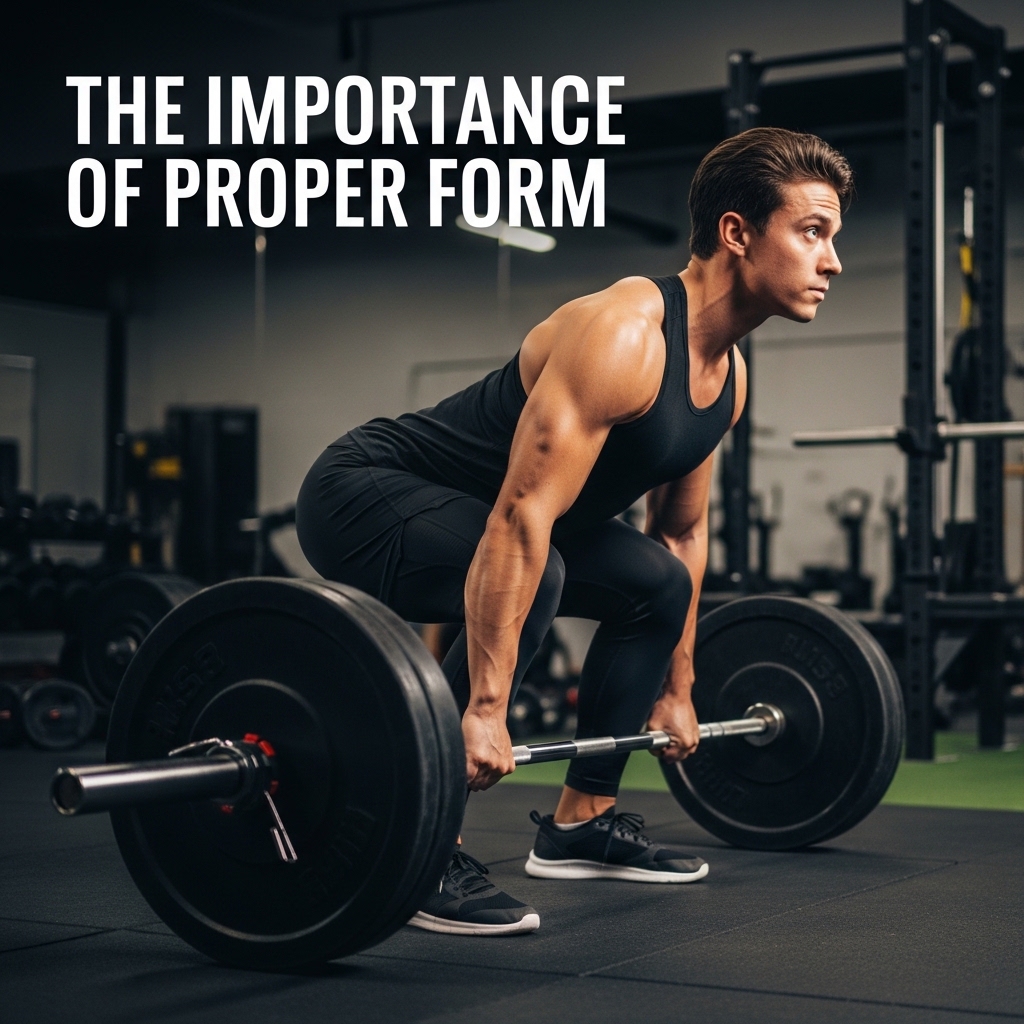
Many people rush through ab exercises, hoping to see quick results. However, form is crucial to reaping the full benefits of each movement. Whether you’re doing sit-ups, crunches, or medicine ball throws, focusing on your body’s alignment is essential. For the starting position, start by lying on your back with your knees bent in a slight bend, feet flat on the floor, and your arms straight or placed behind your head. Pull your belly button down toward your spine to engage your core and prevent your lower back from arching. As you perform each movement, be mindful of your core tight, keeping your back neutral to avoid straining your spine.
When doing exercises like Russian twists or cable crunches, ensure that your shoulder blades lift off the floor only a few inches to avoid putting unnecessary pressure on your neck. Keep your chest open during these movements to promote proper alignment and breathing. For each repetition, slowly lift your body or limbs and then slowly lower them back to the starting position with control. This attention to detail will not only maximize your results but also help you avoid injury over time.
3. Core Exercises to Get You Started
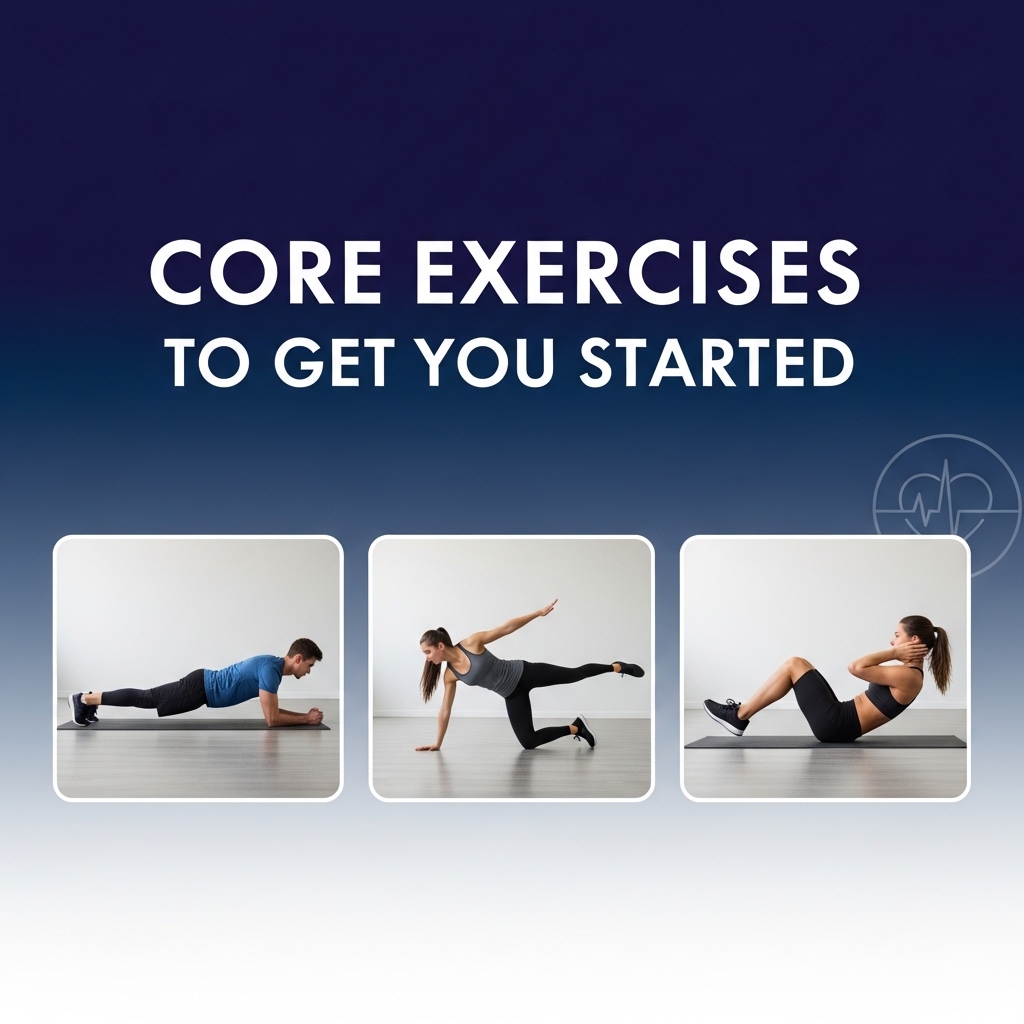
One of the best ways to start strengthening your core is by incorporating a variety of ab workouts into your routine. To maximize results, focus on selecting the best core exercises that engage multiple core muscles from different angles, which helps develop a strong, stable, and functional core. Begin with simpler movements such as the basic plank, which helps to target your core muscles and improve your balance. From there, you can progress to more challenging exercises like the bird dog and side plank.
For beginners, it’s important to start with basic moves like sit-ups with knees bent or simple crunches. Over time, you can incorporate more advanced ab exercises like the hollow body position or the cable machine, progressively overloading your muscles for continued strength gains. When performing Russian twists, start from a seated position to maintain balance and stability during the rotational movement. Russian twists primarily target the obliques while also engaging the rectus abdominis and transverse abdominis. Performing 3 to 5 core exercises for 10-15 reps each is a good benchmark for an effective ab workout.
4. Targeting Your Lower Abdominals

While many ab exercises target your upper body, the lower abdominals are often neglected. To engage these muscles, consider performing movements such as leg raises or reverse crunches. Start by lying on your back with your legs extended and slowly lifting your legs toward the ceiling, keeping your core tight. Leg raises help increase strength and muscular control throughout the core, emphasizing the rectus abdominis. Leg raises can be performed flat on the floor, on an incline bench, or hanging from a bar, depending on strength and experience. You can make this exercise even more challenging by adding a medicine ball between your feet or increasing the range of motion.
Another great option is the cable crunch, which focuses on strengthening the rectus abdominis while also engaging the obliques and deeper core stabilizers. This exercise also engages your ab muscles while improving posture and strengthening the hip flexors. Keep your knees slightly bent during these exercises to maintain proper alignment and avoid strain on your back.
5. The Power of the Plank
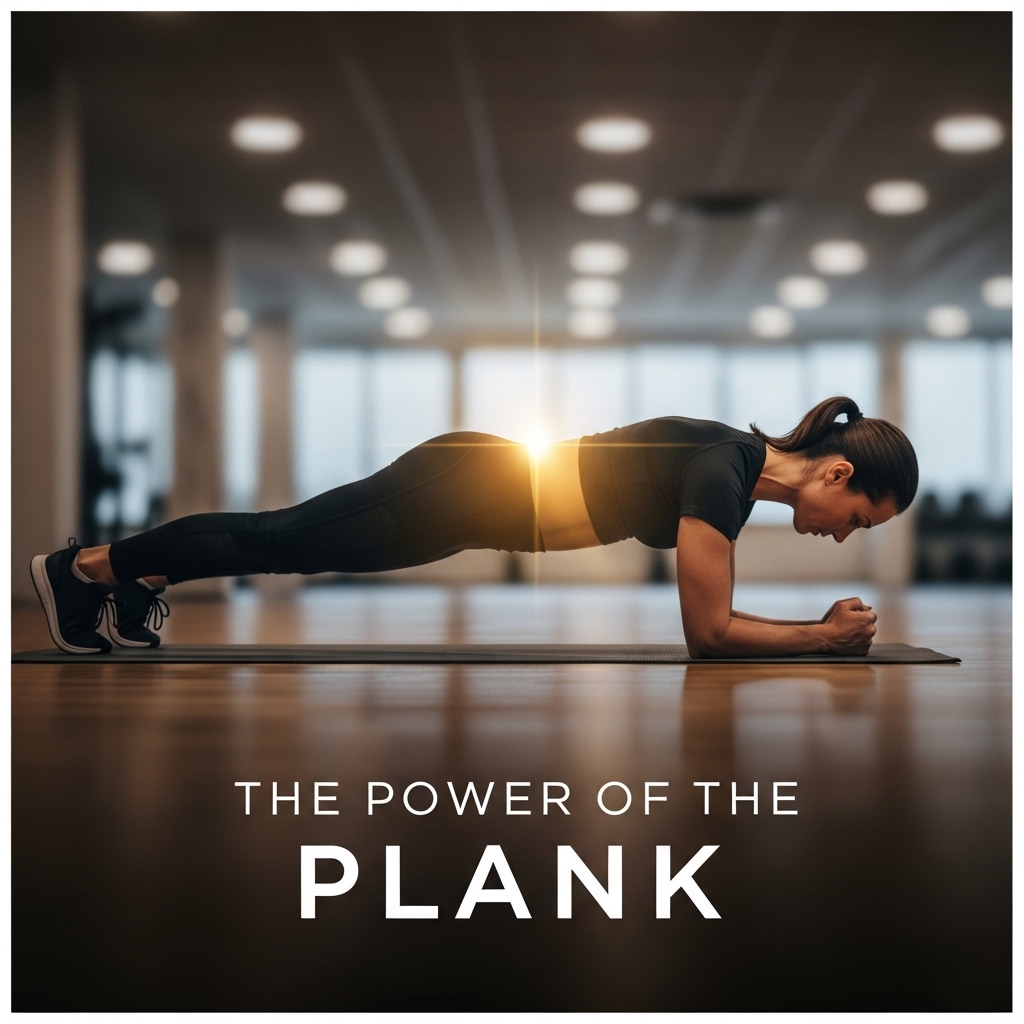
The plank is a timeless core exercise that builds strength and stability throughout your entire body. Whether you're doing a side plank or a standard plank, the key is to maintain a straight line from your head to your toes. This means keeping your legs straight, arms straight, and core tight throughout the entire movement.
For added intensity, consider performing a plank position with alternating leg raises, or incorporate dynamic movements such as bird dog or Russian twists to engage your core and upper body simultaneously.
6. Integrating Full-Body Movements
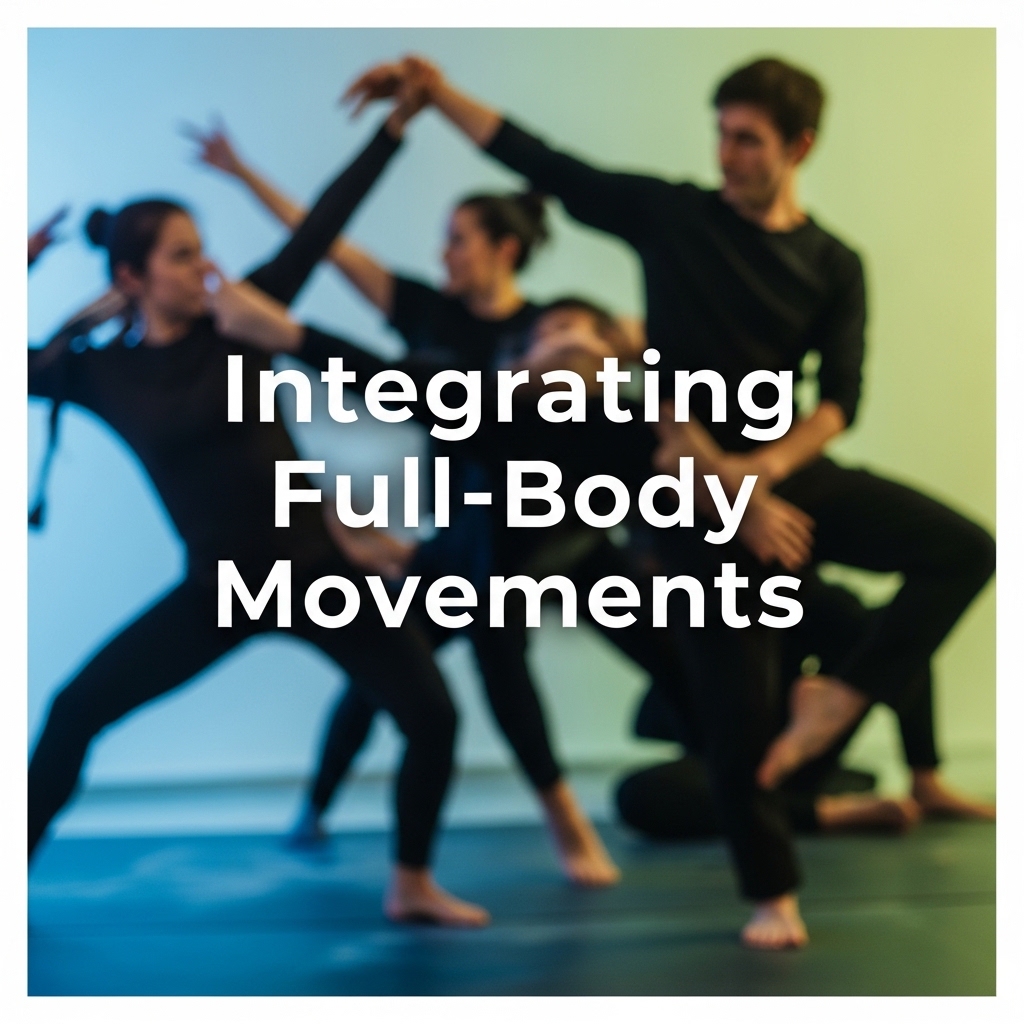
While focusing on your abdominal muscles is essential, integrating full-body movements and strength training exercises like squats and deadlifts into your routine will enhance your core strength even further. These compound lifts engage your core and target your ab muscles as well as your lower body, promoting overall muscle strength, development, and stability.
You can also try weighted core exercises, such as overhead presses or kettlebell swings, which engage both your upper body and core simultaneously. By incorporating these movements into your workout routine, you’ll build functional strength and a balanced physique.
Combining strength training with cardio can lead to greater fat loss than cardio alone.
READ ALSO: 15-Minute Simple Workout Routine | Whole Living Fitness
7. Importance of Breathing During Ab Workouts
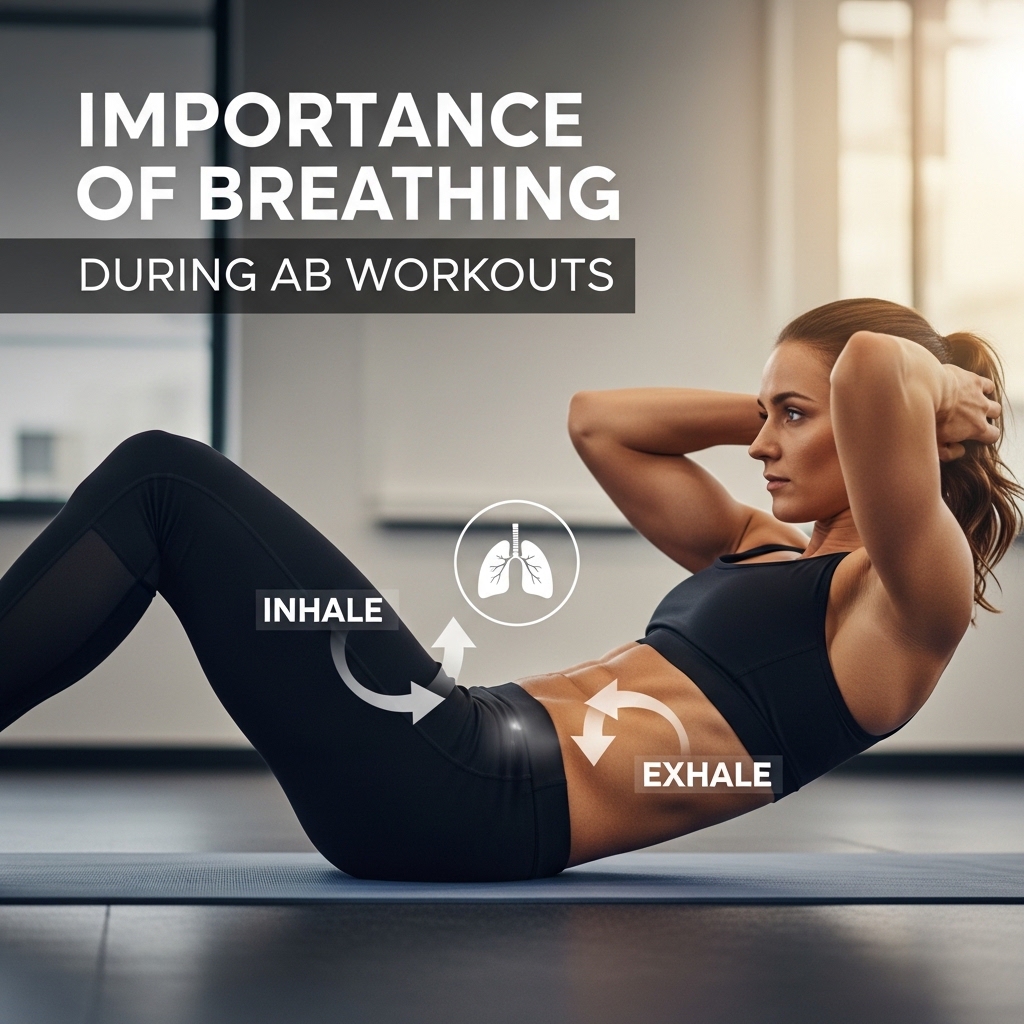
Breathing properly during your ab workouts helps you maintain control of your movements while preventing unnecessary tension in your neck and shoulders. Inhale as you lower your body, and exhale as you lift, keeping your core tight throughout. This focus on controlled breathing ensures that you engage your core muscles properly without overexerting your body.
Incorporate deep breaths into every ab exercise to help keep your body relaxed and focused. Over time, this mindful approach will make your abdominal muscles stronger and more resilient.
8. Progressing with Weighted Core Exercises

As your core strength increases, you can start incorporating weighted core exercises into your routine. Adding weights to movements like Russian twists or the medicine ball slam challenges your core further, encouraging muscle growth and endurance. You can perform these exercises by holding a dumbbell, medicine ball, or using a cable machine for resistance.
Start with light weights and gradually increase the load as your strength improves. The key is to maintain good form throughout each movement and avoid using momentum to lift the weight.
READ ALSO: Bicep Muscle Workout You Can Do Anywhere
9. Creating an Ab Workout Plan
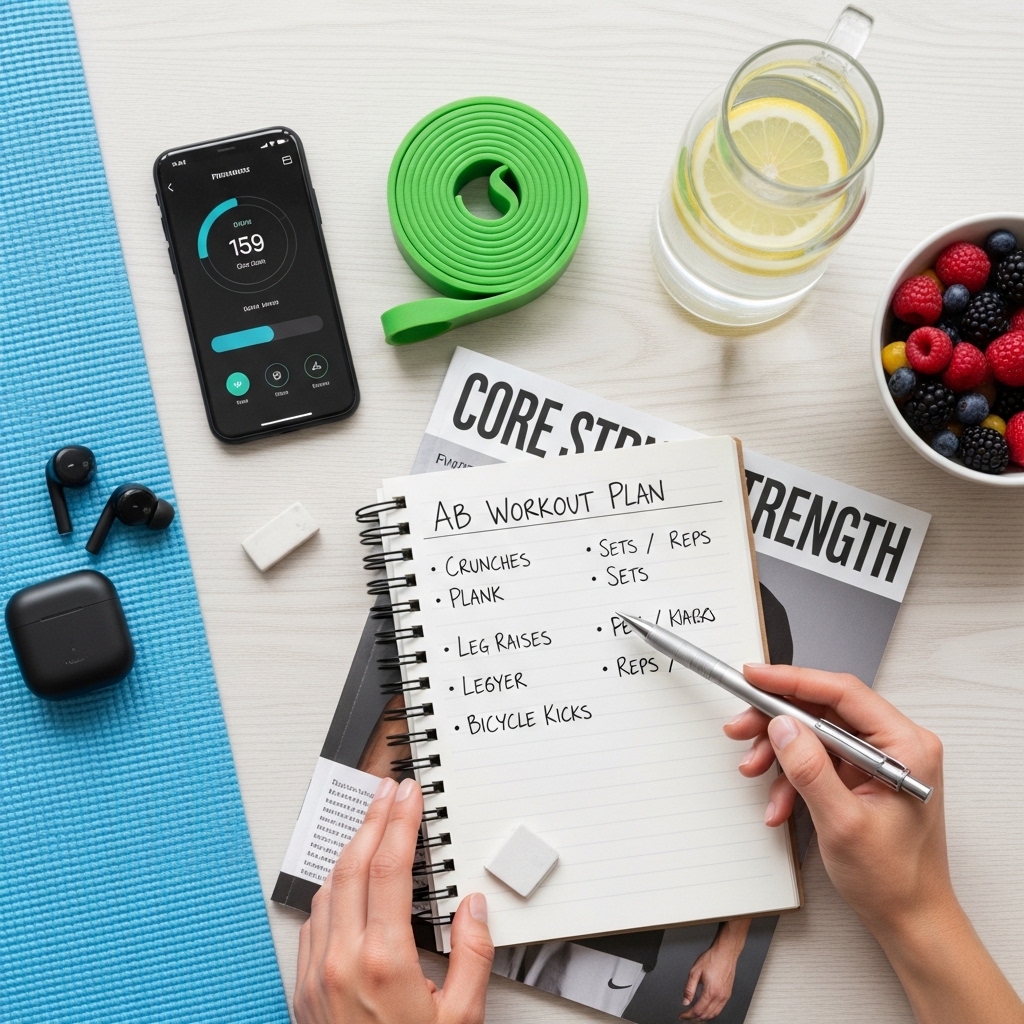
Designing an effective ab workout plan means targeting all the core muscles for balanced strength and stability. Start by including a mix of core exercises that work the rectus abdominis, internal and external obliques, and transverse abdominis. Classic moves like sit ups, Russian twists, and the side plank are excellent for building foundational core strength and engaging the external obliques. As you progress, add weighted core exercises such as cable crunches and medicine ball slams to further challenge your muscles and promote growth.
Don’t forget to include exercises that involve the upper body, like push-ups or rows, to ensure your workout routine supports a balanced physique. Aim to train your core two to three times per week, giving yourself at least one day of rest between sessions to allow for muscle recovery. Begin with shorter sessions and gradually increase the duration and intensity as your core strength improves.
Before each workout, warm up with five to ten minutes of light cardio and dynamic stretching to prepare your body and reduce the risk of injury. By consistently following a well-rounded plan that incorporates a variety of core exercises, you’ll build a strong, stable core that supports your entire body.
READ ALSO: Oblique Muscle Guide With Simple Core Workouts
10. Common Mistakes to Avoid in Ab Workouts

To get the most out of your ab workouts, it’s important to steer clear of common mistakes that can hinder your progress or lead to injury. One of the biggest pitfalls is poor form—always keep your body in a straight line during exercises like planks, and avoid letting your hips sag or your back arch. Engaging your core muscles properly ensures you’re working the right muscle groups and protecting your spine.
Skipping your warm-up is another mistake that can increase your risk of muscle strain. Take five to ten minutes for light cardio and dynamic stretching before starting your routine. Overtraining is also a concern; your core needs time to recover, so avoid working the same muscles every day.
Focusing only on sit ups or crunches can lead to imbalanced development. Instead, include a variety of core exercises such as bird dog, Russian twists, and leg raises to target different areas of your core. Lastly, remember to breathe naturally throughout each movement—holding your breath can cause dizziness and reduce your workout’s effectiveness. By avoiding these common errors, you’ll make your ab workouts safer and more effective.
This comprehensive guide has helped you understand the importance of core strength and the role ab workouts play in building a strong, balanced body. Keep these principles in mind, and approach each abdominal exercise with patience and intention. With time and consistency, you’ll strengthen not only your body but also your mind, creating a balanced, healthier you.