Why Good Vitamin Supplements for Men Matter More After 35
For men in midlife, the issue is not whether supplements create a dramatic edge. The better question is whether low vitamin and mineral intake is slowly reducing recovery, muscle quality, metabolic control, or mental sharpness.
That matters for executives, founders, and other high-performing men. Small nutrient gaps can show up as slower repair, weaker sleep, lower energy, or higher inflammation over time.
In that setting, good vitamin supplements for men are not quick fixes. They work best as tools that address real gaps tied to markers such as vitamin D status, homocysteine, blood health, and bone or muscle outcomes.
Good Vitamin Supplements for Men and the Role of a Multivitamin
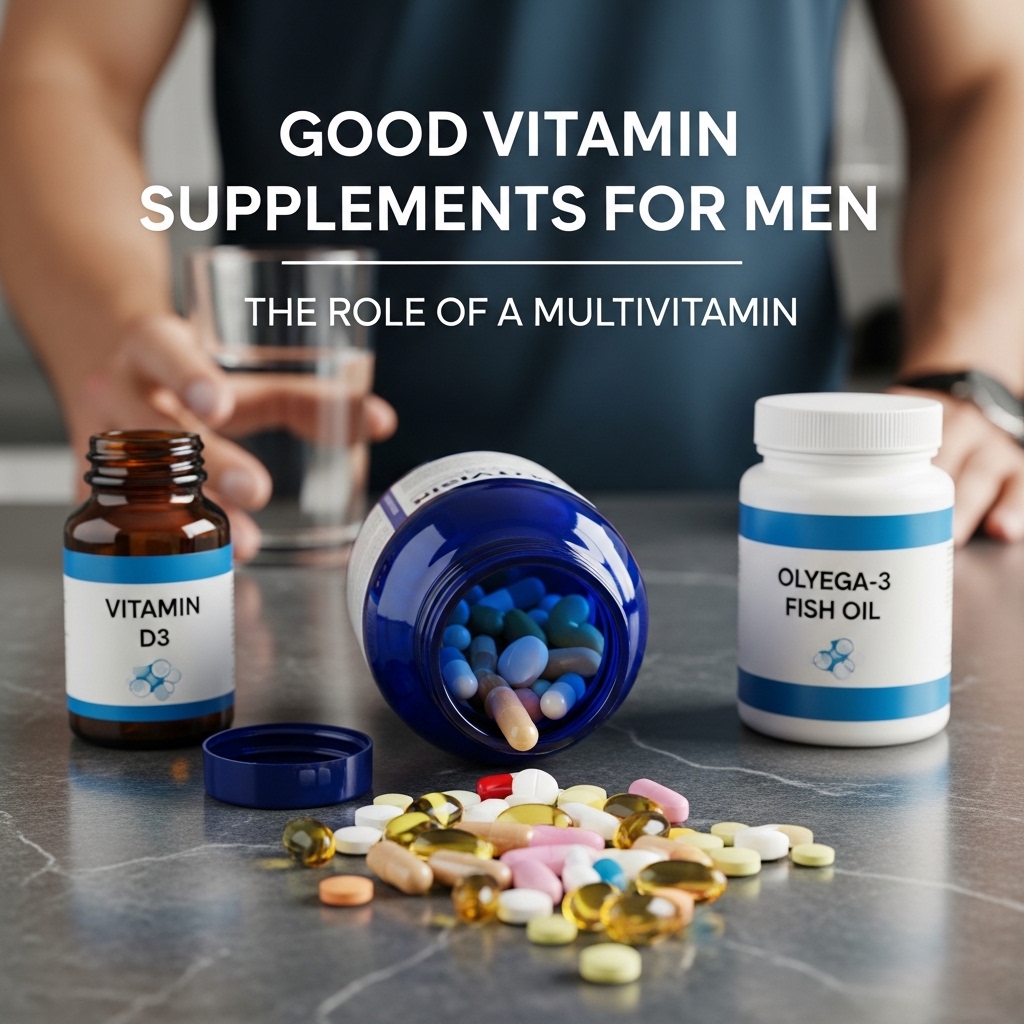
A multivitamin does not replace strong food habits. Its main value is broader coverage when travel, stress, skipped meals, and poor routine make small nutrient gaps more likely.
That is why recent data on multivitamins gained attention. The COSMOS trials, including work published in the American Journal of Clinical Nutrition, reported modest cognitive benefits in older adults, especially in memory-related outcomes.
These findings do not mean a multivitamin will boost every healthy man. They suggest that broad coverage may help when food quality, work strain, or heavy travel increases the risk of low-level deficiency.
Vitamin D as One of the Most Relevant Good Vitamin Supplements for Men
Among single nutrients, vitamin D remains one of the most relevant for men focused on longevity. The National Institutes of Health Office of Dietary Supplements states that vitamin D supports bone balance, muscle function, immune activity, and parts of glucose control.
Low vitamin D does more than affect bone health. It can also weaken muscle function and physical resilience, which matters for men trying to preserve lean mass and long-term performance.
This is why lab context matters. The key issue is not whether vitamin D is popular, but whether low status lines up with weak recovery, low power output, or greater long-term frailty risk.
B12 and Folate in Good Vitamin Supplements for Men
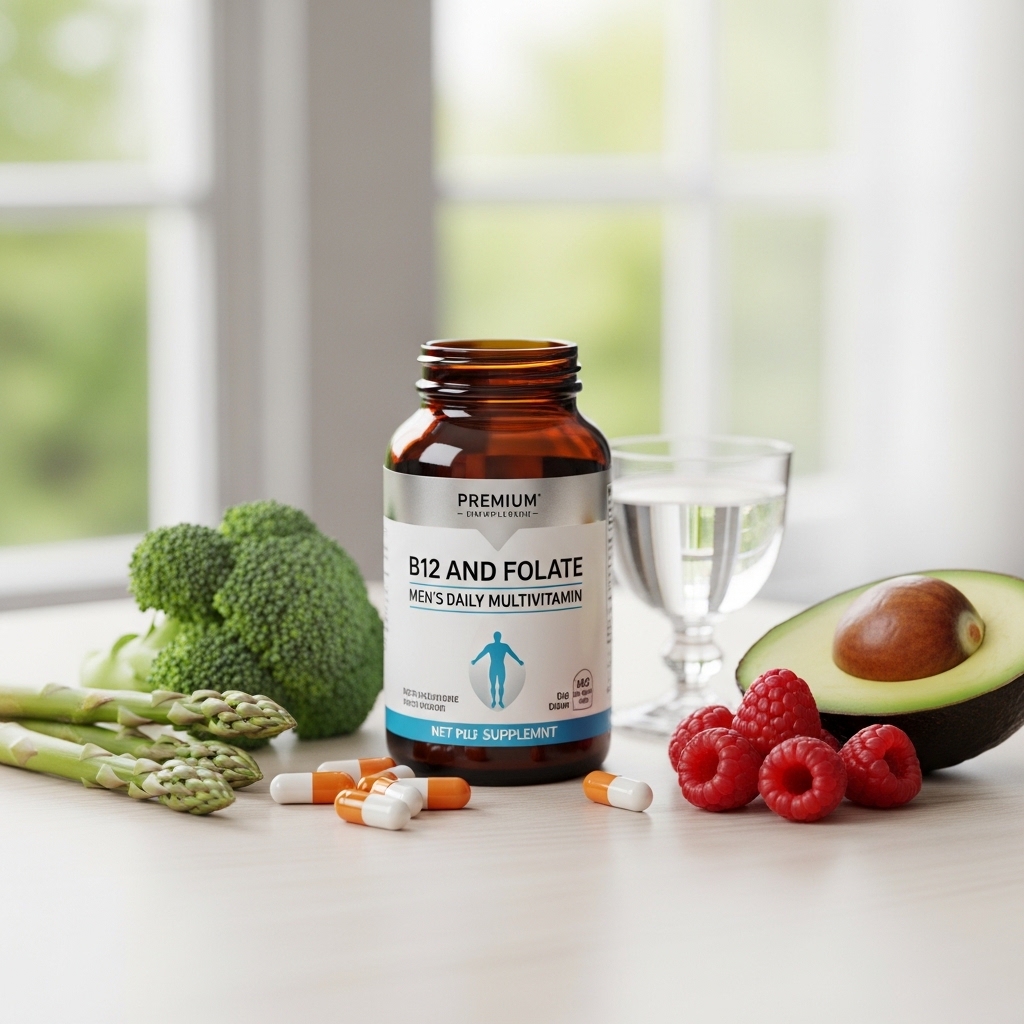
Vitamin B12 and folate are often marketed as energy nutrients. Their real value is more clinical, since they help with DNA building, red blood cell production, nerve health, and control of homocysteine.
The Harvard T.H. Chan School of Public Health notes that B12 and folate can lower homocysteine. Even so, that lab change has not always led to fewer heart events or less cognitive decline in large trials.
Deficiency still matters. Low B12 can contribute to fatigue, anemia, numbness, and poor focus, so supplementation makes the most sense when diet, labs, or symptoms suggest a real shortfall.
Cognitive Performance and Good Vitamin Supplements for Men

Many supplement brands talk about focus as if any vitamin can sharpen the brain on demand. The stronger evidence supports a narrower claim: fixing a deficiency may help preserve memory, attention, and mental stamina.
That is why the COSMOS trial is useful but limited. It suggests a multivitamin may support some aspects of cognitive aging, but it does not prove that vitamin products reliably improve complex thinking in already well-fed men.
For serious professionals, this distinction matters. It shifts the conversation away from hype and toward whether diet, lab results, or age-related absorption issues are creating hidden mental drag.
Antioxidant Vitamins and the Limits of Good Vitamin Supplements for Men
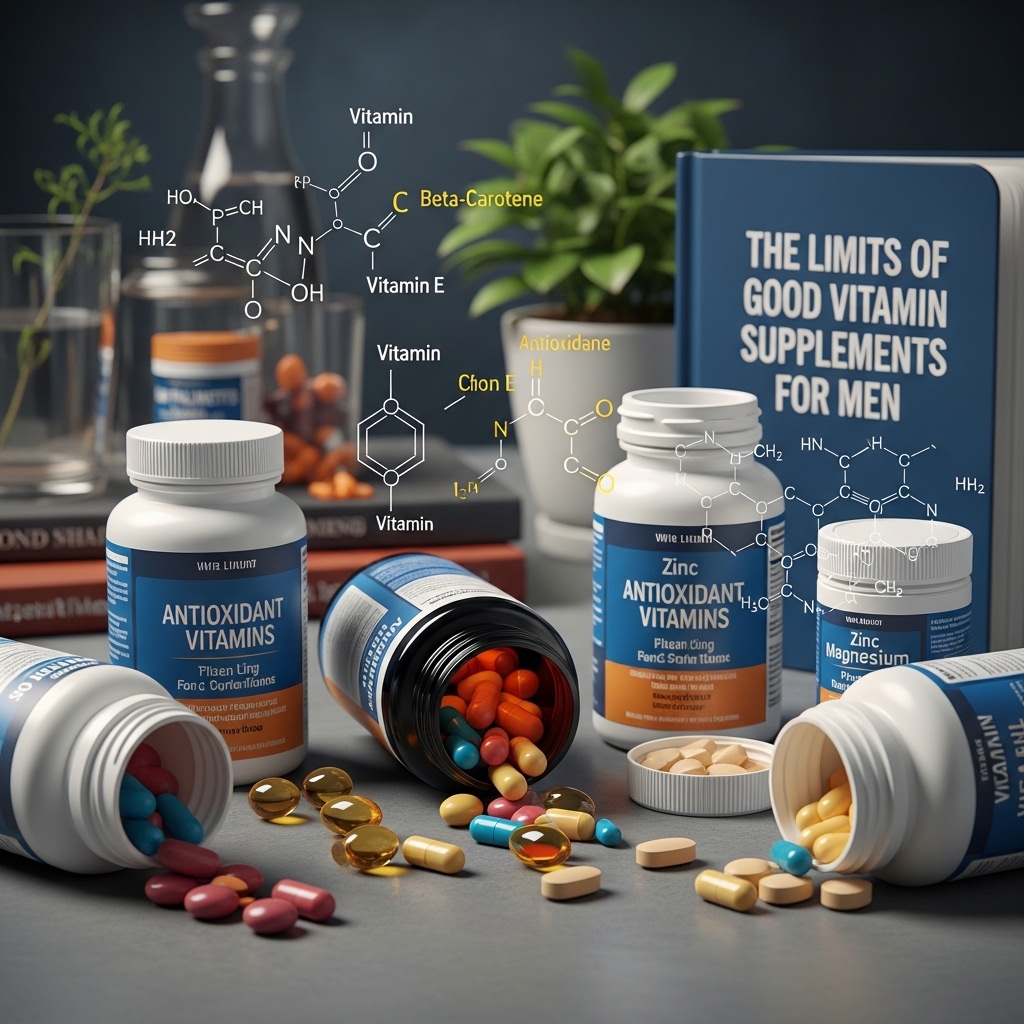
Antioxidant vitamins are often sold as broad anti-aging tools because they affect oxidative stress. That biology is real, but the clinical evidence for routine high-dose antioxidant use is much weaker than the marketing suggests.
The National Center for Complementary and Integrative Health states that current evidence does not support antioxidant supplements for preventing cardiovascular disease. Harvard’s nutrition review has also described mostly neutral findings in long-term trials such as the Physicians’ Health Study.
That does not mean vitamins C or E have no value. It means food-based antioxidant intake has stronger support, while supplements make more sense when intake is poor or a clear clinical reason exists.
Vitamin K and Bone Health in Good Vitamin Supplements for Men
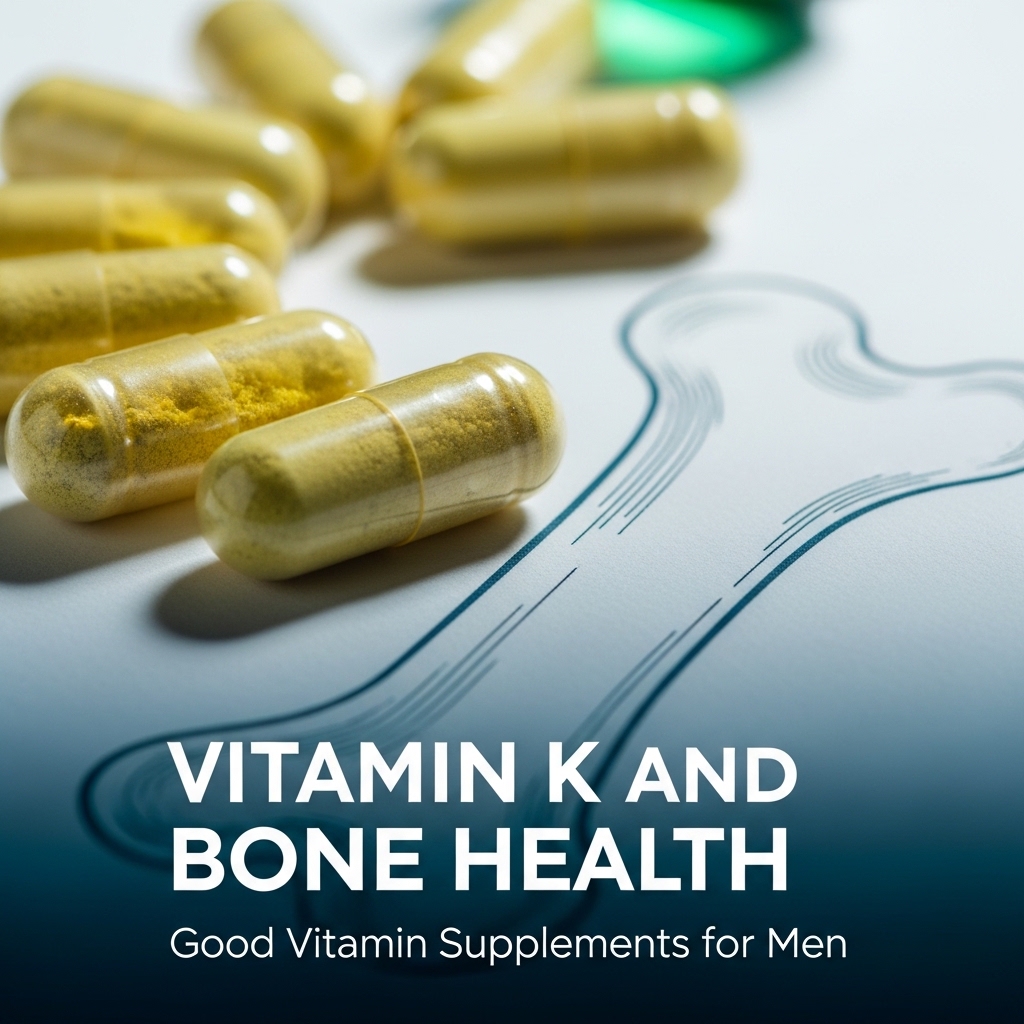
Vitamin K gets less attention than vitamin D, but it still matters. The National Institutes of Health Office of Dietary Supplements describes it as a key helper for proteins involved in blood clotting and bone health.
For men focused on longevity, the issue is not only fracture risk. Bone decline and vascular aging often rise together, so nutrients that affect both systems deserve closer review.
The evidence remains more nuanced than many supplement claims suggest. Vitamin K is important, but its role should be viewed in the wider context of diet, medication use, and overall bone and cardiovascular risk.
READ ALSO: Vegan Vitamin B12 Supplements for Mindful Nourishment
Sleep, Recovery, and Good Vitamin Supplements for Men
Vitamin supplements are not direct sleep treatments. Still, low nutrient status can affect sleep through fatigue, muscle discomfort, immune strain, and poor energy control.
This matters in men living under constant work stress. Travel, long days, alcohol, late meals, and low daylight can weaken food quality and make vitamin D status and overall nutrient intake worse.
In practice, the key question is not whether a label promises better sleep. The better question is whether a nutrient gap is contributing to poor recovery and whether fixing that gap improves the wider system.
READ ALSO: The Benefits of B Vitamins – Whole Living Wellness
Why More Is Not Better in Good Vitamin Supplements for Men
One of the biggest problems in this category is excess. The National Institutes of Health Office of Dietary Supplements notes that too much vitamin D can lead to hypercalcemia, kidney strain, and heart rhythm problems in severe cases.
This caution applies beyond vitamin D. High folic acid intake can hide B12 deficiency, and large supplement stacks can create the illusion of precision without real evidence of need.
For high-performing men, more pills do not mean better results. A smaller plan guided by labs, diet pattern, age, and health context is closer to clinical reasoning than a crowded routine.
READ ALSO: Best Vitamins and Minerals for Immunity: What You Need
How to Evaluate Good Vitamin Supplements for Men With Real Markers
The phrase good vitamin supplements for men only becomes useful when tied to measurable variables. Depending on the case, that may include vitamin D, B12, methylmalonic acid, homocysteine, blood count trends, or bone health data.
That marker-first approach matters because symptoms are vague. Low energy can come from poor sleep, thyroid issues, low B12, iron problems, stress, or weak metabolic health.
Clinical value also changes with age. Men over 35 often face shifts in absorption, body composition, training load, and chronic disease risk, which can change which markers deserve attention.
Evidence-Based Options When Choosing Good Vitamin Supplements for Men
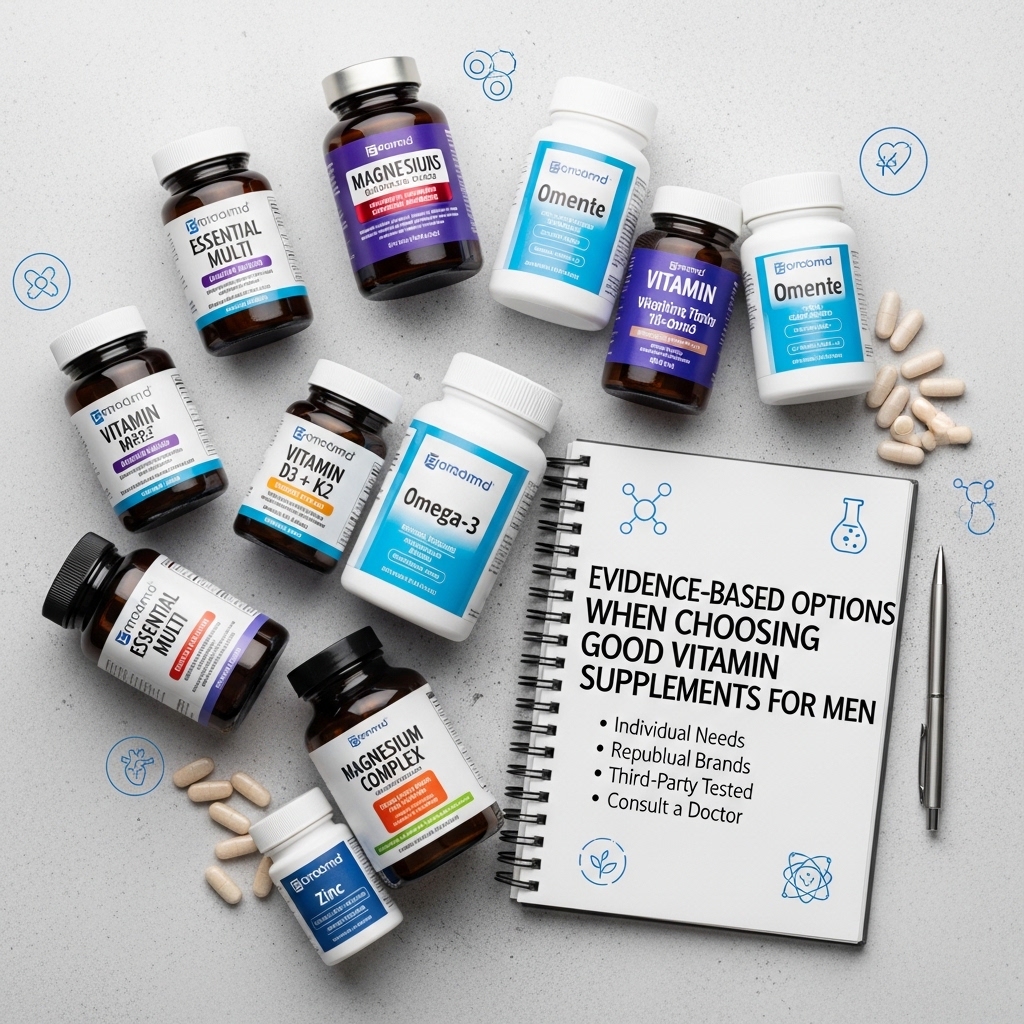
The strongest approach starts with food quality, lab context, and real performance demands. Broad multivitamins may support some areas of cognitive aging, while vitamin D, B12, folate, or vitamin K become more relevant when diet, biomarkers, or health risk point to a likely gap.
For men managing travel, hard work cycles, training, and recovery, the next step is usually structured review. That may include a diet audit, targeted bloodwork, and close attention to sleep, muscle retention, mental stamina, inflammation, and bone-health risk.
Within that framework, good vitamin supplements for men become evidence-based options rather than lifestyle branding. The aim is to correct likely shortfalls, reduce avoidable physical strain, and support the markers most tied to biological age, metabolic health, cardiovascular resilience, and long-term executive performance.
UP NEXT: Superfoods for Energy and Well-Being: Power Up Naturally
How This Affects Your Biological Age
Good vitamin supplements for men can help correct micronutrient deficiencies that influence key aging markers such as inflammation, homocysteine levels, and mitochondrial function, all of which are directly linked to biological age progression. WholeLiving's Biological Age Estimation Model incorporates this factor directly — your assessment takes under five minutes.
Ready to understand how these factors are influencing your biological age right now? [Take the Biological Age Assessment →]