Anatomical Role of the Latissimus Muscle
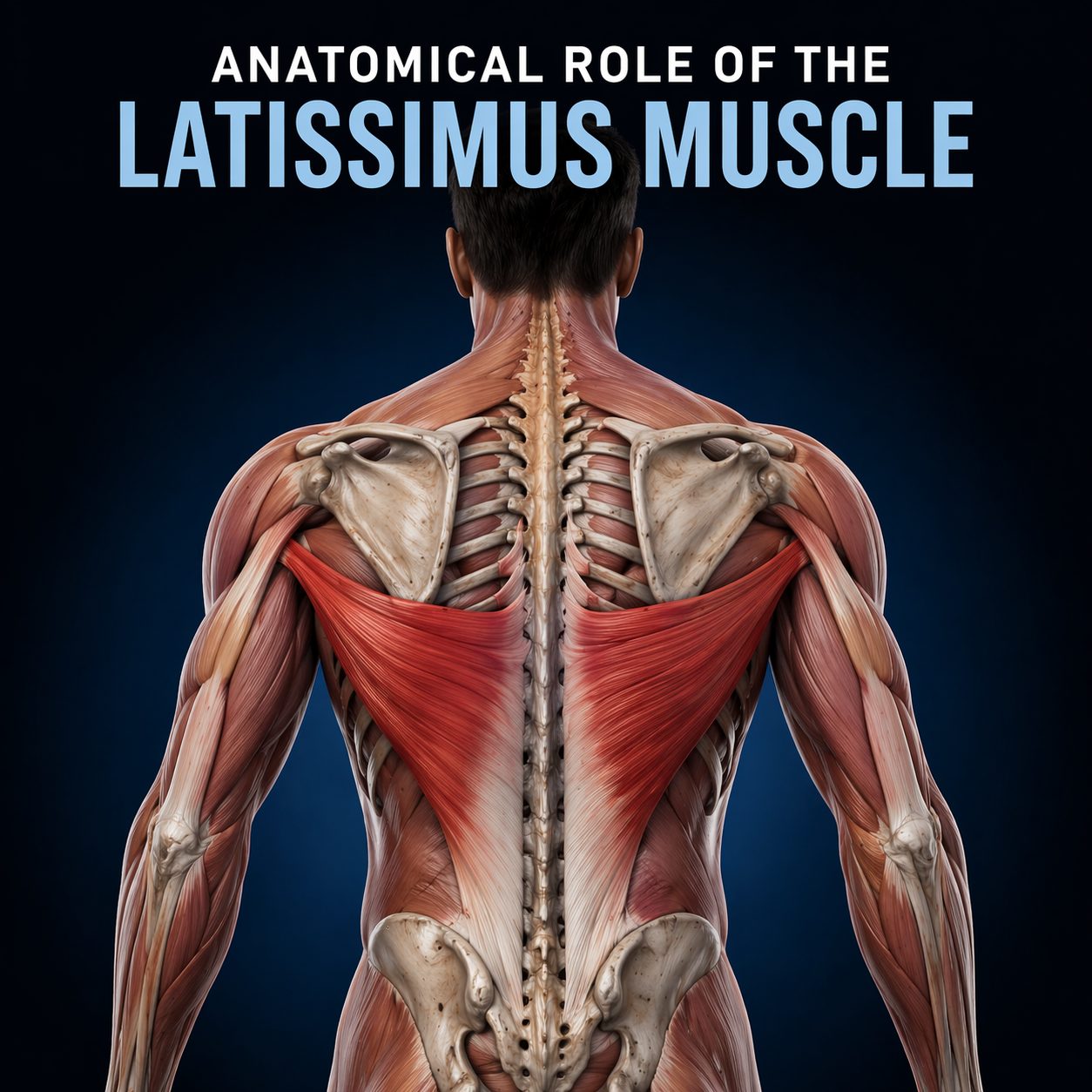
The latissimus muscle, or latissimus dorsi, is a large back muscle. It connects the upper arm to the mid and lower back, pelvis, and thoracolumbar fascia. It helps extend, pull in, and rotate the shoulder inward.
For high-performing adults, this muscle does more than support gym work. It helps the shoulder, trunk, and pelvis work as one system. That link helps the body move force from one area to another with less waste.
When this system gets weak or stiff, the body often loses efficiency before pain starts. Pulling, carrying, swimming, and overhead work may feel harder. Over time, daily movement and training output can both decline.
Shoulder Mechanics and Force Transfer
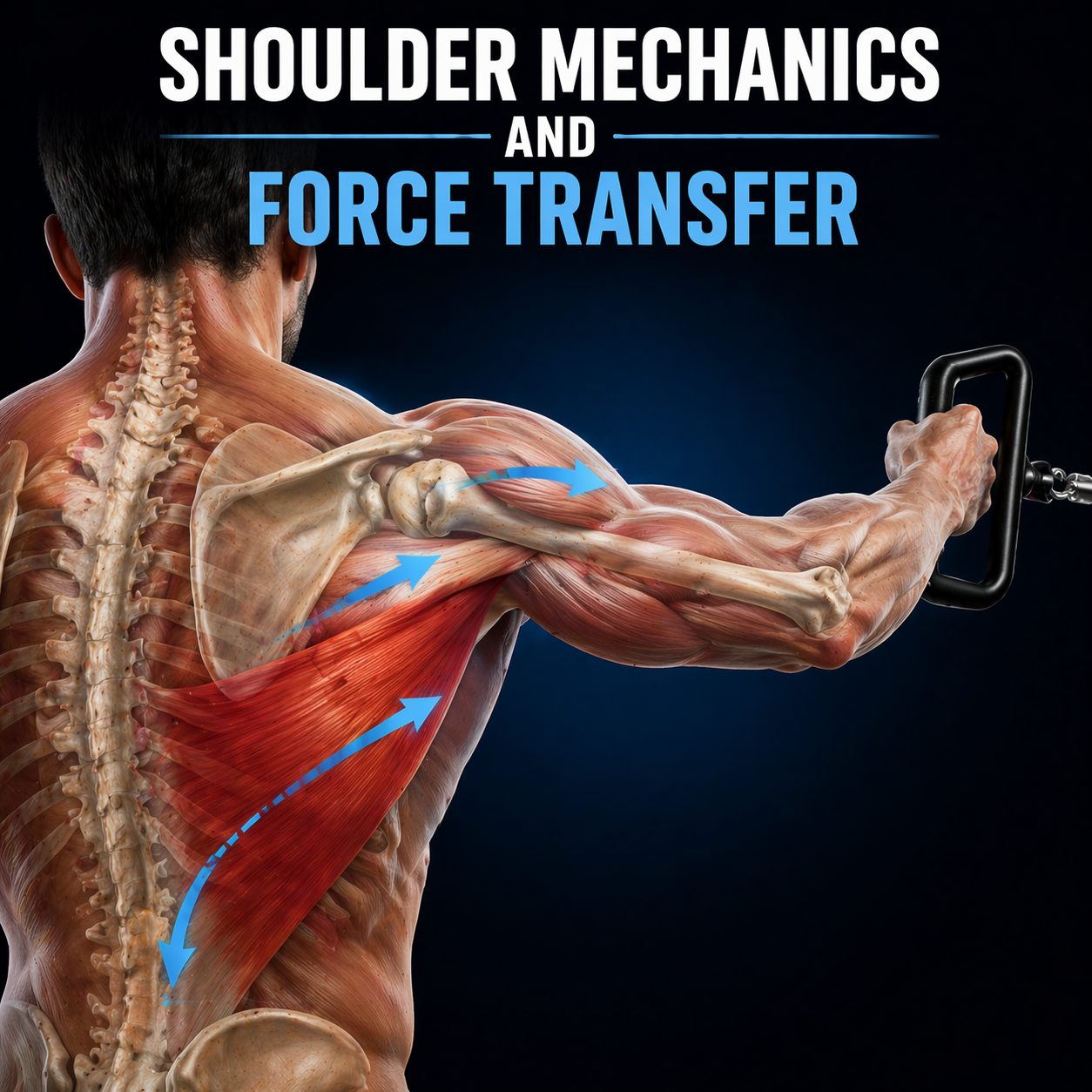
The latissimus muscle supports shoulder control during movement. It helps keep the upper arm in a better position while the shoulder works through range. That makes it important for pulling strength and overhead stability.
For professionals who train hard but sit for long hours, shoulder mechanics matter. Poor movement can shift stress to the neck, lower back, or smaller shoulder muscles. That pattern can lower training quality and raise injury risk.
This is why the latissimus muscle matters in longevity. Strong movement mechanics protect long-term loading capacity. Loading capacity helps preserve muscle function as the body ages.
READ ALSO: Tricep Muscle Training to Boost Your Gratitude for Health
The Latissimus Muscle and Strength as a Biomarker
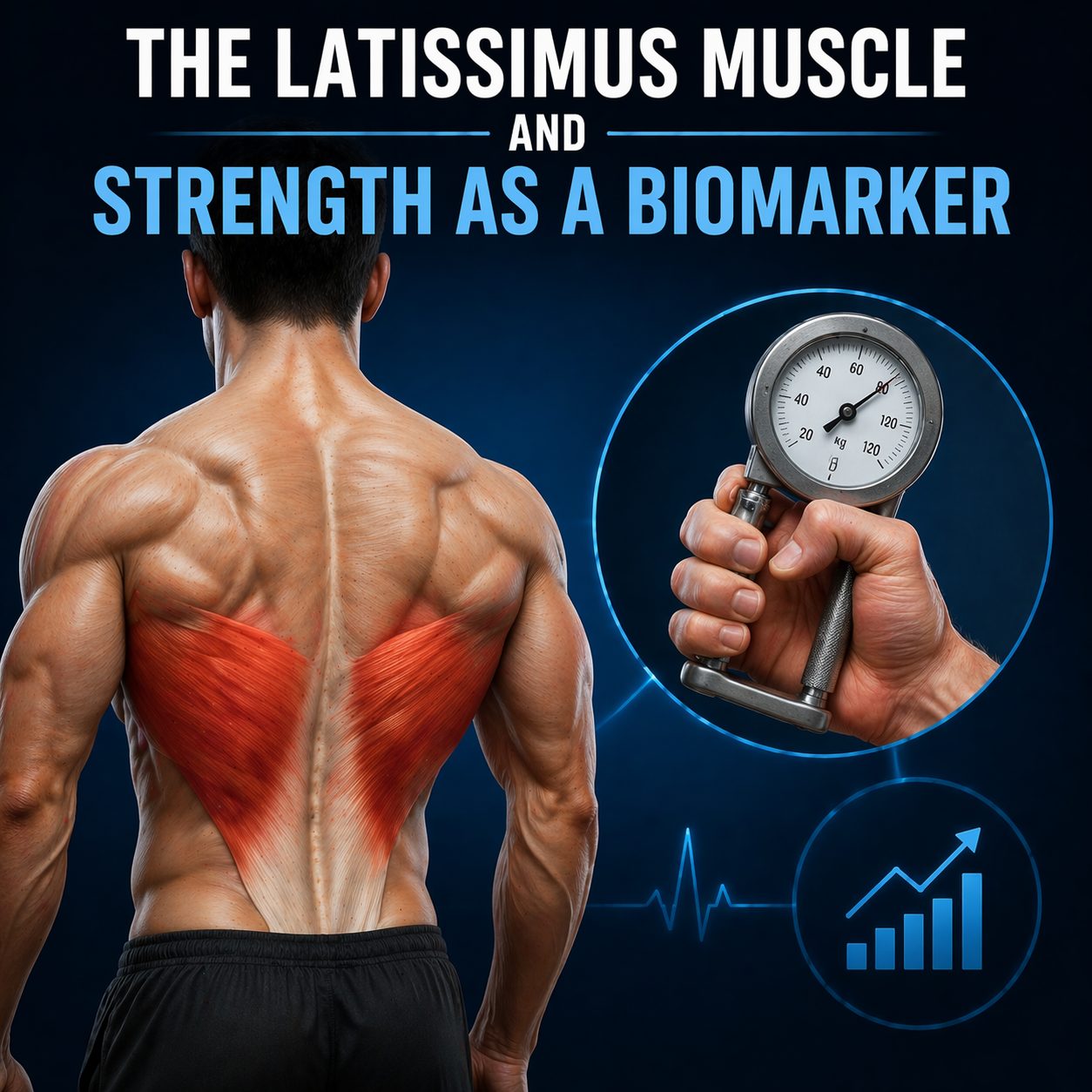
Strength is now viewed as more than a fitness marker. Research links low muscle strength with higher risk of disability, cardiovascular events, and early death. Grip strength often serves as a simple clinical biomarker for this reason.
The latissimus muscle is not measured directly with a hand dynamometer. Still, it supports many pulling patterns that reflect upper-body strength. When this muscle loses function, broader strength decline is often present too.
For executives and founders in midlife, that matters. Strength loss often starts before obvious muscle loss appears. By the time performance drops sharply, tissue quality may already be worse.
Sarcopenia, Aging, and Structural Reserve
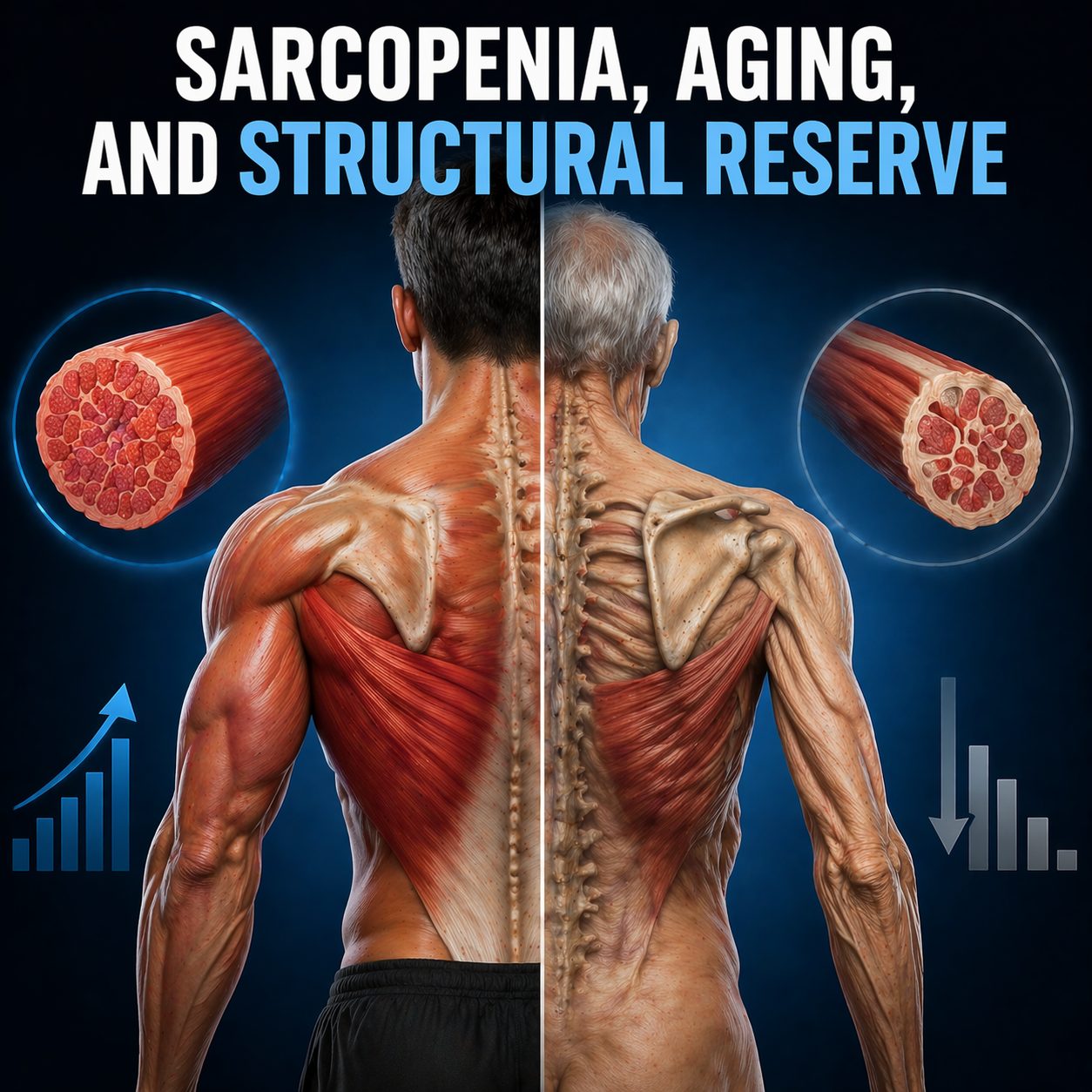
The National Institutes of Health describes sarcopenia as age-related loss of muscle strength, muscle mass, and physical performance. In clinical settings, strength loss often predicts poor outcomes better than body weight or appearance.
The latissimus muscle is one part of that bigger picture. Strong back muscles support posture, breathing under effort, and load tolerance. They also help the body stay capable across work, travel, and training.
For high performers, this becomes a reserve issue. A body with more structural reserve handles stress better. That wider buffer can slow the physical decline linked to biological aging.
Metabolic Function and Glucose Control
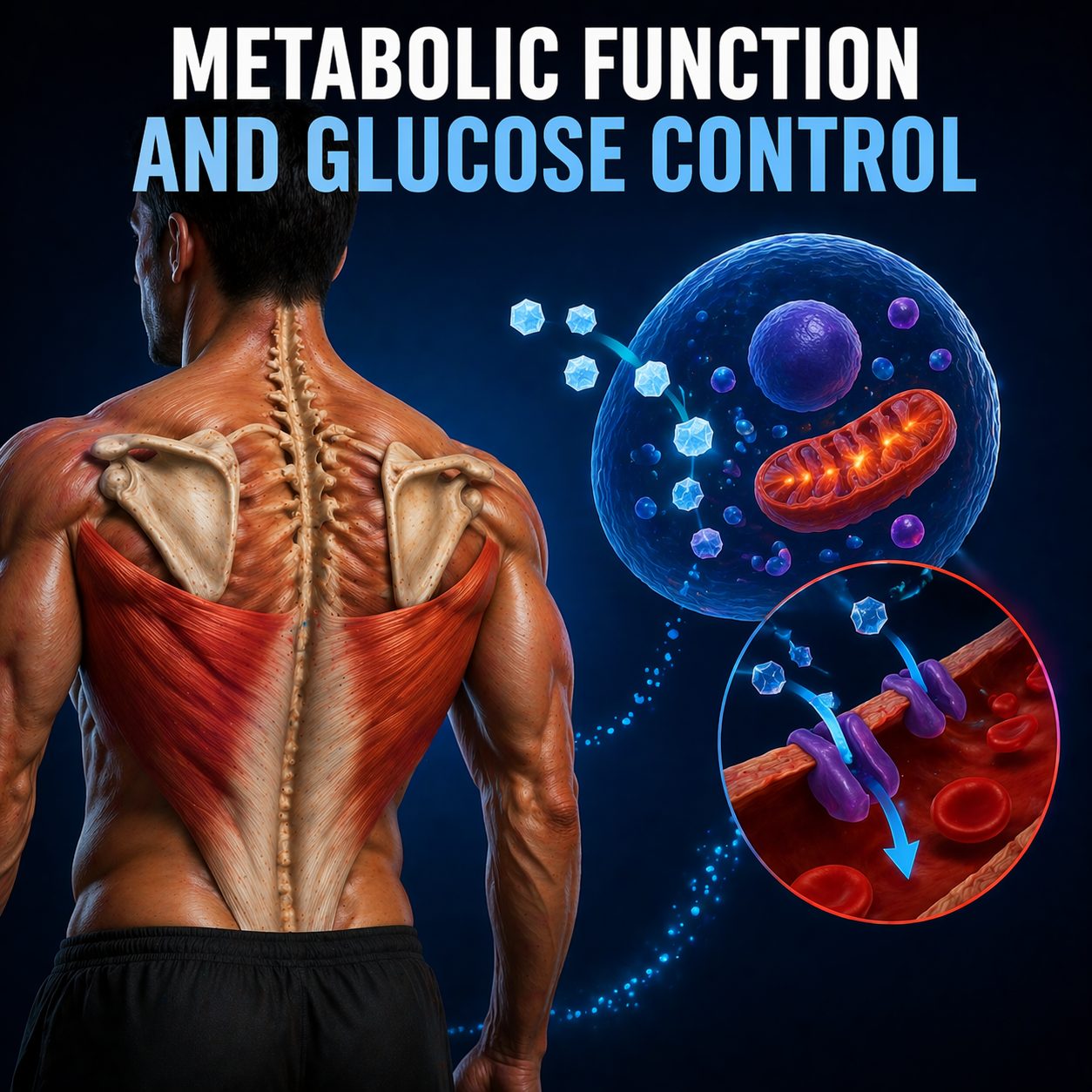
Skeletal muscle is the main site for insulin-driven glucose uptake. That means muscle tissue plays a major role in glucose homeostasis. In simple terms, muscle helps clear sugar from the blood after meals.
The latissimus muscle is one of the body’s larger muscles. It is not special on its own, but large muscles matter for metabolic health. Keeping them active supports better glucose control and energy use.
This turns a muscle topic into a metabolic one. When muscle function falls, the body loses some of its ability to manage blood sugar well. Over time, that can add to cardiometabolic risk.
Posture, Breathing, and Work Capacity
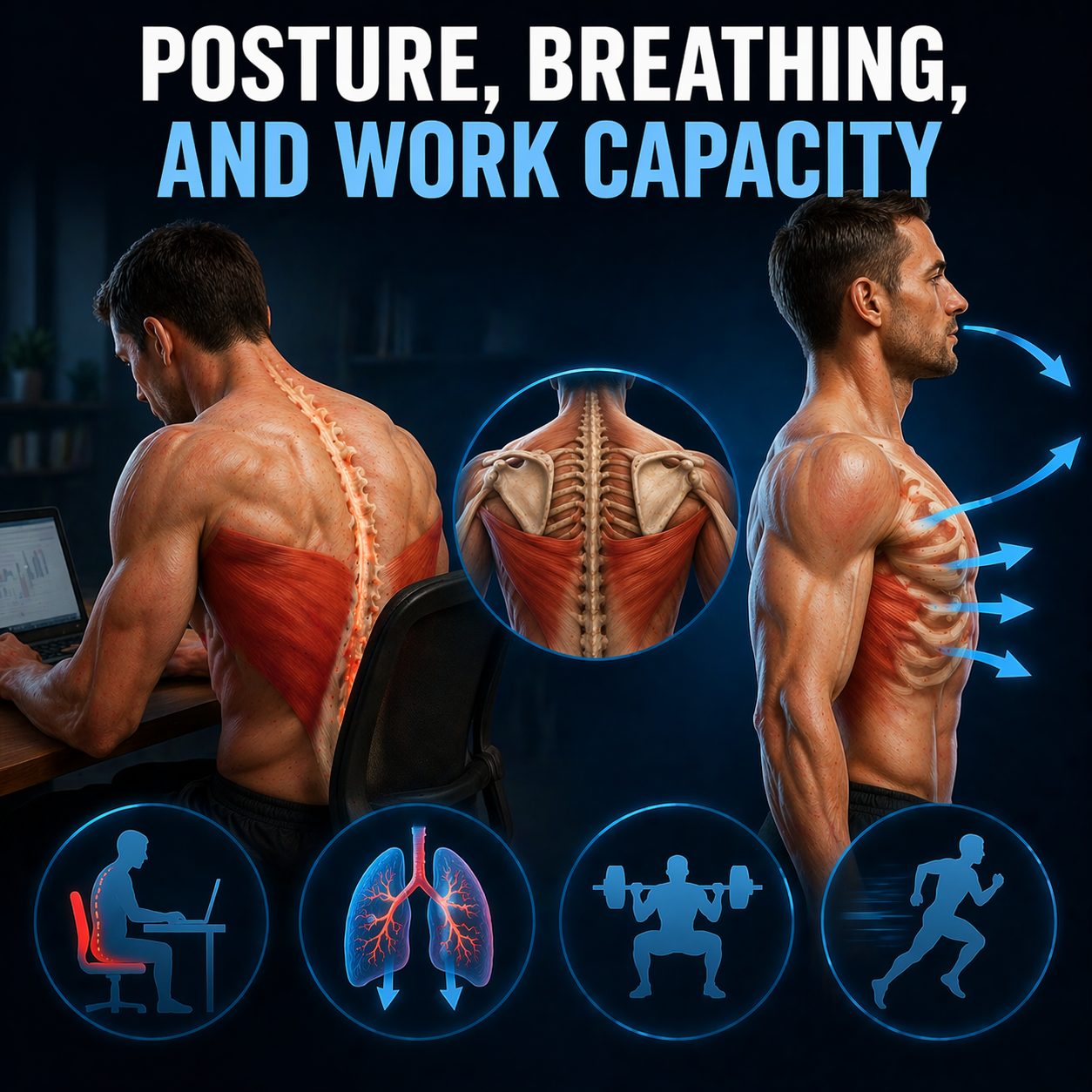
The latissimus muscle also affects posture and breathing under effort. Its wide attachments let it influence trunk position and rib movement. That matters during hard training and loaded movement.
For professionals who sit for long periods, this effect can become more obvious. A stiff or weak latissimus muscle can reduce overhead range and limit trunk rotation. It can also push more work onto smaller muscles.
That shift makes movement less efficient. The same workout may then create more fatigue and less benefit. Over time, total work capacity can drop.
READ ALSO: Leg Muscle Strength for Balanced Energy
Inflammation, Recovery, and Tissue Quality
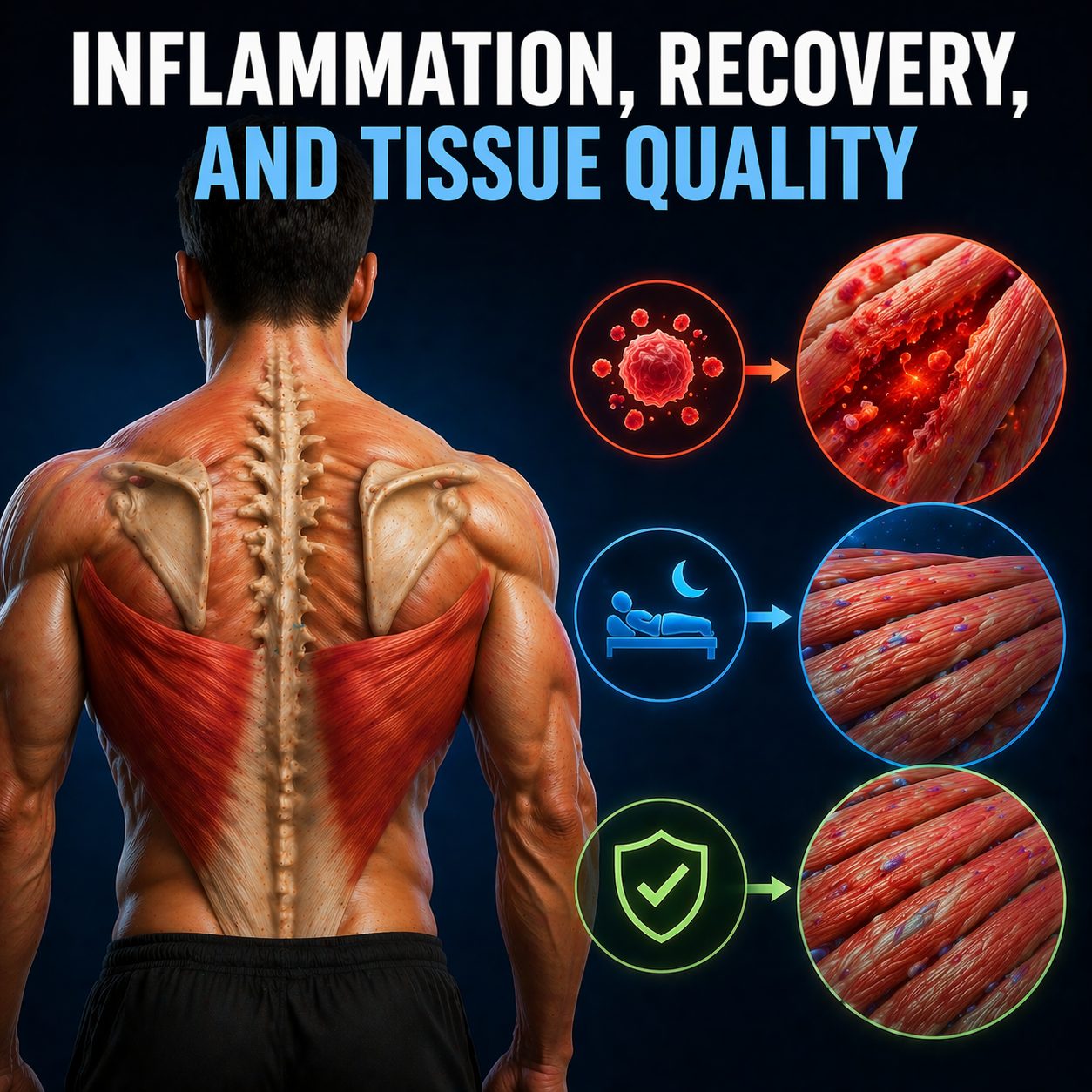
Aging muscle does not just lose size. It also changes in tissue quality, energy use, and inflammatory signaling. These shifts can lower force production and slow recovery.
In the latissimus muscle, poor tissue quality may show up as tightness, weak contraction, or poor tolerance to repeated pulling. Early signs are often subtle. Many people notice slower recovery before they notice real weakness.
That pattern matters in a high-output life. If the body restores force more slowly, training density can fall. Repeated stiffness may also point to a higher inflammatory burden.
Cardiovascular Relevance of Muscle Strength
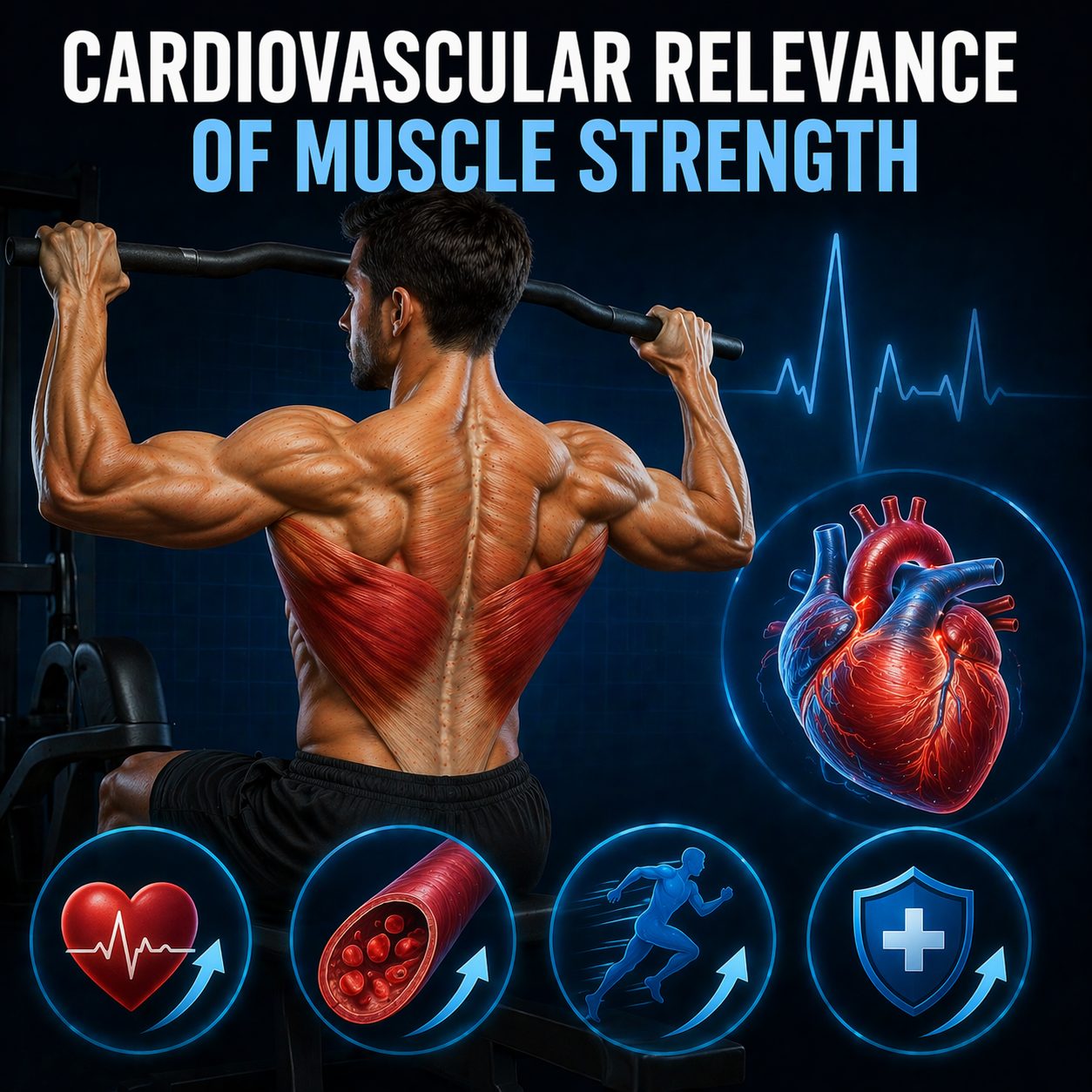
Cardiovascular health and muscle strength are closely linked. Large population studies show that people with better strength and fitness often have lower mortality risk. These factors support each other over time.
The latissimus muscle helps power rowing, climbing, carrying, and other compound pulling work. These movements build strength and support overall conditioning. When this muscle is weak, total training volume may fall.
That matters for long-term health. Lower training volume can reduce both muscular and cardiovascular fitness. In midlife, that combination can narrow long-term resilience.
Stress Physiology and Training Tolerance
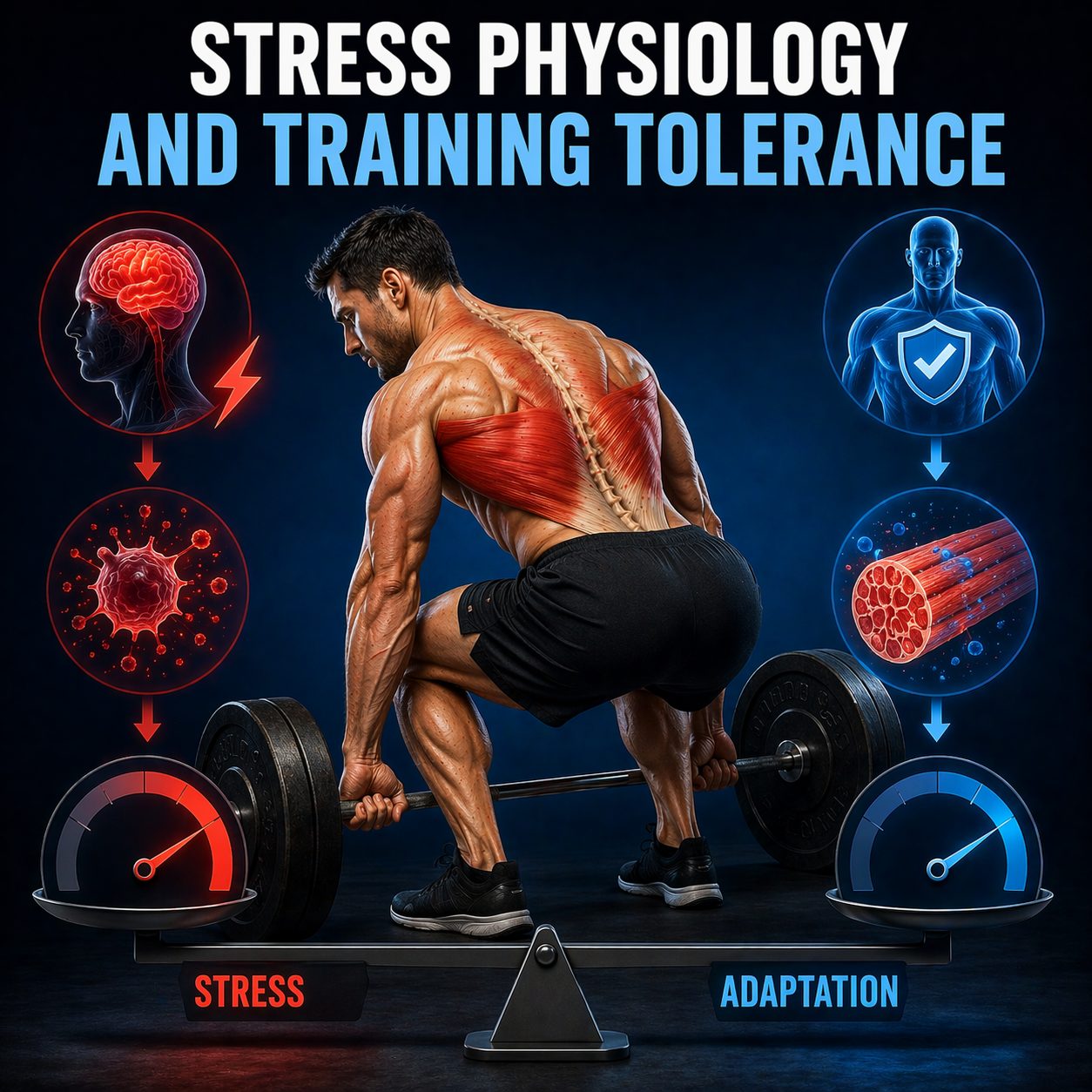
High performers often track work output, sleep, and mental sharpness. Fewer track whether their body still handles physical stress well. The latissimus muscle can become a weak point because it supports posture, breathing, and upper-body loading.
When training tolerance drops, the effects can spread. Poorer training quality can mean less muscle stimulus and worse glucose control. Fatigue may rise, and recovery may become less stable during stressful periods.
The point is not that this muscle controls cortisol directly. The point is that reduced physical capacity lowers the body’s stress buffer. That lower buffer often shows up as slower recovery and less consistent performance.
READ ALSO: 24 Hours Fitness: Building Strength Without Burnout
What High-Performing Professionals Can Do With This Evidence

Evidence-based options start with assessment. Review pulling strength, shoulder control, overhead range, and how well current training loads the back and posterior chain. Those markers can show whether the latissimus muscle still supports strong movement and metabolic reserve.
The research also supports regular resistance training to protect skeletal muscle over time. Movement variety matters as well, especially when long workdays limit natural motion. Watching for strength decline can help identify early loss of function.
For professionals with ongoing pain, reduced output, or repeat compensation patterns, a formal evaluation may be useful. A sports medicine or musculoskeletal specialist can assess the problem in a more precise way. That approach is often stronger than relying only on stretching or aesthetic back training.
UP NEXT: The Structural Case for Posterior Chain Development: Back Muscle Function, Posture, and Longevity Performance
How This Affects Your Biological Age
Reduced latissimus muscle strength and function can signal broader decline in upper-body muscle mass, movement efficiency, and metabolic reserve, all of which are linked to lower physical capacity and faster biological aging over time. WholeLiving's Biological Age Estimation Model incorporates this factor directly — your assessment takes under five minutes.
Ready to understand how these factors are influencing your biological age right now? [Take the Biological Age Assessment →]