

Executives who deprioritize relational health are not making a neutral lifestyle choice. They are accepting a measurable biological cost. Sustained emotional disconnection elevates basal cortisol and degrades heart rate variability. Over time, it also accelerates telomere attrition. Population research links this pattern to five or more additional years of biological age. These are not soft outcomes. They map directly onto cognitive decline, cardiovascular risk, and compressed healthspan. In other words, they determine how long a professional can operate at peak capacity. The clinical case for love and wellness as performance inputs is now as strong as the case for sleep or exercise.
The Neurobiological Architecture of Stress in High-Performing Professionals
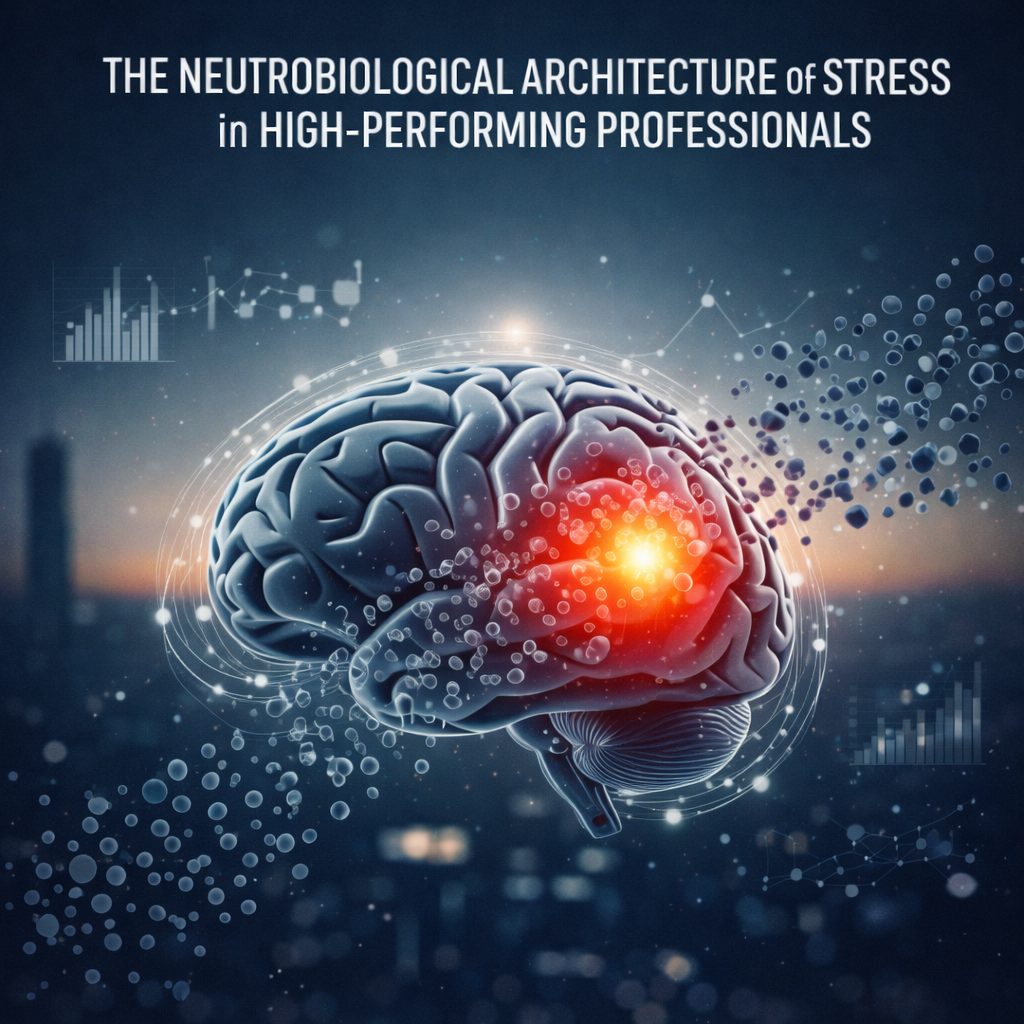
The executive nervous system operates under conditions most clinical models were not built to assess. Prolonged decision-making, compressed recovery windows, and sustained interpersonal demand create a chronic stress environment. This pattern activates the HPA axis repeatedly — not in acute bursts, but as a sustained background state. Over time, this erodes glucocorticoid receptor sensitivity, blocks new neuron growth in the hippocampus, and degrades the prefrontal networks that govern planning, focus, and self-regulation. Neuropsychological assessments can detect these changes within months of sustained stress exposure.
What Research Establishes About Social Connection and Stress

The Harvard Study of Adult Development tracked participants for over eight decades. Its findings are among the most clinically significant in longevity research. Consistently, the data shows that relationship quality predicts late-life cognitive health and cardiovascular outcomes more reliably than cholesterol levels or exercise frequency alone. The mechanism is not psychological comfort — it is physiological. Strong social bonds lower basal cortisol, reduce systemic inflammation, and improve autonomic regulation as measured by heart rate variability.
READ ALSO: Emotional Projection: A Gentle Guide to Self-Reflection
Oxytocin, the HPA Axis, and Inflammation
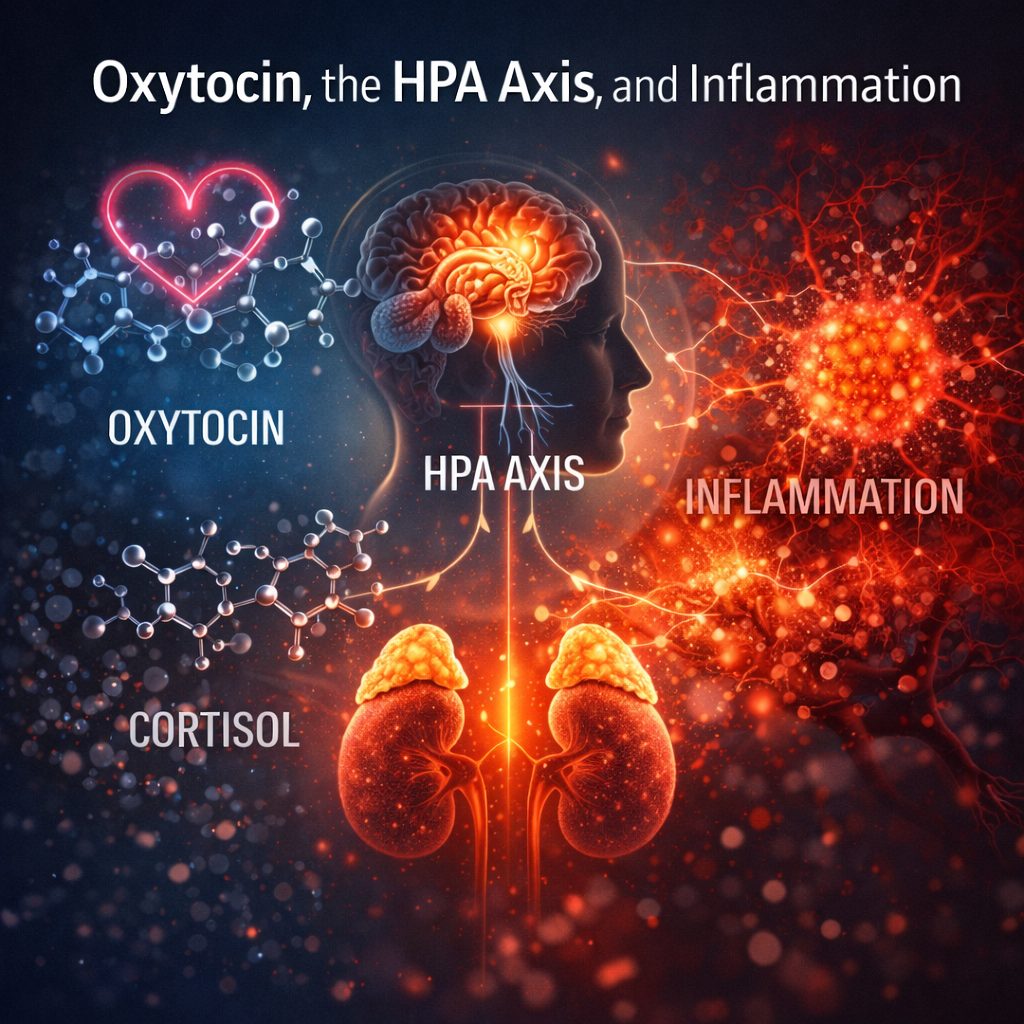
The neuropeptide oxytocin releases during physical affection, sustained eye contact, and meaningful social engagement. It directly modulates the HPA axis by suppressing corticotropin-releasing hormone — effectively placing a brake on the cortisol response. Research published in Psychoneuroendocrinology documents this pathway clearly. Oxytocin also suppresses NF-κB signaling, a key driver of inflammatory gene expression. Elevated NF-κB activity links to accelerated cellular aging, higher cardiovascular risk, and reduced synaptic plasticity. These are not minor effects. They compound over time in ways that matter for both performance and lifespan.
Love and Wellness Practices as Autonomic Reset Tools
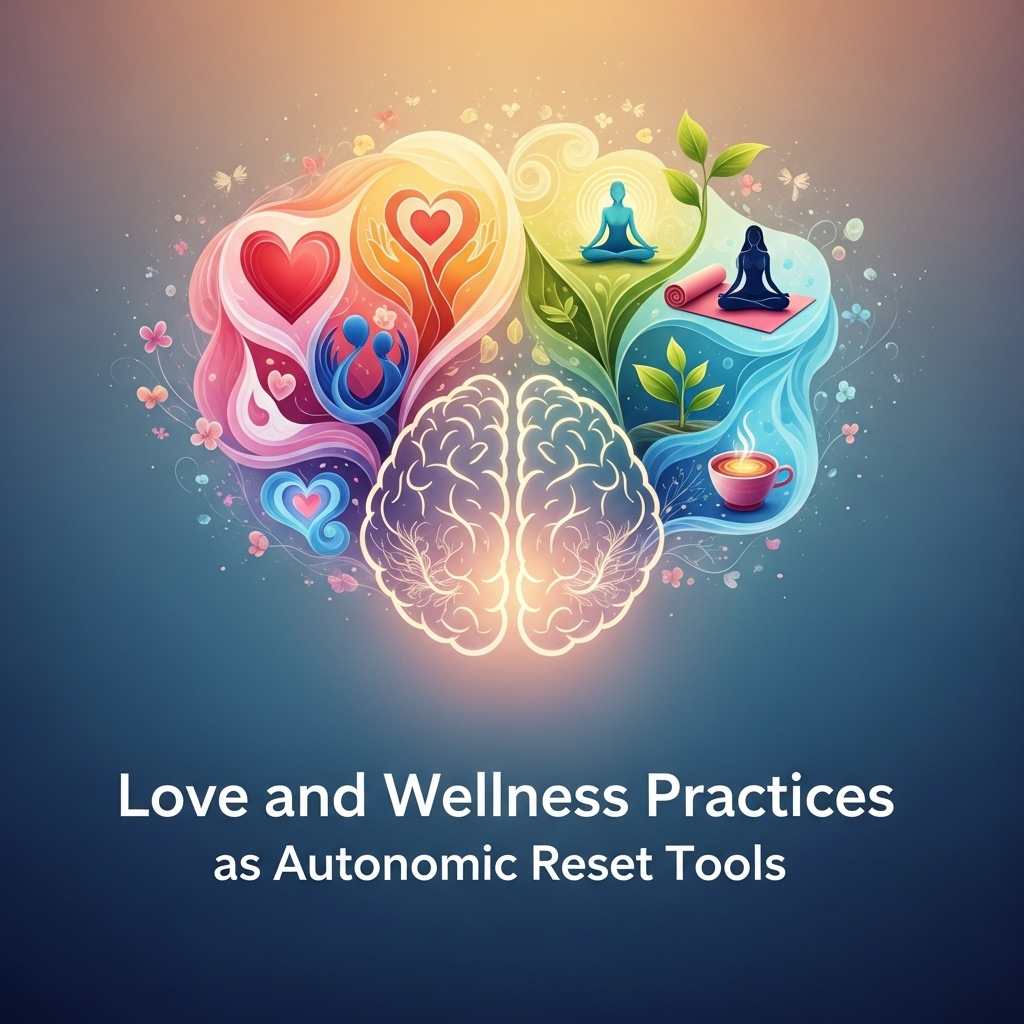
Heart rate variability measures beat-to-beat changes in cardiac timing. Researchers now regard it as one of the most reliable non-invasive markers of autonomic health and stress resilience. High HRV reflects strong parasympathetic tone. It correlates with faster stress recovery, better sleep, and sharper executive function. Chronic stress erodes HRV over time. Structured physical touch, deliberate relational engagement, and mindfulness practices with a relational component each produce measurable HRV improvements in controlled research settings. Research affiliated with the American Institute of Stress shows that even brief positive social interactions produce acute parasympathetic activation detectable on HRV monitoring.
Cognitive Consequences of Relational Deprivation
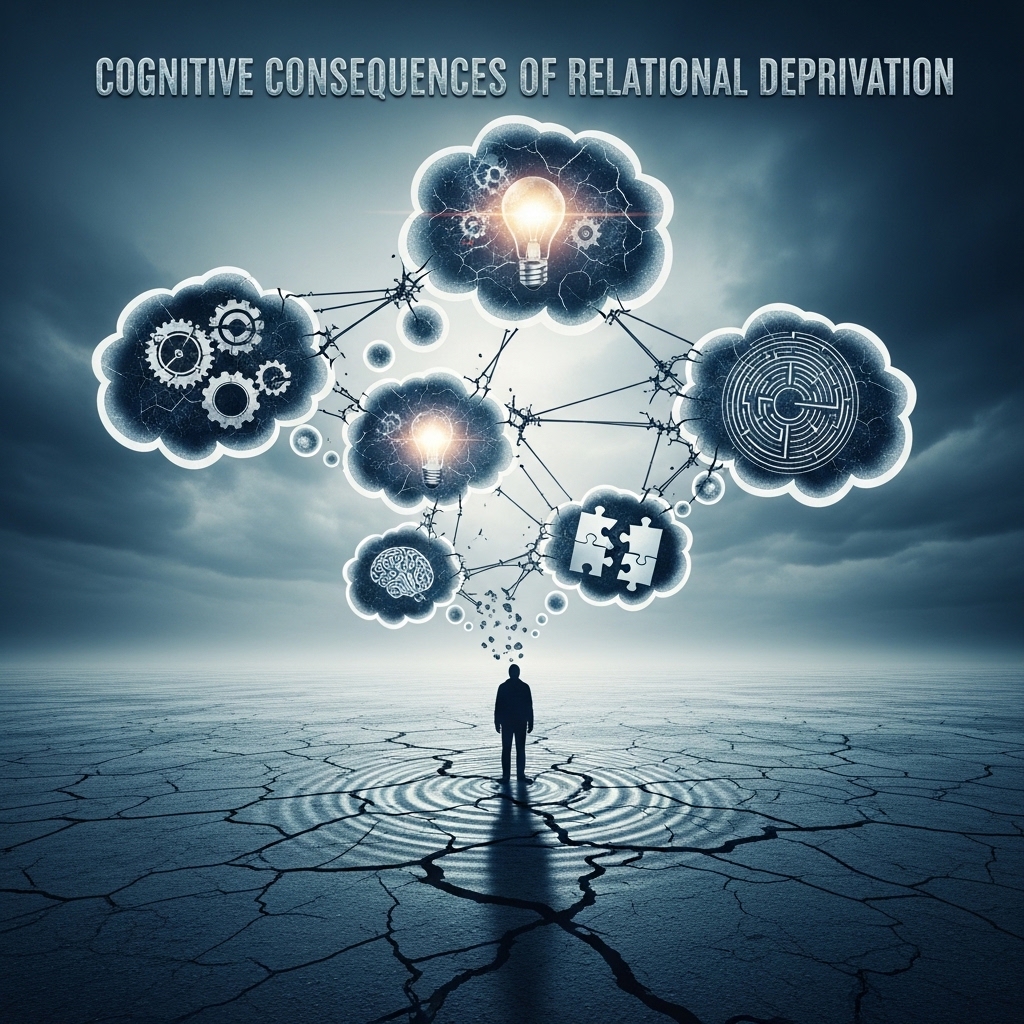
Social isolation does not leave cognitive performance unaffected. Research from the National Institute on Aging links chronic loneliness — defined as perceived relational insufficiency, not objective social frequency — to a 26% increased risk of premature mortality, measurable hippocampal volume loss, and cognitive decline patterns consistent with early neurodegeneration. For executives whose professional value depends on cognitive output, this trajectory carries direct consequences. Working memory, processing speed, and sustained attention under pressure rank among the first functions to decline under relational stress and isolation.
READ ALSO: Emotional Projection: A Gentle Guide to Self-Reflection
Physical Affection and Neuroendocrine Regulation
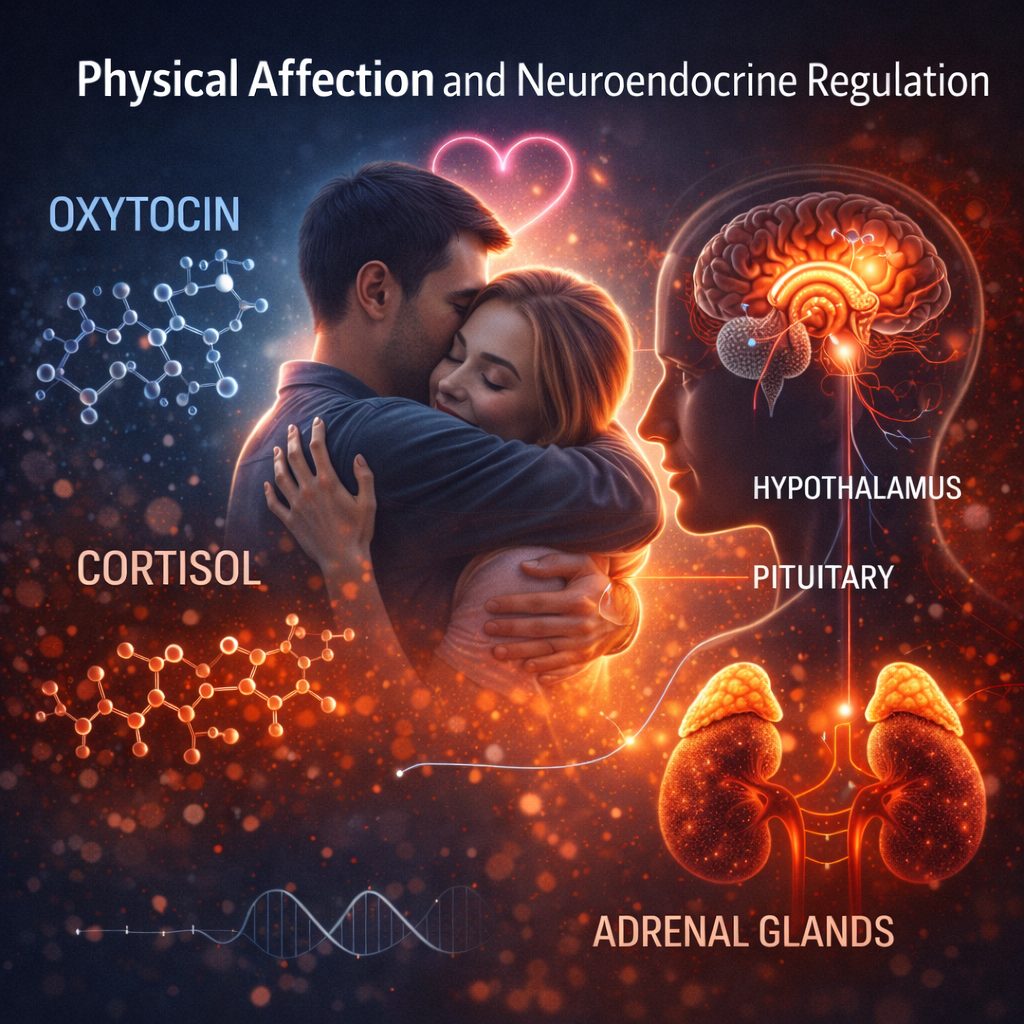
Physical affection — including non-sexual touch — produces a neuroendocrine profile directly relevant to stress physiology. Research from the Touch Research Institute at the University of Miami shows that structured tactile engagement lowers salivary cortisol, reduces systolic blood pressure, and raises natural killer cell activity. This points to immune-modulatory effects beyond the better-known stress reduction pathways. Many professionals systematically deprioritize physical connection. The biology treats this as a recoverable deficit — one with direct relevance to both performance and long-term health.
Sleep, Relational Quality, and Cognitive Recovery
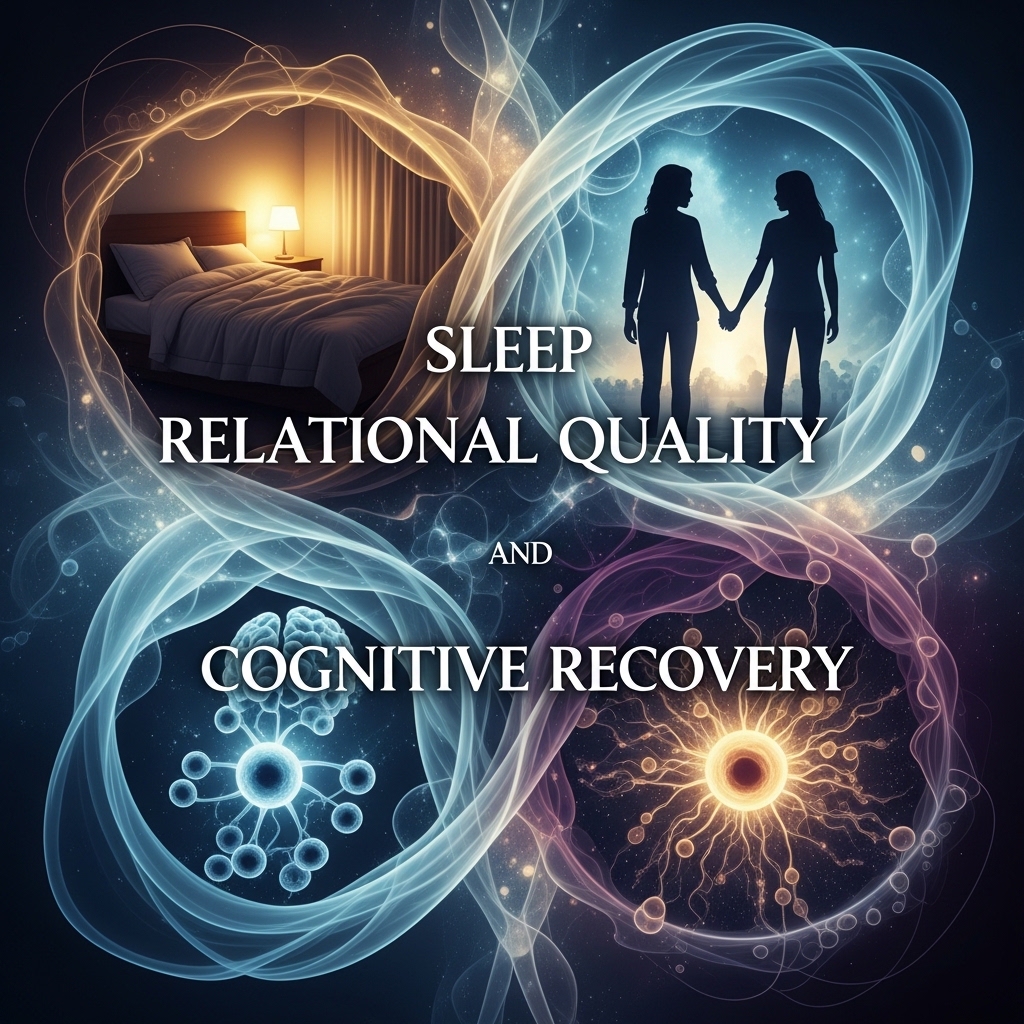
Relational security reduces pre-sleep cognitive arousal — one of the primary drivers of delayed sleep onset and fragmented sleep in high-stress populations. Lower evening cortisol, supported by positive relational engagement during the day, helps the brain initiate sleep more efficiently. Research published in Sleep Medicine Reviews shows that people reporting high relational satisfaction achieve greater slow-wave sleep density. This sleep stage drives glymphatic clearance of metabolic waste, including amyloid-beta proteins linked to neurodegeneration. Cognitive recovery during sleep does not occur in isolation from the relational context surrounding it.
READ ALSO: Your Daily Wellness Journal Guide to Better Self-Care
Wellness Practices, Telomere Biology, and Biological Age
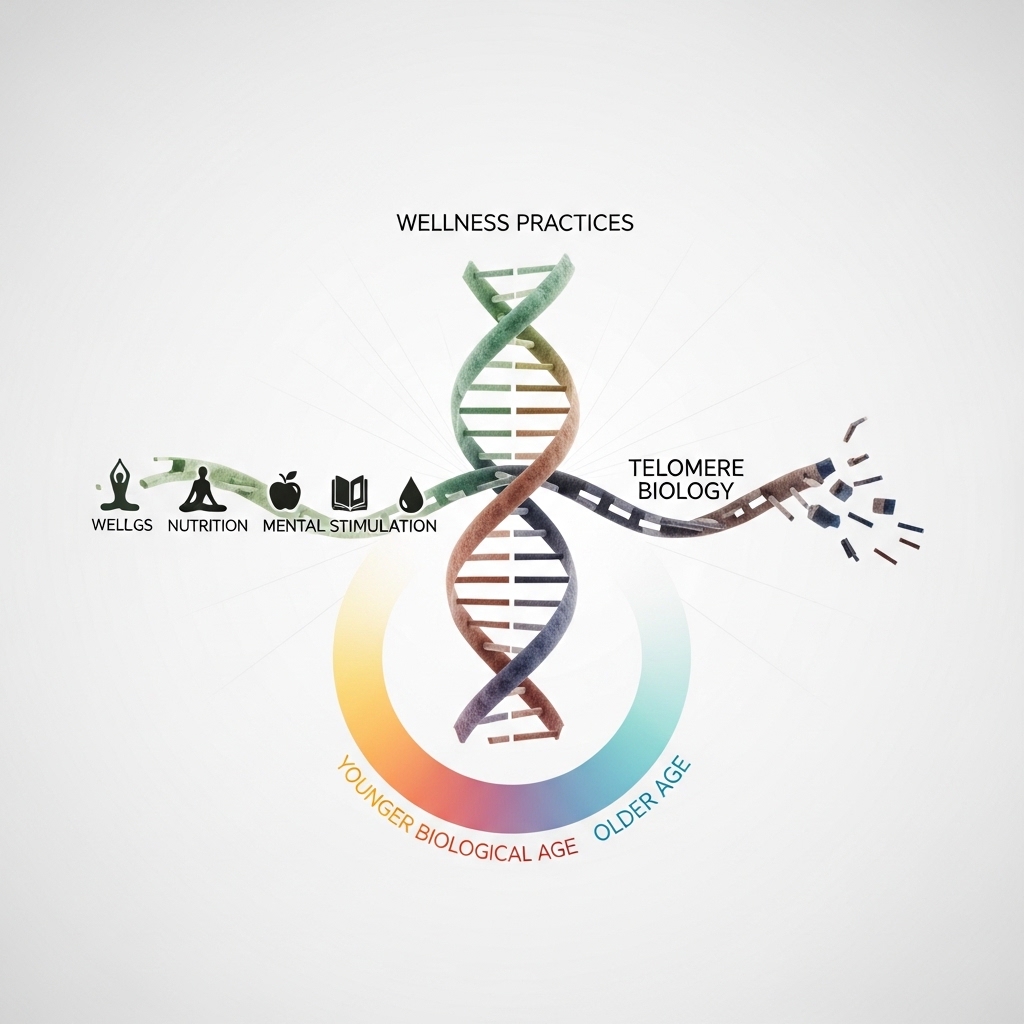
Telomeres — the protective caps at the ends of chromosomes — shorten with each cell division. Chronic stress accelerates this process, particularly when professionals experience relational adversity or isolation. Research from the laboratory of Nobel laureate Dr. Elizabeth Blackburn establishes that stress-reduction practices, including relational engagement and mindfulness, preserve telomere length and raise telomerase activity. Telomerase maintains and repairs telomeres. The practical implication is direct: the biological age of a professional's cells reflects, in part, the quality and consistency of their relational and wellness practices — independent of diet and exercise.
Mindfulness Within a Relational Framework
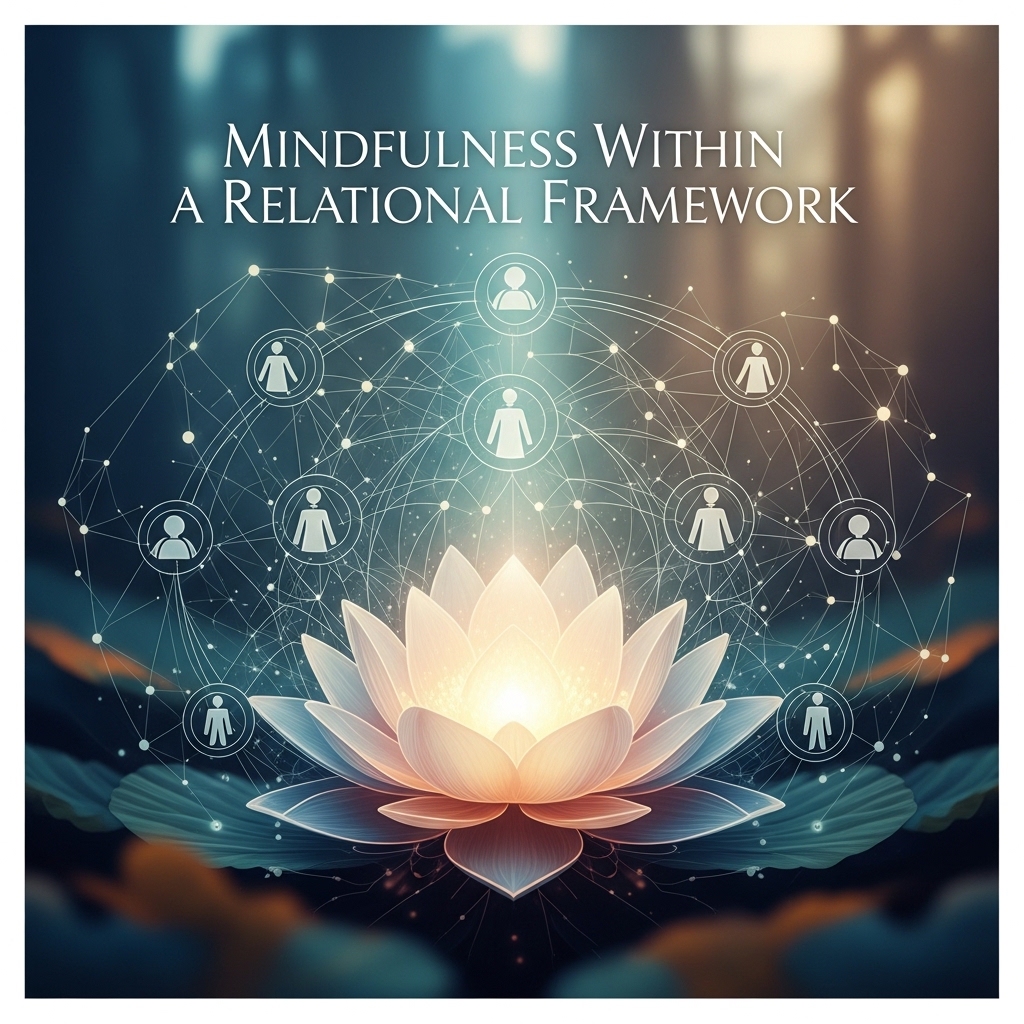
Mindfulness-based stress reduction (MBSR) carries a strong clinical evidence base. Studies document its effects on cortisol reduction, lower inflammatory markers, and structural brain changes — including increased gray matter in the prefrontal cortex and anterior cingulate cortex. When professionals practice mindfulness within a relational context — with a partner, within a therapeutic relationship, or in a structured group — the neurobiological benefit appears stronger. The relational setting adds a parasympathetic cue that deepens the stress-response effect. For professionals resistant to solo meditation, relational mindfulness formats may offer a higher-return entry point.
READ ALSO:Self Care Night Routine Ideas to Calm Your Mind and Body
Cardiovascular Risk and the Relational Variable
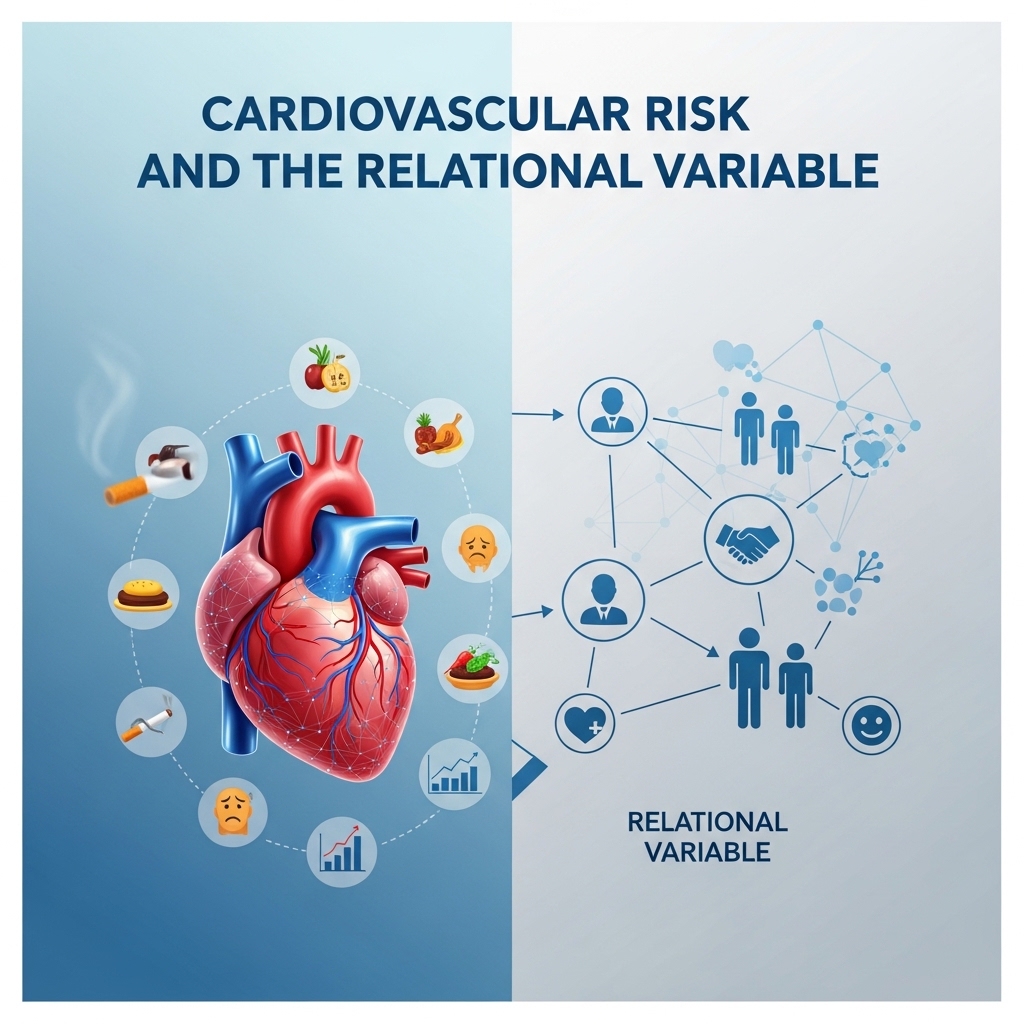
The cardiovascular system responds to relational and emotional inputs with precision. Longitudinal data from the Framingham Heart Study identifies social isolation, low relationship satisfaction, and emotional suppression as independent cardiovascular risk factors — comparable in effect size to moderate hypertension. High-quality relational engagement correlates with lower resting heart rate, reduced arterial stiffness, and better lipid profiles. Two mechanisms drive this: direct neuroendocrine effects via cortisol and catecholamine reduction, and indirect behavioral effects, as people in strong relationships tend to maintain better sleep, nutrition, and exercise habits.
Operationalizing Love and Wellness in a High-Performance Context

The evidence reframes love and wellness practices as strategic biological inputs — not lifestyle extras. Professionals reviewing their current behavioral architecture can identify recoverable deficits: frequency and quality of physical affection, access to psychologically safe relational contexts, time allocated to non-transactional social engagement, and whether mindfulness practice includes a relational dimension. Objective tools exist to track progress. HRV monitoring, inflammatory panel testing, and biological age assessments provide measurable feedback on whether current practices produce real neuroendocrine benefit. The research does not support passive relational maintenance. It supports deliberate, consistent engagement with love and wellness as a structured part of any serious performance or longevity protocol.
UP NEXT: Magical Mindset to Transform Your Daily Self-Care Routine
How This Affects Your Biological Age
Chronic relational deprivation and unmanaged psychological stress rank among the most consistent drivers of accelerated biological aging, with research linking elevated cortisol load and systemic inflammation — both direct consequences of poor relational health — to telomere attrition rates that can add five or more years to measured biological age. WholeLiving's Biological Age Estimation Model incorporates this factor directly — your assessment takes under five minutes.
Ready to understand how these factors are influencing your biological age right now? [Take the Biological Age Assessment →]