
Bed and breakfast starts with body timing, not comfort

In clinical nutrition, bed and breakfast means the link between sleep timing and the first meal of the day. That link shapes circadian timing, blood sugar control, and hormone rhythm. For high-performing adults, it affects how the body starts the workday.
The American Heart Association has linked meal timing and breakfast habits with cardiometabolic health. When adults skip breakfast often or eat late at night, metabolic control can worsen. That moves bed and breakfast into the field of performance health.
The stronger frame is chrononutrition. This field studies how meal timing works with the body clock. In that model, breakfast is not a side detail. It helps set the pace for metabolic function across the day.
Breakfast timing affects blood sugar control early in the day
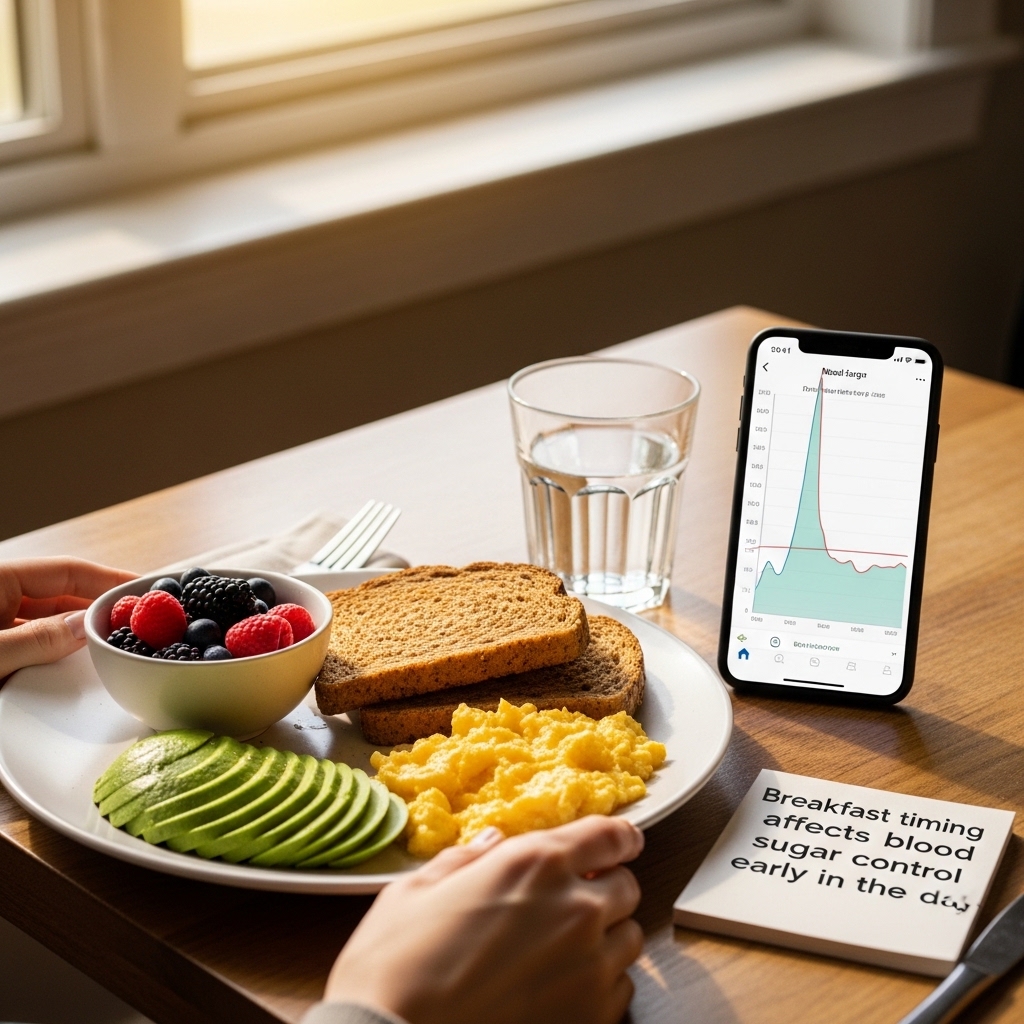
The body usually handles glucose better earlier in the day. Insulin sensitivity often drops as the day moves on. That means the same meal can create a different blood sugar response in the morning than at night.
This is why breakfast timing matters. Research has shown that skipping breakfast can disrupt clock-gene activity and raise blood sugar after later meals. The first meal helps set the body’s metabolic rhythm for the hours that follow.
For executives and founders, unstable glucose is not only a diabetes concern. It can reduce focus, change appetite, and weaken steady thinking. A serious view of bed and breakfast looks at glycemic stability, not just whether breakfast happened.
Late-night eating often weakens the next morning

The night meal shapes the next morning more than many people assume. Late eating can raise fasting glucose and weaken glucose tolerance. It can also reduce the metabolic value of the first meal the next day.
This pattern matters because late eating often comes with late sleep. That pairing shortens the fasting window and delays the body clock. It also raises the chance that breakfast gets skipped or rushed.
That is why bed and breakfast works as one system. A late bedtime rarely stands alone. It often travels with late meals, shorter sleep, and poor morning structure. Over time, that pattern can weaken metabolic control.
Skipping breakfast links with higher cardiovascular risk

Breakfast habits also matter for heart health. In the Health Professionals Follow-Up Study, men who skipped breakfast had a higher risk of coronary heart disease than men who ate it. That finding does not make breakfast a cure, but it does make it clinically relevant.
The American Heart Association has reached a similar view. It treats breakfast skipping as part of a broader eating pattern tied to worse cardiometabolic outcomes. For high-output adults, that matters because vascular health supports long-term brain function and work capacity.
This gives bed and breakfast a wider role. It is not just about hunger, comfort, or routine. It may reflect how well daily habits support blood vessels, glucose control, and long-term resilience under stress.
Sleep timing and breakfast habits usually rise or fall together
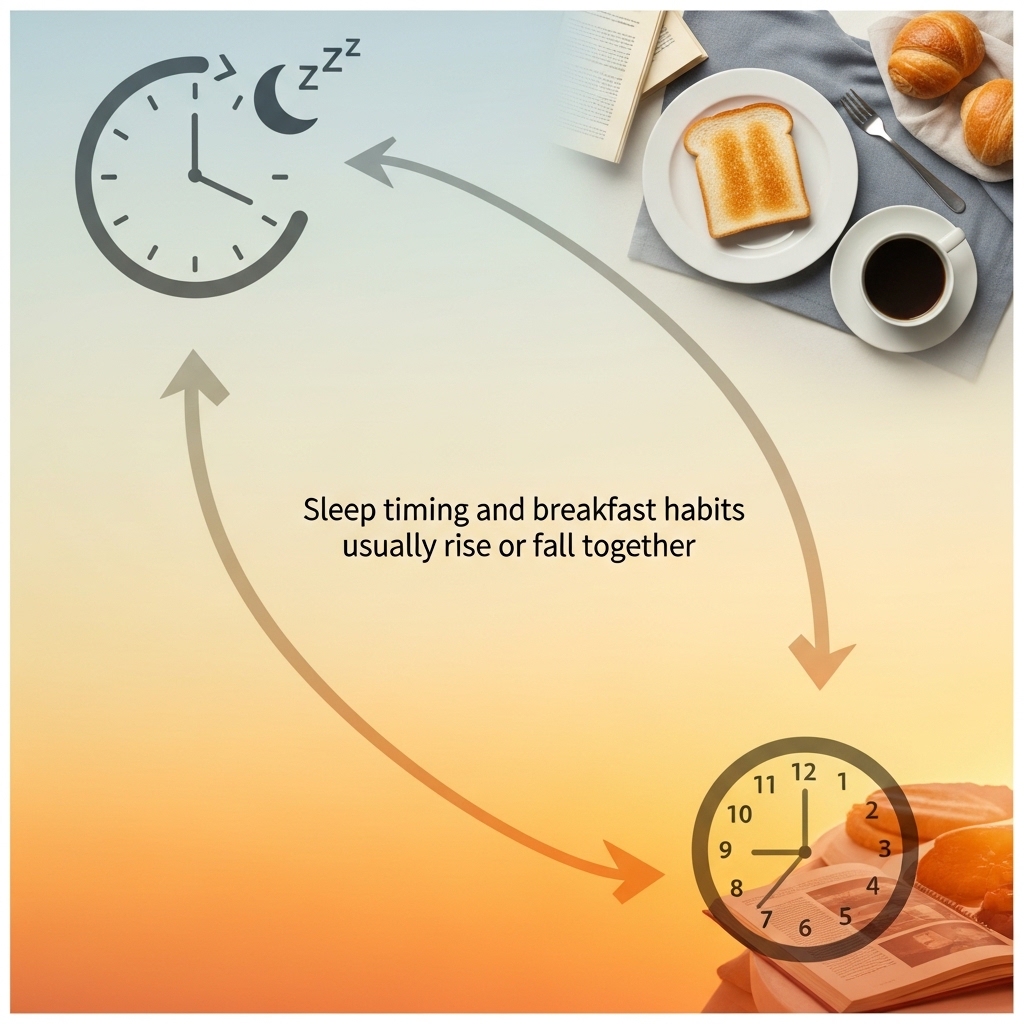
Sleep and breakfast behavior often move in the same direction. Adults who go to bed late, sleep poorly, or wake up tired are more likely to skip breakfast. That pattern appears in several sleep and metabolism studies.
The link makes physiologic sense. Late bedtimes compress the morning and shift hunger later. That makes the first meal easier to delay or ignore. It also changes alertness and blood sugar handling after waking.
Research adds another point here. Breakfast timing may not only respond to circadian rhythm. It may also help shape it. That means bed and breakfast is not just a matter of preference. It is part of how the body organizes the day.
READ ALSO: Eat Like a Nutritionist: 8 Healthy Breakfasts
Morning thinking depends on sleep and first-meal quality

Breakfast does not create instant mental sharpness, but it can affect how the brain performs in the morning. Reviews have found small but real gains in memory, especially delayed recall, after breakfast in healthy adults. The effect is not dramatic, but it is meaningful.
For professionals, the key issue is steady output. The brain performs better when it gets stable fuel after adequate sleep. A poor first meal or no meal at all can add strain to a brain that already lost recovery overnight.
This makes bed and breakfast a cognitive issue as well as a nutrition issue. Poor sleep can weaken working memory and decision speed. A high-sugar breakfast or a skipped meal can make that weakness worse through unstable energy delivery.
READ ALSO: How Breakfast Macronutrient Ratios Drive Cortisol Regulation and Sustained Cognitive Output in Executives
Hormone rhythm changes with meal timing
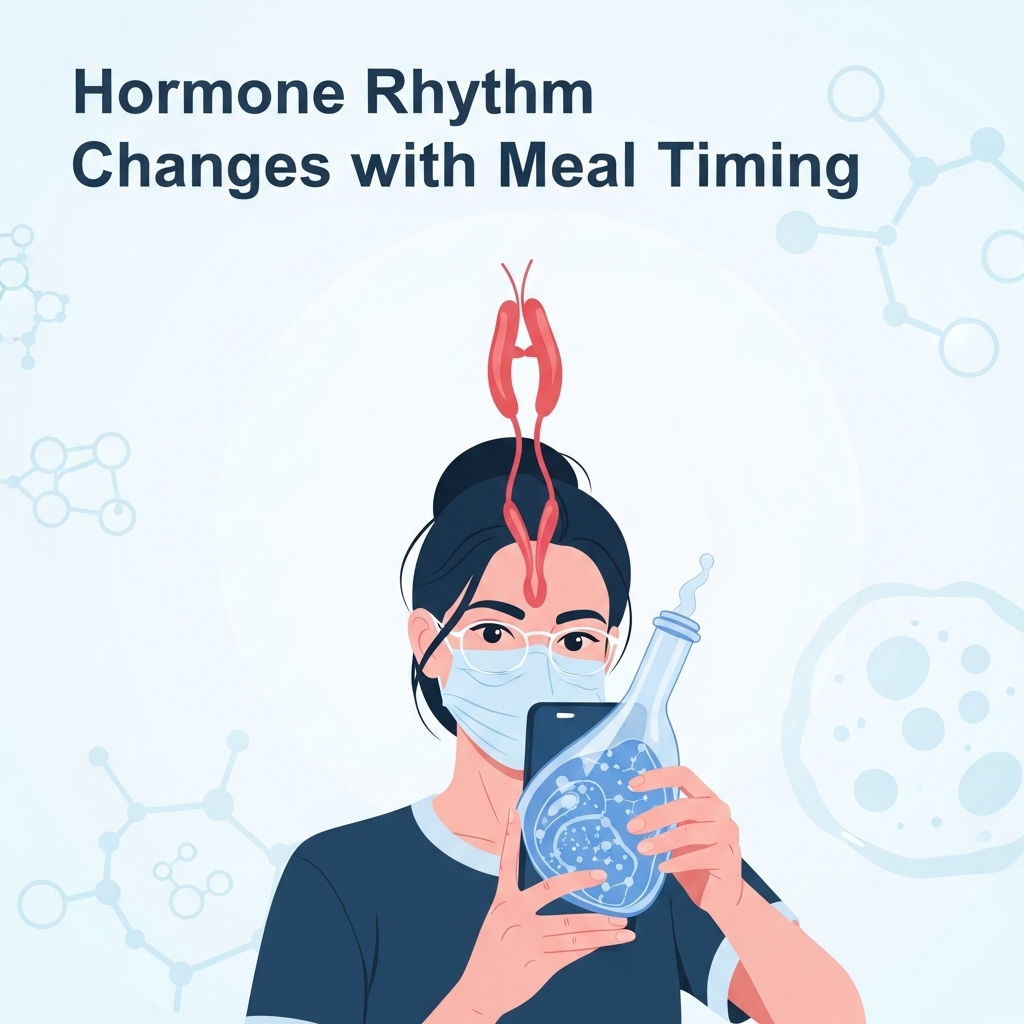
The first meal does more than affect insulin. It also interacts with daily hormone rhythm, including cortisol. Cortisol helps drive wakefulness and readiness in the early day.
Studies on time-restricted eating show that meal timing can shift cortisol patterns. Delaying or skipping breakfast may change morning hormone rhythm in ways that affect hunger, attention, and energy. For some adults, that produces a morning state that feels flat or unstable.
For high-performing adults, this is where bed and breakfast meets stress biology. A late bedtime followed by no breakfast may look efficient, but it can weaken regulation the next morning. Over time, that pattern may add to chronic load instead of supporting recovery.
Breakfast quality matters as much as timing

The evidence does not support the idea that any breakfast will help. Meal quality matters. A low-quality first meal can still create a sharp rise and fall in blood sugar, even when timing is early.
That means a pastry and sweet coffee may not solve the real problem. They may only shift it into another form. The body still faces unstable fuel delivery, and the brain still feels the drop that follows.
A better bed and breakfast pattern focuses on alignment and meal structure. The goal is not to follow a social rule about breakfast foods. The goal is to create a first meal that supports steady glucose, appetite control, and clear thinking.
READ ALSO: Nutrient-Dense Easy Meals for a Healthy, Balanced Life
The real longevity question is daily rhythm

From a longevity view, the strongest signal is not that breakfast alone extends life. The stronger signal is that aligned sleep and meal timing support better metabolic health. Late eating and repeated breakfast skipping often track with worse outcomes.
That matters because bed and breakfast touches several systems tied to biological aging. These include glucose control, inflammation, vascular health, sleep quality, and stress rhythm. When these systems drift, performance often drops before disease appears.
The more useful message is precise. Bed and breakfast matters when sleep timing and first-meal timing support circadian biology. That alignment may matter more than the old debate over whether breakfast is the “most important” meal.
What the evidence supports for a high-performing professional

The evidence points toward a clear pattern. Very late eating can weaken the next day’s metabolic response. Skipping breakfast can work against stable glucose control, heart health, and morning mental output. Poor sleep can amplify all of those effects.
A stronger approach is to treat the first meal as part of a larger timing system. Sleep timing, wake time, and breakfast quality work better when they align. This frame fits the evidence better than rigid rules or broad wellness claims.
For the serious professional, the most useful use of bed and breakfast is as a marker of rhythm quality. It shows how well daily habits support glucose stability, cardiovascular health, recovery, and cognitive performance across the morning.
UP NEXT: Peruvian Diet and Nourishing Foods for Balanced Energy
How This Affects Your Biological Age
Irregular bed and breakfast timing, especially late sleep paired with skipped or low-quality morning meals, can worsen glucose variability, disrupt cortisol rhythm, and reduce metabolic stability, all of which are linked to faster biological aging. WholeLiving's Biological Age Estimation Model incorporates this factor directly — your assessment takes under five minutes.
Ready to understand how these factors are influencing your biological age right now? [Take the Biological Age Assessment →]