

Upper-limb muscle strength is a clinically recognized predictor of functional longevity, metabolic health, and age-related decline in musculoskeletal performance. For executives and founders operating under sustained cognitive load, maintaining skeletal muscle mass—particularly in frequently undertrained areas such as the biceps—supports insulin sensitivity, grip strength, and overall physical resilience. Research increasingly links declining upper-body strength with accelerated sarcopenia and reduced work capacity after the fourth decade of life. A structured bicep muscle workout routine does not require a gym environment to be effective. With minimal equipment and strategic consistency, professionals can preserve arm strength, maintain muscle protein turnover, and support long-term physical performance without disrupting demanding schedules.
The Importance of Upper-Limb Strength
Upper-limb muscle strength is a clinically recognized predictor of functional longevity, metabolic health, and age-related decline in musculoskeletal performance. Strong arms not only enable daily tasks but also contribute to overall metabolic function. For executives and founders under sustained cognitive load, maintaining muscle mass in undertrained areas like the biceps supports grip strength and insulin sensitivity.
Research increasingly links declining upper-body strength with accelerated sarcopenia and reduced work capacity after the fourth decade of life. Weak upper limbs affect posture, joint health, and general physical resilience. Consequently, incorporating bicep muscle workouts into professional routines is essential for long-term health and performance.
With minimal equipment and strategic consistency, professionals can preserve arm strength, maintain muscle protein turnover, and support physical capacity without disrupting demanding schedules. Portable training solutions make this achievable, even for those who travel frequently or work long hours.
READ ALSO: Bicep Muscle Workout You Can Do Anywhere
The Functional Role of the Biceps in Upper Limb Performance
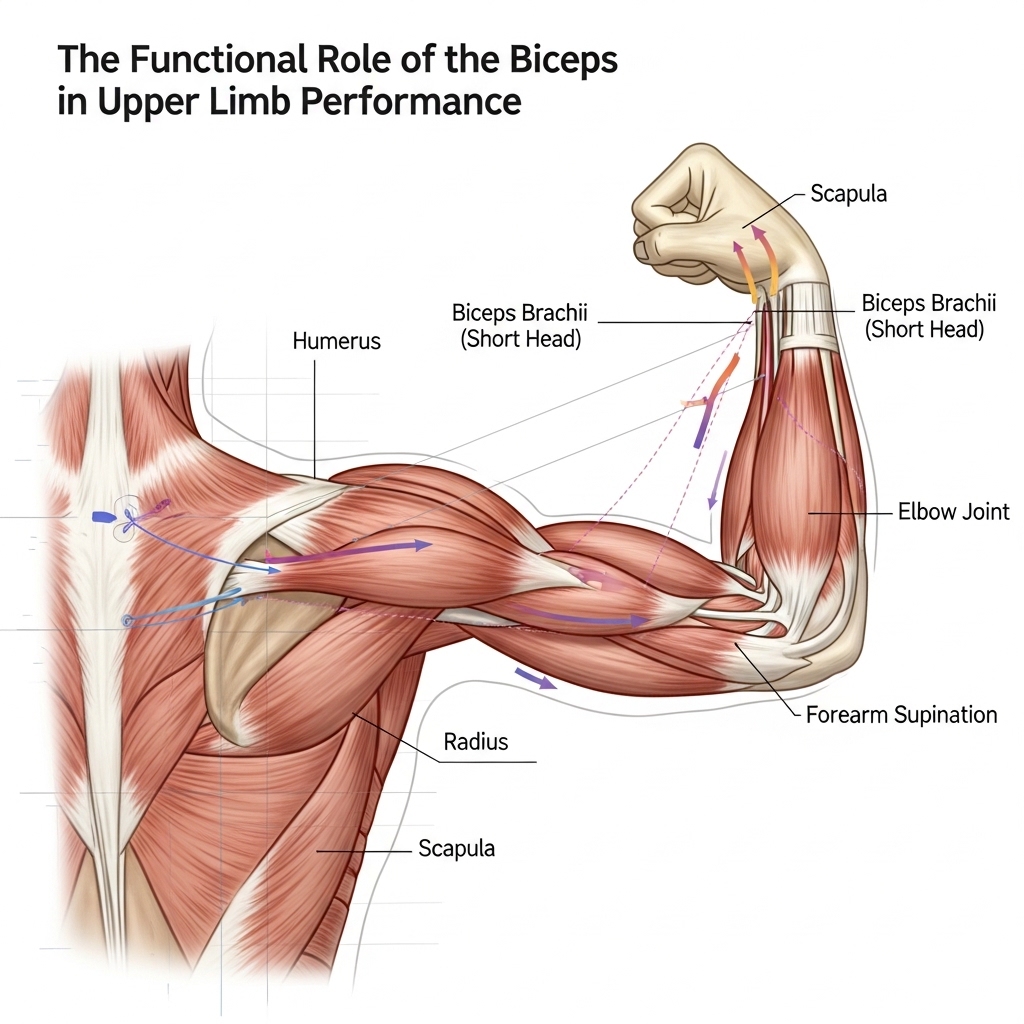
A well-designed bicep muscle workout targets two main movements: bending the elbow and rotating the forearm. While these actions may appear simple, they are essential for lifting, pulling, carrying, and stabilizer the shoulder during compound movements. Professionals who travel often or work long hours rely on these motions to support repeated daily activities.
The biceps works together with the brachialis, brachioradialis, and shoulder stabilizers. Together, these muscles share force between the forearm and upper arm while protecting the elbow from strain. If the biceps weakens, other muscles must compensate, often leading to inefficient movement patterns.
Over time, these compensations increase stress on the elbow and shoulder. Repeated strain can result in tendon irritation or joint discomfort, particularly in desk-bound professionals. Strengthening the biceps ensures force is distributed evenly across the upper limb.
Maintaining arm strength supports more than muscle size. It improves coordinated movement, preserves joint health, and reduces the risk of overuse injuries that accumulate during midlife. This makes bicep muscle workouts a meaningful part of any upper-body and posterior chain program.
Skeletal Muscle as a Longevity Factor

Skeletal muscle is a key determinant of longevity and metabolic health. Muscles influence glucose regulation, energy output, and inflammatory processes. Therefore, total muscle mass becomes a measurable factor in long-term health outcomes.
Research from the National Institute on Aging and the National Institutes of Health shows that reduced muscle mass increases the risk of frailty, metabolic disorders, and mortality. While most research focuses on lower-body muscles, upper-arm musculature contributes significantly to overall lean mass.
After age 40, muscle growth slows while breakdown accelerates. Sarcopenia, or age-related muscle loss, begins to progress more rapidly. Without consistent resistance training, this decline continues unchecked.
Even modest resistance exercises slow this process by maintaining muscle repair and protein turnover. Bicep muscle workouts help preserve lean tissue, support metabolic function, and reduce biological aging associated with muscle loss, benefiting both daily functional capacity and long-term health.
Grip Strength, Arm Strength, and Mortality Risk
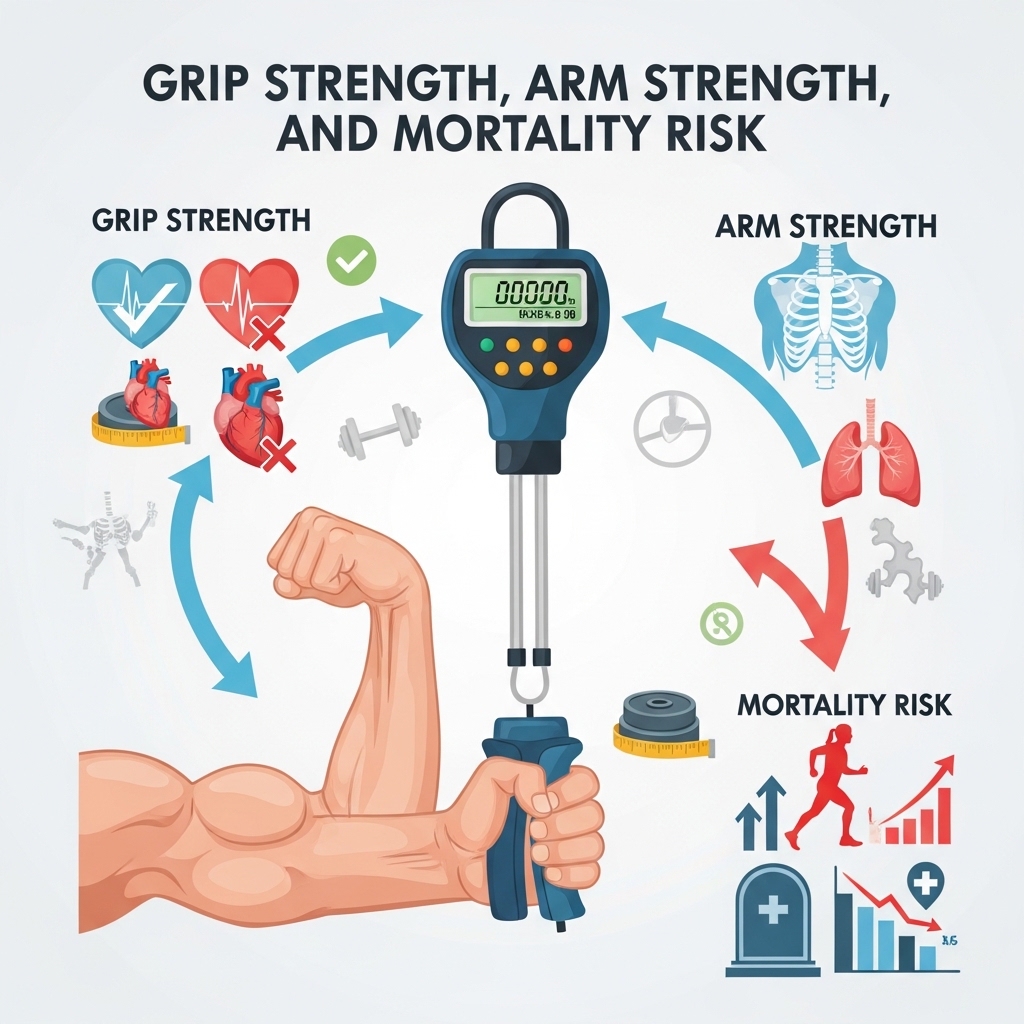
Grip strength is a widely recognized marker of overall physical fitness. It reflects muscular capacity and functional resilience and predicts outcomes such as cardiovascular disease and mortality. Additionally, grip strength is easy to measure, making it a practical clinical marker.
The PURE Study, published in The Lancet, followed over 140,000 participants across multiple countries. Low grip strength correlated with higher cardiovascular risk and all-cause mortality. In some populations, grip strength even predicted mortality more accurately than systolic blood pressure.
While grip strength primarily originates from forearm muscles, the biceps contributes by stablishing the elbow during pulling and lifting. Weak biceps reduce arm efficiency and functional capacity.
Maintaining bicep muscle workouts indirectly supports grip performance. In turn, this strengthens overall musculoskeletal health and functional capacity. Upper-arm strength thus serves as a practical marker for general fitness and resilience.
READ ALSO: Wake-Up Weights – Whole Living Wellness
Sedentary Work and Upper-Limb Muscle Inhibition

Extended desk work leaves the biceps and other upper-arm muscles largely inactive. Forearm and shoulder muscles may engage lightly, but inactivity gradually alters neuromuscular coordination. Electromyography studies confirm minimal activation of elbow flexors during prolonged computer tasks.
As a result, the nervous system becomes less efficient at recruiting motor units, a phenomenon known as neuromuscular inhibition. Low activation leads to strength decline even before visible muscle loss occurs. Over time, this reduces performance for tasks requiring sudden strength or effort.
Brief, consistent bicep muscle workouts can reactivate these neural pathways. By stimulating motor unit recruitment, they restore efficient muscle activation patterns. Functional movement capacity is maintained, which high performers rely on daily.
Additionally, even short bouts of biceps-focused resistance training improve both endurance and coordination. This helps desk-bound professionals prevent the gradual decline in upper-limb strength caused by sedentary work.
Resistance Training and Metabolic Regulation
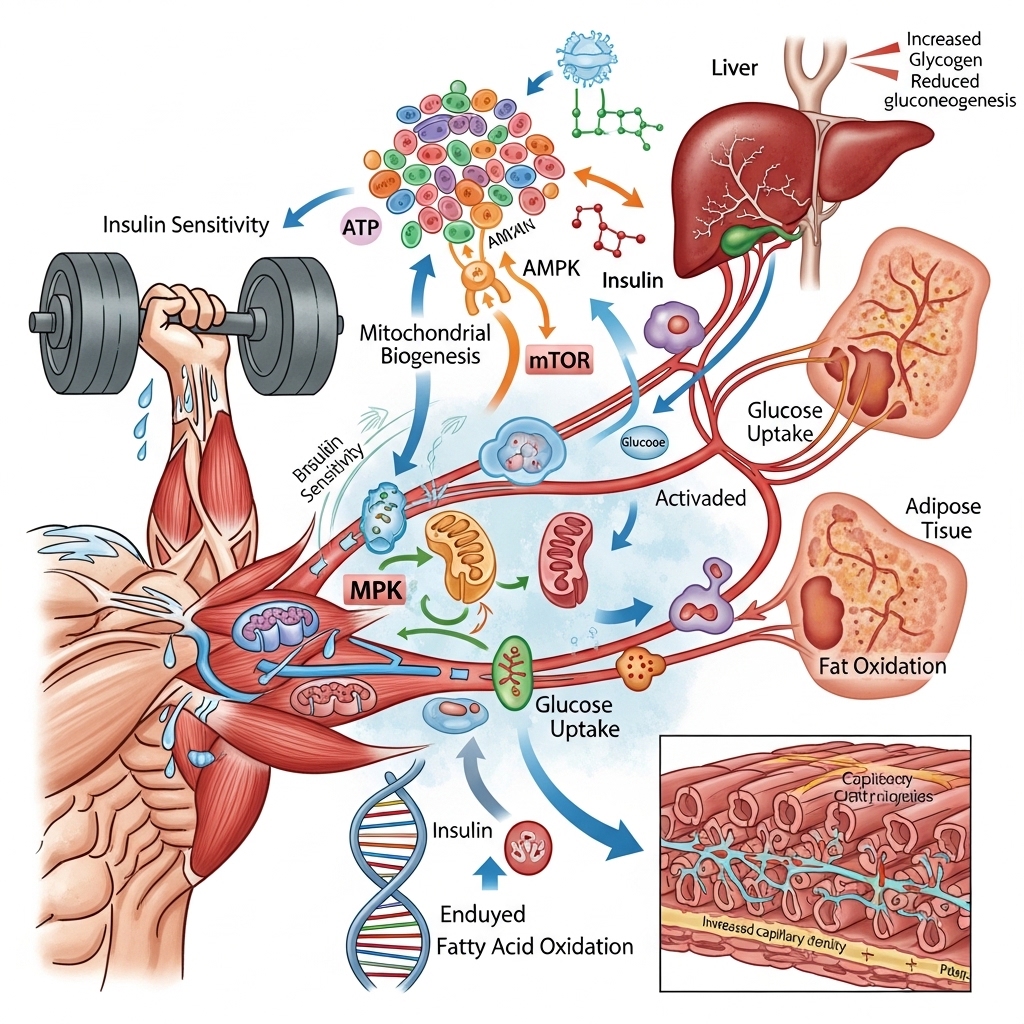
Resistance training supports metabolism through multiple mechanisms. Skeletal muscle is the primary site for glucose uptake, and contraction moves glucose into muscle cells for energy. Muscle activity is therefore central to blood sugar regulation.
Research from the Harvard T.H. Chan School of Public Health shows that resistance training improves insulin sensitivity and reduces type 2 diabetes risk. Muscle contractions also promote glucose uptake independently of insulin, supporting stable blood sugar levels.
Even localized bicep muscle workouts contribute to glucose uptake and glycogen storage. For professionals managing irregular meals, travel, or long work hours, these metabolic benefits preserve energy balance and overall metabolic resilience.
Consistent resistance exercise also strengthens muscle tissue, increasing energy output. Over time, this reduces the risk of metabolic decline and supports healthier aging.
READ ALSO: Triceps Muscle Training to Boost Your Gratitude for Health
Cortisol, Stress Physiology, and Muscle Maintenance
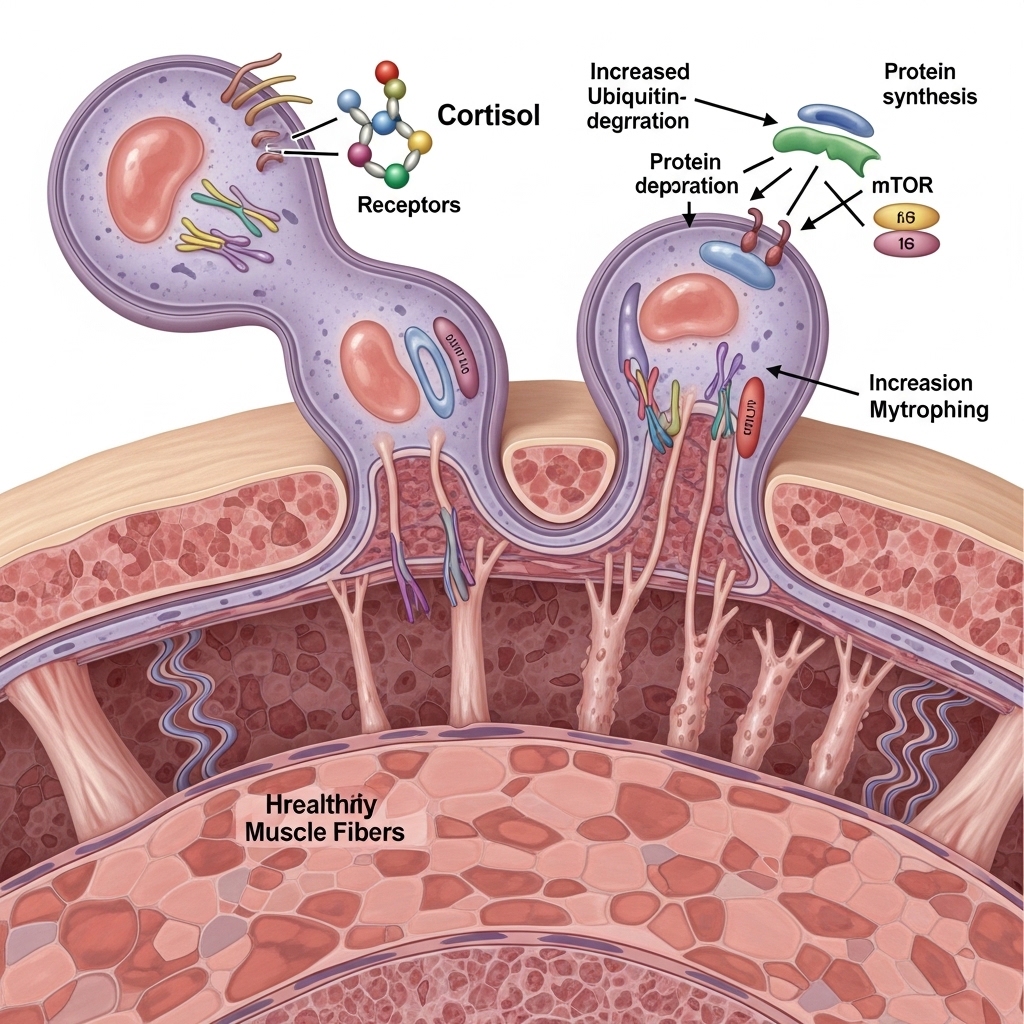
Chronic stress negatively affects muscles through hormonal pathways. Elevated cortisol speeds up protein breakdown and reduces muscle repair, leading to lean mass loss. High-performing professionals are particularly vulnerable due to prolonged cognitive and emotional demands, especially in midlife.
Resistance training counteracts this catabolic effect. Exercise triggers anabolic hormones, including growth hormone and testosterone, which support muscle repair and adaptation. Bicep muscle workouts therefore help offset stress-induced muscle decline and maintain endocrine balance. This connects directly to the broader hormonal consequences outlined in WholeLiving's guidance on cortisol management for high performers.
Regular engagement in resistance exercises also supports mental resilience. By reducing the physical impact of chronic stress, professionals maintain both muscle mass and functional capacity over time.
Additionally, biceps-focused workouts complement compound movements, ensuring balanced upper-body development. This integrated approach maximises hormonal benefits and musculoskeletal health.
The Practical Advantage of Portable Strength Training

Gym access, commute time, and busy schedules often hinder consistent resistance training. Portable tools such as resistance bands, small dumbbells, and bodyweight exercises provide a practical solution. These tools engage the biceps fully while allowing a complete range of motion.
Studies show that resistance bands can generate muscle activation comparable to free weights when used properly. Therefore, portable bicep muscle workouts can be effective even when gyms are unavailable.
Portable training reduces logistical barriers and improves adherence. Consistency, rather than equipment type, is the primary driver of long-term strength gains.
Furthermore, portable workouts allow professionals to maintain routine and resilience during travel or irregular schedules. This flexibility makes them ideal for busy executives.
Key Movement Patterns That Target the Biceps
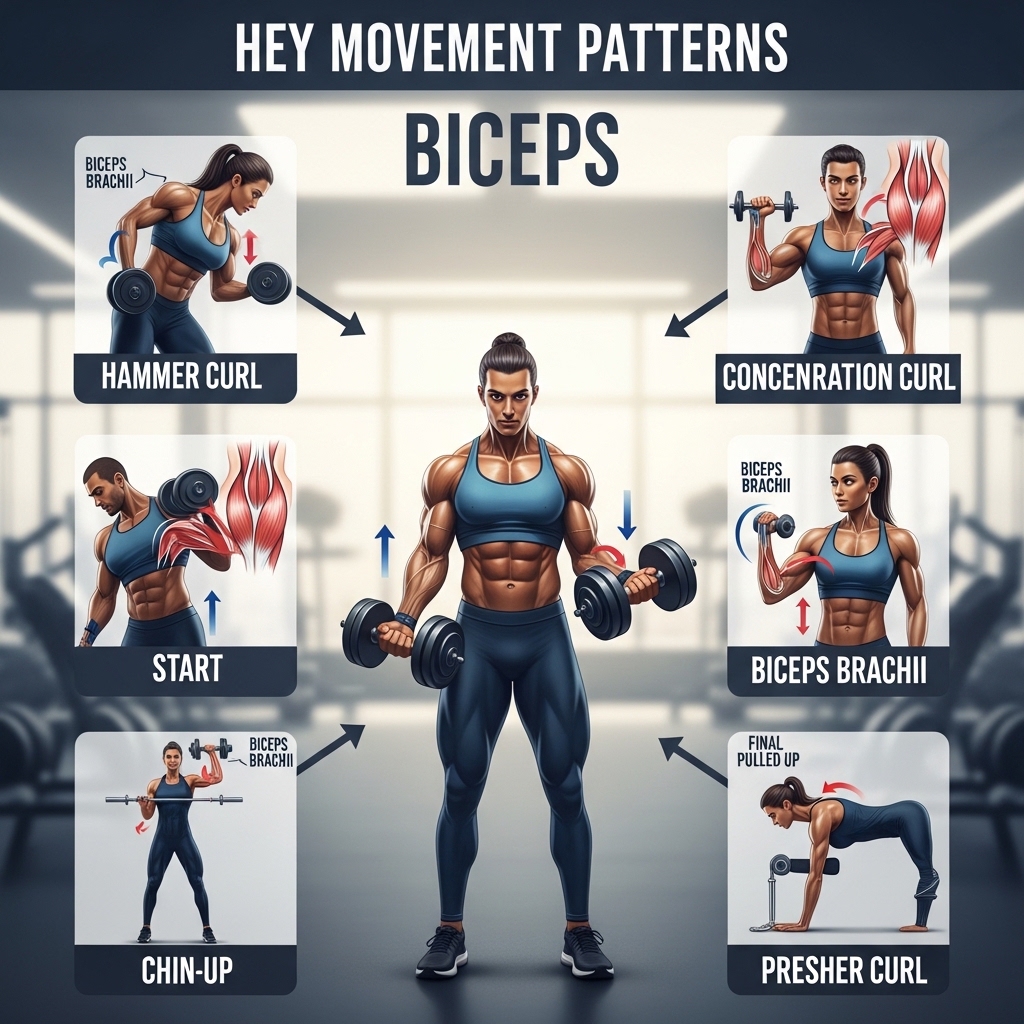
The biceps responds most strongly to elbow flexion combined with forearm supination. Controlled resistance through these movements activates all relevant fibres. Dumbbell curls and resistance-band curls are particularly effective when performed slowly and steadily.
Compound movements such as rows and assisted pull-ups recruit the biceps as a stabilizer while engaging back and shoulder muscles. Combining isolated curls with compound pulls produces comprehensive stimulation and coordination improvements.
Using a variety of movement patterns enhances both strength and functional capacity. Overall, this approach optimizes the effectiveness of a bicep muscle workout.
Additionally, incorporating slight variations in grip and tempo ensures full recruitment of muscle fibers for maximum adaptation.
READ ALSO: Leg Muscle Strength for Balanced Energy
Neuromuscular Adaptation Through Short Training Bouts
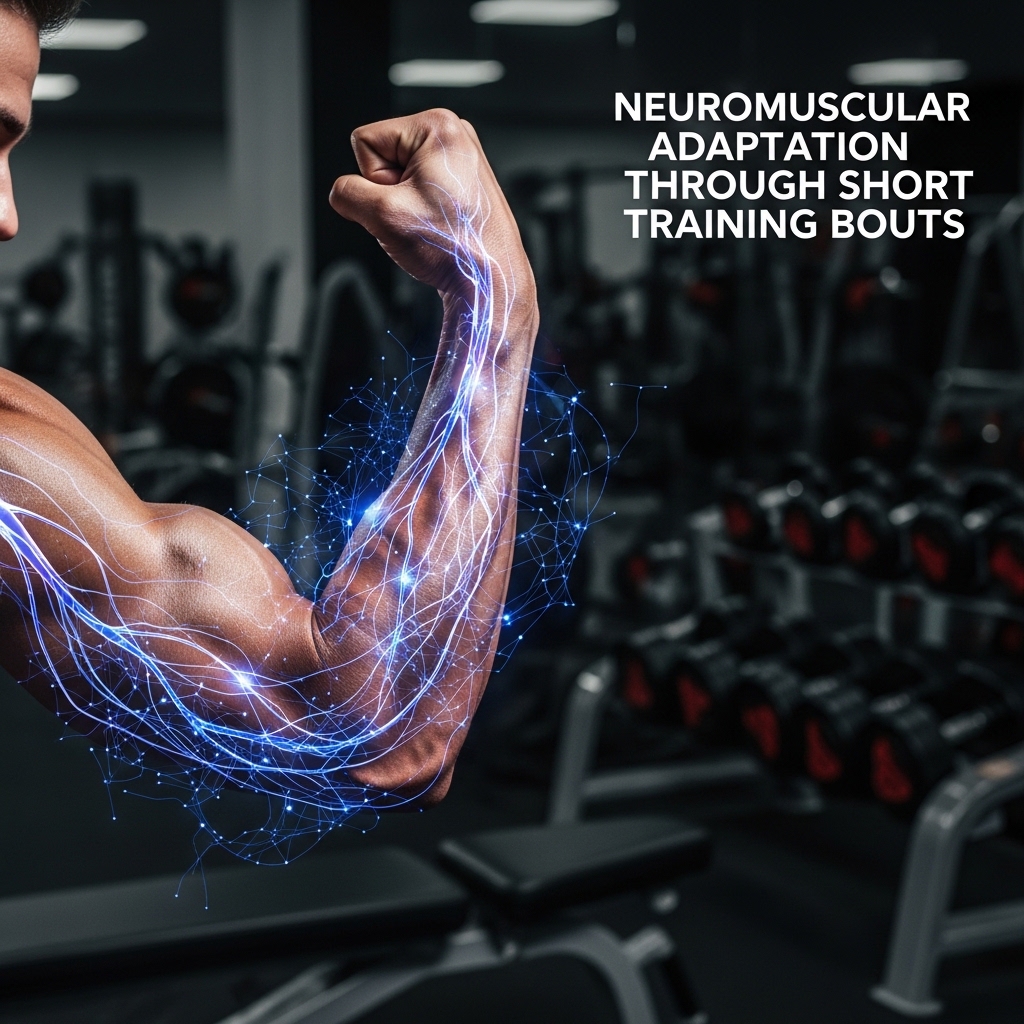
Strength gains arise from both muscle growth and neural adaptation. Neural adaptations dominate early improvements, increasing efficiency of motor-unit recruitment. Research in the Journal of Strength and Conditioning Research shows that repeated short sessions produce measurable neuromuscular benefits.
Short, frequent bicep muscle workouts improve strength and coordination even without long gym sessions. For busy professionals, this approach allows functional gains without disrupting schedules.
Regular neural stimulation also improves motor control and reduces risk of strain injuries. Consistency in short bouts builds a foundation for long-term strength and performance.
Upper-Body Strength and Postural Stability

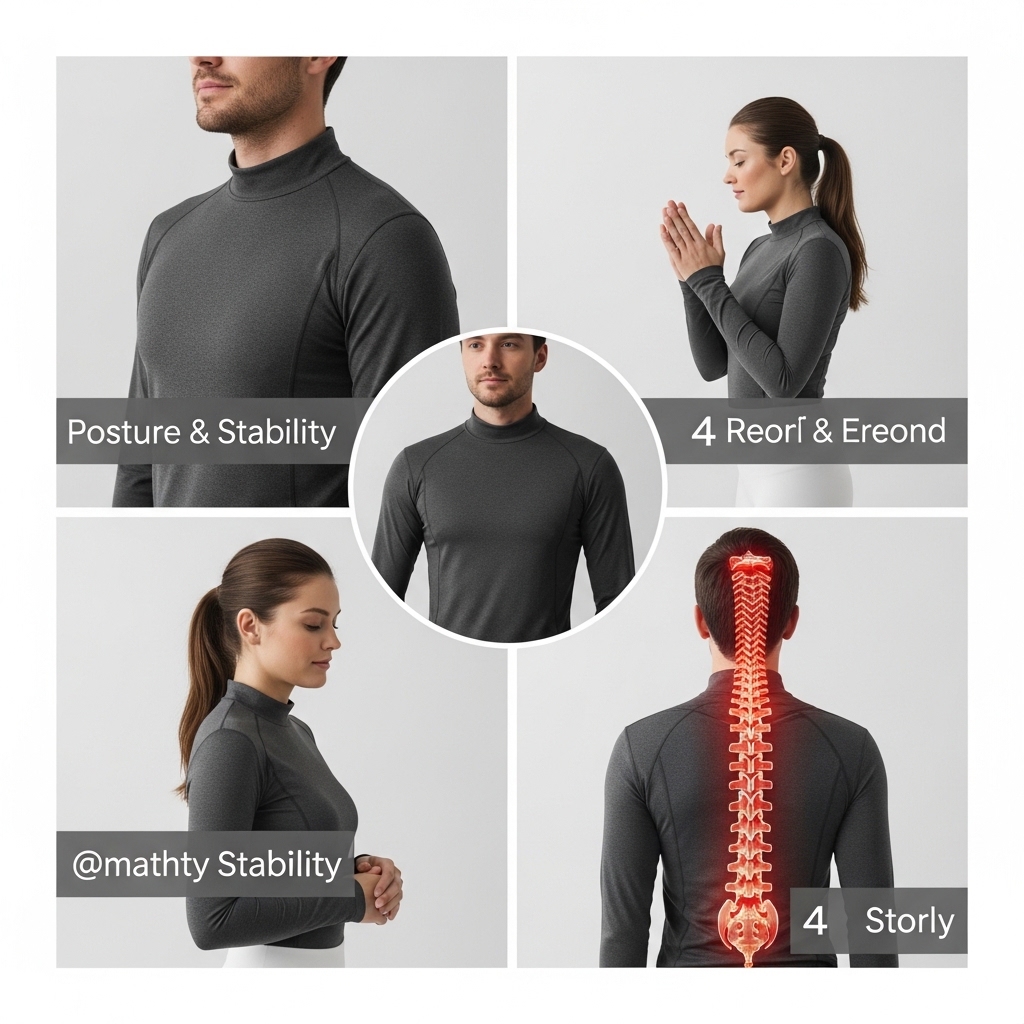
The biceps indirectly supports posture by stablishing the elbow and assisting shoulder alignment. When engaged, it recruits shoulder stabilizers and promotes proper joint alignment. Weak elbow flexors may lead to compensatory shoulder elevation or forward leaning, increasing neck and upper-back strain.
Integrating bicep muscle workouts into a balanced upper-body routine improves shoulder stability. Improved alignment enhances breathing mechanics and reduces spinal load during prolonged desk work.
Maintaining upper-arm strength complements posterior chain training, enhancing overall musculoskeletal balance. Consequently, postural improvements reduce fatigue and improve daily functional performance.
Aging, Sarcopenia, and Upper-Limb Preservation
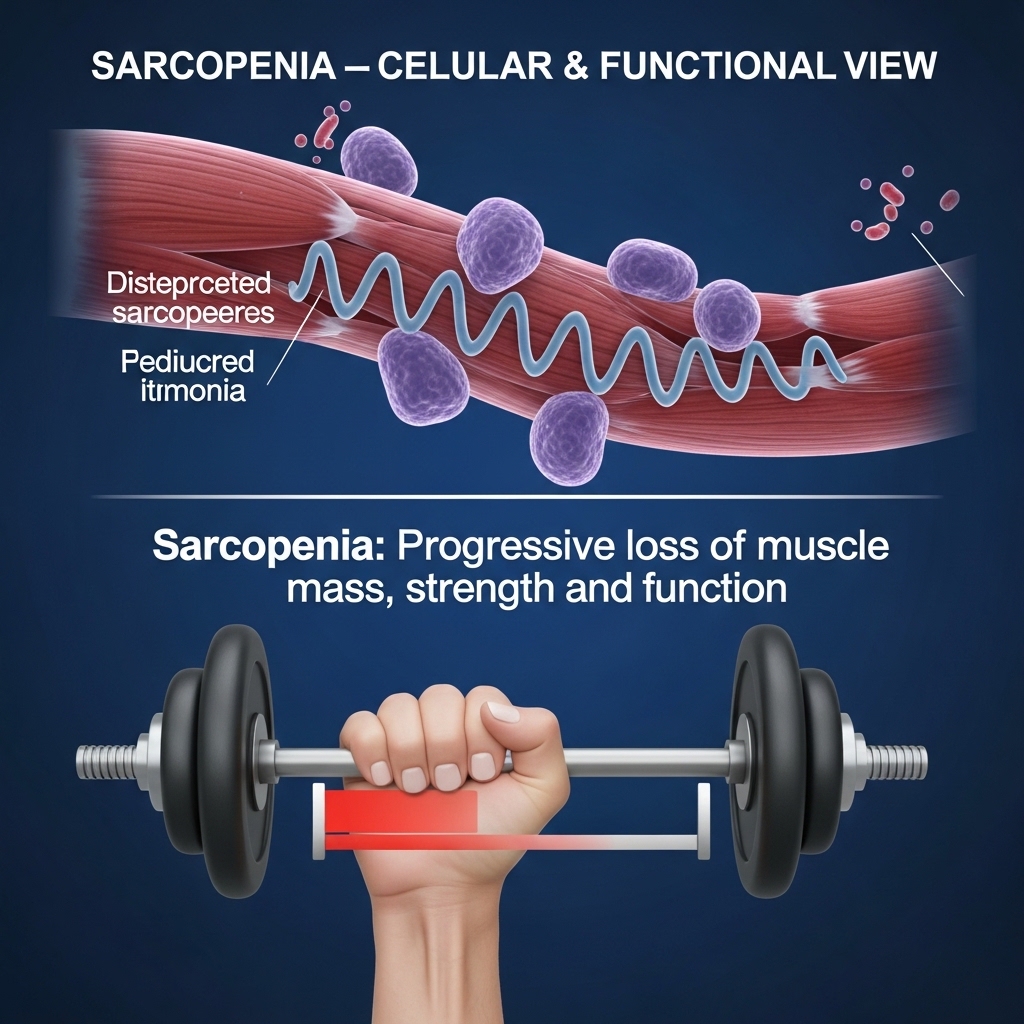
Muscle loss accelerates after age 50, affecting strength, endurance, and coordination. Resistance training remains a key strategy to slow sarcopenia. Strengthening upper-arm muscles, including the biceps, preserves functional independence for daily tasks such as lifting, carrying, or opening doors.
Maintaining arm strength reduces fatigue and supports long-term autonomy. Consistent bicep muscle workouts play a critical role in midlife musculoskeletal health and functional longevity.
Additionally, ongoing resistance exercise protects joints and stabilizer connective tissue, reducing age-related injury risk. These adaptations support mobility and quality of life as professionals age.
Evidence-Based Integration of Biceps Training Into Professional Life

Portable tools, including bands and dumbbells, allow effective biceps activation without a gym. Short, frequent sessions maintain neural function and protein turnover. Incorporating curls, pulling movements, and bodyweight exercises into brief workday breaks provides cumulative benefits.
Within a performance longevity framework, consistent bicep muscle workouts preserve lean mass, support metabolic stability, and sustain functional capacity. For busy professionals, portable resistance training offers a practical, evidence-based approach to maintaining upper-limb strength.
Over time, these small but frequent bouts accumulate, contributing significantly to long-term musculoskeletal health. This ensures that strength, coordination, and functional independence remain intact even under demanding schedules.
Key Takeaways for Professional Performance and Health
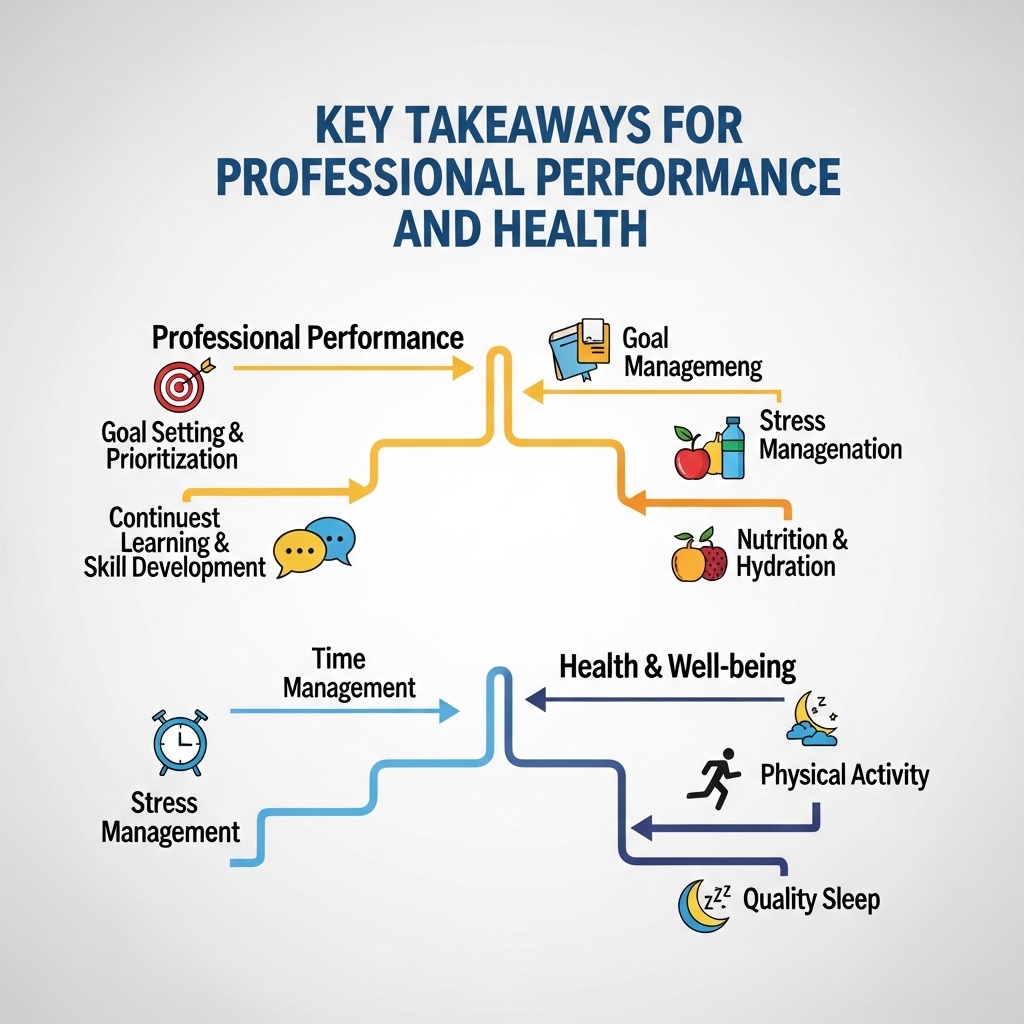
Biceps training is not just about appearance. It directly supports functional longevity, metabolic health, and musculoskeletal resilience. Regular bicep muscle workouts improve grip strength, posture, neuromuscular efficiency, and hormonal balance.
Portable and short-duration workouts provide a practical solution for professionals with limited time. Even modest, consistent sessions deliver measurable benefits for daily performance and long-term health.
Integrating biceps-focused training into a broader upper-body and posterior chain program ensures balanced development. Maintaining arm strength is, therefore, a cornerstone of sustaining productivity, physical independence, and overall wellbeing — all factors tracked within the broader WholeLiving performance framework.
UP NEXT: Lat Pulldown Training and Its Role in Preserving Postural Integrity and Metabolic Resilience After 40
Regular portable biceps exercise helps preserve lean muscle mass and maintain metabolic efficiency, both of which are key predictors of slower biological aging and reduced sarcopenia risk. WholeLiving's Biological Age Estimation Model incorporates this factor directly — your assessment takes under five minutes.
Ready to understand how these factors are influencing your biological age right now? [Take the Biological Age Assessment →]