


When life feels overwhelming or uncertain, turning to books about philosophy can help you regain balance. Philosophy provides a way to explore deeper meanings, challenge your thoughts, and connect with ancient wisdom. Whether you're facing stress, confusion, or seeking to expand your thinking, philosophy books offer clarity. By engaging with philosophical ideas, we invite reflection and gain deeper understanding. Here’s a collection of readings to guide you, offering nourishment for the mind and peace for the soul.
Books About Philosophy: Why Philosophy Matters in Times of Uncertainty

Philosophy is not just academic—it’s a way of life. Philosophical concepts help us answer life’s big questions: What is the meaning of life? How do we know what’s real? How should we live? These questions become more urgent when we face challenges. By exploring political philosophy, moral philosophy, and modern philosophy, we better understand ourselves and our relationship to the world.
Philosophical writings guide us to understand human nature. They address fears, desires, and struggles. By reading Plato’s dialogues, Aristotle’s Nicomachean Ethics, or Jean-Paul Sartre’s existentialism, we gain wisdom that transcends time. These works offer new ways to think about life. They use stories and narratives to make complex ideas more accessible.
The Timeless Wisdom of Ancient Philosophy

Some of the best philosophy books come from Western philosophy. Plato, Aristotle, and Socrates laid the foundation for enduring thinking. Socrates’ famous quote, “The unexamined life is not worth living,” urges self-awareness. In The Last Days of Socrates, we see his method and trial, offering insight into his approach. Reflecting on our thoughts reveals deeper meanings in our choices.
Aristotle’s Nicomachean Ethics emphasizes balance. He teaches that virtue and reason guide our actions. His “golden mean” helps us manage life’s uncertainties. Aristotle’s philosophy shows that living virtuously leads to true happiness. This insight is powerful when we feel lost or uncertain. For a broader philosophical perspective, explore Confucius’ The Analects, an important Eastern text. It balances Western philosophy, offering diverse wisdom.
The Power of Political Philosophy: Finding Balance in Society

In uncertain times, we often question the structures of society and politics. This is where political philosophy becomes crucial. Think of Thomas Hobbes and Jean-Jacques Rousseau’s social contract theories. They argue that individuals give up some freedoms for safety and order. Hobbes' Leviathan is a classic text in political philosophy. These theories encourage us to reflect on our role in society and our contribution to the common good.
John Locke and Jean-Jacques Rousseau emphasize liberty and equality. Their ideas are crucial when considering how we fit into larger political systems. Locke’s Second Treatise of Government is foundational in political theory. Karl Marx also deeply influenced political thought, with his critique of power and society. His works remain central to understanding societal dynamics.
The Role of Modern Philosophy: Questioning Reality

Modern philosophy offers insights into how we think and understand reality. While science relies on observation, philosophy focuses on change and becoming. Philosophers like Immanuel Kant and David Hume challenged ideas about reality and knowledge. Kant’s pure reason encourages us to reflect on how our minds shape our understanding. Kant's Critique of Pure Reason is foundational. In an ever-changing world, Kant’s ideas help us understand the limits of knowledge and the need for critical thinking.
David Hume, a key figure in modern philosophy, argues that our reality is shaped by experience, not just reason. His work, A Treatise of Human Nature, is vital to empiricism. Hume’s philosophy reminds us that our perceptions are valid, even if imperfect. By reading Hume, we embrace the limitations of human understanding and see how they shape our view of the world.
READ ALSO: Philosophy of Cynicism and the Lost Art of Openness
Understanding Human Nature: Philosophy’s Insights into Ourselves

Philosophy has long explored the mysteries of human nature. From early Western philosophy, thinkers have asked: What does it mean to be human? What drives us? How do we relate to each other and the world? By exploring philosophical ideas, we gain insights into our lives and the patterns shaping society.
Plato’s dialogues explore morality and the soul, urging us to reflect on justice and virtue. Aristotle’s works emphasize our capacity for reason and desire for happiness. Immanuel Kant explores morality and how our minds shape reality. These thinkers remind us that understanding ourselves is key to living a meaningful life.
READ ALSO: Life Is a Purpose, Not Just a Destination
Philosophy of Ethics: Navigating Right and Wrong

A comforting aspect of philosophy is its exploration of ethics. What is right and wrong? Moral philosophy offers insight into daily ethical dilemmas. Should we act in self-interest or for the good of others? Can we live ethically in an unjust world? John Stuart Mill, Immanuel Kant, and Friedrich Nietzsche offer distinct perspectives on morality and how we should engage with the world.
For example, John Stuart Mill’s utilitarianism focuses on maximizing happiness for the greatest number. Kant’s philosophy, based on duty and respect for others, encourages us to act out of respect, not merely for outcomes. Both offer guidance when facing moral uncertainty.
Influential Philosophers: Voices That Shaped Our Thinking

Philosophers have shaped how we see the world. Their contributions continue to influence our understanding of morality, politics, and life. Socrates, Plato, and Aristotle introduced critical thinking and self-examination. John Locke, Thomas Hobbes, and Jean-Jacques Rousseau revolutionized political theory with ideas on liberty and society. Their works remain central to modern political debates.
In moral philosophy, David Hume and John Stuart Mill introduced new ways to think about happiness, ethics, and reason. Friedrich Nietzsche and Jean-Paul Sartre challenged traditional values, urging us to confront existence and create our own meaning.
The Practical Application of Philosophy

You may wonder how to apply philosophy in your life. Philosophical ideas can feel abstract, but they offer practical guidance for making better decisions and finding meaning. Martin Heidegger’s work on being and time helps you embrace the present moment, free from the pressure of the future. Aristotle’s focus on balance guides you through emotional and existential challenges.
Philosophy encourages thoughtfulness. Instead of reacting to events, you learn to observe, reflect, and act with intention. This brings clarity and calm, even when life feels chaotic.
Embracing Life’s Big Questions: A Gentle Invitation to Reflect

The power of philosophy lies in its encouragement of self-reflection. Philosophy books challenge us to ask big questions: What is life? What is truth? What is reality? If you’ve studied philosophy or are just starting, each work invites deeper understanding. Even a few books can profoundly change how you experience life.
Engage in conversation about philosophical ideas. Discussing them with others can make complex concepts more accessible and help refine your thoughts. As you read thinkers like Bertrand Russell, Socrates, and Arthur Schopenhauer, you’ll form your own interpretations. Philosophy is about more than memorizing facts. It’s about applying lessons to your life, discovering purpose, and finding direction.
READ ALSO: Same Goal, Slower Path — Still Progress
Different Books About Philosophy: A List of Thought-Provoking Reads
1. The Republic by Plato
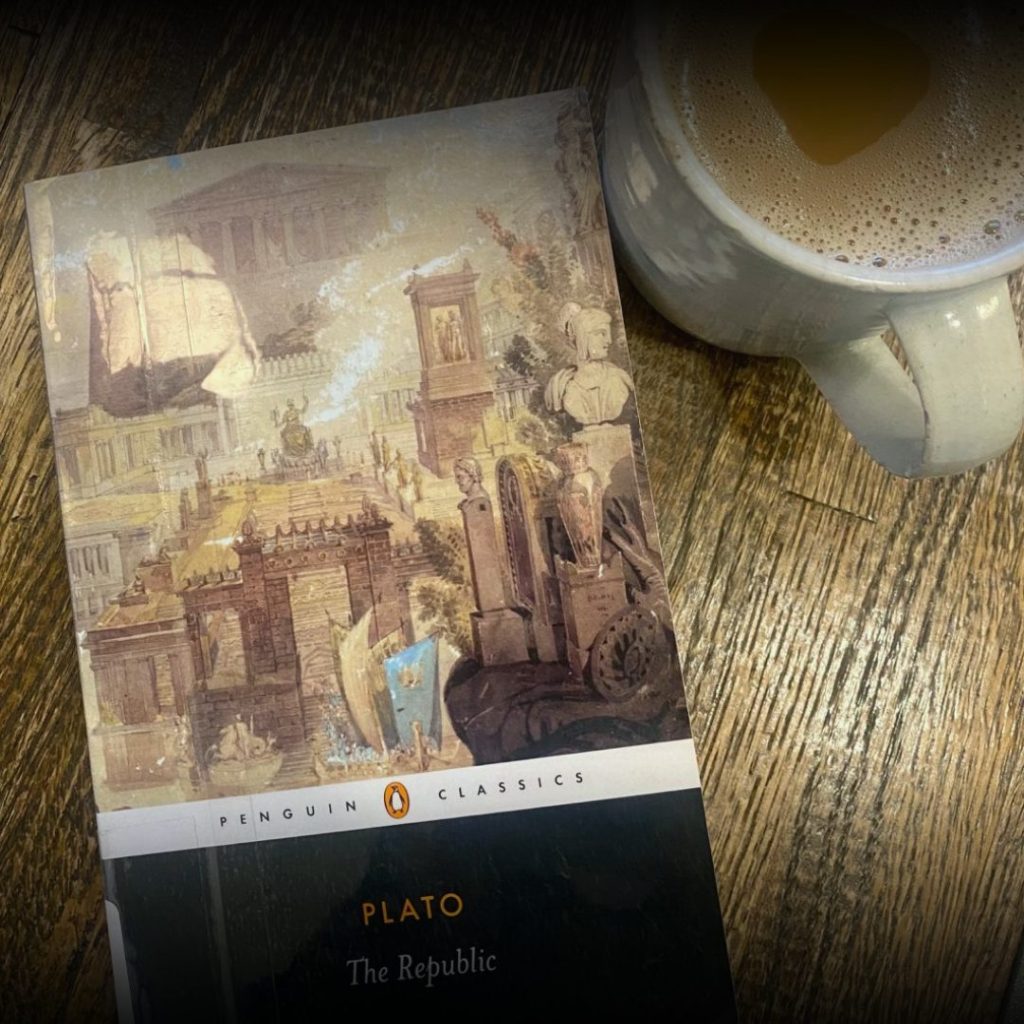
The Republic explores justice, society, and the role of the individual. Through Socrates’ dialogues, Plato presents the Allegory of the Cave, urging us to examine reality beyond superficial perceptions. He challenges us to question the world we see and seek deeper truths. This work emphasizes the importance of self-awareness and the pursuit of wisdom in creating a just society. By reflecting on Plato’s ideas, we learn to break free from ignorance and understand the nature of true reality.
Check out this The Republic: Exploring the roots of justice here.
2. Meditations by Marcus Aurelius
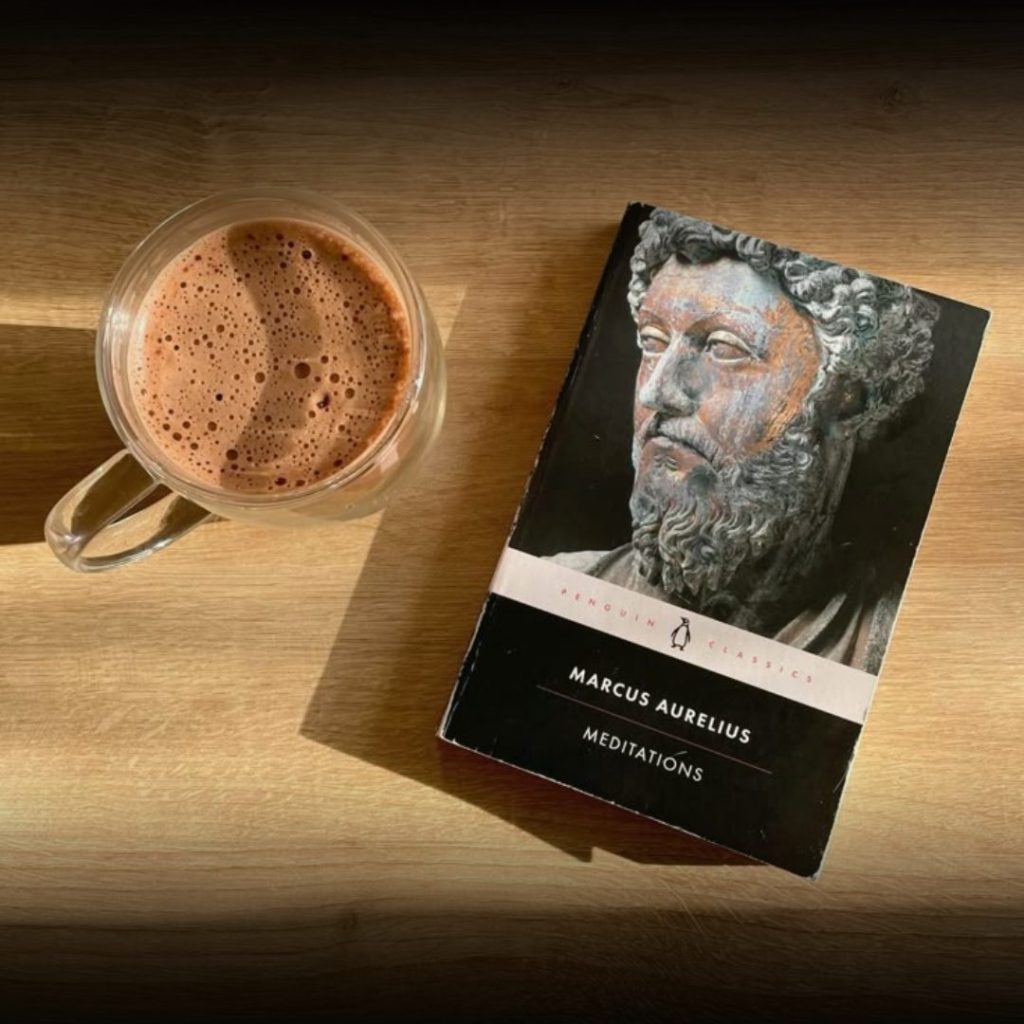
Written by the Roman emperor, Meditations is a guide to Stoic philosophy, self-discipline, and inner peace. It offers personal reflections on maintaining calm and focus amid life’s challenges. Marcus Aurelius emphasizes the importance of resilience, encouraging us to accept what we cannot control. Through Stoicism, he teaches the value of living virtuously and aligning our actions with reason. Meditations helps us shift our focus to what truly matters, fostering a mindset of peace and strength.
Check out this Marcus Aurelius – Meditations: Adapted for the Contemporary Reader here.
3. The Nicomachean Ethics by Aristotle
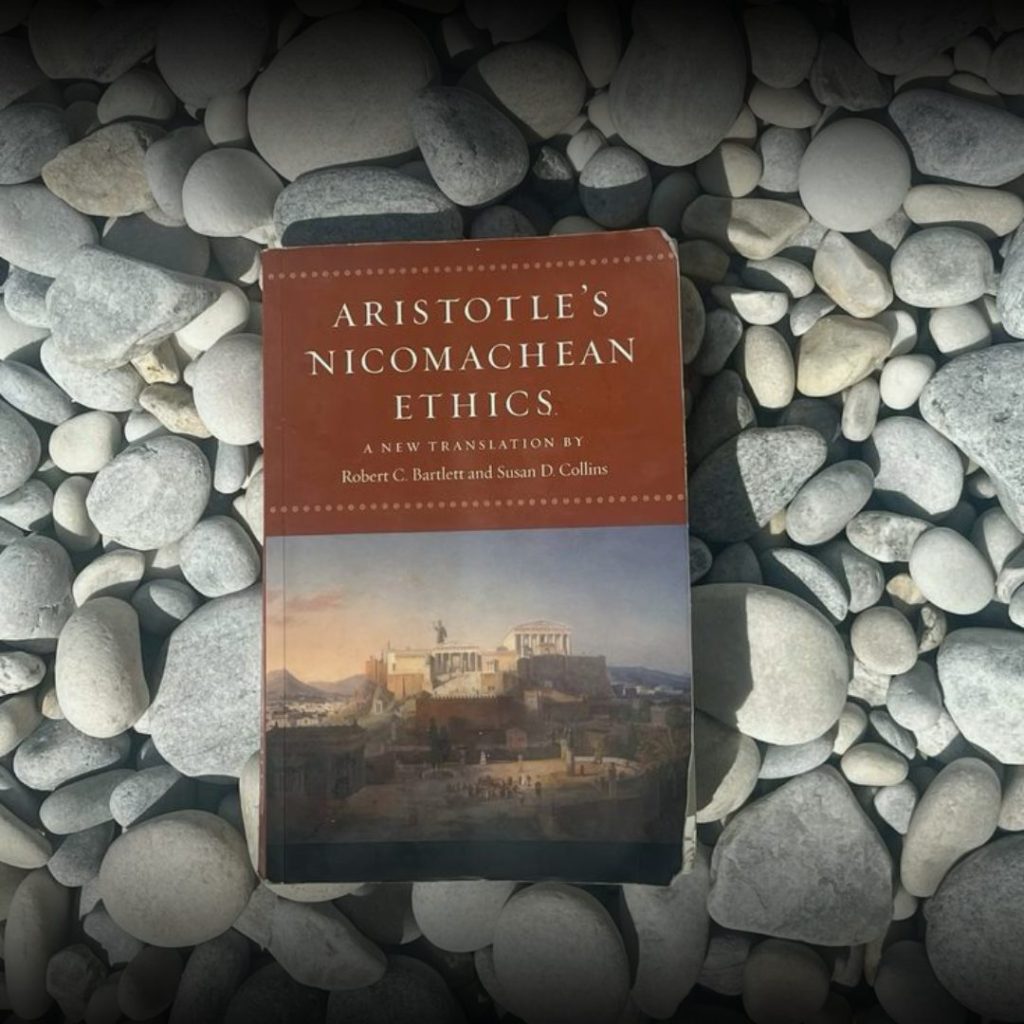
A classic work of moral philosophy, Aristotle explores happiness and the virtuous life, emphasizing balance, self-control, and reason in living a fulfilling life. He introduces the concept of the golden mean, urging us to find moderation between extremes. By cultivating virtue, Aristotle believes we can achieve true eudaimonia, or human flourishing. This work guides readers in pursuing a balanced and meaningful life through thoughtful choices and ethical living.
Check out this Aristotle's Nicomachean Ethics here.
4. Thus Spoke Zarathustra by Friedrich Nietzsche
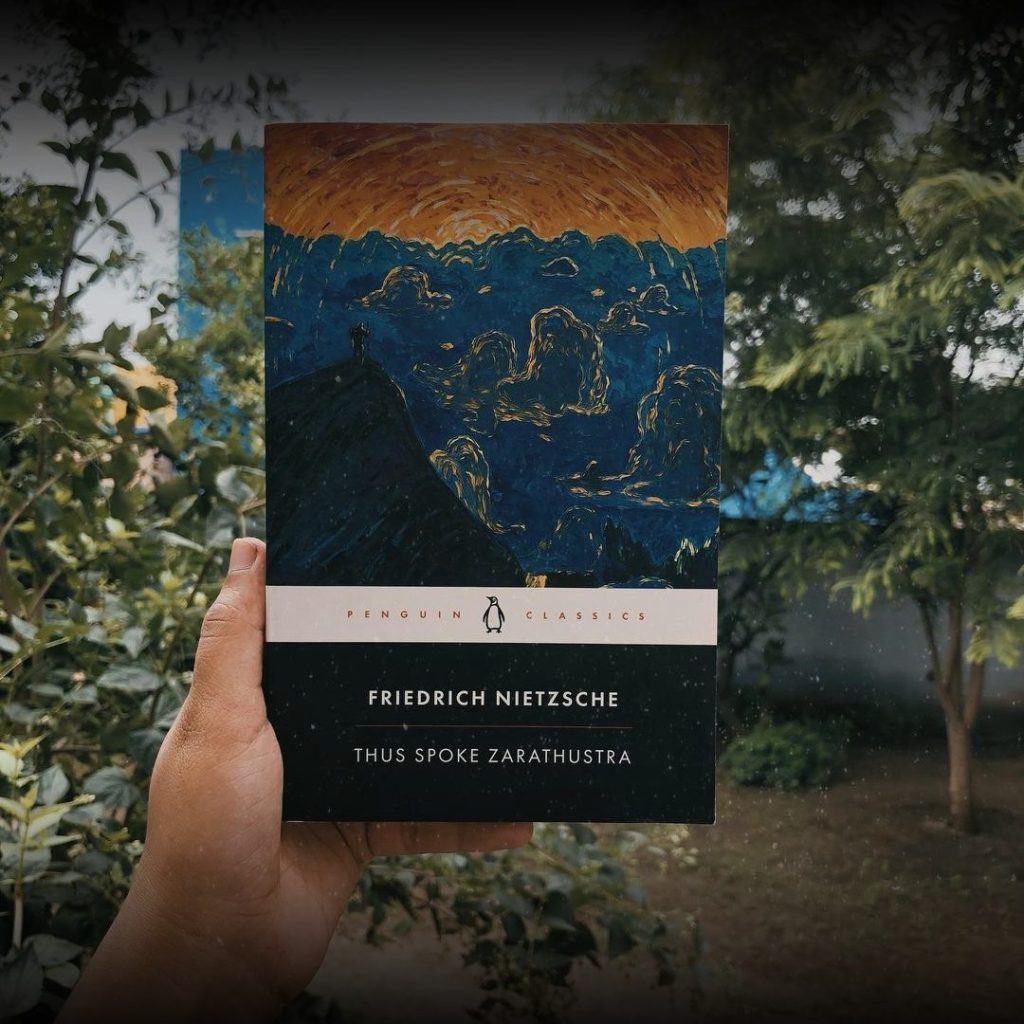
This novel introduces Nietzsche’s ideas on the Übermensch and the will to power, challenging traditional morality and encouraging individuality and self-creation. Nietzsche calls for the rejection of conventional values and the pursuit of personal strength. He advocates for embracing life’s challenges to shape one's own destiny. Through Zarathustra, he inspires readers to create meaning in an otherwise indifferent world.
Check out this Thus Spoke Zarathustra: A Book for Everyone and No One here.
5. The Social Contract by Jean-Jacques Rousseau

Rousseau explores individual liberty and society’s collective will, providing insights into how we should organize societies and govern. His social contract theory emphasizes the balance between freedom and authority. Rousseau argues that true freedom comes from participation in the collective will of the people. His ideas encourage us to rethink how power should be distributed and the role each individual plays in society.
Check out this The Social Contract here.
Philosophy for a Balanced Life

Philosophy isn’t just for scholars—it’s for everyone. Whether you seek answers to life’s mysteries or navigate daily struggles, philosophy books offer comfort. They provide fresh perspectives on familiar challenges. Plato, Kant, and Sartre offer timeless wisdom that helps us understand ourselves and the world. Their ideas can inspire and guide you through life’s toughest moments.
Philosophy helps us live with intention, embracing questions and growing in the process. It encourages deep reflection on our actions and choices. By exploring these ideas, you cultivate a more meaningful life. So pick up a book and start your journey today. The path to understanding begins with a single thought-provoking question.
Philosophy as a Lifelong Companion

In uncertain times, philosophy is your anchor. Philosophical works help navigate life’s complexities and offer guidance for personal growth. They provide a safe space to reflect on challenges. Philosophy helps you gain perspective, even when the world feels overwhelming. Whether exploring moral philosophy, political philosophy, or modern philosophy, there is something in philosophy for everyone. These ideas shape how we understand ourselves and the world around us.
By reading works like Plato, Kant, and Hume, you’ll find inner peace and clarity. Their insights provide timeless wisdom for navigating life’s difficulties. Philosophy encourages you to question what you think you know. It offers a deeper understanding of life and human nature. Philosophy isn’t about quick fixes; it’s about embracing the right questions and living intentionally. The journey of philosophical thought leads to growth and greater awareness. Let philosophy be your companion on this journey. It helps you stay grounded and thoughtful in all aspects of life.