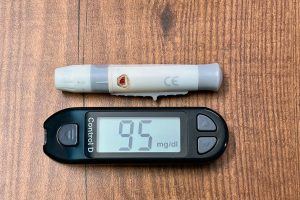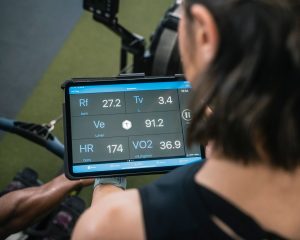
Chronic exposure to social comparison activates the same HPA axis pathways as acute occupational stress. It sustains cortisol elevation, suppresses parasympathetic recovery, and accelerates allostatic load accumulation. For executives and founders in high-visibility environments, this is not motivational friction. It is a measurable stressor. The consequences are documented: disrupted cardiovascular regulation, declining cognitive performance, and an accelerated long-term health trajectory.
Social Comparison as a Physiological Stressor

Social comparison is not a personality flaw. It is a deeply embedded cognitive process. Research in social psychology — including foundational work by Leon Festinger published in Human Relations in 1954 — established that humans instinctively evaluate their own progress against others. This drive evolved for survival. In modern high-performance environments, however, it operates as a chronic low-grade stressor with measurable physiological consequences.
The problem intensifies in professional environments where performance metrics are visible and hierarchies are explicit. Founders track competitor growth. Executives benchmark compensation and advancement. This constant evaluative exposure keeps the sympathetic nervous system in a state of partial activation. Over time, that activation accumulates as allostatic load — the cumulative physiological wear that researchers link to accelerated biological aging.
Research published in Psychosomatic Medicine suggests associations between chronic social-evaluative threat — specifically, the fear of negative judgment relative to peers — and elevated cortisol reactivity. These findings are directionally consistent across multiple study populations, though effect sizes vary and the specific contribution of comparison-based stress independent of general occupational stress continues to be characterized.
Understanding social comparison as a physiological stressor — not merely a motivational variable — reframes what releasing it means for long-term health.
The Cortisol Cost of Benchmarking Against Others

Cortisol serves a legitimate and time-limited function. It mobilizes energy, sharpens focus, and supports short-duration performance. The issue emerges when external benchmarking keeps the HPA axis in continuous low-level activation.
A flattened diurnal cortisol curve — where morning cortisol fails to peak appropriately and evening cortisol fails to decline — associates with impaired working memory, reduced processing speed, and diminished executive function in several study designs. Research published in Psychoneuroendocrinology documents associations between chronic psychological stress and this pattern in mid-life adults, though individual variability is substantial and findings are not uniform across all study designs.
Beyond cognition, sustained cortisol elevation suppresses anabolic recovery. Muscle protein synthesis slows. Immune regulation degrades. Sleep architecture disrupts. These outcomes appear across stress physiology literature, though the degree to which comparison-specific stress drives them independently of other occupational stressors remains incompletely characterized.
The cortisol cost of chronic benchmarking registers in measurable biomarkers. It accumulates across years of unexamined professional habit.
Allostatic Load and the Comparison Cycle

Allostatic load describes the cumulative burden placed on the body's regulatory systems by sustained stress adaptation. Researchers Bruce McEwen and Eliot Stellar introduced this framework in Archives of Internal Medicine, documenting what happens when the body's adaptive systems sustain prolonged activation without adequate recovery.
High-performing professionals are particularly exposed to this dynamic. Their environments normalize comparison as a performance tool, making chronic evaluative stress an occupational baseline rather than an exception. Each evaluative cycle registers in the body as a stress event regardless of conscious intent. Over months and years, this accumulation may contribute to the biological age gap — the measurable divergence between chronological and physiological age documented in epigenetic aging research.
High-performing professionals are particularly exposed. Their environments normalize comparison as a performance tool. The body, however, continues registering each evaluative cycle as a stress event. Over months and years, this accumulation may contribute to the biological age gap — the measurable divergence between chronological and physiological age documented in epigenetic aging research.
Releasing comparison, therefore, represents a plausible intervention in allostatic load trajectory, though direct evidence linking comparison reduction specifically to allostatic load improvement requires further investigation.
READ ALSO: Self Discovery Journey to Embrace Your Ageless Potential
How the Brain Processes Relative Progress

The brain does not evaluate progress in absolute terms. It evaluates progress relationally. The orbitofrontal cortex and anterior cingulate cortex both show activation during social comparison tasks in neuroimaging research. When a comparison produces an unfavorable outcome, these regions generate negative affect responses and contribute to threat-related stress signaling.
This neurological architecture means that objective achievement does not fully protect against comparison-driven stress. An executive who meets every quarterly target but perceives a peer advancing faster may still activate threat-related stress responses. The brain responds to perceived relative position alongside absolute accomplishment — a distinction with physiological consequences.
Social neuroscience research — published across journals including Nature Neuroscience and Social Cognitive and Affective Neuroscience — documents that social comparison circuits overlap with reward and pain processing networks. Unfavorable comparisons associate with activation in regions linked to physical discomfort. Favorable comparisons associate with dopaminergic reward pathways. This overlap is broadly supported directionally, though the precise mechanisms and clinical implications continue to be investigated.
Understanding this neurological basis removes the moral dimension from comparison. It is a hardwired cognitive process that requires deliberate management, not character correction.
The Inflammatory Consequence of Chronic Evaluation

Chronic psychological stress activates pro-inflammatory pathways independent of physical illness. Interleukin-6 (IL-6) and C-reactive protein (CRP) show elevations in response to sustained psychological stress across multiple research cohorts. Several — though not all — study designs maintain these associations after controlling for physical activity, diet, and sleep.
Research published in Brain, Behavior, and Immunity links chronic psychosocial stress to elevated inflammatory marker profiles in mid-life adults. Most studies in this literature examine general occupational or life stress rather than comparison-specific stress. The degree to which comparison-driven stress independently drives inflammatory burden, separate from its contribution to general stress load, has not been directly isolated in controlled research.
For professionals in their late thirties through fifties, elevated systemic inflammation during this period carries disproportionate long-term consequences. NIH-affiliated aging research programs identify mid-life inflammatory burden as associated with neurodegenerative risk, cardiovascular outcomes, and metabolic decline in the decades that follow. The directional relationship is well-supported; the magnitude of the comparison-specific contribution remains to be precisely quantified.
Addressing comparison-driven stress therefore represents a plausible lever in inflammatory load management alongside dietary and exercise interventions.
Personal Pace as a Stress Regulation Strategy

Orienting toward personal pace — evaluating progress against one's own prior baseline rather than external benchmarks — engages different cognitive and neurological processes than comparative evaluation. Self-referenced progress evaluation associates with reduced threat-response activation and greater engagement of regulatory prefrontal networks in neuroimaging research.
Higher parasympathetic tone supports cardiovascular resilience. Heart rate variability increases. Cortisol output trends toward its natural diurnal rhythm. These physiological states associate with self-referenced rather than threat-based cognitive processing, though the causal chain from comparison reduction specifically to these outcomes requires further direct investigation in professional populations.
Research on self-compassion and stress physiology — including work by Kristin Neff and colleagues published across journals including Mindfulness and Clinical Psychology Review — demonstrates associations between self-referenced evaluation and lower cortisol reactivity and faster physiological recovery from stress events. These effects appear to operate independently of self-esteem in several study designs, suggesting a specific regulatory mechanism rather than a general positivity effect.
Shifting from comparative to self-referenced progress evaluation is an evidence-supported strategy for cortisol regulation and autonomic recovery, though optimal implementation approaches vary by individual.
READ ALSO: Life and Beyond: The Journey Back to Yourself
Sleep Quality and the Rumination Pathway

One of the most direct physiological pathways through which chronic comparison damages health runs through sleep. Comparison-driven stress generates rumination — repetitive, self-referential negative thought — that elevates pre-sleep cognitive arousal and disrupts sleep onset and continuity.
Research published in Cognitive Therapy and Research and related sleep psychology literature links higher rumination scores to delayed sleep onset and reduced sleep continuity. Some studies additionally document associations with elevated overnight cortisol. Evidence specifically linking rumination to slow-wave sleep architecture reduction is less consistent and requires further longitudinal investigation before strong conclusions apply.
For high-performing professionals, sleep is an active physiological process. The brain consolidates memory, clears metabolic waste, and regulates hormonal systems during sleep. Comparison-driven rumination disrupts this process primarily at the onset and continuity level — with downstream consequences for cognitive performance, metabolic regulation, and immune function accumulating over time.
Addressing the upstream source of rumination — chronic comparative evaluation — therefore produces sleep benefits that behavioral sleep hygiene interventions alone may not fully replicate.
Cardiovascular Risk and Status-Based Stress

The cardiovascular system responds to social-evaluative threat with acute physiological changes. Heart rate elevates. Blood pressure increases. Sympathetic nervous system activation suppresses parasympathetic tone. Under short-duration conditions, these responses resolve without lasting damage. When sustained chronically, however, they accumulate measurable cardiovascular burden.
The American Heart Association identifies chronic psychological stress as an independent cardiovascular risk factor in its scientific position statements — separate from lipid profiles, body mass index, and physical activity. Status-based chronic stress qualifies as a form of chronic psychological stress. Its specific cardiovascular risk contribution, independent of other psychosocial stressors, is directionally supported but not yet precisely quantified in the cardiovascular literature.
Large-scale longitudinal cardiovascular cohort research — including prospective studies examining psychosocial predictors of cardiovascular outcomes — consistently identifies chronic stress as a predictor of adverse events across decades of follow-up. The specific contribution of social comparison stress within this broader category represents an active and developing area of research.
Releasing comparison, in this framing, represents a plausible cardiovascular health strategy within the broader evidence base on psychosocial stress reduction.
READ ALSO: Personal Growth: The Ultimate Guide to Becoming the Best You
Cognitive Performance and the Attentional Cost of Comparison

Comparison consumes attentional resources. The brain allocates working memory capacity to tracking relative status — monitoring who is advancing, at what pace, and by what metric. This allocation competes with the cognitive resources available for complex problem-solving, strategic thinking, and executive decision-making.
Research in cognitive psychology documents that self-referential processing and task-focused processing draw on overlapping attentional resources. When self-referential comparison processing occupies these resources, performance on cognitively demanding tasks may degrade. Most studies in this area examine general self-referential processing rather than comparison-specific cognition, and direct evidence in professional populations remains limited.
For executives and founders whose output depends on sustained cognitive precision, this attentional competition represents a plausible performance liability. The mind managing a chronic comparison narrative allocates fewer resources to executive functions. This is a cognitive resource allocation issue with performance implications, though the magnitude of this effect in real-world professional contexts requires further direct investigation.
Shifting attentional orientation toward self-referenced goals plausibly frees cognitive resources for the executive functions that high-stakes professional environments demand most.
Biological Age and the Long-Term Comparison Burden
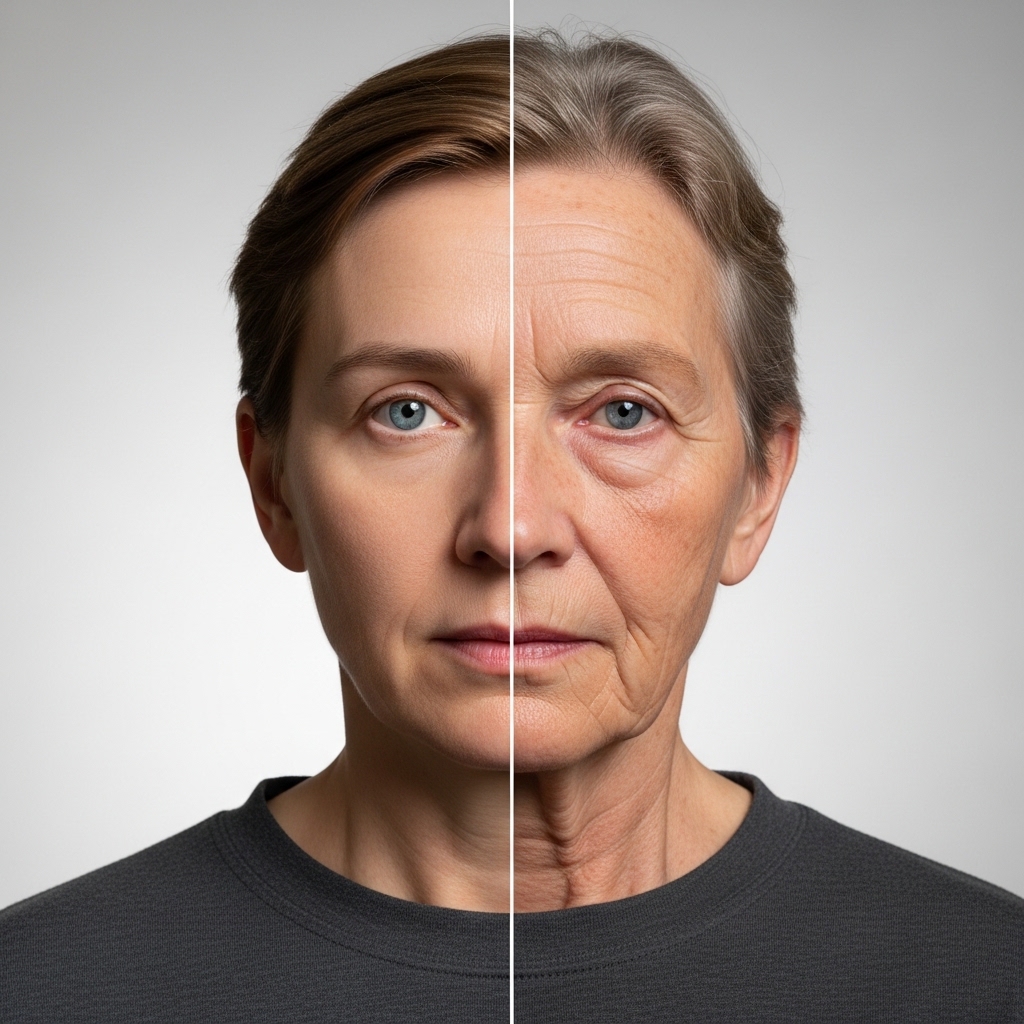
Biological age — the physiological state of the body relative to chronological age — responds to accumulated stress exposure over time. Epigenetic clock research, including methylation-based models developed by Steve Horvath and extended in the GrimAge model, documents associations between psychosocial stress and accelerated epigenetic aging. These are associative findings. Causal direction continues to be investigated, and individual variability is substantial.
Chronic comparison-driven stress contributes to this acceleration through multiple plausible converging pathways: elevated cortisol, suppressed HRV, elevated inflammatory markers, disrupted sleep, and sustained allostatic load accumulation. Each pathway independently associates with biological age advancement in the broader stress literature. The degree to which comparison-specific stress drives biological age acceleration, independently of general occupational stress, has not been directly quantified.
Mid-life — the late thirties through fifties — represents a meaningful window in biological age trajectory. The physiological patterns established during this period associate with health outcomes across the decades that follow. Professionals who carry unaddressed chronic comparison stress through this window accumulate a physiological burden that becomes progressively more difficult to reduce.
Releasing comparison during this window therefore represents a longevity-relevant decision with time-sensitive implications, even as the direct evidence base specific to comparison stress continues to develop.
Evidence-Based Options for the High-Performing Professional

The research base on comparison stress and its physiological consequences supports several evidence-informed approaches. Self-referenced goal tracking — evaluating progress against personal baselines rather than peer benchmarks — associates with lower cortisol reactivity in stress physiology research. Structured rumination interruption practices, including focused attention training, show associations with reduced inflammatory markers and improved sleep onset in controlled studies. Cognitive reappraisal training — building capacity to reframe evaluative thoughts before they generate sustained threat responses — shows strong support in cognitive neuroscience literature for reducing subjective stress reactivity and improving emotional regulation; its direct effects on cortisol and HPA axis function are supported in some but not all study designs. Comprehensive biomarker assessment, including diurnal cortisol mapping and HRV tracking, provides objective data for identifying comparison stress's physiological footprint. Working with practitioners trained in stress physiology and performance psychology produces the most individualized and complete clinical approach.
UP NEXT: What Is a Life Purpose Without the Pressure to Hustle?
Shifting from chronic social comparison to self-referenced progress evaluation lowers sustained cortisol output, reduces systemic inflammatory burden, and supports the parasympathetic recovery patterns that epigenetic aging research consistently links to slower biological age advancement — making it one of the few purely cognitive lifestyle changes with a measurable physiological footprint. WholeLiving's Biological Age Estimation Model incorporates this factor directly — your assessment takes under five minutes.
Ready to understand how these factors are influencing your biological age right now? [Take the Biological Age Assessment →]