For executives, founders, and other high-output professionals, weak personal growth is not a soft concern. It can reinforce cognitive rigidity, prolong cortisol elevation, and increase the risk of decision fatigue, reduced resilience, and faster biological age acceleration under chronic stress. When identity, self-regulation, meaning, and adaptive capacity fail to develop in step with external success, the result is often measurable strain across cognitive performance, recovery quality, and long-term health trajectory.
The Neurobiology of Personal Growth: Why Change Requires More Than Willpower
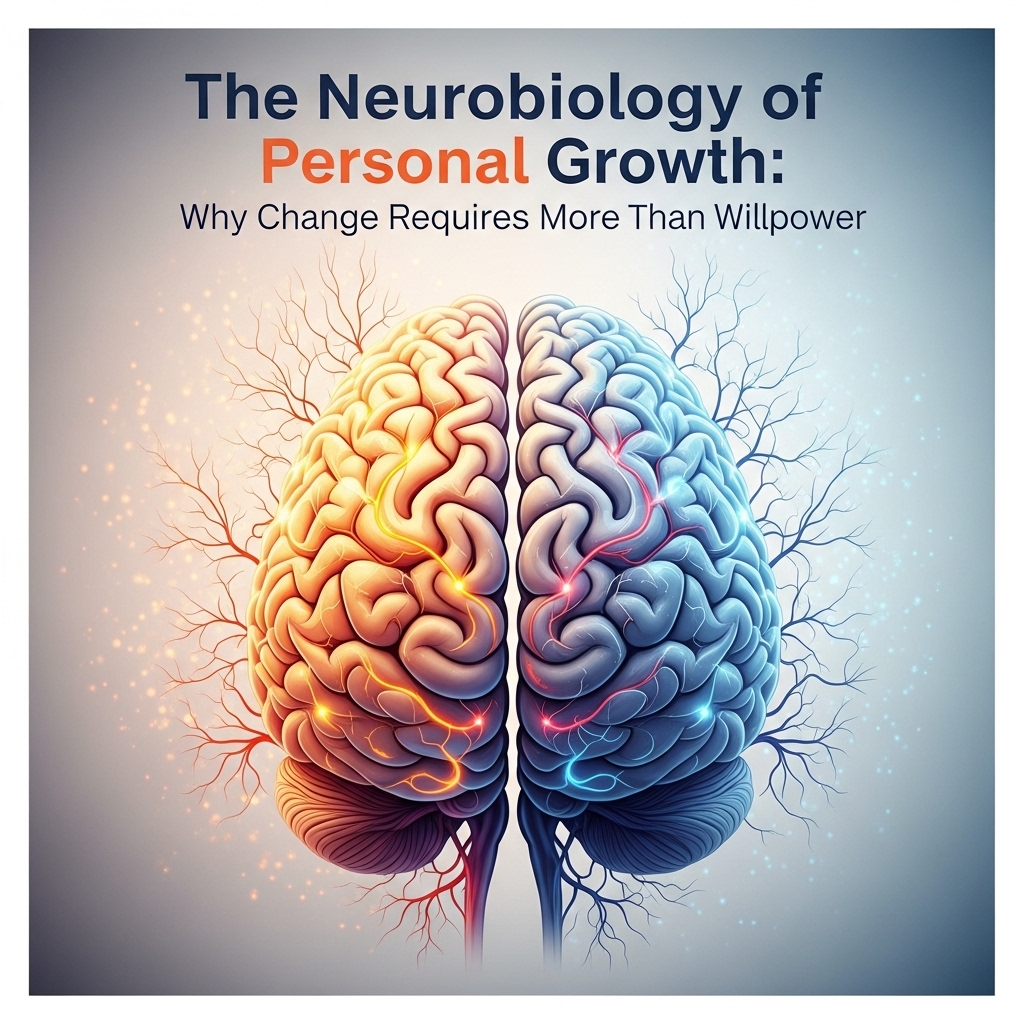
Personal growth is a biological event. The brain's capacity to reorganize its own structure — a process known as neuroplasticity — forms the foundation of every meaningful behavioral shift. Neuroplasticity refers to the ability of neural circuits to strengthen, weaken, or rewire in response to experience and deliberate practice. Research from the National Institutes of Health (NIH) confirms that sustained effortful learning produces detectable changes in cortical thickness, synaptic density, and white matter integrity.
Personal growth is also inseparable from the body's stress-response systems. Growth requires deliberate engagement with challenge. Without adequate recovery, however, mismanaging that challenge produces the opposite of progress. Professionals who push forward without rest accumulate biological debt. This expresses itself as cognitive decline, hormonal disruption, and faster biological aging.
Moreover, framing personal growth as a longevity variable changes the conversation entirely. The data shows that individuals who engage in structured, goal-directed self-development exhibit measurable advantages in cardiovascular health, inflammatory markers, and cognitive performance. These advantages persist well into later decades.
Cognitive Flexibility as a Performance Asset
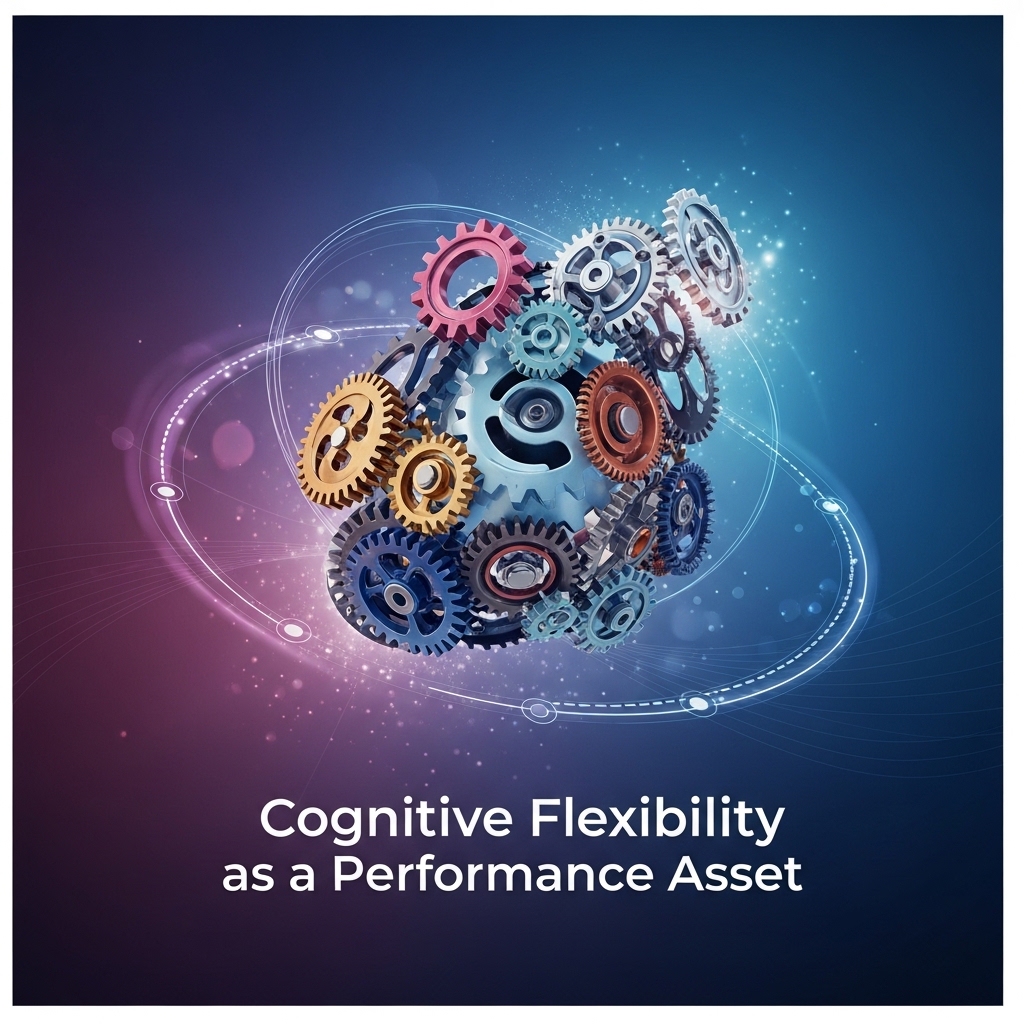
Cognitive flexibility is the brain's capacity to switch between tasks, update working memory, and adapt to new information. It is one of the most consequential executive functions for professionals in complex, high-stakes environments. Furthermore, research from Harvard's Center on the Developing Adult links high cognitive flexibility to lower rates of cognitive decline and stronger prefrontal cortex activity.
Cognitive flexibility is not fixed. In fact, deliberate exposure to novel problem-solving, structured reflection, and the intentional disruption of established mental models all develop it. The key mechanism is synaptic pruning — the process by which the brain removes redundant pathways and reinforces those used most. Structured learning that challenges existing assumptions accelerates this process. Passive consumption of information, however, does not.
Cognitive flexibility also serves as a proxy for neurological reserve — the brain's capacity to tolerate deterioration before clinical symptoms appear. As a result, professionals who consistently engage in cognitive challenge during midlife build structural resilience that compounds over decades. Neglecting cognitive growth during peak professional years represents a form of deferred depreciation.
The Cortisol Connection: Growth Under Pressure
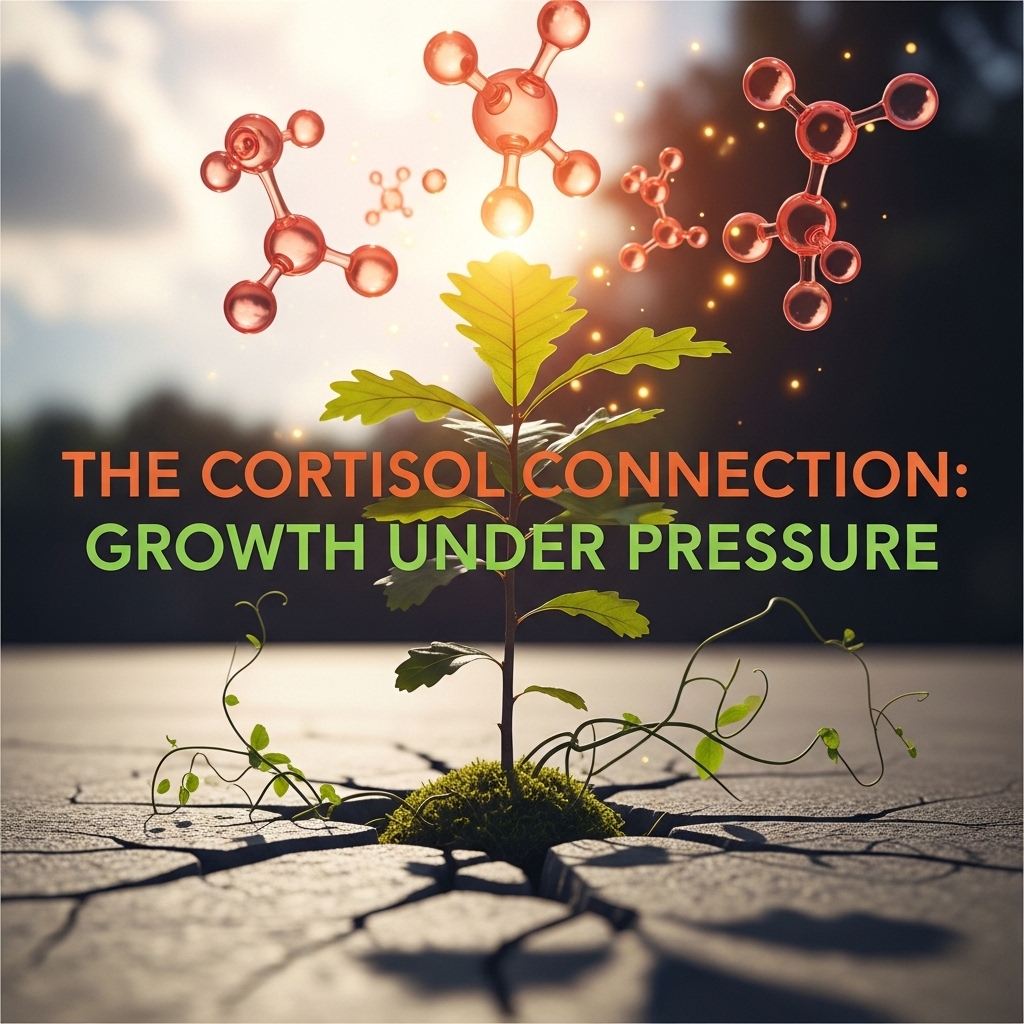
Cortisol, the primary stress hormone, is central to any honest discussion of personal growth. At optimal levels, it enhances focus, memory consolidation, and physical readiness. At chronically elevated levels, however, it degrades hippocampal volume, suppresses immune function, and disrupts circadian rhythms that govern sleep. The distinction between growth-promoting stress — sometimes called eustress — and harmful stress is measurable in salivary cortisol patterns and inflammatory markers.
Longitudinal data from the Framingham Heart Study established that chronic psychosocial stress is an independent risk factor for cardiovascular events. This risk exists separately from diet, physical activity, or genetics. Therefore, for professionals pursuing personal growth, practices that generate sustained high cortisol without recovery are physiologically costly. Over time, they undermine the very performance outcomes they are meant to support.
Growth requires periodization — a concept from sports science that applies equally to cognitive and behavioral development. Specifically, periods of intensive challenge must be followed by deliberate recovery. During recovery, the nervous system consolidates learning, reduces cortisol, and restores parasympathetic tone. Without this structure, the hormonal environment becomes dysregulated, and biological aging accelerates measurably.
Emotional Regulation and Inflammatory Markers
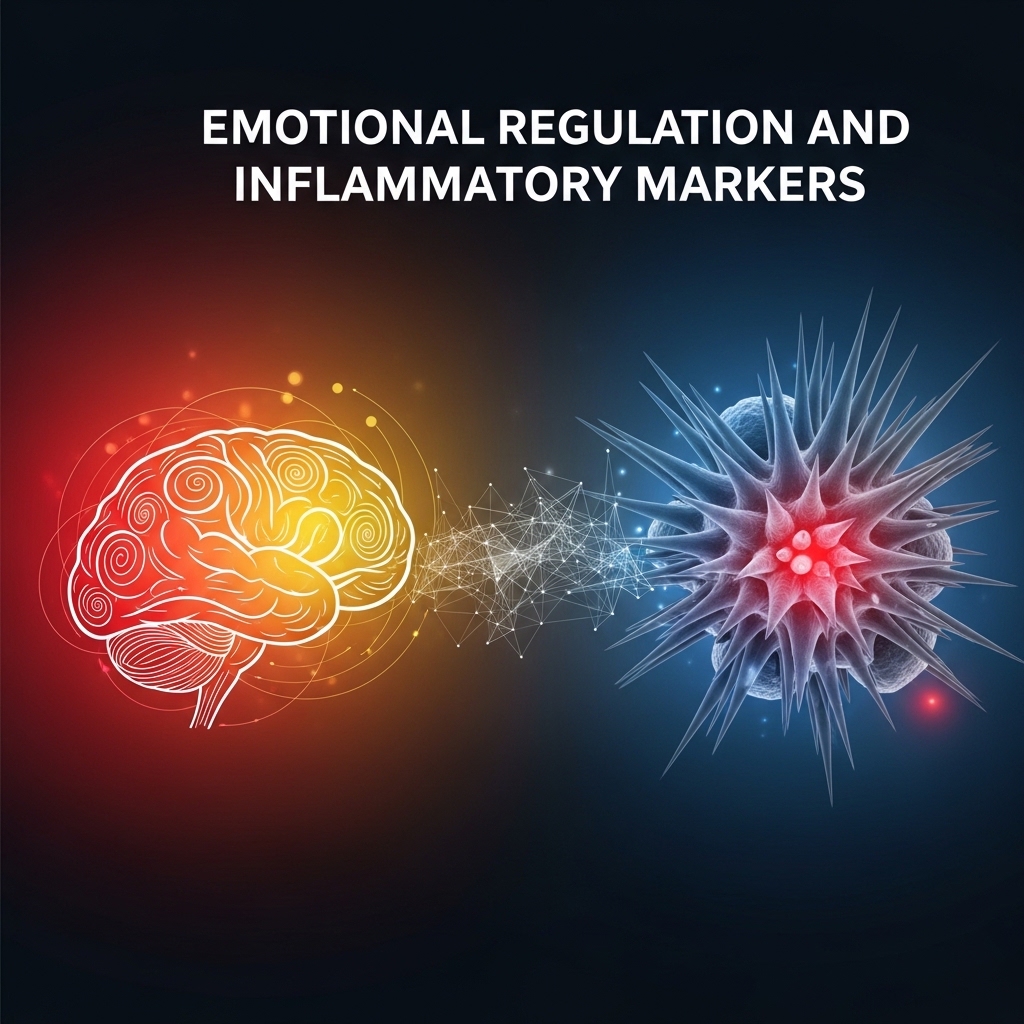
Emotional regulation — the capacity to manage the intensity and duration of emotional responses — has a well-documented relationship with systemic inflammation. Research published in Psychoneuroendocrinology established that individuals with poor emotional regulation exhibit elevated levels of pro-inflammatory cytokines, including interleukin-6 (IL-6) and C-reactive protein (CRP). Consequently, elevated IL-6 and CRP are associated with increased cardiovascular risk and faster cellular aging via telomere shortening.
Personal growth that includes deliberate development of emotional regulation functions as an anti-inflammatory intervention. Indeed, the body's inflammatory state is one of the most powerful predictors of long-term health available to clinicians. Professionals who develop the skills underpinning emotional regulation — including metacognitive awareness and reappraisal — modify their inflammatory profile in measurable ways.
The mechanism involves the hypothalamic-pituitary-adrenal (HPA) axis and its interaction with the autonomic nervous system. Well-regulated emotional responses reduce the frequency and intensity of HPA axis activation. As a result, this reduces the inflammatory signaling that drives cellular damage over time. Growth practices that build this regulatory capacity produce effects visible in blood panels, not just self-report.
Identity Revision and the Neuroscience of Behavioral Change
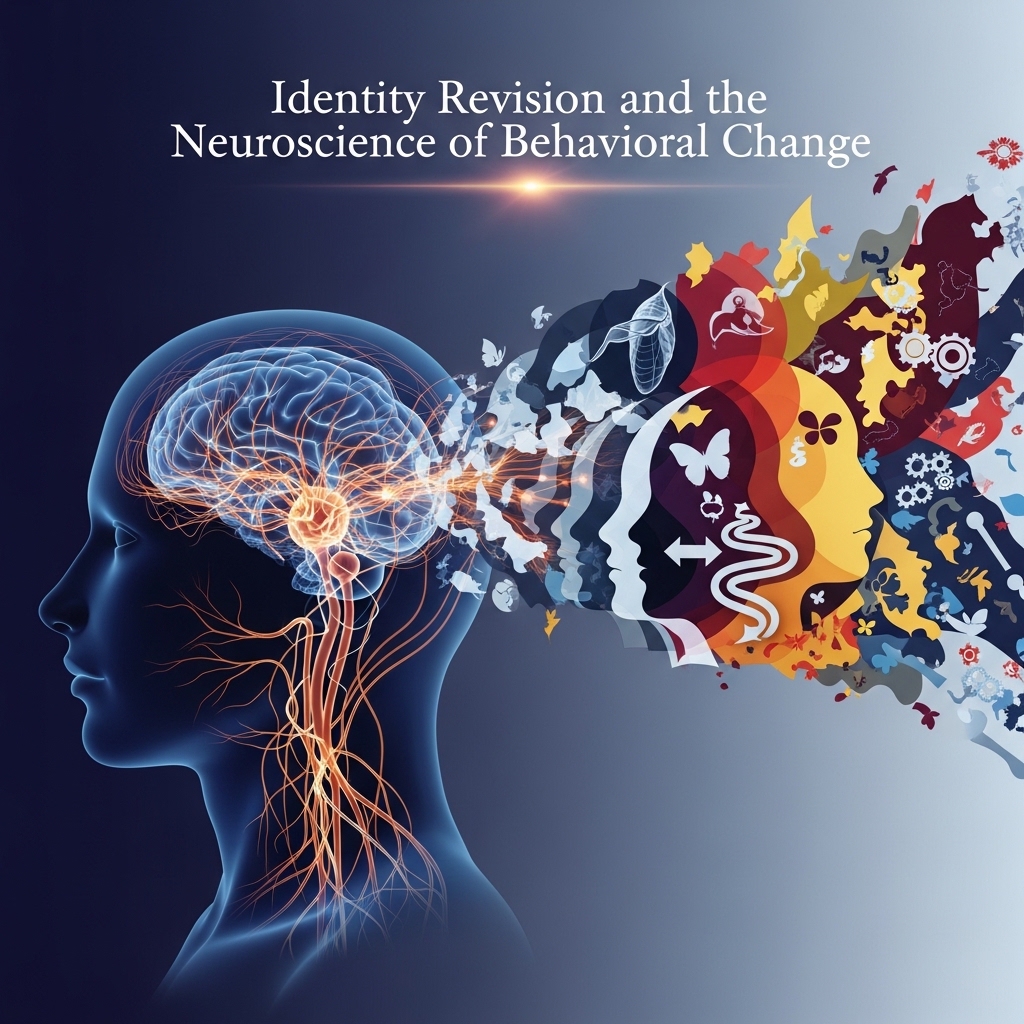
Sustained behavioral change requires more than motivation or environmental modification. Rather, it requires identity revision — a shift in the deeply held self-concept that governs default behavior. Neuroscientific research shows that identity-consistent behaviors demand far less prefrontal cortical effort than behaviors that conflict with self-concept. New behaviors remain energetically costly until identity alignment occurs.
The NIH's research on self-referential processing identifies the default mode network (DMN) as central to identity construction. Specifically, the DMN activates during self-reflection and the integration of new experience into existing self-models. Deliberately engaging it through structured self-reflection accelerates identity revision. As a result, new behavioral patterns become more automatic and less cognitively costly over time.
For the high-performing professional, this has a direct implication. Growth efforts that address identity — not just skill or behavior — produce more durable outcomes. Furthermore, a professional who revises their self-concept around risk tolerance or learning creates a neural environment where aligned behaviors become default. Growth, understood this way, is an exercise in neural efficiency.
Sleep Architecture and the Consolidation of Growth
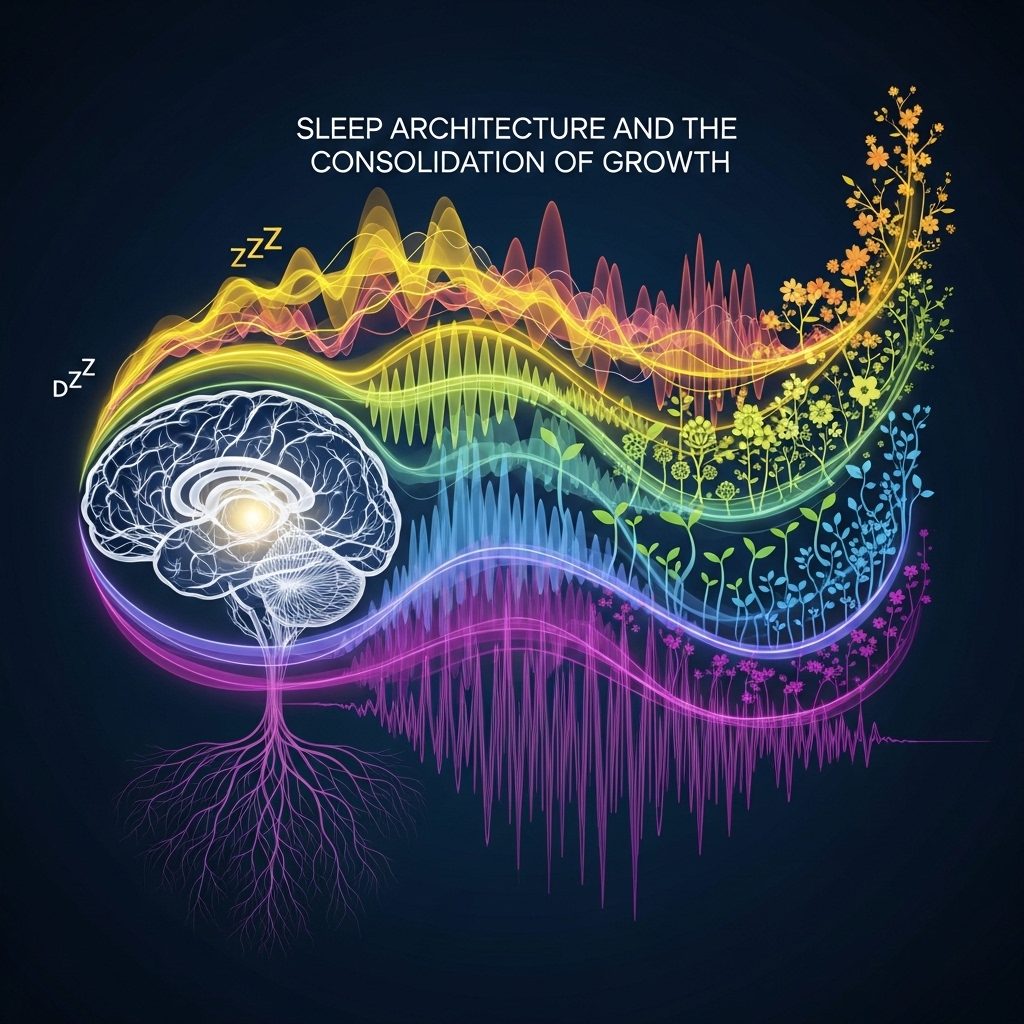
Personal growth depends on memory consolidation, and memory consolidation depends on sleep. During slow-wave sleep and REM sleep, the brain converts recent experience into durable learning. Research from the National Sleep Foundation confirms that chronic sleep restriction — fewer than seven hours per night — impairs hippocampal function, reduces neurogenesis, and degrades the prefrontal capacity required for behavioral change.
Sleep is not a passive recovery activity. Instead, it is an active neurological process. Without it, the effort invested in daytime learning yields substantially smaller returns. Additionally, the brain's glymphatic system — a waste-clearance network most active during deep sleep — removes harmful byproducts including amyloid-beta proteins linked to cognitive decline.
Sleep deprivation also elevates morning cortisol, which in turn impairs emotional regulation and cognitive flexibility. This creates a compounding feedback loop. Poor sleep degrades the neurological conditions for growth, which increases stress reactivity, which then further disrupts sleep. Professionals serious about sustained development must treat sleep quality as a primary variable, not a casualty of productivity demands.
VO2 Max, Cardiovascular Health, and Cognitive Longevity
VO2 max — the maximum rate at which the body consumes oxygen during exertion — is among the strongest predictors of longevity in clinical medicine. Its relevance to personal growth lies in its relationship to cerebral blood flow and neurogenesis. Specifically, aerobic exercise — the most effective method for improving VO2 max — stimulates production of brain-derived neurotrophic factor (BDNF), a protein that supports neuronal growth and plasticity.
Research from the Harvard T.H. Chan School of Public Health established a clear relationship between cardiovascular fitness and cognitive performance across the adult lifespan. Individuals in the highest quartile of VO2 max show measurably superior performance on tests of executive function and working memory compared to sedentary peers. Moreover, these advantages persist well into the seventh decade.
Ignoring physical conditioning while pursuing cognitive or behavioral development is analogous to running high-performance computation on inadequate hardware. The brain within a well-conditioned cardiovascular system has access to better oxygen delivery, lower inflammatory burden, and higher baseline BDNF. All of these, in turn, create a more favorable environment for the neural changes that underpin meaningful growth.
Muscle Mass, Metabolic Function, and Psychological Resilience
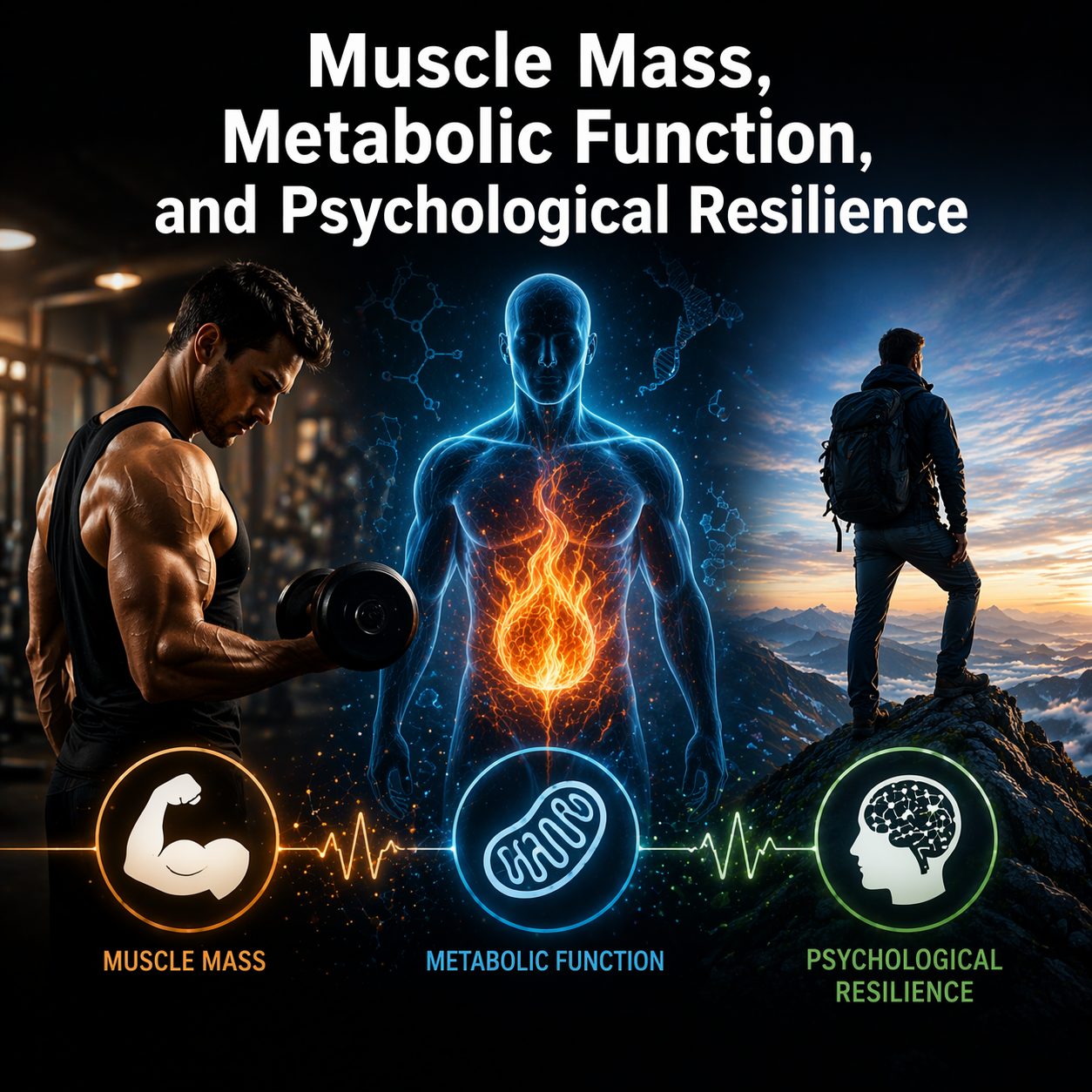
Sarcopenia — the age-related loss of skeletal muscle mass — begins in the fourth decade of life and accelerates without intervention. Its relevance to personal growth extends well beyond physical performance. Skeletal muscle is an endocrine organ that secretes myokines — signaling molecules that communicate directly with the brain, liver, and immune system. As a result, muscle mass and metabolic function are directly coupled to the conditions that govern growth capacity.
Research published in The Lancet documents that low muscle mass in midlife associates with higher rates of depression, cognitive impairment, and reduced insulin sensitivity. These factors all compromise the conditions required for sustained personal development. Furthermore, metabolic dysfunction — particularly insulin resistance — impairs glucose delivery to the brain and degrades executive function and learning efficiency.
Self-efficacy — the belief in one's capacity to execute specific behaviors — is a robust predictor of behavioral change outcomes. Resistance training produces visible strength gains on a short timescale and, as a result, generates documented increases in self-efficacy that transfer across domains. Professionals who build physical capacity often report parallel increases in risk tolerance and growth orientation — a relationship well-reflected in psychological outcome data.
READ ALSO: Finding Your Life Purpose: A Guide to Clarity
Social Connection as a Biological Variable

The Harvard Study of Adult Development — which tracked participants across more than eight decades — identified close relationship quality as one of the strongest predictors of physical health and cognitive preservation in later life. Social connection modulates the HPA axis, reduces baseline cortisol, and activates oxytocin pathways that reduce inflammatory signaling. Notably, the effect is biological, not merely psychological.
Chronic social isolation produces an inflammatory profile comparable to smoking fifteen cigarettes per day, according to data reviewed by researchers at Brigham Young University. Loneliness activates a biological threat-response that elevates cortisol, disrupts sleep, and impairs the prefrontal regulation required for both professional performance and personal growth. Therefore, the evidence does not support treating social connection as a discretionary variable.
Growth pursued in isolation is also less durable than growth embedded in relational context. The psychological literature on accountability structures and social identity theory converges on the finding that behavioral change is more stable within a relational framework. Consequently, growth strategies that incorporate peer accountability or structured group learning produce measurably better outcomes than individually siloed approaches.
READ ALSO: How to Live a Meaningful Life with Purpose and Balance
Meaning, Purpose, and the Biology of Sustained Development
Eudaimonic well-being — the form of flourishing associated with meaning and purpose rather than pleasure-seeking — has a distinct and measurable biological signature. Research from the National Institute on Aging shows that individuals who report higher levels of purpose in life exhibit lower inflammatory markers and reduced rates of cognitive decline. In other words, purpose is a direct physiological moderator of the aging process.
The mechanism involves the prefrontal-limbic circuitry that governs self-regulation and executive function. Individuals operating from a clear sense of directional purpose show more efficient prefrontal regulation of limbic reactivity. As a result, this translates to better stress management, more consistent behavioral execution, and greater capacity for long-horizon decision-making.
Meaning-making — the cognitive process of integrating experience into a coherent self-narrative — directly supports post-traumatic growth. This is the well-documented phenomenon whereby individuals who process significant adversity emerge with measurably expanded psychological and cognitive capacity. Therefore, professionals who develop structured practices for extracting meaning from setbacks accelerate their own neurological development. The gains accumulate compounding advantage over time.
READ ALSO: How Purpose-Driven Living Modulates Cortisol Regulation and Emotional Stability in High-Performing Professionals
Evidence-Based Options for the High-Performing Professional

The evidence reviewed here points toward several intervention categories with documented effects on the biological substrates of personal growth. Cardiovascular exercise sufficient to elevate VO2 max — typically three to five weekly sessions of moderate-to-vigorous aerobic effort — has strong support as a neuroplasticity and BDNF-enhancing intervention. Resistance training adequate to preserve or increase muscle mass addresses both the metabolic and hormonal dimensions of cognitive function.
Sleep hygiene practices that protect seven to nine hours of consolidated sleep — including consistent sleep-wake timing and pre-sleep light reduction — directly support the memory consolidation on which growth depends. Similarly, structured practices for emotional regulation, delivered through evidence-based cognitive behavioral frameworks, modify inflammatory markers and HPA axis function in measurable ways.
Finally, investment in close relational networks — prioritizing depth and accountability over volume of social contact — addresses the social biology of sustained behavioral change. The evidence consistently indicates these effects are synergistic. In short, the greatest gains across biological age, cognitive performance, and longevity variables appear in individuals who integrate across multiple domains simultaneously, rather than optimizing any single variable in isolation.
UP NEXT: Purpose-Driven Goals: How to Achieve What Matters Most
How This Affects Your Biological Age
Chronic deficits in personal growth — reflected in low purpose, poor emotional regulation, and limited cognitive engagement — are associated with elevated inflammatory markers, accelerated telomere shortening, and disrupted cortisol patterns that research links to a biological age three to five years older than chronological age. WholeLiving's Biological Age Estimation Model incorporates this factor directly — your assessment takes under five minutes.
Ready to understand how these factors are influencing your biological age right now? [Take the Biological Age Assessment →]