

Buddhist belief has always offered a path to inner peace and self-awareness, encouraging you to reflect deeply on the nature of existence. It teaches us to understand our true selves and the interconnectedness of all living beings. This spiritual practice, rooted in ancient teachings, helps you navigate life with clarity, compassion, and mindfulness.
Buddhism, one of the world's major religions, spans multiple traditions and schools, such as Tibetan Buddhism, Theravada Buddhism, and Mahayana Buddhism. All these branches uphold the teachings of Siddhartha Gautama, the Buddha. Through these teachings, you gain insight into human life, suffering, and the path to true liberation—enlightenment.
Understanding the Four Noble Truths
The core of Buddhist belief revolves around the four noble truths. These truths, as Buddha taught, explain the nature of suffering and the way out of it. First, suffering exists. Second, suffering is caused by desire and attachment. Third, there is an end to suffering. And fourth, the way to end suffering is by following the noble eightfold path.
These truths guide your journey toward overcoming the endless cycles of desire and attachment. They lay the foundation for deep meditation, mindfulness, and practicing compassion. By understanding the noble truths, you gain a deeper understanding of your own suffering and how to relieve it.
The Path to Liberation: The Noble Eightfold Path

Buddhist teachings offer a clear path for overcoming suffering: the noble eightfold path. This path consists of right understanding, right speech, right action, right livelihood, right effort, right mindfulness, right concentration, and right intention.
The eightfold path isn’t just a series of rules; it’s a guide for living a mindful, balanced life. As you practice each step, you align your thoughts, actions, and habits with the path of enlightenment. By cultivating right mindfulness and right effort, you develop a calm mind and open heart, gradually letting go of negative patterns and attachments.
Siddhartha Gautama: The Life of the Buddha
Siddhartha Gautama, who later became the Buddha, embarked on a spiritual journey to understand the causes of suffering and how to end it. His quest led him to deep meditation under the bodhi tree, where he attained enlightenment.
This moment marked the birth of Buddhist thought. Through his teachings, Buddhists believe that enlightenment is possible for all human beings. Buddha taught that by understanding the true nature of life, you could end suffering and attain nirvana—a state of ultimate peace and liberation.
Meditation and Mindfulness: Essential Practices

A significant part of Buddhist practice is meditation, a tool for developing a deep sense of clarity and awareness. Buddhist meditation allows you to connect with your inner self and the present moment. It's not about escaping life’s challenges but facing them with a calm and composed mind.
Through meditation practice, you develop the ability to cultivate right concentration and right mindfulness, two aspects of the eightfold path. Meditation also plays a key role in improving mental and emotional health, helping you to let go of stress and achieve greater balance in daily life.
READ ALSO: Mind and Peace Tips to Achieve Calm and Clarity
The Middle Way: Finding Balance in Life

Buddhism teaches the middle way—a balanced approach to life that avoids extremes. This concept suggests that you should neither indulge in sensory pleasures nor deny them entirely. Instead, the middle way encourages you to live in harmony with yourself and others, finding contentment in the present moment.
By embracing the middle way, you also avoid the pitfalls of materialism and overindulgence. Instead, you focus on simplicity, compassion, and the true purpose of human life: to end suffering and attain peace.
READ ALSO: Life Is a Purpose, Not Just a Destination
Buddhist Doctrine and Scriptures

At the heart of Buddhism lies a vast collection of texts, including the Pali canon and Buddhist scriptures, which guide practitioners in their journey toward enlightenment. These texts offer insights into Buddhist doctrine, moral conduct, and the nature of the universe.
The Buddhist tradition is rich with teachings that help you understand your own efforts and the impact of your actions. These sacred texts also emphasize the importance of good karma, right action, and living in a way that brings about the welfare of all living beings.
Buddhist Monasteries: The Heart of the Practice

Buddhist monasteries play a central role in preserving and transmitting Buddhist teachings. These monasteries offer a space for meditation, learning, and reflection. In places like Tibetan Buddhism and Pure Land Buddhism, monks and nuns live out the teachings of Buddha, maintaining a life of simplicity and devotion.
You can find tranquility and deep spiritual growth by visiting or learning from these holy beings who dedicate their lives to Buddhist rituals and practices. They serve as living examples of Buddhist belief, showing how devotion and discipline lead to liberation.
Living a Life Guided by Buddhist Belief

Buddhism doesn’t merely provide answers to spiritual questions—it offers practical guidance for living an intentional and meaningful life. By following the noble eightfold path and practicing meditation, you begin to see your true nature and align your life with wisdom and compassion.
As Buddhists believe, the path to enlightenment is an ongoing journey that requires dedication and patience. But through each step, you discover more about your inner peace and the interconnectedness of all living beings. Every day, you have the opportunity to renew your commitment to living with mindfulness, compassion, and clarity.
READ ALSO: Meaningful Life Habits to Cultivate Every Day
The Wisdom of the Dalai Lama and Other Buddhist Masters

One of the most revered figures in Buddhism today is the Dalai Lama. As a spiritual leader, he has emphasized the importance of cultivating compassion, wisdom, and mindfulness in daily life. His teachings inspire many to embrace Buddhist practice and develop a deeper understanding of their own spiritual journey.
In Tibetan Buddhism, the Dalai Lama is seen as a guide to the truth, helping practitioners align their lives with Buddhist thought and doctrine. Through his wisdom, you can learn to overcome the challenges of life with grace and insight, following the path that Buddha taught to achieve enlightenment.
The Role of Buddhist Practice in Ending Suffering
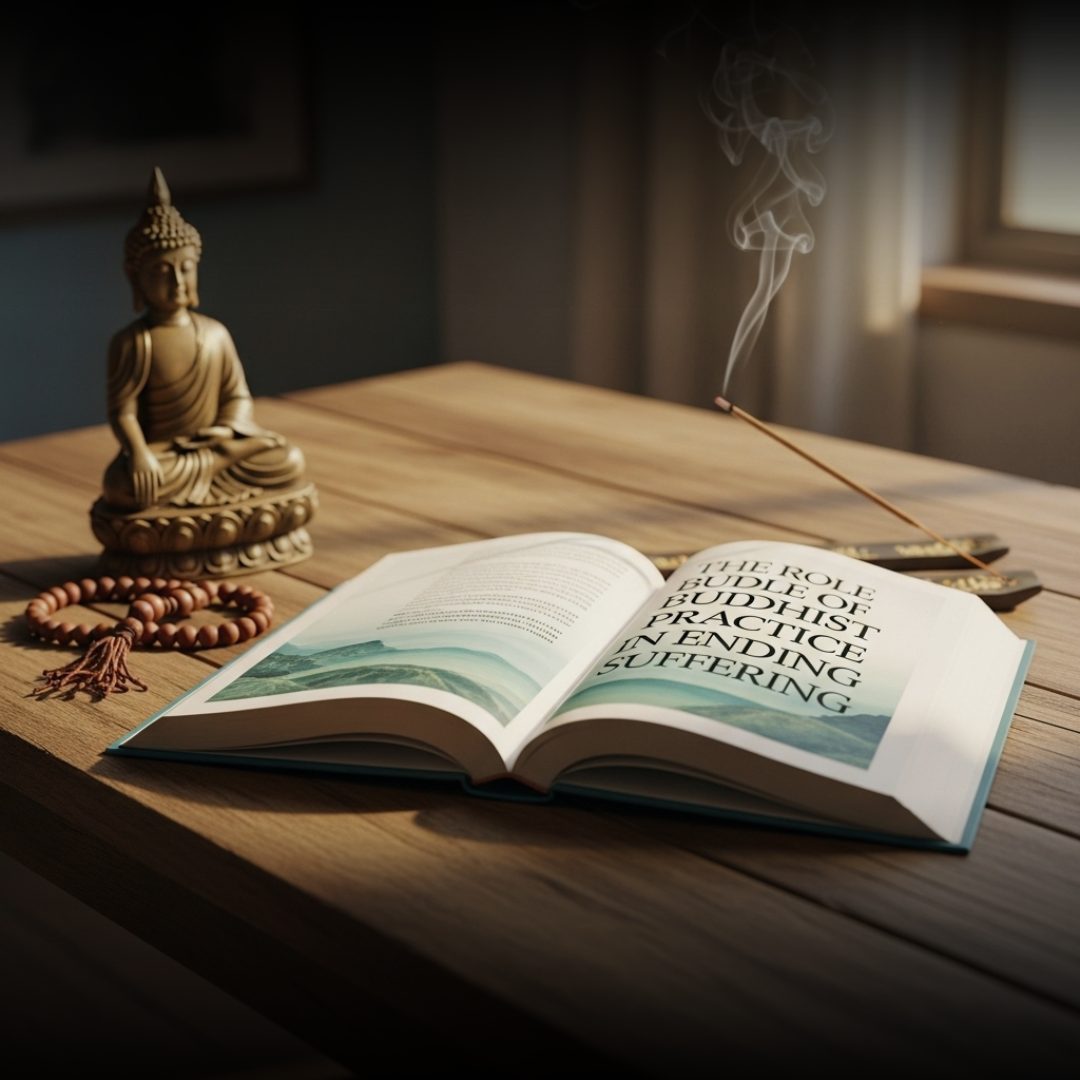
At the heart of Buddhist belief is the concept of ending suffering. Through spiritual practice, meditation, and following the four noble truths, you gradually break free from the cycle of suffering. This cycle, known as samsara, represents the endless cycle of birth, death, and rebirth.
Buddhism teaches that by practicing the noble eightfold path, you can transcend these endless cycles and reach nirvana—a state of peace and ultimate freedom from suffering. This goal is not out of reach; it’s achievable through diligent practice and reflection, no matter your circumstances.
The Path to Enlightenment and Personal Transformation

As you embark on your personal journey through Buddhist belief, you will begin to see how Buddhist thought and practice transform your understanding of life. With each step, you move closer to a life of inner peace, compassion, and wisdom. Buddhists believe that this transformation is not a far-off goal—it’s a daily practice, accessible to anyone willing to put in the effort.
By practicing meditation, embracing the four noble truths, and following the noble eightfold path, you can create a life of true happiness and fulfillment. With Buddhism as your guide, you will discover a deeper, more meaningful existence that transcends suffering and brings lasting peace to your heart.