


You deserve calm understanding when learning about female heart attack pain, especially when the topic feels heavy or frightening. Many people imagine a heart attack as sudden collapse, yet your body often communicates distress through quiet, gradual signals. Learning to recognize these signals helps you respond with confidence rather than fear.
A heart attack does not always arrive loudly, especially for women. Subtle changes in energy, comfort, or breathing can appear long before severe pain develops. This guide walks with you gently, offering clarity and reassurance while honoring your body’s wisdom.
Understanding Heart Attack in Women

A heart attack in women often unfolds differently than common portrayals in movies or media stories. Women may experience layered discomfort rather than immediate, overwhelming chest pain. These experiences can feel confusing, especially when they do not match familiar expectations.
Many women continue daily routines while the body struggles quietly. Blood flow may become severely reduced, placing stress on the heart muscle without dramatic warning. This silent strain can delay recognition and treatment.
READ ALSO: Hearty Health Is More Than Just a Strong Heart
Why Female Heart Attack Pain Feels Different

You may expect a heart attack to announce itself through classic crushing chest pain, yet your body may choose a quieter language instead. Female heart attack pain often spreads gently across the body, appearing in places you might not immediately connect to the heart. This difference can cause hesitation, even when something truly feels wrong.
Instead of sharp pressure, you may notice a dull ache that moves slowly or lingers without intensity. Discomfort can appear along the neck, the left arm, or near the shoulder blades, creating uncertainty about its source. These sensations still reflect real stress affecting your heart.
Common Heart Attack Symptoms to Notice

Some common heart attack symptoms appear quietly and blend into daily discomfort, making them easy to dismiss or rationalize. Chest pain may feel like pressure, fullness, or steady chest discomfort rather than sharp or dramatic pain. These sensations can come and go, which often causes uncertainty.
You may notice shortness of breath during rest or gentle movement, even without physical exertion. Sudden fatigue can arrive without an apparent reason, leaving your body feeling heavy and unresponsive. These changes reflect early stress placed on the heart.
Atypical Symptoms That Often Get Missed

Your body may show atypical symptoms during a heart attack, especially when stress builds slowly over time. Abdominal pain or stomach pain can feel similar to indigestion, acid reflux, or even food poisoning. These sensations often delay care because they seem unrelated to the heart.
Discomfort may also appear in the upper abdomen, creating pressure that feels digestive rather than cardiac. You might notice nausea, bloating, or unease without clear cause. These experiences still signal reduced blood flow affecting the heart.
Risk Factors That Increase Your Vulnerability

Understanding risk factors gives you power, not fear, when protecting yourself from a heart attack. Conditions like high blood pressure place constant strain on blood vessels and the heart over many years. This pressure weakens circulation and increases the chance of sudden cardiac problems.
A strong family history can place you at higher risk, even when your habits feel healthy and balanced. Chronic inflammation from conditions like rheumatoid arthritis affects the entire cardiovascular system. These hidden influences quietly increase vulnerability.
Heart Disease and Women in the U.S

Heart disease remains the leading cause of death among women in the U.S, yet awareness still lags behind reality. Many people associate heart emergencies with men, which delays recognition and response for women. Education helps close this gap and supports earlier action.
More women experience subtle heart attack symptoms that do not feel urgent or dramatic at first. This delay often leads to postponed medical care, even when the body signals distress. Recognizing patterns protects your cardiovascular health over time.
Understanding Blood Flow and Heart Muscle Damage
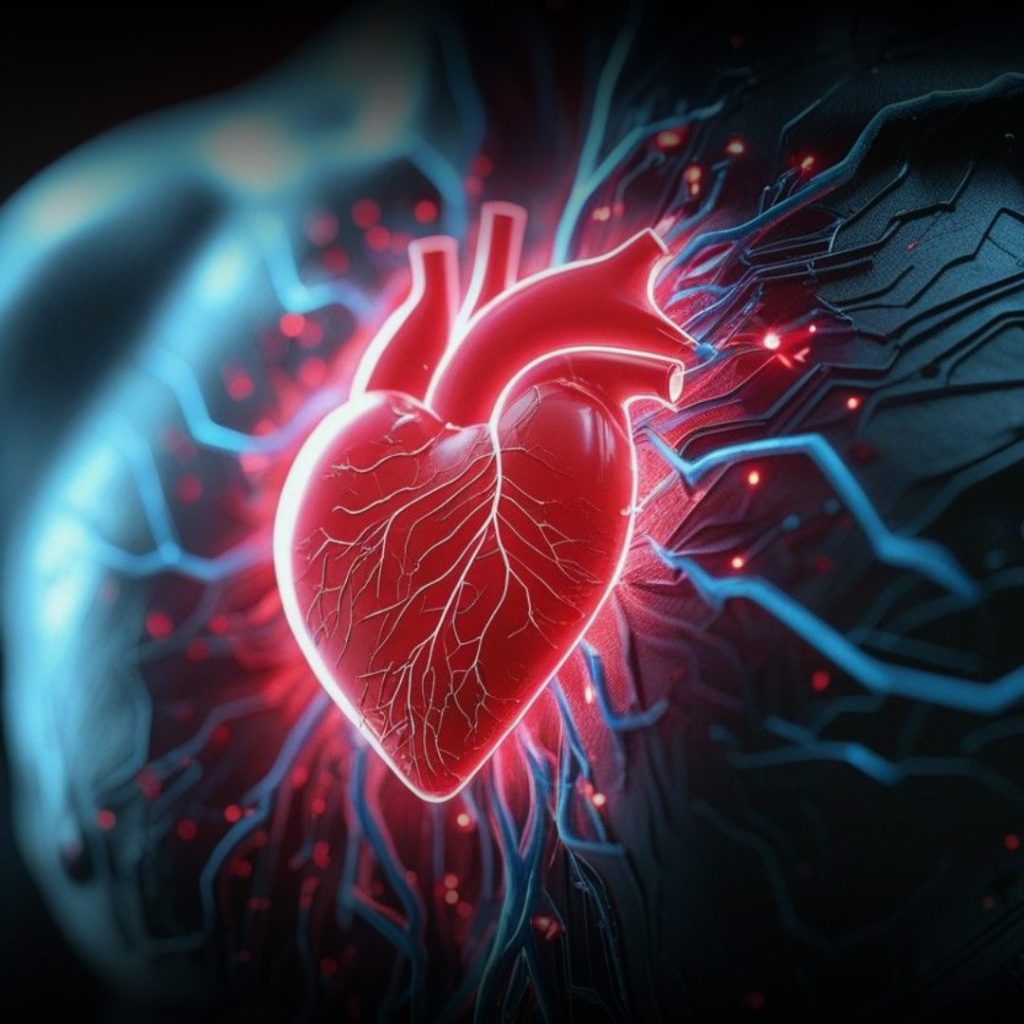
A heart attack occurs when blood flow to the heart suddenly drops or becomes blocked entirely. Without enough oxygen, the heart muscle begins to struggle and weaken within minutes. This process can lead to lasting heart muscle damage if care is delayed.
The most common cause is coronary artery disease, where plaque slowly narrows blood vessels over time. These narrowed arteries limit healthy circulation and increase vulnerability during stress. The damage often develops quietly before becoming dangerous.
When Pain Should Never Be Ignored

You honor yourself when you take pain seriously, especially when it feels persistent or unusual. Ongoing discomfort, pressure, or spreading sensations can signal a developing heart attack. Listening early can change outcomes.
Some warning signs appear gradually rather than suddenly. You may feel increasing weakness, nausea, or shortness of breath without clear cause. These changes often signal a progressing cardiac event.
Ignoring discomfort because it feels manageable can delay life saving treatment. Trust your instincts when something feels wrong. Early action protects both your heart and your future.
READ ALSO: Mindful Body Whispers the Path to Inner Balance
What To Do During Heart Attack Warning Signs
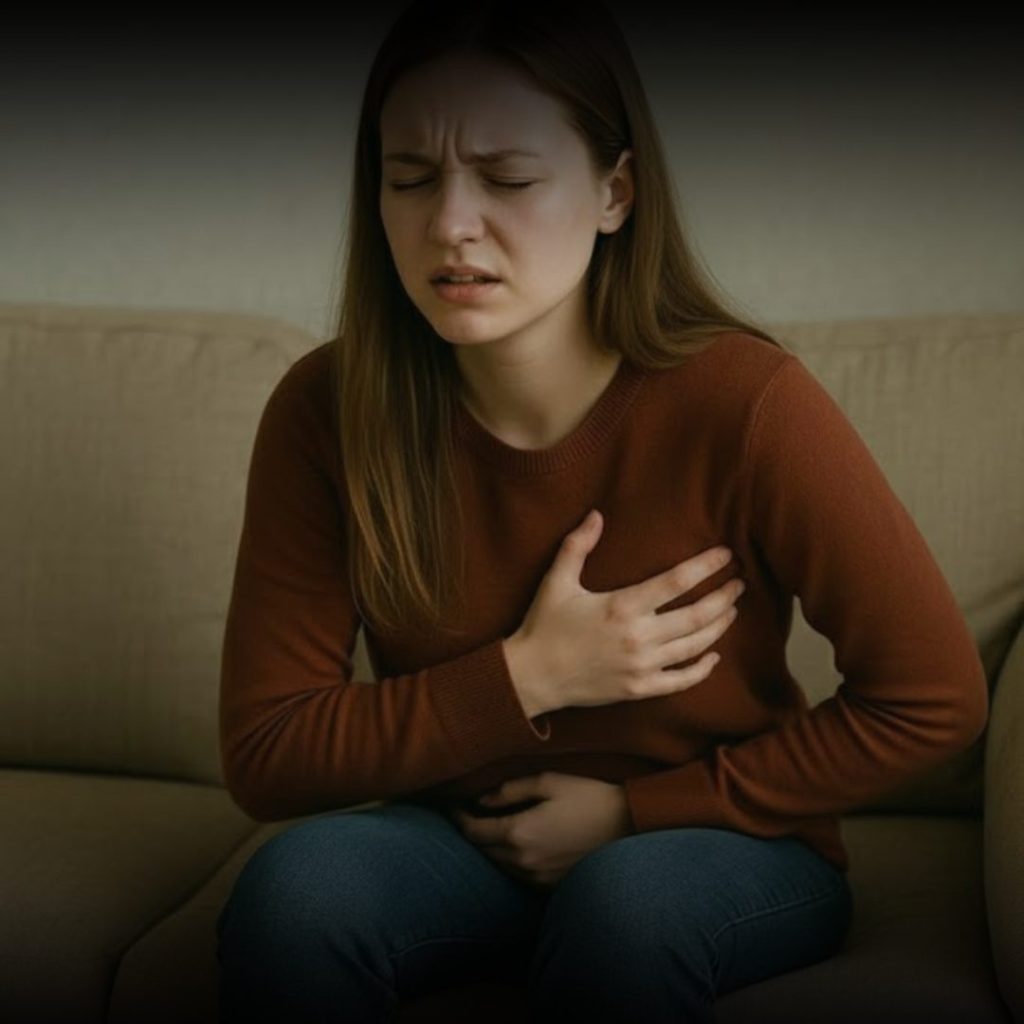
When heart attack warning signs appear, seeking emergency help immediately is the most protective step you can take. Call emergency services or arrange transport to the nearest hospital without delay. Time matters greatly when the heart is under stress.
Avoid driving yourself if another option exists, as symptoms can worsen suddenly. The emergency room is equipped to assess symptoms quickly and begin treatment without delay. Rapid evaluation helps preserve healthy heart tissue.
Long Term Heart Health After a Cardiac Event

Recovery continues long after a heart attack, and your healing deserves patience and compassion. Your body rebuilds strength gradually as the heart adjusts and repairs itself over time. Supporting heart health becomes a daily practice rooted in consistency, not pressure.
Gentle physical activity helps restore circulation and confidence without overwhelming your system. Movement encourages healthy blood flow and supports emotional balance after a frightening experience. Listening to your limits allows progress without fear.
Nutrition also plays a steady role in recovery. A heart healthy diet that includes whole grains supports energy and vessel health. Limiting processed foods and trans fats reduces strain on your cardiovascular system.
Preventing Increased Risk Through Daily Choices

Your everyday habits shape long term protection from another heart attack, even when changes feel small or gradual. Monitoring blood pressure regularly helps you notice patterns before they become dangerous. These small check ins support steady awareness and early adjustment.
Quality sleep and stress care play an important role in recovery and prevention. Chronic stress raises blood pressure and disrupts healthy blood flow over time. Creating calm routines supports both emotional balance and physical safety.
Guidelines supported by the american college emphasize steady prevention rather than perfection. Disease control begins with realistic choices you can sustain daily. Consistency builds resilience and confidence in your body.
Listening to Symptoms Without Fear

You learn strength when you allow yourself to feel pain without immediately assuming the worst. Pain carries information that helps you understand what your body needs in that moment. Calm attention allows clarity to replace fear.
Noticing symptoms early helps you respond rather than react. You may sense changes in breathing, energy, or comfort before obvious distress appears. These quiet messages deserve respect and curiosity. When you recognize signs of a heart under stress, you protect yourself through awareness. Trust grows when you listen without judgment. Self awareness becomes a form of care and safety.
READ ALSO: The Body Keeps the Score—Here’s What That Means
A Gentle Reminder for Your Journey

You are not fragile or powerless when learning about heart attack symptoms women experience throughout different stages of life. You are informed, capable, and allowed to seek care without hesitation or apology. Your body deserves respect and timely support.
Women often place others first, which can delay recognizing personal symptoms. Giving yourself permission to act early protects your future health and independence. Your well being matters just as much as anyone else’s.
Trust what your body tells you and respond with care. Seek emergency help when needed without second guessing yourself. Walking forward with awareness, balance, and confidence is an act of self respect and strength.
UP NEXT: Bulgarian Split Squat Exercise For Calm Strength Training