Gift Giving Functions as a Signal of Social Bond Strength

Gift giving is not a decorative social act. It signals attention, memory, reciprocity, and relational investment. For high-performing professionals, those signals matter because relationship quality affects stress load, emotional stability, and long-term health.
This moves the topic out of lifestyle commentary. It places the topic inside performance biology. Julianne Holt-Lunstad’s meta-analysis in PLoS Medicine found that stronger social relationships were linked with a 50% increased likelihood of survival.
Gift giving does not improve health in the same direct way as sleep or exercise. Its value comes from how it helps build and maintain social ties. Those ties can shape stress, recovery, and long-term resilience.
The Health Effect Depends on Meaning, Not Price
The biological value of gift giving depends less on price than on meaning. A poorly judged gift can add tension. A well-matched gift can strengthen trust, belonging, and perceived support. That matters because perceived support changes how people process stress.
The act works through social interpretation. It can reduce uncertainty, strengthen affiliation, and stabilize ties that weaken under workload or distance.
In executive life, relationships often erode through neglect, not open conflict. Gift giving can interrupt that decline. It can show memory, effort, and social awareness in a way that words sometimes do not. This makes it a relational act, not just a consumer act.
Prosocial Spending Has Measurable Emotional Effects
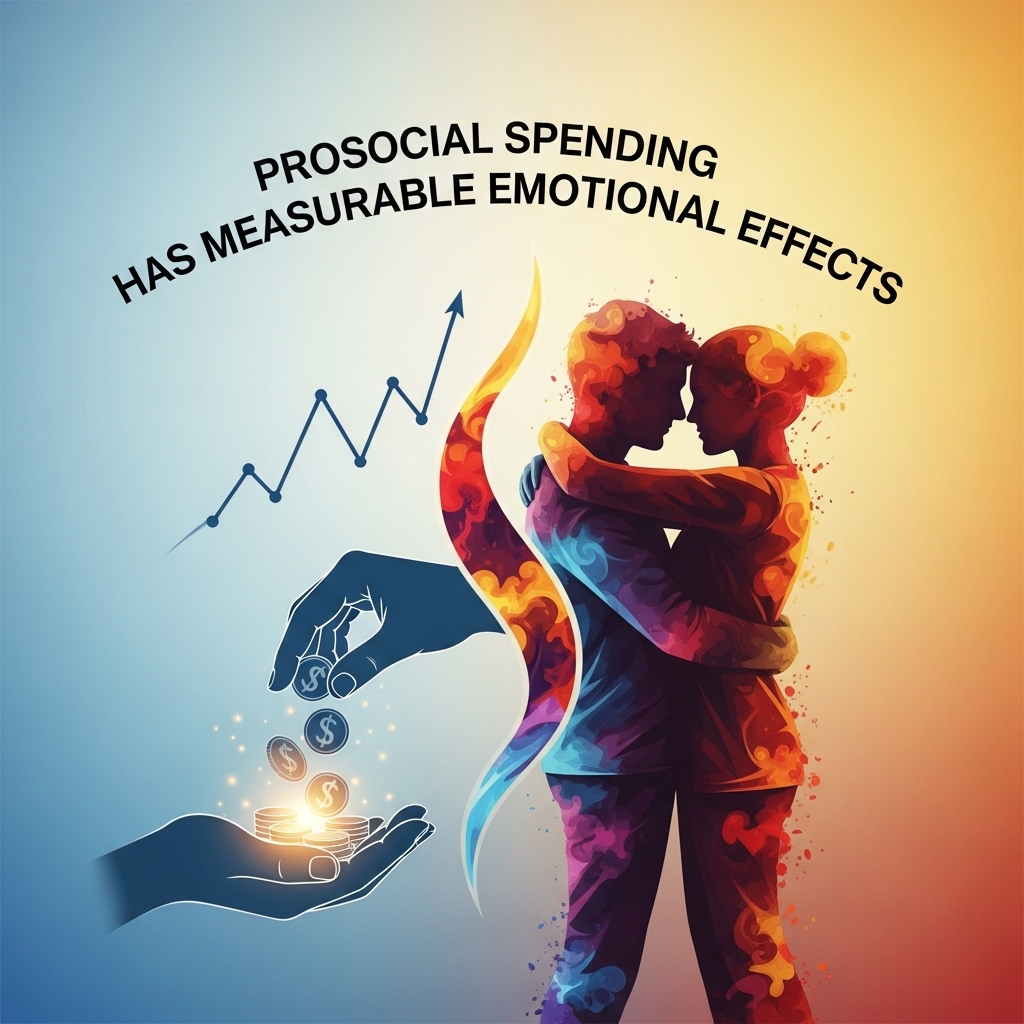
A major research line from Elizabeth Dunn, Lara Aknin, and Michael Norton showed that spending money on others can produce more happiness than spending money on oneself. Their 2008 Science paper gave prosocial spending a measurable psychological profile.
That does not mean every purchase for another person improves well-being. The effect depends on whether the act feels genuine and socially meaningful. Forced or strategic giving does not carry the same likely benefit.
For high-performing adults, this matters because emotional state affects performance. Better affect regulation can support attention, conflict tolerance, and decision quality. In socially dense roles, those gains have practical value.
Prosocial Action Can Buffer Daily Stress
Prosocial behavior can soften the emotional impact of stress. That pattern appears in several lines of social and behavioral research. Gift giving fits this frame when it expresses support, care, or affiliation.
The mechanism is not mystical. Giving can shift attention outward, reinforce social connection, and create a sense of agency inside strained periods. Those factors may lower the felt burden of daily stress in some people and settings.
The effect is not universal. Context matters. A gift can reduce stress in one relationship and create pressure in another. That is why the social meaning of the act matters more than the act alone.
Social Connection Has Cardiovascular Consequences
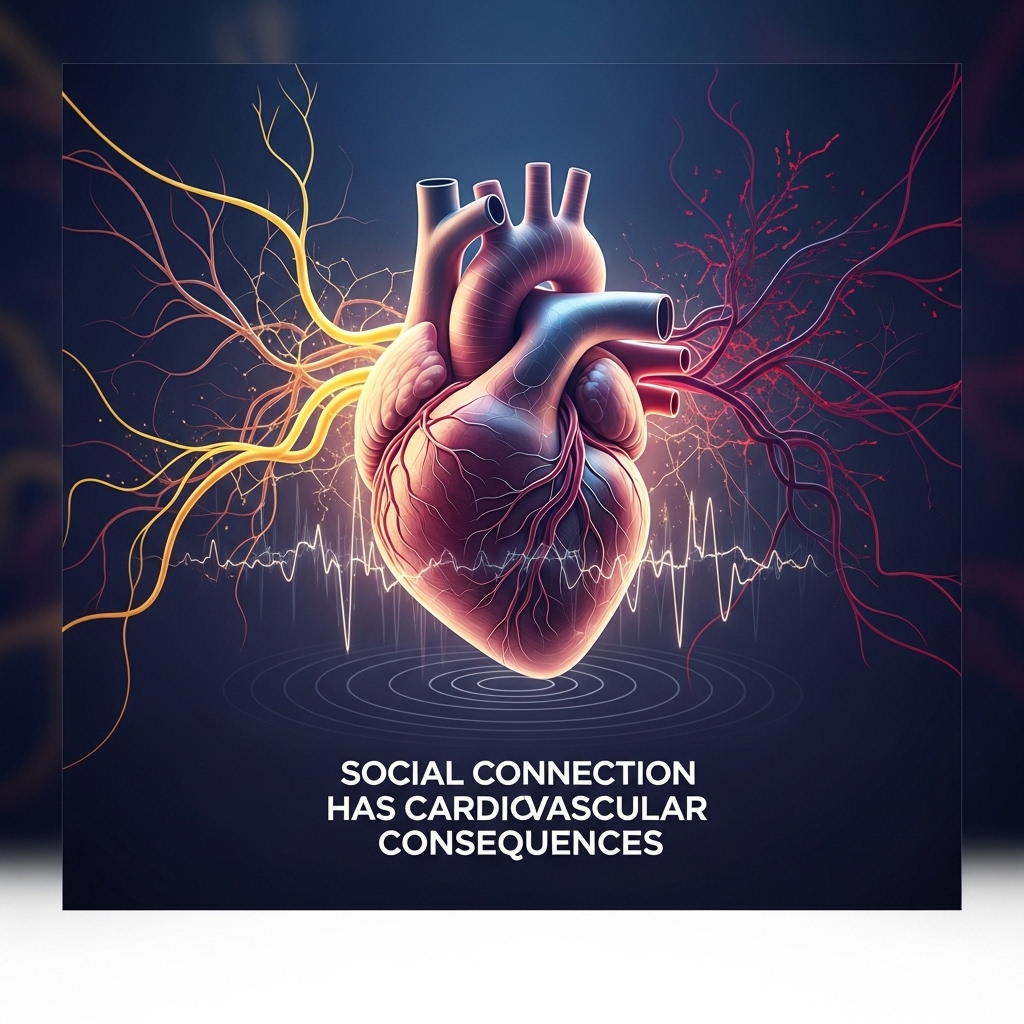
Relationship quality has direct relevance to cardiovascular health. The American Heart Association reported in 2022 that social isolation and loneliness were associated with about a 30% higher risk of heart attack, stroke, or death from either.
Gift giving matters here because it can help maintain social contact and reciprocity. It does not replace deeper relationship work, but it can reinforce closeness. Over time, that may help protect against chronic disconnection.
For a high-performing audience, this is not a sentimental claim. It is a reminder that relational habits can affect cardiovascular exposure over time. Demanding careers often reduce social maintenance unless people act with intention.
The Inflammatory Pathway Is Indirect but Relevant
One of the strongest pathways between relationship quality and health involves inflammation. In a 2011 study in Social Science & Medicine, Kathi Heffner and colleagues found that greater social isolation was associated with elevated C-reactive protein and higher coronary heart disease mortality.
Gift giving does not lower inflammatory markers by itself. Its value is indirect. If it helps preserve social integration, it may support the wider social structure linked with lower physiological burden.
That is the more accurate biological frame. Gift giving may influence relationship quality. Relationship quality may influence stress, social support, and isolation. Those factors can then affect inflammation and cardiovascular risk.
READ ALSO: Matching Relationship Tattoos: Meaningful Ink Ideas
Experiential Gifts Often Build Stronger Bonds

Not all gifts create the same relational outcome. Research in the Journal of Consumer Research has found that experiential gifts often strengthen relationships more than material gifts. The reason appears to involve shared emotion, story, and memory.
Experiences can create a durable social imprint. Objects may offer utility, but experiences often create later conversation and stronger emotional recall. That makes them more potent in relationship maintenance.
For professionals with little time, this matters. The most effective form of gift giving may not be the most expensive one. It may be the one that reinforces shared meaning and durable trust.
Reciprocity Can Support Trust or Create Strain
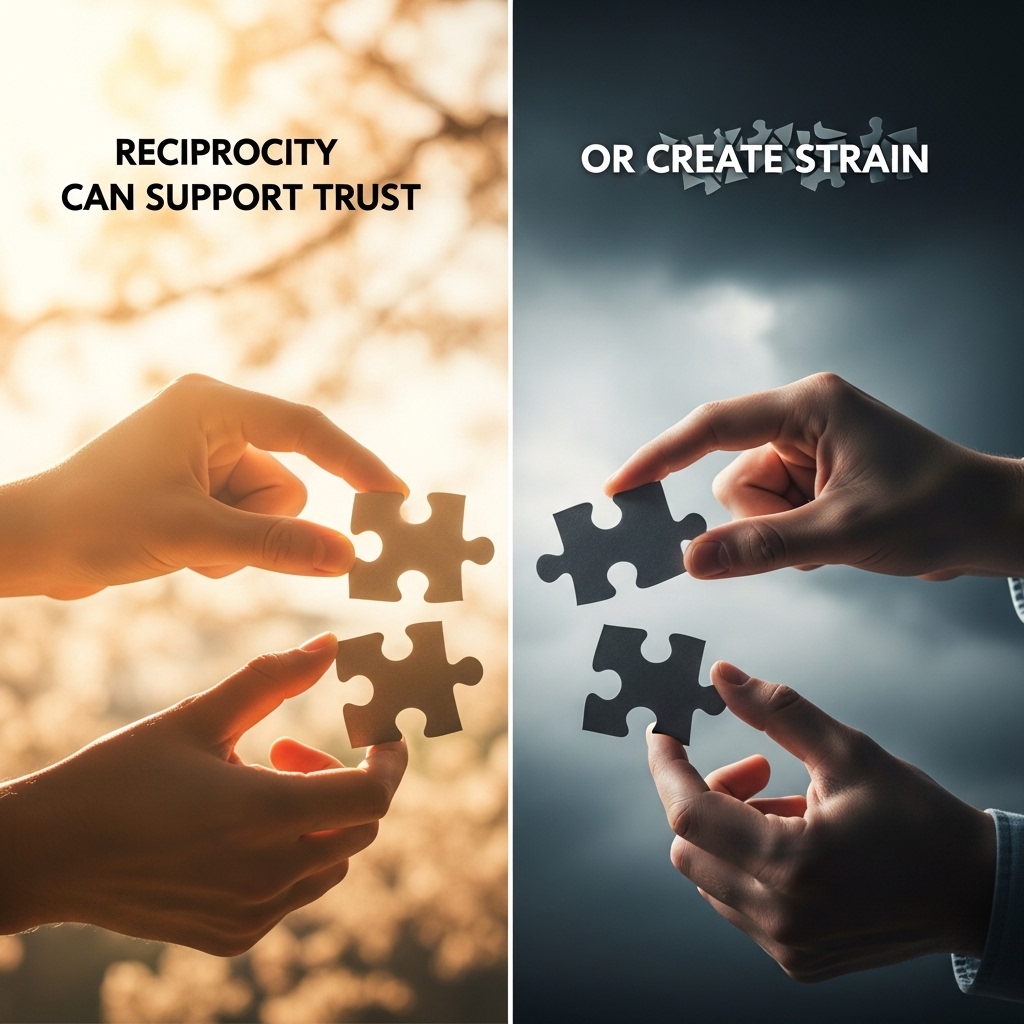
Gift giving operates inside systems of reciprocity. In healthy relationships, reciprocity supports mutual regard and shared investment. In strained relationships, it can create debt, discomfort, or suspicion about motive.
That tension matters in executive and founder settings. Gifts can blur into obligation, hierarchy management, or image control. When that happens, the health value of the act weakens because the exchange adds strain instead of reducing it.
The key question is not whether gift giving is good in the abstract. The better question is what relational state it creates. If the result is trust and ease, the act may support stress regulation. If the result is pressure, the effect may reverse.
READ ALSO: Cheryl Richardson: The Five Most Meaningful Gifts – Whole Living Balance
Gift Giving Can Protect Relationships Under Heavy Workload

High-output careers often weaken relationships through delayed contact, missed rituals, and reduced emotional bandwidth. Gift giving can act as a maintenance behavior when direct time becomes scarce. It can restore signal strength in relationships that matter.
This becomes more relevant in midlife. Social networks often narrow as work and family demands increase. Public health and long-term relationship research continue to show that social connection supports healthier aging and better well-being.
Within that frame, gift giving is best understood as a relational investment. It is not mainly a seasonal ritual. It is a small, targeted act that can reinforce ties linked to resilience, emotional support, and day-to-day stability.
READ ALSO: Eco Gift Wrap – Whole Living Wellness
The Real Outcome Is Social Stability
The strongest health argument for gift giving is not holiday sentiment. It is social stability. Stable relationships can lower isolation risk, improve perceived support, and reduce the physiological wear linked with loneliness and chronic social threat.
That matters for longevity because social disconnection has been linked with cardiovascular disease, stroke, and premature death in major public health summaries. The biological burden is not abstract. It affects real health outcomes across time.
For a serious professional audience, gift giving belongs in a larger model of relational health. It is one act inside a wider system that shapes stress physiology, emotional steadiness, and long-term function.
UP NEXT: Emotional Intimacy in Relationships: Building Deeper Bonds
How This Affects Your Biological Age
Gift giving can support healthier biological aging when it strengthens social connection, lowers chronic stress burden, and improves perceived support, all of which are linked to better cortisol regulation, lower inflammatory load, and stronger long-term cardiovascular resilience. WholeLiving's Biological Age Estimation Model incorporates this factor directly — your assessment takes under five minutes.
Ready to understand how these factors are influencing your biological age right now? [Take the Biological Age Assessment →]