


Introduction

You begin here, with happiness essential mindfulness practices guiding your first steady breath. In this moment, you are invited to slow down and feel supported in this very moment. Rather than fixing yourself or trying to become someone different, you are simply remembering how to live with presence and awareness. These essential mindfulness practices meet you exactly where you are today, without judgment or unrealistic expectations. Furthermore, they bring calm without pressure and joy without force. As a result, you learn to rest in the present moment, discovering that happiness is not something distant to chase or achieve in the future, but rather something to cultivate right now through awareness, kindness, and simple daily practices.
Mindfulness is not distant or complex here. Instead, it is accessible and deeply human. Through practice, you engage in breathing, walking, eating, and sitting with full awareness. In time, you learn how happiness, peace, and freedom grow together naturally. Eventually, you begin to trust yourself again. As you continue, you live in the present and feel supported in this world.
Understanding Happiness Through Mindfulness
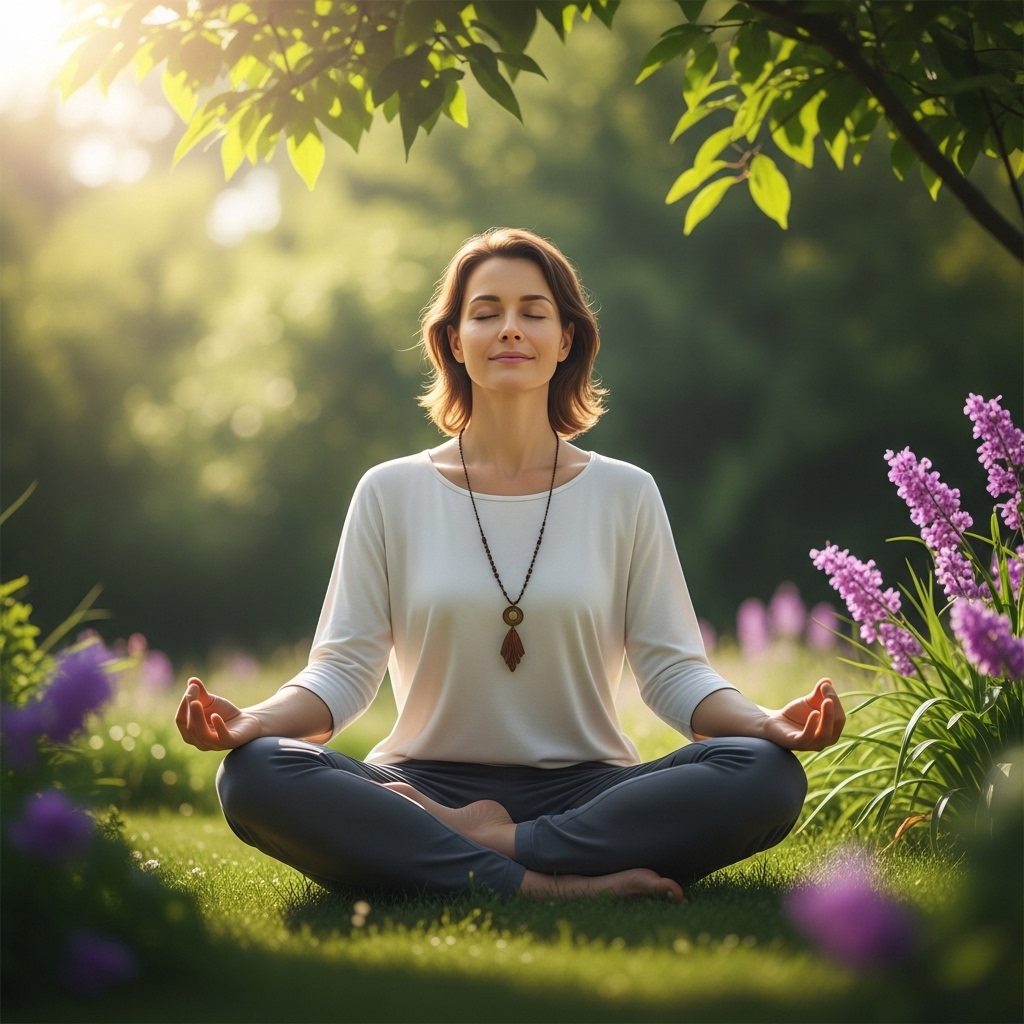
You often search for happiness in the future or dwell on it in the past. Perhaps you believe joy comes only after success, achievement, or when circumstances finally align perfectly. However, mindfulness gently brings you back to now, to this precious present moment. Indeed, happiness is available right here in this present moment, not somewhere else or sometime later. Therefore, mindfulness can help individuals learn to live in the present moment instead of constantly dwelling in the past or anxiously projecting into the future. Through this practice, you learn that essential mindfulness is a way of seeing life clearly, without the distortions of fear or craving. Moreover, it helps you develop peace within yourself and soften the grip of fear and worry. Ultimately, practicing mindfulness consistently can lead to genuine freedom from fear, misunderstanding, and the suffering that comes from not seeing things as they truly are.
Thich Nhat Hanh encourages you to see happiness as a skill that can be developed and strengthened. In his view, you practice it daily, like breathing or walking, making it part of your natural rhythm. His Buddhist teachings remind you that suffering grows from misunderstanding, from not seeing clearly. In contrast, awareness brings clarity and kindness to every situation. According to Thich Nhat Hanh's key teaching, through mindfulness, we can learn to live in the present moment and develop a deep sense of peace. The happiness Thich Nhat Hanh teaches is calm and steady, not dependent on external conditions. In fact, it is not loud or rushed or demanding.
READ ALSO: Gut Cleanse Tips for a Happier Stomach
Essential Mindfulness Practices Rooted in Daily Life
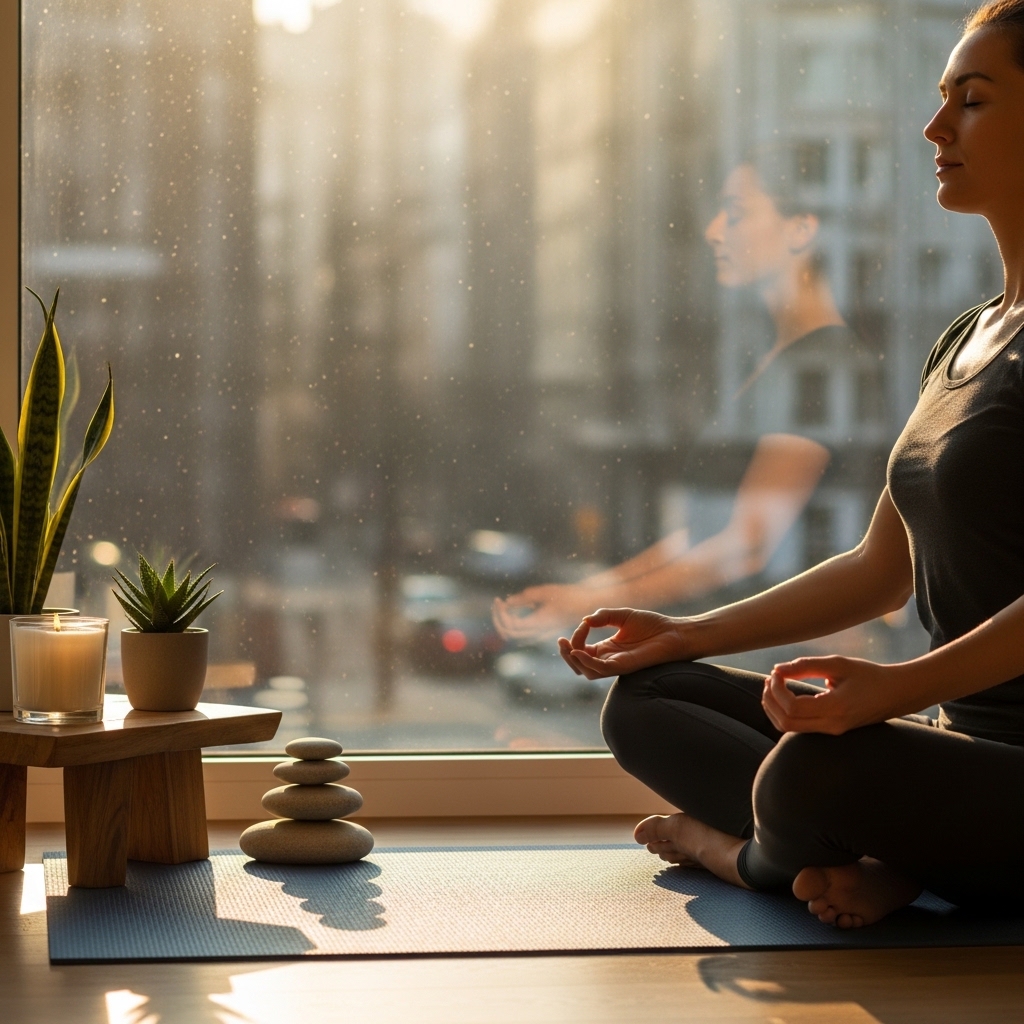
You may think meditation belongs only on a cushion in a quiet room, far removed from the busyness of ordinary life. However, you do not need to formally meditate for hours to incorporate mindfulness into daily life in meaningful ways. Fortunately, this teaching gently shifts that limiting belief and opens new possibilities. Essential mindfulness practices live within ordinary moments—walking, sitting, working, eating—and you can meditate through accessible techniques woven naturally into your daily activities without special preparation. Through this approach, you learn that daily life itself becomes meditation when approached with awareness and presence. For example, you practice awareness while washing dishes, opening a door, or waiting in line.
Thich Nhat Hanh strongly encourages weaving mindfulness practices into the fabric of daily life rather than treating them as separate activities. According to his teachings, mindfulness can be practiced in everyday activities such as walking, sitting, working, eating, driving, and even brushing your teeth. Furthermore, he teaches that practicing mindfulness is not about escaping the world or withdrawing from responsibilities and relationships. Instead, it is about meeting the world with care, attention, and presence. Engaged Buddhism invites you to live fully and responsibly in the world.
Breathing and Sitting With Full Awareness
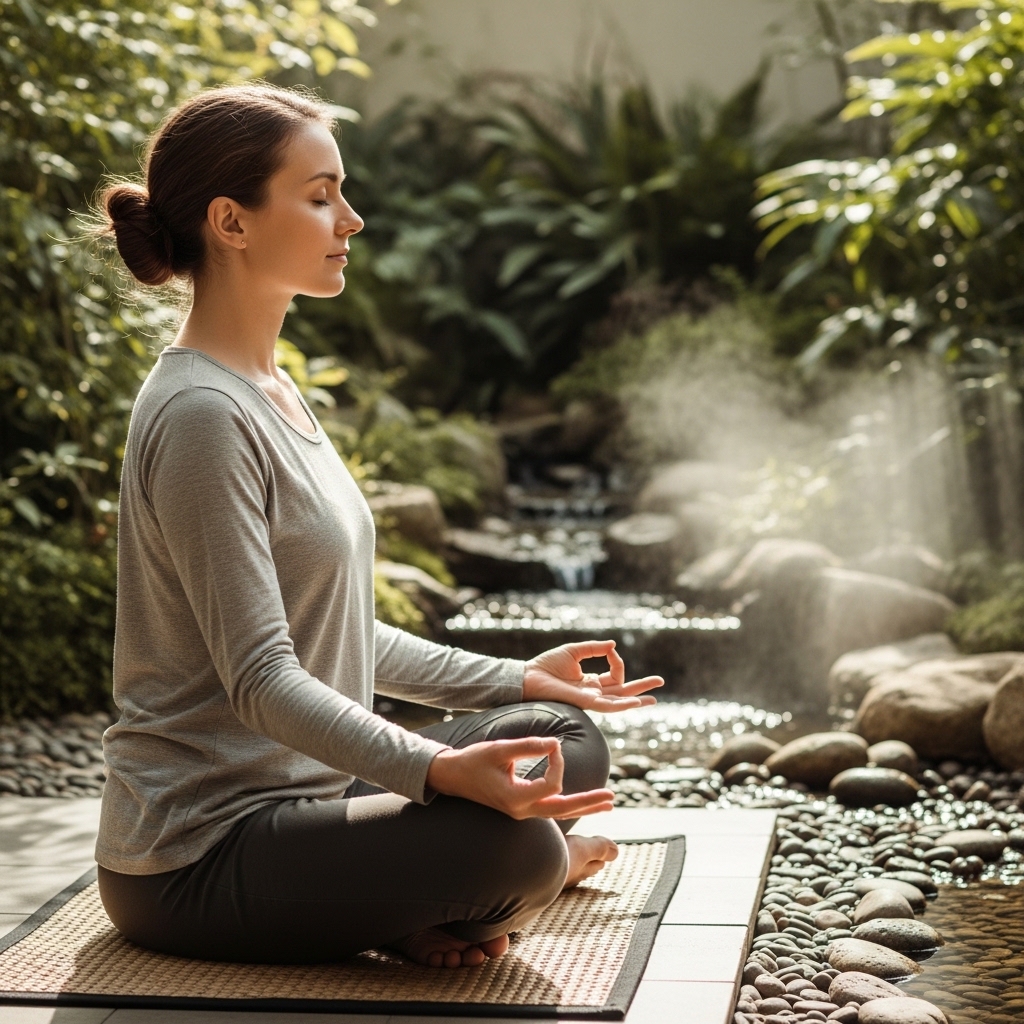
You begin with breathing, which is the foundation of all mindfulness practice. In this practice, you notice each inhale and each exhale without trying to control or change your breath. Consequently, breathing anchors you firmly in the present moment, bringing you home to your body. As you settle, you sit and allow the body to rest naturally, finding a comfortable position. Importantly, you are not forcing stillness or struggling to empty your mind. Instead, you are simply allowing calm to arise naturally. The breath is always with you, always available as an anchor to the present moment. Therefore, when you feel scattered or overwhelmed, returning to the breath brings you back to center, back to yourself. This simple practice of following the breath has been used for thousands of years to cultivate peace and clarity.
Sitting meditation teaches you to observe your thoughts and feelings without harsh judgment or getting caught up in them. During practice, thoughts of future worries or past regrets may appear in your mind like clouds passing through the sky. Gently, you return to breathing each time you notice you've wandered away. Over time, this practice builds genuine freedom from fear and anxiety. Furthermore, it helps you develop peace within your body and mind that isn't dependent on external circumstances. Eventually, meditation becomes a trusted friend and refuge, not another demanding task on your to-do list. Through continued practice, you begin to see that you are not your thoughts, that there is a spacious awareness that can hold everything with compassion.
Walking Meditation and Moving With Intention
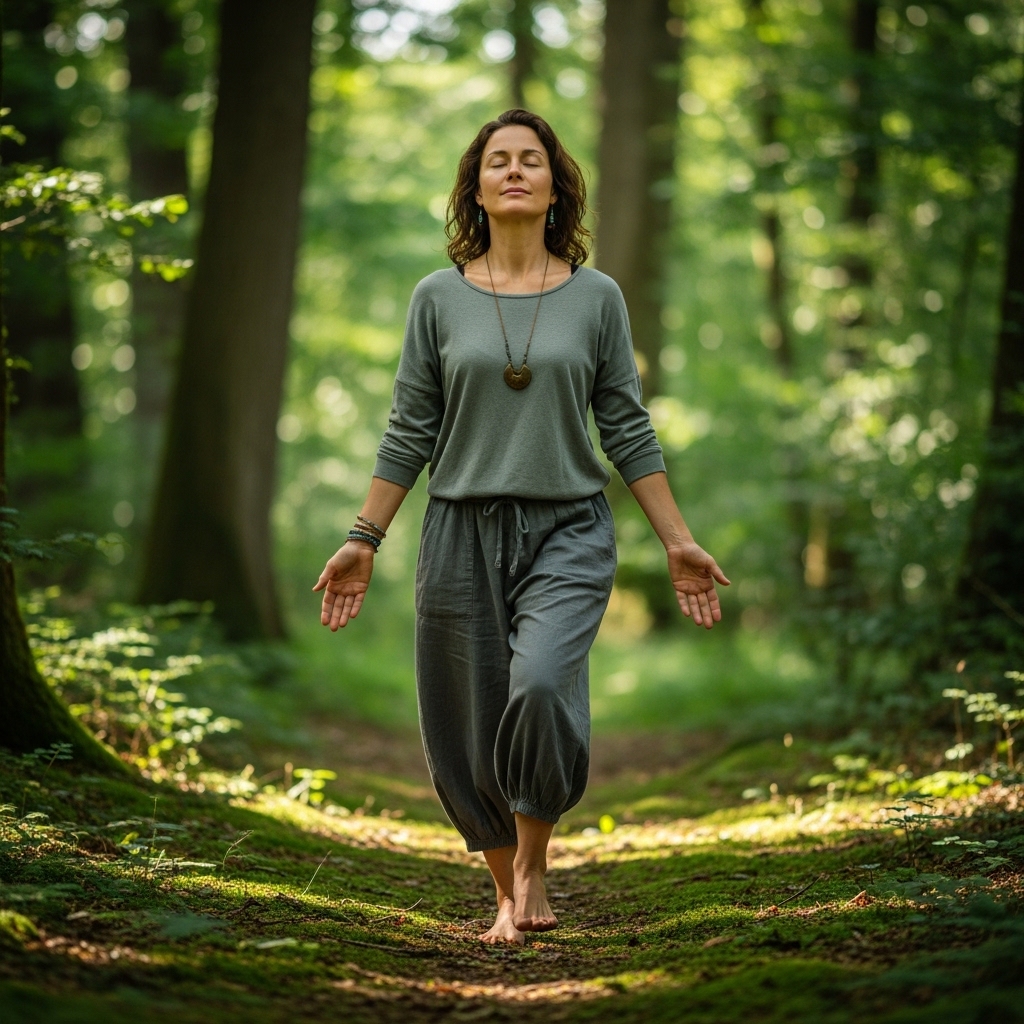
You learn to walk as if each step truly matters, as if you are kissing the earth with your feet. Through this practice, walking meditation brings mindfulness into movement and daily activities. With each step, you feel your feet touch the ground, noticing the sensations of walking. Consequently, you arrive fully with each step rather than rushing toward a destination. This practice helps you live in the present moment even while moving through your day. In this way, walking becomes not just a way to get somewhere, but a practice of peace and presence. Indeed, you walk not to arrive, but to truly be with each step. For example, even a short walk from your car to your office can become a meditation when you bring this quality of attention and awareness to it.
Walking meditation is part of many kinds of physical practices and can be adapted to your circumstances. For instance, you may walk indoors in a small space or outside in nature. Additionally, you move slowly and deliberately or at a natural pace that feels comfortable. Throughout the practice, you stay aware of your breathing and your steps, coordinating them naturally. Over time, this builds peace and clarity with each mindful step. Some practitioners like to silently say “I have arrived, I am home” with each step, reminding themselves of the miracle of being alive and present. Gradually, you begin to notice the world around you more vividly—the sky, trees, sounds, and sensations you usually miss when your mind is elsewhere.
READ ALSO: DIY Therapy: How Handiwork Can Treat Depression
Mindful Eating and Nourishing Awareness

You sit down to eat with full awareness, treating the meal as a sacred opportunity rather than a rushed necessity. Through this approach, mindful eating invites gratitude and deep presence into an activity you do multiple times every day. With attention, you notice colors, textures, aromas, and taste with genuine curiosity and appreciation. Consequently, eating practices become moments of calm and connection rather than mindless consumption. No longer are you rushing through meals while distracted by screens or worries. Instead, you slow down enough to actually taste your food and feel nourished not just physically but emotionally and spiritually. Moreover, you might notice where your food came from, all the hands and elements that brought it to your plate. This awareness cultivates gratitude and interconnection with all of life.
Mindful eating teaches respect for your body and the natural world that sustains you. Through this practice, you understand how food connects you to farmers, rain, sun, soil, and countless other beings. Furthermore, this practice helps reduce suffering and misunderstanding about nourishment and our relationship with food. As a result, you eat with joy and genuine care rather than guilt or compulsion. Over time, you learn to recognize true hunger and satisfaction, eating when hungry and stopping when full.
Gentle Practices for Children and Families

You are invited to share mindfulness with children in playful and age-appropriate ways. By helping children develop awareness and emotional intelligence, you build peace early in their lives. For instance, practices like pebble meditation are simple, concrete, and playful, perfect for young minds. Through gentle attention, children learn calm without it feeling like a chore or lesson. They might hold different colored pebbles representing freshness, solidity, calm water, and space, breathing with each one. In this way, this gives children a tangible way to work with their emotions and cultivate inner resources. Indeed, teaching mindfulness to children is one of the greatest gifts you can give them, equipping them with skills they'll use throughout their lives.
Telephone meditation teaches mindful listening and loving speech within families and friendships. In this practice, you pause before speaking, taking a breath to consider your words. Furthermore, you listen deeply to truly hear what another person is saying without immediately planning your response. As a result, these practices help families cultivate peace and joy together. Moreover, they create mutual understanding and reduce fear, anger, and misunderstanding. When family members practice mindful communication, conflicts become opportunities for connection rather than division. Over time, children who learn these skills develop emotional resilience and healthy relationships throughout their lives.
Thich Nhat Hanh's essential teachings include compassion and skillful means for all ages and stages. In this spirit, you practice with a receptive heart and beginners mind. Together, you create a home of safety and kindness where everyone can be themselves. Ultimately, these daily practices strengthen connection between family members and build a foundation of love and trust.
Integrating Mindfulness Into Work and Rest

You bring mindfulness into work without adding stress or extra tasks to your day. For example, you pause and take three conscious breaths between tasks or meetings, resetting your nervous system. Additionally, kitchen meditation turns ordinary chores into calm moments of presence and care. With awareness, you wash dishes, feeling the warm water and noticing the miracle of clean water flowing from a tap. Consequently, work becomes less burdensome when you bring full presence to it rather than wishing you were somewhere else. Furthermore, you might practice mindful typing, aware of your fingers on the keyboard, or mindful email, reading carefully before responding. Throughout your workday, these small moments of awareness reduce stress and increase effectiveness and satisfaction.
A lazy day can also be mindful, not just productive busy days. During rest, you relax without guilt or the nagging feeling you should be doing something. Instead, you notice sounds, sensations, and the simple pleasure of having nowhere to be. This balance of engaged activity and restful awareness supports freedom and joy. Indeed, mindfulness fits every aspect of life—not just the “spiritual” moments but the ordinary, messy, beautiful moments too. Over time, you learn that there are no unimportant moments when you bring full awareness to your life. As a result, everything becomes vivid and meaningful.
These practices are an easy to use volume of wisdom, accessible to anyone regardless of background. Moreover, they are a quintessential resource for modern living in our fast-paced world. Naturally, you integrate mindfulness without feeling overwhelmed. Steadily, you feel peace grow within you like a plant being gently watered each day.
READ ALSO: Think Positive Be Positive: The Mood Shift You Need
Living the Teachings With Courage and Compassion

You begin taking refuge in mindfulness, peace, and community, finding support in the practice and in others who walk this path. Through engagement, Buddhist teachings guide you toward deeper understanding of yourself and reality. Gradually, you see how fear, misunderstanding, and suffering dissolve through clear awareness and compassionate presence. Indeed, the transformative effects of mindfulness and spiritual practices can be truly wonderful, uplifting your life in profound and unexpected ways. Through practice, you discover resources within yourself you didn't know existed—patience, wisdom, compassion, and resilience. These qualities were always there, simply waiting to be uncovered through practice. Importantly, your life doesn't have to be perfect to be meaningful and joyful. In fact, peace is available right now, in the midst of whatever you're experiencing.
Attending mindfulness events and joining a community of practice can be life-changing and deeply impactful for personal happiness and growth. In community, you find support and inspiration from others who share your commitment to awakening and living with awareness. Thich Nhat Hanh was a peace activist who deeply valued reconciliation between all people. Throughout his life, his tireless work supported peace treaty efforts during the Vietnam War and promoted healing across divides. Furthermore, he teaches freedom from fear through compassion rather than through force or avoidance. Daily, you learn to live these principles in your own relationships and communities, becoming an instrument of peace in your own way.
A Motivating Takeaway for Your Journey

You are already on this path right now in this very moment. Importantly, essential mindfulness practices are not far away in some distant future when you have more time or better circumstances. Rather, they live in your breath, your steps, and your meals—in every ordinary moment of your day. Gently and consistently, you practice, knowing that small steps taken regularly lead to profound transformation over time. There's no need to be perfect or to practice for hours each day. In fact, even a few mindful breaths or one conscious step makes a difference. Therefore, be patient and kind with yourself as you learn and grow.
Happiness grows naturally when you live in the present moment with awareness and acceptance. Furthermore, peace and joy come from awareness and kindness toward yourself and others. Even when you can't see immediate results, you trust this process. Without forcing or controlling, you allow life to unfold naturally. Like a gardener tending seeds, you provide the conditions for growth through your practice and then trust the process.
You walk forward with confidence and calm, knowing the path is unfolding beneath your feet. Additionally, you are supported by the wisdom of countless practitioners who have walked this path before you and by the compassion within your own heart. Uniquely yours to walk, this journey toward whole living continues. With openness and hope, you continue, remembering that each moment is a new beginning.