
Sustained negative cognitive framing is associated with chronic cortisol elevation, impaired executive function, and accelerated biological age progression in high-performing professionals operating under prolonged decision pressure. For individuals expected to consistently think positive under high cognitive load, this is not a motivational preference but a measurable determinant of performance stability and neurological resilience. Evidence indicates that the capacity to think positive modulates hypothalamic-pituitary-adrenal axis activity, directly influencing stress adaptation, cognitive clarity, and long-term health outcomes in executive populations.
Cognitive Framing as a Determinant of Neuroendocrine Load
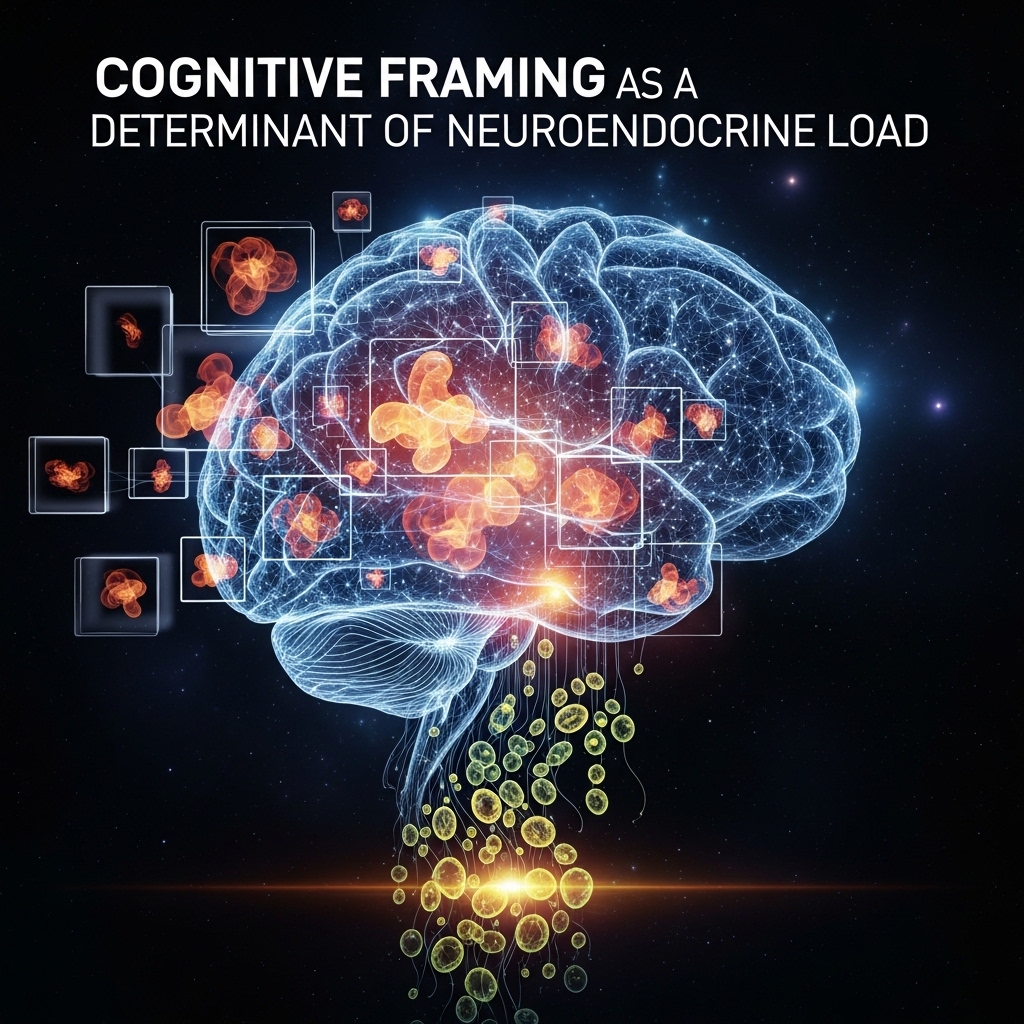
The capacity to think positive directly shapes neuroendocrine balance rather than subjective mood alone. When professionals sustain negative cognitive patterns, the hypothalamic-pituitary-adrenal axis remains highly active, which drives prolonged cortisol elevation and weakens feedback control. As a result, executive function declines and decision fatigue increases under pressure.
Moreover, findings from the National Institutes of Health show that chronic stress reshapes neural pathways in the prefrontal cortex. Instead of supporting planning and control, the brain shifts toward threat detection and reactive thinking. Consequently, negative framing reinforces a loop that keeps stress responses active even without immediate triggers.
In contrast, when individuals consistently think positive, they regulate stress pathways more effectively. This shift reduces neuroendocrine load and stabilizes cognitive output. Over time, this supports sharper focus, faster recovery, and more consistent executive performance.
Cortisol Modulation and Stress Physiology
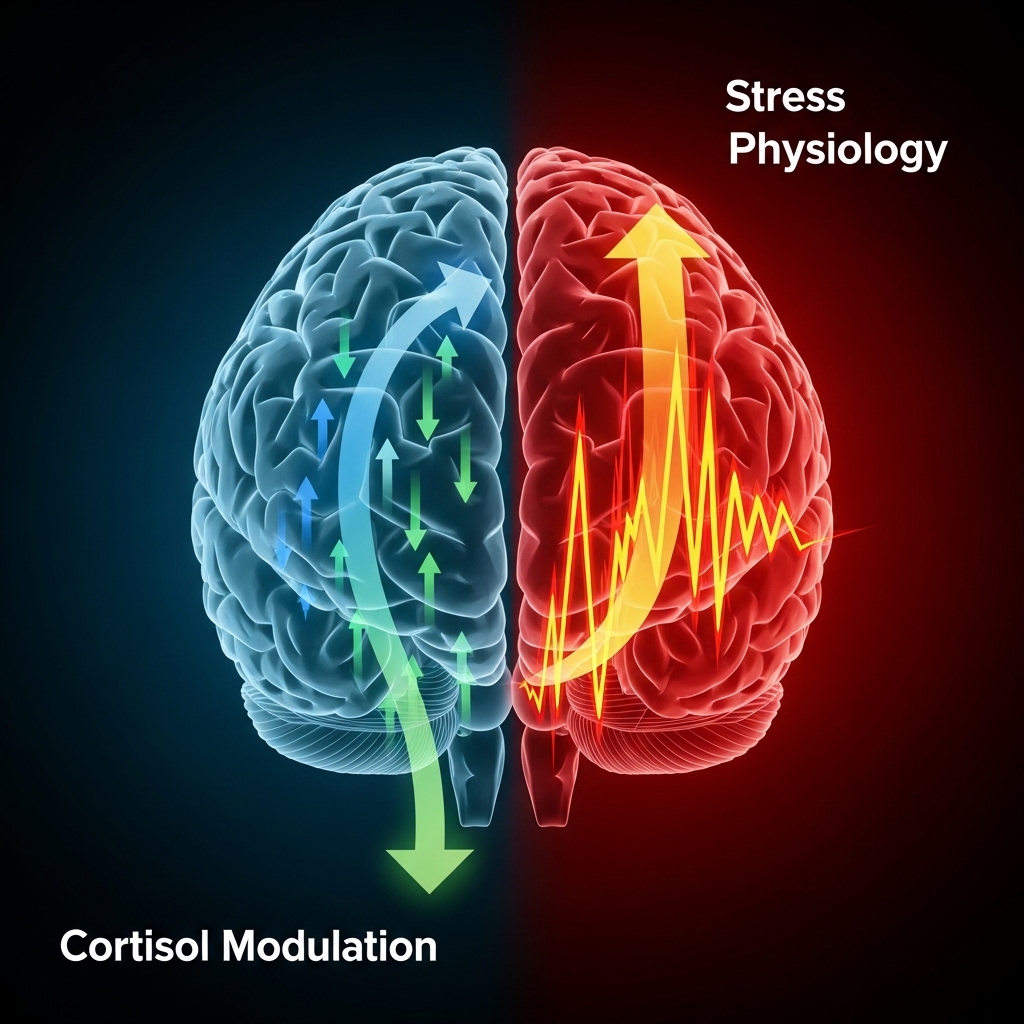
Cortisol serves as a key marker for evaluating the physiological effects of cognitive patterns. When professionals fail to think positive, cortisol levels remain elevated for longer periods, which disrupts metabolic balance and increases systemic strain. As a result, stress becomes chronic rather than situational.
According to the American Heart Association, prolonged cortisol elevation contributes to higher cardiovascular risk. It affects blood pressure, lipid profiles, and vascular function. Therefore, unmanaged stress creates long-term strain on the cardiovascular system, even in otherwise high-functioning individuals.
However, cognitive reframing improves how the body responds to stress. When individuals learn to think positive, cortisol responses become shorter and more controlled. This allows the body to recover faster and maintain stable performance during demanding periods.
Cognitive Performance and Executive Function
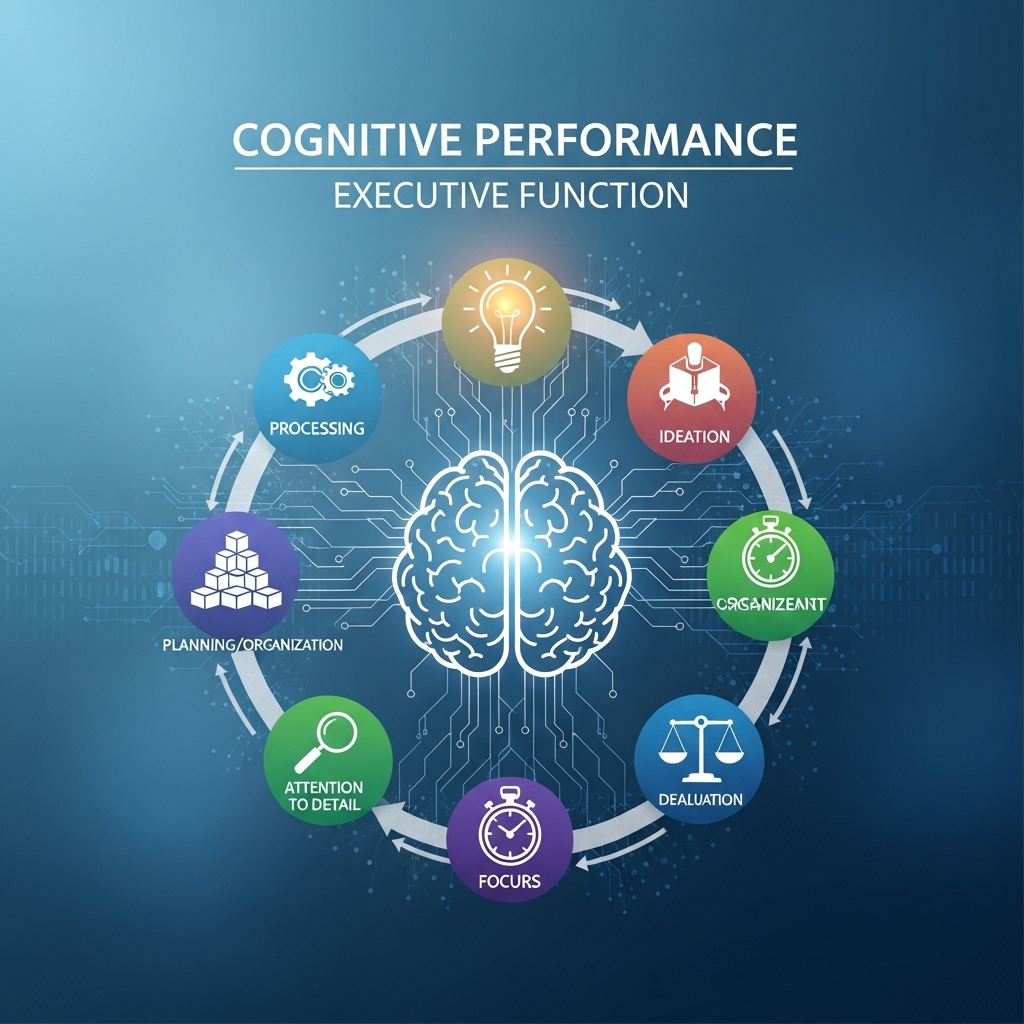
Cognitive performance depends on the balance between emotional control and mental clarity. When professionals think positive, the prefrontal cortex stays active, while the amygdala reduces its threat response. As a result, the brain processes information with less interference.
Furthermore, research from the Harvard T.H. Chan School of Public Health shows that adaptive thinking improves working memory and problem-solving speed. These benefits come from reduced stress signals that often disrupt cognitive processing. Therefore, clearer thinking leads to faster and more accurate decisions.
In high-pressure roles, this advantage becomes critical. Professionals who think positive maintain broader awareness and stronger judgment. Consequently, they handle complex situations with greater precision and control.
Biological Age and Cellular Impact

Biological aging reflects more than time; it reflects accumulated stress and cellular damage. When individuals fail to think positive, chronic stress increases oxidative stress and accelerates cellular wear. As a result, biological age may rise faster than chronological age.
The Framingham Heart Study links long-term stress exposure with increased cardiovascular and aging risks. Persistent negative cognition plays a role by keeping stress pathways active. Therefore, cellular repair processes slow down while damage accumulates.
On the other hand, individuals who consistently think positive reduce this burden. Lower stress levels support better cellular maintenance and slower aging. Over time, this contributes to improved longevity outcomes.
Inflammatory Markers and Systemic Health

Inflammation connects mental stress to physical disease. When professionals struggle to think positive, inflammatory markers such as C-reactive protein increase. As a result, the body enters a state of low-grade chronic inflammation.
Studies in Nature Medicine show that ongoing stress disrupts immune balance. Instead of responding efficiently, the immune system becomes overactive and less precise. Consequently, the risk of chronic disease rises.
However, when individuals think positive, stress signaling decreases. This leads to lower inflammation and improved immune regulation. In turn, overall health and performance remain more stable.
Sleep Architecture and Recovery Cycles
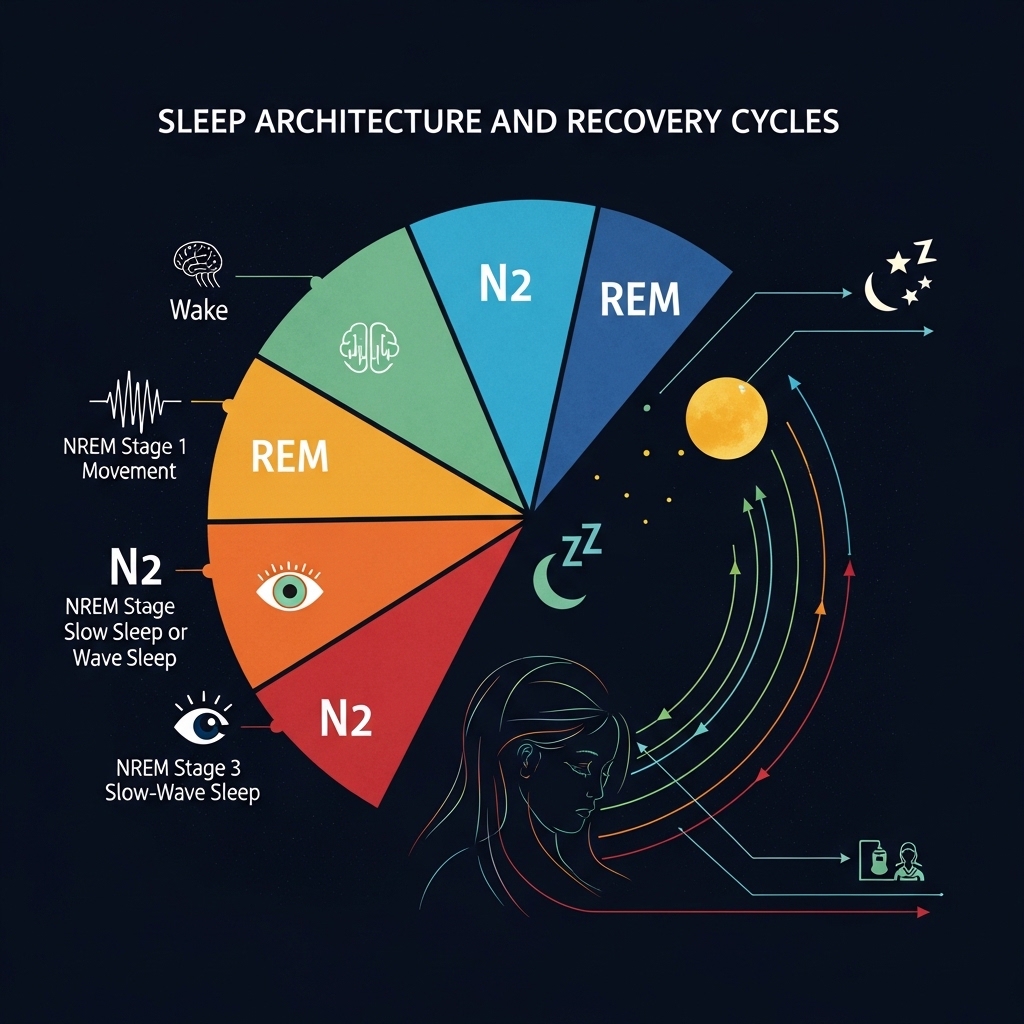
Sleep plays a central role in recovery and performance. When professionals fail to think positive, stress disrupts sleep cycles and reduces deep sleep phases. As a result, recovery becomes incomplete and cognitive fatigue increases.
The National Institutes of Health reports that elevated cortisol interferes with melatonin production. This disrupts circadian rhythms and leads to fragmented sleep. Therefore, even long sleep durations may not provide full recovery.
In contrast, individuals who think positive experience more stable sleep patterns. They fall asleep faster and reach deeper sleep stages. Consequently, they recover more effectively and maintain higher daily performance.
Cardiovascular Function and Risk Profiles
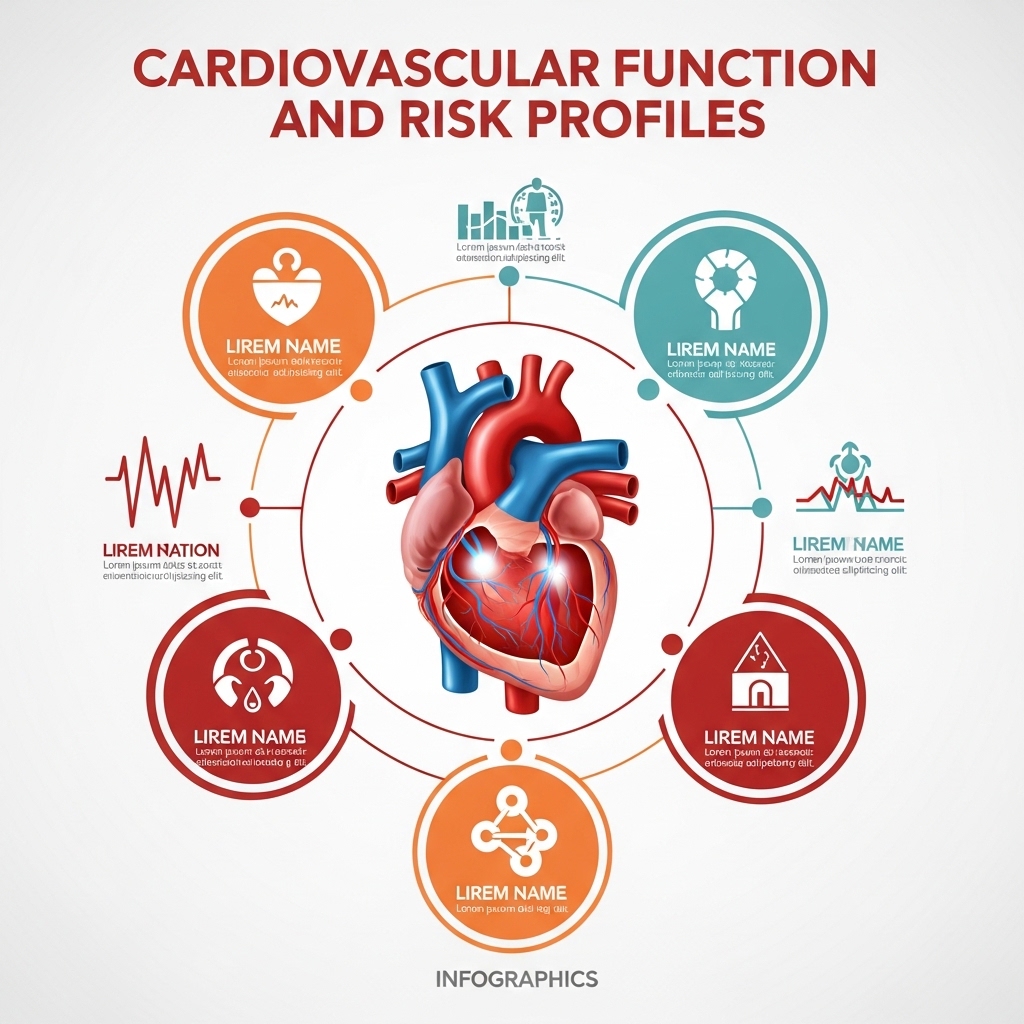
Cardiovascular health depends on how the body responds to stress. When individuals do not think positive, they often show higher resting heart rates and unstable blood pressure. As a result, the cardiovascular system operates under constant strain.
The American Heart Association highlights that chronic stress weakens vascular function and increases disease risk. Over time, this leads to reduced heart resilience and greater health complications.
However, when professionals think positive, autonomic balance improves. Heart rate variability increases, and blood pressure stabilizes. Therefore, the cardiovascular system becomes more adaptable and resilient.
Metabolic Function and Energy Regulation
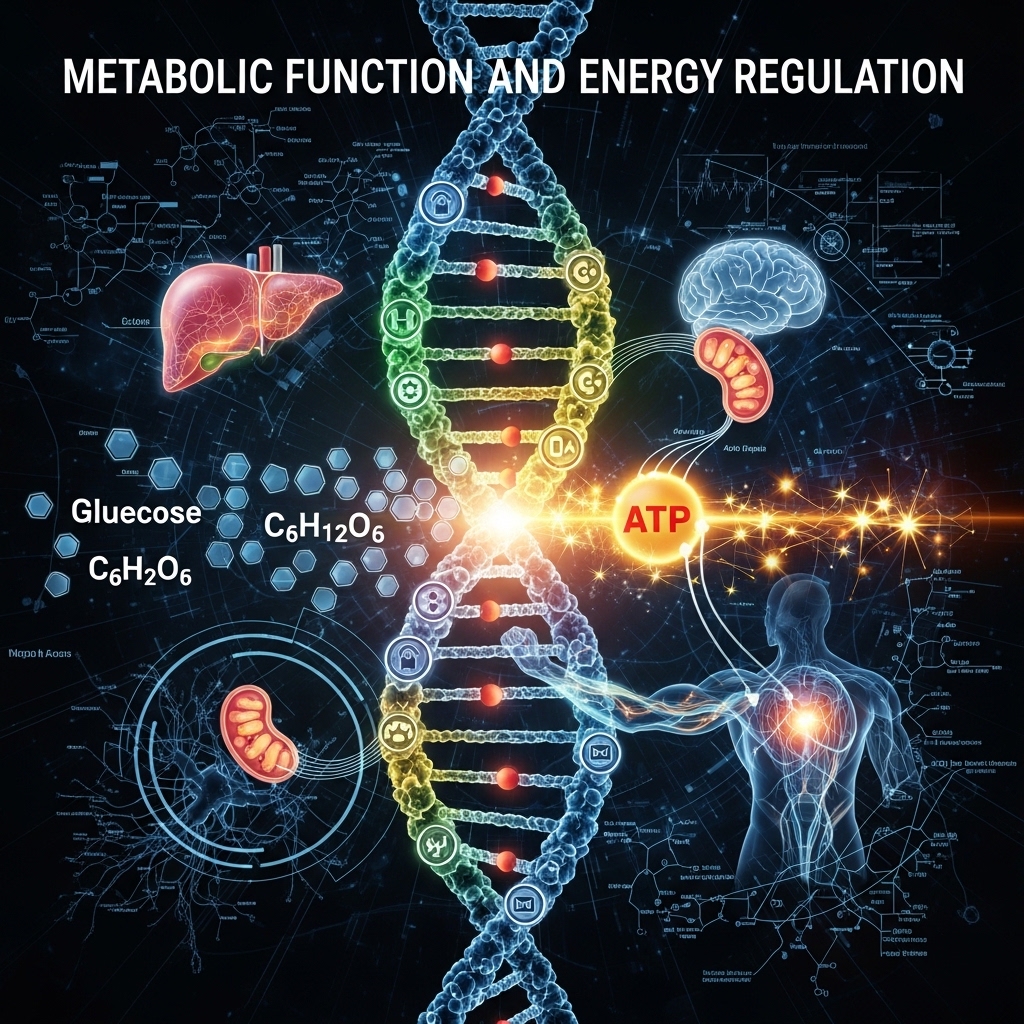
Metabolic function relies on hormonal balance and efficient energy use. When individuals fail to think positive, cortisol disrupts insulin sensitivity and increases fat storage. As a result, energy levels fluctuate and metabolic risk rises.
The National Institutes of Health links chronic stress to insulin resistance and metabolic syndrome. Elevated cortisol drives glucose production while reducing insulin efficiency. Consequently, long-term metabolic health declines.
On the other hand, when professionals think positive, hormonal balance improves. This supports stable energy levels and better metabolic control. Over time, it reduces the risk of metabolic disorders.
READ ALSO: Mindset Control to Embrace the Power of Positive Aging
Neural Plasticity and Adaptive Capacity
Neural plasticity allows the brain to adapt and grow. When individuals think positive, they strengthen neural connections linked to learning and flexibility. As a result, the brain becomes more responsive to new challenges.
Research from Harvard University shows that positive engagement increases brain-derived neurotrophic factor. This protein supports neural growth and cognitive resilience. Therefore, adaptive thinking enhances long-term brain health.
In demanding environments, this advantage becomes essential. Professionals who think positive adjust faster and process information more efficiently. Consequently, they maintain performance even under changing conditions.
READ ALSO: How to Cultivate Positive Critical Thinking Habits of Mind
Decision-Making Under Uncertainty

Decision-making under pressure requires clarity and control. When individuals do not think positive, stress shifts decision-making toward impulsive or overly cautious behavior. As a result, outcomes become less consistent.
The National Institutes of Health shows that stress reduces prefrontal cortex activity. This limits strategic thinking and increases reliance on automatic responses. Therefore, decision quality declines under stress.
However, when professionals think positive, they maintain cognitive control. This supports balanced judgment and better risk assessment. Consequently, decisions remain more stable and effective.
READ ALOS: How Positive Behavior Supports Reduce Inflammatory Load and Slow Biological Age Acceleration
Behavioral Consistency and Performance Sustainability
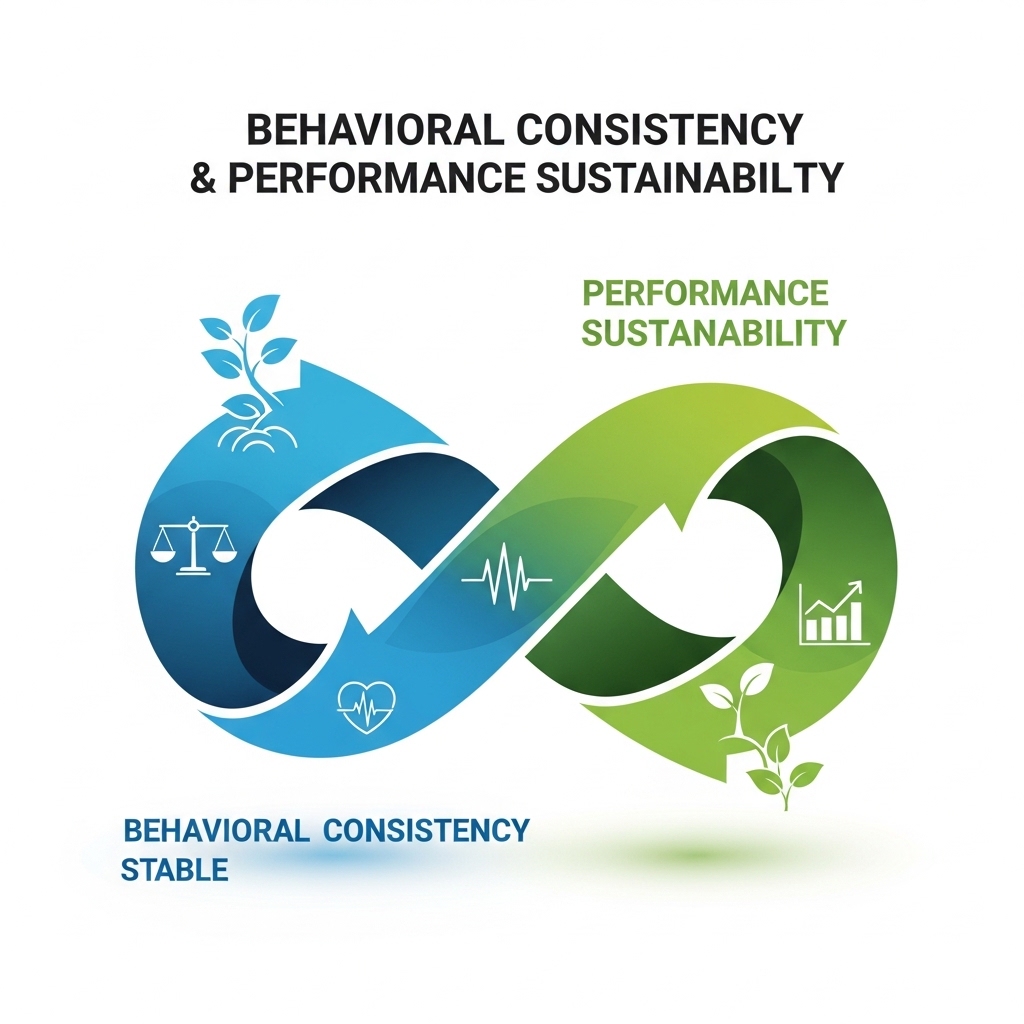
Sustained performance depends on consistent behavior. When individuals fail to think positive, emotional fluctuations disrupt focus and productivity. As a result, performance becomes uneven.
The Harvard T.H. Chan School of Public Health links resilience with consistent behavioral patterns. Stable thinking supports adherence to routines and long-term goals. Therefore, cognitive stability drives performance reliability.
When professionals think positive, they reduce emotional volatility. This leads to steady output and improved long-term results. Over time, consistency becomes a competitive advantage.
READ ALSO: Self-Discovery and Purpose: A Fitness Journey
Evidence-Based Applications for High-Performance Contexts

Evidence from the National Institutes of Health, American Heart Association, and Harvard T.H. Chan School of Public Health supports structured cognitive training as a way to influence measurable outcomes. For example, cognitive behavioral frameworks and attention training reduce cortisol levels, improve sleep quality, and enhance executive function. As a result, these methods provide measurable performance benefits.
Moreover, high-performing professionals integrate these strategies into daily systems rather than treating them as separate activities. They build routines that support the ability to think positive, including structured reflection and stress regulation practices. Consequently, cognitive control improves over time.
In practice, these approaches align with measurable goals such as reduced stress variability, improved sleep efficiency, and stronger cognitive performance. Therefore, professionals can adopt these evidence-based options to support long-term resilience, performance stability, and longevity without relying on non-specific wellness advice.
UP NEXT: Finding Your Life Purpose: A Guide to Clarity
The ability to think positive is associated with reduced cortisol burden and lower systemic inflammation, both of which correlate with slower biological age progression and improved cardiovascular and cognitive resilience in longitudinal research. WholeLiving's Biological Age Estimation Model incorporates this factor directly — your assessment takes under five minutes.
Ready to understand how these factors are influencing your biological age right now? [Take the Biological Age Assessment →]