High functioning depression represents one of the most underdiagnosed performance liabilities in executive and founder populations. Unlike major depressive disorder, it produces no visible collapse — yet it systematically degrades working memory, executive function, and emotional regulation, three cognitive capacities directly tied to decision quality and leadership output. Sustained subclinical depressive states also associate with elevated cortisol, disrupted sleep architecture, and accelerated inflammatory burden. The professional keeps performing. The biology keeps accumulating damage.
Defining the Clinical Landscape

High functioning depression does not appear in the DSM-5 as a standalone diagnosis. Clinically, it maps most closely onto persistent depressive disorder — formerly called dysthymia, now consolidated into a single DSM-5 category — or subsyndromal depression. Both conditions involve chronic low mood, reduced hedonic capacity, and cognitive dulling below the threshold for major depressive disorder. Many high-performing professionals meet symptom criteria yet never receive evaluation. Their output remains intact, and that intact output actively prevents identification.
The distinction between high functioning depression and clinical burnout warrants attention. Both produce emotional flatness and cognitive fatigue. Depression, however, involves neurobiological dysregulation — altered monoamine signaling, HPA axis disruption, and structural brain changes — that burnout alone does not capture. Conflating the two leads to inadequate intervention. Workload reduction alone rarely produces sustained recovery from a neurobiological condition. The evidence on burnout-depression overlap remains an active area of investigation.
Persistent depressive disorder carries a lifetime prevalence estimated between 2.5 and 6 percent in general population studies. Point prevalence figures vary across methodologies and populations. Many cases go undetected for years. The professional's capacity to maintain output works against early identification — both by clinicians and by the individual experiencing the condition.
The Neurobiological Mechanism

Major depressive disorder produces well-documented changes in brain structure and chemistry. These include reduced grey matter volume in the prefrontal cortex and hippocampus. For subclinical and persistent depressive states, the structural evidence is less uniform. Some studies suggest similar but attenuated effects over prolonged duration. Most neuroimaging research focuses on clinical depression rather than subclinical presentations. Direct extrapolation therefore requires care.
The primary neurochemical framework involves dysregulation of the monoamine system — specifically serotonin, dopamine, and norepinephrine. These neurotransmitters influence mood stability, motivational drive, and cognitive focus. Chronic disruption may produce reduced reward anticipation, impaired attentional control, and blunted emotional responsiveness. This monoamine framework is well-established in depression research broadly. It represents one of several proposed mechanisms, however, rather than a complete explanatory model.
HPA axis dysregulation in depressive states associates with elevated baseline cortisol. Sustained cortisol elevation — documented most robustly in major depression research — correlates with hippocampal volume reduction and prefrontal cortex functional changes. Whether identical mechanisms operate at subclinical severity is biologically plausible but less directly established. For executives making high-stakes decisions daily, even attenuated dysregulation carries practical cognitive consequences.
Cognitive Performance: What the Research Shows

The cognitive impact of subclinical depression is measurable. Effect sizes tend to be smaller than those in major depressive disorder. Research published in Psychological Medicine and work supported by the National Institute of Mental Health associates mild, chronic depressive states with impairments in processing speed, working memory, and cognitive flexibility. These deficits can appear before the individual reports significant functional disruption. The strength of this evidence varies across study populations and assessment methods.
Working memory impairment is particularly relevant for executive populations. It governs the ability to hold and manipulate information in real time. This capacity is central to strategic thinking, negotiation, and complex problem-solving. Research supports an association between depressive symptom severity and working memory performance. In subclinical populations, the relationship is more modest than in clinical samples. Efficiency and decision quality may nonetheless decline in ways that are difficult to self-detect.
Cognitive flexibility also shows associations with depressive state in the research literature. This manifests as increased cognitive rigidity and reduced adaptive problem-solving. In leadership contexts, these deficits may translate into slower adaptation and reduced innovation output. Direct evidence linking subclinical depression to leadership performance outcomes specifically remains limited. This area warrants further investigation.
READ ALSO: Psychotherapy for Postpartum Depression, Explained
Emotional Regulation and Leadership Capacity

Emotional regulation depends heavily on prefrontal cortex function and the integrity of the prefrontal-amygdala circuit. Depression research — primarily in clinical populations — consistently documents disruption of this circuit. The result is reduced capacity to modulate emotional reactivity. In subclinical presentations, similar but attenuated disruption is plausible. The evidence base for subclinical states specifically, however, is less comprehensive than for clinical depression.
Affective neuroscience research, including studies funded through the National Institutes of Health, associates depressive states with increased amygdala reactivity and reduced prefrontal inhibitory control in clinical samples. Extrapolating these findings to high functioning presentations requires inference across severity levels. The individual may become more reactive. They may attribute this change to external stressors rather than recognizing a neurobiological contributor.
Reduced emotional regulation also affects interpersonal performance. Empathic attunement, active listening, and nuanced social judgment depend on the same neural circuits that depression research implicates. Teams may notice these shifts before the leader does. The emotional bandwidth available for others narrows as internal regulatory burden increases. This pattern appears in occupational mental health research, though controlled studies in executive populations remain sparse.
The Mask of Productivity

High functioning depression persists in part because high-output behavior actively conceals it. The professional continues to meet deadlines, attend meetings, and deliver results. This external performance creates cognitive dissonance that delays self-recognition and help-seeking. The implicit belief — that depression requires functional collapse — leads individuals to dismiss symptoms as stress or fatigue rather than clinical indicators.
This masking dynamic produces a secondary psychological burden. Maintaining high performance while experiencing chronic internal distress requires significant cognitive and emotional resource expenditure. Some occupational health researchers describe this as effortful coping or compensatory functioning. These are descriptive frameworks rather than formally validated clinical constructs. Over time, this expenditure may accelerate depletion of psychological and physiological reserves, though direct longitudinal evidence for this mechanism in subclinical depression remains limited.
The productivity mask also operates socially. High-performing professionals often occupy roles where admitting struggle carries perceived professional risk. This social constraint delays disclosure to clinicians, partners, and colleagues. Occupational psychology research documents lower help-seeking rates in high-achievement populations. The attribution framework discourages recognition of psychological symptoms as health concerns — not the absence of distress.
READ ALSO: How to Get Out of Severe Depression With Gentle Help
Sleep Architecture and Recovery Deficit

Depression reliably disrupts sleep architecture. This is among the most consistent findings across depressive disorder research. Both major depressive disorder and persistent depressive disorder associate with impaired slow-wave sleep and altered REM patterns. These stages are critical for memory consolidation, emotional processing, and prefrontal cortex restoration. An executive sleeping adequate hours under chronic subclinical depression may receive substantially less restorative sleep than duration metrics suggest. Individual variation is considerable.
Disrupted sleep architecture compounds the cognitive deficits that depression already produces. Insufficient slow-wave sleep impairs memory consolidation. Disrupted REM sleep degrades emotional memory processing — the mechanism through which the brain regulates the emotional weight of daily experience. Without adequate REM processing, emotional reactivity may increase the following day. This interacts with the amygdala dysregulation that depression research already implicates. The bidirectional relationship between depression and sleep disruption is well-supported in the literature.
Sleep disruption associated with depressive states also associates with elevated inflammatory markers. Research across multiple institutions, including work affiliated with the Harvard T.H. Chan School of Public Health, links poor sleep quality to elevated IL-6 and CRP. This inflammatory contribution adds a metabolic and cardiovascular dimension to what professionals often frame as a mood or productivity concern. Establishing the independent contribution of depression-related sleep disruption versus depression itself, however, remains methodologically complex.
Inflammatory Burden and Biological Age

The relationship between depression and systemic inflammation is well-established in the clinical literature — primarily in major depressive disorder. Depressive states associate with elevated pro-inflammatory cytokines, including interleukin-6 and tumor necrosis factor-alpha. These markers associate with accelerated biological aging indicators, including telomere attrition and vascular endothelial changes. The causal architecture of these relationships involves multiple interacting variables and is not fully resolved.
Research published in JAMA Psychiatry and related journals supports a bidirectional relationship between depression and inflammation. Inflammatory signaling influences monoamine metabolism and neuroplasticity through cytokine-mediated pathways. Simultaneously, depressive states sustain inflammation through HPA axis dysregulation and autonomic nervous system imbalance. This bidirectionality is well-supported for clinical depression. Its applicability to subclinical presentations is biologically plausible, though effect sizes are likely smaller.
For professionals tracking longevity variables, this inflammatory dimension warrants attention alongside behavioral inputs. Elevated CRP and IL-6 in the context of unaddressed subclinical depression represent one contributing pathway to cardiovascular and metabolic risk. The evidence supports including psychological state assessment in a complete longevity protocol — not treating it as separate from biological health management.
Cardiovascular and Metabolic Consequences
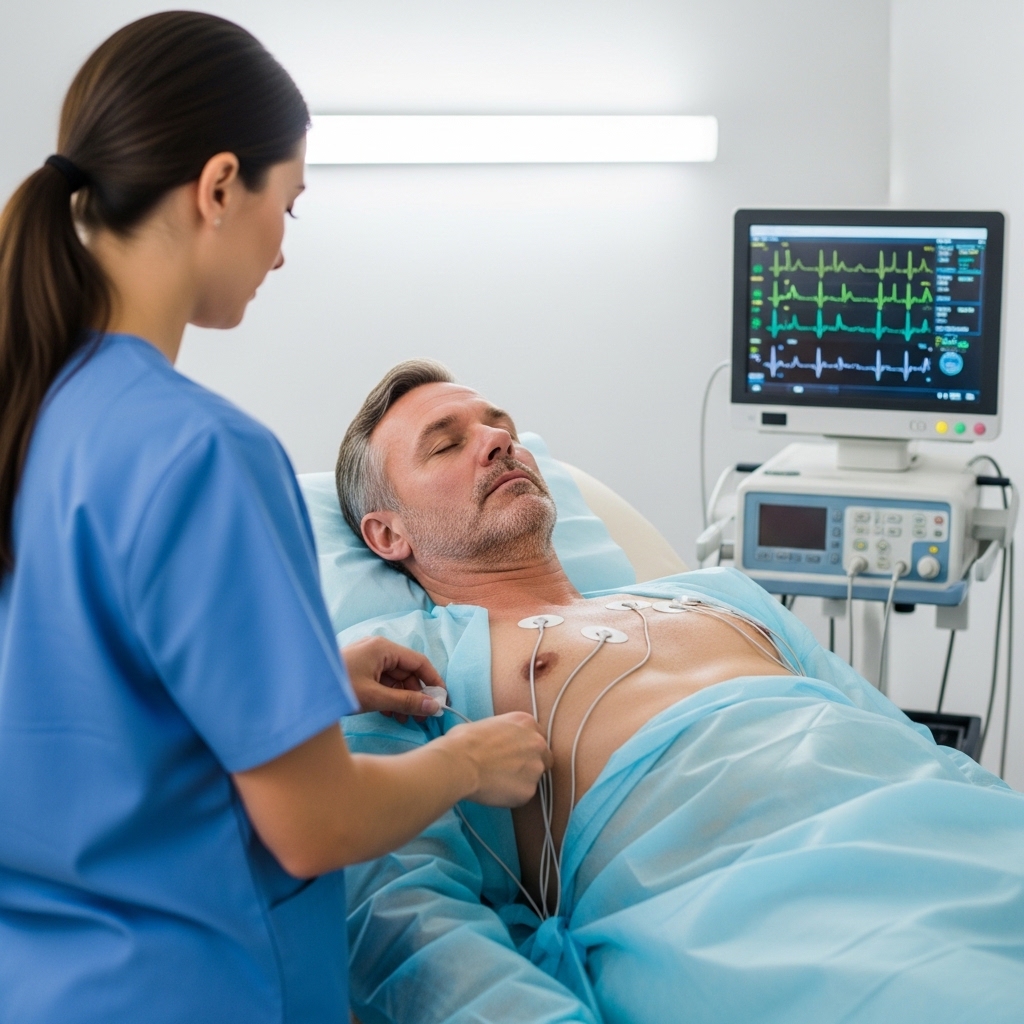
Depression's cardiovascular consequences are among the more robustly documented associations in psychosomatic medicine. Large-scale meta-analyses, drawing on multiple longitudinal cohorts, consistently link depressive disorders to elevated cardiovascular event risk after adjustment for traditional risk factors. The Framingham Heart Study has examined depression and cardiovascular outcomes within its cohort. The strongest cardiovascular-depression evidence base, however, comes from systematic reviews and meta-analyses rather than any single study. Subclinical presentations carry less direct evidence but share proposed biological mechanisms.
The mechanism runs through chronic sympathetic nervous system activation and HPA axis dysregulation. Sustained cortisol elevation associates with blood pressure elevation, visceral fat accumulation, and endothelial function impairment. These effects compound over years. A professional carrying unaddressed subclinical depression through their 40s and 50s may accumulate cardiovascular risk through neuroendocrine pathways that standard cardiac screening does not directly assess.
Metabolic consequences also deserve recognition. Cortisol-driven insulin resistance, disrupted glucose metabolism, and inflammation-associated lipid dysregulation all associate with depressive states in the research literature. These mechanisms connect depression to metabolic syndrome risk factors. The evidence is stronger for clinical depression than subclinical presentations. The biological pathways are shared, however, making this a reasonable consideration in longevity risk assessment.
READ ALSO: Natural Remedies for Depression: A Gentle, Holistic Approach
Why Standard Screening Misses It

Standard depression screening tools, including the PHQ-9, incorporate functional impairment as a significant diagnostic component. For high-performing professionals maintaining output despite significant internal distress, these tools may underestimate symptom severity in some cases. The professional may score below clinical threshold partly because they sustain functioning despite the condition. The PHQ-9 also includes mood and hedonic items not dependent on functional impairment. It performs reasonably well across many populations. The limitation is context-specific rather than categorical.
The broader screening gap reflects a clinical framework not fully adapted for high-output presentations. Executive health assessments typically prioritize metabolic, cardiovascular, and oncological markers. Psychological state evaluation, when included, frequently relies on brief self-report instruments. For professionals whose identity investment in performance motivates underreporting, even well-validated instruments may produce floor effects.
Some researchers advocate for direct hedonic capacity assessment as a more sensitive marker of subclinical depressive state in high-functioning populations. This measures the individual's capacity to experience pleasure and reward directly. The approach remains investigational rather than standard practice. It reflects, however, a growing recognition that functional output is an unreliable proxy for psychological health in achievement-oriented individuals.
Identity, Achievement, and Delayed Recognition

High-performing professionals disproportionately anchor self-concept to output and achievement. This identity structure creates specific vulnerability to delayed recognition of high functioning depression. When mood and motivational drive decline, the individual tends to interpret this through an achievement lens — as declining competence or insufficient effort — rather than as a clinical state warranting evaluation. This misattribution actively delays help-seeking and appears consistently in occupational psychology literature.
Individuals with high achievement orientation show lower rates of mental health help-seeking in research examining this relationship. The mechanism involves both stigma and misattribution. Psychological distress gets framed as a performance problem rather than a health problem. Leadership culture reinforces this framing. The result is a population tolerating significant internal suffering while maintaining external performance standards — often for years before seeking clinical evaluation.
The recognition process itself can feel destabilizing. Acknowledging high functioning depression requires reframing internal experience. The individual must recognize that what they attributed to personal drive was partly a compensatory response to neurobiological dysregulation. This reframe is clinically accurate and ultimately constructive. It requires psychological flexibility, however, that the condition itself may partially impair — creating an additional barrier to early intervention.
Evidence-Based Options for High-Performing Professionals

The research identifies several clinical directions with meaningful evidentiary support. Cognitive behavioral therapy demonstrates consistent efficacy for persistent depressive disorder and subsyndromal depression across multiple randomized controlled trials in working-age adults. Behavioral activation — re-engaging with rewarding and meaningful activity in a structured way — shows particular relevance for presentations dominated by anhedonia and motivational deficit. Aerobic exercise has demonstrated antidepressant effects in controlled research, including the Duke SMILE trial, operating through neuroplasticity, HPA axis regulation, and inflammatory pathways. Exercise is generally considered an adjunct rather than a standalone treatment for moderate-to-severe presentations. CBT's effects on inflammatory markers appear in some studies but remain preliminary. Evaluation by a psychiatrist or clinical psychologist experienced with high-functioning presentations offers the most accurate diagnostic picture and treatment pathway.
UP NEXT: Fighting Depression with Natural Remedies
High-functioning depression silently accelerates biological aging by chronically elevating cortisol, disrupting restorative sleep, and sustaining low-grade neuroinflammation — measurable drivers that can add an estimated two to five years to biological age even in individuals who appear, by every outward measure, to be thriving. WholeLiving's Biological Age Estimation Model incorporates this factor directly — your assessment takes under five minutes.
Ready to understand how these factors are influencing your biological age right now? [Take the Biological Age Assessment →]