


Happiness is not a personality trait or a philosophical preference — it is a measurable neurobiological state with direct consequences for cardiovascular health, immune function, cognitive performance, and biological aging. For executives and founders operating under sustained performance pressure, chronically suppressed positive affect is associated with elevated cortisol, reduced heart rate variability, accelerated telomere attrition, and a statistically significant increase in all-cause mortality risk. The emerging clinical literature on well-being is unambiguous: how consistently a high-performing professional experiences positive emotional states is not a soft metric — it is a physiological variable with the same longevity implications as sleep quality, inflammatory load, and metabolic function.
How to Be Happy: The Neuroscience Behind Positive Affect
Understanding how to be happy begins with understanding what happiness is at a biological level. Positive affect — the clinical term for sustained emotional well-being — is not a single neurochemical event. It reflects the coordinated activity of dopamine reward pathways, serotonin mood regulation systems, and endogenous opioid circuits. Together, these produce what most people recognize as contentment, engagement, and meaning. These systems are measurable, modifiable, and directly connected to physical health outcomes.
The distinction between hedonic happiness — pleasure from external rewards — and eudaimonic happiness — well-being from purpose, growth, and connection — is not merely philosophical. Research from the National Institutes of Health has demonstrated that these two forms of positive affect activate different gene expression profiles. Eudaimonic well-being drives down inflammatory gene expression and drives up antiviral immune responses. Hedonic well-being alone does not produce the same protective profile. For executives whose professional identity centers on achievement and external reward, this distinction carries direct clinical relevance.
Happiness, understood through this lens, is a trainable neurobiological state — not a fixed personality trait. The brain's capacity for positive affect responds to behavior, environment, social connection, and cognitive patterns. It also responds to physiological inputs including sleep, nutrition, and physical activity. Consequently, asking how to be happy is a valid clinical question with evidence-based answers — not a self-help inquiry.
How to Be Happy When Chronic Stress Suppresses Positive Affect
Chronic stress is the most direct physiological barrier to sustained happiness in high-performing professionals. Sustained cortisol elevation — the biochemical marker of chronic psychological stress — suppresses dopamine receptor sensitivity and reduces serotonin synthesis. It also blunts the reward signal that motivates engagement with meaningful activity. In other words, prolonged high-cortisol states make it neurochemically harder to experience positive affect — regardless of external circumstances.
The hippocampus — the brain region most involved in memory, emotional appraisal, and regulation — is particularly vulnerable to chronic cortisol exposure. Research through the NIH documents that sustained cortisol elevation reduces hippocampal volume over time. Reduced hippocampal volume associates with impaired emotional regulation, greater vulnerability to depression, and reduced cognitive flexibility. For executives who rely on precise judgment under pressure, hippocampal integrity is a professional asset — not merely a mental health variable.
Furthermore, the relationship between cortisol and positive affect runs in both directions. Sustained positive emotional states reduce HPA axis reactivity. This means higher baseline happiness measurably buffers the cortisol response to subsequent stressors. Chronic stress suppresses happiness, and suppressed happiness amplifies the stress response. Breaking this cycle requires deliberate intervention at the physiological level.
Heart Rate Variability as a Measurable Marker of How to Be Happy
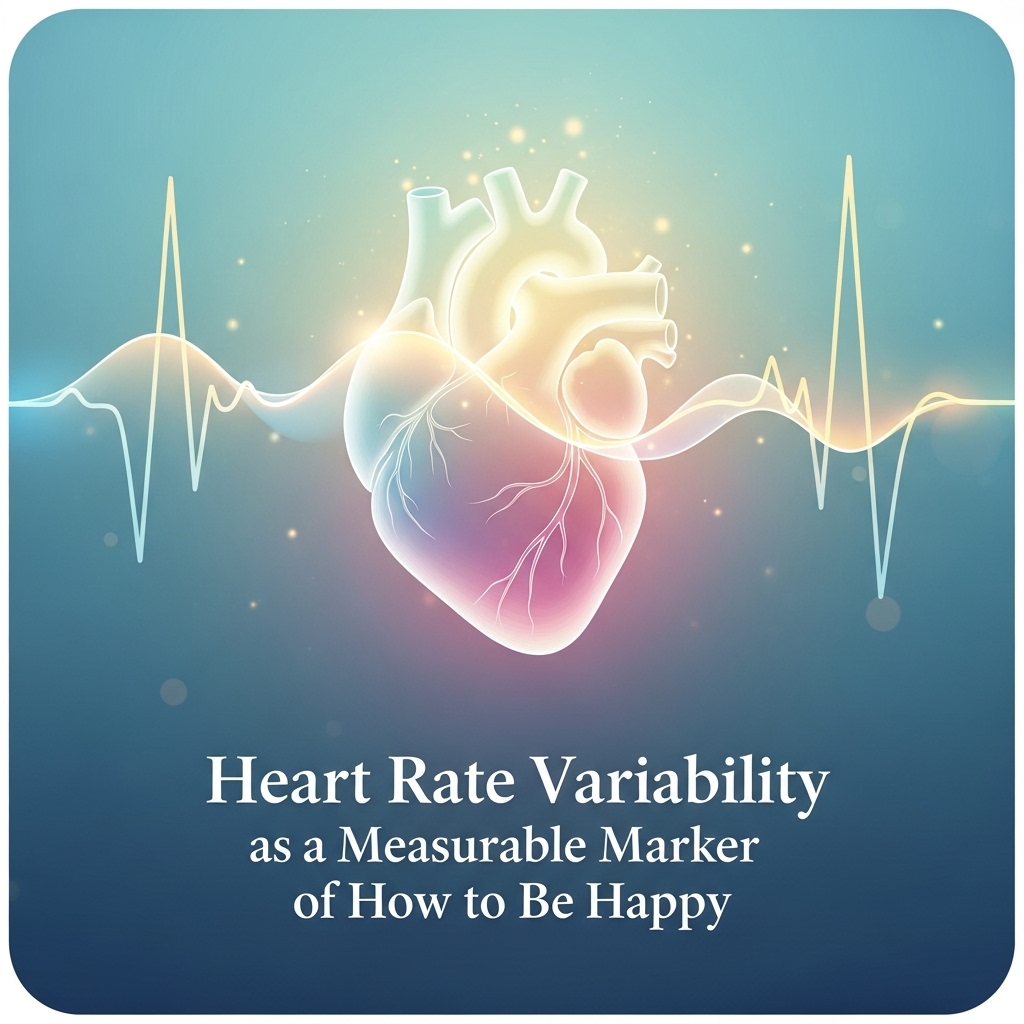
Heart rate variability — the variation in time intervals between heartbeats — is one of the most accessible and clinically validated markers of autonomic nervous system balance. Higher HRV reflects greater parasympathetic tone, better stress resilience, and improved capacity for emotional regulation. Notably, HRV correlates directly with positive affect. Individuals who report higher sustained well-being consistently show higher resting HRV across population studies.
The clinical significance of this connection extends well beyond mood. Lower HRV is an independent predictor of cardiovascular events, all-cause mortality, and reduced cognitive performance. Research published in the American Journal of Cardiology established HRV as a robust predictor of cardiac risk across middle-aged adult populations. Therefore, interventions that sustainably improve positive affect — and by extension raise resting HRV — carry measurable cardiovascular and longevity consequences.
For executives tracking HRV through wearable devices, the data provides a real-time window into the physiological cost of sustained negative emotional states. Consecutive days of low HRV — driven by overwork, poor sleep, and chronic stress — are not simply performance indicators. They reflect an autonomic nervous system in a state incompatible with both sustained happiness and long-term cardiovascular health. HRV monitoring makes the case for emotional well-being in physiological terms that high performers can act on directly.
READ ALSO: Tips for Relationship Harmony That Begin With You
The Harvard Study of Adult Development: What the Evidence Says About How to Be Happy
The Harvard Study of Adult Development spans more than 80 years of follow-up data. It is one of the longest-running studies of adult life in existence. Its central finding is both robust and clinically significant. The quality of close relationships is the strongest predictor of sustained happiness, physical health, and longevity across the adult lifespan. This finding holds above wealth, professional achievement, and social status.
The study's data show that relationship quality at midlife predicts physical health and cognitive function in later life better than cholesterol levels at the same age. Social isolation, by contrast, associates with faster cognitive decline, elevated inflammatory markers, and reduced immune function. It also carries all-cause mortality risk comparable to smoking 15 cigarettes per day. For high-performing professionals who routinely deprioritize close relationships in favor of professional output, this evidence represents a measurable longevity risk.
The mechanism is physiological as well as psychological. Close social connection activates oxytocin release, reduces cortisol reactivity, and promotes parasympathetic nervous system tone. All of these directly support the neurobiological conditions in which sustained positive affect is possible. In other words, relationship quality does not merely correlate with how to be happy. It actively creates the hormonal and autonomic environment in which happiness becomes neurochemically accessible.
How to Be Happy Through Meaning and Purpose: The Eudaimonic Evidence Base
Purpose — a clear sense of why one's work and life matter beyond personal gain — is one of the most consistently validated predictors of sustained eudaimonic well-being in the clinical literature. Research published in Psychological Science found that higher sense of purpose in middle-aged adults associates with reduced cardiovascular disease risk and lower inflammatory marker levels. It also associates with better sleep quality and reduced all-cause mortality over follow-up periods exceeding a decade.
For executives and founders, purpose is often conflated with professional achievement. However, the clinical evidence distinguishes between the two clearly. Achievement produces hedonic reward — a dopamine spike that habituates rapidly and requires escalating inputs to maintain. Purpose, by contrast, generates sustained eudaimonic well-being that does not habituate in the same way. It remains stable across varying levels of external success and failure — a neurobiological resilience that achievement alone cannot provide.
Operationalizing purpose as a clinical variable means identifying the activities, relationships, and contributions that generate a consistent sense of meaning. It also means deliberately protecting time for them within a high-performance schedule. This is not a motivational exercise. It is a behavioral intervention with measurable downstream effects on inflammatory load, sleep architecture, cortisol regulation, and cardiovascular risk.
READ ALSO: The Purpose of Driven Life: Unlock Your True Potential
Sleep, Positive Affect, and How to Be Happy Under Professional Pressure
Sleep and happiness operate in a tightly coupled bidirectional relationship. This is particularly consequential for high-performing professionals. Insufficient sleep — fewer than seven hours per night on a sustained basis — reduces positive affect and increases emotional reactivity. It also impairs prefrontal cortical regulation of the amygdala and elevates neurobiological vulnerability to depression and anxiety. Conversely, sustained low mood disrupts sleep architecture and further impairs emotional regulation the following day.
Research from the NIH's National Center for Sleep Disorders Research documented that even modest sleep restriction produces cumulative cognitive and emotional impairment. Reducing nightly sleep from eight to six hours over two weeks produces impairment equivalent to two full nights of total sleep deprivation. Critically, study participants consistently underestimate their own impairment. This finding directly applies to executives who normalize sleep restriction as an occupational requirement.
For professionals asking how to be happy within a demanding professional life, sleep is the highest-leverage single intervention available. Improving sleep quality and duration — through consistent sleep timing, reduced evening light exposure, and thermal optimization of the sleep environment — produces measurable improvements in positive affect and stress resilience within days. The return on investment is both immediate and compounding.
Physical Activity and How to Be Happy: The Neurobiological Evidence
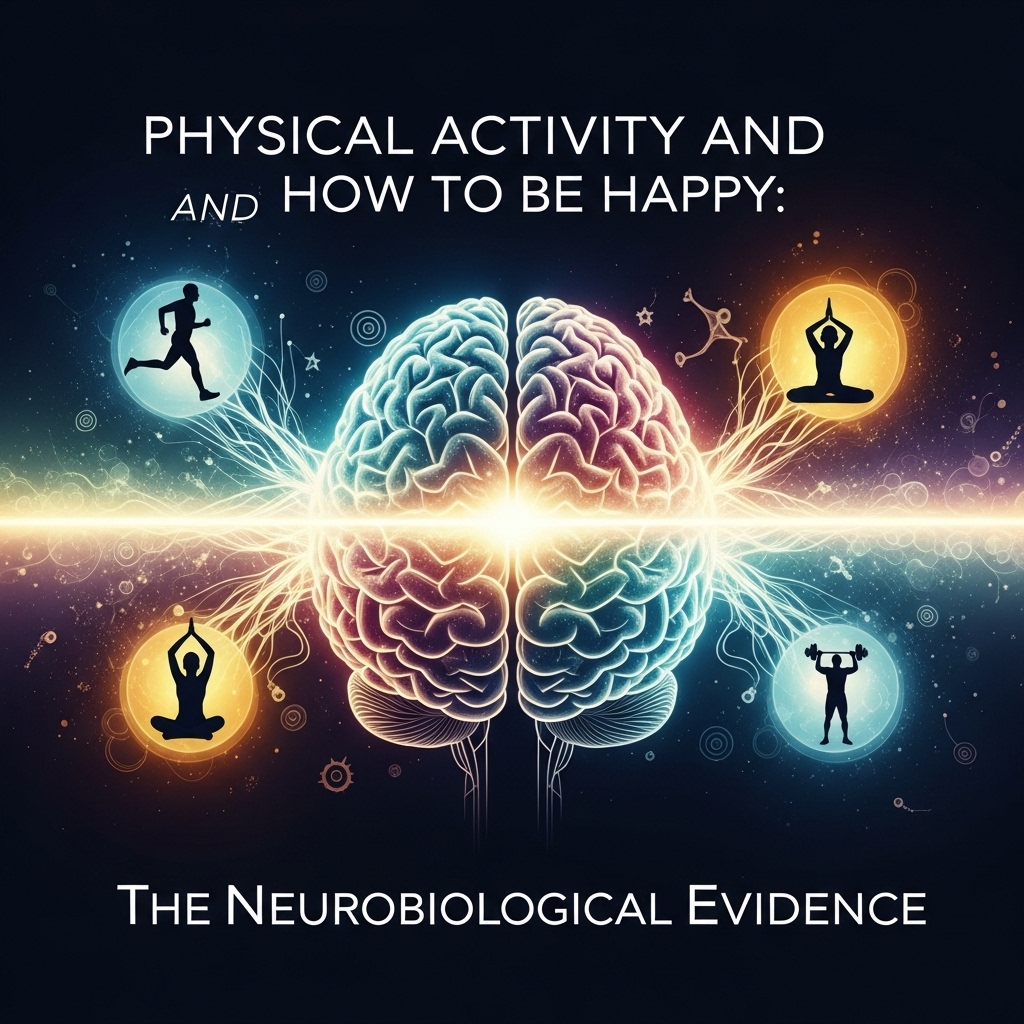
Physical activity is among the most well-supported non-drug interventions for sustained positive affect in the clinical literature. Aerobic exercise increases brain-derived neurotrophic factor — a protein that supports neuronal growth and connectivity. It promotes hippocampal neurogenesis, reduces inflammatory cytokines, and drives up serotonin and dopamine synthesis. These mechanisms collectively create the neurobiological conditions for sustained happiness — not merely a short-term mood lift.
The dose-response relationship between physical activity and positive affect is well-established. Research published in The Lancet Psychiatry analyzed data from more than 1.2 million adults. It found that individuals who exercised regularly reported significantly fewer days of poor mental health per month compared to those who were sedentary. Team sports, aerobic exercise, and mind-body practices including yoga produced the largest effects.
For high-performing executives who already track VO2 max and training load, the mental health data strengthens the case for maintaining consistent physical activity during high-demand professional periods. This is precisely when it is most frequently dropped from the schedule. The neurobiological benefits of sustained aerobic fitness on positive affect, cortisol regulation, and cognitive resilience make physical activity a clinical intervention for how to be happy — not merely a lifestyle preference.
Cognitive Patterns, Rumination, and How to Be Happy Long-Term
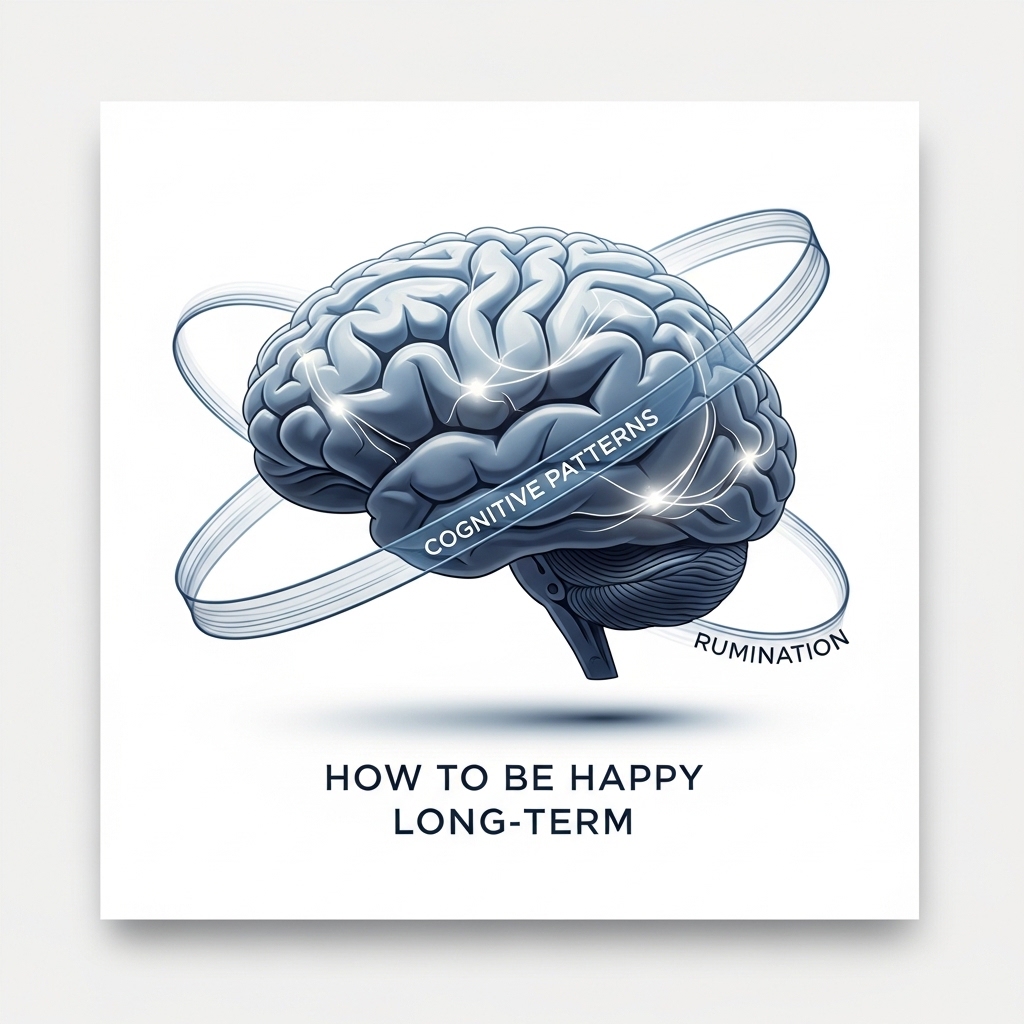
How to be happy is shaped significantly by habitual patterns of thought. Specifically, it depends on whether an individual's default cognitive style tends toward rumination and threat appraisal — or toward adaptive reframing and present-moment engagement. These are not fixed personality traits. They reflect the relative activity of specific neural circuits that respond to behavioral and cognitive interventions.
Rumination — the repetitive, passive focus on distress and its causes — is one of the strongest cognitive predictors of sustained low mood in clinical research. It maintains activation of the HPA stress axis, sustains cortisol elevation, and prevents the parasympathetic recovery that underlies emotional resilience. For executives whose analytical strengths include thorough risk appraisal, the same cognitive style applied to personal setbacks can create a sustained neurobiological state incompatible with positive affect.
Cognitive behavioral therapy directly targets ruminative and catastrophizing thought patterns and replaces them with more adaptive cognitive responses. Its evidence base spans decades of randomized controlled trial data. Mindfulness-based cognitive therapy, similarly well-supported in the clinical literature, reduces default mode network overactivity and promotes present-moment engagement. Both measurably increase positive affect without requiring extensive time investment to produce clinically meaningful effects.
Gratitude Practice and the Neuroplasticity of How to Be Happy
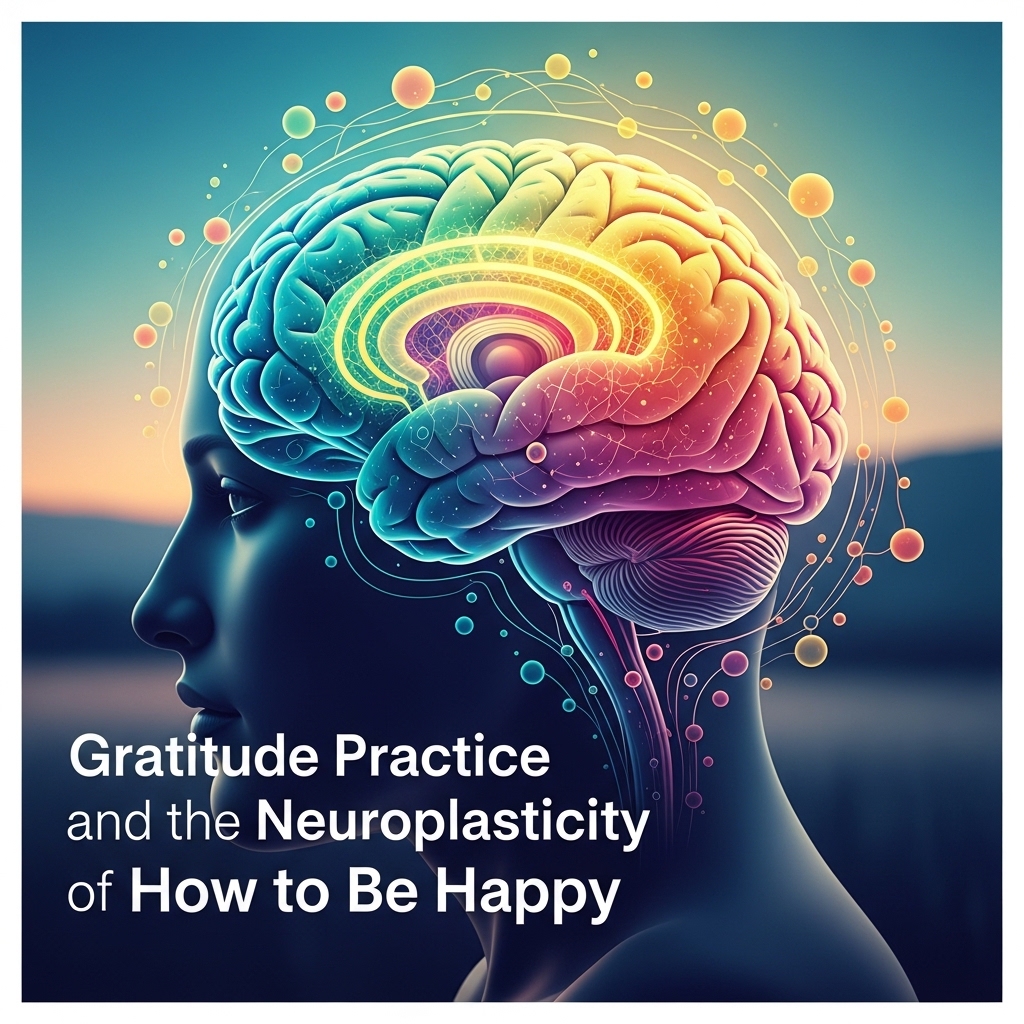
Gratitude practice — deliberately directing attention toward positive experiences, relationships, and circumstances — has moved from a self-help concept to a clinically validated intervention. Research published in NeuroImage used functional MRI to demonstrate that gratitude practice activates medial prefrontal cortex regions associated with reward processing and interpersonal bonding. Regular practice produces durable changes in neural activity patterns — not merely short-term mood improvements.
The mechanism underlying gratitude's effects on positive affect relates to attentional focus. The brain's threat-detection systems — including the amygdala — prioritize negative information by evolutionary design. In high-stress professional environments that continuously surface risk, competition, and unresolved problems, this negativity bias becomes a sustained neurobiological drag on positive affect. Gratitude practice directly counteracts this bias by training attentional systems toward positive content. This is a form of neuroplasticity that accumulates with consistency.
For executives skeptical of gratitude as a clinical tool, the relevant evidence lies in the outcomes rather than the framing. Studies tracking gratitude practice in high-functioning adult populations report improvements in sleep quality and reductions in inflammatory markers. They also report increased HRV and measurable reductions in perceived stress over periods as short as eight weeks. These are physiological outcomes — not self-reported mood ratings. They reflect the same variables that determine long-term performance and longevity.
READ ALSO: 8 Steps to a Happy Winter – Whole Living Wellness
Social Connection, Loneliness, and How to Be Happy as a High Performer

Loneliness is one of the most clinically significant and underaddressed risk factors for poor health outcomes in the executive demographic. Research from Brigham Young University analyzed data across multiple large population studies. It found that social isolation and loneliness increase mortality risk by 26 and 29 percent respectively. These effects are comparable in magnitude to obesity and physical inactivity.
The physiological consequences of loneliness operate through multiple pathways. Lonely individuals show elevated overnight cortisol and reduced sleep quality. They also carry higher levels of circulating inflammatory markers and show altered immune gene expression — specifically, upregulation of pro-inflammatory pathways and downregulation of antiviral responses. These are direct biological consequences of perceived social isolation. They unfold independently of objective social contact frequency.
Addressing loneliness as a clinical variable in a high-performance health strategy means deliberately investing in relationships characterized by genuine reciprocity, trust, and emotional depth. Expanding professional networks or social media engagement does not produce the same effect. The evidence is consistent: the quality of close connection — not the quantity of social contact — drives the physiological benefits associated with how to be happy and sustained longevity.
READ ALSO: How to Stay Happy at Work
Applying the Evidence: How to Be Happy Through a Performance Health Protocol
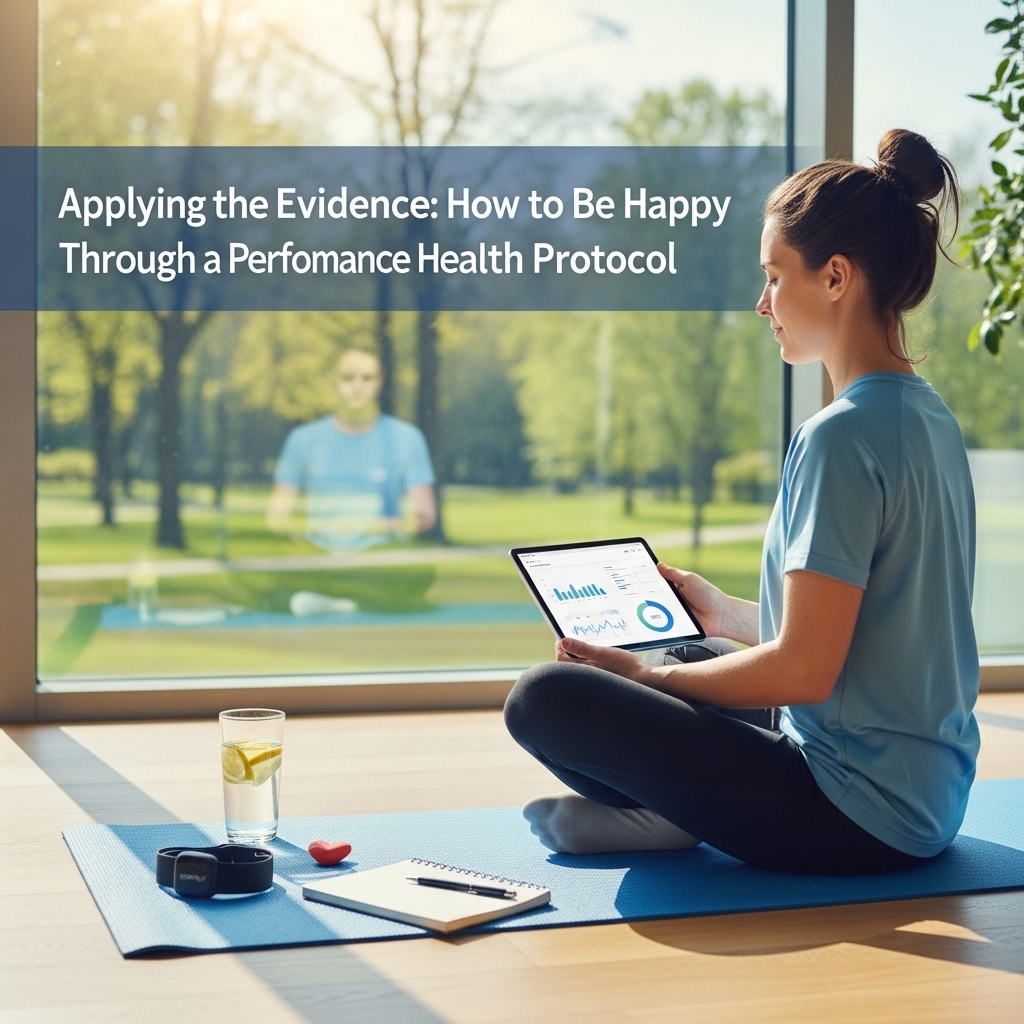
The starting point for applying this evidence is physiological assessment. Establishing baseline HRV, inflammatory markers including hsCRP and IL-6, cortisol patterns through salivary testing, and sleep architecture data through advanced wearable analysis provides the objective foundation from which interventions can be targeted and tracked. From that foundation, the evidence supports a clear set of behavioral and environmental modifications. Consistent aerobic exercise, sleep duration and timing optimization, deliberate investment in close social relationships, and structured cognitive interventions including CBT or mindfulness-based therapy each produce measurable improvements in positive affect through distinct neurobiological mechanisms.
Gratitude practice, purpose clarification, and HRV-guided stress recovery protocols add further layers of evidence-based support. Each of these interventions targets a specific physiological or cognitive pathway. Together, they address how to be happy not as an attitude adjustment but as a set of modifiable biological and behavioral variables. The outcomes they produce — reduced inflammatory load, improved HRV, lower cortisol, better sleep architecture — are the same outcomes that determine long-term cognitive performance, cardiovascular health, and biological age.
The common thread across all of this evidence is straightforward. How to be happy is not a question answered by external circumstance management or forced positivity. It is answered by creating the neurobiological, physiological, and relational conditions in which sustained positive affect becomes the natural output of a well-constructed life. For high-performing professionals, that construction is both evidence-based and entirely within reach.
UP NEXT: How to Clear Mind When You Can’t Slow Down
How This Affects Your Biological Age
Sustained positive affect and high-quality social connection rank among the most powerful modulators of biological age, with longitudinal research indicating that individuals who report consistently high well-being, low chronic stress, and strong close relationships carry inflammatory marker profiles and telomere lengths associated with a biological age four to seven years younger than chronologically matched peers who report low well-being and social isolation. WholeLiving's Biological Age Estimation Model incorporates this factor directly — your assessment takes under five minutes.
Ready to understand how these factors are influencing your biological age right now? [Take the Biological Age Assessment →]