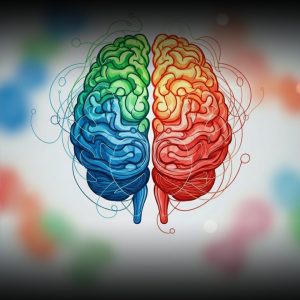


You have probably heard the phrase left brain vs right brain, and it can feel personal. It sounds like the brain picks a team, logic or creativity, and calls it your identity. Yet your human brain is more cooperative than that, and it can be reassuring. You gain gentle clarity.
You are not trapped in one style, or limited by one label. Your brain is built for balance, and you can learn how it supports you. That is where this left brain and right brain conversation becomes truly useful. That brings quiet confidence.
What people mean by left brain vs right brain
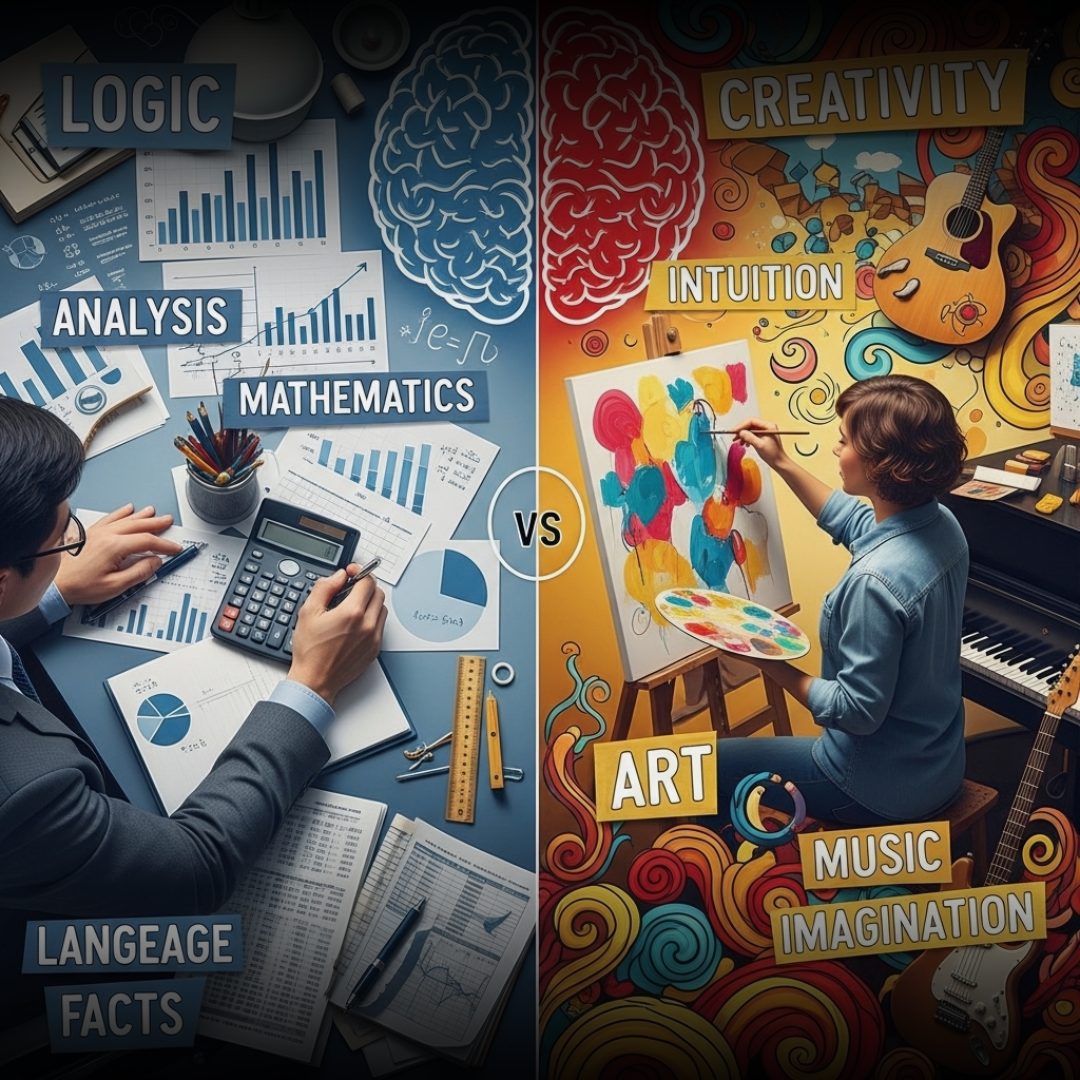
When people say left brain vs right brain, they are pointing to brain lateralization. Some brain functions lean more on the left hemisphere, or the right hemisphere. But the brain rarely works with one hemisphere alone. This builds steady balance. The brain myth is that you are a fixed type, left brained or right. Popular psychology and popular culture love simple boxes, because they feel clear.
Still, your brain people story is bigger than a single side of the brain. You keep simple focus. So think of the left and right brain idea as a doorway, not a verdict. It can help you notice patterns in your brain work, without turning into a rule. That mindset keeps you curious, and it keeps your brain healthy. This offers soft curiosity.
What the left hemisphere and right hemisphere tend to do
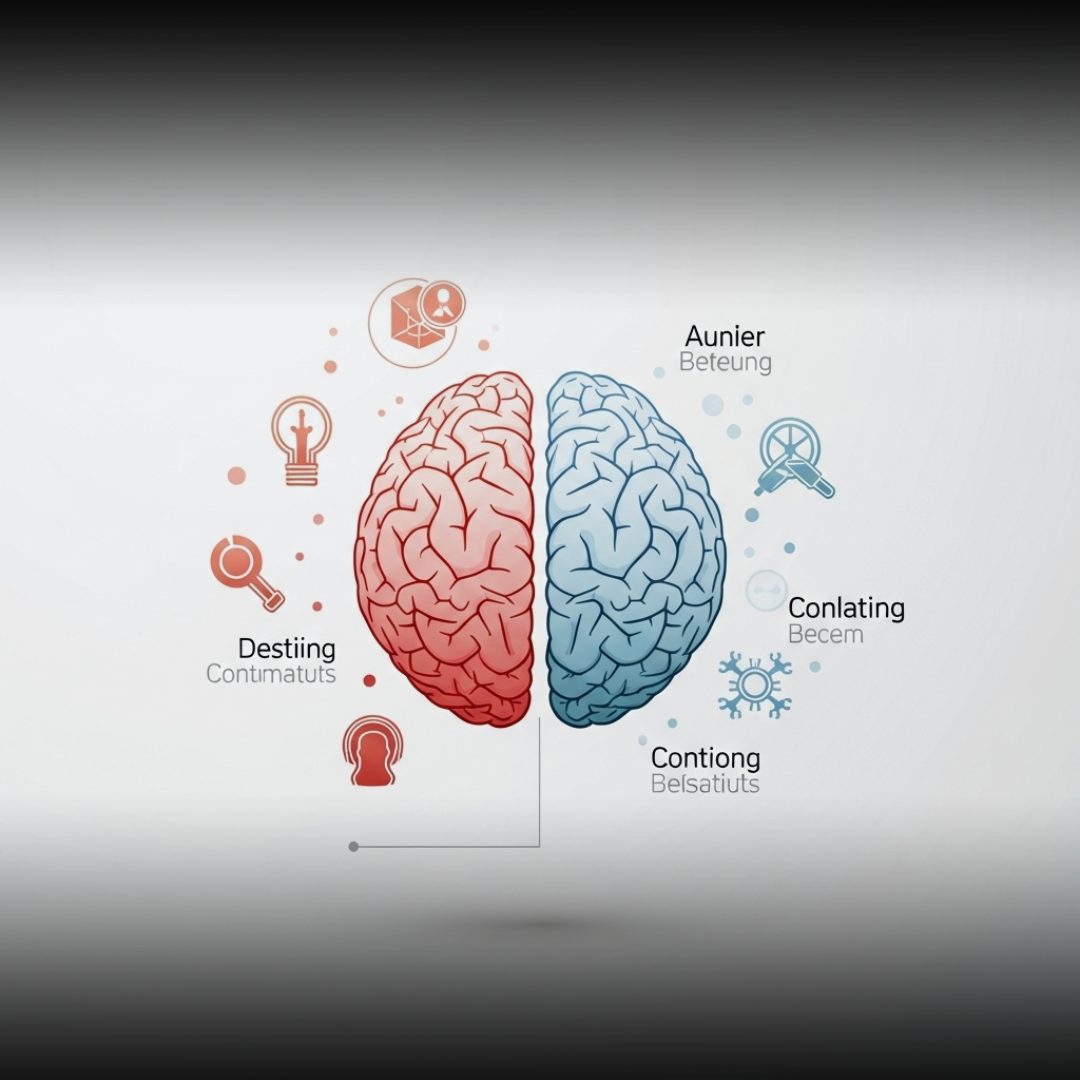
Generally speaking, the left hemisphere helps with language processing and sequencing. The left cerebral hemisphere often leads careful wording and timing. It often supports organizational skills, planning, and step by step choices. You find calm grounding. In many moments, the left hemisphere guides movement on the right side. The brain controls these signals through networks, not one switch. These certain functions are tendencies, not strict borders. That supports kind perspective.
The right cerebral hemisphere often leads spatial cues and context. The right hemisphere often supports spatial awareness and face recognition. It also helps you sense the big picture in a busy moment. In many moments, the right hemisphere helps guide the left side of the body. This creates fresh awareness. This does not mean one side of the brain is smarter than a different hemisphere. Your two hemispheres are essentially equal in value for real life. They carry different functions, and they share other functions too. You hold patient practice.
Where the right brain theory came from
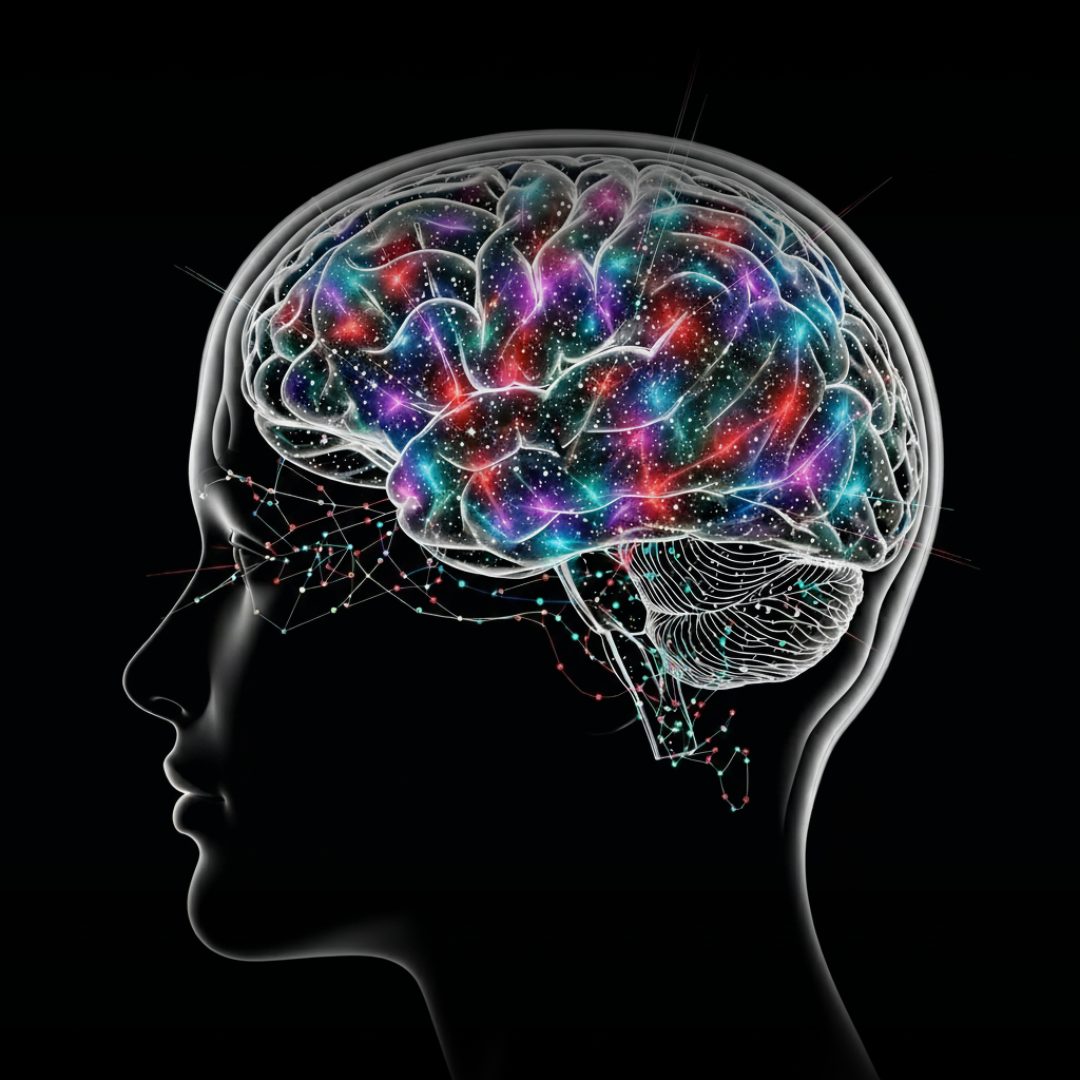
The right brain theory and the right brain hypothesis grew from real observations. In brain research, scientists noticed that some patients had uneven abilities. Split brain patients, for example, showed unusual patterns after surgery. That gives clear support. This brain theory was never meant to become a personality test. Yet the theory suggests a simple story, and people like simple stories.
That is how a helpful idea turned into a brain myth. You gain daily ease. So keep the right brain thinkers label light, and keep it playful. You can also treat left brain thinkers as a metaphor, not an absolute truth. Your brain is flexible, and it responds to practice. That brings small courage.
The corpus callosum, your bridge between left and right sides
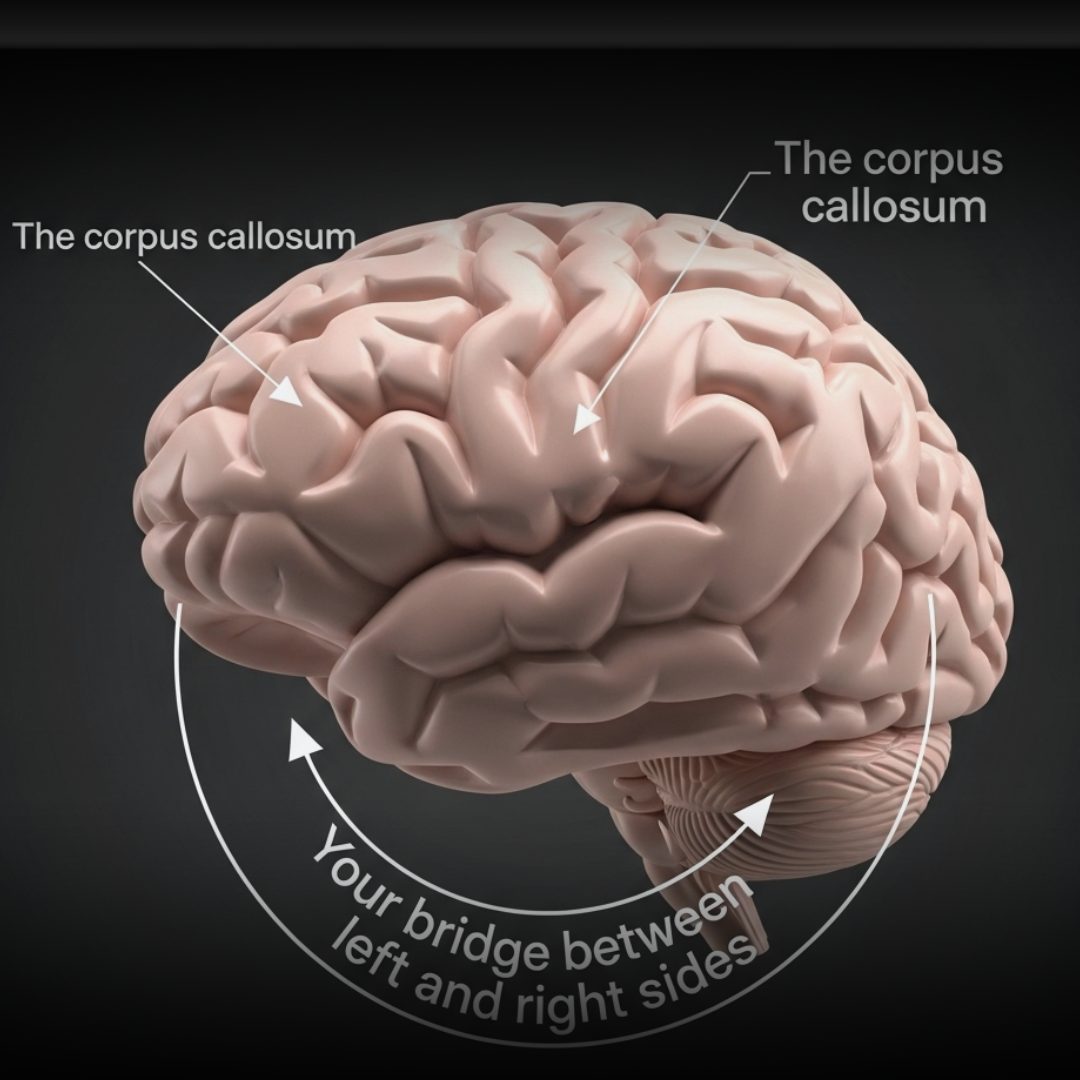
Your corpus callosum helps transmit signals between the left and right sides. It lets the left and right brain share data fast, across the cerebral hemisphere. That is why your brain collaborate moments feel smooth. This builds light effort. When you read a computer screen, both halves are busy at once. One half can track symbols, while the other half tracks meaning and mood.
This is how the side of the brain stays connected, moment by moment. You keep easy growth. If that bridge is disrupted, the brain controls can look strange. But for most people, the bridge works well, all day long. It is one reason your cognitive function can stay steady. This offers true steadiness.
READ ALSO: Cognitive Learning Theory: 5 Hacks to Boost Your Learning Fast
Brain lateralization is real, but labels are limited

Brain scans show patterns, yet they also show overlap. That is why one hemisphere rarely owns an ability by itself. Many brain functions are shared, even when one side leads. You find friendly insight, you might hear someone say they are left brain dominant. You might also hear someone describe right brained people as more artistic.
These are individual preferences, not a diagnosis. That supports open mindset. Your left and right hemispheres function differently in some areas. Yet the hemispheres of the brain also solve problems together. So the left and right sides story should stay balanced. This creates warm guidance.
How analytical thinking and creativity mix

Analytical thinking can feel like a left brain skill, but it is not isolated. Creative tasks can feel like a right brain skill, but they use structure too. Most certain tasks require the whole brain, plus the spinal cord. You hold deep calm. When you write, you need rhythm and rules at the same time. When you draw, you need measurement and imagination at the same time.
That is the human brain at its best. That gives real progress. So do not fear either or categories that split you in half. Use brain vs right debates as prompts to explore your strengths. Use the left and right brain pairing as a reminder to train both sides. You gain gentle clarity.
READ ALSO: Collective Mindset: How to Harness Group Power for Success
Personality traits are not locked to one side of the brain
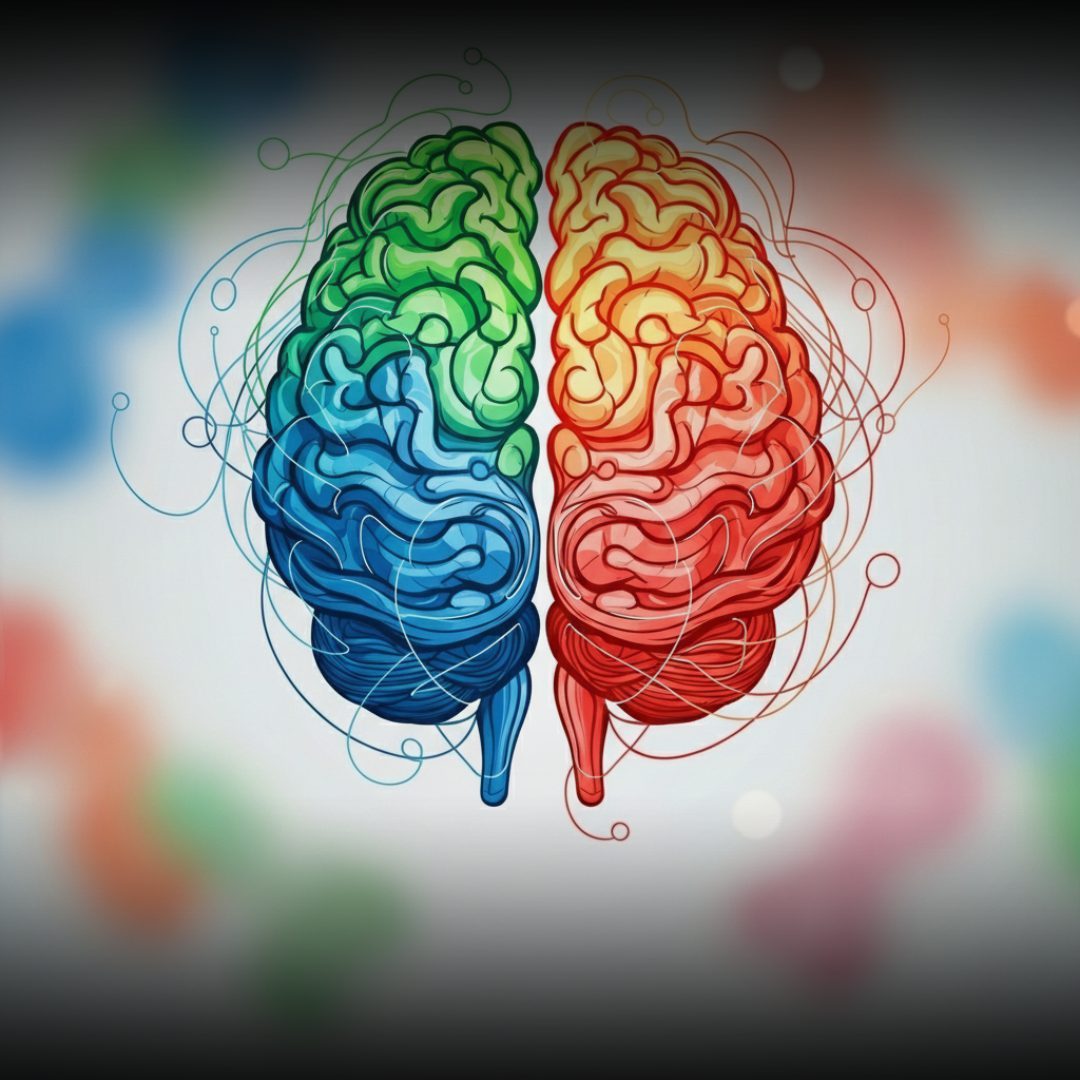
Personality traits are shaped by experience, habits, and your environment. They are not pinned to the right side or the left side forever. The brain changes, because it learns. That brings quiet confidence. Some people call themselves left brained people, and that can feel safe. Others feel seen by right brain thinkers, because they value intuition. But it is not absolutely true that you must choose one side of the brain. This builds steady balance.
Your brain myth radar matters here, because labels can shrink you. Instead, aim to notice how your brain work shifts across situations. That practice can maintain cognitive function over time. You keep simple focus. If you wonder if you are left brained or right, notice your habits first. Notice where you seek structure, and where you seek freedom. This is more helpful than the left brained or right label. This offers soft curiosity.
How the brain controls the body, and why it matters

Your brain controls movement through the central nervous system. Signals travel down the spinal cord, then into nerves that move muscles. This includes muscle movement in hands, eyes, and posture. You find calm grounding. In a simple way, left hemisphere controls the right side of the body. In a simple way, the right hemisphere helps guide the left side.
This is why injuries on one side can affect the other side of the body. That supports kind perspective. These patterns are useful, but they are not the whole story. Different functions can be spread across networks, not one spot. That is why brain health is about the whole system. This creates fresh awareness.
Simple ways to help both hemispheres work together

Start with enough sleep, because the brain repairs during rest. Sleep supports memory, mood, and clear thinking the next day. It is one of the easiest brain healthy choices. You hold patient practice. Try memory games that mix words and images. That kind of practice asks both halves to cooperate.
It can support cognitive function without pressure. That gives clear support. Also rotate learning styles, like reading, speaking, and drawing. This helps the hemispheres of the brain stay flexible. Over time, your brain people skills become more rounded. You gain daily ease.
A calm plan for long term brain health
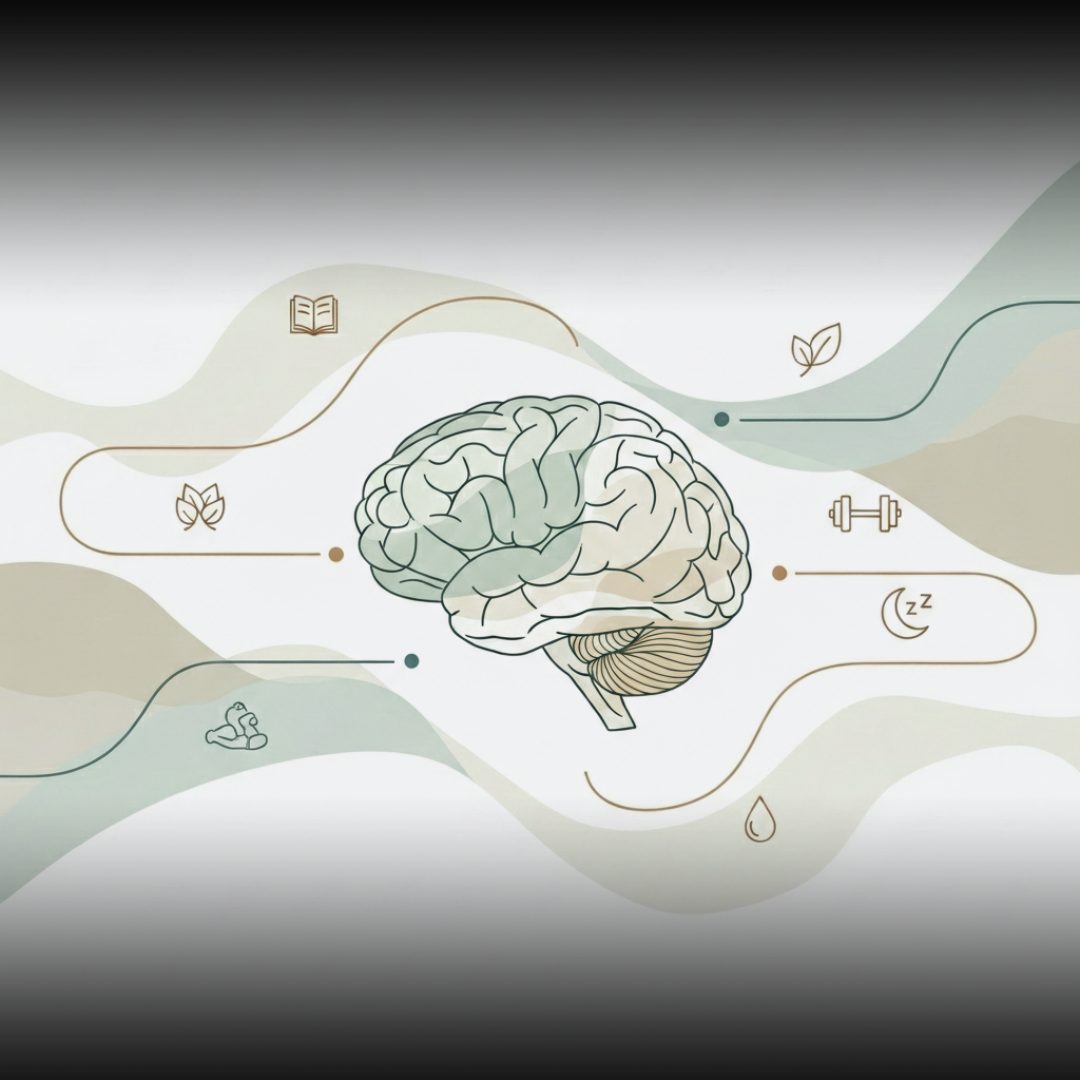
Brain health is not about forcing perfect focus every day. It is about steady habits that keep your brain supported. Small steps can protect your human brain for years. That brings small courage. Move your body, because movement feeds the brain with oxygen. Eat well, because stable energy helps the brain run cleanly.
Stay connected, because relationships train empathy and attention. This builds light effort. If stress is high, slow down and reset your pace. Your brain controls are sensitive to overload, so give them space. That kindness supports brain health, and it supports you. You keep easy growth.
READ ALSO: Are You Doing Enough to Keep Your Brain Healthy?
Your takeaway from left brain vs right brain
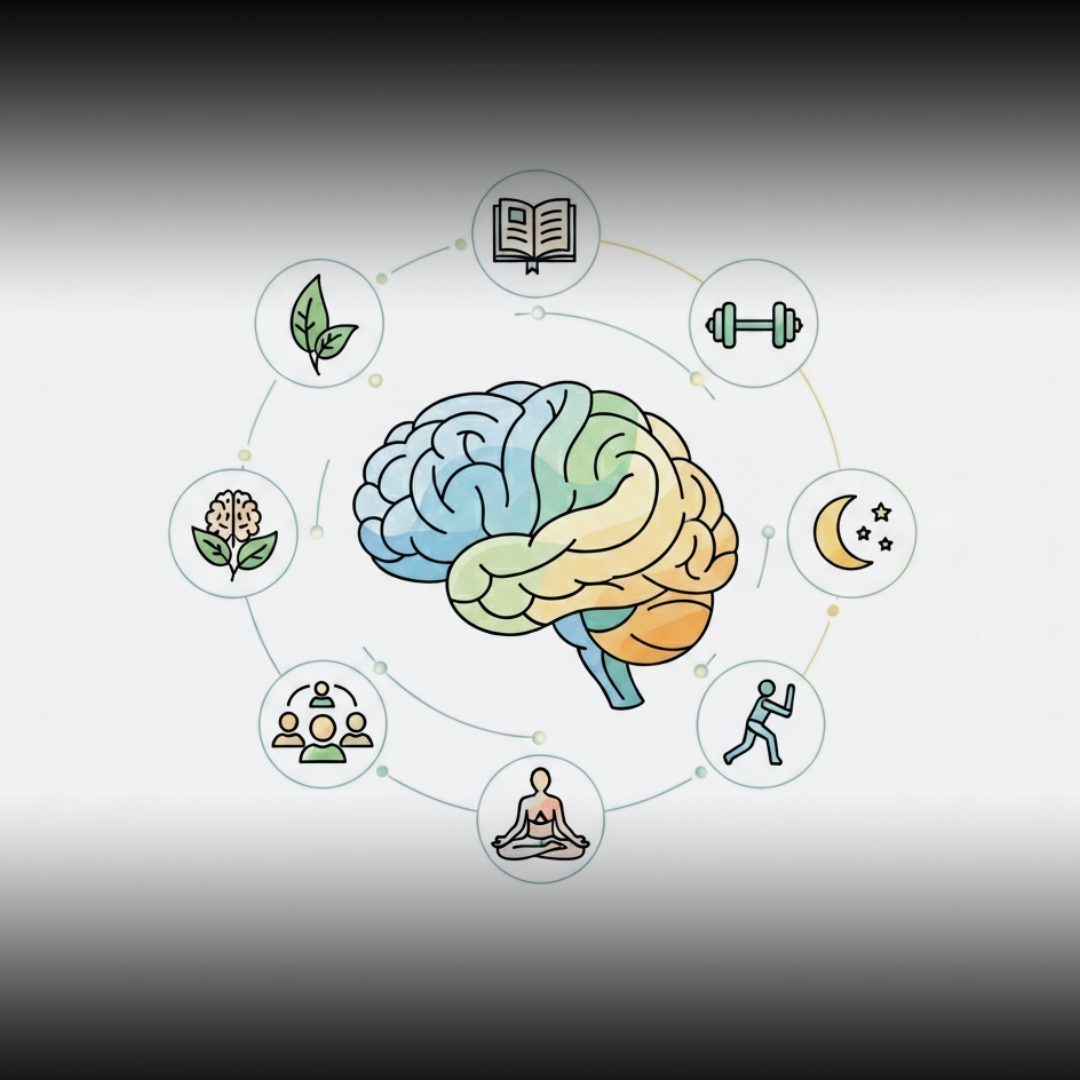
If you remember one thing, let it be this. Left brain vs right brain is not a battle inside your head. It is a partnership across two halves. This offers true steadiness. Your two hemispheres can share tasks, even when one side leads. Your side of the brain strengths can shift with practice. Also, your left and right sides can grow with new challenges. You find friendly insight.
If you feel unsure, ask which side of the brain you are leaning on today. Then invite the other hemisphere to join the plan. This is more helpful than being left brained or right. That supports open mindset. So choose balance, and choose gentle curiosity. Your brain is built to adapt, and it wants to help you thrive. That is the most helpful truth behind the idea. This creates warm guidance.
UP NEXT: The Mind Project: Building Resilience Through Gratitude