


Chronic exposure to visually cluttered, poorly designed living environments activates the hypothalamic-pituitary-adrenal axis. This occurs in ways that sustain elevated cortisol long after the workday has ended. For high-performing professionals, this means that recovery is being systematically undermined at home. Recovery is the physiological process on which cognitive restoration, hormonal regulation, and cellular repair depend. Research in environmental psychology links disordered spatial design to impaired parasympathetic activation and reduced sleep quality. It also links it to measurable increases in allostatic load. Intentional home design is not an aesthetic indulgence. Instead, it is a recoverable variable in the performance equation. It directly influences the neurological conditions required for sustained executive function.
Environmental Psychology: The Science Behind Spatial Stress

Environmental psychology is a well-established research discipline. It examines how physical surroundings influence cognitive and physiological states. Its findings are not peripheral to performance science — they sit at the intersection of neuroscience, stress physiology, and behavioral medicine.
The built environment activates the same neurological threat-detection systems as interpersonal or occupational stressors. Visual disorder, acoustic intrusion, and spatial crowding each produce measurable sympathetic nervous system activation.
For professionals whose threat-response systems already operate at elevated baseline, the home environment either extends that activation or interrupts it. There is no neutral state.
How Visual Clutter Elevates Cortisol

Clutter is not merely an aesthetic problem. Research by Saxbe and Repetti, published in Personality and Social Psychology Bulletin, found that women in dual-income couples who described their homes as cluttered showed higher diurnal cortisol profiles than those who described their homes as restorative. The study's sample limits direct generalization.
Its findings nonetheless align with a broader body of environmental psychology research linking visual disorder to elevated physiological stress markers. The mechanism involves attentional load. A cluttered environment produces continuous low-level demands on the visual cortex and prefrontal cortex. These demands prevent the cognitive downshift required for parasympathetic activation.
For executives whose prefrontal cortex is already taxed by sustained decision-making, a visually demanding home compounds cognitive depletion. The result is a cortisol curve that remains elevated into the evening — directly undermining sleep onset, hormonal recovery, and next-day executive function.
The Neuroscience of Spatial Order

The brain's default mode network activates during rest, self-reflection, and memory consolidation. It requires a low-stimulation environment to function effectively. High visual complexity suppresses default mode network activation. It simultaneously maintains task-positive network engagement — the neurological state associated with directed attention.
Sustained directed attention without recovery periods associates with cognitive fatigue, reduced working memory capacity, and impaired emotional regulation. Research in cognitive neuroscience links prolonged attentional demand to these outcomes, though the precise neural mechanisms continue to develop in the literature.
Spatial order — achieved through deliberate reduction of visual complexity — creates conditions under which the default mode network can activate. This facilitates the cognitive restoration that high-performing professionals require between demanding work cycles.
READ ALSO: Cortisol Detox: A Softer Reset for a Frazzled System
Light as a Physiological Signal
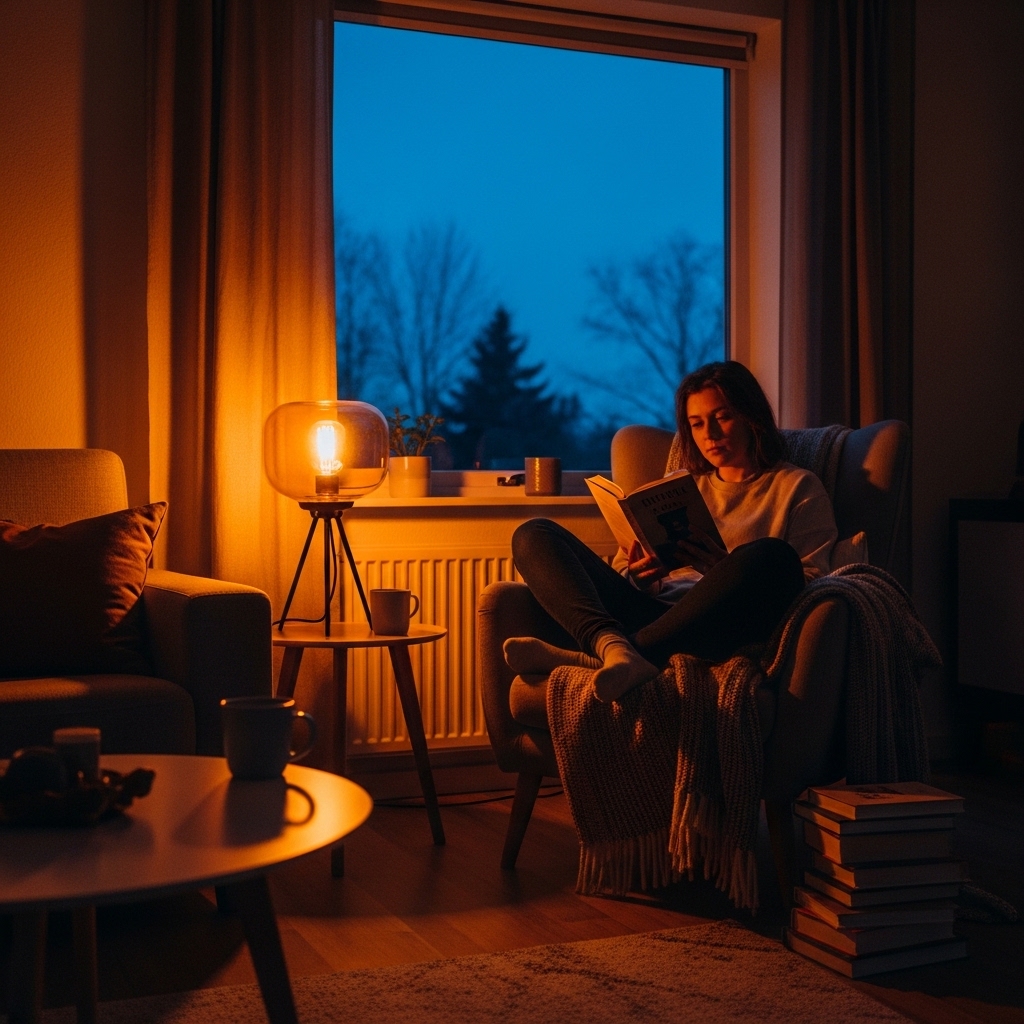
Light is the primary zeitgeber — the environmental cue that synchronizes the circadian system. Its influence on cortisol, melatonin, and alertness is direct and well-documented. Research supported by the National Institute of General Medical Sciences establishes that circadian disruption elevates inflammatory markers and impairs glucose metabolism.
Light exposure misaligned with biological timing is a primary driver of this disruption. Emerging evidence also suggests links between chronic circadian misalignment and markers of accelerated cellular aging. Direct causation in humans remains under active investigation. Within the home, light management represents one of the highest-leverage design variables available.
Bright, blue-spectrum light in evening spaces delays melatonin onset. It suppresses the hormonal cascade required for deep sleep. Warm-spectrum, low-intensity lighting in post-work spaces supports the circadian transition from sympathetic to parasympathetic dominance — directly affecting sleep architecture and overnight cortisol recovery.
Colour, Arousal, and the Autonomic Nervous System
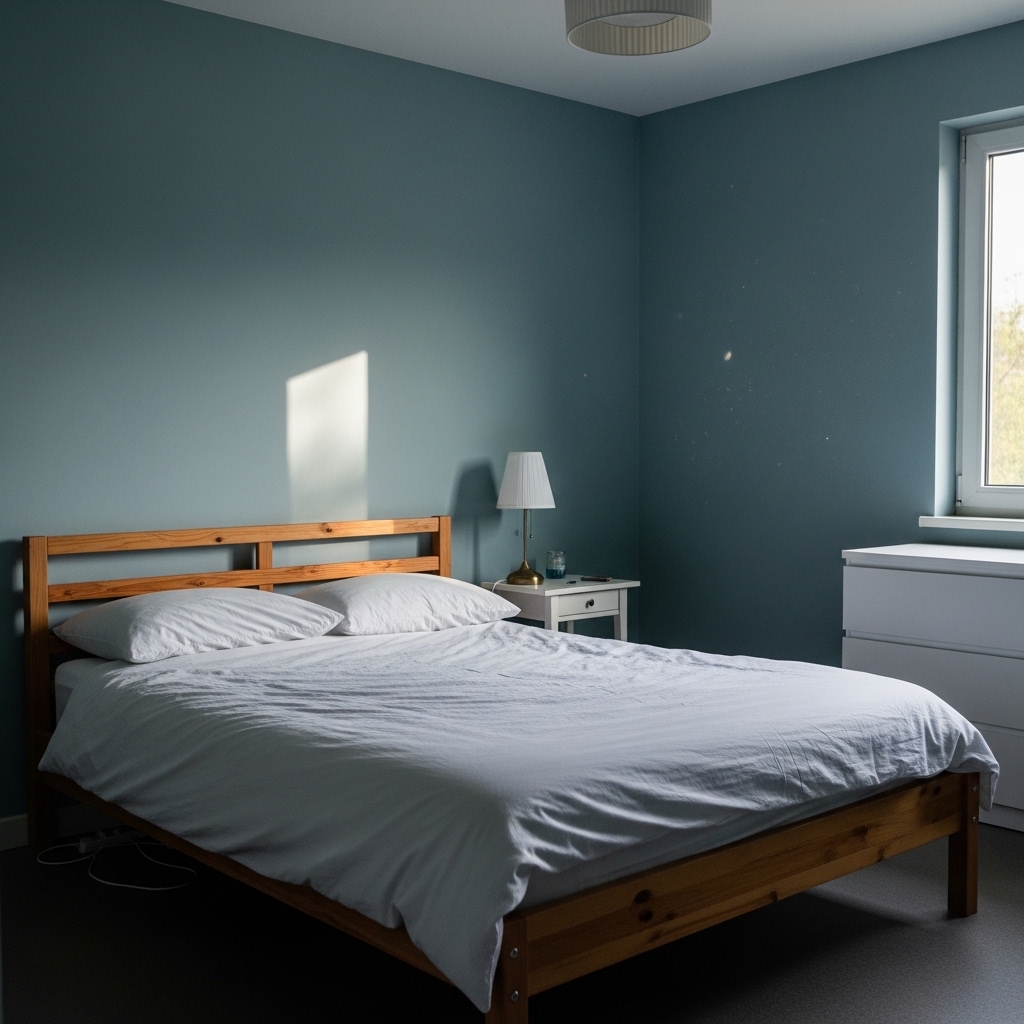
Colour psychology has a more rigorous scientific basis than its popular treatment suggests. Laboratory research in environmental neuroscience documents associations between high-saturation warm colours and modest elevations in heart rate, skin conductance, and self-reported arousal. These effects are context-dependent.
Individual factors — including cultural background and prior exposure — influence them significantly. The evidence supports treating colour as a contributing autonomic variable in residential design, though not as a deterministic one. Cool, low-saturation colours — blue-greens, muted neutrals — associate with reduced sympathetic activation and lower reported anxiety in controlled settings.
For professionals designing home environments with recovery as a functional objective, colour selection in primary living and sleeping spaces warrants consideration within a broader design strategy.
Acoustic Environment and Stress Physiology

Noise is among the most physiologically disruptive environmental variables. Its effects on stress physiology are dose-dependent and cumulative. The World Health Organization's Environmental Noise Guidelines for the European Region document associations between chronic outdoor noise exposure and elevated cardiovascular risk, including hypertension and coronary artery disease.
These guidelines address population-level outdoor noise sources. The underlying physiological mechanism — HPA axis activation in response to acoustic threat signals — remains relevant to indoor environments, particularly in urban residences where outdoor noise intrudes significantly. Perceptual habituation to noise occurs over time.
However, certain physiological responses — including sleep fragmentation and nocturnal blood pressure elevation — show limited habituation with chronic exposure. Acoustic management through soft furnishings and sound-absorbing materials produces measurable reductions in physiological arousal within residential environments.
READ ALSO: Your Daily 10 Minute Mindfulness Meditation Reset
Nature Integration and the Stress Recovery Pathway
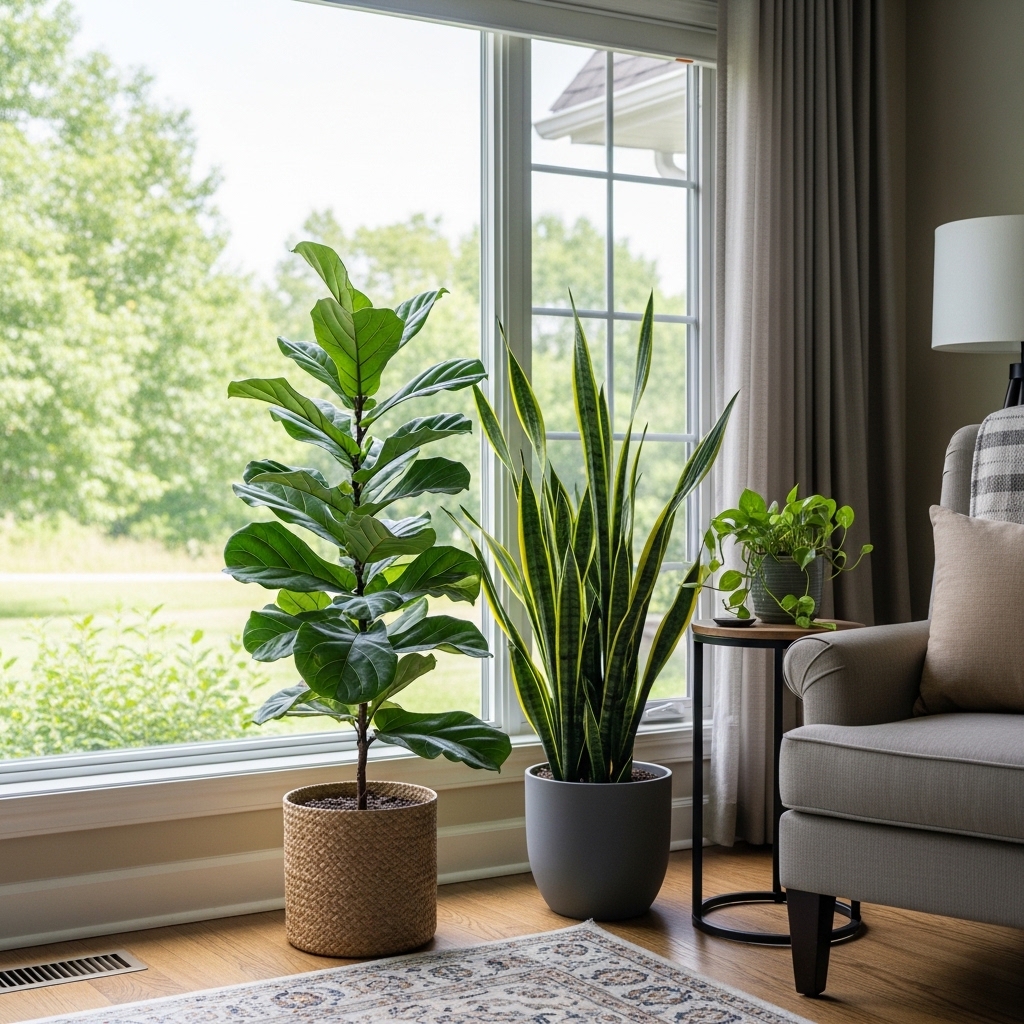
Attention Restoration Theory, developed by Rachel and Stephen Kaplan at the University of Michigan, proposes that natural environments restore directed attention capacity. They do this by engaging involuntary attention through what the Kaplans term “soft fascination.” This allows the directed attention system to recover from depletion.
Neuroimaging research by Bratman and colleagues examined nature versus urban walking environments. It documented reduced amygdala activation and lower self-reported rumination following nature exposure. Translating these findings to indoor home design requires some inference. The evidence base for indoor nature specifically, while growing, remains less extensive than that for outdoor exposure.
Within home design, nature integration — through indoor plants, natural materials, water features, and views of green space — replicates key elements of the restorative environment. It does so without requiring physical displacement from the urban contexts most high-performing professionals occupy.
The Role of Spatial Boundaries in Cognitive Recovery
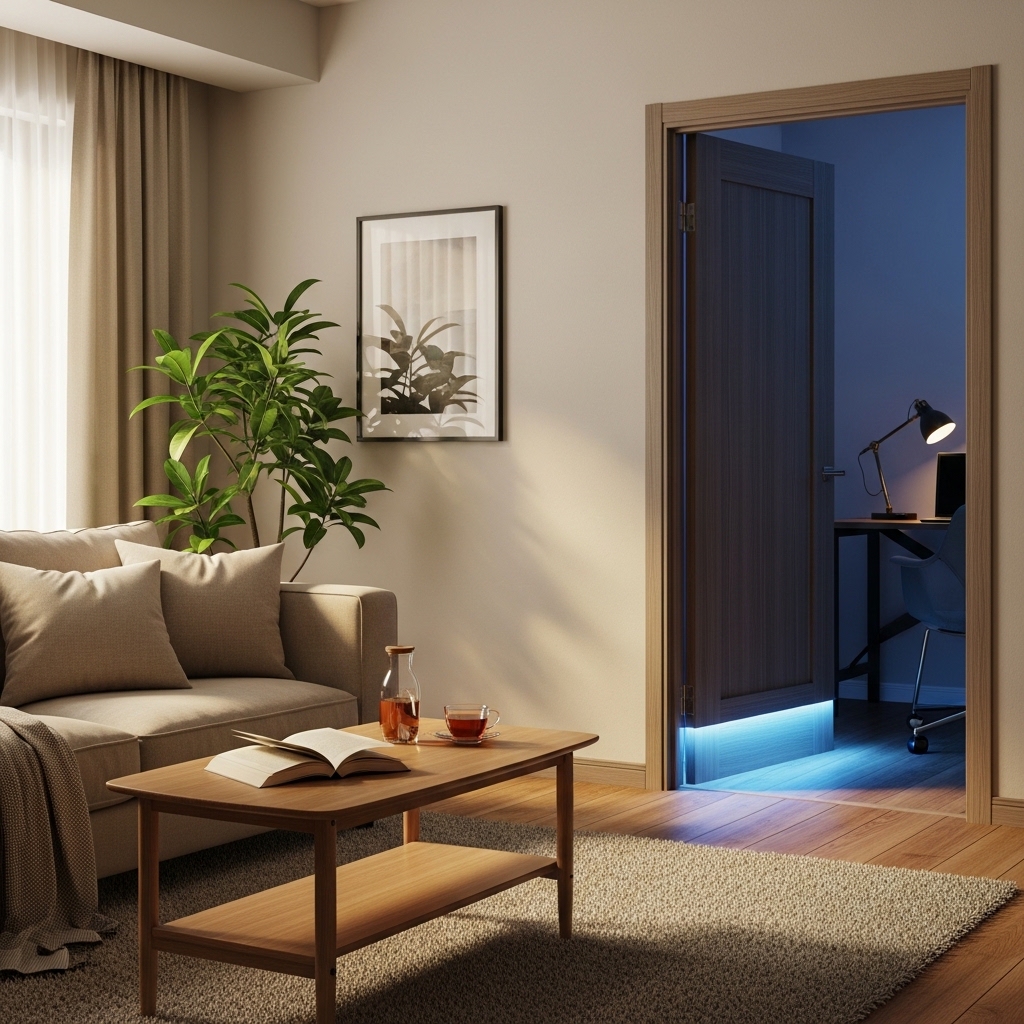
Cognitive recovery requires more than the absence of stimulation. It requires clear contextual signals that work demands have ceased. Professionals who live and work in the same spaces face a specific neurological challenge. Their environment fails to signal the transition between performance and recovery states.
Research in occupational psychology — including the recovery experience framework by Sonnentag and Fritz — identifies boundary clarity between work and non-work domains as a significant predictor of psychological detachment. Detachment, alongside relaxation, mastery, and perceived control, consistently associates with next-day energy restoration, reduced burnout markers, and sustained performance over time.
Intentional spatial design that creates physically distinct zones for work, rest, and social activity supports the neurological signaling required for genuine recovery. This is particularly relevant for professionals who have integrated home offices into primary living areas — a configuration that has become substantially more common with the shift toward remote and hybrid working arrangements.
Temperature, Thermal Comfort, and Autonomic State
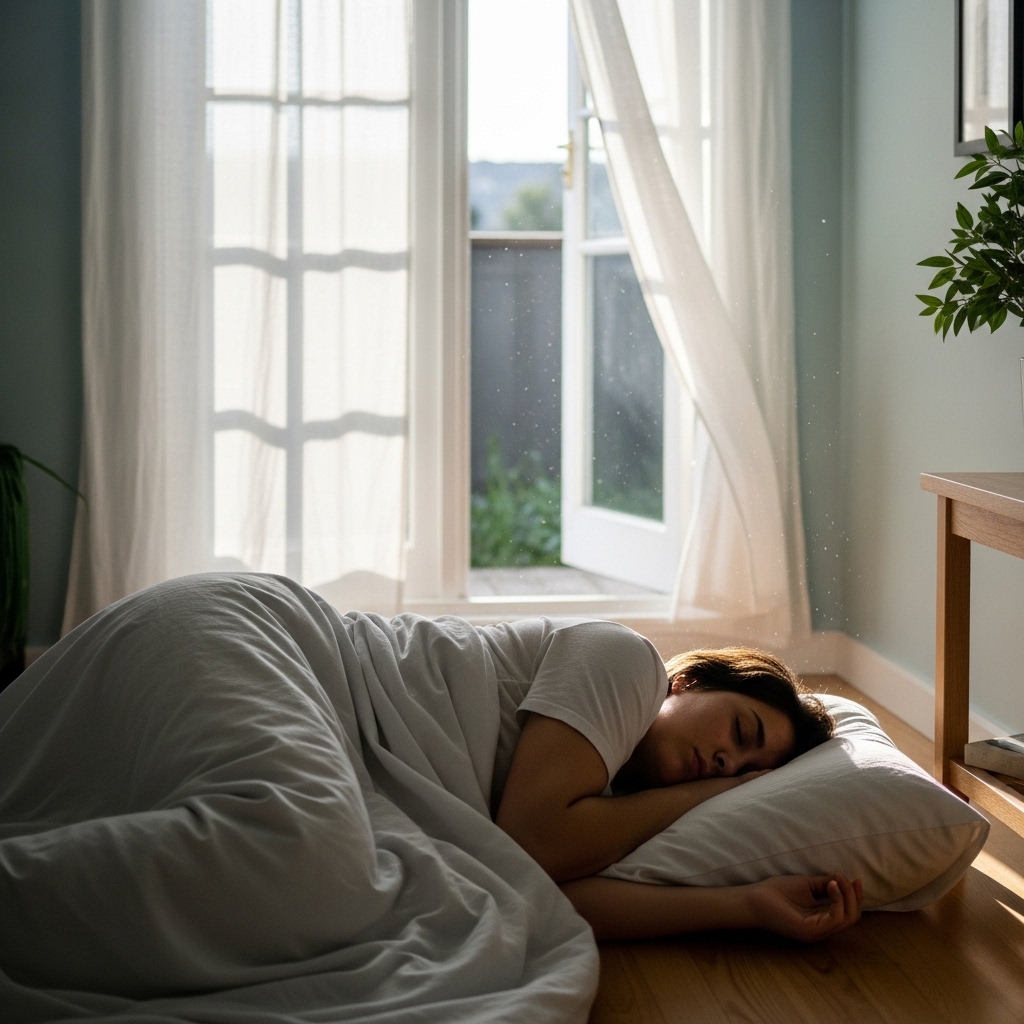
Thermal environment is a frequently overlooked design variable. It carries direct implications for autonomic state and sleep quality. Core body temperature follows a circadian pattern — declining in the evening as part of the sleep-initiation cascade. Ambient temperature either supports or disrupts this process. Sleep research broadly supports cooler ambient sleeping environments.
Studies frequently reference approximately 16 to 19 degrees Celsius as conducive to the core temperature decline associated with slow-wave sleep onset. Individual variation in optimal sleep temperature is significant. Age, sex, and metabolic factors all influence it — making this range a starting reference rather than a fixed target.
Thermal discomfort in waking hours maintains low-level sympathetic activation. Home environments designed with attention to thermal zoning — separating sleeping, working, and relaxing spaces by thermal condition — provide an additional layer of autonomic support that most residential designs overlook.
READ ALSO: Home Organization Trends for 2025: Creating a Harmonious Space
Scent, the Olfactory System, and Limbic Activation
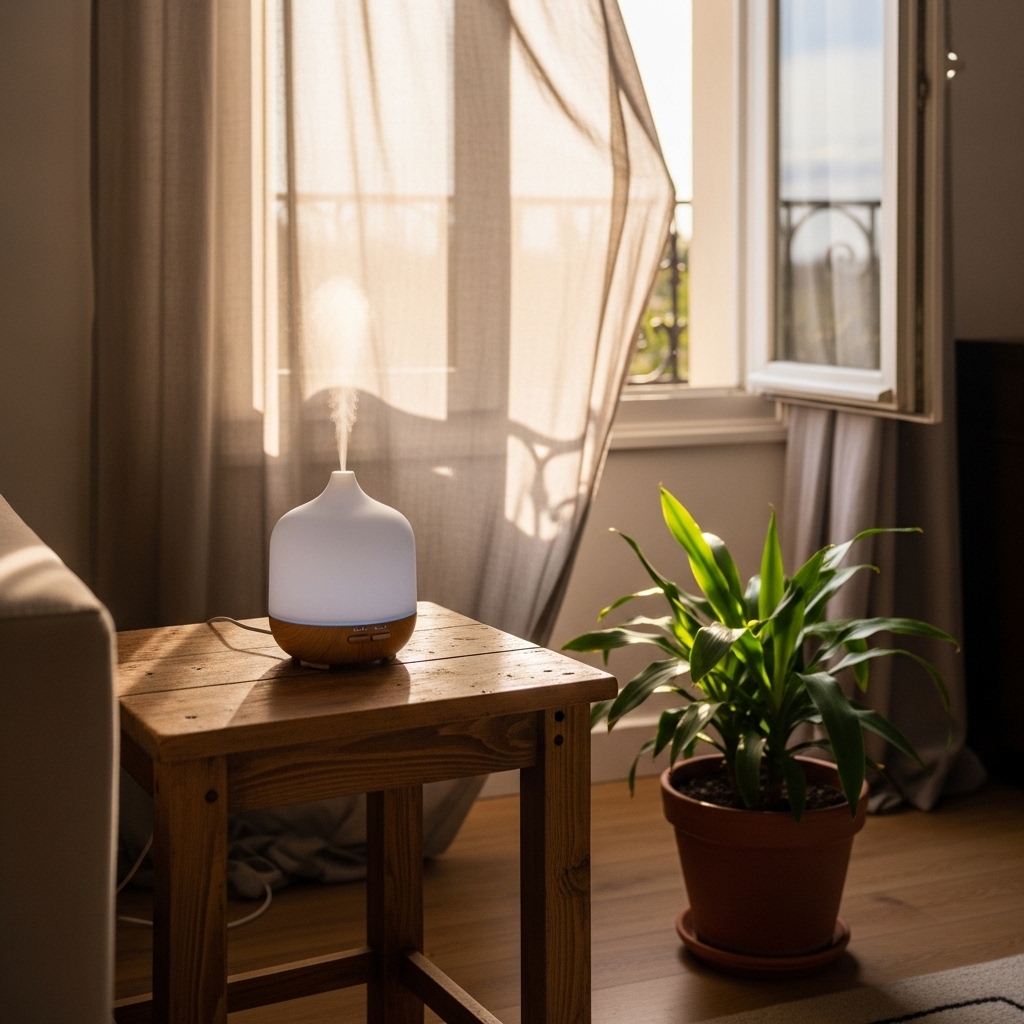
The olfactory system has a direct anatomical pathway to the limbic system. This pathway governs emotional processing, memory, and autonomic regulation. It bypasses the thalamic relay that other sensory systems use. This makes olfactory input uniquely capable of producing rapid, below-conscious shifts in emotional and physiological state.
Some research examining lavender and certain terpene compounds reports reductions in self-reported anxiety following controlled olfactory exposure. Findings on cortisol and cardiovascular measures remain inconsistent across studies. The neuroanatomical rationale is well-established. The clinical reliability of specific olfactory interventions for stress reduction has not yet reached consensus.
Within home design, managing the olfactory environment — through natural ventilation, plant-derived aromatic compounds, and elimination of synthetic fragrance irritants — represents an evidence-adjacent intervention. It warrants acknowledgment rather than prescription.
Personalization, Psychological Safety, and Allostatic Load
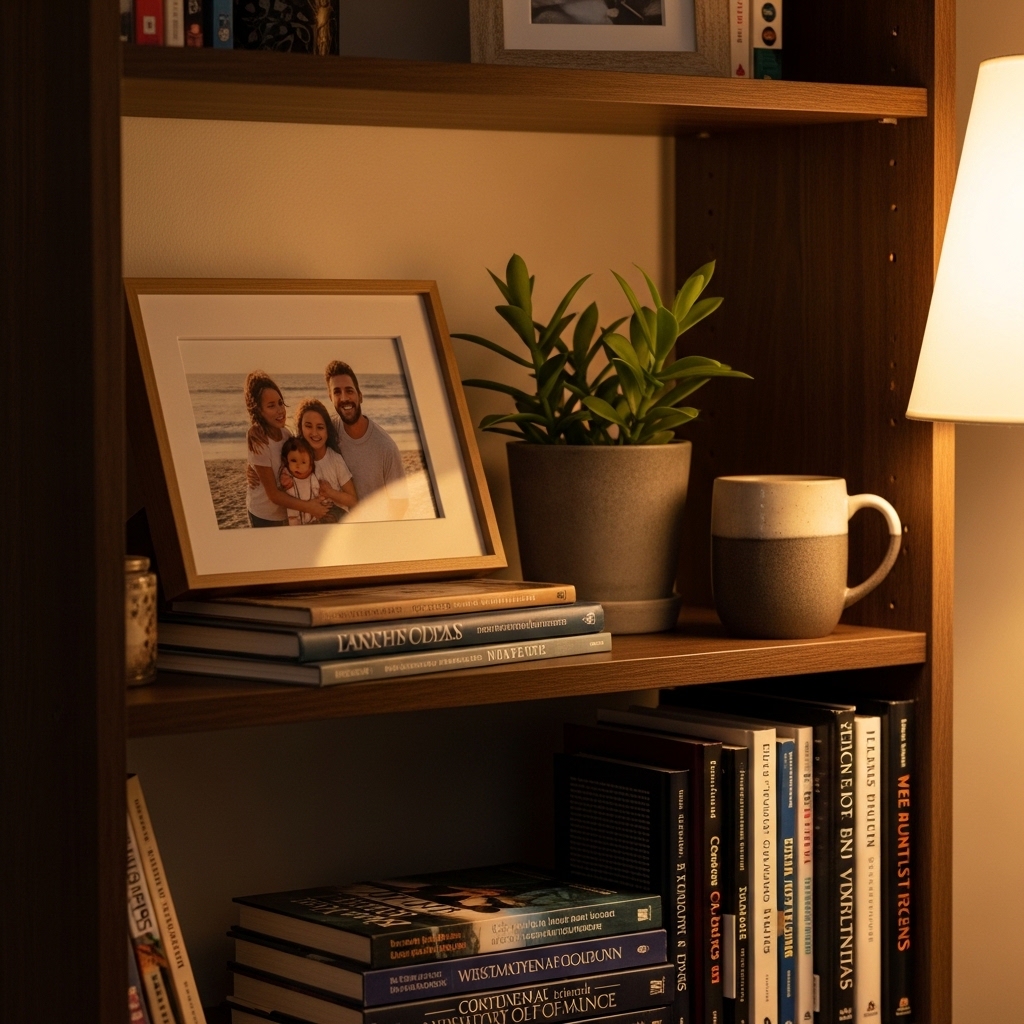
Allostatic load — the cumulative physiological cost of chronic stress — reduces not only by eliminating stressors but by increasing restorative and safety-signaling inputs in the environment.
Research in environmental psychology consistently identifies personal meaning, aesthetic agency, and perceived environmental control as variables that reduce perceived threat and lower sympathetic baseline. A home environment curated to reflect personal values and meaningful objects activates reward circuitry.
It signals psychological safety to threat-detection systems. This is not a subjective indulgence — it is a neurologically grounded mechanism for reducing the allostatic burden carried into each recovery period.
Evidence-Based Options for Spatial Design
Professionals applying this evidence have several well-supported options. Reducing visual complexity in primary living and sleeping spaces — through object reduction, organized storage, and simplified surface arrangements — directly addresses the attentional load mechanism linking clutter to elevated evening cortisol.
Transitioning evening lighting to warm-spectrum, low-intensity sources supports circadian melatonin onset and sleep architecture. Introducing natural materials, indoor plants, or green views into regularly occupied spaces engages the restorative attention mechanisms documented in Attention Restoration Theory research — with the acknowledgment that indoor nature evidence continues to develop.
Acoustic treatment of high-noise areas using soft furnishings and sound-absorbing panels addresses the chronic sympathetic activation associated with noise intrusion. For professionals with integrated home offices, creating a physically distinct boundary between work and recovery zones supports the psychological detachment that Sonnentag and Fritz's research identifies as one of several key determinants of sustained performance and reduced burnout over time.
UP NEXT: Minimal Lifestyle To Build Space For Real Growth
A home environment that sustains elevated evening cortisol through visual disorder, poor light management, and acoustic intrusion compounds the allostatic load that drives epigenetic age acceleration — making the design of recovery spaces one of the few biological age variables that can be modified without clinical intervention or significant time investment. WholeLiving's Biological Age Estimation Model incorporates this factor directly — your assessment takes under five minutes.
Ready to understand how these factors are influencing your biological age right now? [Take the Biological Age Assessment →]