
Cortisol Detox is a Misframed Term

The phrase cortisol detox sounds clinical, but it is not a clinical process. Cortisol is not a toxin. It is a hormone that helps control blood sugar, immune activity, blood pressure, and the sleep-wake cycle.
The real problem is not cortisol itself. The problem is cortisol dysregulation. In healthy adults, cortisol rises before waking, peaks in the morning, and falls through the day. Chronic stress, poor sleep, and long work hours can disturb that rhythm.
For high-performing professionals, that distinction matters. A credible cortisol detox approach does not try to remove cortisol. It aims to reduce the causes of abnormal cortisol patterns. In nutrition, that means improving meal quality, lowering diet-driven inflammation, and supporting stable energy across the day.
Why Cortisol Dysregulation Matters for Performance
Persistent cortisol elevation can affect more than mood. It can disrupt cognitive performance, weaken sleep quality, and strain metabolic control. Those changes matter for executives and founders whose work depends on focus, judgment, and recovery.
Research from the American Heart Association has linked higher stress hormone levels with higher cardiovascular risk. That includes higher blood pressure and a greater chance of later heart events. This is not a small wellness issue. It is a performance and longevity issue.
Cortisol patterns also affect the brain. Studies from the Leiden 85-plus Study and other aging research have linked flatter daily cortisol rhythms with worse memory and weaker mental performance. When the stress system stays overactive, the cost can appear in attention, recall, and decision speed.
Glycemic Stability as a Primary Regulator of Cortisol Output
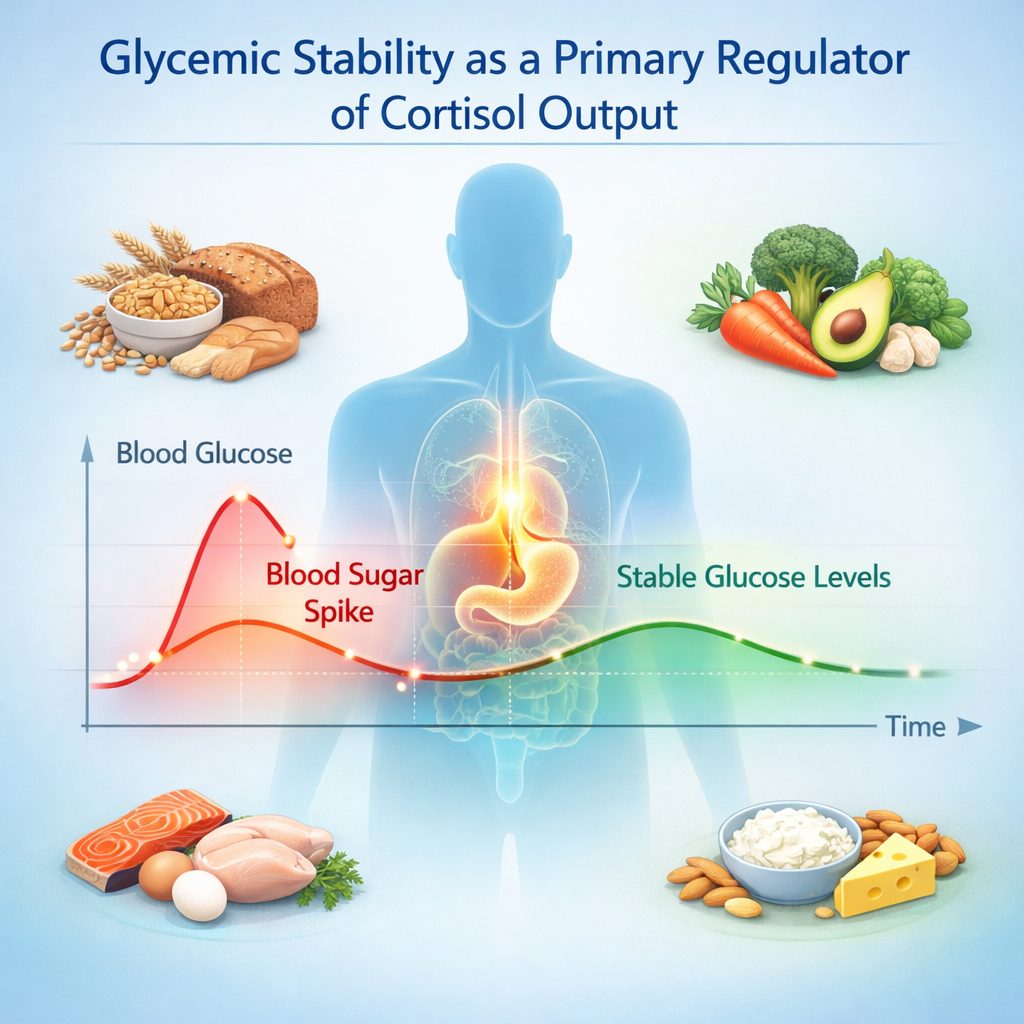
Cortisol secretion is closely tied to glucose availability and metabolic demand. When blood glucose levels fluctuate sharply, the body compensates through hormonal adjustments that include increased cortisol release. This response is not pathological in isolation, but when repeated throughout the day, it contributes to sustained activation of the stress system and impaired metabolic control.
Research from the National Institutes of Health has established that hypoglycemic states trigger cortisol elevation as a counter-regulatory mechanism to restore glucose balance. In parallel, data from the Harvard T.H. Chan School of Public Health has shown that diets high in refined carbohydrates increase glycemic variability, which places repeated demand on endocrine stress pathways.
For high-output professionals, this dynamic often presents as energy volatility across the workday. Periods of low intake followed by rapid consumption of processed foods can produce alternating spikes and crashes in glucose levels. Each cycle reinforces hormonal instability, particularly when compounded by cognitive load and time pressure.
Nutritional strategies that emphasize glycemic stability, including the consistent intake of fiber-rich carbohydrates, protein, and unsaturated fats, are associated with more stable cortisol patterns. This is not a short-term intervention but a structural adjustment to how metabolic demand is managed across the day. The outcome is not limited to glucose control. It extends to improved cognitive consistency, reduced perceived stress load, and lower inflammatory signaling, all of which influence biological aging trajectories.
Glycemic Stability as a Primary Regulator of Cortisol Output
Cortisol secretion is closely tied to glucose availability and metabolic demand. When blood glucose levels fluctuate sharply, the body compensates through hormonal adjustments that include increased cortisol release. This response is not pathological in isolation, but when repeated throughout the day, it contributes to sustained activation of the stress system and impaired metabolic control.
Research from the National Institutes of Health has established that hypoglycemic states trigger cortisol elevation as a counter-regulatory mechanism to restore glucose balance. In parallel, data from the Harvard T.H. Chan School of Public Health has shown that diets high in refined carbohydrates increase glycemic variability, which places repeated demand on endocrine stress pathways.
For high-output professionals, this dynamic often presents as energy volatility across the workday. Periods of low intake followed by rapid consumption of processed foods can produce alternating spikes and crashes in glucose levels. Each cycle reinforces hormonal instability, particularly when compounded by cognitive load and time pressure.
Nutritional strategies that emphasize glycemic stability, including the consistent intake of fiber-rich carbohydrates, protein, and unsaturated fats, are associated with more stable cortisol patterns. This is not a short-term intervention but a structural adjustment to how metabolic demand is managed across the day. The outcome is not limited to glucose control. It extends to improved cognitive consistency, reduced perceived stress load, and lower inflammatory signaling, all of which influence biological aging trajectories.
Caffeine, Stimulant Load, and Their Interaction with Cortisol Rhythms
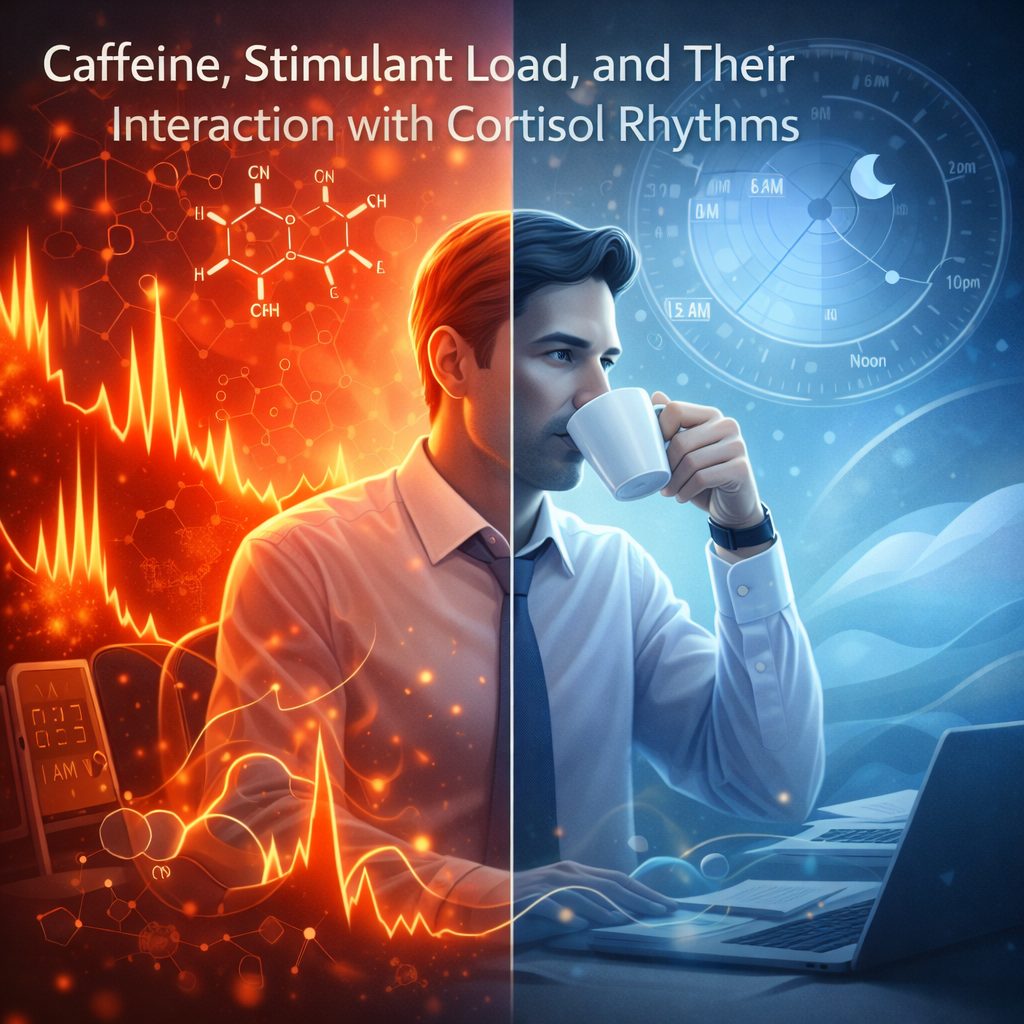
Caffeine consumption is nearly universal among high-performing professionals, yet its interaction with cortisol physiology is often underestimated.
Studies referenced by the American Heart Association and research published in Psychosomatic Medicine have demonstrated that caffeine intake can amplify cortisol release, especially in individuals under chronic stress. This effect is more pronounced when caffeine is consumed repeatedly throughout the day or used as a compensatory mechanism for sleep deprivation.
The timing of caffeine intake plays a critical role. Early morning consumption, when endogenous cortisol is already elevated, may exaggerate the amplitude of the stress response. Conversely, late-day intake can interfere with sleep onset and reduce sleep efficiency, indirectly contributing to cortisol dysregulation through circadian disruption.
For professionals operating under sustained cognitive demand, caffeine often becomes a tool for maintaining alertness rather than a controlled stimulant. This pattern can mask underlying fatigue while perpetuating the physiological conditions that drive it. Over time, reliance on stimulants may contribute to a feedback loop in which poor sleep, elevated cortisol, and increased caffeine intake reinforce one another.
The Nutrition Link to Cortisol Physiology
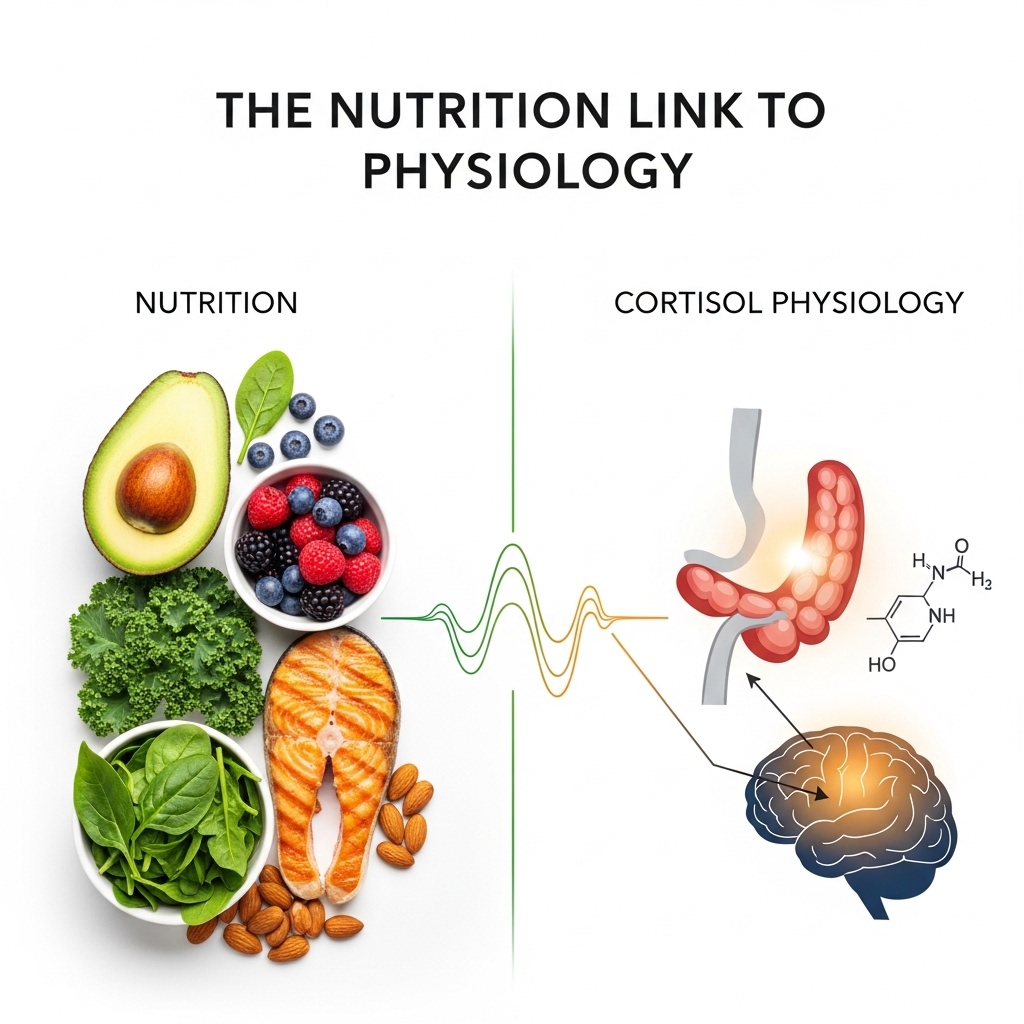
Nutrition affects cortisol through whole-body metabolism. It does not work through one “detox” food. Food intake changes blood sugar, insulin response, inflammation, and energy balance. Those factors can support normal stress function or make it worse.
The Harvard T.H. Chan School of Public Health notes that chronic stress can change eating behavior and raise nutrient demand. Under stress, many adults skip meals, eat late, or rely on highly processed foods. That pattern can worsen metabolic strain and keep the stress response active.
The National Institutes of Health has also described the close link between sleep, stress, and metabolism. Poor diet can add to that burden. Large blood sugar swings and low-quality meals may increase the physiologic load that keeps cortisol patterns unstable. That is why cortisol detox is better viewed as metabolic repair, not cleansing.
Dietary Patterns that Support Lower Stress Load

The strongest nutrition evidence supports dietary patterns, not isolated ingredients. A Mediterranean-style pattern remains one of the best-studied models. It centers on vegetables, legumes, fruit, nuts, whole grains, fish, and unsaturated fats. It also limits highly processed foods and excess refined sugar.
That pattern matters because it supports cardiovascular health and lowers inflammatory load. Both are relevant when cortisol is high for long periods. Research published in Nutrients has shown that Mediterranean-style eating may reduce the effect of stress on inflammatory markers. Animal research has also linked this pattern to healthier stress responses over time.
For a professional audience, the value is practical and measurable. A diet built on fiber-rich plants, better fat quality, and steady energy intake fits the evidence far better than restrictive detox plans. The goal is not a short reset. The goal is a food pattern that improves metabolic stability and recovery.
READ ALSO: How Digital Micro-Gestures Reduce Loneliness-Driven Cortisol Elevation in High-Performing Professionals
What Makes Cortisol Regulation Worse
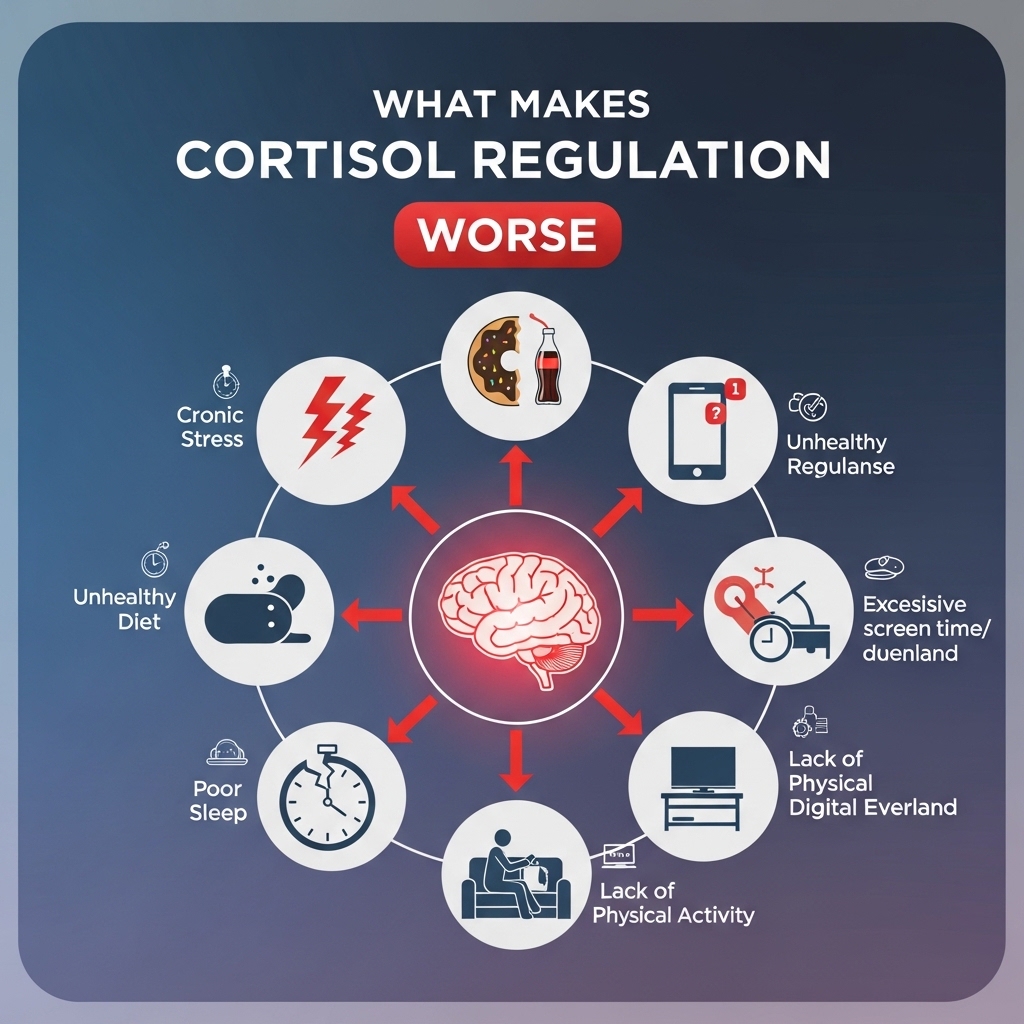
Severe calorie restriction can raise stress instead of lowering it. A study in Psychosomatic Medicine found that low-calorie dieting increased cortisol and perceived stress. That matters because many high-performing adults use food restriction to stay lean while already under heavy work stress.
Irregular eating also creates problems. Many professionals eat too little early in the day, then overeat late at night. That pattern can disturb blood sugar control and work against the body’s normal cortisol rhythm. It can also reduce sleep quality, which then feeds back into the stress system.
Highly processed food patterns add another layer of risk. Diets built around refined carbohydrates, snack foods, and convenience meals often lack fiber and nutrient density. They can raise inflammation, increase energy swings, and keep the body in a state of poor recovery. In that setting, cortisol detox becomes a repeated search instead of a solved problem.
READ ALSO: How Structured Nature Exposure Reduces Cortisol Load and Restores Cognitive Performance in Chronically Stressed Professionals
Sleep and Meal Timing are Part of the Equation
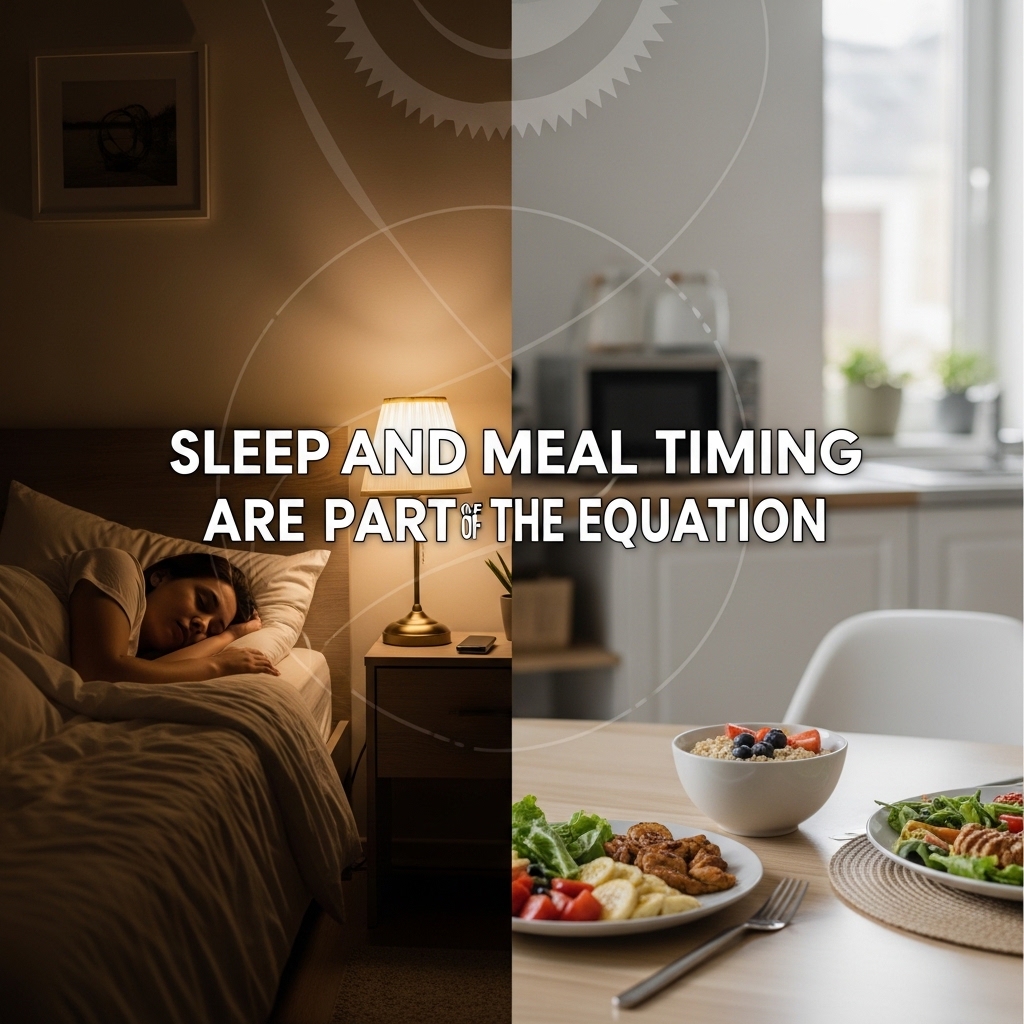
No serious article on cortisol detox can ignore sleep quality. Cortisol follows a circadian rhythm. When sleep becomes short, fragmented, or mistimed, that rhythm often changes. The result can include morning fatigue, poor recovery, and lower daytime focus.
The National Institutes of Health has reviewed the strong link between sleep, circadian timing, and cortisol release. That link matters for professionals who work across time zones, eat late, or extend work deep into the night. These habits do not just affect tiredness. They can shift hormonal timing in ways that harm performance.
Meal timing belongs in the same discussion. Late and irregular eating can work against both metabolic control and sleep efficiency. Earlier and more regular eating patterns may better support blood sugar control and circadian alignment. For a stressed executive, that matters because poor timing can keep the stress system active even when food quality improves.
READ ALSO: Emotional Intimacy Deficit as a Driver of Cortisol Dysregulation and Accelerated Biological Aging in Executives
What an evidence-based cortisol detox actually looks like

A real cortisol detox strategy does not begin with powders, juice cleanses, or extreme food rules. The evidence supports a different path. It supports a stable eating pattern, better carbohydrate quality, lower inflammatory load, and stronger alignment between food timing and sleep timing.
That means building meals around minimally processed foods and regular intake across the day. It means including vegetables, legumes, whole grains, quality protein, nuts, seeds, and healthier fats. It also means reducing patterns linked to chronic under-fueling, late-night overeating, and constant reliance on convenience food. These options align with evidence from Harvard T.H. Chan School of Public Health, the National Institutes of Health, and the American Heart Association.
For high-performing professionals, the most defensible next step is not detox language but structured review. Evidence-based options include examining meal timing, improving diet quality, reducing severe restriction, and checking whether sleep disruption or work stress is keeping cortisol patterns abnormal. When fatigue, high blood pressure, impaired glucose control, or falling mental performance persist, clinical evaluation becomes more useful than more aggressive detox behavior.