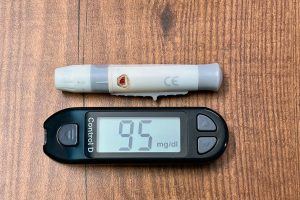
Sustained cognitive overload without adequate recovery produces measurable neurological consequences — among them, elevated cortisol, reduced hippocampal volume, and progressive degradation of prefrontal function. For professionals operating at high output across extended periods, the absence of genuine environmental recovery is not a lifestyle gap; it is a physiological liability. Emerging evidence positions structured nature exposure as a clinically relevant intervention for cortisol normalization, autonomic nervous system restoration, and attention recovery — outcomes with direct implications for executive performance and long-term cognitive healthspan.
The Neurological Case for Environmental Recovery

Chronic stress does not simply feel exhausting — it restructures the brain. Research from the National Institutes of Health links prolonged cortisol elevation to measurable reduction in hippocampal volume. This region governs memory consolidation and emotional regulation. Critically, this is not a temporary state. Without adequate recovery, these structural changes accumulate over time.
The prefrontal cortex — responsible for strategic thinking and impulse regulation — also degrades under sustained stress. When cortisol remains chronically elevated, prefrontal function narrows. As a result, executives and founders make decisions with compromised neural architecture, often without recognizing the deficit.
Nature exposure intervenes at this neurological level. Rather than providing distraction, it actively downregulates threat-detection systems. Consequently, the brain exits its state of sustained activation. That distinction matters clinically.
In other words, nature exposure is a recovery modality — not a leisure preference.
Attention Restoration Theory and Cognitive Recovery

One of the most rigorously studied frameworks here is Attention Restoration Theory, developed by environmental psychologists Rachel and Stephen Kaplan. Their research distinguishes between directed attention — the effortful focus professional environments demand — and involuntary attention, which natural environments engage without cognitive cost.
Directed attention fatigues. Extended high-stakes focus depletes the prefrontal resources professionals rely on most. Unlike passive entertainment, natural environments restore this system through a qualitatively different attentional mode. Specifically, one that requires no executive effort.
Studies building on the Kaplans' framework show that even brief nature exposure — 20 to 40 minutes — produces measurable improvements in working memory and cognitive flexibility. These are not marginal gains. Rather, they represent restoration of the cognitive capacities most critical to executive performance.
Consequently, nature exposure functions as directed-attention recovery — a precise intervention for a specific cognitive liability.
Cortisol Normalization Through Nature Exposure

Cortisol dysregulation ranks among the most consequential and least monitored health risks in high-performing professionals. Sustained elevation drives vascular inflammation, suppresses immune function, and accelerates biological aging at the cellular level. Managing cortisol output is, therefore, a direct longevity variable.
Research published in Frontiers in Psychology demonstrated that participants in natural environments showed significantly lower salivary cortisol than those in urban settings. Notably, the reduction appeared within 20 to 30 minutes. Furthermore, it was independent of physical activity levels.
This finding matters for professionals who conflate exercise with recovery. A high-intensity workout reduces cortisol through physiological adaptation. Nature exposure, by contrast, reduces cortisol by downregulating sympathetic arousal — a different pathway entirely.
Both mechanisms have value. Together, they address cortisol dysregulation more comprehensively than either strategy alone.
READ ALSO: Unresolved Early Failure Rewires Emotional Regulation and Accelerates Psychological Decline in High Performers
Autonomic Nervous System Restoration
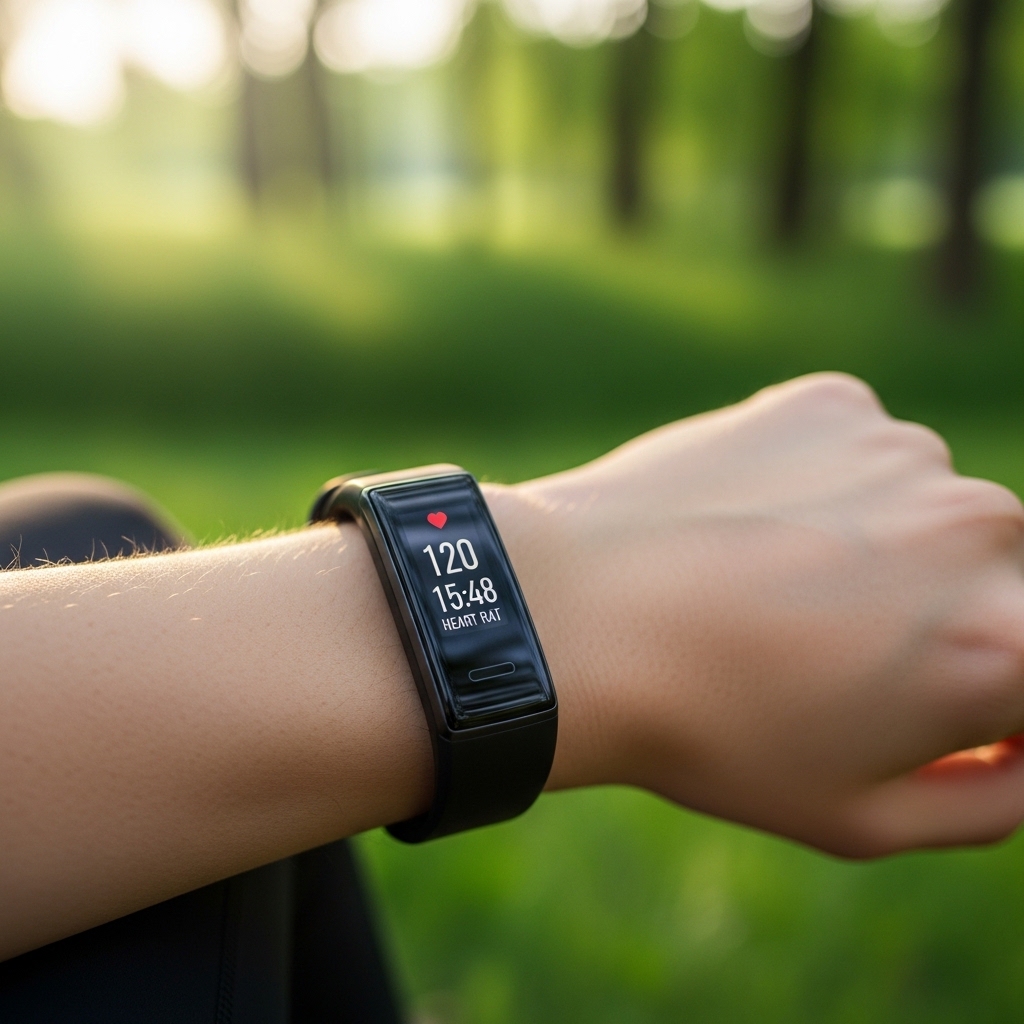
The autonomic nervous system governs the balance between sympathetic activation and parasympathetic recovery. Chronically elevated sympathetic tone compromises cardiovascular health, immune regulation, and sleep quality. Restoring this balance is foundational to physiological recovery.
Nature exposure reliably activates the parasympathetic branch. Heart rate variability (HRV) — a measurable index of autonomic balance — increases following nature exposure. Research from the University of Michigan found that participants in natural environments showed greater HRV improvements than urban walkers over equivalent durations.
HRV decline is among the earliest signals of accumulated physiological stress. Professionals tracking HRV through wearables often observe high-demand period impacts without understanding the recovery pathway. Importantly, nature exposure provides a direct, evidence-supported mechanism for restoring that balance.
This positions regular nature exposure as a measurable intervention for a quantifiable biomarker — not merely a wellness habit.
Inflammatory Markers and the Outdoor Environment
Chronic low-grade inflammation drives biological aging, cardiovascular disease, and cognitive decline. It is increasingly recognized as the primary mechanism through which psychological stress translates into physical disease risk. Managing inflammatory load is therefore central to longevity and sustained performance.
Research examining forest environments — known in Japan as Shinrin-yoku — has demonstrated measurable reductions in inflammatory markers following nature immersion. Studies published in Environmental Health and Preventive Medicine found decreases in pro-inflammatory cytokine levels after two-day forest protocols. Moreover, these effects persisted for up to 30 days.
The mechanism involves overlapping pathways. Phytoncides — airborne compounds released by trees — modulate immune function directly. Additionally, reduced sympathetic activation decreases cortisol-driven inflammatory signaling. Lower ambient noise further reduces the attentional demand that sustains stress physiology.
Together, these pathways make natural environments a multi-mechanism anti-inflammatory intervention.
READ ALSO: Existential OCD Feels Heavier Lately? Here’s Why
Sleep Quality as a Downstream Outcome

Sleep is the primary recovery mechanism for cognitive function, hormonal regulation, and cardiovascular repair. Professionals under chronic stress frequently report impaired sleep onset and fragmented sleep architecture. Specifically, they lose slow-wave and REM duration — the stages most essential to executive function.
Nature exposure improves sleep through several interconnected mechanisms. Cortisol normalization during the day enables the natural evening cortisol decline that sleep onset requires. Furthermore, autonomic restoration reduces the hyperarousal that delays sleep initiation.
Research from the University of Colorado found that outdoor exposure — even in urban green spaces — produced measurable advances in melatonin onset and sleep timing improvements. The effect was especially pronounced in individuals with circadian disruption from artificial light. That describes the majority of high-output professionals.
Improving sleep through environmental means addresses a root physiological variable. It does not merely suppress downstream symptoms.
The Dose-Response Relationship

Among the most practically relevant findings in nature-health research is the dose-response relationship. Specifically, health outcomes scale with frequency and duration of nature exposure up to a measurable threshold. This reflects a quantifiable physiological relationship — not a metaphor.
Research published in Scientific Reports, drawing on data from over 19,000 participants, found that individuals spending at least 120 minutes per week in natural environments reported significantly better health and wellbeing. By contrast, those spending less than 120 minutes showed minimal benefit. The plateau appeared around 200 to 300 minutes per week.
This evidence reframes nature exposure as a dosable intervention. A professional spending 20 minutes outdoors six days per week meets the evidence-based threshold. Moreover, the format — walking, sitting, or outdoor meetings — appears less critical than cumulative duration.
Knowing the threshold enables intentional integration rather than incidental or aspirational behavior.
Nature Exposure and Emotional Regulation

Emotional dysregulation in high-performing professionals produces measurable operational costs — impaired negotiation, degraded team trust, and reduced decision quality. The neurological basis is well-established. Sustained cortisol elevation and amygdala hyperactivation override prefrontal regulation capacity.
Nature exposure directly addresses this mechanism. By reducing amygdala activation and restoring prefrontal function, time outdoors rebuilds the neural substrate of emotional regulation. Research from Stanford University found that nature walkers showed reduced rumination and decreased activity in the subgenual prefrontal cortex — a region linked to repetitive negative thought patterns.
Reduced rumination translates directly into professional performance. The mental bandwidth consumed by stress-related thought loops becomes available for strategic thinking and interpersonal attunement when those loops diminish.
Nature exposure, therefore, produces cognitive and emotional gains that compound with consistent practice.
READ ALSO: Chronic Urgency Dysregulates Cortisol and Accelerates Executive Burnout Over Time
Urban Green Space as a Viable Substitute

Access to wilderness is not a realistic daily option for most urban-based professionals. The research, however, supports urban green space — parks, tree-lined corridors, and waterfronts — as a physiologically effective substitute for remote natural settings.
A systematic review published in The Lancet Planetary Health found that urban green space access correlated with lower all-cause mortality and reduced cardiovascular disease risk. The key variables were proximity and regularity of access — not wilderness remoteness.
This evidence removes the geographic barrier from nature-based recovery. A 20-minute urban park walk, taken consistently and intentionally, produces measurable cortisol reduction and attentional recovery within the evidence-based dose range.
For urban-based professionals, therefore, the limiting factor is not access. It is prioritization.
Cognitive Performance and Creativity

Beyond stress reduction, nature exposure produces specific improvements in the cognitive capacities most relevant to high-performing professionals. Research published in PLOS ONE found that participants in a natural environment for four days — without digital technology — performed 50% better on creative problem-solving tasks than controls. Directed-attention restoration drove the effect.
Creativity and strategic insight depend on default mode network activation. This is the brain network active during unfocused, internally directed cognition. Digital and urban environments consistently suppress this network through constant attentional demand. Natural environments, by contrast, allow it to activate.
This finding has direct implications for how professionals approach high-stakes thinking. Deliberate nature exposure before cognitively demanding sessions may enhance strategic output quality — not merely the subjective sense of recovery.
The mechanism is neurological. The outcome is measurable. And the input is accessible.
Evidence-Based Options for Integration

The evidence identifies several accessible pathways worth examining. Spending a minimum of 120 minutes per week in natural or green environments — distributed across multiple sessions — aligns with the dose-response threshold in large-scale population research. Additionally, morning outdoor exposure supports circadian entrainment and cortisol rhythm normalization. Professionals tracking HRV may find nature walks a reliable autonomic recovery protocol following high-demand periods. Forest immersion — even a single overnight exposure — produces inflammatory marker reductions persisting for weeks. For urban professionals, consistent park or waterfront access meets the evidence threshold. Ultimately, format matters less than frequency and intention.
UP NEXT: Chronic Comparison Sustains Cortisol Dysregulation and Accelerates Stress-Related Health Deterioration in High Performers
Chronic nature deficit — sustained absence of restorative outdoor exposure — maintains cortisol dysregulation, elevates inflammatory markers, and accelerates telomere attrition, each of which are measurable pathways through which psychological stress translates into biological aging beyond chronological age. WholeLiving's Biological Age Estimation Model incorporates this factor directly — your assessment takes under five minutes.
Ready to understand how these factors are influencing your biological age right now? [Take the Biological Age Assessment →]