
Chronic loneliness is not a soft emotional complaint. It is a measurable physiological stressor. The consequences span executive function, immune resilience, and cardiovascular health. High-performing professionals operating across remote teams face a silent risk: emotional disconnection that elevates cortisol and disrupts sleep architecture. Over time, this accelerates biological aging at the cellular level. Emerging behavioral research now identifies intentional digital gestures as low-friction interventions capable of attenuating loneliness-driven inflammatory markers without requiring geographic proximity.
The Physiology Behind Loneliness

Loneliness activates the same neurological threat-response pathways as physical danger. The brain interprets social isolation as a survival risk. This triggers the hypothalamic-pituitary-adrenal axis, releasing cortisol and priming the body for threat response. Over time, this chronic activation produces measurable physiological damage.
Research from the University of Chicago, led by psychologist John Cacioppo, demonstrated that lonely individuals show significantly elevated overnight cortisol levels compared to socially connected peers. Elevated cortisol disrupts glucose regulation, suppresses immune function, and accelerates cellular aging. These are not abstract risks. They are quantifiable outcomes with direct relevance to professional performance and longevity.
Beyond cortisol, loneliness also increases systemic inflammation. The body up-regulates pro-inflammatory gene expression in response to perceived social threat. This inflammatory shift connects directly to cardiovascular disease risk, cognitive decline, and metabolic dysfunction — all of which compound over time without targeted intervention.
The cumulative physiological burden of chronic loneliness rivals that of smoking fifteen cigarettes per day, according to research published by Brigham Young University epidemiologist Julianne Holt-Lunstad. That figure reframes loneliness from a personal struggle into a clinical risk factor that demands structured management.
Why Remote Professionals Carry Disproportionate Risk

Executives and founders operating across distributed teams face a structural loneliness risk that office-based professionals do not. Geographic separation removes the informal relational contact that buffers stress in co-located environments. Corridor conversations, shared meals, and ambient social presence all contribute to parasympathetic nervous system regulation. Remote work eliminates most of these inputs.
This gap does not resolve itself through productivity. High workload can mask loneliness by filling time, but it does not address the underlying neurological deficit. The absence of relational input continues to drive cortisol elevation and inflammatory signaling regardless of professional engagement or output.
Leadership roles compound this further. Executives often operate within social environments where authentic emotional expression is constrained by professional dynamics. This creates a specific form of relational isolation — social contact without genuine connection — which research suggests may carry similar physiological consequences to full social isolation.
The result is a population of high-functioning professionals who are relationally undernourished while appearing externally connected. Addressing this requires deliberate behavioral strategies, not passive expectation that connection will occur organically.
What the Research Says About Digital Connection

A growing body of behavioral science now examines whether digital interaction meaningfully substitutes for in-person contact at a neurological level. The evidence is more supportive than early skepticism suggested. Digital communication activates overlapping social reward pathways in the brain, particularly when interaction carries perceived sincerity and intentionality.
Research published in the journal Proceedings of the National Academy of Sciences found that even brief positive digital interactions reduce self-reported loneliness and attenuate stress markers in isolated individuals. The mechanism appears to hinge on perceived social acknowledgment — the sense that another person has actively directed attention and care toward the recipient.
This distinction matters clinically. Passive digital exposure — scrolling social media, monitoring group chats — does not produce the same neurological effect. Active, directed gestures that signal personal recognition generate a meaningfully different physiological response. The brain registers intentional acknowledgment differently from ambient digital noise.
These findings shift the conversation from whether digital interaction works to how it must be structured to produce measurable benefit. Format, frequency, and perceived sincerity all influence outcomes. This gives professionals a concrete framework for action rather than a vague directive to stay connected.
READ ALSO: Bear Hug Effect: Softness That Stays With You
The Role of Micro-Gestures in Stress Physiology

Micro-gestures are brief, targeted acts of social acknowledgment — a short message, an audio note, a digital image conveying warmth. Their physiological relevance lies in their capacity to interrupt the cortisol feedback loop that chronic loneliness sustains. Even small inputs of perceived connection can modulate HPA axis activity.
The National Institutes of Health have funded research exploring how low-effort social behaviors influence stress biomarkers in isolated populations. Findings consistently support the idea that frequency and consistency of positive social signals matter more than the duration or elaboration of any single interaction. Brief daily contact outperforms infrequent extended contact in sustaining relational health markers.
This has direct implications for professionals with compressed schedules. A sixty-second directed gesture — sent with clear intention — can produce a neurological effect disproportionate to its time cost. This makes micro-gestures a high-efficiency behavioral intervention rather than a sentimental indulgence.
The key variable is intentionality. A generic message produces minimal neurological effect. A gesture that references shared context, names the recipient's situation, or expresses specific acknowledgment activates social reward circuitry more reliably. Precision, not volume, drives the outcome.
Virtual Hugs as a Distinct Behavioral Signal
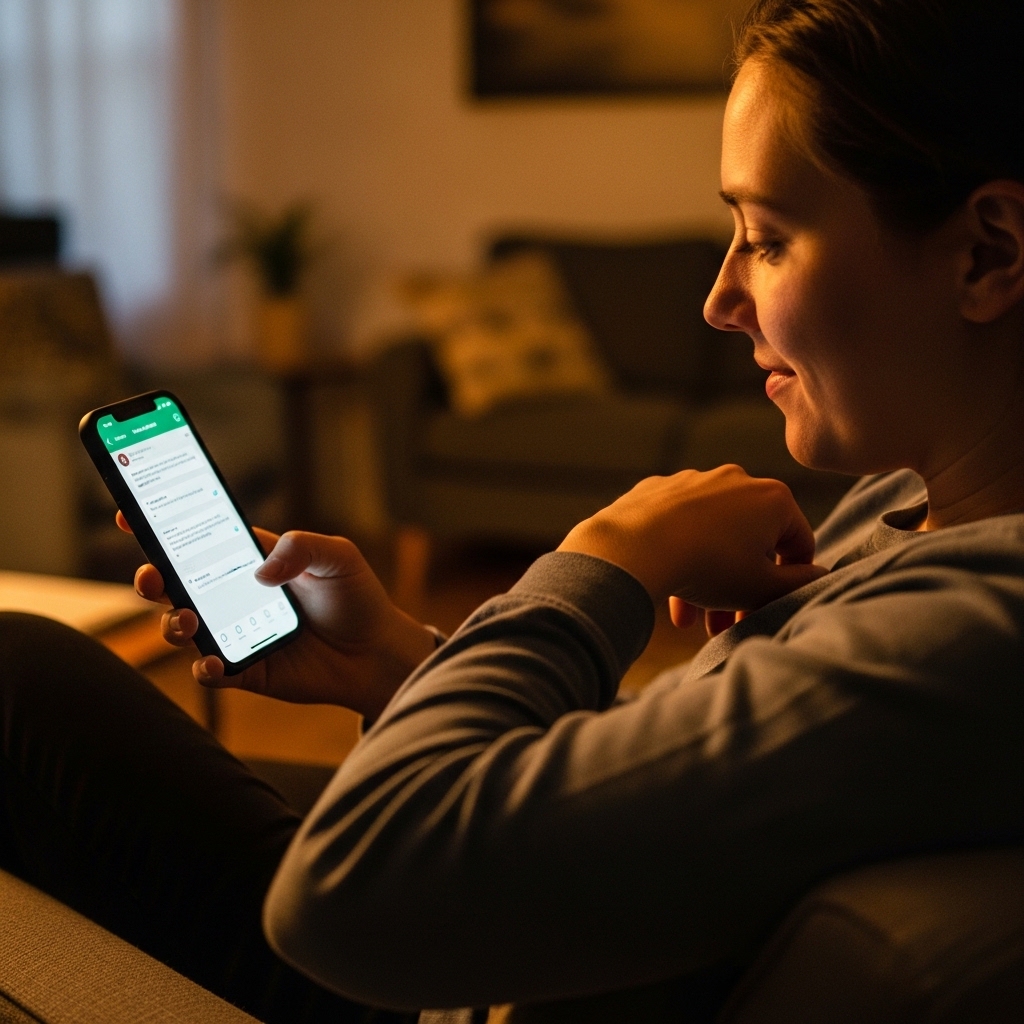
Within the category of micro-gestures, virtual hugs occupy a specific functional role. They communicate physical warmth symbolically, activating associations with tactile comfort even in the absence of physical contact. This symbolic activation is not trivial. The brain's social processing networks respond to represented touch as well as actual touch, though with attenuated intensity.
Neuroscientific research into embodied cognition supports this mechanism. Mental simulation of physical comfort — whether through imagery, language, or symbolic gesture — engages overlapping neural circuits with direct physical experience. The overlap is incomplete, but it is measurable and clinically relevant in the context of loneliness mitigation.
For remote professionals, virtual hugs function as a low-barrier signal of relational priority. They communicate that the sender has paused their professional context to direct care toward a specific individual. This act of deliberate attention — however brief — registers as meaningful social acknowledgment within the recipient's threat-appraisal system.
Consistent use of these gestures across a relational network builds what behavioral scientists call perceived social support. This construct — the belief that others are available and willing to provide care — independently predicts lower cortisol, better sleep quality, and reduced cardiovascular risk, even when actual support is not actively needed.
READ ALSO: Platonic Relationships: A Guide to Strong Friendships
Inflammatory Markers and Relational Behavior

Systemic inflammation responds to relational quality, not just physical inputs like diet and exercise. This connection operates through multiple pathways, including autonomic nervous system tone, cytokine regulation, and neuroendocrine signaling. Relational behavior is, in this sense, a biological input with measurable downstream consequences.
The Harvard Study of Adult Development — one of the longest-running longitudinal studies on human wellbeing — found that relationship quality predicted inflammatory biomarker levels and physical health outcomes more reliably than many conventional health variables. Participants with stronger perceived social connection maintained lower levels of C-reactive protein and interleukin-6 across decades of follow-up.
Digital gestures that sustain perceived connection therefore function as indirect anti-inflammatory inputs. They do not replace sleep, nutrition, or exercise in this role. They operate as a complementary behavioral lever that influences the same downstream biology through a different mechanism.
For professionals who already optimize physical health inputs, relational behavior represents an underutilized variable with documented physiological impact. Integrating it deliberately into daily practice addresses a gap that physical optimization alone cannot close.
Cognitive Performance and Social Connection

Cognitive performance declines measurably under conditions of chronic loneliness. Executive function, working memory, and processing speed all show sensitivity to social isolation in both cross-sectional and longitudinal research designs. The mechanism involves both cortisol-mediated hippocampal stress and reduced prefrontal cortex activation in social reward processing.
For professionals whose output depends on sustained cognitive performance, this is a direct operational risk. Loneliness-related cognitive impairment does not announce itself with obvious symptoms. It manifests as reduced decision-making efficiency, lower creative output, and diminished capacity for nuanced interpersonal judgment — all of which erode leadership effectiveness.
Maintaining relational contact through structured digital gestures contributes to preserving cognitive function by sustaining social reward activation and moderating cortisol-driven hippocampal stress. This is not a replacement for clinical intervention when cognitive decline is present. It is a preventive behavioral input operating within the normal range of relational health management.
The cumulative effect of consistent micro-gestures across a professional network builds a social infrastructure that buffers cognitive performance over time. Each individual gesture matters less than the pattern they collectively establish.
Sleep Architecture and the Loneliness Connection

Sleep quality degrades under chronic loneliness through a well-documented pathway. Elevated cortisol delays sleep onset, reduces slow-wave sleep duration, and increases nighttime arousal frequency. The result is sleep that is technically sufficient in duration but architecturally compromised in restorative quality.
Research from the University of California, Berkeley has demonstrated that socially isolated individuals show measurable reductions in slow-wave sleep compared to socially connected counterparts, independent of other sleep hygiene variables. This finding implicates relational quality as a direct upstream determinant of sleep architecture.
For executives managing cognitive-intensive schedules, sleep architecture degradation compounds quickly. Reduced slow-wave sleep impairs memory consolidation, growth hormone secretion, and immune recovery — all of which have downstream consequences for performance and biological aging.
Digital gestures that reduce perceived loneliness therefore carry indirect benefits for sleep quality. By attenuating the cortisol signal that disrupts sleep onset and architecture, consistent relational contact functions as a behavioral input that supports recovery — a variable that no supplement or sleep hygiene protocol can fully compensate for when its relational antecedent is absent.
READ ALSO: What Does Intimacy Mean in a World That’s Always On?
Frequency, Consistency, and Relational Infrastructure

Single gestures produce transient effects. Sustained relational contact produces structural change in perceived social support, autonomic nervous system tone, and inflammatory baseline. The clinical benefit of digital micro-gestures therefore depends on consistency, not occasional intensity.
Behavioral research supports a frequency-over-magnitude principle in relational maintenance. Regular brief contact sustains perceived connection more effectively than infrequent elaborate gestures. This pattern aligns well with the operational constraints of high-performing professionals, who can rarely allocate extended time to relational investment but can sustain brief daily contact with low friction.
Building this into structured daily practice — rather than relying on spontaneous impulse — increases adherence and produces more consistent physiological benefit. Professionals who schedule relational contact with the same intentionality they apply to training or nutrition tend to sustain the behavior more reliably over time.
The relational infrastructure built through consistent micro-gestures also generates reciprocal contact from others. This reciprocity amplifies the perceived social support effect, creating a self-reinforcing network of low-cost, high-impact relational inputs that benefit all participants.
Measuring What Matters
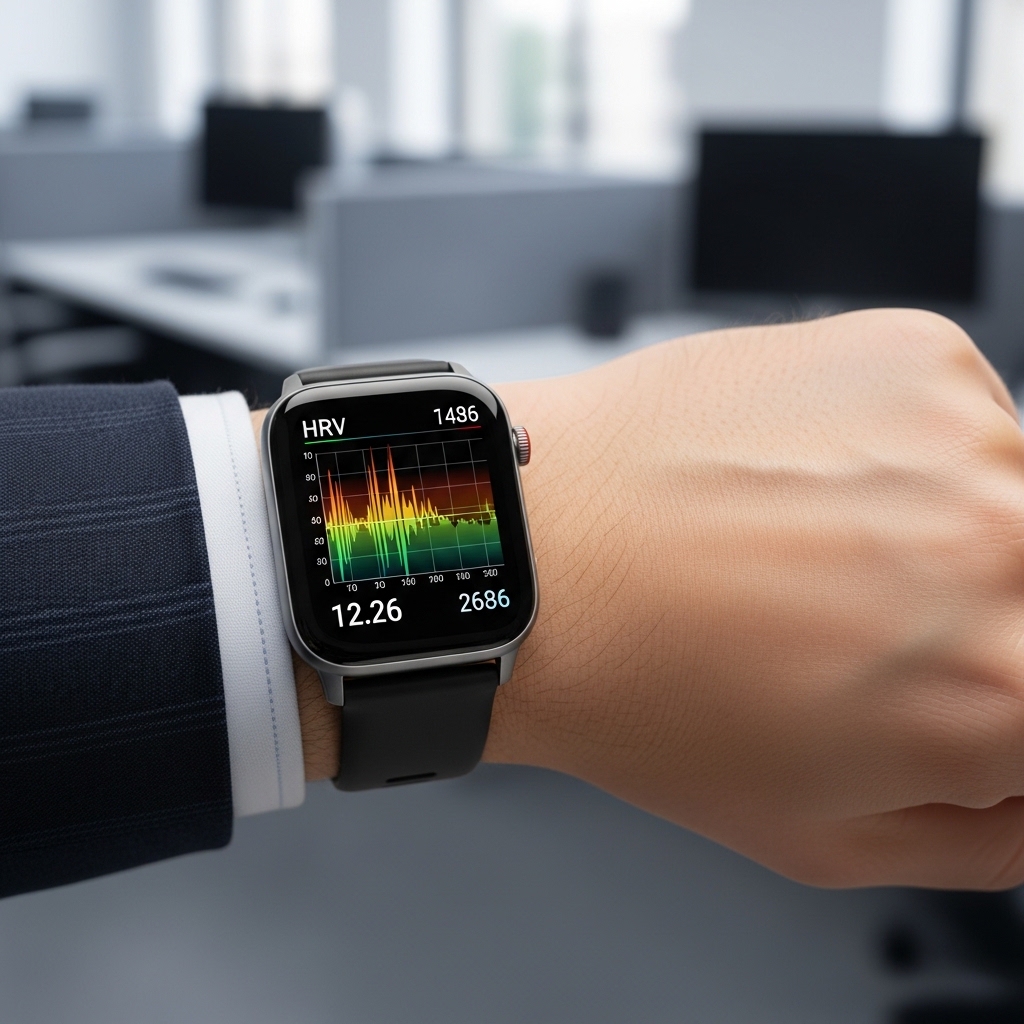
Professionals accustomed to tracking performance variables can apply the same framework to relational health. Perceived social support, loneliness scale scores, and inflammatory markers such as C-reactive protein and interleukin-6 are all measurable. Tracking these alongside conventional health metrics provides a more complete picture of longevity risk.
Wearable data offers indirect proxies. Heart rate variability — a sensitive marker of autonomic nervous system balance — responds to relational quality and can be monitored continuously. HRV suppression in the context of otherwise optimized physical health may signal an unaddressed relational deficit worth investigating.
Sleep tracking data provides another indirect window. Consistent reductions in slow-wave sleep duration, absent other explanatory variables, warrant examination of relational and social inputs alongside conventional sleep hygiene factors.
Integrating relational behavior into a broader performance monitoring framework reframes it as a trackable health variable rather than an abstract personal priority. This reframing supports sustained behavioral change in populations accustomed to evidence-driven decision-making.
Evidence-Based Options for the Practicing Professional

Research supports several low-friction behavioral strategies for professionals seeking to address loneliness-driven physiological risk. Scheduling brief daily directed contact — distinct from work communication — sustains perceived social support more effectively than unstructured social media use. Prioritizing intentional, personalized gestures over generic check-ins produces stronger neurological acknowledgment responses. Tracking heart rate variability and sleep architecture alongside conventional health metrics can surface relational deficits before they produce overt performance consequences. For those whose loneliness is chronic or severe, clinical support from a psychologist or psychiatrist with expertise in social health remains the appropriate primary intervention. Digital micro-gestures function as a complementary behavioral input within a broader relational health strategy, not a standalone treatment.
UP NEXT: What Are Intimate Relationship: Insights to Nurture Closeness
Chronic loneliness elevates inflammatory markers, disrupts sleep architecture, and sustains cortisol output at levels research associates with measurable acceleration of cellular aging — effects that consistent, intentional digital connection has been shown to partially attenuate. WholeLiving's Biological Age Estimation Model incorporates this factor directly — your assessment takes under five minutes.
Ready to understand how these factors are influencing your biological age right now? [Take the Biological Age Assessment →]