For high-performing professionals, the ability to regulate emotions directly impacts both short-term performance and long-term health. Chronic emotional dysregulation increases cortisol levels, which has been linked to accelerated biological aging, cognitive decline, and cardiovascular risk. Studies show that poor emotion regulation contributes to sustained stress, impeding decision-making and reducing mental clarity—critical factors for success in high-pressure environments. Managing emotions effectively enhances resilience, sharpens focus, and supports overall well-being, making emotion regulation a key component in optimizing both performance and longevity.
The Physiological Impact of Emotion Regulation

Emotion regulation is essential for both mental and physical health, particularly for high-performing professionals. Unregulated emotions lead to stress responses, raising cortisol levels, which can negatively impact health. Chronic cortisol elevation links to cardiovascular disease, cognitive decline, and metabolic problems. Studies from the Framingham Heart Study show that prolonged cortisol exposure increases blood pressure and inflammation, accelerating biological aging. Emotion regulation helps control these stress responses, reducing harmful effects and supporting long-term health.
Regulating emotions also supports cognitive function. Research in Nature Neuroscience found that individuals who regulate emotions effectively perform better on memory and attention tasks. In contrast, high cortisol levels impair focus, making it harder to make decisions. Professionals who regulate emotions experience less cognitive fatigue, leading to better decision-making and enhanced work performance.
Moreover, emotion regulation helps with metabolic health. High cortisol levels disrupt glucose metabolism, increasing the risk of insulin resistance. Managing emotions effectively can prevent these disruptions, supporting better metabolic function and overall productivity.
Emotion Regulation and Sleep Quality
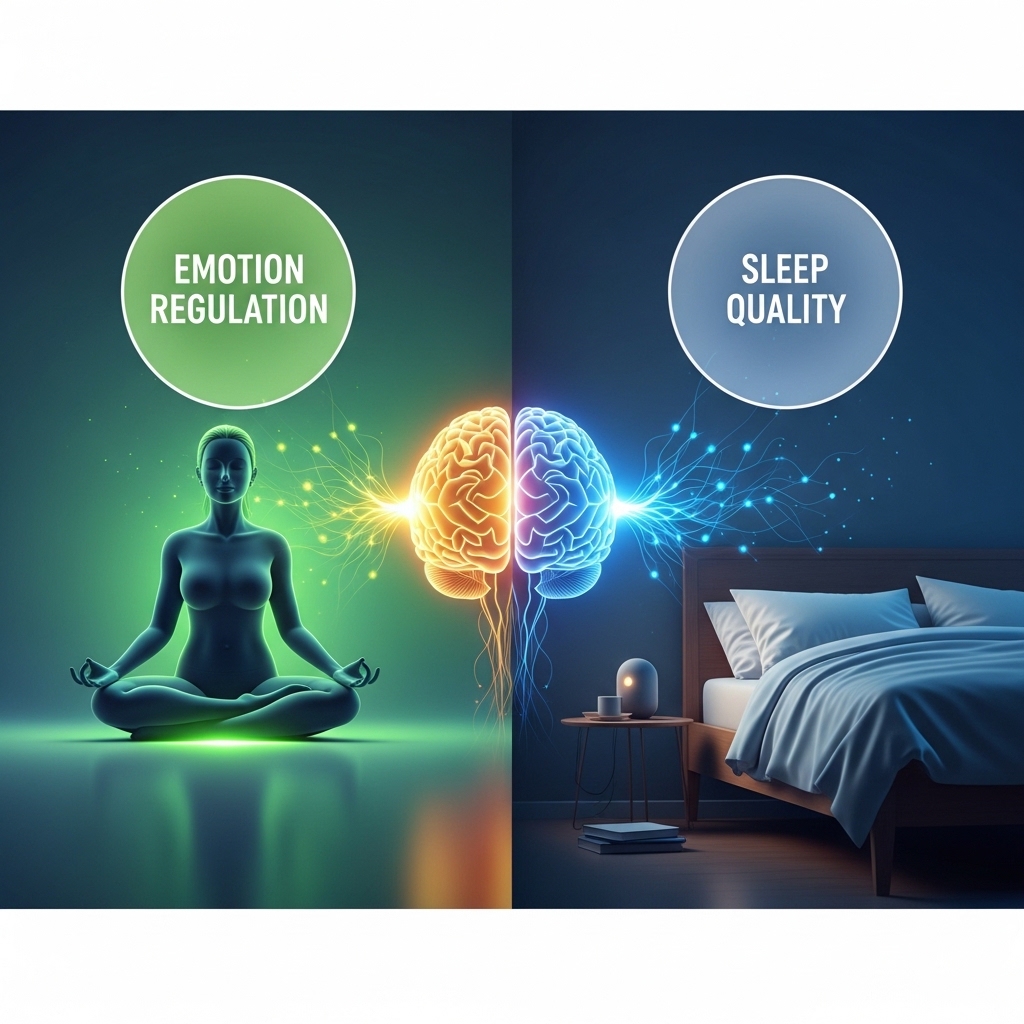
Sleep quality is crucial for recovery and cognitive performance. Poor emotion regulation disrupts sleep by increasing cortisol production. Studies in Sleep Medicine Reviews show that emotional distress from unresolved stress or conflict leads to insomnia and fragmented sleep. This negatively affects cognitive function, mood, and productivity, which are critical for professionals.
The link between emotion regulation and sleep disruption is well-documented. A study from the American Academy of Sleep Medicine showed that those with high cortisol levels have trouble falling asleep and staying asleep. Sleep deprivation worsens decision-making and lowers productivity. The negative effects of poor sleep also impact physical health by impairing cellular repair and regeneration.
Professionals who regulate their emotions effectively sleep better. Reduced stress improves sleep quality, which enhances cognitive performance and ensures emotional stability. Sleep supports physical recovery, mental clarity, and productivity—key for professionals under pressure.
The Role of Emotion Regulation in Cardiovascular Health
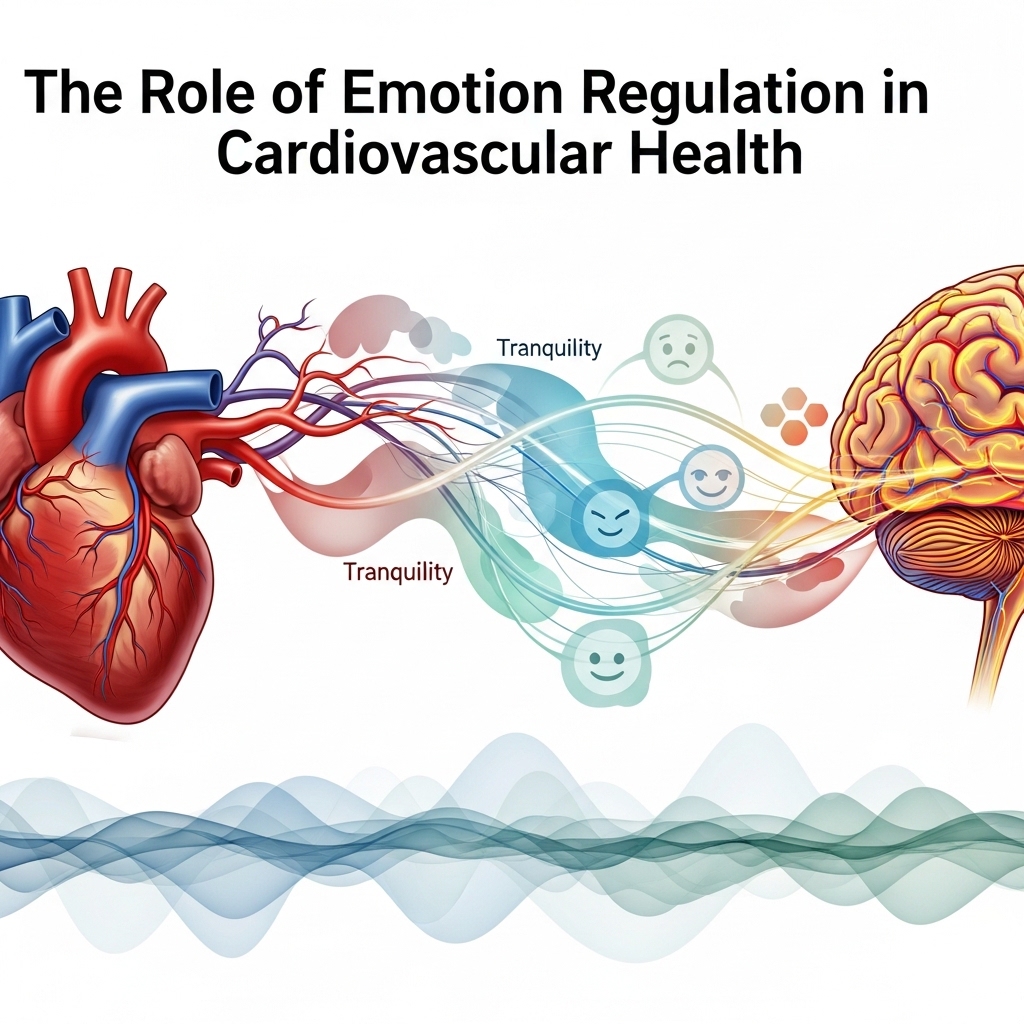
Emotion regulation plays a vital role in protecting cardiovascular health. High stress levels, resulting from poor emotion regulation, trigger the “fight or flight” response, raising heart rate and blood pressure. Research in The Journal of the American College of Cardiology confirms that sustained emotional stress increases the risk of cardiovascular events like heart disease and stroke. Chronic stress causes vasoconstriction and higher blood pressure, both contributing to heart disease.
Emotion regulation helps professionals maintain better cardiovascular health by reducing the body’s stress response. A study in Psychosomatic Medicine found that practicing emotion regulation through mindfulness or cognitive reappraisal led to lower blood pressure. Lower blood pressure reduces the risk of heart disease, ensuring long-term heart health.
Professionals who manage emotions well lower their cardiovascular risk. Emotion regulation reduces inflammation and keeps blood pressure in check, promoting better cardiovascular health. This leads to more energy, reduced stress, and improved physical performance.
READ ALSO: Emotional Ambivalence, Cortisol Dysregulation, and the Cognitive Cost of Unresolved Internal Conflict
Cognitive Performance and Emotion Regulation
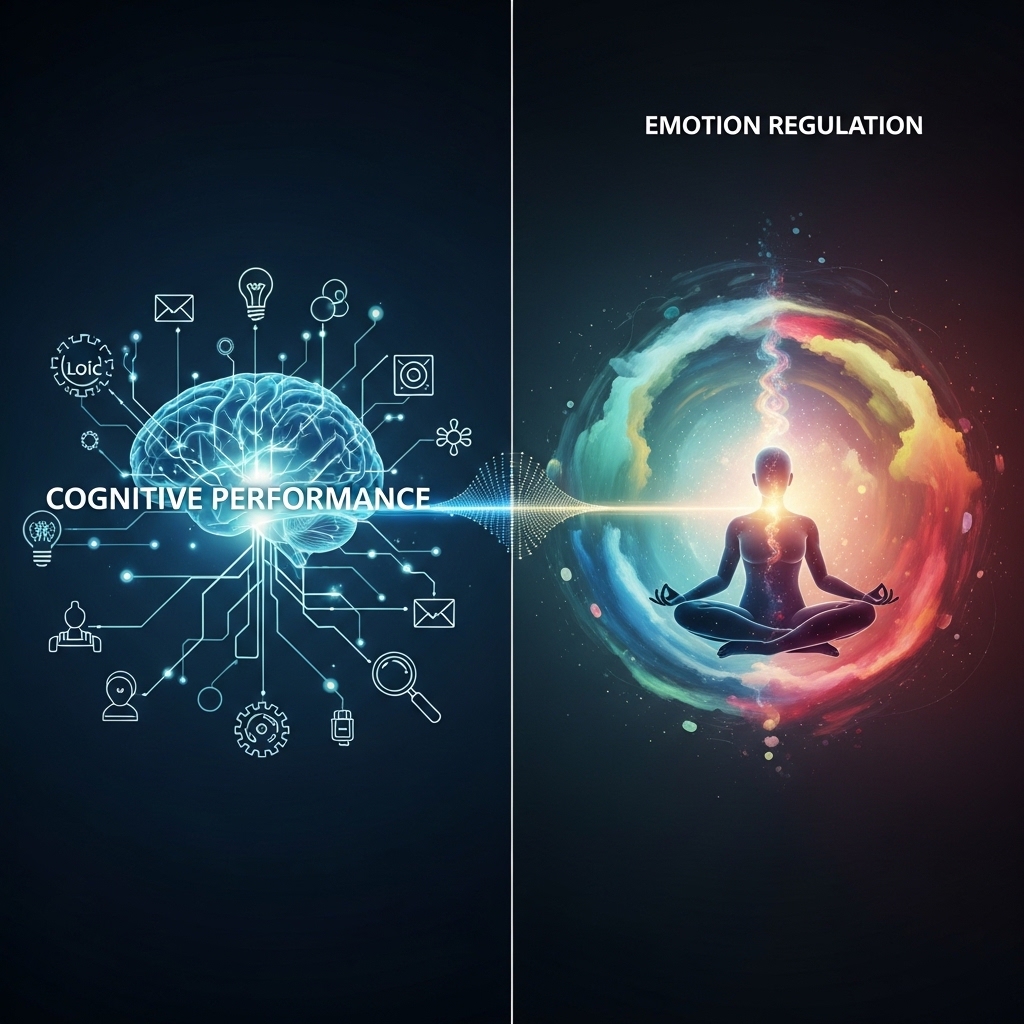
Emotion regulation directly affects cognitive performance. When emotions are unmanaged, they drain mental resources, leaving professionals mentally fatigued. Studies in The Journal of Neuroscience show that stress impairs cognitive function, leading to difficulties in concentration, memory, and decision-making. Elevated cortisol levels make it harder to stay mentally sharp, a significant drawback for high-level professionals.
Professionals who regulate their emotions preserve their cognitive resources. Research in Psychological Science found that emotion regulation improves decision-making and enhances cognitive flexibility. Professionals who can control emotional responses maintain focus, manage complex tasks effectively, and avoid cognitive bottlenecks that result from stress.
By practicing emotion regulation, professionals can conserve mental energy and improve performance. Regulating emotions also reduces decision fatigue, allowing for clearer thinking and better decision-making, which is essential for success in demanding environments.
READ ALSO: Emotional Damage: Understanding and Healing with Care
The Long-Term Benefits of Emotion Regulation for Longevity
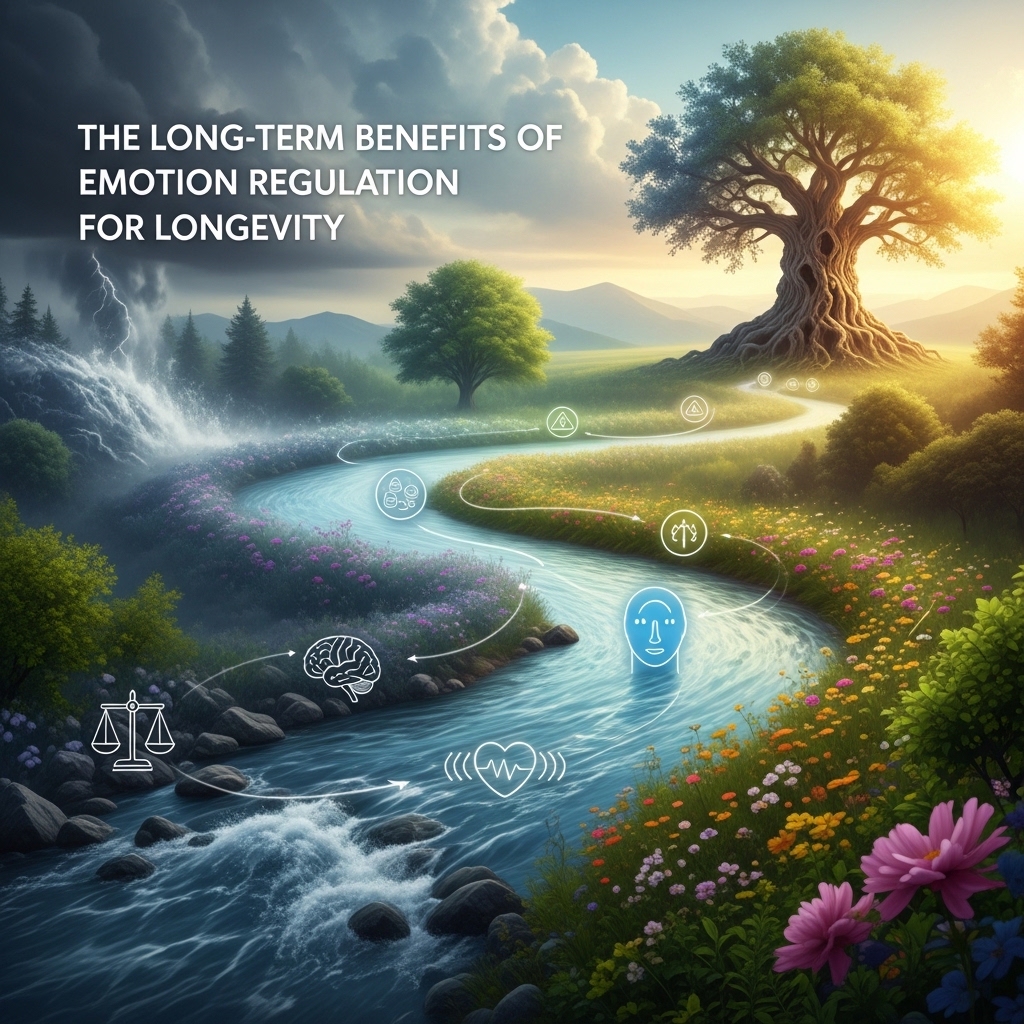
Effective emotion regulation not only impacts immediate performance but also contributes to long-term health and longevity. Chronic stress accelerates biological aging by increasing cortisol, which causes cellular damage. Research in The Lancet shows that managing stress through emotion regulation can slow biological aging and reduce the risk of chronic diseases. This leads to a longer, healthier life and greater productivity over time.
Emotion regulation also boosts immune function. Studies in Psychological Science show that individuals who manage their emotions effectively have stronger immune systems and are less prone to illness. This is crucial for professionals who need to maintain health and resilience in high-pressure environments.
Regulating emotions contributes to better quality of life. It helps reduce anxiety, depression, and emotional exhaustion, which improves overall well-being and supports professional success. By managing emotions, professionals protect their health and ensure long-term longevity, both personally and professionally.
READ ALSO: Emotional Projection: A Gentle Guide to Self-Reflection
Practical Steps for High-Performing Professionals
High-performing professionals can enhance their emotion regulation by practicing mindfulness and stress-reduction techniques. Meditation and deep breathing exercises can help reduce immediate stress responses and provide clarity in emotionally charged situations. Cognitive reappraisal, or reframing stressful situations, can help professionals view challenges in a more neutral or positive light, reducing emotional distress.
Developing emotional intelligence (EQ) is another effective strategy. High EQ improves self-awareness, empathy, and communication, all of which are essential for managing emotions in both personal and professional settings. Regular practice of emotion regulation techniques can reduce stress and improve decision-making, leading to better performance and well-being.
Additionally, maintaining a healthy lifestyle, including regular physical exercise and adequate sleep, supports emotional regulation. These habits reduce stress and help professionals stay grounded, resilient, and focused.
UP NEXT: Optimizing Relationship Health: How Emotional Intelligence Impacts Longevity and Professional Performance
Chronic emotional stress can accelerate biological aging by elevating cortisol levels, which increases inflammation and speeds up cellular aging. WholeLiving's Biological Age Estimation Model incorporates this factor directly — your assessment takes under five minutes.
Ready to understand how these factors are influencing your biological age right now? [Take the Biological Age Assessment →]