Emotional ambivalence — the simultaneous experience of conflicting emotional states — carries measurable physiological consequences that high-performing professionals systematically underestimate. Unresolved mixed emotion activates competing neural circuits within the prefrontal cortex and amygdala, producing sustained hypothalamic-pituitary-adrenal (HPA) axis dysregulation and chronically elevated cortisol. Research in psychoneuroimmunology links this pattern to accelerated telomere shortening, a direct biomarker of biological age acceleration. For executives and founders operating under sustained cognitive load, emotional ambivalence is not a psychological inconvenience — it is a measurable physiological stressor with direct implications for decision-making accuracy, cardiovascular health, and long-term cognitive resilience.
The Neuroscience of Conflicting Emotional States
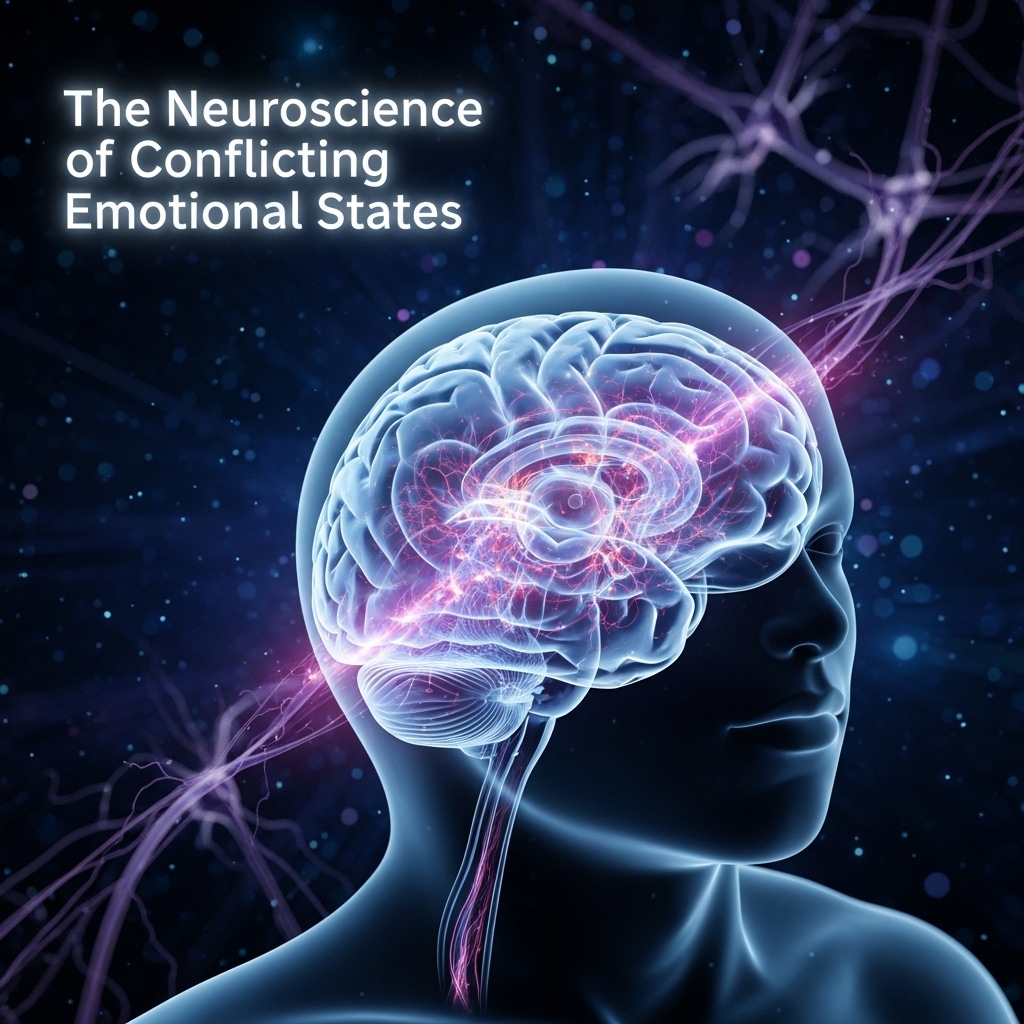
Mixed emotion is not a sign of weakness. It is a real brain process that happens when a person feels two strong emotions at the same time.
When that happens, the prefrontal cortex and amygdala stay active together. As a result, the brain has fewer resources for focus, memory, and careful thinking.
Because of that, even simple choices can feel heavier. For professionals, this hidden mental strain can slowly reduce sharp judgment and steady performance.
Cortisol Dysregulation and the HPA Axis Response
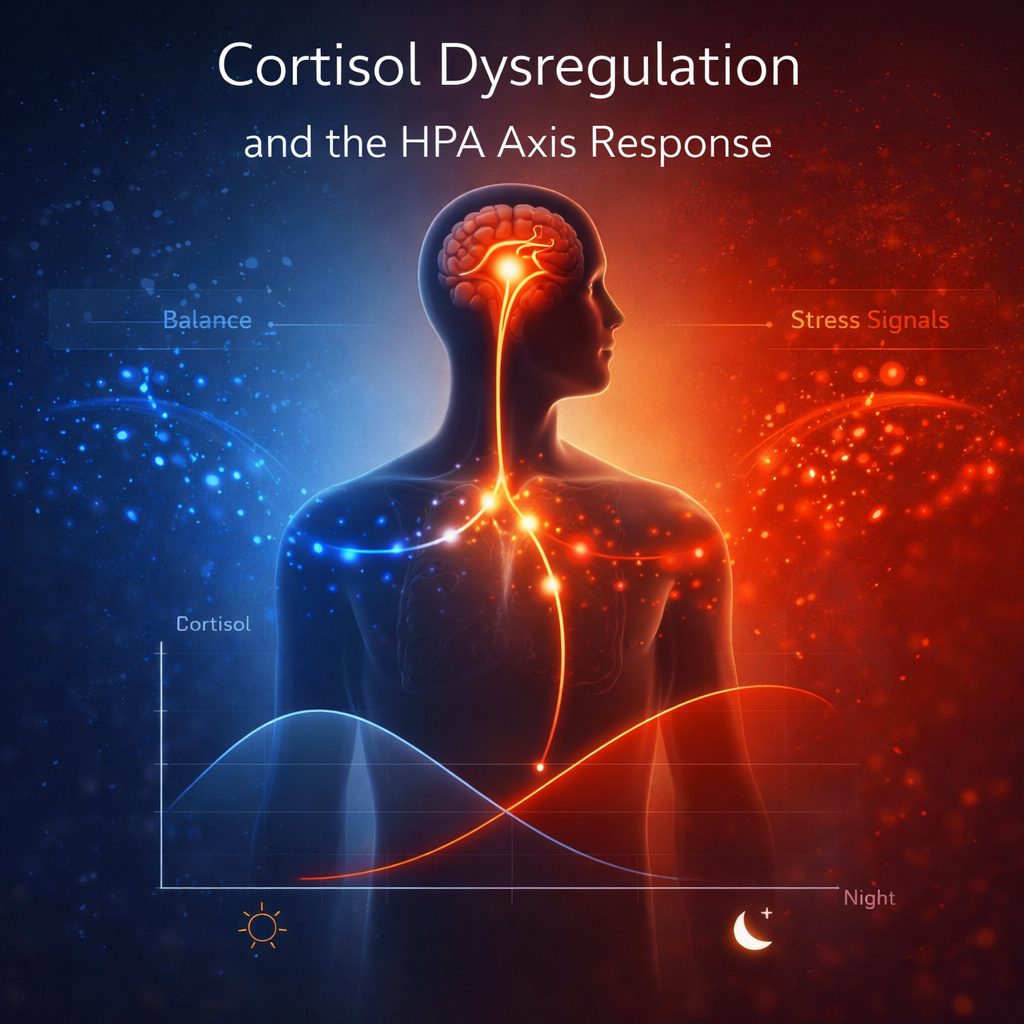
The HPA axis reacts to emotional conflict much like it reacts to physical danger. So when mixed emotion lasts for a long time, cortisol patterns can start to shift.
Instead of a healthy rhythm, the body may show lower cortisol in the morning and higher cortisol at night. Over time, that pattern can push the body toward faster biological aging.
This stress response also affects memory. In addition, long-term cortisol imbalance can make it harder to learn, adapt, and stay mentally flexible under pressure.
Telomere Length and Biological Age Acceleration
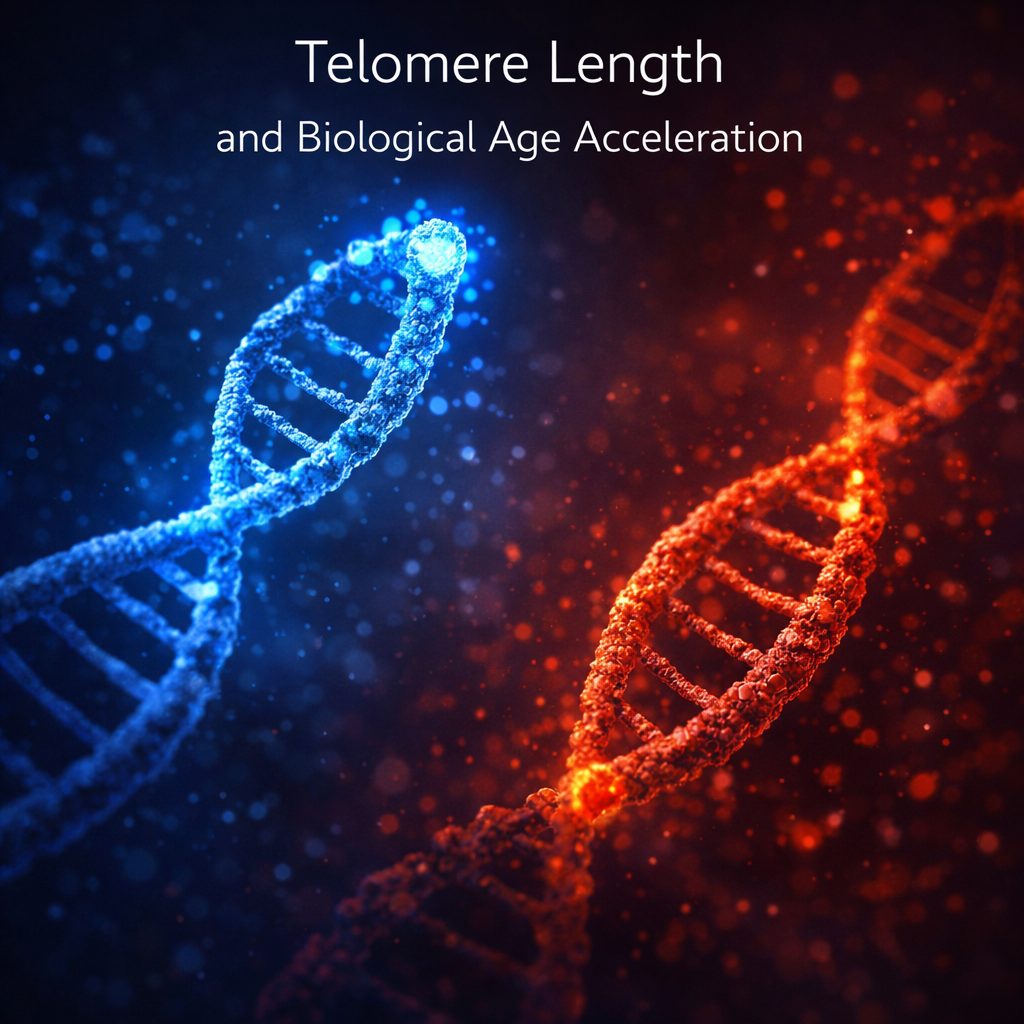
Telomeres protect the ends of DNA. However, they get shorter over time, especially when the body stays under stress.
That matters because shorter telomeres often point to an older biological age. In other words, the body may age faster than the calendar shows.
Chronic emotional stress can also affect telomerase, the enzyme that helps protect telomeres. So unresolved mixed emotion may play a direct role in long-term aging at the cellular level.
Cardiovascular Effects of Ongoing Emotional Conflict

The heart and blood vessels respond quickly to emotional stress. When mixed emotion stays unresolved, the autonomic nervous system can become less stable.
As a result, heart rate variability may drop. Lower HRV often signals that the body has a harder time shifting between stress and recovery.
At the same time, low-grade inflammation can rise. So emotional conflict does not stay in the mind alone. It can also place extra strain on cardiovascular health.
Sleep Disruption and the Overnight Recovery Problem
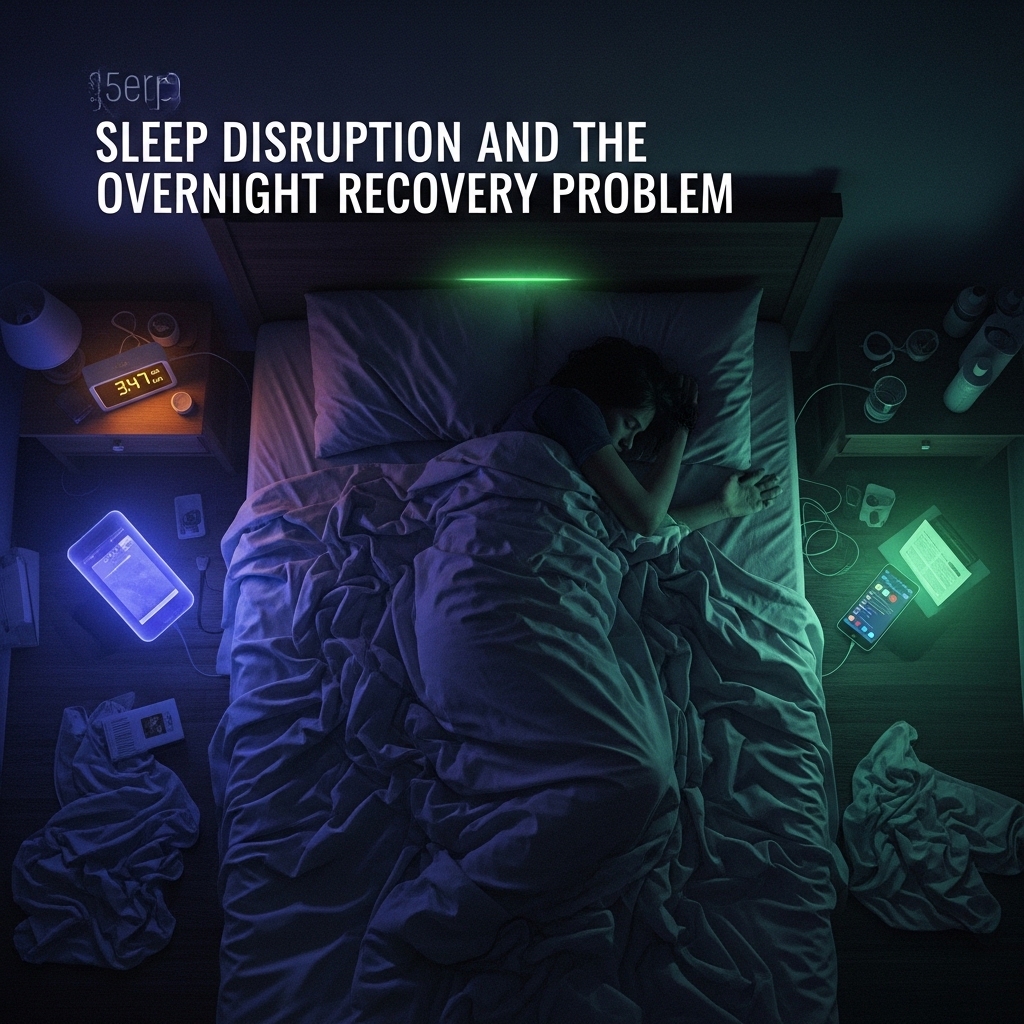
Sleep is when the brain processes emotion and repairs the body. However, mixed emotion can interrupt that process by keeping the body in a more alert state.
This is especially true during REM sleep. That stage helps the brain sort emotional experiences and lower their intensity.
When REM sleep gets disrupted, emotional memories may stay more charged the next day. Because of that, unresolved stress can carry over and keep repeating the same cycle.
Cognitive Performance and Decision-Making
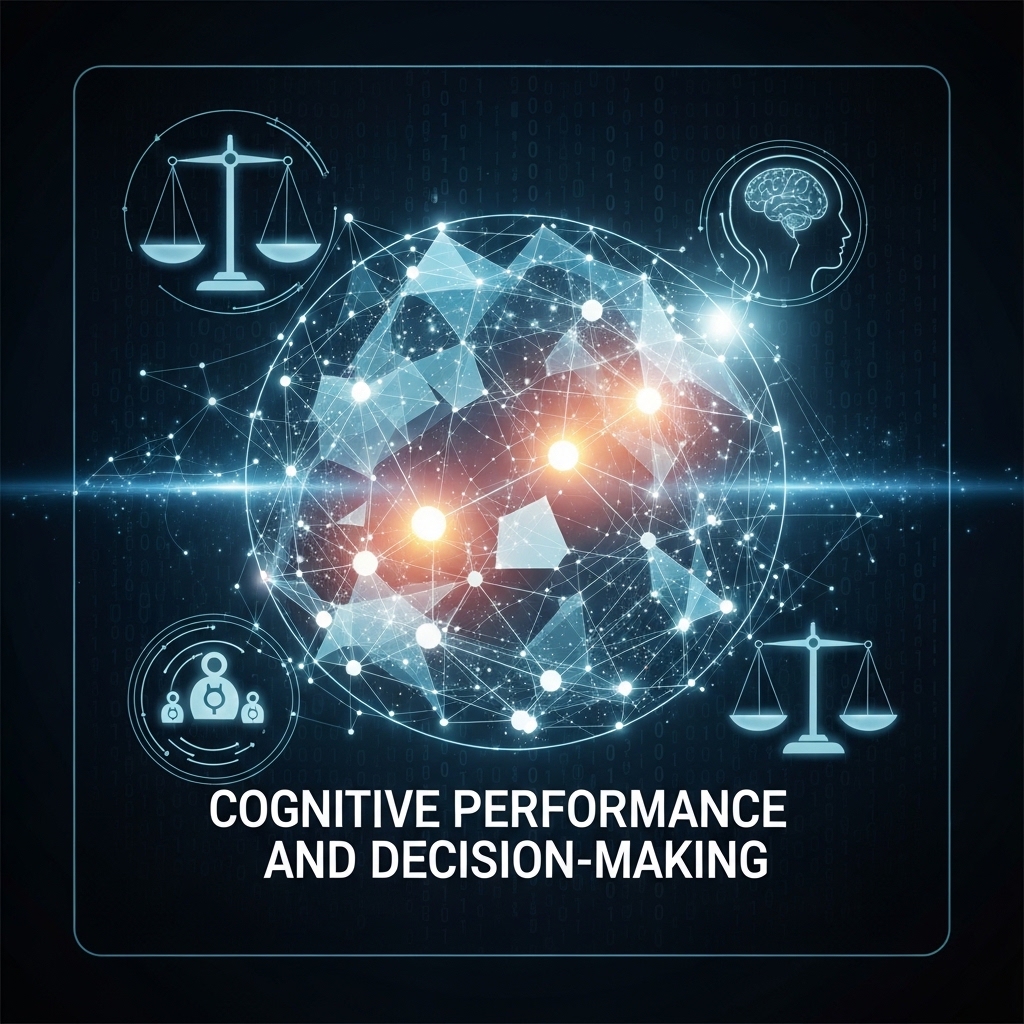
The brain systems for emotion and decision-making are closely linked. So when emotional conflict stays active, it takes up space that would normally support clear thinking.
This can lead to cognitive-affective interference. Put simply, emotion starts to compete with logic for the same mental energy.
As a result, people may think more slowly, feel more mentally tired, and make choices with less control. For leaders and founders, that can affect outcomes in a very real way.
Why Emotional Granularity Matters
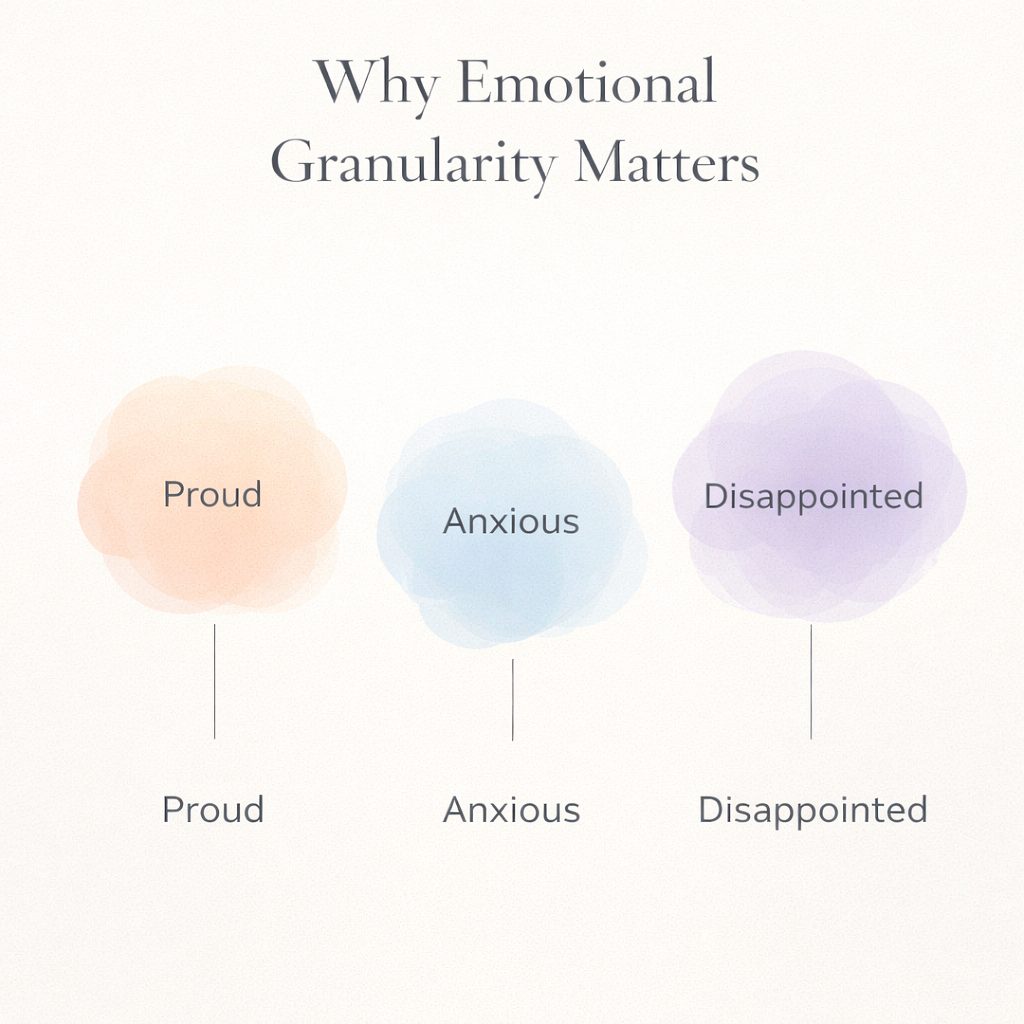
Emotional granularity means being able to name feelings with more detail. Instead of saying “I feel bad,” a person might say “I feel proud, but also disappointed.”
That small shift matters more than it seems. When feelings get labeled clearly, the brain can respond in a more organized way.
Because of that, people with stronger emotional granularity often recover from stress faster. They may also show better control over inflammation, cortisol, and emotional reactivity.
How Nature Helps Emotional Resolution
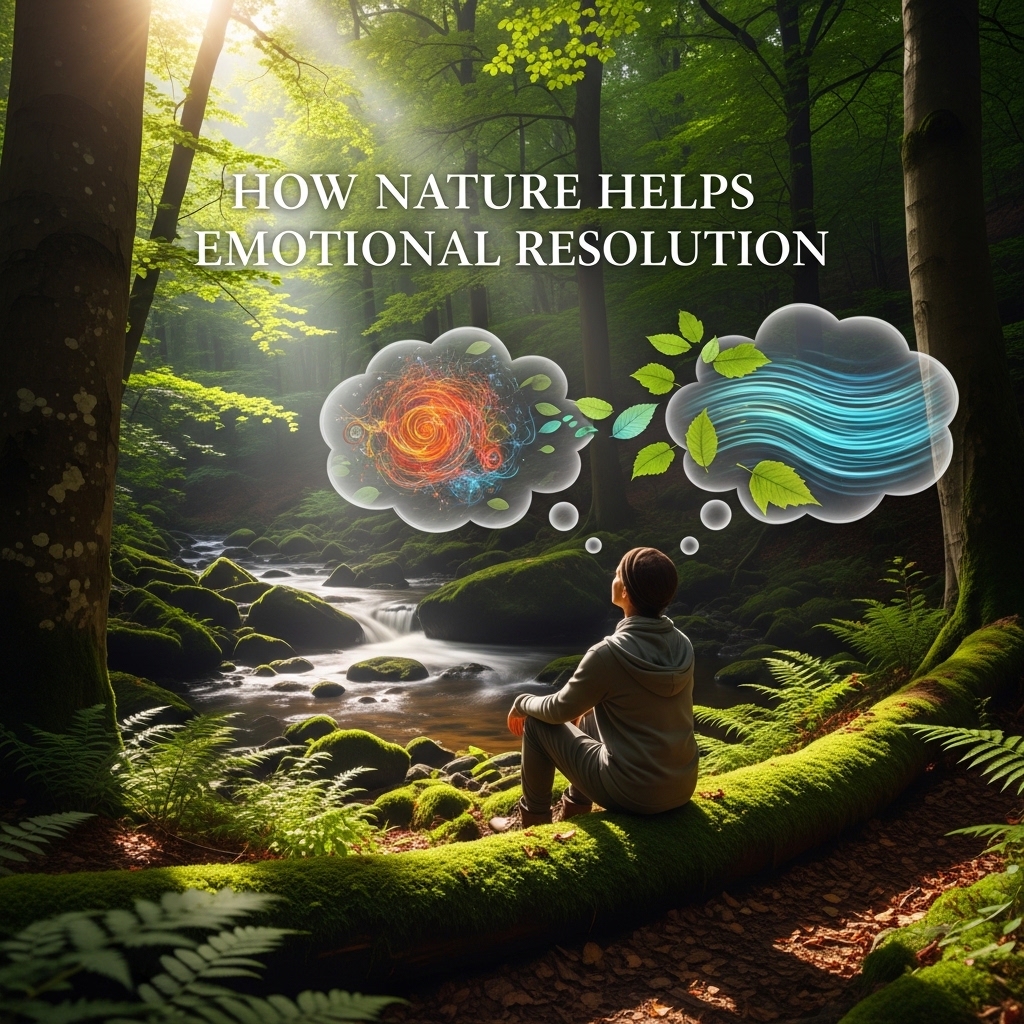
Time in natural spaces can reduce stress in a direct way. For example, walks in green areas may lower brain activity linked to rumination.
This matters because rumination keeps emotional conflict alive. However, nature can interrupt that pattern and give the brain a calmer setting to process what it feels.
Even short exposure can help. So for busy professionals, a brief walk outdoors may support lower cortisol, better HRV, and a clearer mental state.
READ ALSO: Emotional Projection: A Gentle Guide to Self-Reflection
Structured Emotional Processing as a Performance Tool
Writing about emotionally complex experiences can help organize the mind. In fact, structured writing can turn a scattered emotional experience into a more complete story.
That matters because the brain handles clear stories better than unresolved fragments. Once an experience feels more organized, the stress response often becomes less active.
This is why written disclosure can support both health and performance. It does not need to feel like therapy. Instead, it can work as a form of mental maintenance.
READ ALSO: Emotional Damage: Understanding and Healing with Care
Inflammation and the Long-Term Load of Emotional Ambivalence
Unresolved mixed emotion can raise inflammation through several paths at once. These include poor sleep, cortisol imbalance, and nervous system stress.
Together, those changes may increase markers such as CRP and IL-6. Over time, that added inflammatory load can affect long-term health.
This is important for professionals in midlife. Even when diet and exercise are solid, chronic emotional conflict may still add to disease risk in the background.
READ ALSO: Emotional Brain Training Practices to Lift Your Mood Daily
Evidence-Based Options for High-Performing Professionals

The research points to a few practical tools. First, build emotional granularity by naming feelings more clearly and writing them down in a structured way.
Second, protect REM sleep with steady sleep timing and better evening stress control. Third, spend regular time in natural spaces, even if it is only for 20 to 30 minutes.
Finally, track the body when possible. Measures like HRV, CRP, and IL-6 can help show whether emotional stress is starting to affect physical health.
UP NEXT: Emotion Regulation, the Quiet Way Through Nature
How This Affects Your Biological Age
Sustained mixed emotion creates chronic stress, which accelerates biological aging by impacting key health markers such as cortisol levels, heart rate variability, and telomere length. WholeLiving's Biological Age Estimation Model incorporates this factor directly — your assessment takes under five minutes.
Ready to understand how these factors are influencing your biological age right now? [Take the Biological Age Assessment →]