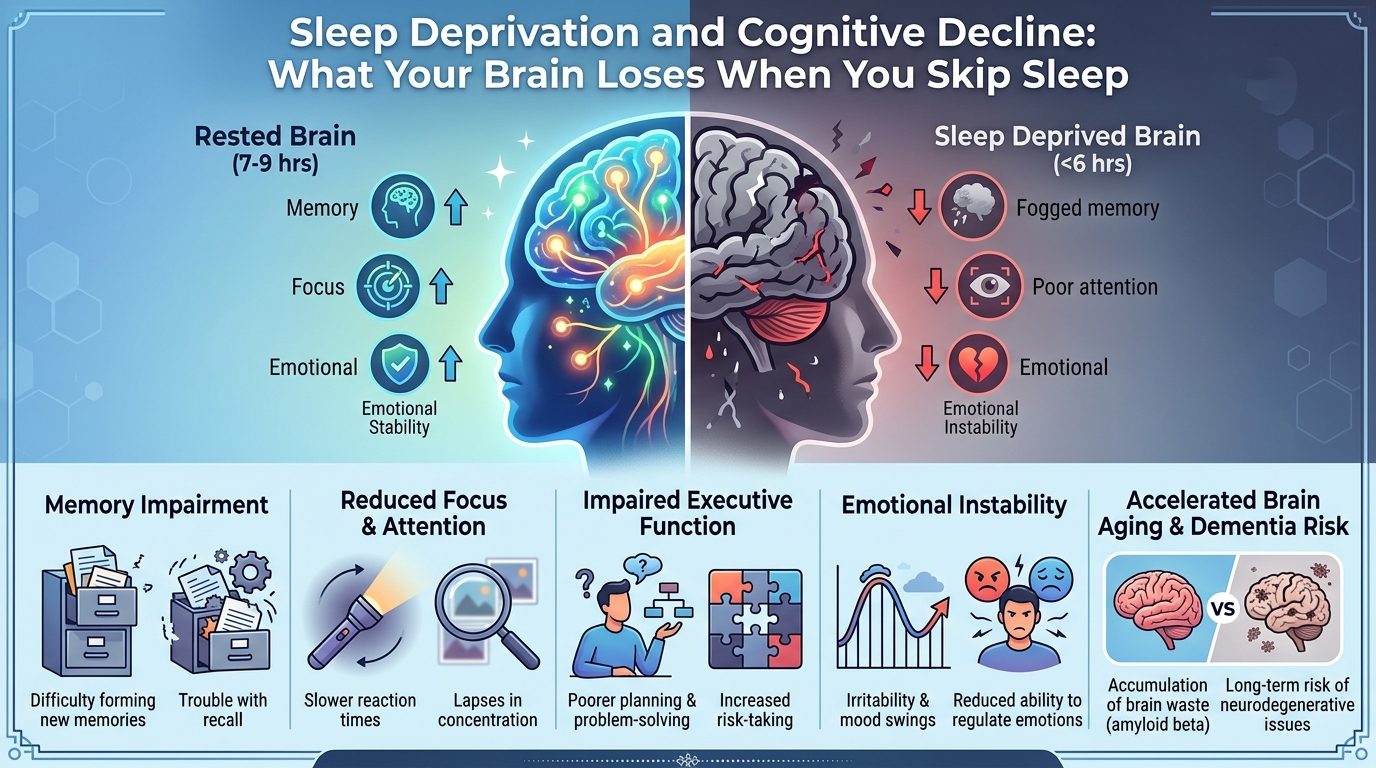
Start with a finding that should unsettle anyone who treats sleep as optional. In a controlled study, healthy adults slept just six hours a night for two weeks. By the end, they were as cognitively impaired as people who had gone two full nights without any sleep at all. Most never realized how badly they were slipping (Van Dongen, Sleep, 2003). That gap between how impaired you are and how impaired you feel is the central danger of sleep deprivation cognitive decline. It is why this topic, central to any serious set of longevity protocols, deserves a clear-eyed, research-first look.
This guide walks through what insufficient sleep does to the human brain. It moves from a single bad night to years of chronic sleep restriction. Think of it as the version a friend who read all the sleep research would give you. The mechanisms are made plain, and the contested parts are flagged honestly.
Here is what catches most people off guard. The damage is not only the foggy, irritable feeling of a rough morning. Underneath that, poor sleep disrupts memory consolidation and starves the brain regions you rely on for decision making. Researchers increasingly view chronic sleep loss as a risk factor for later dementia and Alzheimer's disease. It impairs memory, attention, and judgment in ways that build over time. The good news cuts the other way too. The same biology makes adequate sleep one of the most powerful, controllable levers for brain health you have.
READ ALSO : Flow to Sleep
What Sleep Deprivation Cognitive Decline Actually Means
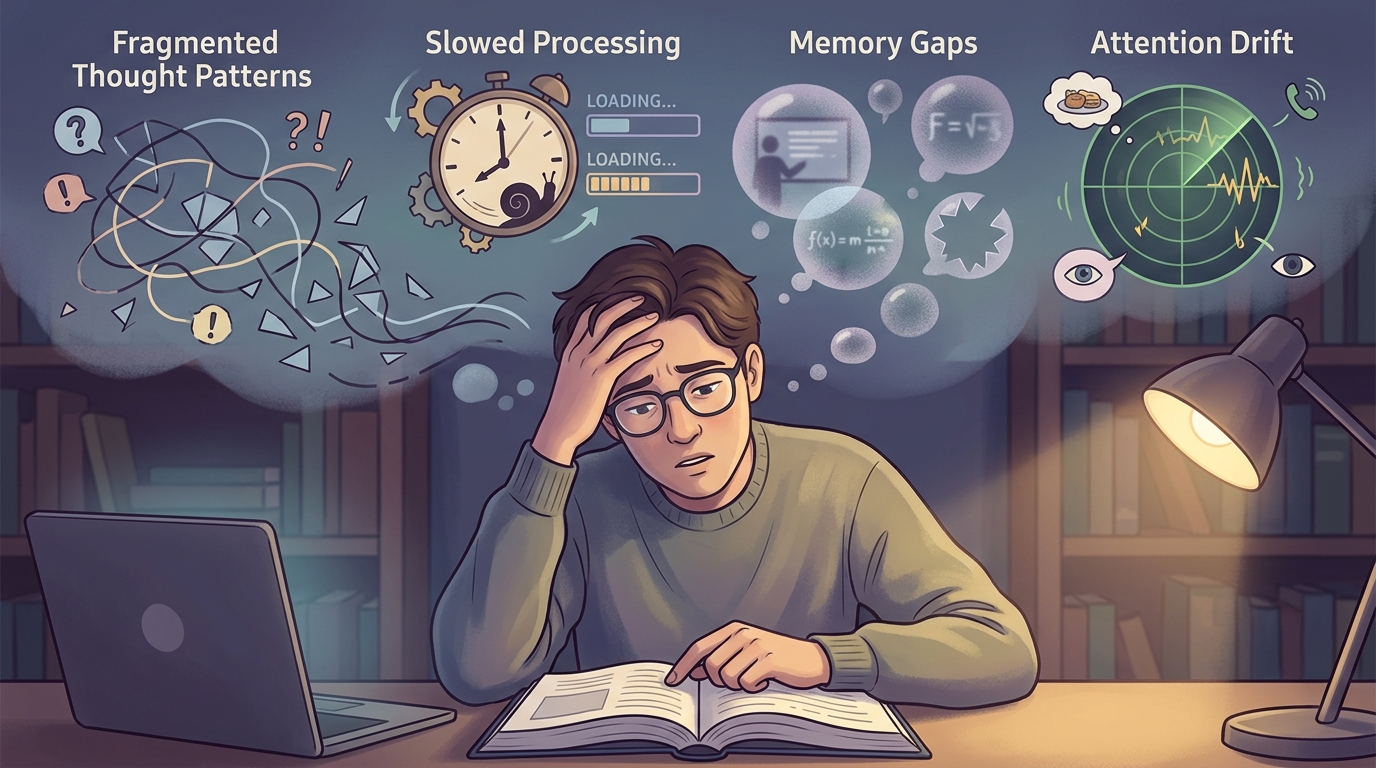
The phrase covers a spectrum, not a single state. At one end sits total sleep deprivation, an all-nighter or longer. At the other sits chronic sleep restriction. That is the far more common pattern of trimming sleep to six hours or less, night after night. Both degrade cognitive function, but they do it on different timelines. Confusing them is one reason people underestimate the risk.
Total sleep deprivation versus chronic sleep restriction
Total sleep deprivation produces obvious, dramatic impairment that most people can feel. Chronic sleep restriction is sneakier. Its deficits build quietly and cumulatively. Crucially, subjective sleepiness levels off even as objective cognitive performance keeps falling (Van Dongen, Sleep, 2003). You adapt to feeling tired long before your brain adapts to functioning on less sleep, which it largely does not.
Lapses, not just slowness. The hallmark of sleep loss on attention is not a uniform slowing. It is lapses, brief moments where the brain simply goes offline and fails to respond. The psychomotor vigilance task is the gold-standard measure of behavioral alertness. On it, sleep-restricted people rack up more of these lapses as the days pass. These are not trivial lapses. In a car or an operating room, a single one can be catastrophic.
The Single Night: What One Round of Sleep Loss Does
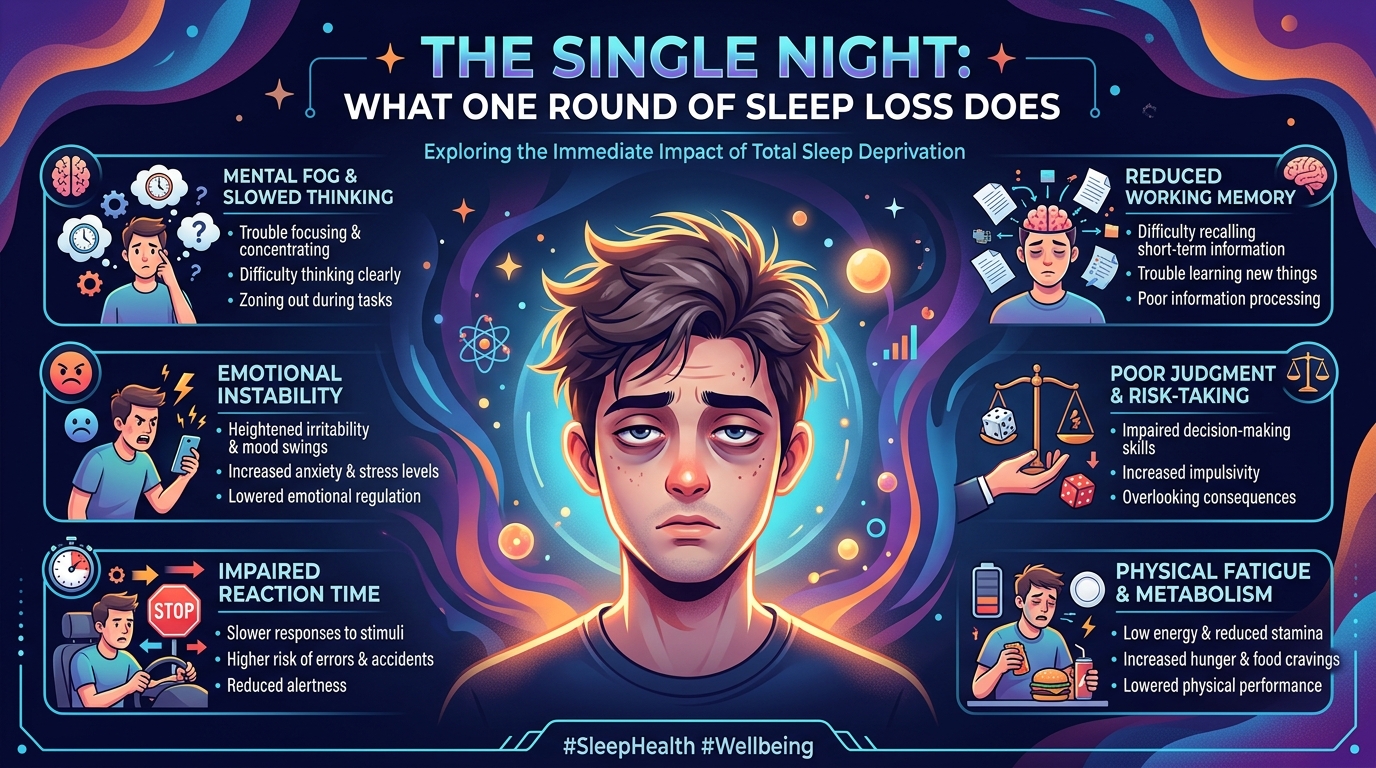
You do not need weeks of bad sleep to measure the effects of sleep deprivation. A single night is enough to change brain activity and even brain chemistry.
Attention and working memory take the first hit
After one night of total sleep deprivation, attention and working memory performance fall measurably. Optimal performance depends on being well rested. The prefrontal cortex is the seat of executive functions like planning, problem solving, and decision making. It is especially vulnerable to sleep loss. That is why complex cognitive tasks suffer more than simple, well-practiced ones.
A startling overnight change in brain chemistry
The more sobering finding is biochemical. Researchers used PET imaging to scan healthy adults. Just one night of sleep deprivation produced a significant rise in beta-amyloid, the protein that clumps into the plaques tied to Alzheimer's disease, in the hippocampus and thalamus (Shokri-Kojori, PNAS, 2018). These are precisely the brain regions linked to memory and early neurodegeneration. Sleep loss also damages the hippocampus, a region critical for learning, memory, and long-term brain health.
Beta-amyloid rose after one sleepless nightPNAS / NIH, 2018
A single night of sleep deprivation significantly increased beta-amyloid burden in the hippocampus and thalamus of healthy adults.
One caution worth stating plainly. This was a small study of 20 healthy adults. A single night's spike in a protein is not the same as developing dementia. But it offers a concrete mechanism. It links acute sleep loss to a process implicated in Alzheimer's disease, and it dovetails with the long-term epidemiology below.
Why Sleep Is When Memories Are Made
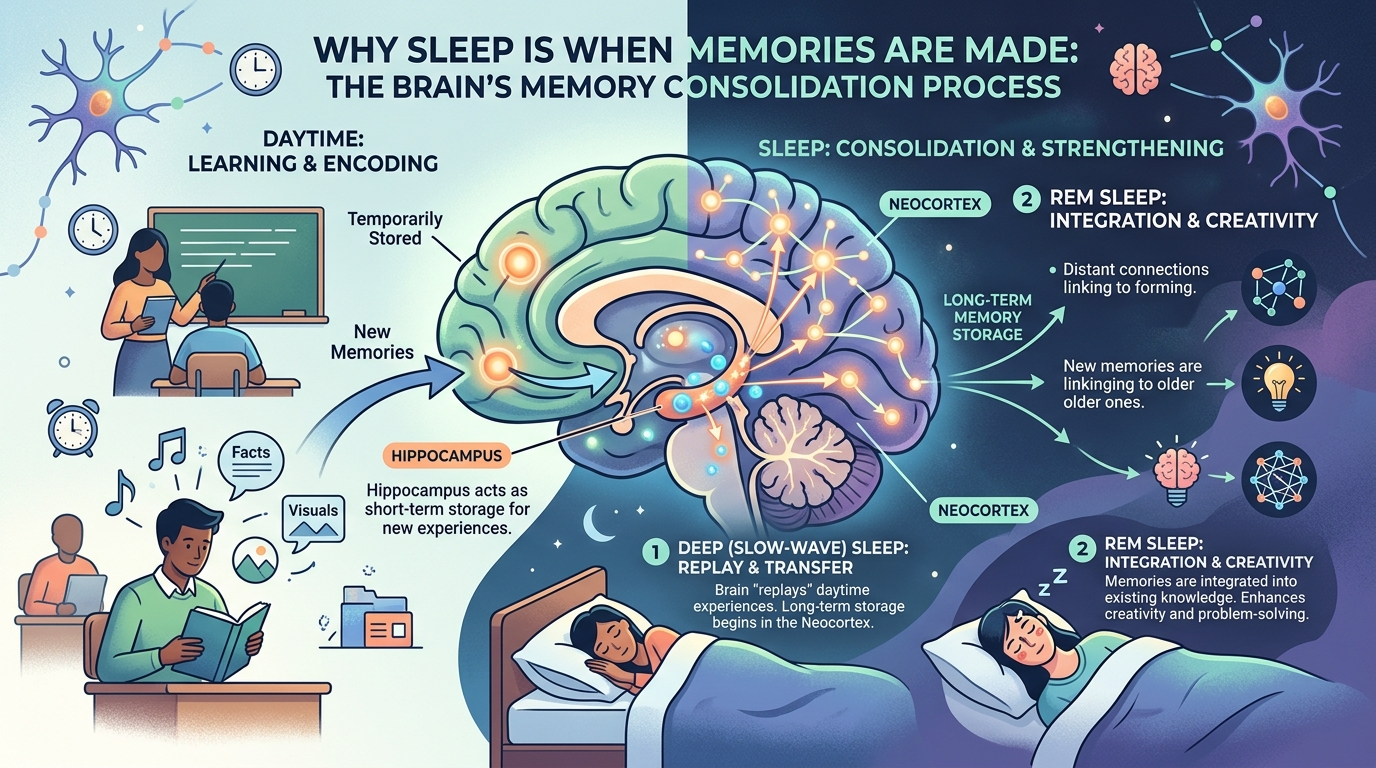
To understand what sleep deprivation costs, you have to understand what healthy sleep accomplishes. A great deal of it is memory consolidation. That is the process that stabilizes fragile new memories into durable long-term memory.
Sleep architecture and the two-stage model
Sleep is not uniform. It cycles through several different sleep stages. Broadly, these are NREM sleep, including slow wave sleep, the deepest stage, and REM sleep, or rapid eye movement. This sleep architecture matters because the different sleep stages handle different cognitive jobs. The prevailing two-stage model is simple. The hippocampus first encodes memories. Sleep then moves them to the neocortex for long-term storage.
Slow wave sleep and declarative memory
Slow wave sleep is the workhorse for declarative memory, your memory for facts and events. During slow wave sleep, slow oscillations originate in the neocortex. They orchestrate a dialogue with the hippocampus, repeatedly reactivating newly encoded information and moving it to long-term storage (Walker, supported by NIH, 2009). The brain also switches on the glymphatic system during deep sleep. This shows how sleep shapes not just memory but broader brain maintenance. Deep sleep can widen the space between neurons, letting cerebrospinal fluid flush metabolic waste, including amyloid-beta. Functional magnetic resonance imaging studies help confirm this sleep-dependent transfer. Cut your sleep short and you disproportionately cut the slow wave sleep your brain uses to lock in what you learned that day.
REM sleep concentrates in the later part of the night. So waking early preferentially strips away REM. That carries consequences for skill retention and emotional regulation. This is part of why poor sleep and mood problems so often travel together.
READ ALSO : Sleep Better Tonight
Chronic Sleep Restriction: The Slow Erosion

The single night is dramatic, but the more common threat is the slow grind of insufficient sleep over months and years.
The deficits accumulate
In the landmark dose-response study, adults slept just four or six hours in bed for fourteen straight nights. Their cognitive performance worsened steadily across every task measured, with no sign of adaptation (Van Dongen, Sleep, 2003). After two weeks, the six-hour group was impaired to a degree comparable to people kept awake for a night or more. Meanwhile, those same people rated themselves only mildly sleepy. That is a dangerous mismatch between perceived and actual function.
6 hours a night = the deficit of 1–2 nights of no sleepSleep, 2003
Two weeks of six-hour nights left cognitive performance comparable to one to two nights of total sleep deprivation, while subjects felt only slightly tired.
Short sleep duration and dementia risk
The long-term epidemiology raises the stakes further. Researchers followed nearly 8,000 adults for 25 years. Short sleep of six hours or less in midlife was tied to a meaningfully higher risk of later dementia than the seven-hour reference (Sabia, Nature Communications / reported by NIH and UCL, 2021). Persistent short sleep across midlife carried roughly a 30 percent higher dementia risk. That held even after adjusting for a long list of other health factors.
The honest caveat on long sleep. Research suggests the relationship is not a simple “more is always better.” Several studies find an inverted-U pattern. Both short and unusually long sleep track with worse cognitive outcomes. The likeliest explanation for the long-sleep end is reverse causation. Very long sleep may be an early symptom of brewing neurodegeneration rather than a cause of it. This is why the practical target is adequate sleep, generally around seven hours for most adults, not simply maximizing time in bed.
How Sleep Loss Reaches Into the Brain
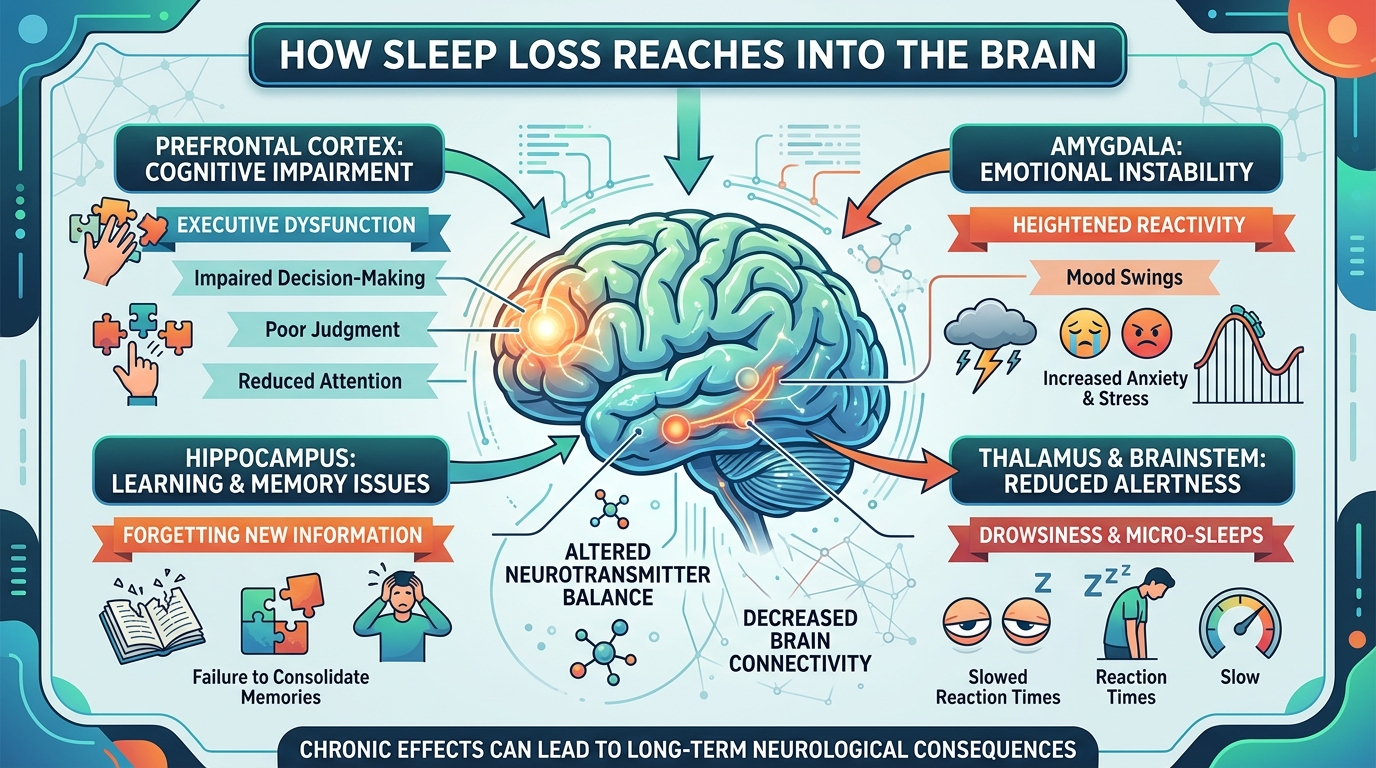
Several mechanisms connect a short night to a slower mind. Understanding them makes the case for proper sleep far more concrete than “you'll feel tired.”
The prefrontal cortex runs low
Sleep deprivation hits the prefrontal cortex hard. Imaging shows reduced metabolism in the cortical circuits responsible for executive functions and for monitoring your own performance. That second part is critical. The same region that should warn you that you are impaired is itself impaired. That is why sleep-deprived people consistently overrate their own cognitive abilities.
Impaired clearance of metabolic waste
During deep sleep, the brain ramps up the clearance of metabolic byproducts, including beta-amyloid. Shortchange that window and waste accumulates. That is one proposed mechanism behind the overnight amyloid spike (Shokri-Kojori, PNAS, 2018) and the longer-term dementia association. Sleep, in this view, is partly a nightly cleaning cycle for the central nervous system.
Disrupted consolidation and false memories. Sleep does the work of stabilizing memory. So sleep loss degrades both the formation of long-term memory and the accuracy of recall. Sleep-deprived people are worse at remembering true information. Research also shows they form more false memories, recalling events that did not happen. For anyone whose work depends on accurate recall, that is a quietly serious cost.
READ ALSO : Sleep On It – Whole Living Wellness
Sleep Disorders: When the Problem Is Not Choice
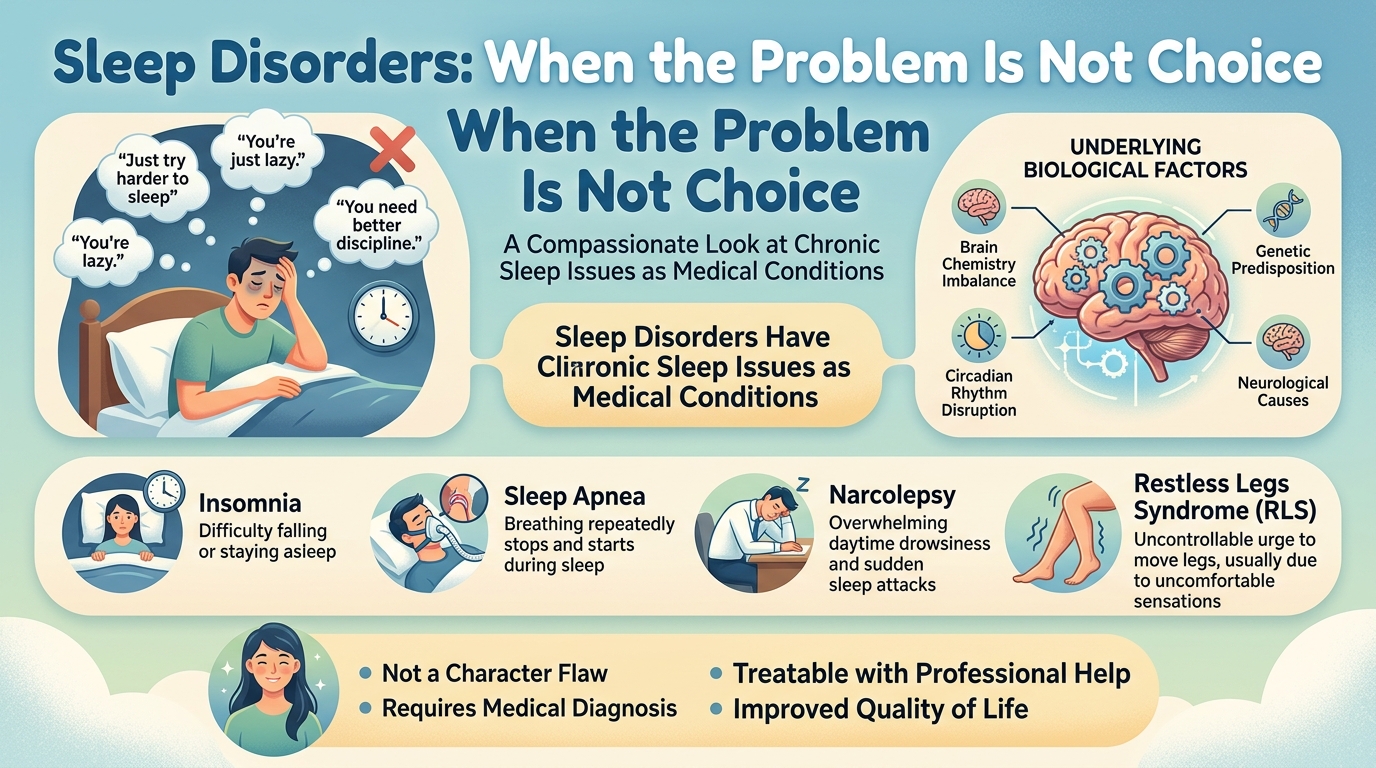
Not all sleep loss is voluntary. Sleep disorders impose the same cognitive costs on people who are spending enough time in bed.
Sleep apnea and fragmentation
Obstructive sleep apnea repeatedly interrupts breathing during the night. That fragmentation stops the brain from reaching and holding restorative slow wave sleep and REM sleep. Total time in bed can look adequate while sleep quality stays poor, and daytime cognitive impairment can run high. Apnea independently tracks with cognitive problems and elevated dementia risk. That makes diagnosis and treatment a genuine brain-health intervention.
Insomnia and other disorders
Chronic insomnia, restless legs, and other sleep disorders fragment sleep architecture in their own ways. The common thread is simple. The cognitive effects of disrupted sleep do not require a dramatic all-nighter. They follow from any pattern that robs the brain of sufficient, well-structured sleep over time. This is where sleep medicine earns its place, because untreated disorders quietly tax cognition for years.
Who Is Most at Risk
US adults are chronically short on sleep
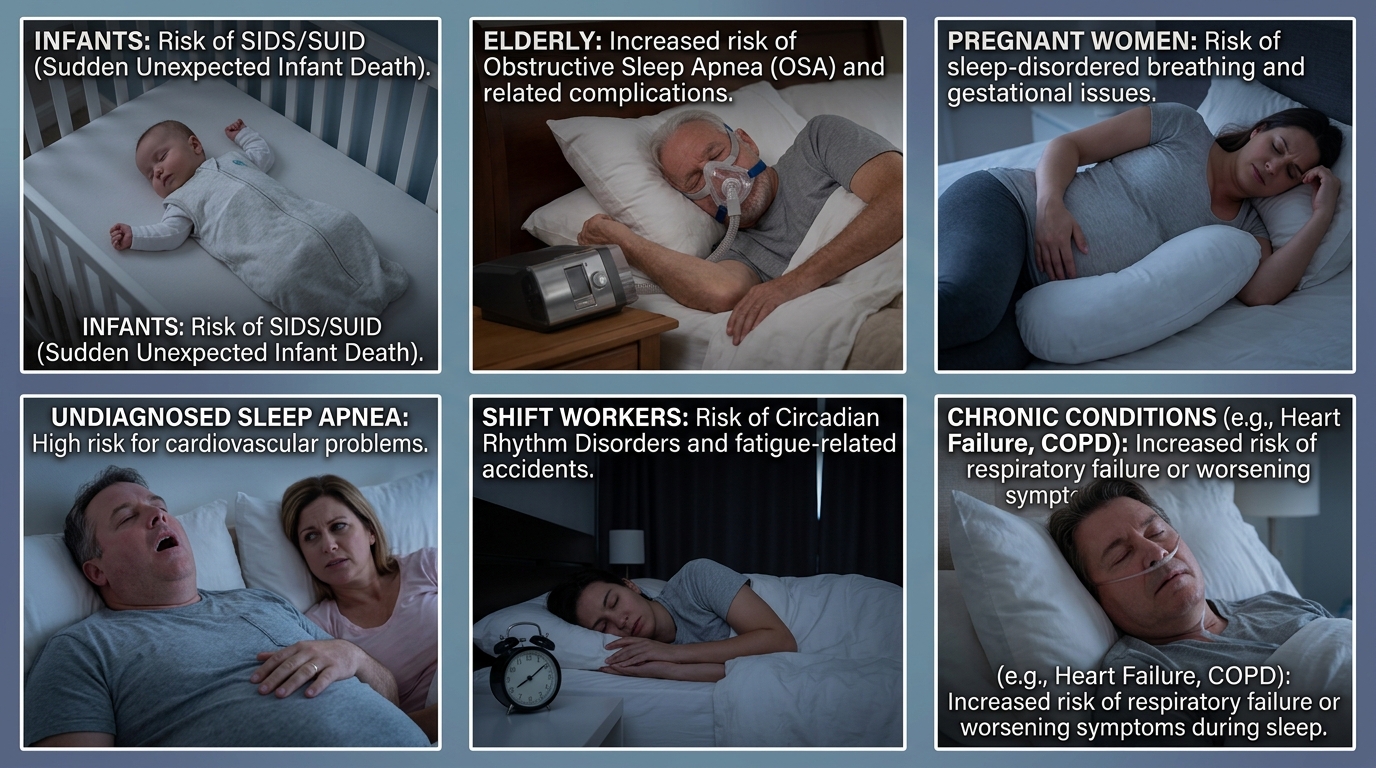
Insufficient sleep is not a fringe problem. A large share of US adults regularly sleep less than the recommended seven hours. That makes population-level exposure to these cognitive effects enormous. Shift workers, new parents, students, and high-pressure professionals are especially exposed to chronic sleep restriction.
Aging and the compounding effect
Slow wave sleep naturally declines with age. So older adults may get less of the deep sleep that drives memory consolidation and waste clearance, even when their total sleep duration looks fine. Layering chronic sleep restriction on top of age-related cognitive decline is a compounding risk. That is exactly why the midlife dementia association is so concerning (Sabia, 2021).
How to Protect Cognition Through Better Sleep
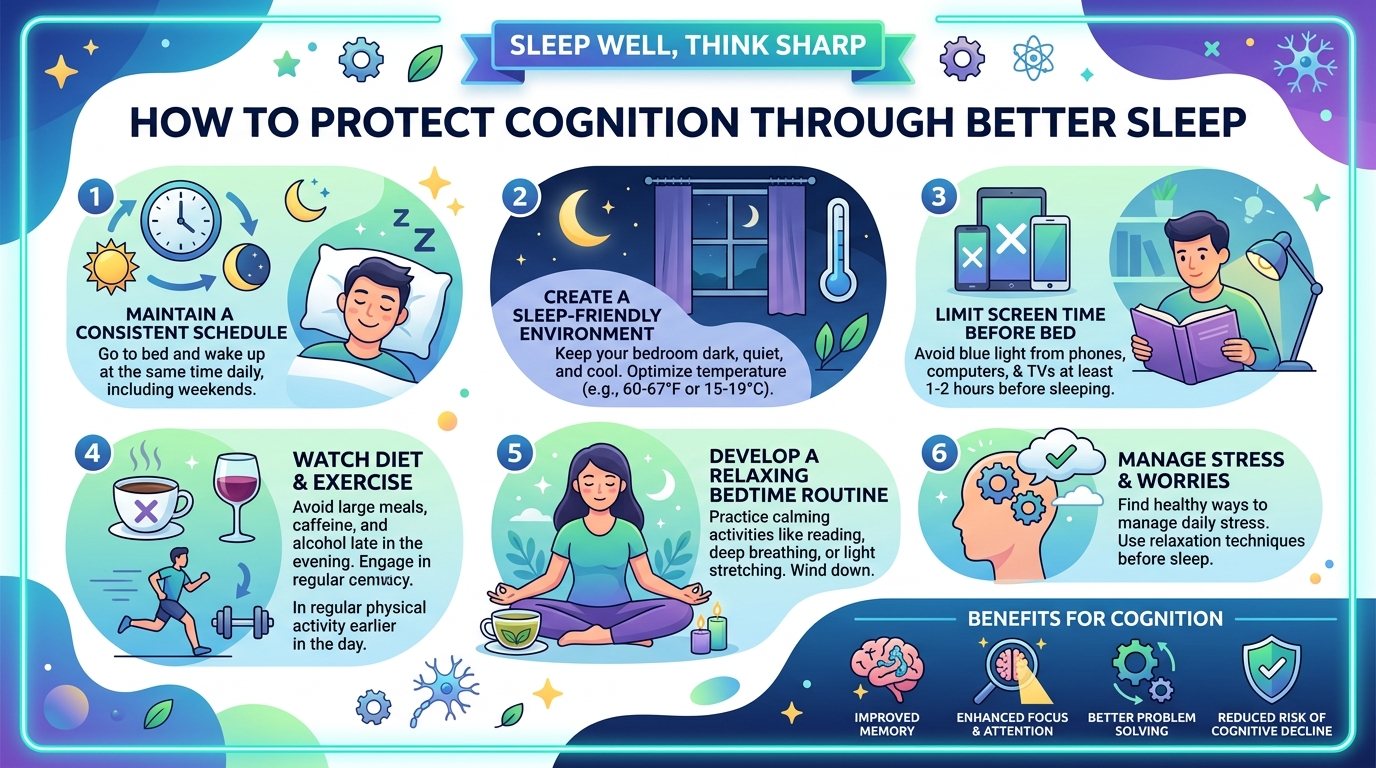
The encouraging flip side of all this is that sleep is highly modifiable. Healthy sleep habits are among the most accessible interventions for brain health, and most cost nothing.
Protect your sleep duration first
Aim for roughly seven to nine hours of sleep opportunity for most adults. Build the schedule backward from your wake time. That way you avoid chronically borrowing from the deep and REM sleep stacked in the back half of the night. Consistent sleep duration is the single highest-yield change. Short sleep tracks directly with cognitive impairment (Van Dongen, 2003) and long-term risk (Sabia, 2021).
Improve sleep quality, not just quantity
To improve sleep quality, keep a regular sleep-wake schedule. Get morning light, limit caffeine after midday, and keep the bedroom cool and dark. These habits help you fall asleep faster. They also help you reach the slow wave sleep and REM sleep that do the cognitive heavy lifting. Quantity without quality, as in untreated sleep apnea, is not enough.
Treat suspected sleep disorders
If you sleep enough hours but still wake unrefreshed, snore heavily, or feel persistent daytime impairment, see a clinician. Diagnosing and treating sleep apnea or another disorder can restore the sleep architecture your cognition depends on. This is not a lifestyle tweak; it is medical care with direct cognitive stakes.
Stack sleep with the other brain-health levers. Sleep does not work in isolation. Regular aerobic exercise, a sensible diet, and stress management all support both sleep and cognition, and they reinforce one another. Improving sleep quality makes the other longevity habits easier to sustain. That is why it belongs at the foundation of any brain-health plan.
READ ALSO : Natural Sleep Remedies | Whole Living
The Real-World Cost of Cognitive Decline From Sleep Loss
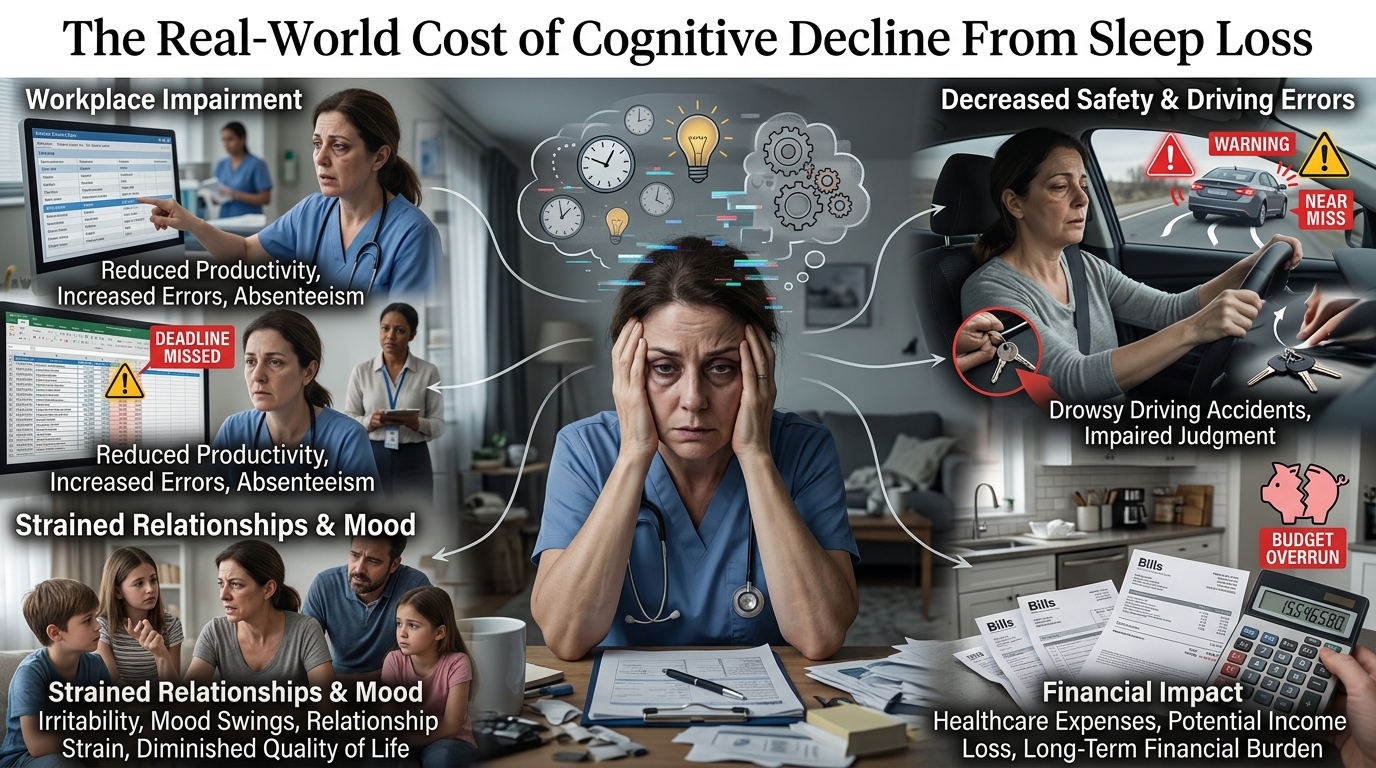
It is easy to treat the lab findings as distant. They are not. The cognitive abilities that sleep loss degrades are the ones modern life leans on most. The consequences reach into safety, work, and relationships.
Driving and split-second attention
Drowsy driving produces attention lapses that look much like those caused by alcohol. The impaired brain underestimates its own impairment, so sleep-deprived drivers tend to overrate their fitness to drive. The lapse that shows up on a lab vigilance test also shows up on the highway. There, the margin for a single missed moment is unforgiving.
Work that depends on judgment
Executive functions such as planning, prioritizing, and problem solving suffer first when sleep runs short. They depend on the prefrontal circuits most sensitive to sleep loss. A tired professional may handle routine tasks well while quietly losing the harder, higher-order thinking that drives results. The deficit hides precisely where it matters most.
Emotional regulation and mood
REM sleep supports emotional processing and emotional memory. So insufficient sleep leaves people more reactive, less able to regulate frustration, and quicker to read neutral situations as threats. Poor sleep and low mood then feed each other in a loop. Over time that loop can erode wellbeing and the relationships that depend on steady emotional footing.
Learning and skill-building
Whether you are a student absorbing facts or an adult learning a skill, sleep matters. It does the consolidation that turns effort into durable ability. Sacrifice the sleep and you sacrifice much of the return on your practice. An all-nighter before an exam is close to self-defeating. It trades the consolidation that would lock in the material for a few low-quality study hours.
Why the cost stays hidden
None of these costs announce themselves in the moment. That is the recurring theme of the whole topic. The brain that should notice the problem is the brain being impaired. So the most reliable protection is structural, not perceptual. Build the conditions for good sleep into your schedule, and do not trust how you feel to tell you whether you get enough.
What Brain Research Reveals About the Mechanism
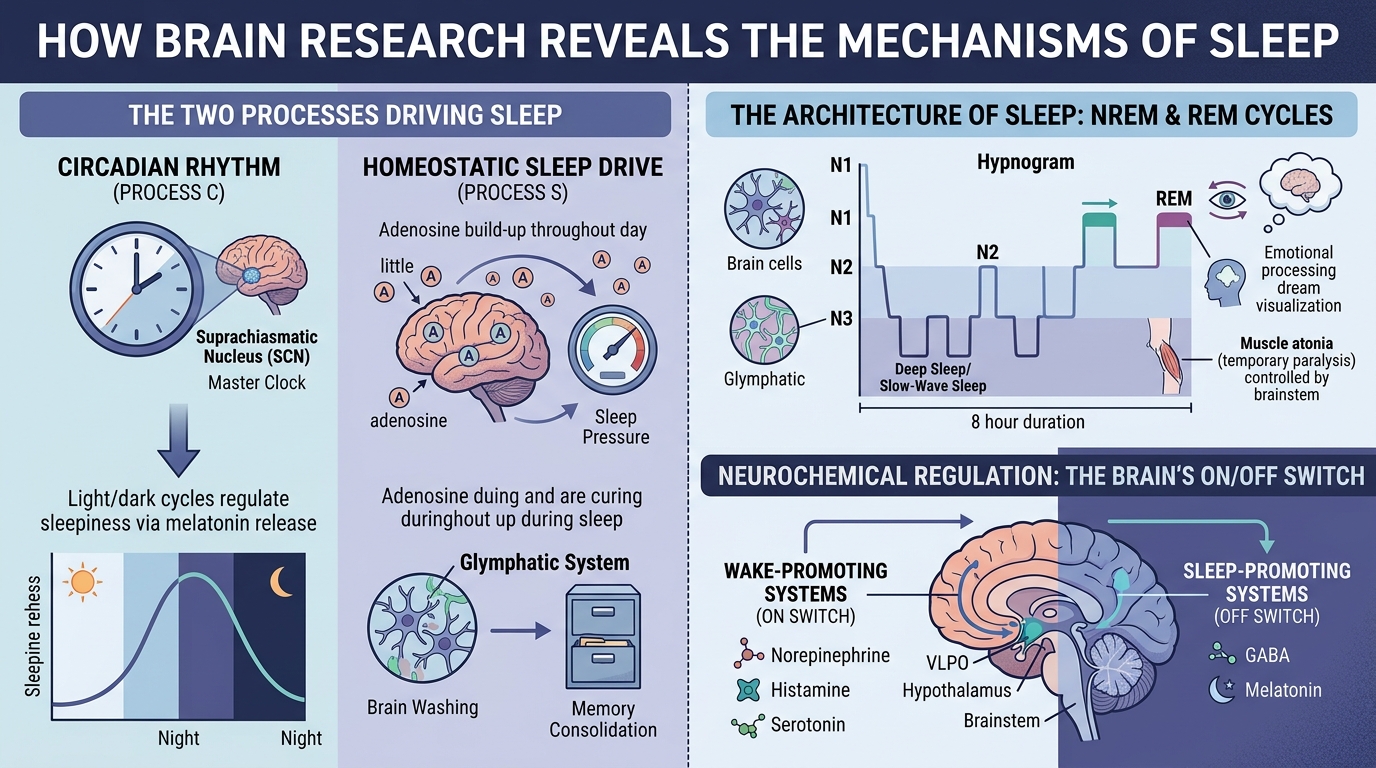
Brain research over the past two decades has changed the conversation. It moved from “sleep helps memory” to a detailed account of how neural circuits behave differently when you are rested versus deprived. Functional imaging shows what happens after sleep loss. The hippocampus becomes less able to encode new information. The prefrontal regions that normally compensate also run low. The result is a brain that struggles to lay down long term memory and to retrieve it cleanly.
A useful way to see the consistency of the evidence is through systematic review. When researchers pool dozens of studies, the same pattern recurs. Sleep loss produces measurable performance impairment across attention, working memory, and executive functions. The effects grow with the severity and duration of the deprivation. No single study is definitive, but the convergence across designs is hard to dismiss. Chronic sleep deprivation, sustained over weeks rather than one bad night, shows the clearest dose-dependent damage.
Importantly, these are not abstract laboratory effects. The neural circuits that poor sleep degrades are the same ones you rely on to drive safely, make sound financial decisions, and regulate your emotions. Restorative sleep keeps those circuits working. Starve the brain of it and the brain stops functioning properly. The consequences then show up in ordinary life long before they show up in a clinic.
Sleep Patterns Across the Lifespan
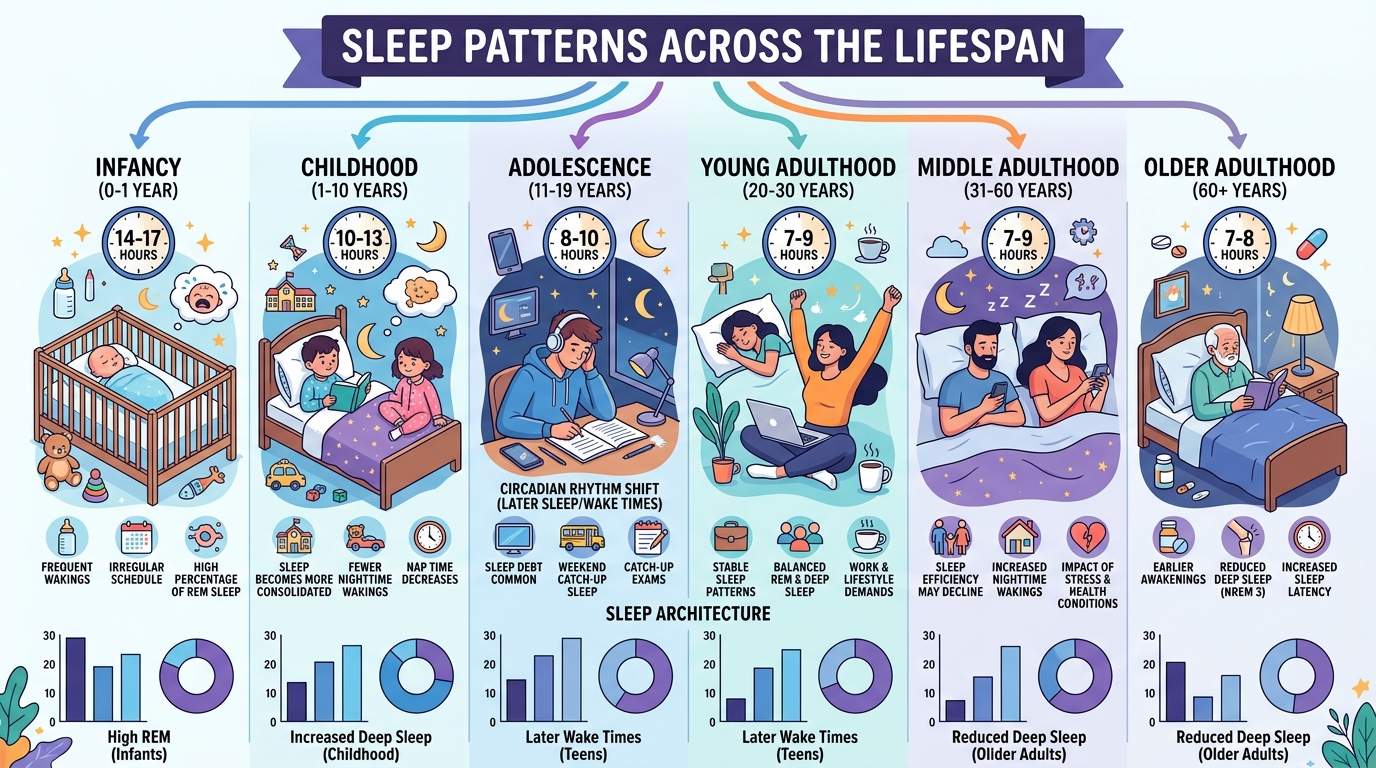
Sleep patterns are not fixed; they shift across the lifespan, and so does the brain's vulnerability to losing sleep. Recognizing how your needs change helps you avoid mistaking a harmful shift for a harmless one.
Younger adults and the illusion of resilience
Younger adults often believe they tolerate inadequate sleep well, but the controlled data says otherwise. The healthy young volunteers in the chronic restriction studies were in their twenties and thirties. They still showed cumulative deficits (Van Dongen, Sleep, 2003). The resilience is largely an illusion created by the brain's poor self-monitoring under sleep loss.
Midlife as the critical window
Midlife appears to be a particularly important window. The dementia link was strongest for short sleep measured in people's fifties and sixties (Sabia, 2021). That suggests the sleep choices you make in midlife may carry outsized weight for later brain health. Protecting sleep here is not about feeling better tomorrow. It is about cutting your risk decades out.
Older adults and age related cognitive decline
In older adults, the deep, restorative stages thin out naturally, and this interacts with age related cognitive decline. Less slow wave sleep means less of the overnight maintenance the brain uses to consolidate memory and clear waste. Age-related deep-sleep loss often combines with a sleep disorder or simply too little time in bed. That combination can speed the decline in memory and cognition. In some cases it contributes to noticeable memory loss.
Common Myths About Sleep and the Brain
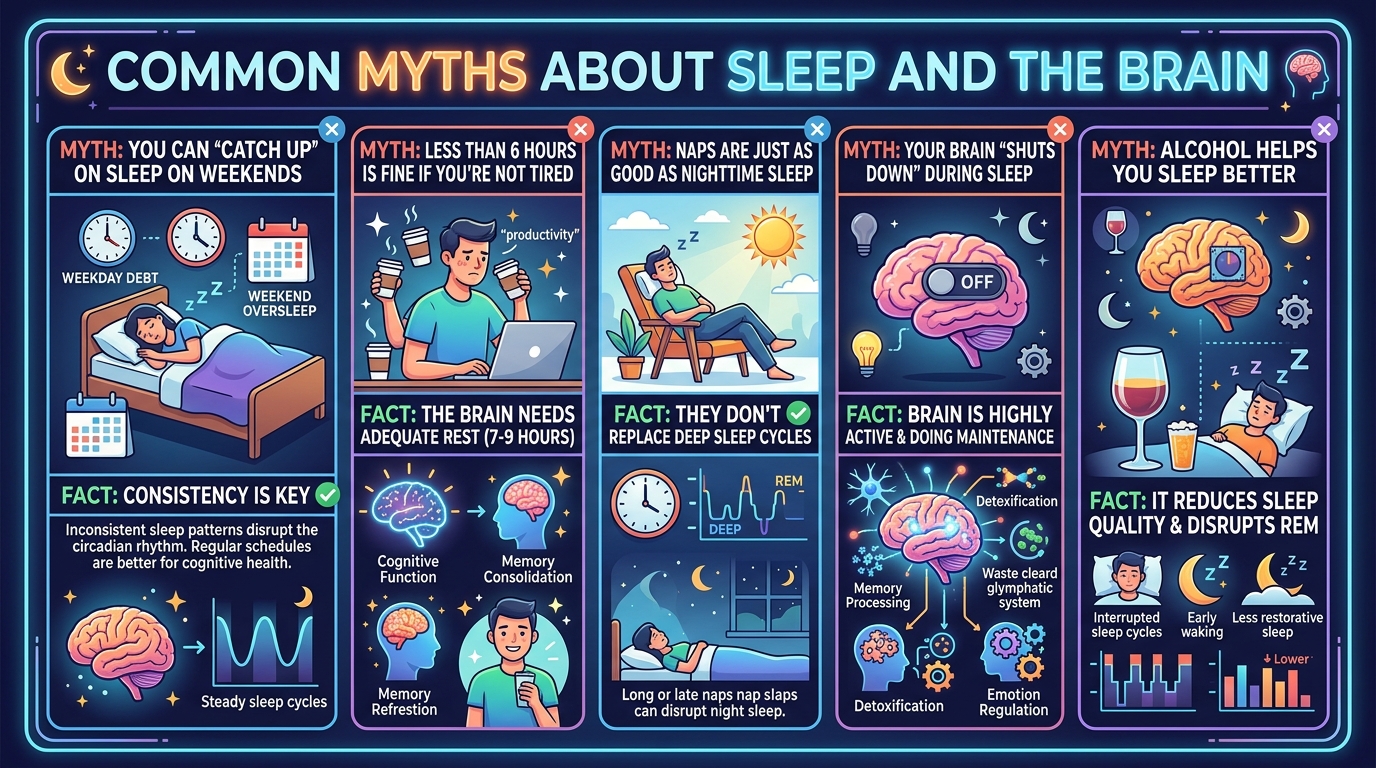
“I can train myself to need less sleep”
The evidence does not support this. People adapt to the feeling of being tired, not to the underlying deficit. Across two weeks of restricted sleep, cognitive performance kept declining even as subjective sleepiness plateaued (Van Dongen, 2003). You can get used to inadequate sleep without getting good at functioning on it.
“Weekend catch-up fixes the week.” Recovery sleep helps with acute deficits. But it does not appear to fully undo the long-term costs of a persistent pattern of short sleep. The healthiest sleep patterns are consistent ones, not a weekday deficit patched by weekend excess.
“More sleep is always better.” Research suggests an inverted-U relationship. Both insufficient and excessive sleep track with worse cognitive outcomes. Long sleep is more likely a marker of an underlying problem than a cause of one. The target is adequate, high-quality sleep, not maximal time in bed.
Frequently Asked Questions
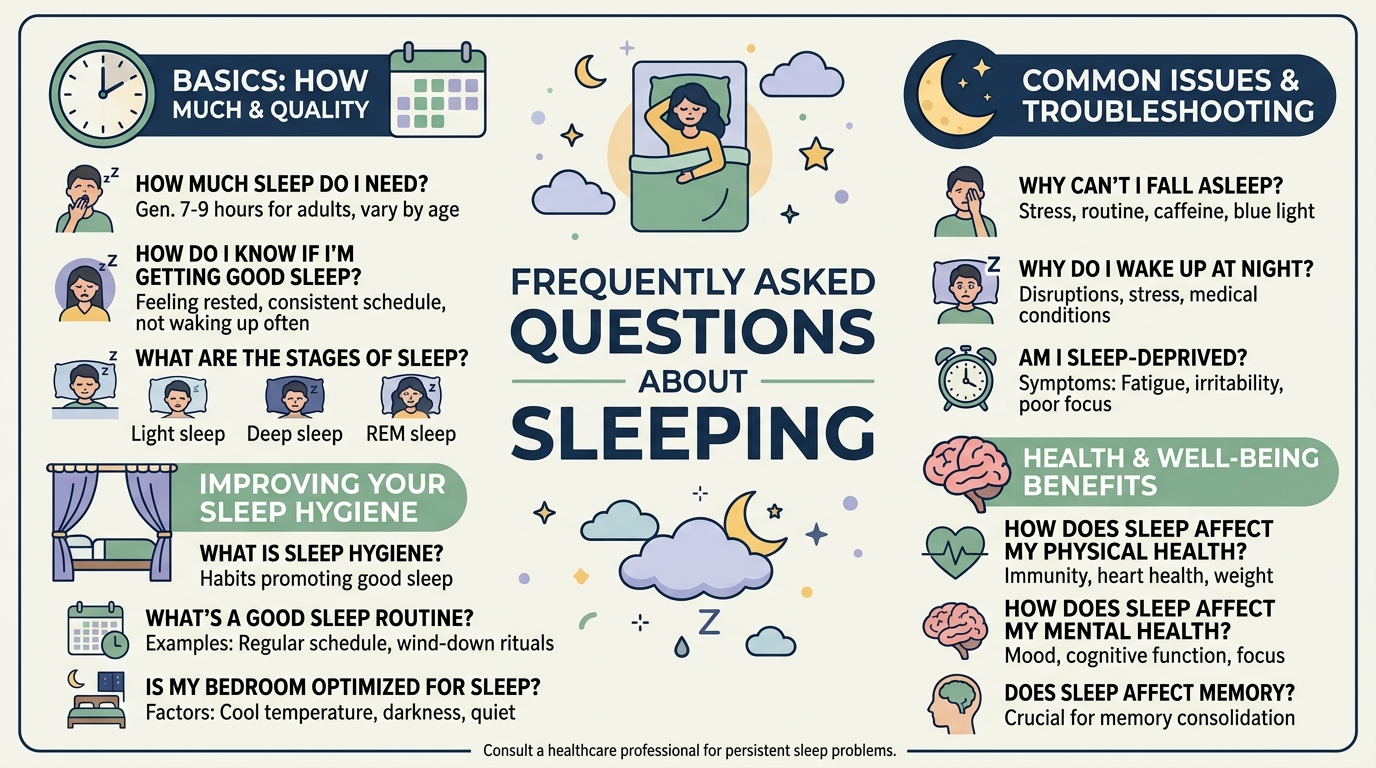
Can you fully recover from sleep deprivation?
A night or two of recovery sleep restores most acute deficits in attention and performance. The concern is chronic sleep restriction sustained for months or years. It carries cumulative effects and elevated long-term risk that weekend catch-up sleep does not fully erase.
Does sleep deprivation cause Alzheimer's disease?
No single study shows that sleep loss causes Alzheimer's. The research suggests a plausible mechanism: impaired beta-amyloid clearance and an overnight amyloid rise. It adds a long-term link between short midlife sleep and higher dementia risk. The honest framing is meaningful risk, not proven cause.
How many hours of sleep protect cognitive function?
For most adults, around seven hours is the reference point where dementia risk is lowest in the cohort data. Seven to nine hours of sleep opportunity is a reasonable target. Both insufficient and excessive sleep duration track with worse outcomes, so the goal is adequate, consistent sleep.
Is six hours of sleep really that bad?
The controlled data is striking. Two weeks of six-hour nights produced impairment comparable to one to two nights of total sleep deprivation, while people barely noticed (Van Dongen, 2003). Six hours feels survivable precisely because the impairment hides itself.
Why don't I feel as impaired as I am?
Because the brain region that judges your own performance, the prefrontal cortex, is itself degraded by sleep loss. Subjective sleepiness plateaus while objective performance keeps declining, which is the core trap of chronic sleep restriction.
UP NEXT : Essential Habits for Better Sleep Every Night
Key Takeaways
- Chronic sleep restriction to six hours produced impairment comparable to one to two nights without sleep, largely undetected by the sleepers themselves (Van Dongen, Sleep, 2003).
- A single night of sleep deprivation raised beta-amyloid in memory-related brain regions (Shokri-Kojori, PNAS, 2018).
- Short midlife sleep duration was associated with higher dementia risk over 25 years (Sabia, Nature Communications / NIH, 2021).
- Slow wave sleep drives declarative memory consolidation; REM sleep supports procedural and emotional memory (Walker, NIH-supported, 2009).
- Sleep disorders like sleep apnea impose the same costs through fragmentation, even with adequate time in bed.
- Protecting sleep duration and improving sleep quality are among the most accessible brain-health interventions available.
The Bottom Line on Sleep Deprivation and Cognitive Decline
Step back and the picture is consistent across timescales. One night of sleep loss measurably changes brain chemistry and degrades attention. Two weeks of modestly short sleep produces serious, hidden cognitive impairment. And decades of insufficient sleep are linked to a higher risk of dementia. Three mechanisms give that link a believable spine: impaired memory consolidation, a starved prefrontal cortex, and reduced overnight clearance of beta-amyloid.
The complete framework: Sleep is one piece of a larger picture. The WholeLiving 5-Month Health Challenge lays out the complete framework, showing how sleep, aerobic training, strength work, and metabolic markers fit together into a single measurable system for lowering your biological age. This article covers the brain-and-sleep connection; the Challenge connects it to everything else.
The most important thing to take from the research on sleep deprivation cognitive decline is that the loss is real, measurable, and largely preventable. You cannot feel your way to knowing whether you sleep enough. The impairment hides from the very brain region meant to detect it. But you can protect the hours, improve the quality, and treat the disorders. In doing so, you defend the memory, attention, and judgment you depend on every day.
This article is part of the Longevity Protocols pillar at WholeLiving and is intended for general education, not individualized medical advice. Anyone with a suspected sleep disorder or persistent cognitive concerns should consult a qualified clinician.