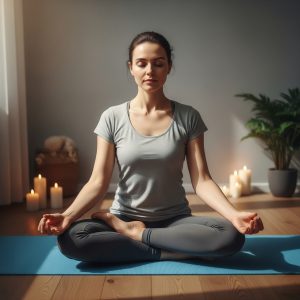


If you’re just starting your journey into meditation yoga for beginners, you’re about to embark on a path of peace, balance, and personal growth. This gentle practice, often referred to as beginner's meditation when providing introductory guidance, invites you to slow down, center yourself, and find stillness in your mind and body. Whether you’re looking for a way to calm your mind, reduce stress, or simply connect with yourself, meditation yoga for beginners offers the perfect starting point. Meditation is simpler than most people think, but it can also be challenging. In this article, I’ll guide you through the essentials of meditation yoga, helping you create a daily practice that brings inner joy and peace into your life.
What is Meditation Yoga?
At its core, meditation yoga for beginners is a practice that combines physical movement with mindfulness and deep breathing. It’s not just about physical postures or stretching—it’s about connecting to your inner spiritual capacity and learning how to center your mind. Yoga combines physical postures (asanas), breathing techniques (pranayama), and meditation to connect mind and body. The union of body and mind through yoga meditation helps you cultivate meditative calm. With every breath and every posture, you move closer to a place of deep peace within.
Meditation yoga includes a variety of styles, and for beginners, starting with the basics is key. When a yogi begins, the initial steps should focus on proper posture, deep breathing, and bodily relaxation as foundational practices for entering deeper states of mindfulness. This practice focuses on proper deep breathing, mindful movements, and staying present in the very moment. With time and dedication, you’ll begin to notice changes in both your body and mind, including a more grounded sense of inner joy and clarity.
Yoga and meditation are distinct practices, but they are deeply interconnected.
Why Start Meditation Yoga?
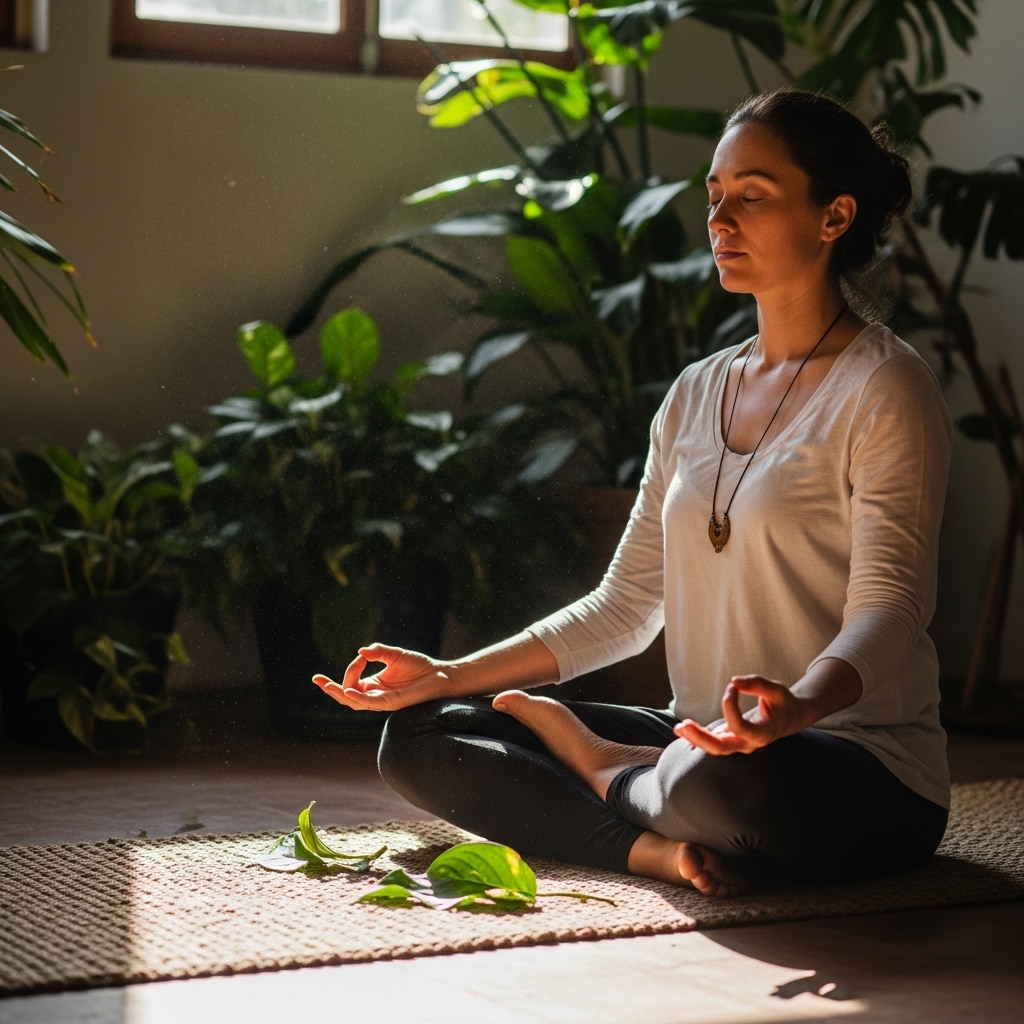
Meditation yoga is an excellent way for beginners to connect with their spiritual capacity and body parts in a harmonious way. By developing a steady practice, you will not only increase physical flexibility but also nurture your emotional and mental well-being. Integrating meditation yoga into your daily life helps you build a sense of consciousness automatically concentrated, which leads to a more peaceful and fulfilling life. It’s more than just physical exercise; it’s an exploration of your inner world.
Whether you’re looking to reduce stress or simply create more balance in your life, meditation yoga for beginners will support you. Starting slow and focusing on deeper meditation techniques can guide you through this journey with grace and ease.
Daily practice of meditation can help bring harmony and happiness into every department of your life.
READ ALSO: Yoga Posture to Align Your Body and Embrace Gratitude
Preparing for Your First Meditation Yoga Session
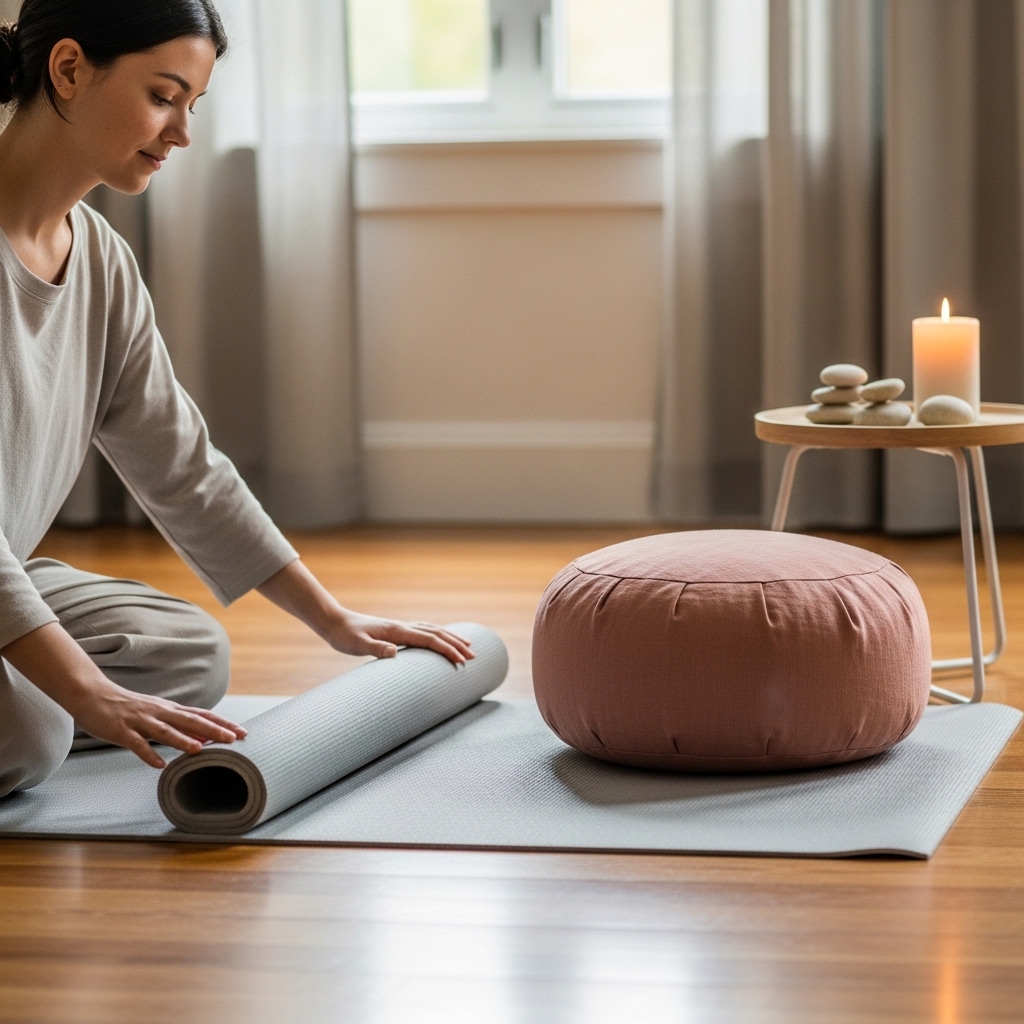
Before you begin your first meditation yoga practice, it’s important to create a comfortable and peaceful space. If you’re wondering what you need, a yoga mat and a meditation cushion are great tools to help you feel stable and grounded. You may also want to choose a quiet space where you won’t be disturbed. It’s best to set aside some time for yourself, where you can focus entirely on the practice without distractions.
When you’re just starting out, it’s important to remember that meditation posture is crucial. Sit with an erect spine—the spine should be held erect during meditation to avoid discomfort and to facilitate the flow of energy. Sitting is the most commonly recommended posture for meditation, but other positions like standing, walking, or reclining can also be effective. As you settle in, bring awareness to your whole body, ensuring alignment and relaxation from head to toe. This alignment helps you cultivate bodily stillness and creates a foundation for deeper concentration. Also, remember to keep your eyelids half closed, allowing your gaze to rest gently ahead of you or gently lift your gaze upward without strain, focusing between the eyebrows or at your chosen focal point. This creates a calming effect, allowing you to focus on your focal point.
The Power of Proper Deep Breathing in Meditation Yoga
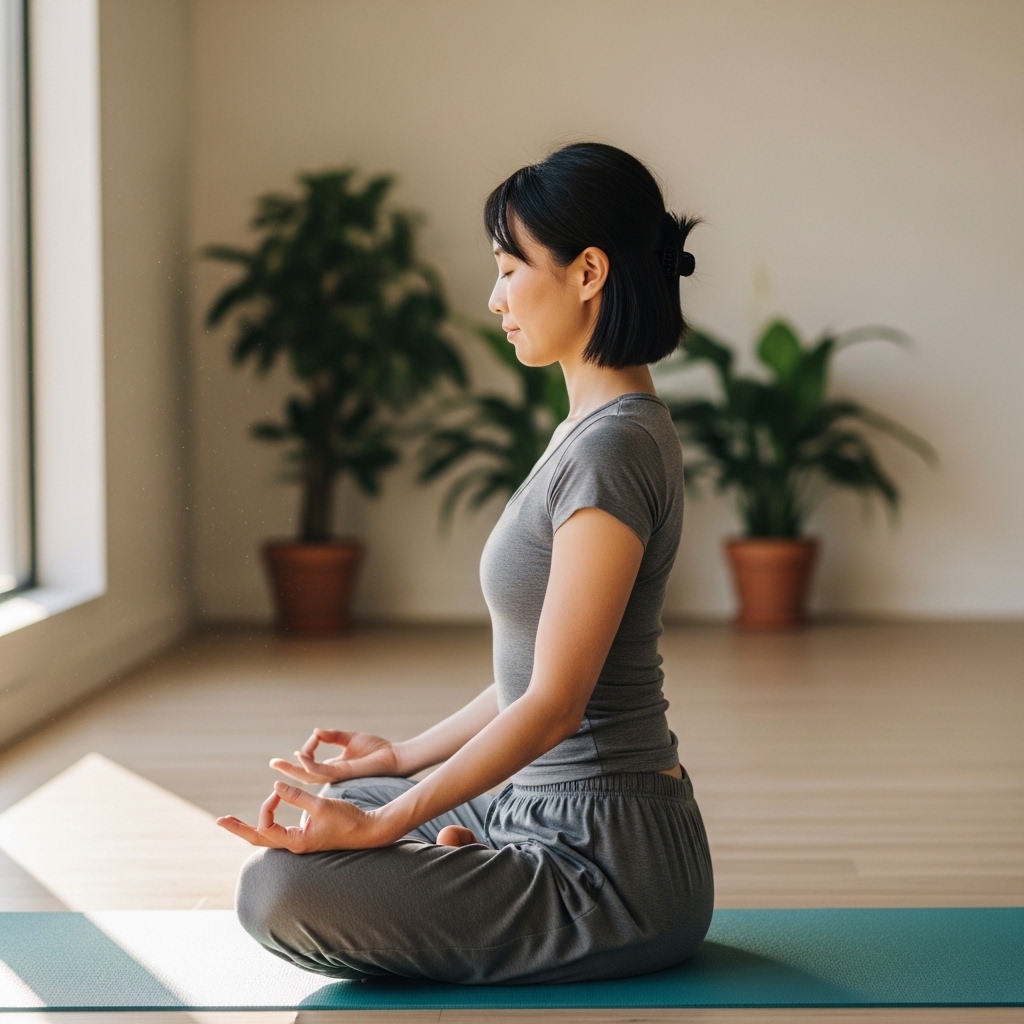
One of the most important aspects of meditation yoga for beginners is learning how to breathe properly. Your breath is your anchor—it helps you stay present and focused, even when your mind wanders. Practicing proper deep breathing can help reduce muscular tension and calm your nervous system. As you inhale and exhale deeply, you’ll begin to experience a sense of inner joy and tranquility.
Breath Awareness involves focusing on the sensation of breathing in and out without trying to change the pace.
As a beginner, start by focusing on ordinary breathing. Breathe in slowly through your nose, hold for a moment, and exhale gently. Pay close attention to the physical sensations that arise with each breath, such as the feeling of air moving through your nostrils or the rise and fall of your chest and abdomen. With practice, you’ll notice that this breathing technique can help you feel more connected to both your body and mind. As you progress, you can experiment with different breathing techniques, such as stress inhale or focusing on your spiritual eye, to deepen your practice even further.
Correct Meditation Posture for Beginners in Meditation Yoga
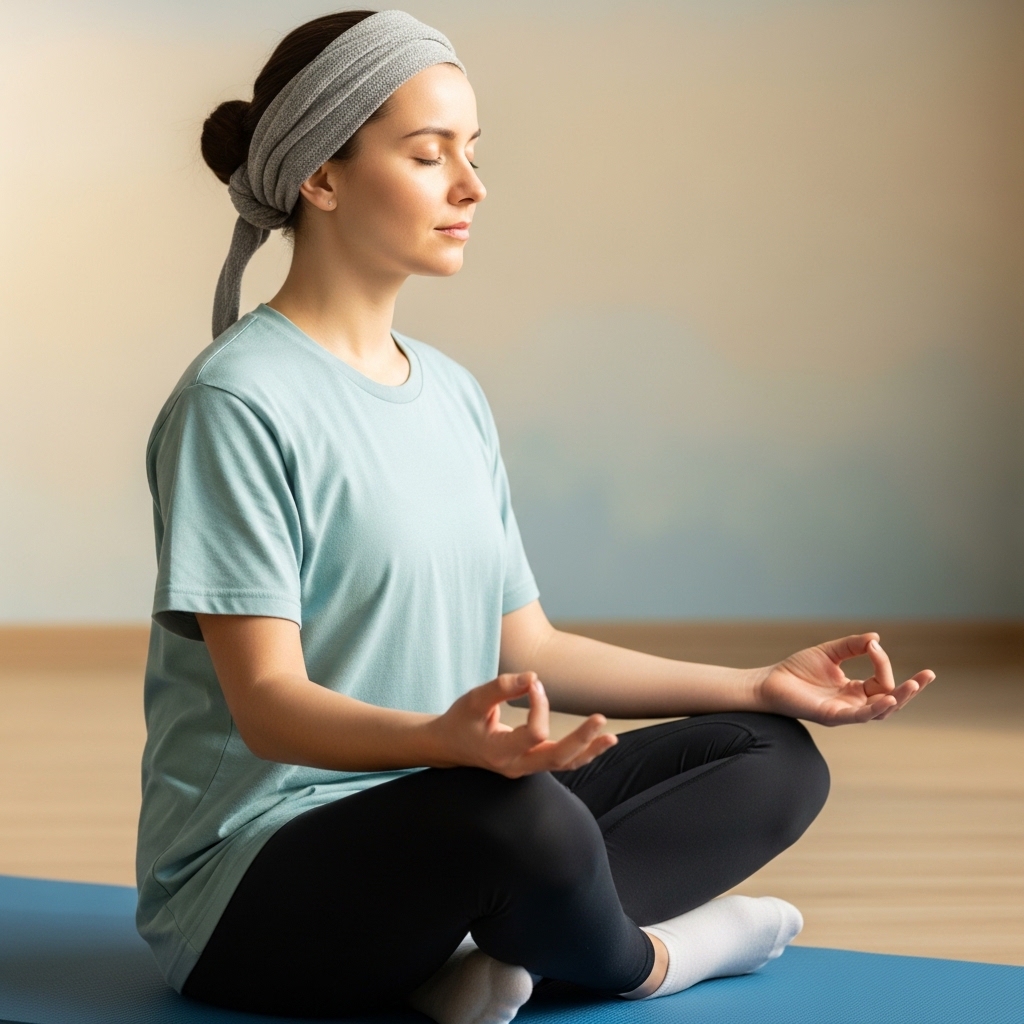
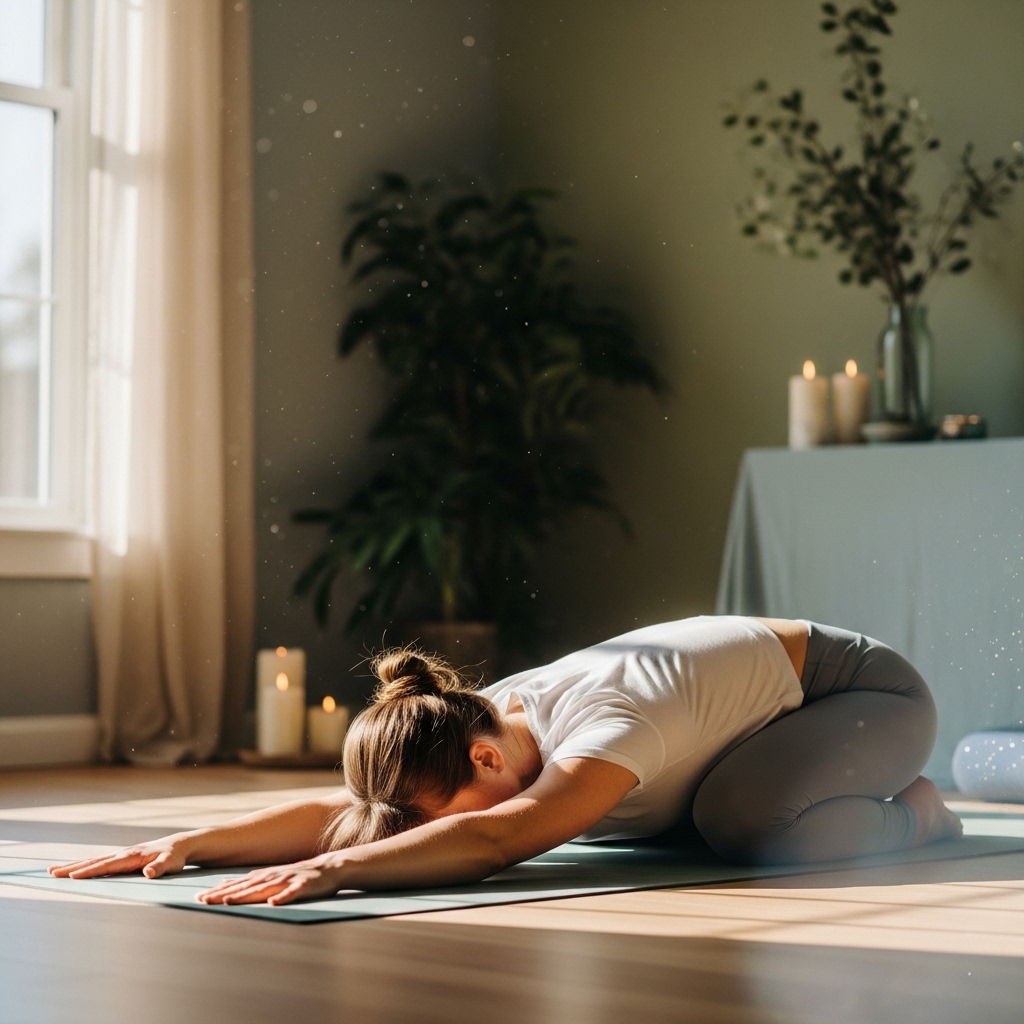
There are several asana practices you can try in your yoga meditation journey. Beginner-friendly yoga poses include Sukhasana (Easy Pose), Child’s Pose (Balasana), and Cat-Cow Stretch, which help improve physical wellness and release tension. Some simple ones also include downward-facing dog and seated forward bend. These postures help stretch and strengthen your body while allowing you to stay grounded in your bodily sensations. Cat-Cow Stretch involves moving between a rounded back (Cat) and an arched back (Cow) to sync movement with breath and improve spinal mobility.
For beginners, it’s important to focus on correct meditation posture—this will help you feel comfortable during your practice and support your steady practice. A gentle reminder here: don’t rush through the postures. It’s about being present and allowing your body to feel each movement, minimizing restless motion for deeper focus, and paying attention to the sensations without pushing yourself too hard.
READ ALSO: Gentle Yoga Poses
Exploring Meditation Periods and Practices
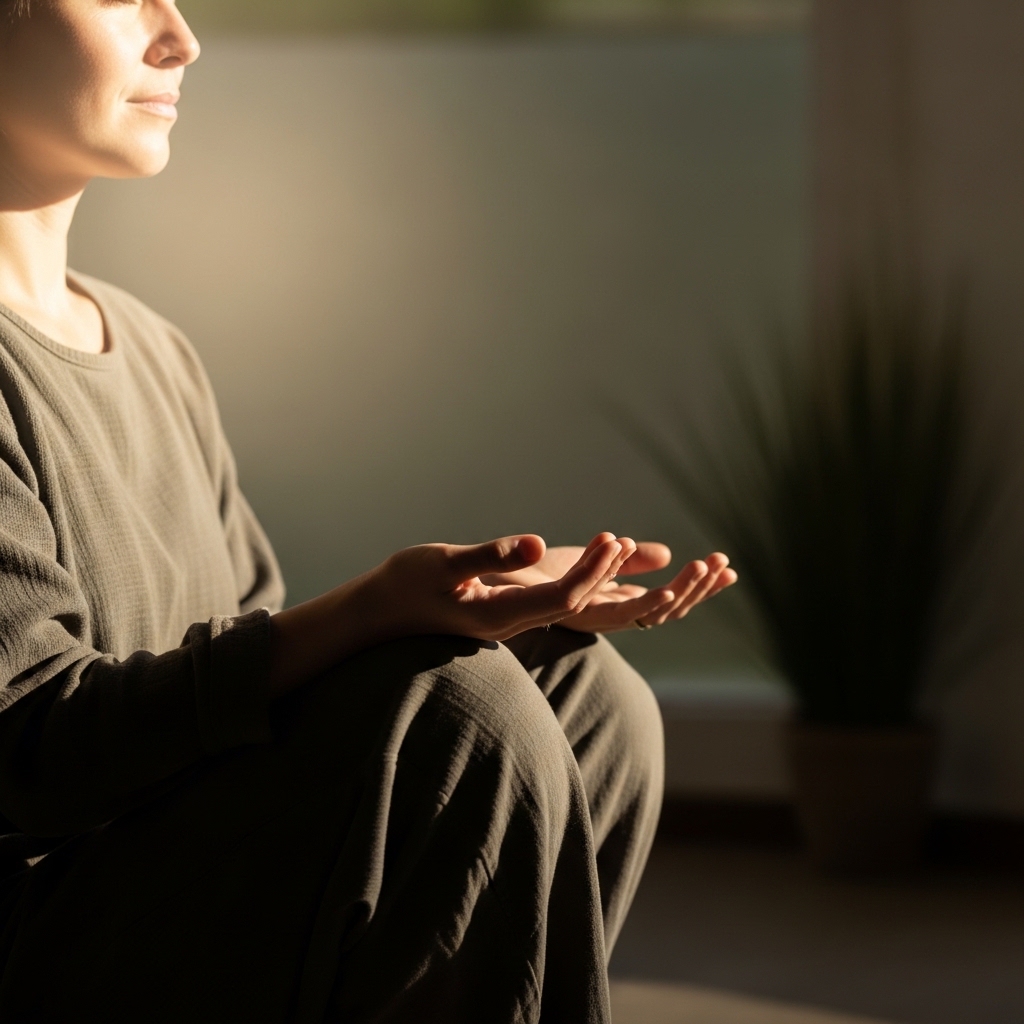
When you’re just starting out, it’s perfectly fine to start with a short meditation period—about 5 to 10 minutes will do. If you are brand-new to mindfulness, it's best to start with a short meditation period of 5 to 10 minutes. As you get more comfortable with yoga meditation, you can gradually extend your practice to 20 or 30 minutes. The key here is consistency, not duration. A steady practice is far more beneficial than a long practice that you can’t maintain. For deeper benefits, the meditation period should last at least thirty minutes in the morning and thirty minutes at night.
Remember, meditation yoga for beginners is about developing a relationship with your body and mind. Using a mantra or a specific sound can serve as a focal point in meditation, helping to anchor the mind. Visualizing an object or a scene can also be an effective meditation technique for beginners, as it provides a tangible focus. Praying deeply or focusing on your own devotional yearning can help connect you to something greater, whether it’s your inner self, the present moment, or the cosmic consciousness. Through devoted prayer or simply quiet reflection, you’ll deepen your connection with your spiritual self.
It is common for beginners to fall asleep during meditation. To maintain alertness, try sitting upright, meditating at a time when you are not too tired, or focusing on your breath or a mantra.
Working with Emotions in Meditation Yoga
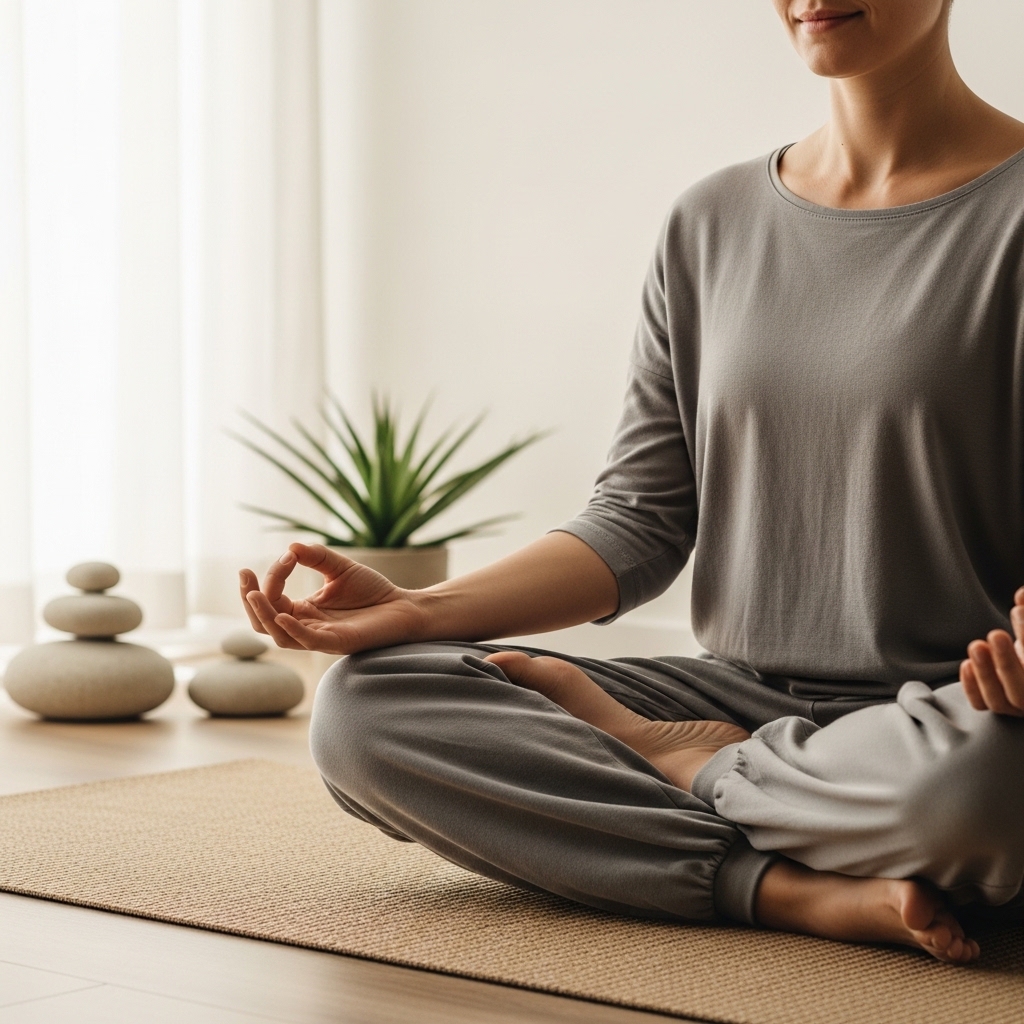
As you settle into your meditation practice, it’s natural for a range of emotions to surface. Whether you’re feeling joy, sadness, restlessness, or even unexpected calm, meditation yoga offers a safe space to gently explore these feelings. By sitting in a comfortable meditation posture and focusing on proper deep breathing, you create an environment where emotions can be observed without judgment. Instead of pushing emotions away or clinging to them, allow yourself to simply notice what arises, much like watching clouds drift across the sky.
Incorporating asana practice into your routine can also help release emotional tension stored in the body, making it easier to access deeper meditation. Over time, this mindful approach nurtures your inner spiritual capacity, empowering you to respond to emotions with greater clarity and compassion. Remember, every meditation is an opportunity to strengthen your spiritual capacity and connect more deeply with your true self. With patience and steady practice, you’ll find that working with emotions becomes a natural and transformative part of your meditation journey.
Developing a Consistent Meditation Yoga Routine
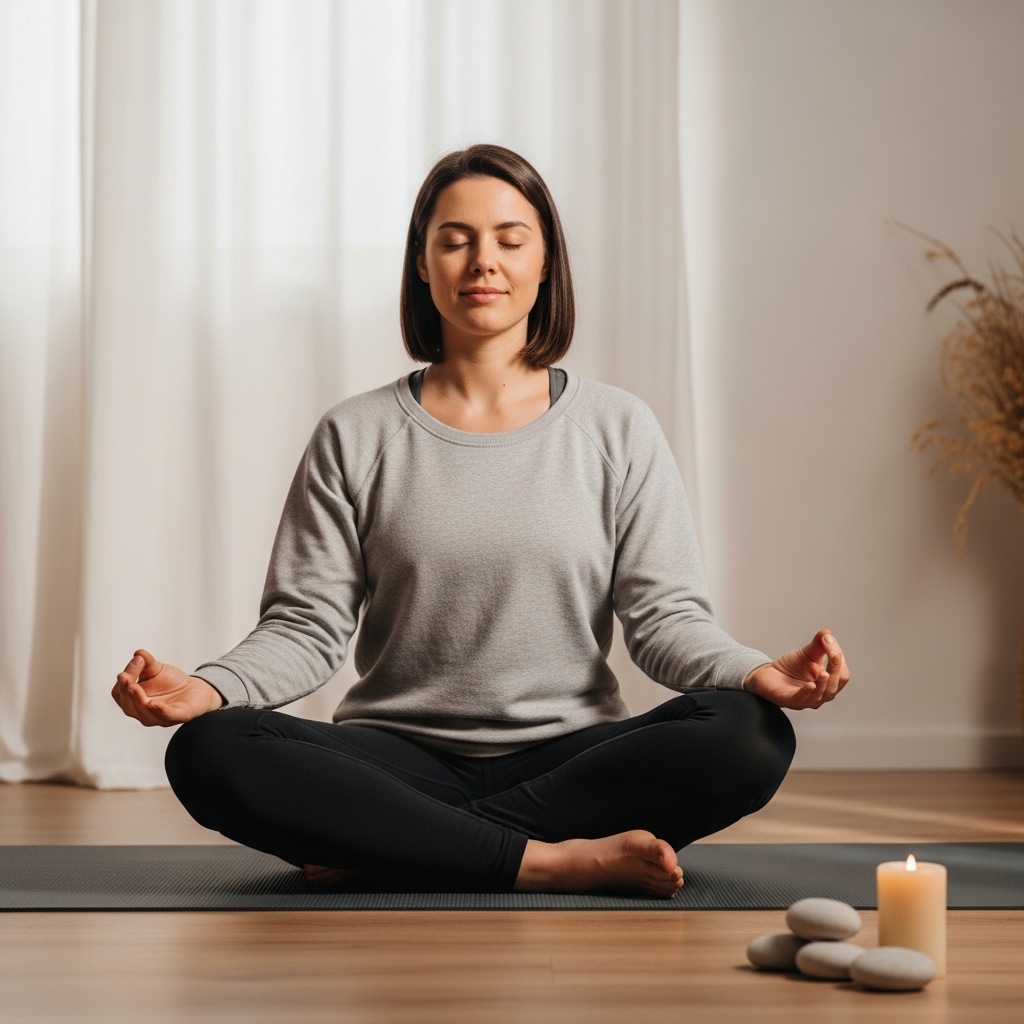
Consistency is key to progress. Make meditation yoga part of your daily practice, even if it's just for a few minutes. You’ll soon notice how it impacts your day—helping you bring more balance and peace into every area of your life. A steady, grounded routine allows your spiritual eye to open further, helping you perceive the world with a more loving and compassionate heart.
Set an intention for each session, and gently focus attention on the present moment. The more you practice, the easier it becomes to shift from stress and distraction into calmness and clarity. Trust the process, and allow yourself to grow at your own pace.
READ ALSO: Mood-Boosting Yoga and Breathing Postures
Overcoming Challenges as a Beginner
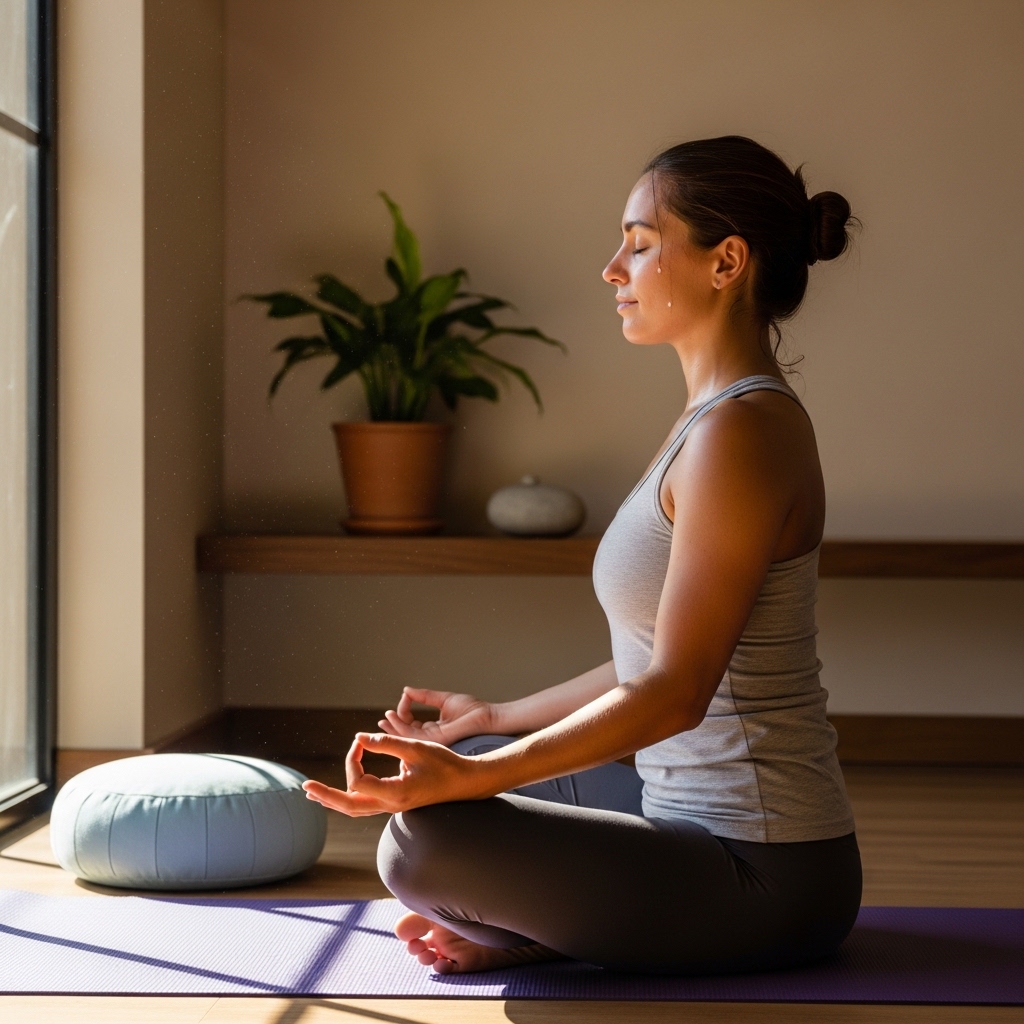
Starting a new meditation practice can come with its own set of challenges, but with a little patience and the right tools, you can overcome them and progress spiritually. One of the first hurdles is finding the correct meditation posture. Using a yoga mat for support and comfort can make a big difference, helping you maintain an erect spine and relaxed body. If you find it difficult to sit still, begin with short meditation periods—just 5 to 10 minutes—and gradually increase the time as your comfort grows.
A restless mind is another common challenge for beginners. When thoughts start to wander, try using simple concentration techniques, such as focusing on your breath or silently repeating a calming word or phrase. Creating a quiet, dedicated space for your meditation can also help minimize distractions and support your practice. Remember, every session is a step forward. By consistently showing up for yourself and your meditation, you’ll soon notice a greater sense of calm, reduced stress, and a deeper connection to your inner self.
The Role of Devotion and Spiritual Growth in Meditation Yoga
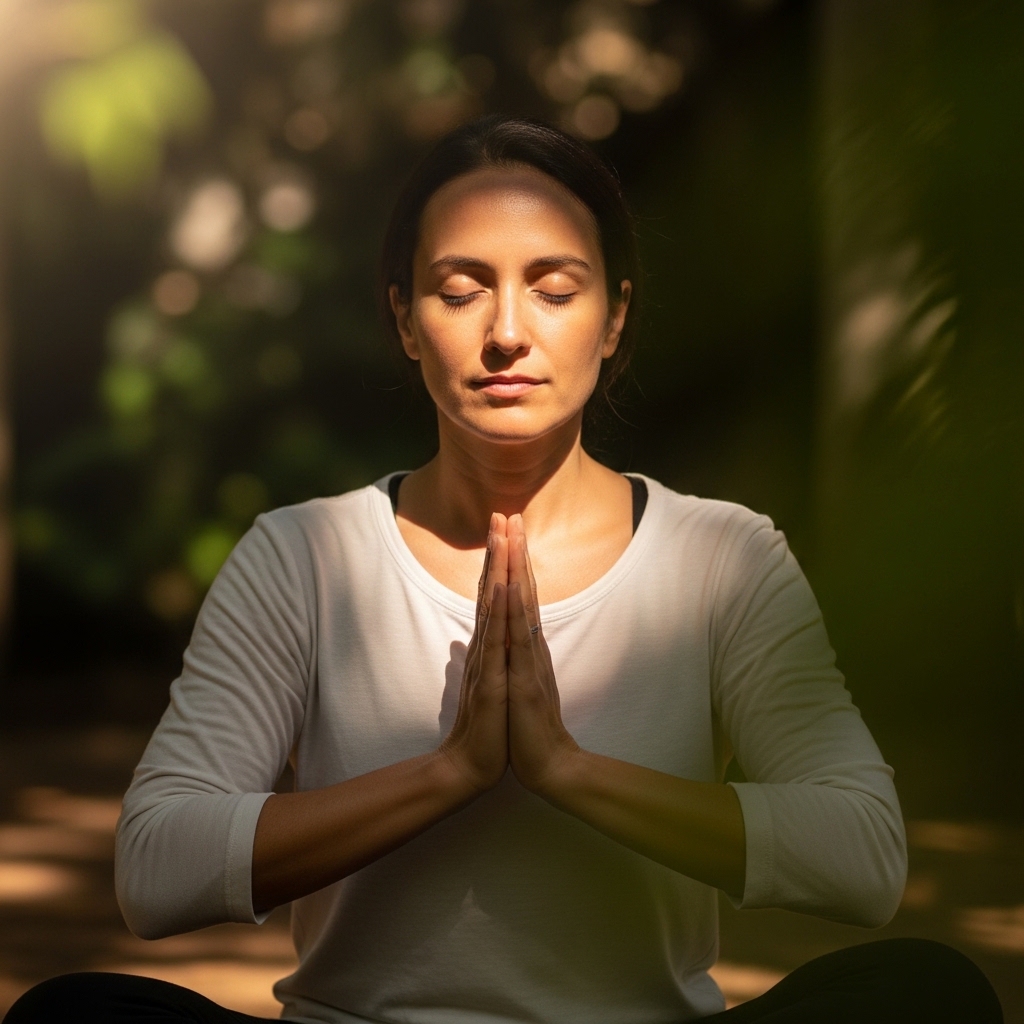
As you continue on your meditation journey, you’ll begin to notice shifts in your spiritual capacity. Meditation yoga for beginners can lead to a state of joyous divine union, an uplifting connection experienced during deep meditation. As the devotee expands their consciousness, they begin to encompass the universe and all beings, feeling a sense of unity with all creation. Through scientific meditation and deeper techniques, you can consciously perceive God's presence and experience God's bliss, which is often likened to immersing in a vast ocean of spiritual consciousness. These states are naturally developed through steady, disciplined practice and take deep concentration, requiring the practitioner to remain calmly concentrated.
As you become more attuned to your practice, you may feel God's response during meditation, such as a sense of peace, joy, or inner calm. In deep meditation, visualize the golden halo surrounding the spiritual eye, and as a person deep in meditation, you may experience worlds floating in cosmic consciousness. Scientific techniques can facilitate self realization, the ultimate goal of the yogic journey, revealing the interconnectedness of every human being.
A good practice is to take an affirmation or a prayer and spiritualize it with your own devotional yearning.
Seeking Guidance on Your Meditation Yoga Path
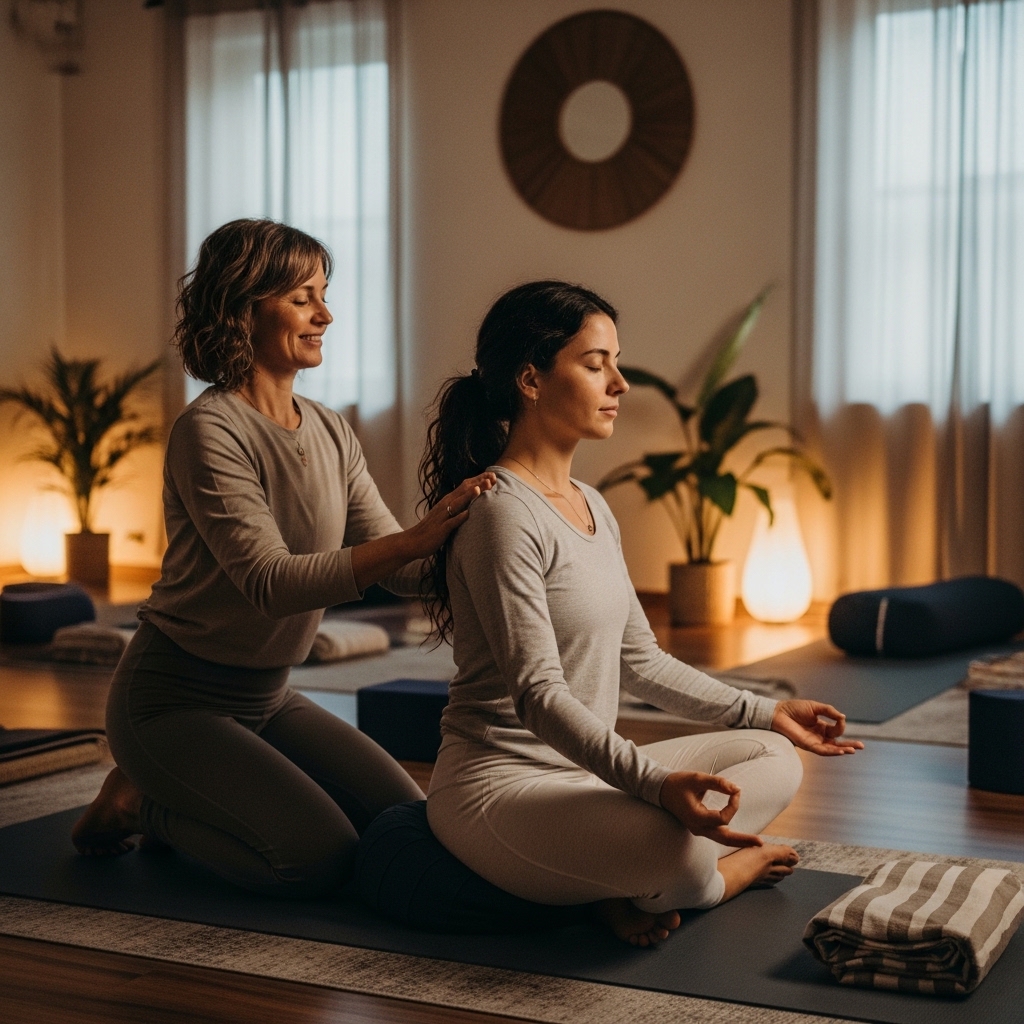
Embarking on your meditation yoga journey doesn’t mean you have to go it alone. Seeking guidance from an experienced teacher can be incredibly helpful, especially when you’re learning the foundations of meditation posture and breathing techniques. A knowledgeable mentor can offer personalized feedback, answer your questions, and help you refine your practice so you can experience more inner joy and progress with confidence.
Guided meditations—whether in person, through apps, or online videos—provide structure and inspiration, introducing you to new techniques and helping you stay motivated. Participating in yoga and meditation workshops or retreats can also deepen your understanding, connect you with a supportive community, and encourage you to explore your own nature more fully. With the right guidance and support, you’ll find it easier to navigate the ups and downs of meditation, unlocking the full potential of your practice and discovering a lasting sense of peace and connection within.
READ ALSO: Pretzel Poses: Unusual New Yoga Positions
Meditation Yoga for Beginners: A Lifelong Journey
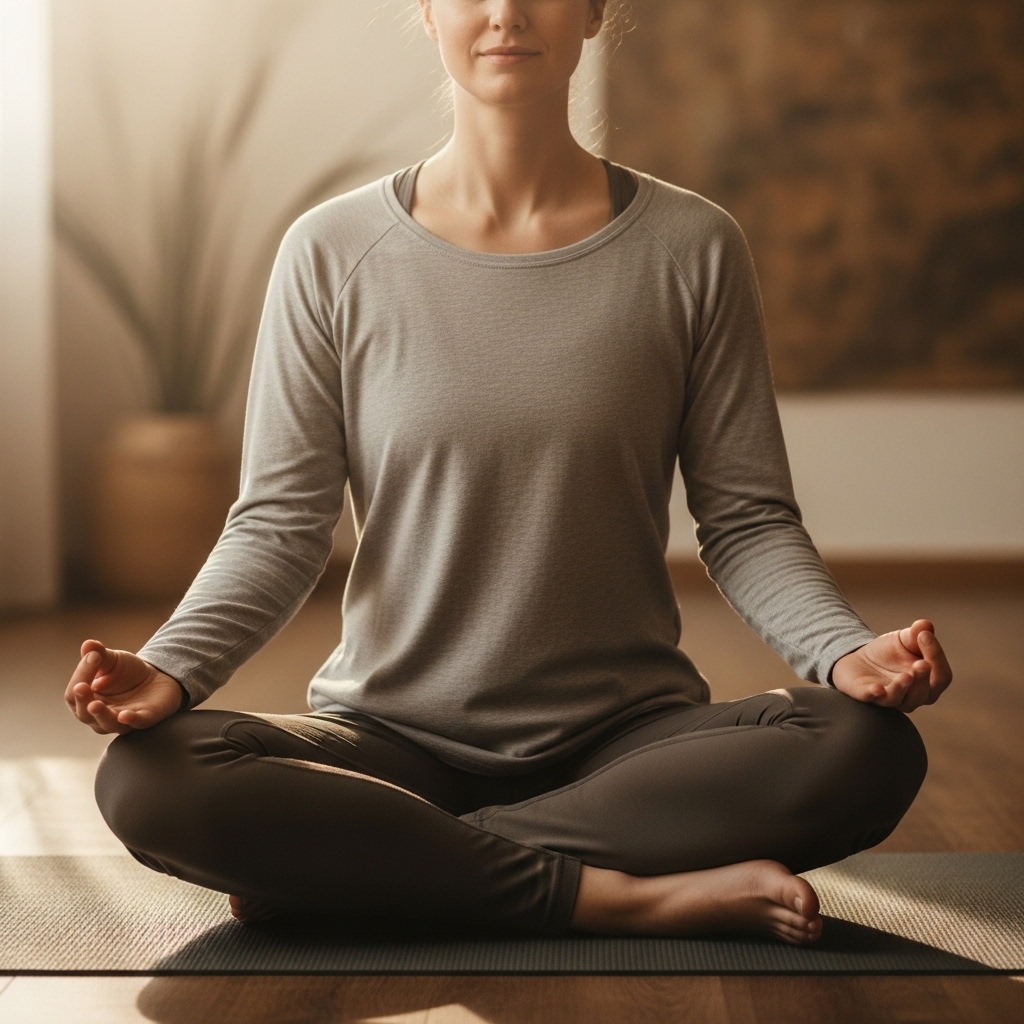
Embarking on a meditation yoga journey is a process of self-discovery. Through the practice, you will come to appreciate the connection between your body, mind, and spirit. Whether you're new to yoga or have been practicing for a while, remember that this is your unique path. Don’t compare your progress to others; embrace your own personal journey.
With dedication and patience, you’ll experience a deeper concentration in your practice. Focus attention on your breath, your body, and your mind. Through meditation yoga for beginners, you’ll come to see that peace isn’t something you have to chase—it’s always there, waiting to be discovered within you.
Conclusion: Embrace Peace, Balance, and Self-Discovery
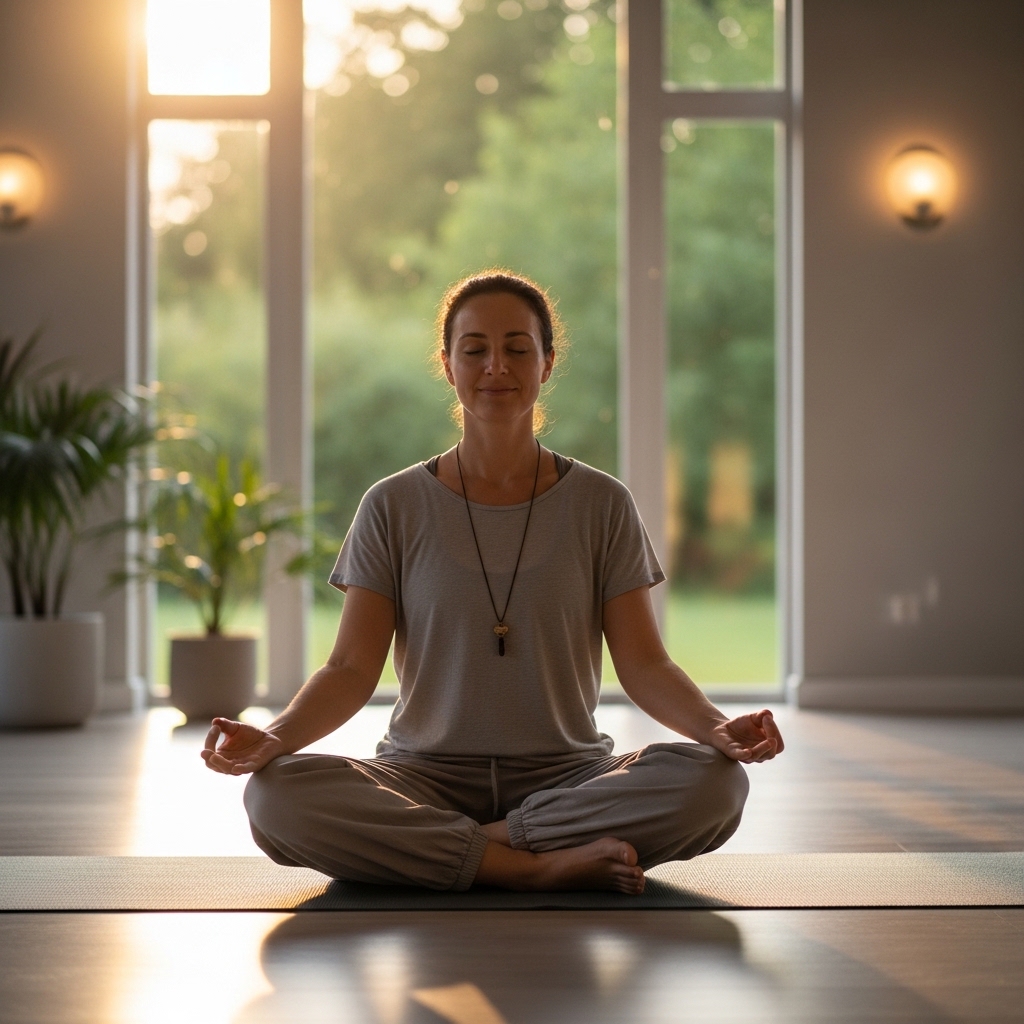
As you continue your journey with meditation yoga for beginners, remember to be patient with yourself. The more you practice, the more you’ll experience consciousness spreading and moments of meditative calm. Your inner peace is always there, just waiting for you to tap into it.
Whether you're practicing hatha yoga or simply sitting with your thoughts, remember that meditation is not about perfection. It’s about presence, connection, and nurturing your mind, body, and soul. Keep breathing deeply, stay steady, and embrace the peace that awaits.