Chronic anterior pelvic tilt and thoracic kyphosis — the structural default of executives who log eight or more hours daily in seated positions — are measurably associated with elevated cortisol output, restricted diaphragmatic breathing, and reduced spinal loading efficiency. For professionals operating at peak cognitive and physical demand, these are not aesthetic concerns: they represent compounding biomechanical deficits that accelerate musculoskeletal aging and compromise autonomic nervous system regulation. Targeted yoga posture practice, applied with anatomical precision rather than general flexibility goals, addresses the root structural dysfunctions that undermine both performance output and long-term physical resilience.
The Structural Cost of Sedentary Professional Life
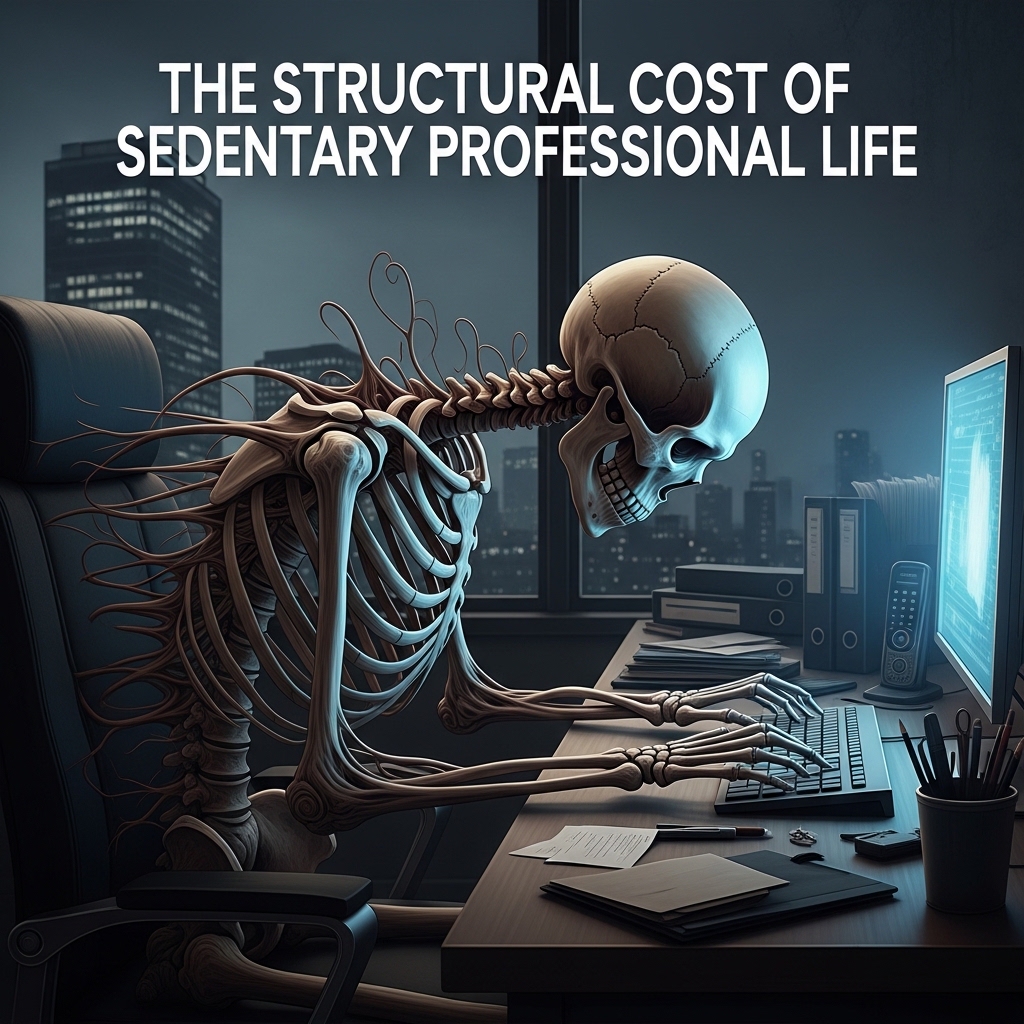
The modern executive's physical environment damages spinal integrity. Prolonged sitting compresses the hip flexors and rotates the pelvis forward. It also pushes the mid-back into a rounded, hunched position — what clinicians call kyphosis. Over months and years, these patterns become structural. As a result, the muscles and connective tissue reshape around the dysfunctional position. The body begins to treat the seated posture as its new normal.
This structural shift then triggers a cascade of downstream problems. Compressed intervertebral discs — the cushioning pads between the vertebrae — experience uneven pressure. Over time, this accelerates degenerative disc disease at the lower back and neck. Meanwhile, the diaphragm, now restricted by the collapsed ribcage, loses its full range of movement. This reduces breathing volume and weakens the deep, rhythmic breath cycles that calm the nervous system. For professionals already running in a chronic stress state, this adds further physical load.
Research from the National Institutes of Health links poor postural alignment to high levels of inflammatory cytokines — specifically interleukin-6 and C-reactive protein. These markers, when chronically elevated, speed up biological aging and raise cardiovascular risk. Consequently, the structural damage from years in a misaligned posture does not stay confined to the spine. It reaches into the metabolic and cardiovascular systems that define long-term health resilience.
What Yoga Posture Practice Actually Trains
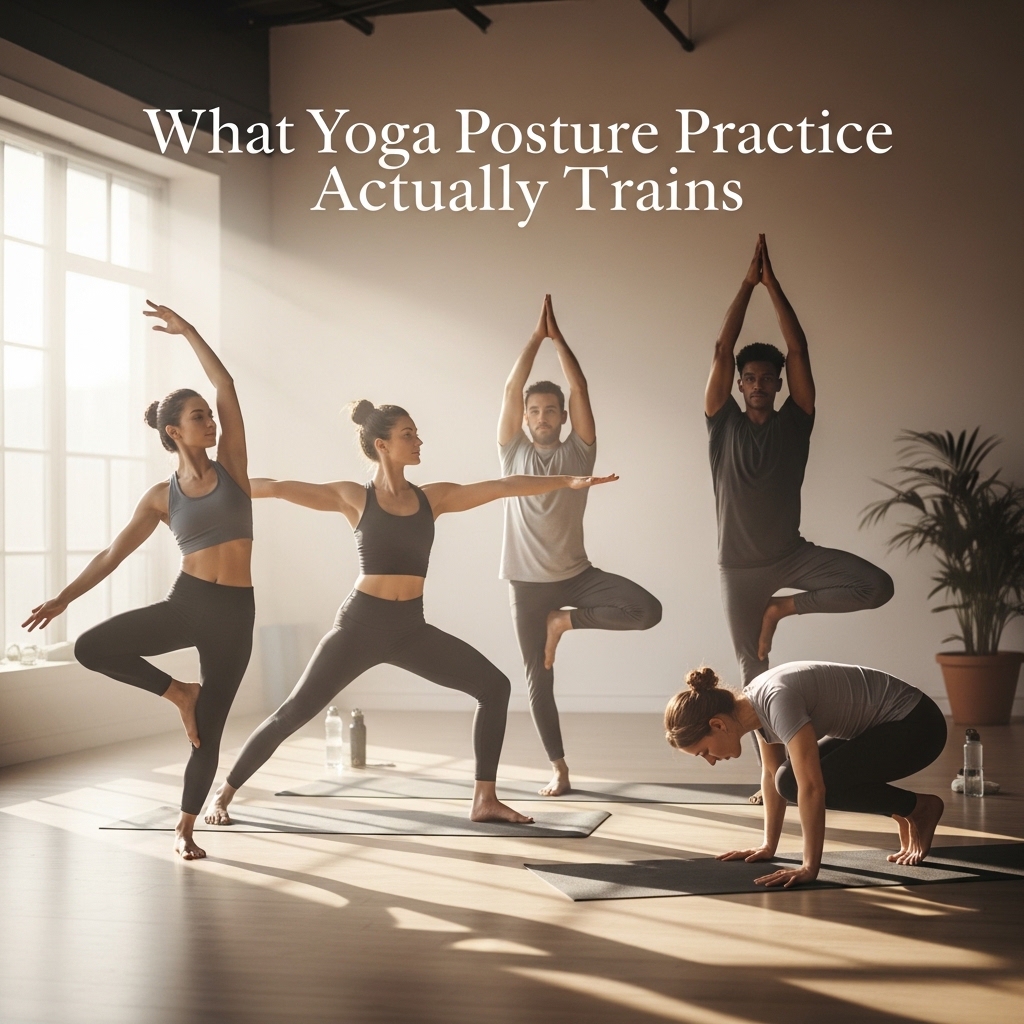
Yoga posture — known clinically as asana — is widely misread as a flexibility practice. In performance longevity, however, it functions more accurately as a neuromuscular re-education protocol. Each posture places specific mechanical demands on joints, muscles, and connective tissue. In response, the nervous system recruits stabilizing muscles in precise sequence. Over time, this recalibrates proprioception — the body's internal sense of its own position in space.
The clinical value of this recalibration goes well beyond balance and coordination. Accurate proprioception underpins movement economy. Specifically, the body spends less energy on the same tasks when its sensory feedback systems work well. For executives who travel frequently, train hard, or depend on sustained physical energy through long working days, this efficiency has direct performance consequences.
Furthermore, yoga posture practice builds what physiologists call interoceptive awareness — the ability to detect and interpret internal signals such as tension, breathing depth, and heart rate. Studies published in Frontiers in Human Neuroscience link this type of training to better nervous system regulation, lower cortisol reactivity, and stronger emotional control. All three are directly relevant to high-stakes professional performance.
Spinal Mechanics and Biological Age
The spine ages in measurable ways. Vertebral bone density declines with age, particularly in the lower back. Similarly, disc hydration — the fluid content within the discs that provides cushioning — drops steadily after the mid-thirties. These changes are largely unavoidable. Their rate, however, depends heavily on how the spine is loaded day after day. Spines loaded in poor positions degrade faster.
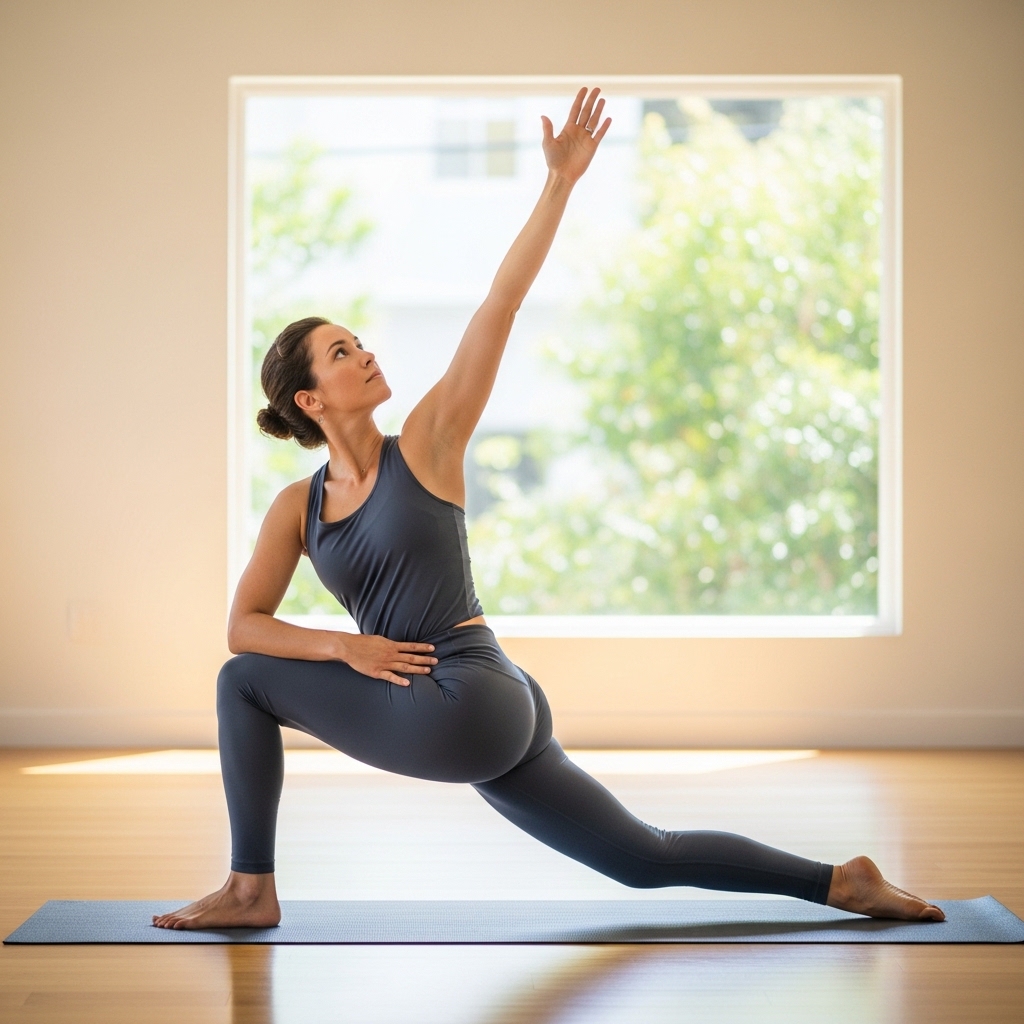
Yoga posture introduces what biomechanists call axial loading in neutral alignment. These are positions that compress or lengthen the spine along its natural curves. For example, postures such as Mountain Pose, Tree Pose, and Downward-Facing Dog each create specific spinal loading conditions. These encourage both muscular support and disc hydration through imbibition — the process by which discs absorb fluid when loaded and released. Regular practice of these patterns supports disc health over time.
The Harvard T.H. Chan School of Public Health has published research connecting habitual physical activity — including mind-body practices — to slower rates of musculoskeletal aging in adults over forty. No single practice reverses biological age in the spine. Consistent work that reinforces neutral alignment and dynamic loading, however, slows the structural decline that otherwise builds silently across the working decades.
Cortisol, the Autonomic Nervous System, and Posture
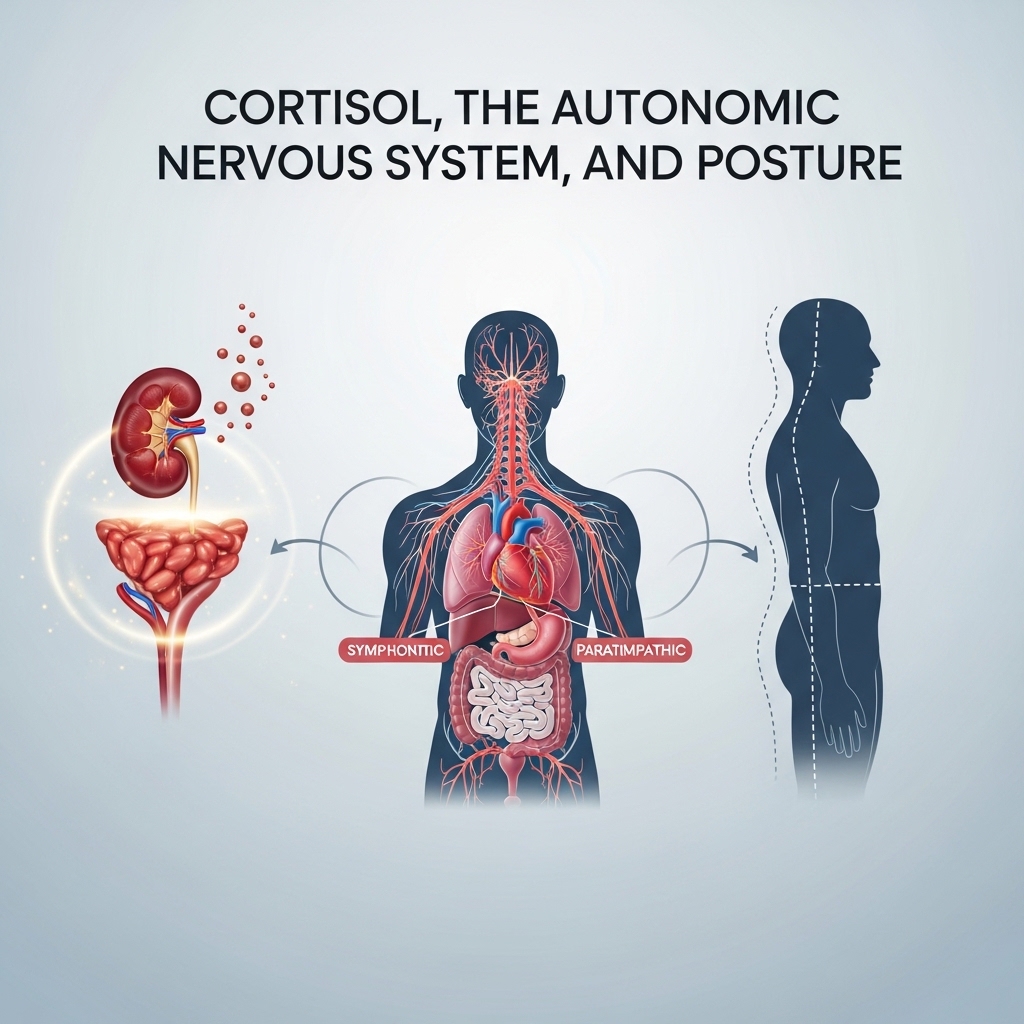
The link between physical posture and cortisol regulation has a clear mechanical basis. The hypothalamic-pituitary-adrenal (HPA) axis — the hormonal system that governs cortisol release — depends in part on vagal tone. Vagal tone refers to the activity level of the vagus nerve, which connects the brain to the major organs. Breathing mechanics directly influence vagal tone. In turn, postural alignment directly influences breathing mechanics.
When the mid-back collapses and the ribcage compresses, diaphragmatic movement becomes restricted. As a result, the body shifts to shallow, upper-chest breathing. This activates the sympathetic nervous system and chronically suppresses vagal tone. Over time, this suppression reduces heart rate variability (HRV) — a measurable marker of stress resilience used widely in executive performance monitoring. Low HRV links to higher cortisol reactivity, slower cognitive recovery, and elevated cardiovascular risk.
Yoga posture practice that integrates structured breath work — known as pranayama — has been shown to measurably improve HRV in adults with high baseline stress. Research published in the International Journal of Yoga documents these findings. Moreover, correcting rounded posture through targeted postures allows the diaphragm to return to full function. This restores the breathing patterns that drive calm and support cortisol normalization.
Cardiovascular Implications of Postural Dysfunction
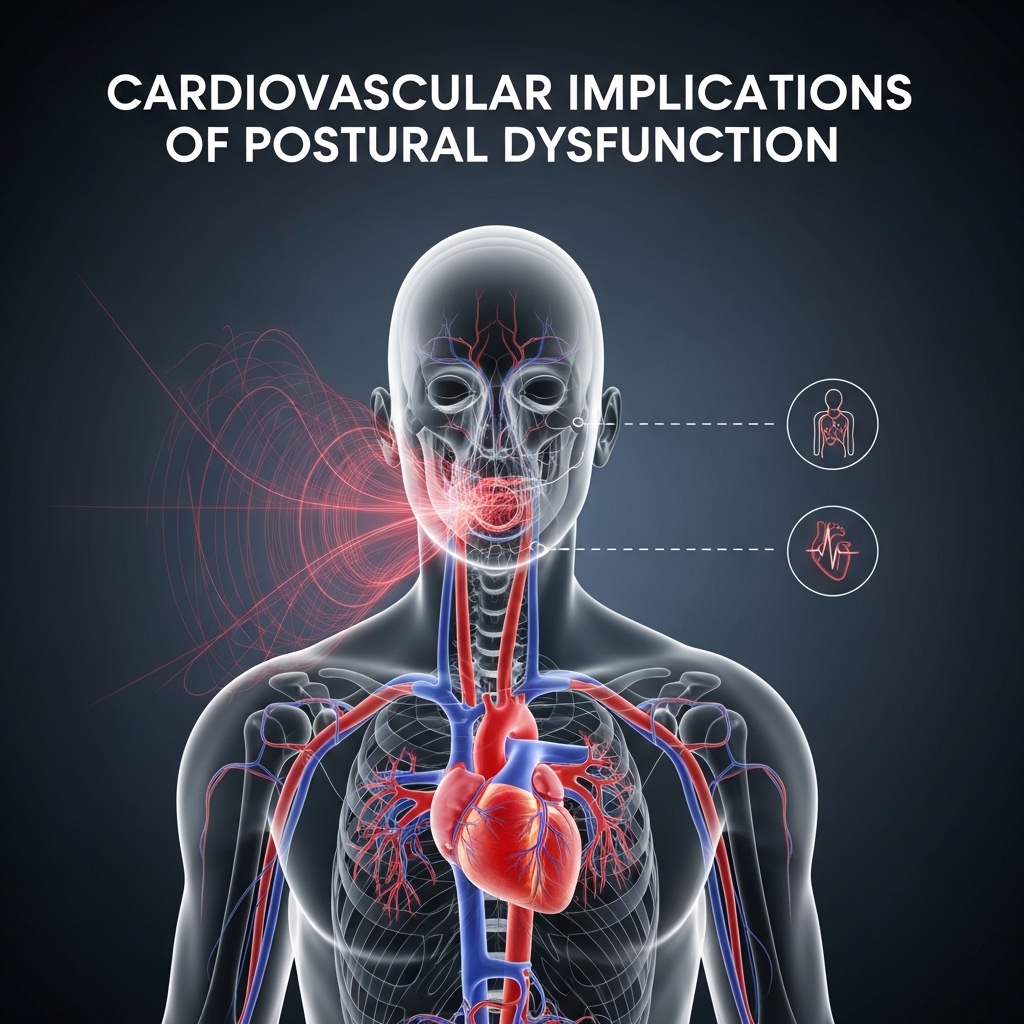
The cardiovascular system does not operate in isolation from structural mechanics. Thoracic outlet syndrome — compression of blood vessels and nerves between the collarbone and first rib — appears far more often in people with chronic forward-head posture. This compression reduces circulation to the upper body. It also triggers sustained sympathetic nervous system activation through persistent pain signals.
Postural dysfunction also degrades baroreceptor sensitivity. Baroreceptors are pressure-sensing receptors in the carotid arteries and aorta that regulate blood pressure in real time. The American Heart Association has linked poor baroreceptor sensitivity to sustained blood pressure elevation and reduced cardiovascular control under stress. For professionals who face high-pressure decisions daily, baroreceptor function represents a real and often overlooked cardiovascular variable.
Certain yoga postures open the front of the chest wall and relieve pressure on the thoracic outlet. Camel Pose, Fish Pose, and Bridge Pose each lengthen the front of the neck and chest. Over time, this structural opening supports better baroreceptor function. It also reduces the postural compression patterns that quietly raise cardiovascular workload throughout the day.
Muscle Mass, Sarcopenia, and Postural Stability
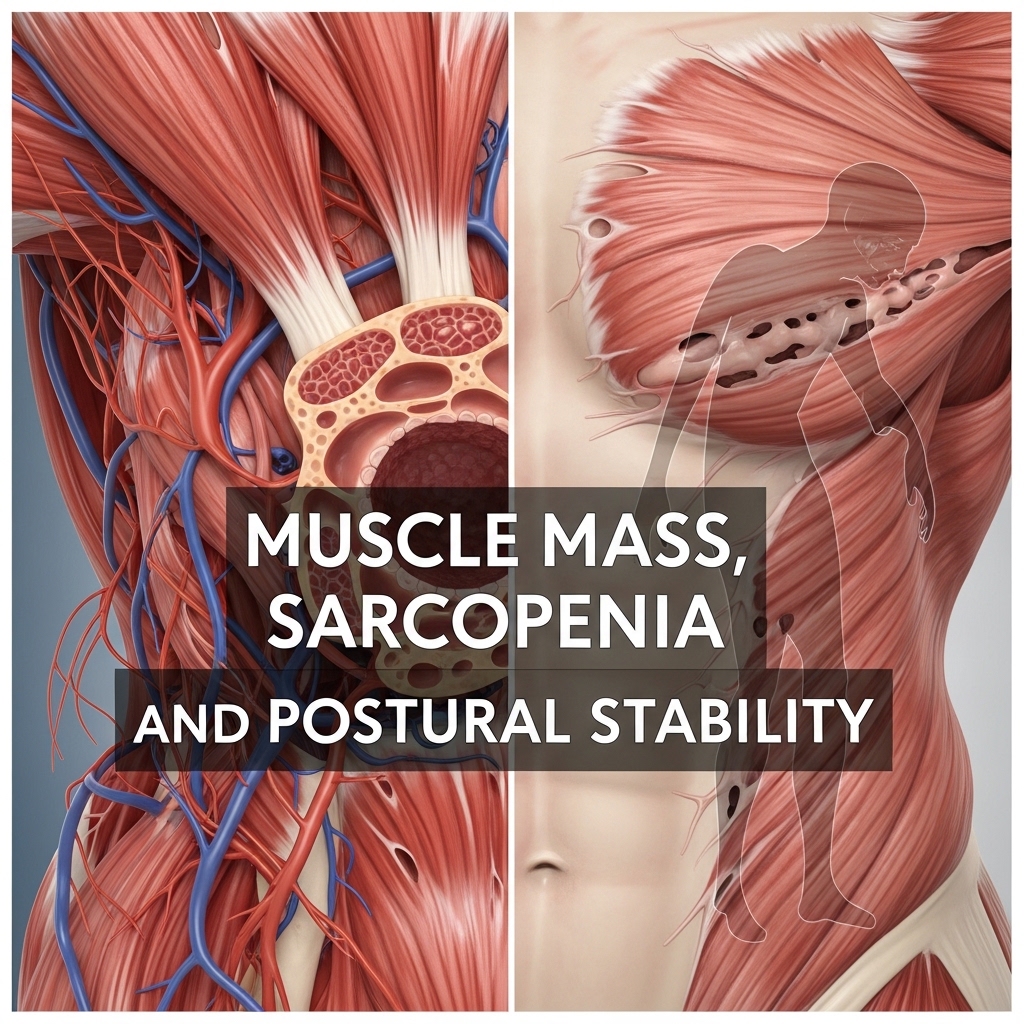
Sarcopenia — the age-related loss of skeletal muscle mass and function — begins measurably in the mid-thirties. Without active intervention, it accelerates after fifty. The muscles most critical to postural support include the deep spinal stabilizers, the multifidus, the transversus abdominis, and the posterior hip muscles. These are among the first to weaken in desk-based professionals. Notably, chair-based work and conventional gym training rarely recruit them.
The clinical consequences of deep stabilizer weakness extend beyond posture. These muscles are slow-twitch, type I fibers — rich in mitochondria and central to sustained energy production. Their decline represents a metabolic loss as much as a structural one. This contributes to the fatigue and poor recovery patterns that are common in high-functioning professionals over forty.
Yoga posture practice recruits these deep stabilizing muscles directly. Boat Pose, Warrior III, and Plank Pose each place isometric and dynamic demands on exactly the muscle groups most at risk from age-related decline. Research in the Journal of Strength and Conditioning Research documents significant improvements in deep core activation and stabilizer endurance in adults who maintain consistent yoga posture practice over twelve weeks.
Cognitive Performance and the Posture-Brain Connection
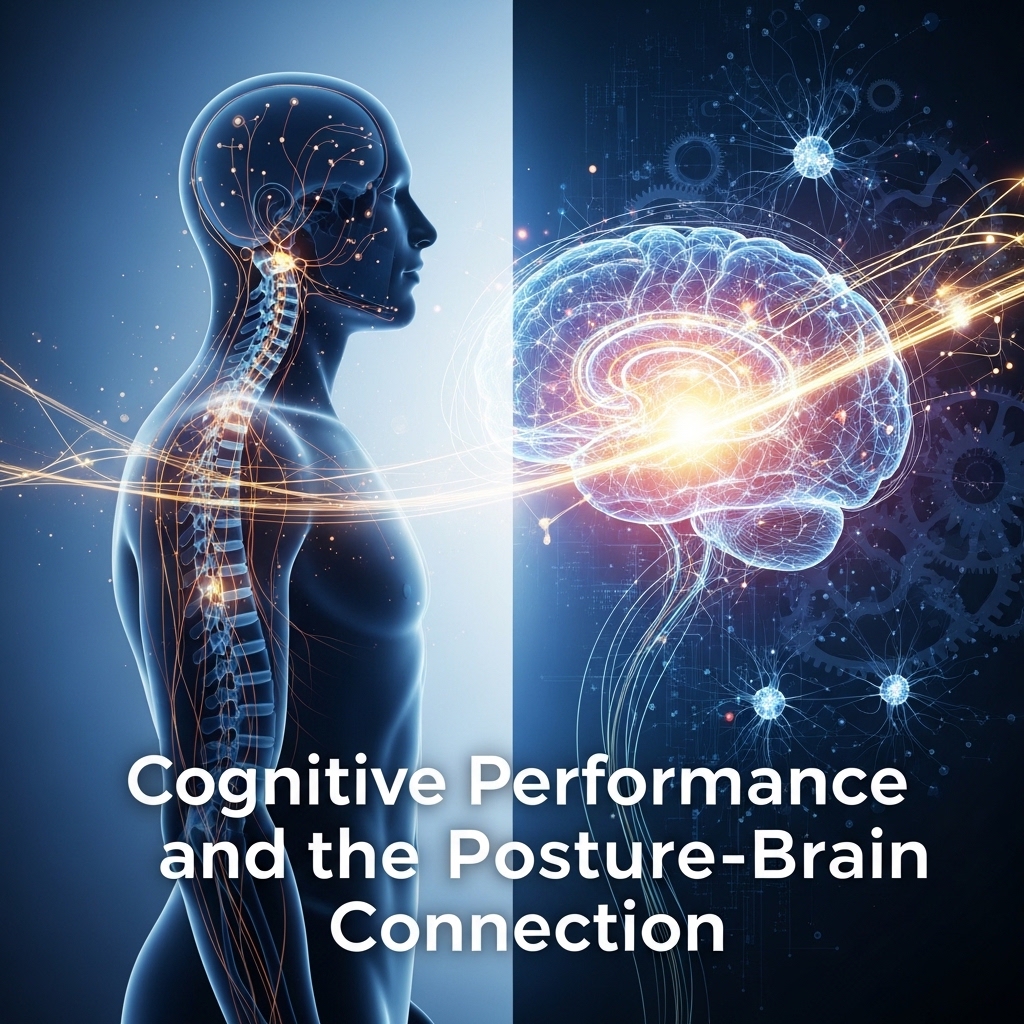
Neuroimaging research increasingly links physical posture to cognitive output. Upright, aligned posture correlates with higher activation in the prefrontal cortex — the brain region governing decision-making, planning, and impulse control. In contrast, collapsed, rounded posture correlates with reduced prefrontal engagement and higher amygdala reactivity. The practical result is a mental state with weaker executive control and stronger emotional reactivity.
Two mechanisms drive this connection. First, postural signals alter neural activation patterns directly through proprioceptive input. Second, aligned posture deepens breathing, improves oxygen supply to the brain, and shifts the nervous system toward the calm state that supports focused work. As a result, the physical position a professional holds during cognitive tasks directly shapes the quality of those tasks.
Yoga posture practice reinforces aligned positions as an automatic physical default. Repeating precise postural forms across regular practice sessions gradually reconditions the brain's movement centers to sustain upright, efficient alignment without conscious effort. For executives whose cognitive output is their primary professional asset, this automatic recalibration is a credible and underused performance lever.
READ ALSO: Chill Out with Cooling Summer Yoga Poses
Sleep Architecture and Recovery Through Postural Practice
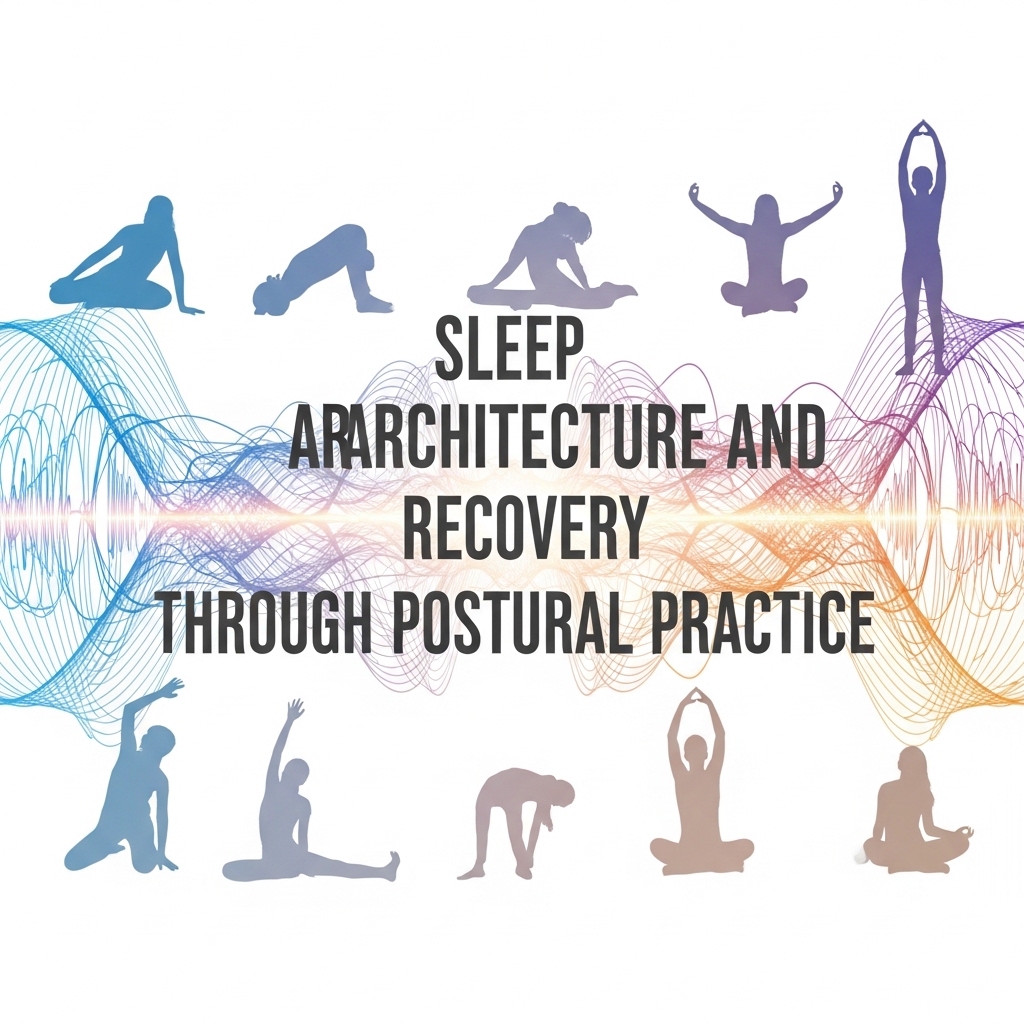
Sleep quality is a primary driver of biological age. It depends directly on both cortisol levels and nervous system state at the time of sleep onset. Professionals who carry high sympathetic activation into the evening — from sustained cortisol elevation, low HRV, and unresolved muscle tension — consistently show disrupted sleep. Specifically, slow-wave and REM stages, which drive physical and cognitive restoration, are the first to suffer.
Evening yoga posture practice — particularly restorative formats that hold postures passively for extended durations — measurably improves sleep onset and slow-wave sleep duration in adults with stress-related sleep disruption. The mechanism involves prolonged activation of the parasympathetic nervous system through sustained passive stretching. Additionally, deep postural release quiets the body's internal position-sensing signals, which helps shift the system toward rest. A study in Alternative Therapies in Health and Medicine found improvements in both subjective sleep quality and objective sleep measures in adults after an eight-week restorative yoga protocol.
Chronic postural dysfunction also generates resting tension — particularly in the psoas, piriformis, and thoracic back muscles. This tension disrupts sleep position comfort and increases nighttime arousal events. Therefore, yoga posture work that systematically addresses these tension patterns removes a significant physical obstacle to deep, uninterrupted sleep.
READ ALSO: Curb Cravings with Yoga – Whole Living Yoga + Mindful Movement
Metabolic Function and the Postural Efficiency Dividend
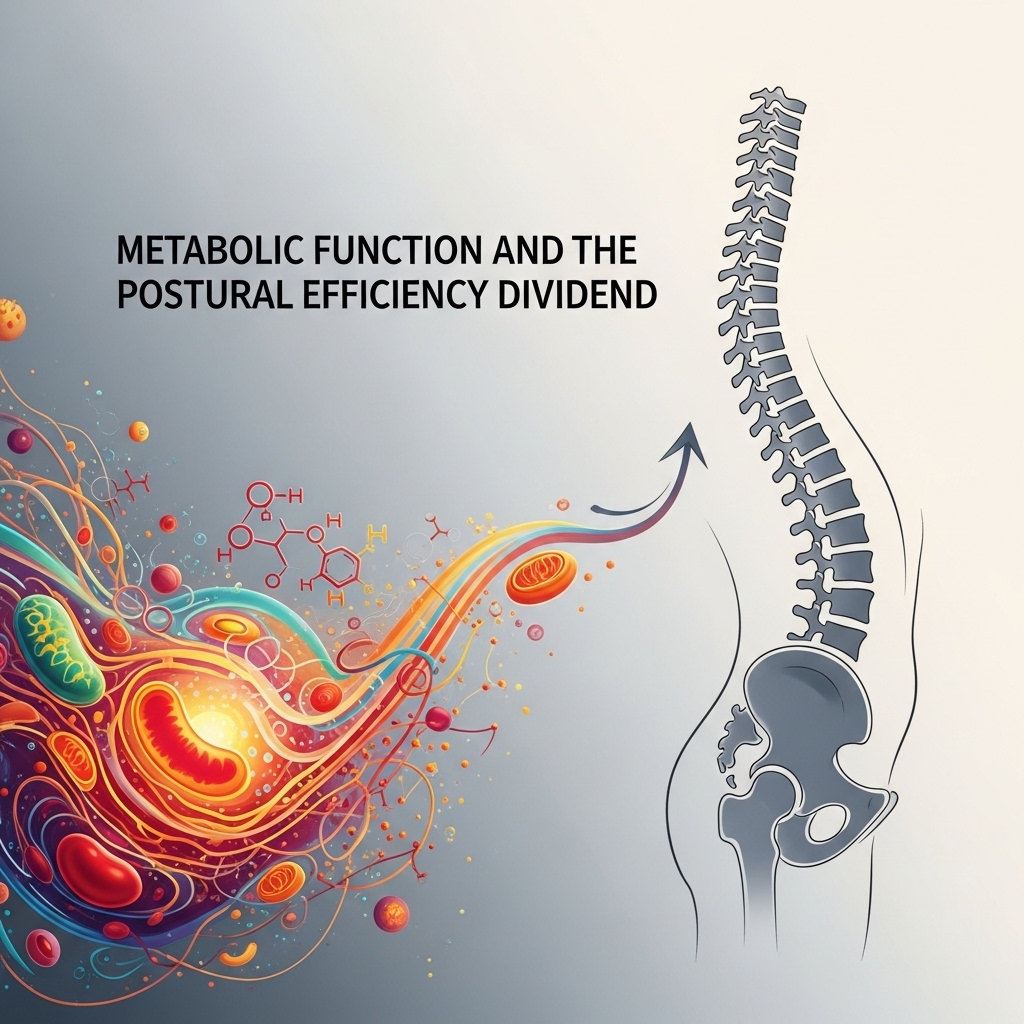
Metabolic efficiency — the ratio of energy consumed to functional output — is a longevity variable that extends well beyond the gym. A structurally misaligned body spends continuous low-grade energy compensating for gravity through poor muscle use. This creates metabolic waste and builds cumulative fatigue. It rarely appears in standard blood panels, yet it significantly erodes daily energy and physical resilience.
By contrast, correcting structural alignment through yoga posture practice reduces this compensatory load. When the spine stacks efficiently over the pelvis — and the pelvis sits in a neutral position rather than tilting forward — gravity transfers through the skeleton with minimal muscle compensation. This frees up metabolic resources for cognitive work, immune function, and cellular repair. These are the biological processes that most directly shape biological age over time.
The National Institute on Aging has emphasized the role of neuromuscular efficiency in metabolic health across the adult lifespan. Practices that improve the precision and economy of how the body moves and holds itself appear to preserve insulin sensitivity, reduce markers of cellular stress, and support the energy-producing capacity of aging tissue. Consequently, structural alignment work carries metabolic value that extends far beyond its musculoskeletal effects.
READ ALSO: Pretzel Poses: Unusual New Yoga Positions – Whole Living Fitness
Evidence-Based Application for High-Performing Professionals

The research connecting yoga posture practice to performance and longevity outcomes supports a structured, anatomically informed approach — not general class attendance. Professionals seeking measurable results — improved HRV, lower cortisol reactivity, preserved spinal integrity, stronger deep stabilizer function, or better sleep — benefit most from working with practitioners who assess postural dysfunction directly. These practitioners prescribe posture sequences targeted to specific structural deficits rather than offering generic instruction. Practices that integrate structured breath work, precise body-awareness cueing, and progressive loading of the deep stabilizing muscles offer the most direct path to the physiological gains the research documents. Even fifteen to twenty minutes of focused yoga posture work, performed daily with anatomical precision, represents a credible, low-pharmacological option for addressing the postural, autonomic, and metabolic consequences that compound silently across the executive working years.
UP NEXT: Power Yoga Workout: Strengthen Your Body and Mind
How This Affects Your Biological Age
Chronic postural dysfunction — marked by sustained spinal misalignment, reduced heart rate variability, and elevated inflammatory markers — is directly associated with accelerated biological aging, with research linking poor neuromuscular efficiency and high resting cortisol to an estimated two to five additional years of biological age in adults over forty. WholeLiving's Biological Age Estimation Model incorporates this factor directly — your assessment takes under five minutes.
Ready to understand how these factors are influencing your biological age right now? [Take the Biological Age Assessment →]