The upper-body ergometer can quietly transform the way you move, heal, and grow stronger. When you first sit at an upper body ergometer, you may not expect much. Yet this simple machine can reshape your fitness journey with steady, mindful motion. It helps you train your upper body while protecting your legs and knees. It invites you to stay active even during recovery. And it supports your cardiovascular fitness without harsh impact.
You deserve a body workout that respects your limits and builds real strength. The upper-body ergometer gives you that balance. It allows your arms, shoulders, chest, and back muscles to engage in smooth cycles. You can move at your own pace and you can adjust resistance with control. You can build endurance training habits that last for weeks and beyond.
1. Understanding the Upper-Body Ergometer
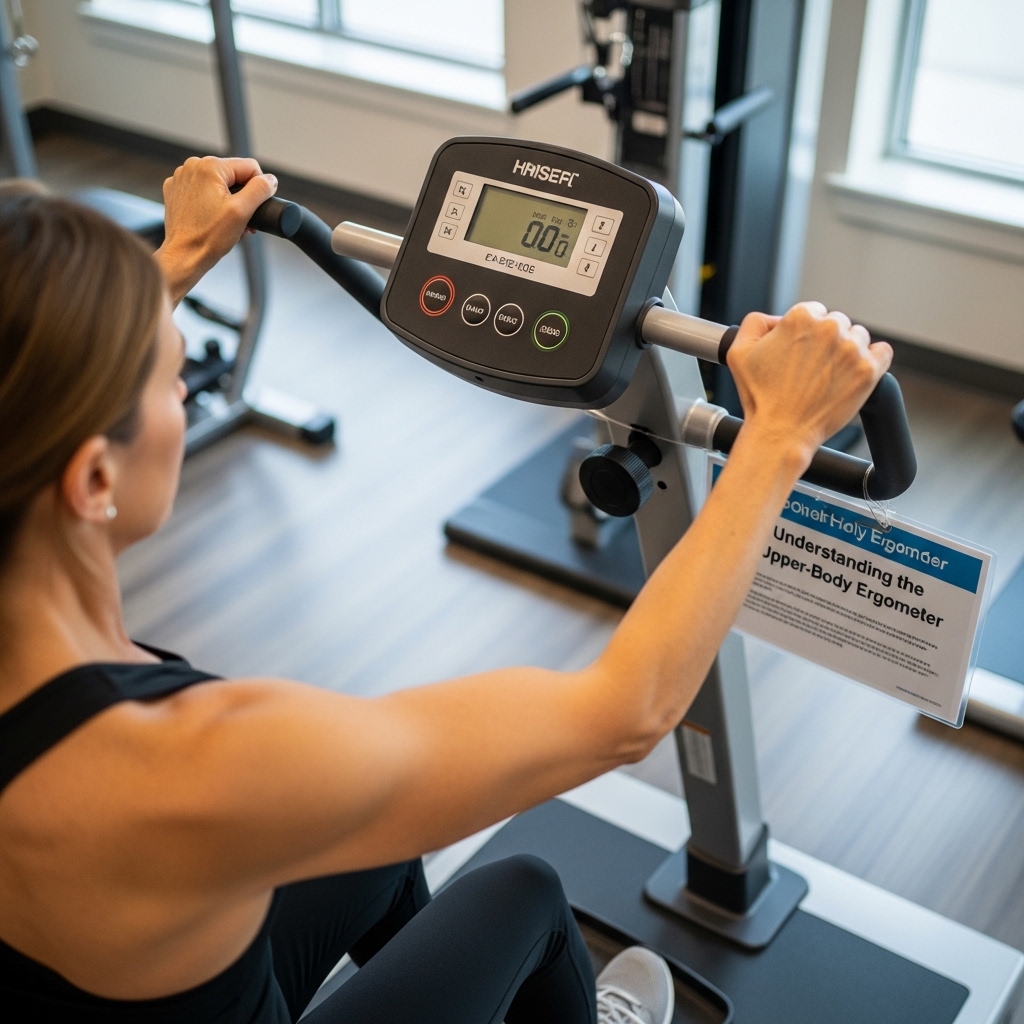
An upper-body ergometer is often called an arm ergometer or arm cycle. It is a body ergometer designed for the upper body only. Instead of pedals for your legs, it uses adjustable arm cranks. You sit or stand and rotate the cranks in a circular motion. This movement activates your arms, shoulders, and chest muscles with steady rhythm.
Unlike a recumbent bike, this machine focuses on your upper half. Your legs can rest while your upper body works. This is helpful for individuals with knee injuries or joint pain. It is also useful for rehabilitation after surgery. Many users discover that this device feels gentle yet powerful.
You control the resistance and speed, often measured in watts and rpm. This gives you clear feedback about your effort. You can create a light warm up or a strong endurance session. The machine is built to support safe movement. It provides structure without overwhelming your body.
2. Why Your Upper Body Deserves Focused Training
Your upper body does more work than you notice. You push doors, carry bags, and lift children. You reach, pull, and hold tension during long work hours. Yet many exercises focus mainly on the legs. The upper-body ergometer helps you restore balance.
When you train your upper body strength, you improve posture and stability. Strong shoulders and chest muscles support your spine. Strong arms make daily tasks feel easy. This kind of strength reduces strain and prevents injuries over time. It builds confidence that shows in how you move.
You do not need heavy weights to see change. Steady cycles on an arm cycle can create strength through repetition. The motion is smooth and controlled. Over weeks, your endurance and muscle tone improve. You begin to feel capable in new ways.
READ ALSO: 2026 Whole Living Action Plan | Whole Living
3. A Gentle Tool for Joint Pain and Rehabilitation
If you live with joint pain, you know how limiting it feels. High impact exercises can worsen discomfort. The upper-body ergometer offers a softer path. It lets you move without placing pressure on your knees or hips.
In rehabilitation settings, therapists often favor this machine. It allows individuals to stay active while healing lower body injuries. The adjustable arm cranks help you select a comfortable range of motion. You remain in control of resistance at all times.
This gentle movement supports blood flow and cardiovascular fitness. It also helps maintain muscle strength during recovery. You can continue training while protecting sensitive joints. That sense of progress can lift your mood during challenging seasons.
4. Building Cardiovascular Fitness Without Overload

Your heart thrives on steady motion. Cardiovascular fitness does not require jumping or running. An arm ergometer can raise your heart rate safely. You can monitor your heart rate and adjust intensity with ease.
Because you control resistance, you choose how hard to work. You can aim for moderate endurance training or short bursts. The upper body works hard, and your lungs respond. Over time, your endurance improves without heavy strain.
This approach is ideal for people easing back into fitness. It also benefits athletes seeking cross training. By using only the upper half, you reduce total body fatigue. You still burn calories and build stamina. You gain benefits without overwhelming your system.
5. Supporting Weight Management and Calorie Burn
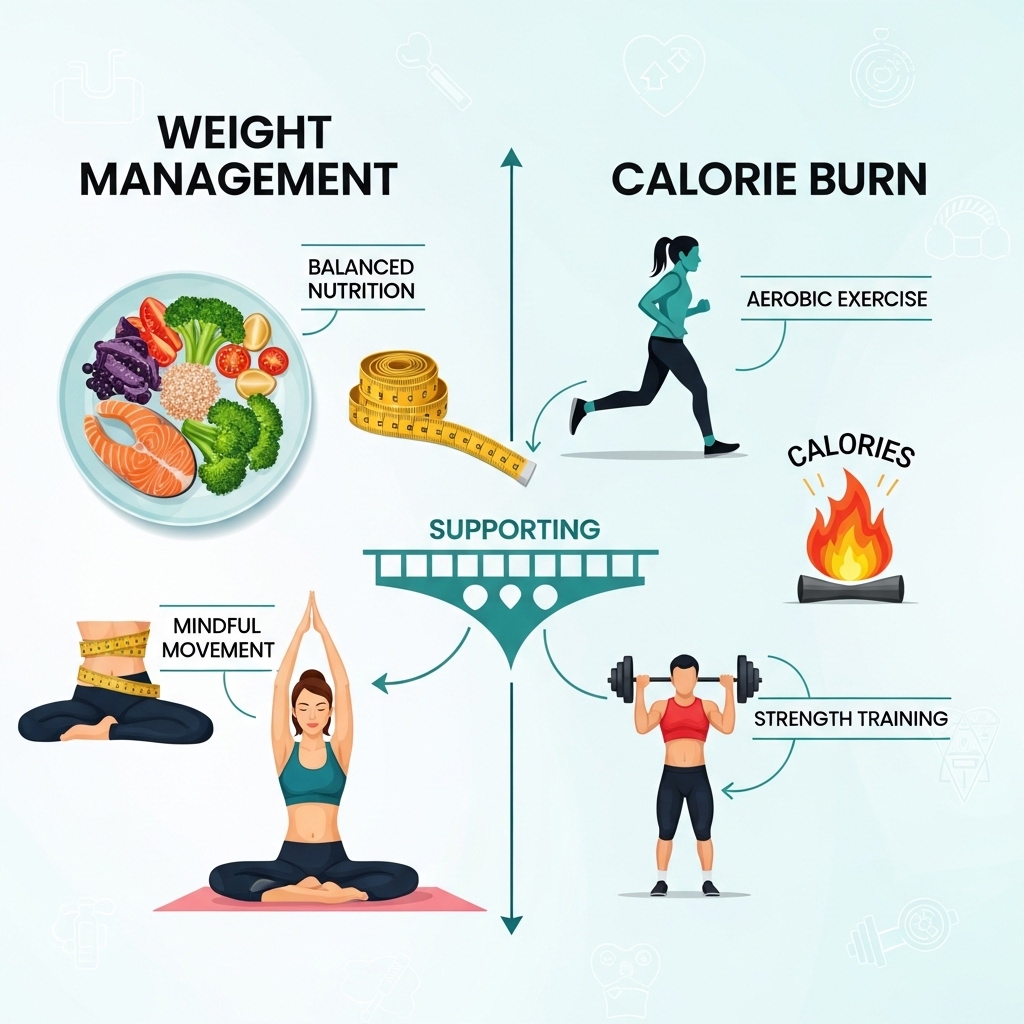
You might wonder if an upper body ergometer burns enough calories. The answer depends on effort and time. When you engage your arms and shoulders with steady resistance, your body responds. Muscles demand energy, and calories are used.
Although it targets the upper body, the impact can feel like a total body effort. Your core muscles engage to stabilize motion. Your breathing deepens as intensity rises. You create a rhythm that supports fat loss when paired with mindful eating.
Consistency matters more than speed. A 20 minute session done regularly can shift your energy. Over weeks, you notice improved tone and strength. You also notice better endurance during other exercises. This body exerciser becomes part of a balanced plan.
READ ALSO: DESKercise Simple Workout Routine
6. Versatility for Every Fitness Level
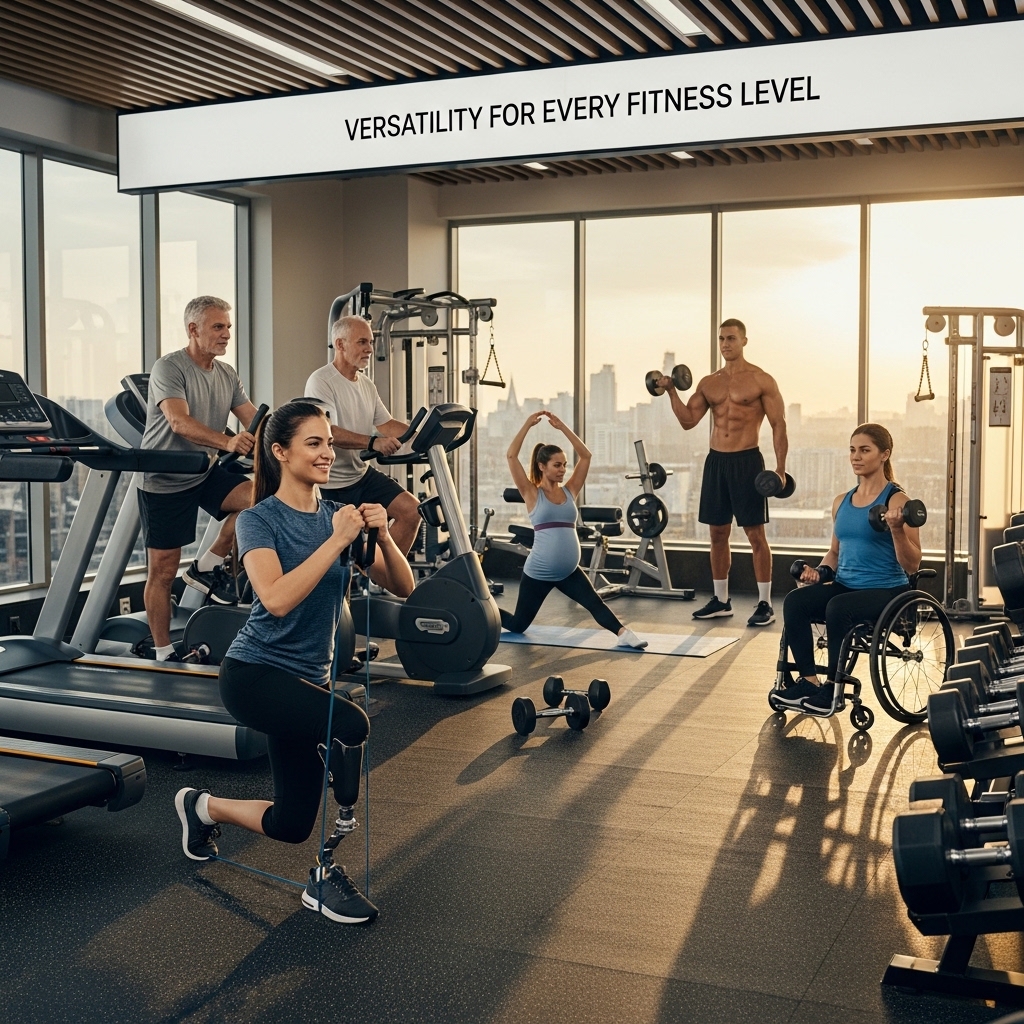
One of the greatest benefits of the upper-body ergometer is its versatility. Beginners can start with low resistance and slow rpm. Athletes can push higher watts and test limits. The same machine serves many goals.
You can use it seated or standing, depending on the model. Some devices are built with digital features for tracking time and output. Others are simple and easy to read. This flexibility allows you to select what fits your fitness goals.
Because it is easy to adjust, you can change your workout quickly. Short intervals, steady endurance, or warm up sessions all work. You can add it before other exercises or use it alone. It adapts to your lifestyle without stress.
7. Comparing It to Other Exercises and Machines
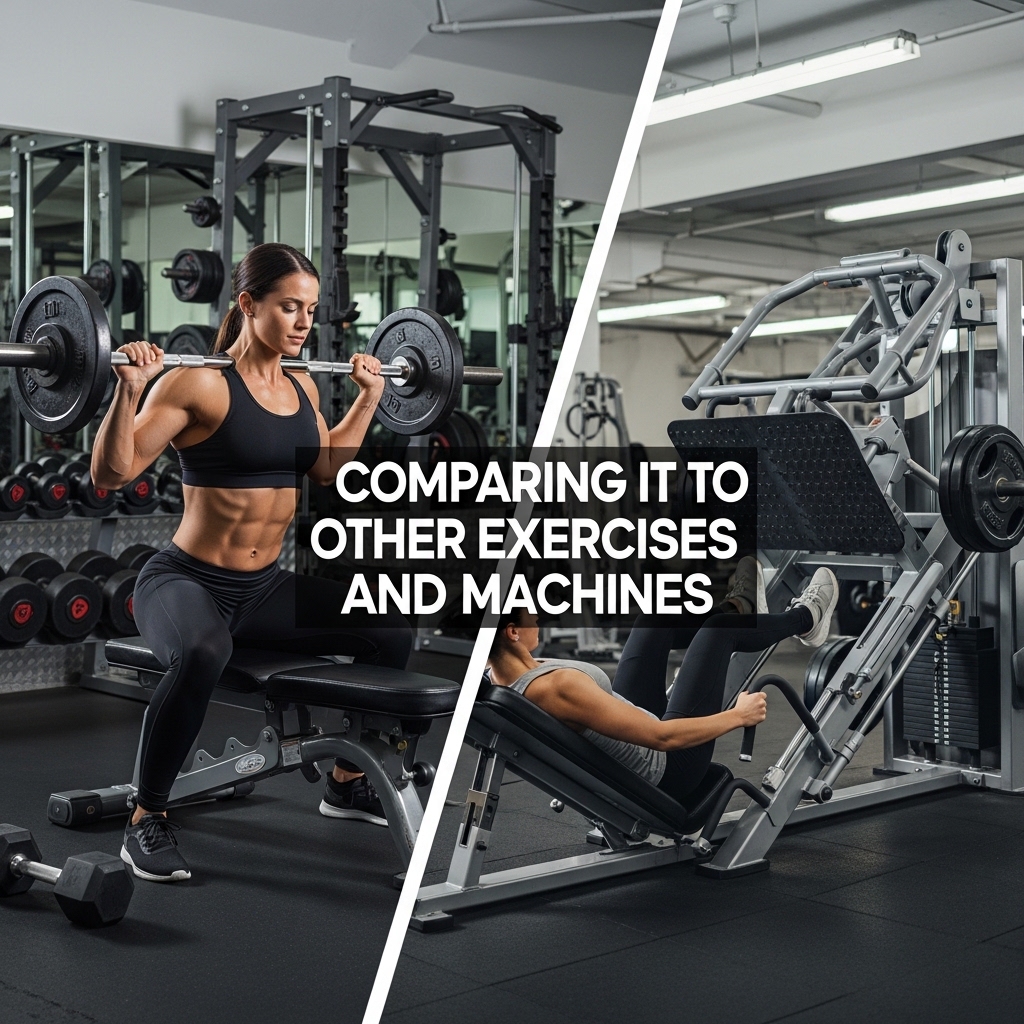
You may already use a recumbent bike or treadmill. Those tools train the legs and lower body. The upper-body ergometer fills a gap. It ensures your upper muscles receive focused attention.
Unlike weight machines that isolate one muscle, this body ergometer creates continuous motion. Your arms, shoulders, and chest work together. This coordination supports functional strength. It feels natural and smooth.
When compared to rowing machines, the arm cycle places less strain on the knees. It also reduces lower back pressure for some users. This makes it a safe choice for individuals with certain injuries. You gain strength without unnecessary risk.
8. How to Use the Upper-Body Ergometer Effectively
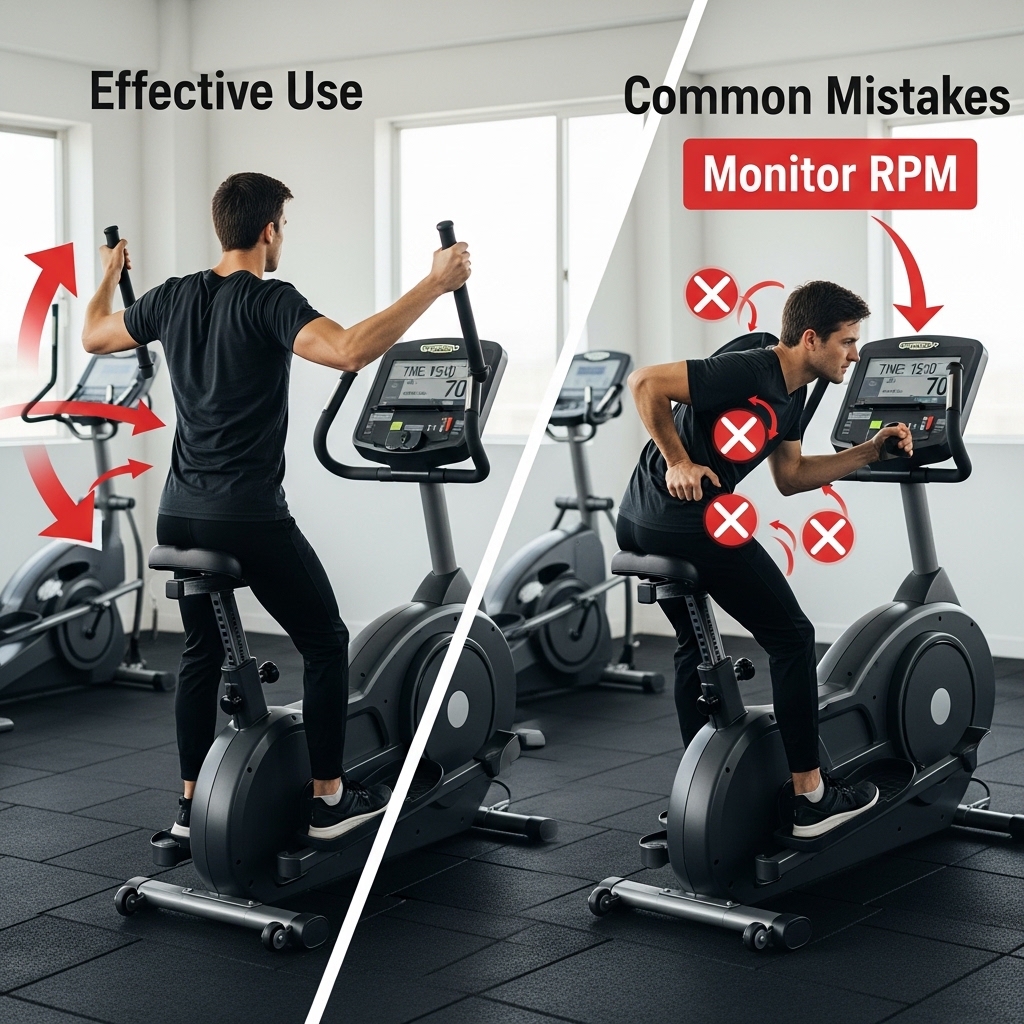
Begin by adjusting the seat or height to align with your shoulders. Your elbows should remain slightly bent. Grip the adjustable arm cranks comfortably. Keep your chest lifted and your core engaged.
Start with low resistance to warm up your muscles. Rotate at a steady rpm and focus on smooth motion. After a few minutes, you can increase resistance gradually. Always maintain control rather than rushing.
Aim for 15 to 30 minutes depending on your fitness level. Monitor your heart rate and breathing. If you feel strain in the shoulders, reduce intensity. This machine rewards patience and steady effort.
READ ALSO: Walking for Stress Relief
9. A Powerful Tool for Athletes and Active Individuals
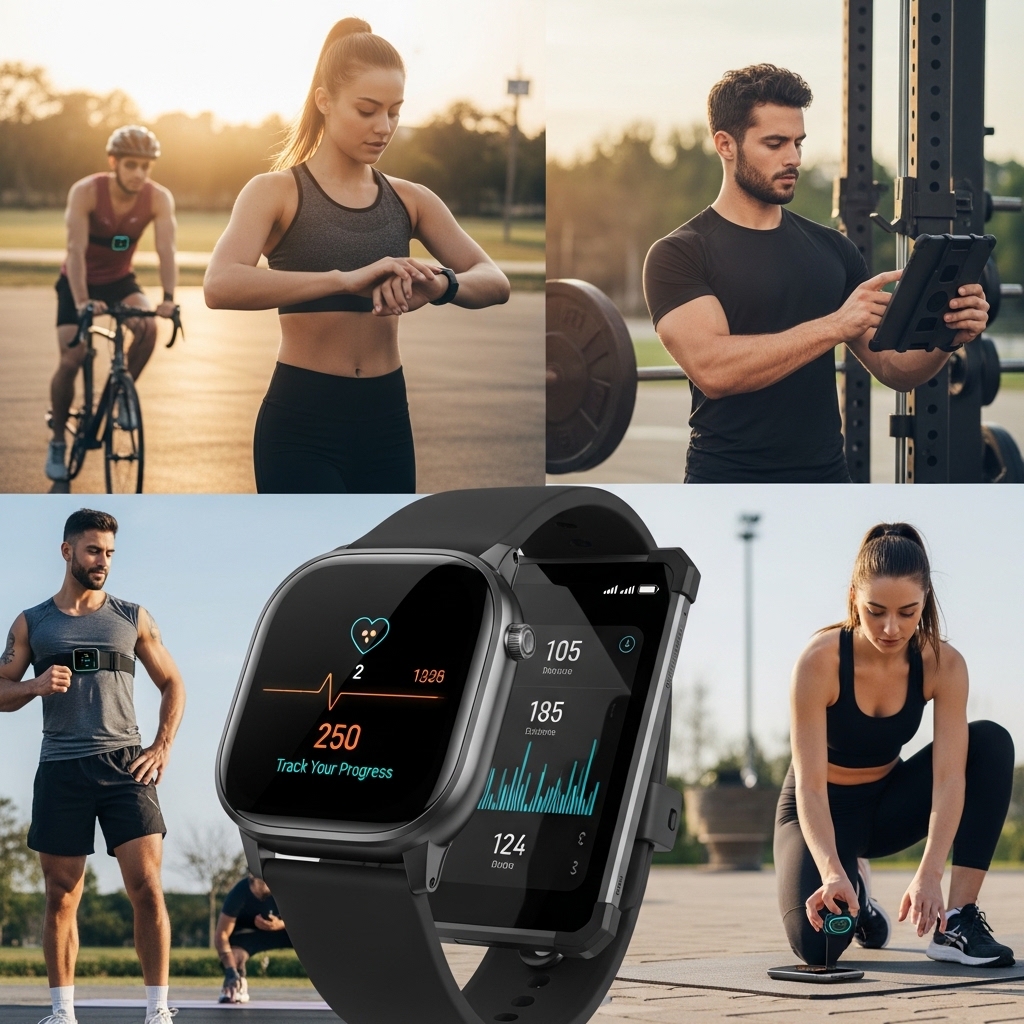
Athletes often use the upper-body ergometer for cross training. It builds upper body strength without tiring the legs. This is helpful during heavy training cycles. It allows continued cardiovascular fitness while resting lower muscles.
Boxers, swimmers, and wheelchair athletes especially benefit from this arm cycle. The repetitive push and pull patterns enhance endurance. It also improves coordination and rhythm. These qualities translate into better performance.
Even if you are not a competitive athlete, you can train like one. Focused upper sessions add depth to your routine. You develop balanced strength across your body. That balance reduces future injuries.
10. Creating a Balanced Weekly Plan
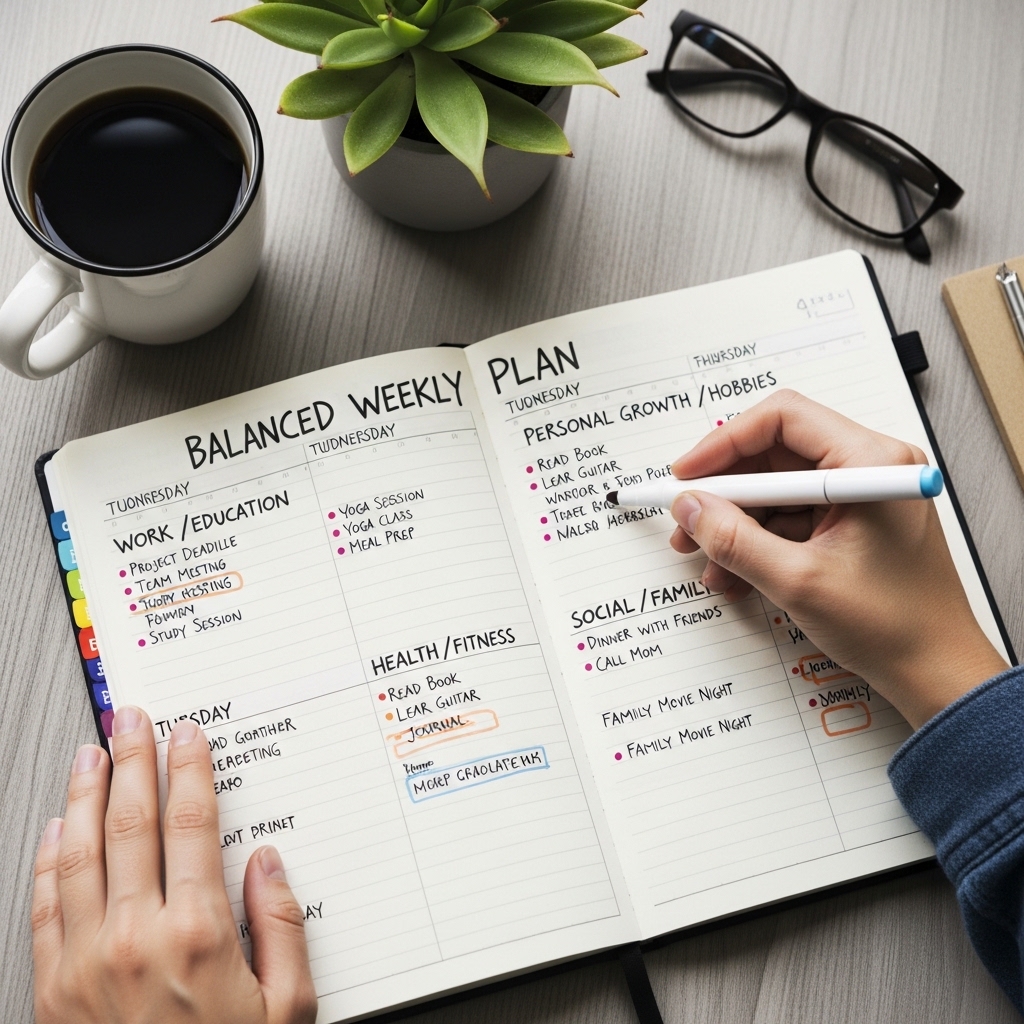
A thoughtful plan keeps you consistent. You might use the upper-body ergometer two to three times per week. Pair it with leg exercises or a recumbent bike session. This creates a total body schedule.
On some days, focus on steady endurance training. On others, try short intervals with higher resistance. Change intensity to prevent boredom. Variety keeps motivation strong.
Track your progress over several weeks. Notice changes in watts, rpm, and heart rate response. Small improvements signal growth. You continue building strength without overwhelm.