


When it comes to managing back pain, the right mattress can make a world of difference. What’s a good mattress for back pain? Finding one that provides back pain relief while supporting proper spinal alignment is key. Whether you're dealing with lower back pain or simply want to prevent it, the right mattress can help you sleep better and reduce discomfort. Let’s explore what makes a mattress good for back pain and some of the best options available.
What's a Good Mattress for Back Pain: Understanding the Importance

Back pain affects millions of people worldwide. Choosing the right mattress for back pain is essential in managing and alleviating discomfort. A mattress that’s too firm or too soft can worsen back pain. A mattress that offers great pressure relief and proper support can improve sleep quality. The right mattress helps maintain neutral spinal alignment and keeps your spine in a natural position. Body weight also plays a role in how a mattress feels, so consider this when choosing one. A medium firm feel is often recommended for those with back pain. It balances comfort and support, providing pain relief.
Introduction to Back Pain

Back pain is common, affecting nearly 80% of people at some point. Its causes range from injuries and chronic conditions to poor posture and unsupportive sleep surfaces. The mattress you sleep on significantly impacts your back health. Choosing the right mattress is essential for back pain relief. It should provide proper support, pressure relief, and keep your spine aligned. Many experts recommend a medium firm mattress. It offers a balance of comfort and support, promoting pain relief and proper spinal alignment. Investing in the right mattress can improve your sleep quality and overall well-being.
READ ALSO: Back Muscle Exercises For Strength And Balance
The Role of Memory Foam in Alleviating Back Pain
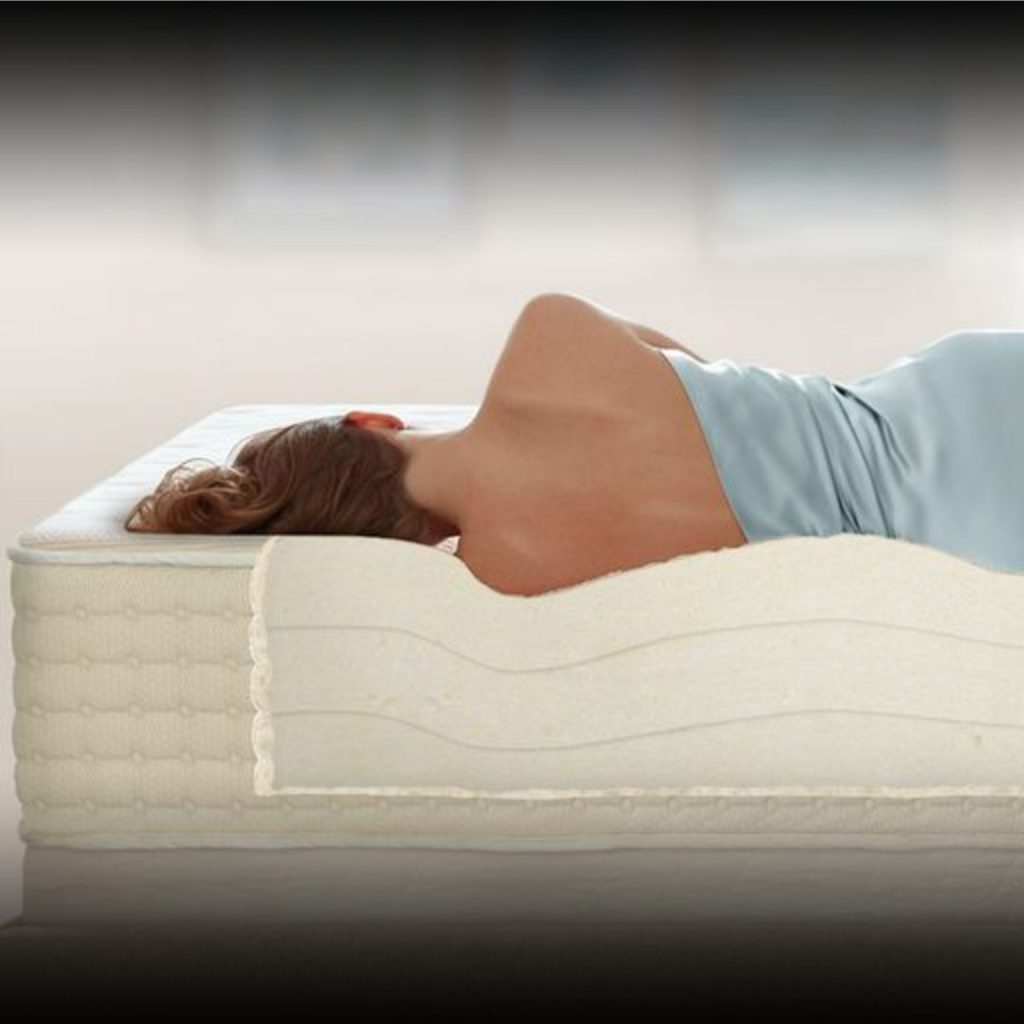
Memory foam mattresses are known for their pressure relief and motion isolation. If you’re a side sleeper or back sleeper, a memory foam mattress can contour to your body. It relieves pressure points on your spine and joints. An all foam bed made of foam layers can offer excellent support for back pain. The memory foam comfort layer conforms to your body, helping to align your spine and reduce pressure on your back.
Memory foam mattresses are ideal for couples, offering good motion isolation. If you or your partner toss and turn at night, it reduces disturbances. However, hot sleepers may feel warm in memory foam beds, as they tend to retain body heat. For hot sleepers, choosing a mattress with cooling covers or zoned support can regulate temperature.
Check out this 6 Inch Memory Foam Twin Size Mattress here.
The Benefits of a Firm Mattress for Back Pain

For chronic back pain, a firm mattress may provide the support your body needs. It ensures your spine remains in a neutral position, reducing misalignment. If you are a back sleeper or stomach sleeper, a firm mattress can help prevent your body from sinking too deeply into the bed. Back sleepers and stomach sleepers often benefit from a firm mattress. It provides spinal alignment and pressure relief for back pain.
However, a firm mattress may not suit side sleepers, especially those with hip pain. For these sleepers, a medium firm mattress offers better comfort and support. It relieves pressure on the shoulders and hips while supporting the back.
Check out this 10 Inch Hybrid Single Mattresses here.
Pressure Relief and Spine Alignment
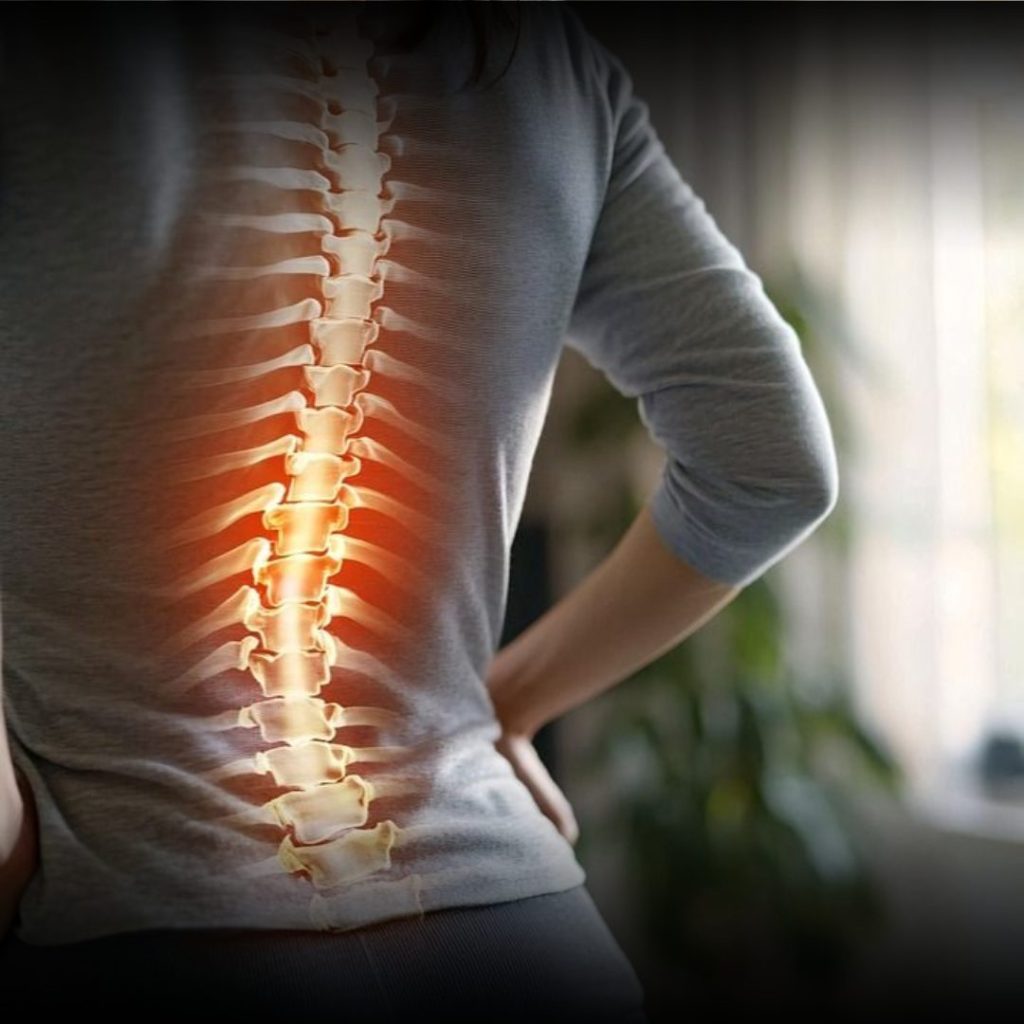
When choosing a mattress for back pain, pressure relief and spinal alignment are essential. A mattress offering excellent pressure relief cushions sensitive areas like the shoulders, hips, and lower back. This helps reduce discomfort and prevents pain buildup. Maintaining spinal alignment is key to minimizing muscle strain and supporting a healthy posture. Mattresses with zoned support provide firmer foam in the lumbar region, ensuring proper spine alignment. Memory foam is effective at contouring to your body, offering personalized pressure relief for side sleepers. A plush pillow top can add extra cushioning for those preferring a softer feel.
Back sleepers benefit from a medium firm mattress for a balance of comfort and support. Stomach sleepers need firmer mattresses to maintain spinal alignment. The best mattress for back pain depends on your sleeping position and body type, but prioritizing pressure relief and spinal alignment is key to waking up pain-free.
How to Choose the Best Mattress for Back Pain
When looking for the best mattress for back pain, consider your sleeping positions and preferences. Here are some key factors to keep in mind:
1. Sleep Position

Your sleeping position affects which mattress is ideal for back pain relief. Side sleepers need a mattress with pressure relief for the shoulders and hips. Hip pain side sleepers should look for mattresses that alleviate pressure on the hips. Back sleepers need a mattress offering robust support to maintain spinal alignment. Stomach sleepers need a firmer mattress to keep the spine aligned. Choosing a mattress with multiple firmness options can help match your sleeping style.
2. Mattress Firmness
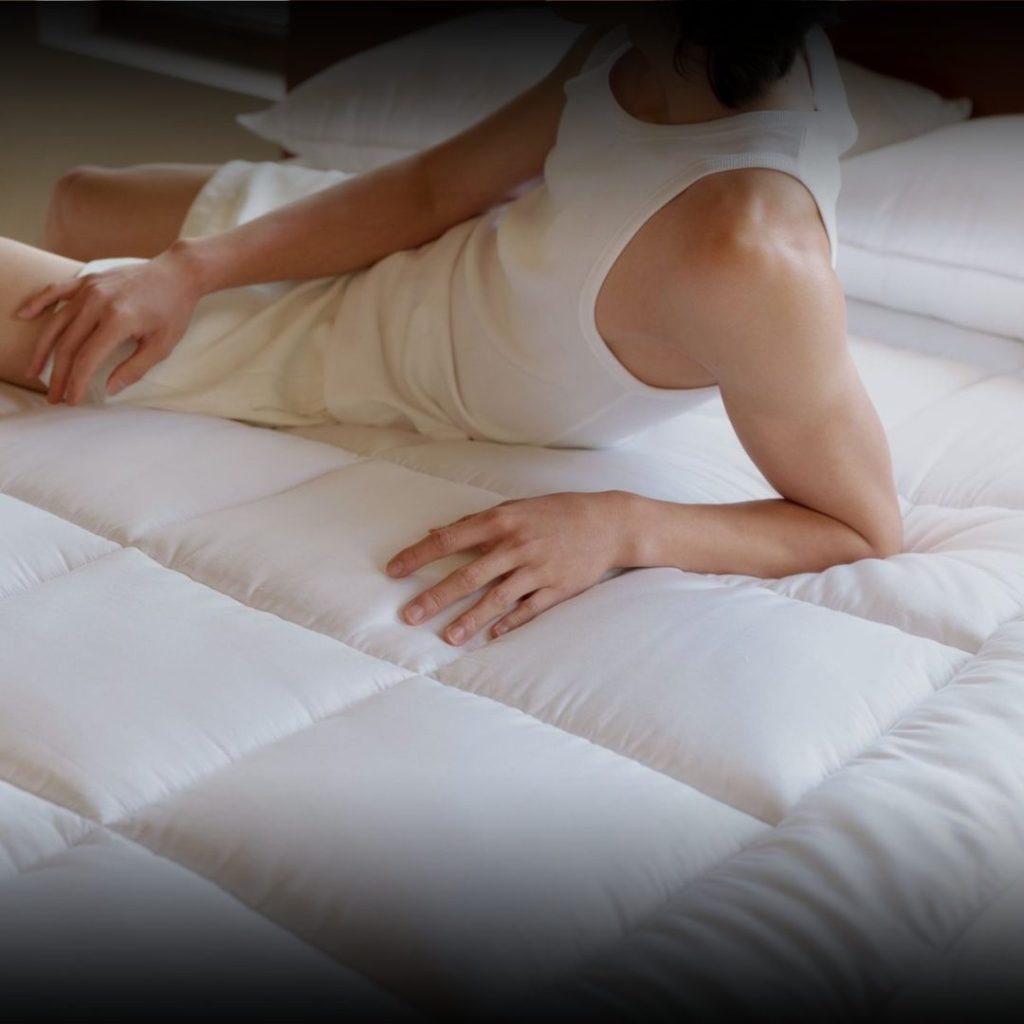
The firmness of the mattress impacts comfort. If you prefer a softer feel, opt for a plush pillow top or a soft mattress with extra foam layers. A medium soft mattress offers a plush feel while supporting spinal alignment and pressure relief, ideal for side sleepers. For back pain relief, a medium firm mattress or luxury firm mattress provides better support. A firm mattress prevents sagging and maintains alignment, but avoid one that causes pressure points. The firmness scale helps determine the best level of support for your back.
3. Support Layers
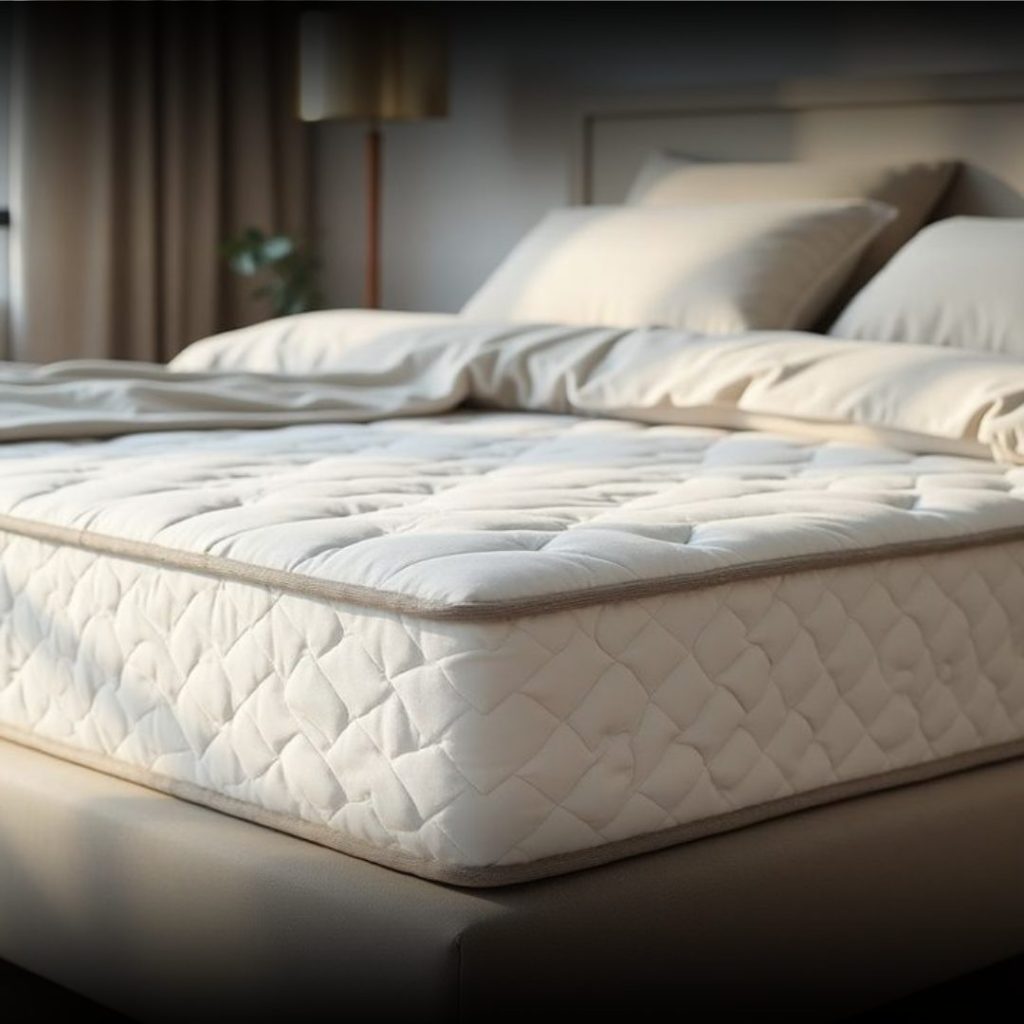
A mattress with a durable foam or supportive coil system provides proper spinal alignment and back pain relief. A hybrid mattress combines foam layers and innerspring coils for both comfort and support. Hybrid mattresses offer a memory foam comfort layer that contours to the body while the innerspring system provides a stable foundation for back support.
4. Edge Support
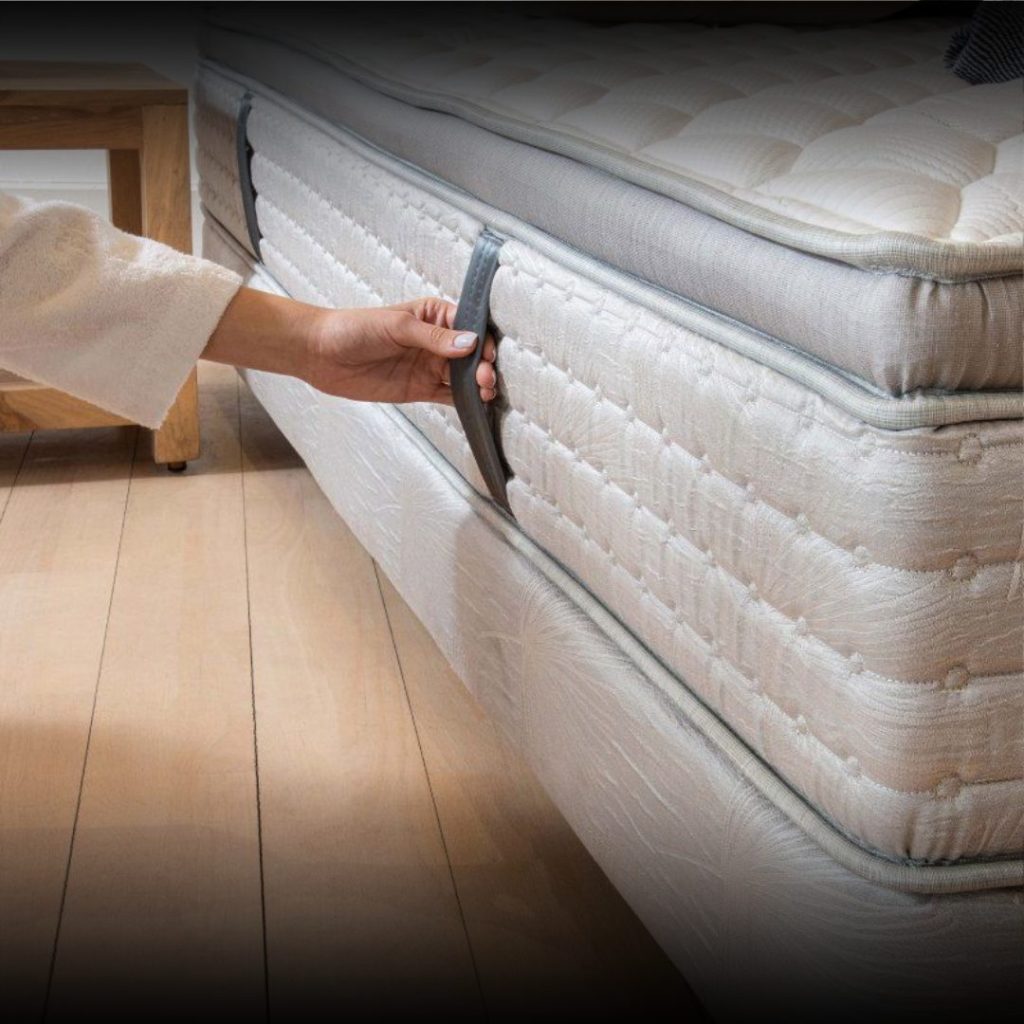
Edge support is essential for people who sleep near the edge of the bed. A mattress with solid edge support ensures you don’t feel like rolling off the bed. This feature helps combination sleepers or those who like to stretch out. Good edge support also prevents sagging along the mattress edges, which can affect sleep quality.
5. Motion Transfer
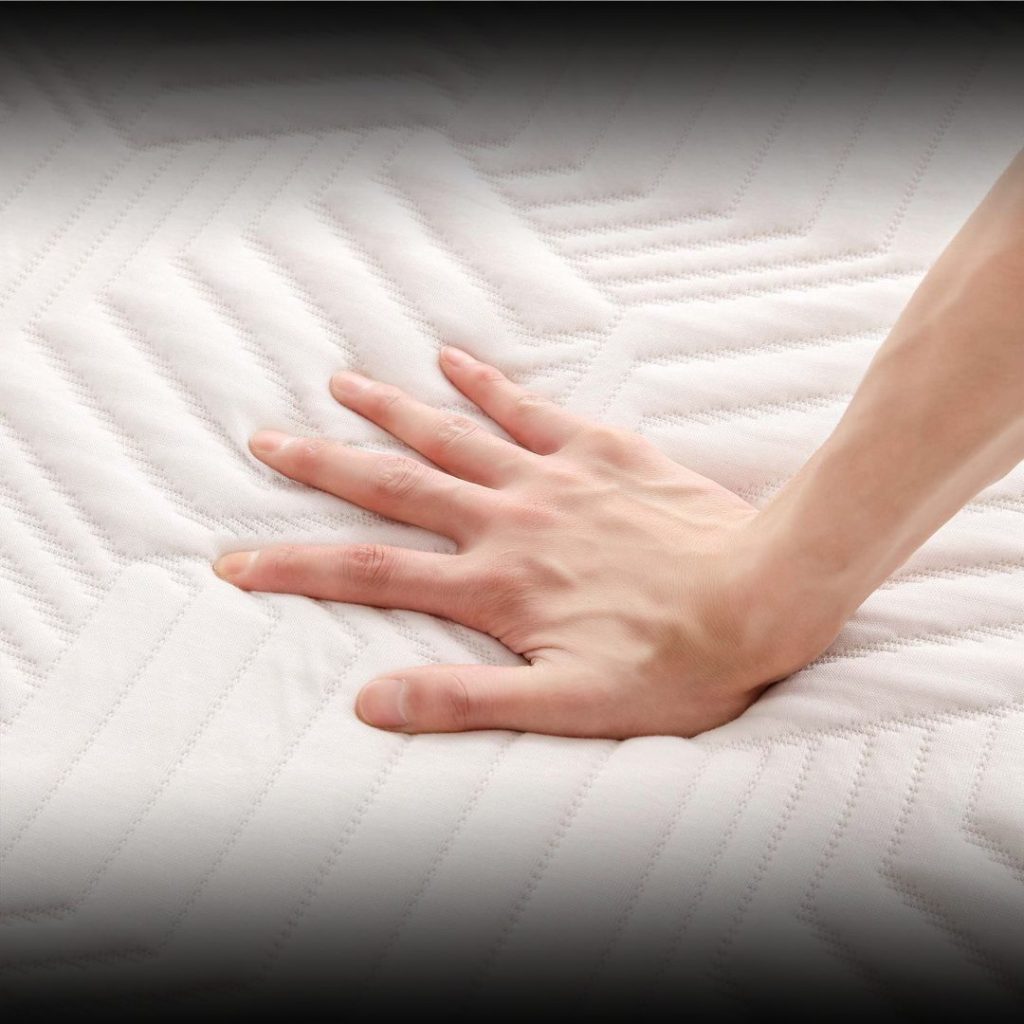
Motion transfer is important for couples. It refers to how much movement on one side of the mattress is felt on the other side. For back pain sufferers, undisturbed sleep is essential for pain relief. Memory foam mattresses and all foam beds offer good motion isolation, minimizing disturbances during the night. Hybrid mattresses combine supportive coils and foam layers for a balance of motion isolation and responsiveness. Innerspring mattresses may transfer more motion and are less effective at isolating movement.
READ ALSO: Sleep On It – Whole Living Wellness
Top Mattresses for Back Pain
Now that we’ve covered the key factors for back pain relief, let’s explore the best mattresses:
1. Bear Elite Hybrid Mattress
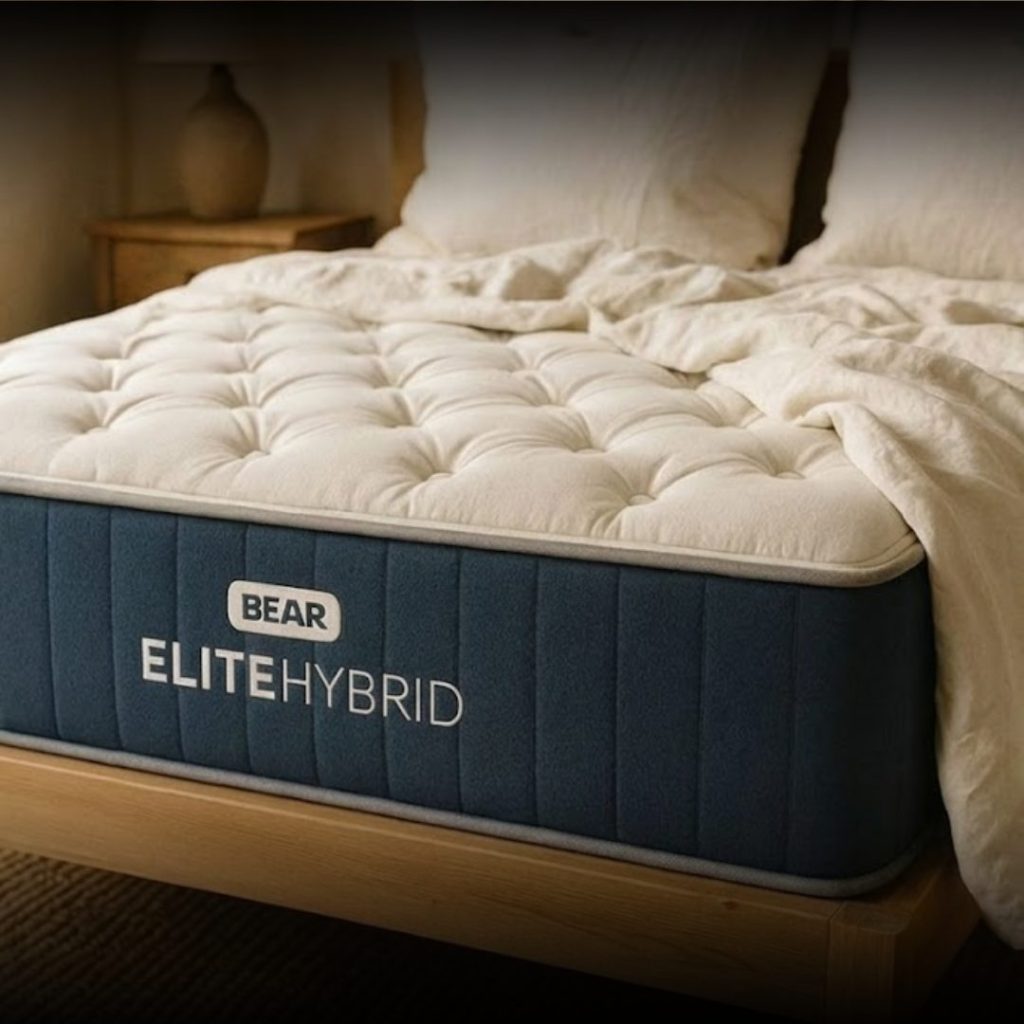
The Bear Elite Hybrid mattress combines memory foam with innerspring coils. It provides excellent pressure relief and zoned support. The mattress is designed for spinal alignment and comfort. It also features a cooling cover for hot sleepers and offers motion isolation, so you won’t be disturbed by your partner’s movements.
2. Brooklyn Bedding Signature Hybrid
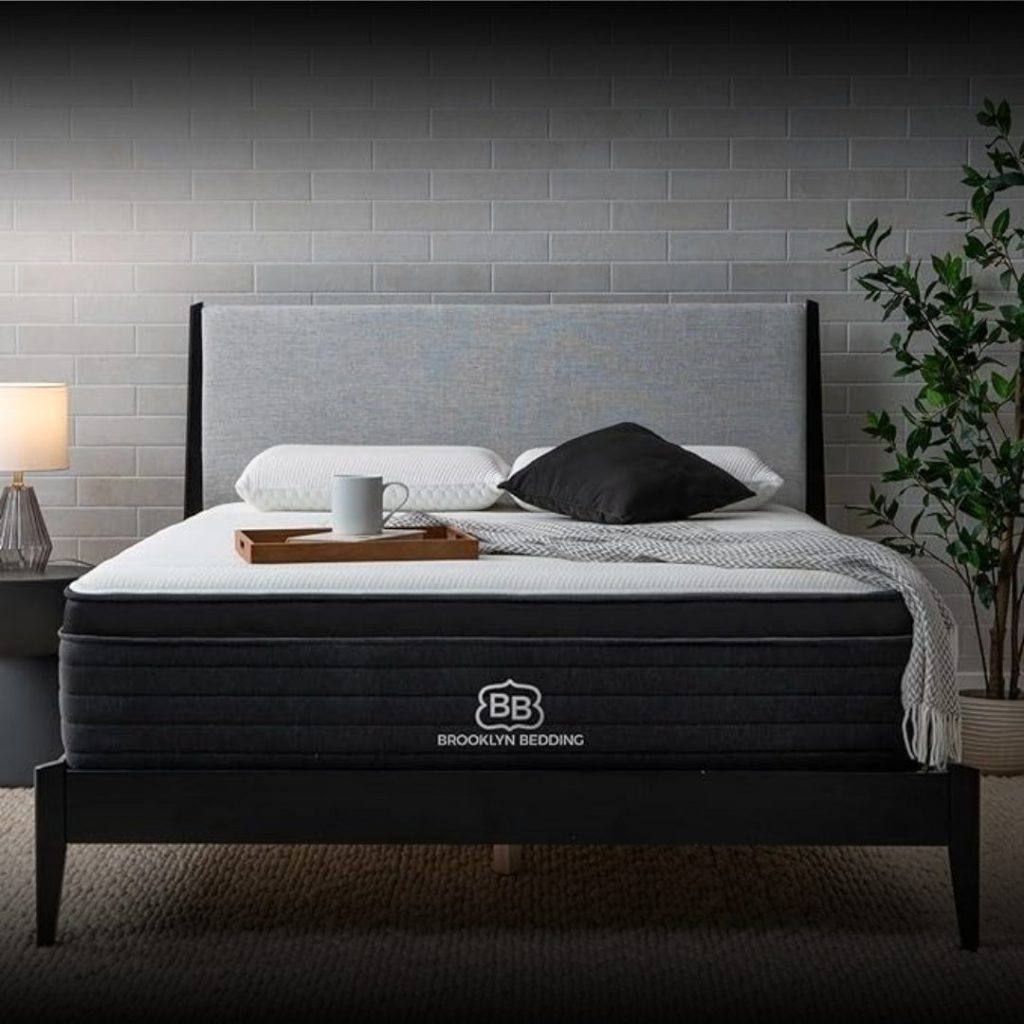
The Brooklyn Bedding Signature Hybrid offers multiple firmness options, including medium firm and luxury firm. This hybrid mattress combines a memory foam comfort layer with a coil system for pressure relief and support. The edge support is top-notch, preventing sagging and offering comfort throughout the night.
3. Saatva Classic Mattress
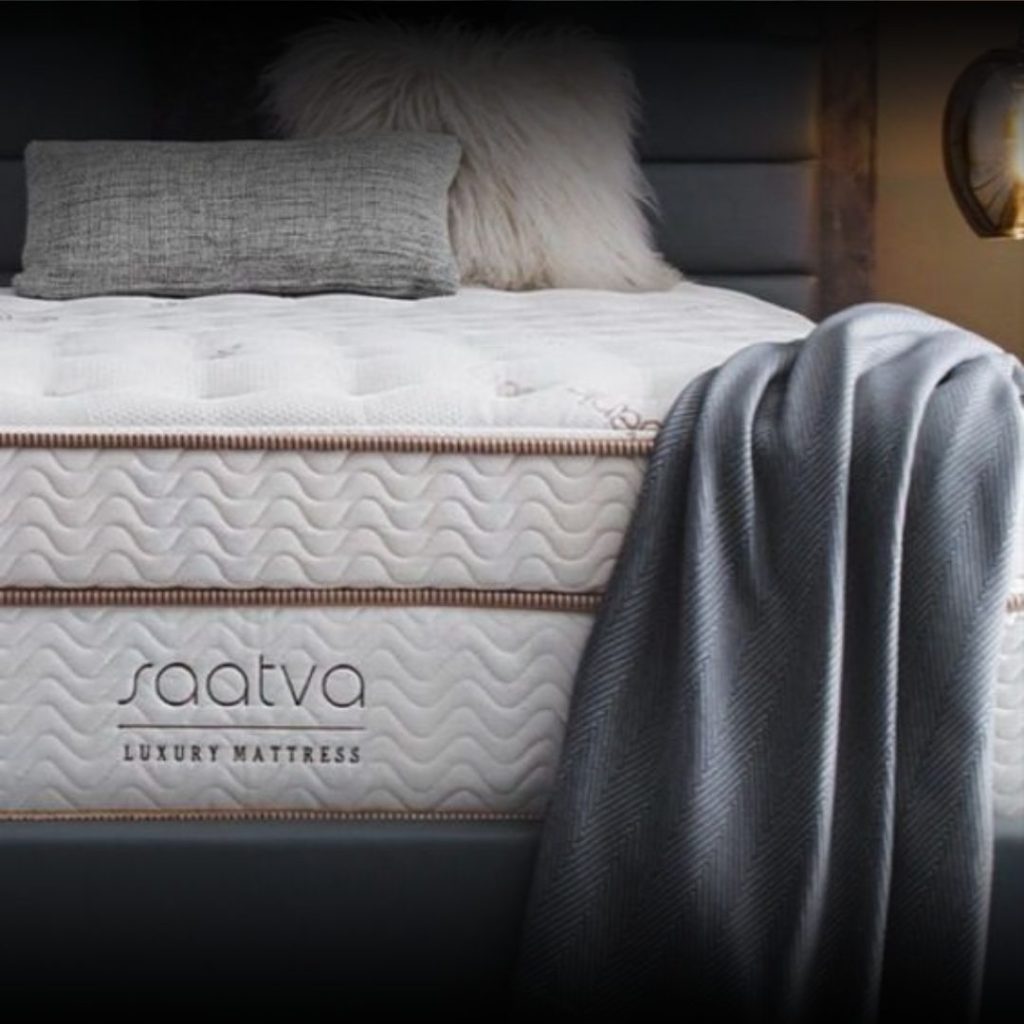
The Saatva Classic Mattress is an innerspring mattress with a memory foam comfort layer. It’s available in soft, luxury firm, and firm options. The luxury firm version is ideal for back pain relief. This mattress offers edge support and spinal alignment, making it perfect for those with back pain.
Check out this Saatva Graphite Memory Foam Mattress Topper here.
Maintaining a Healthy Sleep Environment
In addition to the right mattress, a few other factors can help improve sleep quality and manage back pain:
1. Sleeping Positions

Adopt the right sleeping position to reduce back pain. For side sleepers, use a pillow to keep the neck aligned with the spine. If you’re a back sleeper, place a pillow under your knees to relieve lower back pressure. Stomach sleepers may benefit from a thin pillow or no pillow at all to keep the spine aligned.
2. Sleep Hygiene

Good sleep hygiene is key for managing back pain. Create a comfortable sleep environment by keeping your bedroom cool, dark, and quiet. Maintain a regular sleep schedule and avoid caffeine or heavy meals before bedtime.
3. Proper Mattress Maintenance

Taking care of your mattress can extend its lifespan and maintain its supportive qualities. Rotate your mattress regularly to ensure even wear. Use a mattress protector to protect against spills or dust mites. If your mattress shows signs of sagging, it may be time to replace it.
READ ALSO: Sleep Better Tonight
Conclusion

Finding the best mattress for back pain requires a combination of personal preference and expert advice. Whether you prefer a memory foam mattress, a firm mattress, or a hybrid mattress, the right mattress offers pressure relief and proper support. Spinal alignment and pressure relief are key to back pain relief. Prioritize these features when choosing your mattress, and take your time testing options. Your sleep quality and back pain relief will improve with the right choice.