
For executives, founders, and other high-output professionals, poor dietary quality that weakens gut microbiome stability and metabolic control can impair cognitive performance, increase inflammatory burden, and worsen long-term cardiovascular risk. This article examines yeast nutrition for serious professionals, not a general wellness audience, with attention to how yeast-derived nutrients and compounds may influence glycemic control, gastrointestinal function, and cellular recovery. In clinical nutrition, the relevance of yeast nutrition lies in its potential contribution to B-vitamin intake, protein quality, and microbiome-related pathways that affect energy production, stress resilience, and broader longevity markers rather than short-term dietary trends.
What Yeast Nutrition Means in Clinical Nutrition
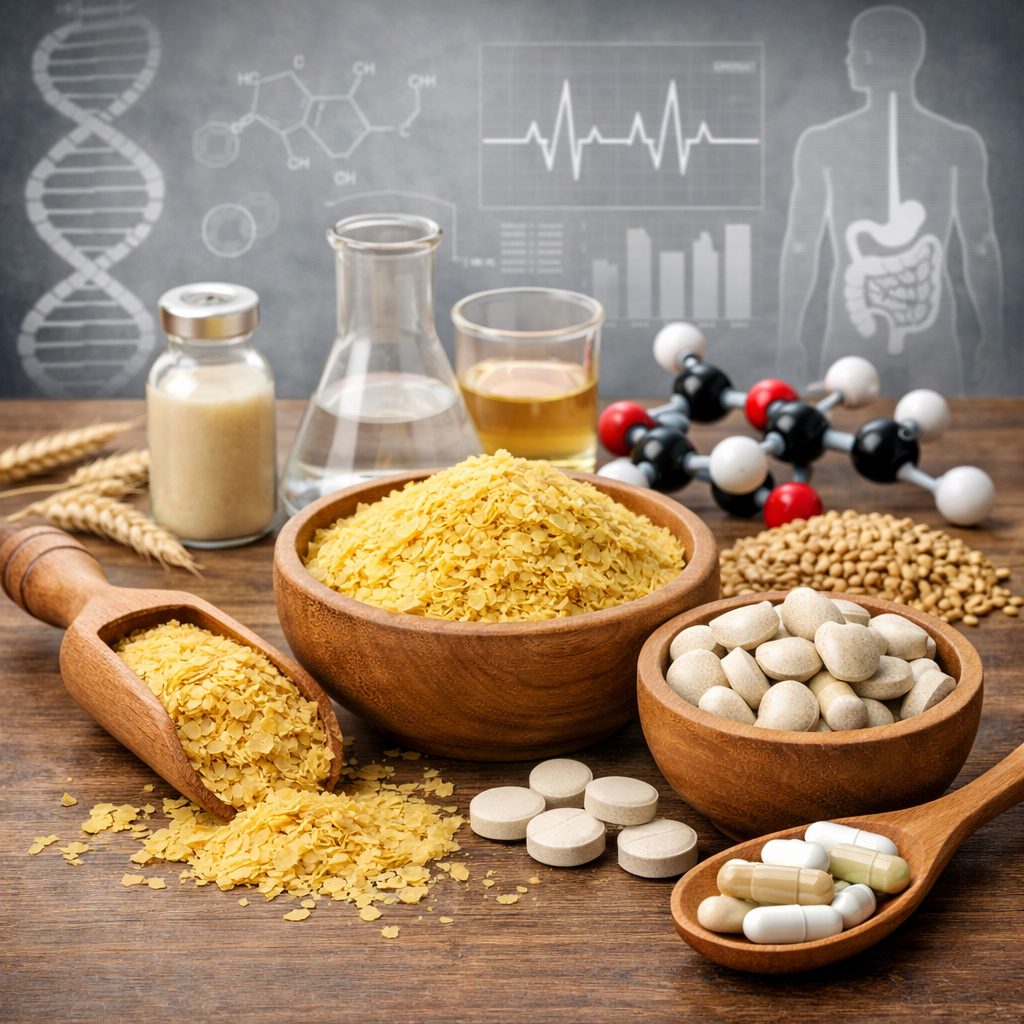
Yeast nutrition refers to the value of edible yeast in the diet. It usually involves Saccharomyces cerevisiae in forms such as nutritional yeast, brewer’s yeast, yeast protein, and yeast beta-glucans. In clinical nutrition, the topic is not detox or vague gut repair. It is about how yeast-derived nutrients may affect metabolic function, inflammation, and daily performance.
For high-performing professionals, that matters because yeast nutrition connects to measurable functions. These include energy production, glucose control, satiety, and immune signaling. The NIH Office of Dietary Supplements states that several B vitamins support energy metabolism and normal cell function. That helps explain why yeast-rich foods attract interest in performance nutrition.
The category also needs precision. A fortified nutritional yeast product may supply B12, while an unfortified one may not. A purified yeast beta-glucan ingredient is not the same as a whole-food yeast product. Yeast protein is different again. Any serious discussion of yeast nutrition needs to separate these forms before linking them to longevity or cognitive outcomes.
Yeast-Derived B Vitamins and Energy Production
One reason yeast appears in nutrition discussions is its link to B vitamins. The NIH Office of Dietary Supplements states that thiamin supports energy metabolism and cell function. It also notes that niacin helps drive reactions needed for metabolism across many tissues. Those pathways matter for people working under long hours and high mental demand.
That does not mean yeast nutrition acts like a stimulant. It does not guarantee better focus or faster output. It means yeast-containing foods can help support nutrient intake in a diet built for steady energy. MedlinePlus notes that B vitamins help the body make energy from food and help form red blood cells.
The clinical limit is clear. Nutrient content changes by product. Some nutritional yeast products are fortified, and some are not. The NIH fact sheet on vitamin B12 makes that distinction important. Fortified foods can add B12, but only the label shows what is actually present.
Yeast Protein and Lean Tissue Support
Yeast has also become a serious protein source. A 2022 review in Foods described Saccharomyces cerevisiae protein as scalable and nutritionally useful. It also noted a helpful amino acid profile and good digestibility potential. That matters because protein quality influences muscle mass, satiety, and recovery.
For adults in midlife, protein quality is not only a gym issue. It also relates to sarcopenia risk, glucose control, and resilience during periods of stress or poor sleep. Yeast protein is not the only answer. Still, the literature suggests it can work as a real dietary protein source when used inside a nutrient-dense pattern.
Context still matters. Research from the Framingham Offspring Study showed that dietary protein patterns can affect inflammatory markers. Source quality, total diet, and metabolic state all shape the outcome. In other words, yeast nutrition helps most when it improves diet quality rather than sitting on top of an already inflammatory diet.
Beta-Glucans are the Best-Studied Yeast Compounds
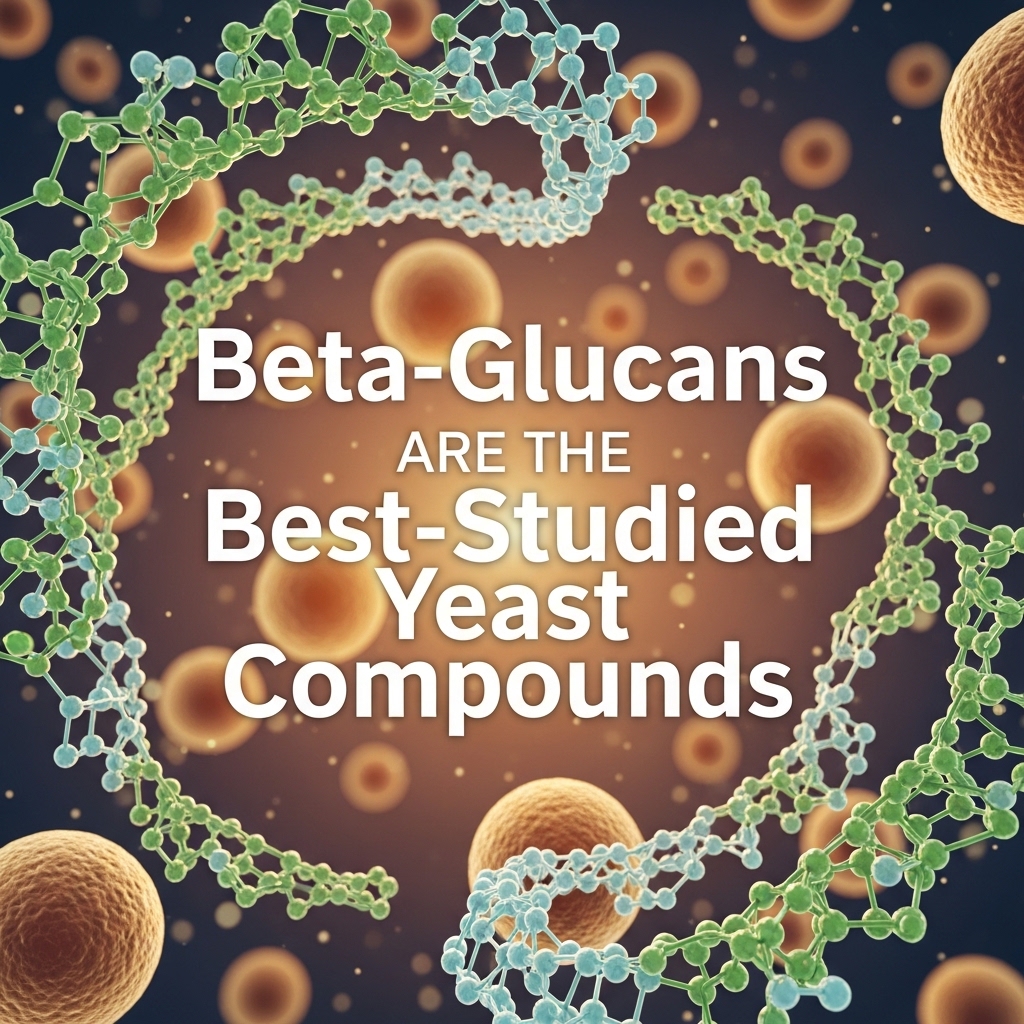
The most studied part of yeast nutrition is the yeast cell-wall beta-glucan fraction. A review in Molecules described beta-glucans as biologically active polysaccharides with immune effects. Another review in Nutrients reported that oral yeast beta-glucans appear safe and may support host defense function. That is why yeast compounds attract interest beyond basic nutrition.
For a performance longevity audience, the key issue is not generic immune support. The real question is whether beta-glucans affect variables such as inflammation, cardiometabolic risk, or recovery. The mechanistic literature suggests they interact with immune cells and can shape inflammatory signaling. The size of the effect depends on the form, source, and study population.
This matters because inflammatory burden affects biological aging. Harvard Health has described “inflammaging” as a real pathway in chronic disease and aging. Nutrition patterns that lower inflammatory load tend to support better long-term health. Yeast beta-glucans fit that discussion as one useful component, not as a stand-alone fix.
Yeast Nutrition and Metabolic Function
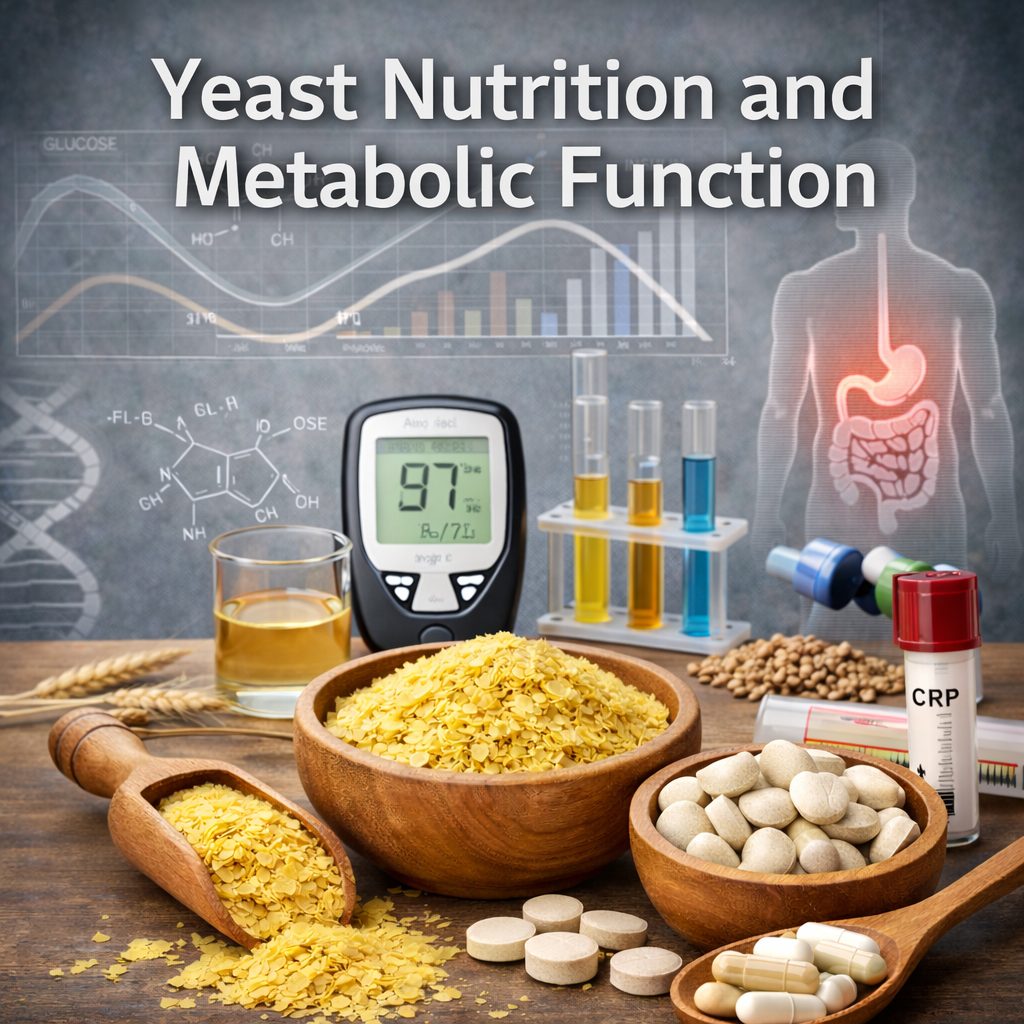
One reason yeast nutrition draws clinical interest is its possible effect on glycemic control. Experimental work on Saccharomyces cerevisiae beta-glucans showed lower blood glucose, cholesterol, and triglycerides in metabolic disease models. Animal data do not prove human benefit. Still, they support a plausible link between yeast cell-wall compounds and metabolic pathways.
Human evidence is more limited, but it exists. A randomized clinical trial in the International Journal of Preventive Medicine reported that brewer’s yeast improved blood pressure in adults with type 2 diabetes. The same study did not show major effects across all lipid measures. Even so, the result places yeast-derived ingredients inside a cardiometabolic framework, not a marketing one.
For WholeLiving readers, the larger point still comes from Harvard T.H. Chan School of Public Health. Diet quality, fiber intake, and glycemic load shape blood sugar, appetite, and cardiovascular risk more than any single food. Yeast nutrition makes the most sense when it supports a diet that already lowers processed carbohydrate intake and steadies glucose control.
The Microbiome Link is Supportive, not Central

The microbiome case for yeast nutrition is real, but it needs careful wording. Harvard’s Nutrition Source notes that diet strongly shapes the gut microbiome. It also explains that fiber fermentation produces short-chain fatty acids that affect colon health and wider physiology. Yeast is not a replacement for high-fiber plant foods, but some yeast-derived cell-wall compounds may still support gut-related pathways.
That does not place yeast above vegetables, legumes, fruit, or whole grains. Those foods remain the main drivers of gut microbial diversity and metabolic benefit. Even Harvard’s discussion of probiotics and fermented foods puts more weight on overall diet quality than on isolated ingredients. For high-performing professionals, yeast nutrition belongs beside a microbiome-supportive diet, not in place of it.
Some early work suggests brewer’s yeast products may reduce gut permeability in experimental settings. Current evidence is still limited, and it does not support broad clinical claims in humans. Even so, the idea is relevant because gut barrier function, inflammation, and metabolic stress often overlap. The careful reading is that yeast-derived ingredients may add modest value when the full diet already supports microbiome health.
READ ALSO: How Reframing Your Nutritional Identity Restores Metabolic Resilience and Sustained Executive Performance
Cognitive Performance depends on Metabolic Stability
A WholeLiving article must connect yeast nutrition to cognitive performance without turning it into a nootropic claim. The strongest link is indirect. B vitamins support energy metabolism. Diet quality influences inflammation. Glucose instability can impair mental performance during the workday. Yeast-derived nutrients matter when they help support those systems.
This distinction matters because the executive audience often views food through a performance lens. That can lead to exaggerated claims around any nutrient-dense ingredient. The research base supports a more measured view. Metabolic steadiness, adequate micronutrients, lower inflammatory load, and preserved sleep quality help the brain perform well. Yeast nutrition may support that matrix, but it does not replace it.
That is especially relevant in midlife. Small shifts in metabolic health can affect later brain and vascular risk. The Framingham tradition and related population research have linked diet quality and cardiometabolic health with later cognitive and vascular outcomes. In that setting, yeast-derived nutrients work best as one part of a broader system that also depends on fiber, sleep, movement, and overall diet quality.
READ ALSO: Probiotics for Gut Health: Enhancing Digestive Resilience and Reducing Inflammation for Peak Performance
Where Yeast Nutrition Fits in a Serious Diet
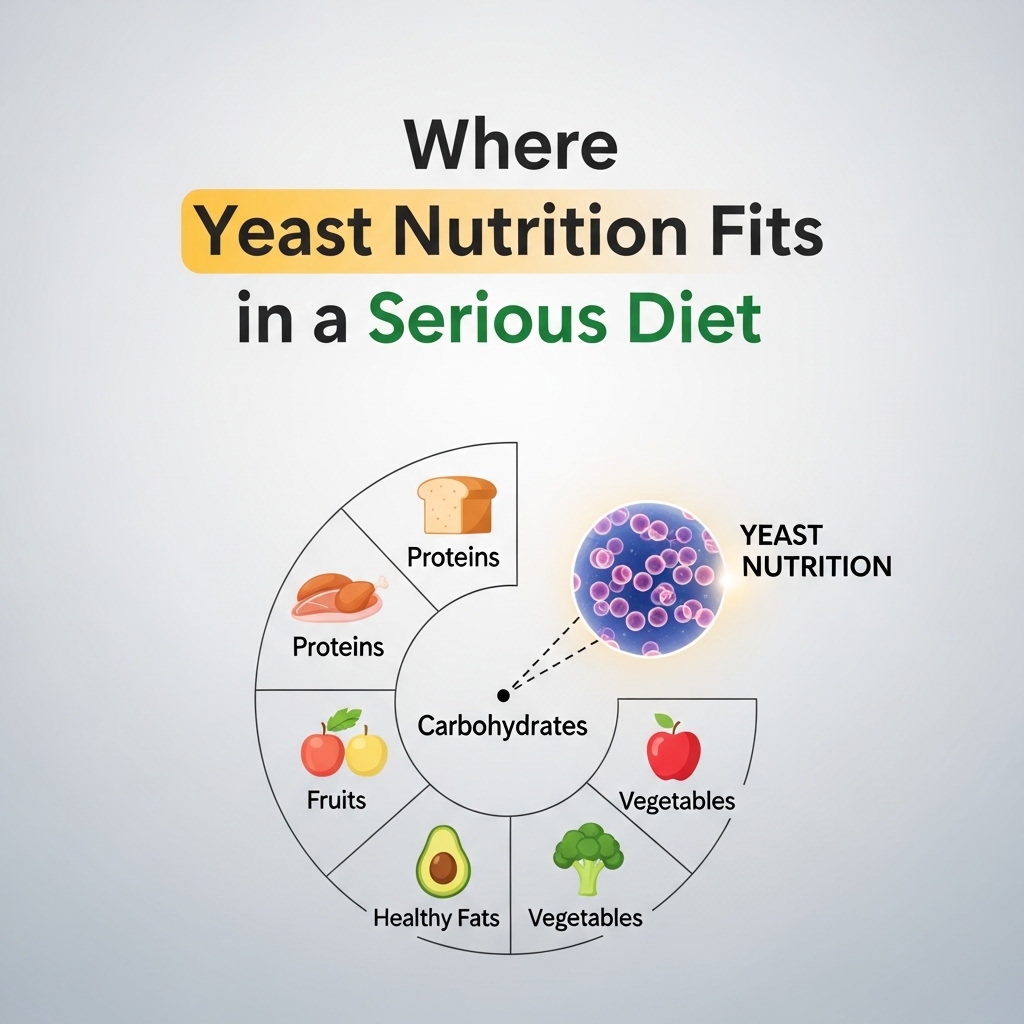
The strongest case for yeast nutrition is modest and evidence-based. Yeast can provide useful protein, contribute B vitamins, and supply beta-glucans with plausible immune and metabolic effects. The weakest case is the marketing version that treats yeast as a cure for fatigue, gut dysfunction, or brain fog. The evidence does not support that leap.
This is also where product form matters. Fortified nutritional yeast, unfortified nutritional yeast, brewer’s yeast, and purified yeast beta-glucan ingredients differ in composition and use. A clinical nutrition discussion cannot treat them as interchangeable. High-performing adults who rely on shorthand labels often overestimate what the food is doing.
The broader anti-inflammatory literature also argues against reductionism. Harvard and other research groups have shown that dietary patterns, not isolated “superfoods,” drive changes in biomarkers such as C-reactive protein, blood sugar, and LDL cholesterol. Yeast-derived ingredients may strengthen a well-built dietary pattern, but they do not offset a processed, high-glycemic, low-fiber diet.
READ ALSO: Best Vitamins and Minerals for Immunity: What You Need
Evidence-based Ways to use Yeast Nutrition

For a high-performing professional, the most evidence-based use of yeast nutrition is within structured dietary improvement. One option is to use yeast-containing foods to support overall protein and B-vitamin intake. Another is to favor products with clear fortification and transparent ingredient labels. These choices matter because yeast products differ widely in nutrient content.
The bigger value comes from placement inside a larger diet pattern. That pattern should support glycemic control, microbiome health, and a lower inflammatory burden. Yeast-derived protein or beta-glucan ingredients may add value when they strengthen steady energy intake, improve food quality, or reduce reliance on highly processed foods. The evidence favors this systems view over any stand-alone yeast intervention.
A practical reading of the evidence is straightforward. Improve total diet quality first. Then assess whether yeast-derived foods or ingredients add useful support for energy stability, recovery, or cardiometabolic health. That is a more defensible use of yeast nutrition than treating it as a shortcut, cleanse, or performance myth.
UP NEXT: Top 10 Healthy Recipes to Kickstart Your 2026 Meal Plan
Yeast nutrition can support biological age by improving glycemic control, reducing inflammatory load, and sustaining energy metabolism, all of which influence long-term cardiovascular and metabolic health markers. WholeLiving's Biological Age Estimation Model incorporates this factor directly — your assessment takes under five minutes.
Ready to understand how these factors are influencing your biological age right now? [Take the Biological Age Assessment →]