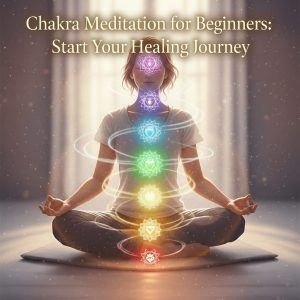


Yoga is a profound journey, uniting your mind and body through intentional practices. The yoga mind-body connection is at the heart of everything you will experience. It is the harmony that comes when the body and mind are aligned, leading to enhanced physical and mental health. This practice invites you to create space within yourself to listen, move, and breathe, allowing your whole being to thrive. In today’s fast-paced world, the mind-body connection through yoga offers an oasis of calm. It’s not just about physical postures; it’s about grounding yourself in the present moment and understanding the intricacies of your being.
As you explore yoga, you’ll notice how it invites balance, deep relaxation, and awareness. With the physical movements combined with breathing techniques and meditative aspects, yoga is truly a holistic practice. Whether you're just starting or are already practicing vinyasa yoga, the benefits are immediate and profound. Yoga offers mental health benefits, reduces stress, and cultivates emotional balance. Yoga leads you to a place where the physical body and the mind body connection are one.
1. The Power of Physical Postures in Yoga
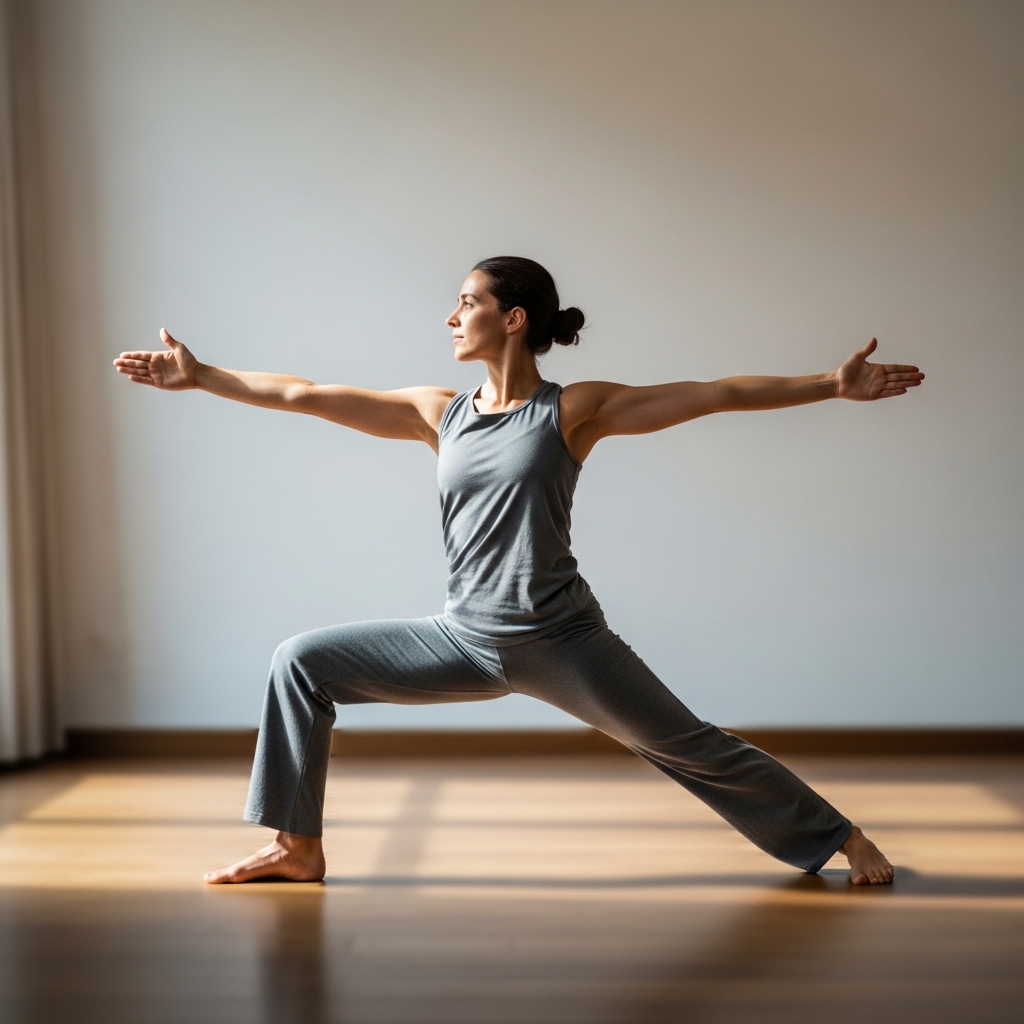
The physical postures in yoga, known as yoga postures, are more than just shapes or stretches—they’re about finding balance and alignment within yourself. When you hold poses, whether they’re gentle stretches or more intense movements, you stimulate the body’s nervous system. These postures not only work the body but encourage a deeper connection to your mind-body connection yoga. By focusing on your breath while in these poses, you activate the parasympathetic nervous system, which is responsible for relaxation techniques and calming the body.
In hatha yoga, the postures focus on physical alignment, helping you stretch and strengthen your muscles. Iyengar yoga, with its precise alignment, offers a therapeutic approach to healing. Both of these styles emphasize body awareness, helping you tune into every movement. The more you practice, the more you learn how to release tension and keep your physical body open, which is essential for overall well being. These movements cultivate mental clarity, helping you better manage stress and regulate emotions.
READ ALSO: Yoga Posture to Align Your Body and Embrace Gratitude
2. Breathing Techniques: Breathing Your Way to Peace
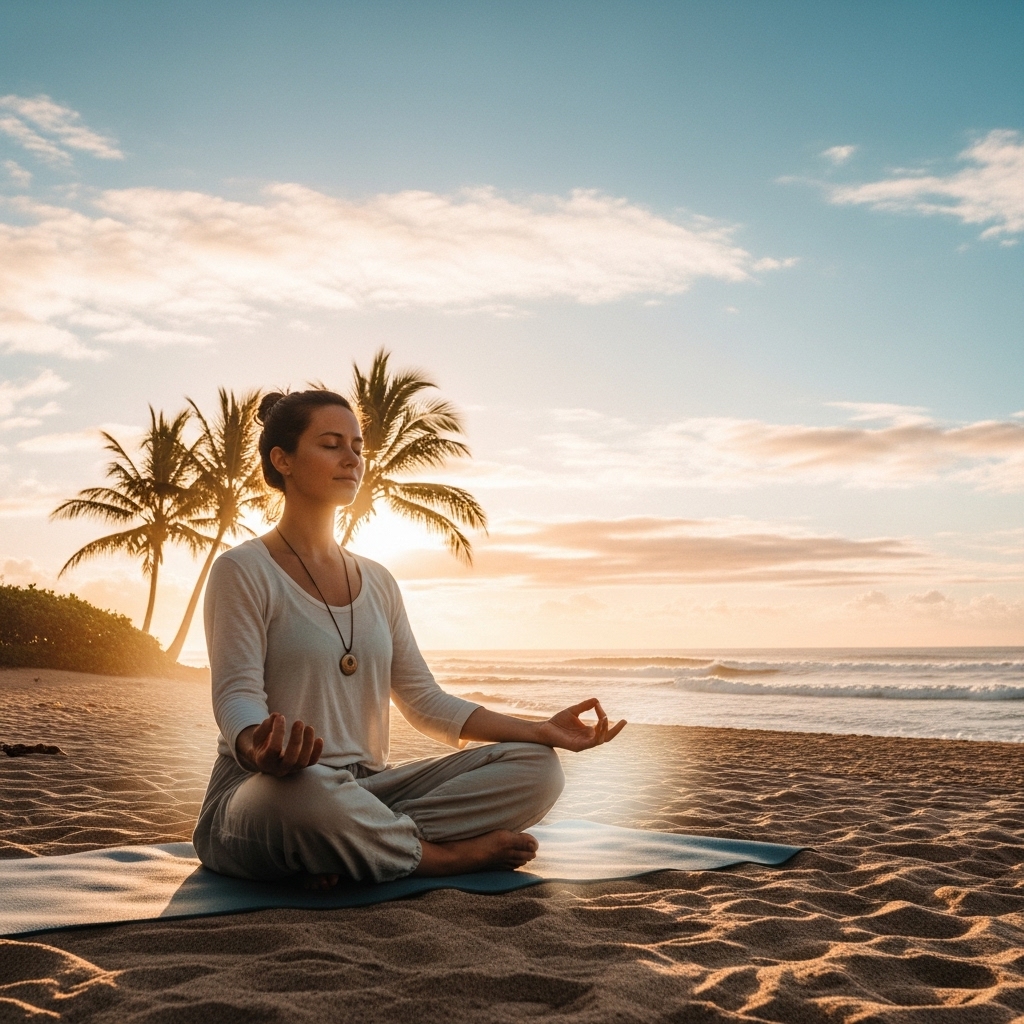
One of the most powerful tools in yoga is the breath. The act of conscious breath control, or pranayama, connects the body and mind in a profound way. Research suggests that by practicing breathing exercises, you can activate the body’s relaxation response, a natural mechanism for stress reduction. Breathing exercises bring oxygenated blood to the muscles and brain, increasing mental clarity and emotional balance.
In yoga, breathing practices are integral, and there are countless techniques to explore. Whether you’re practicing breathing exercises in a yoga therapy class or using deep breaths during your yoga practice, you will find the experience grounding. In vinyasa yoga, each breath guides you through the flow, creating a smooth transition between postures. With yoga therapy, these exercises become even more intentional, promoting healing and stress management. As you embrace your breath, you also embrace the mind-body connection.
3. The Role of Meditation in Cultivating Emotional Balance
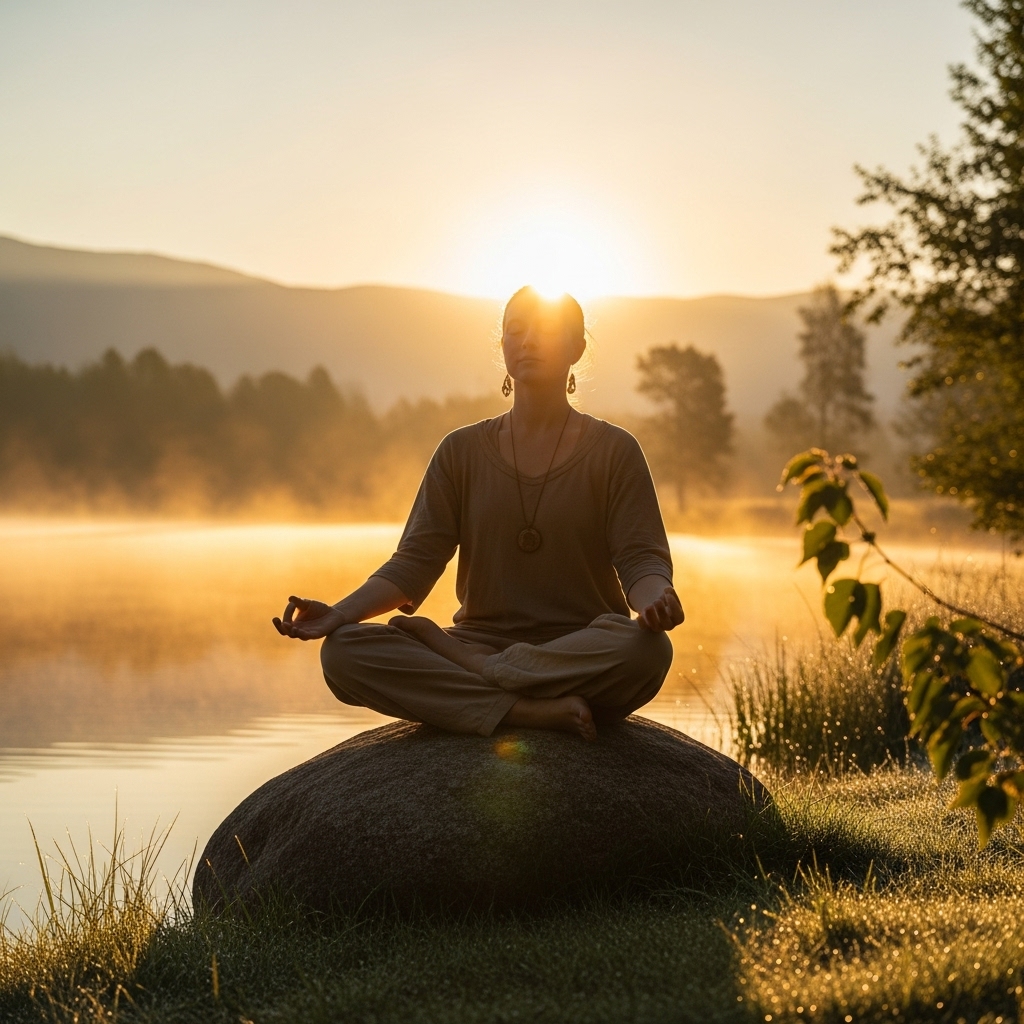
Meditation is a cornerstone of the mind-body connection. It helps soothe the nervous system, allowing you to be fully present and attuned to yourself. Through meditation, you can cultivate emotional regulation, releasing stress and finding inner peace. Mind-body medicine, which blends yoga with mindfulness practices, shows us the profound impact of being aware of our thoughts and emotions.
Meditation in yoga is a moment to simply be. It doesn’t require perfection; it requires practice. Whether it’s a few minutes of focused breathing or a longer session, meditation provides a space for self-reflection. As you continue with yogic practices, the impact of mental clarity and stress reduction becomes evident. Meditation helps you to manage emotional balance by teaching you to be non-reactive and intentional. It guides you in bringing your awareness back to the present moment, where the magic of transformation happens.
READ ALSO: Curb Cravings with Yoga – Whole Living Yoga + Mindful Movement
4. The Nervous System and Yoga’s Healing Power
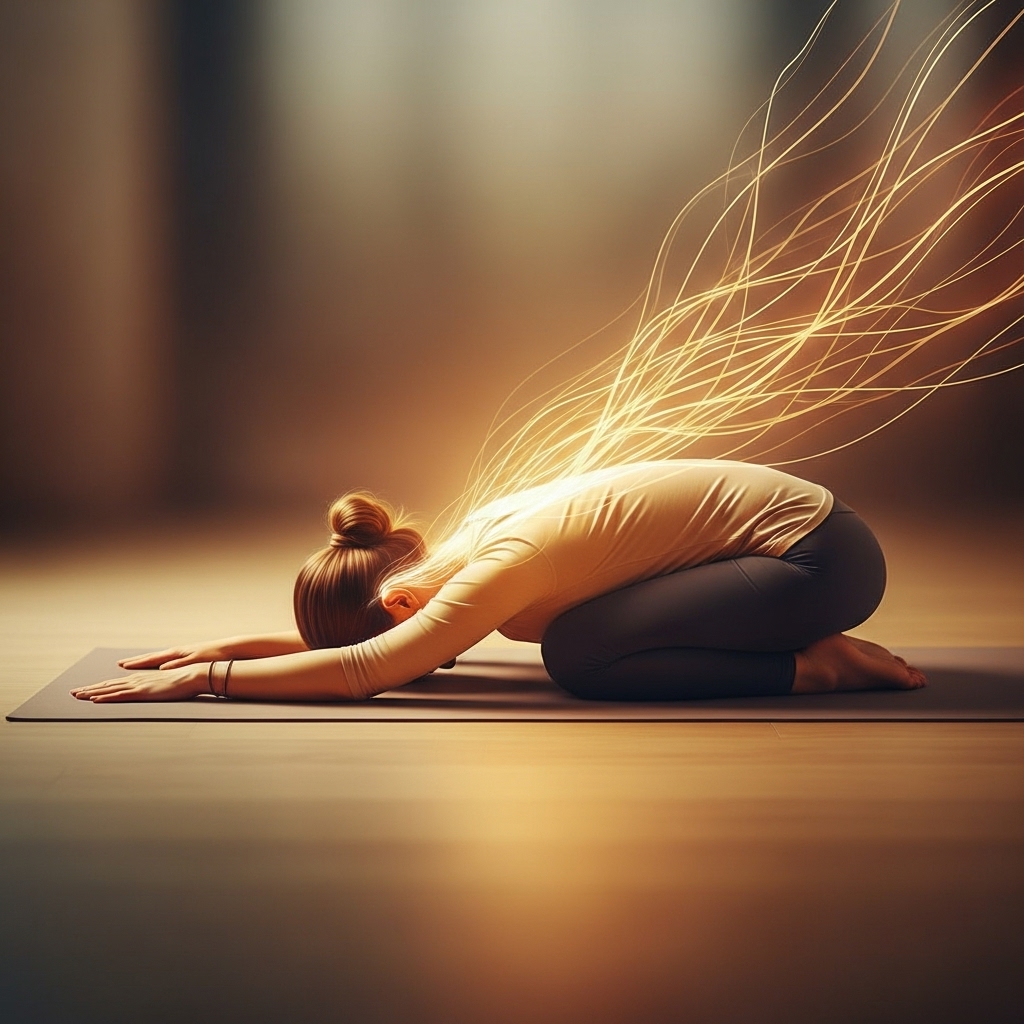
The nervous system plays a significant role in how we experience life. It regulates how we react to stress and respond to challenges. Yoga has the ability to soothe the nervous system, promoting the parasympathetic nervous system, which helps the body relax and recover. When practiced regularly, yoga helps the body better manage stress by reducing cortisol levels. As yoga helps regulate the nervous system, it helps your body become more resilient to external stressors.
From hatha yoga to yoga therapy, yoga offers various methods to heal the nervous system. The deep relaxation found in therapeutic yoga calms the mind, while dynamic practices like vinyasa yoga keep the body energized. When the nervous system is balanced, we experience better emotional and mental health. Regular yoga practice allows for healing on a deeper level, physically, mentally, and emotionally. It is a practice that supports your overall well-being.
5. Enhancing Your Yoga Practice with Mindful Movements

Yoga is not just about physical postures—it’s about the intentional connection between mind and body. As you deepen your yoga practice, each movement becomes an opportunity for self-discovery. The mind-body connection yoga encourages you to be present with each breath, feeling the energy move through your physical body. Whether you're practicing ashtanga yoga or a gentler flow, each posture offers a chance to ground yourself in the present moment.
When you engage fully in each movement, you activate body awareness and create space for emotional healing. Yoga encourages you to move with purpose and intention. By allowing yourself to feel each posture, you cultivate a deeper sense of connection to yourself. As the body moves, so does the mind, fostering inner peace and a sense of calm.
READ ALSO: Chill Out with Cooling Summer Yoga Poses
6. Exploring Yoga Philosophy for a Deeper Connection
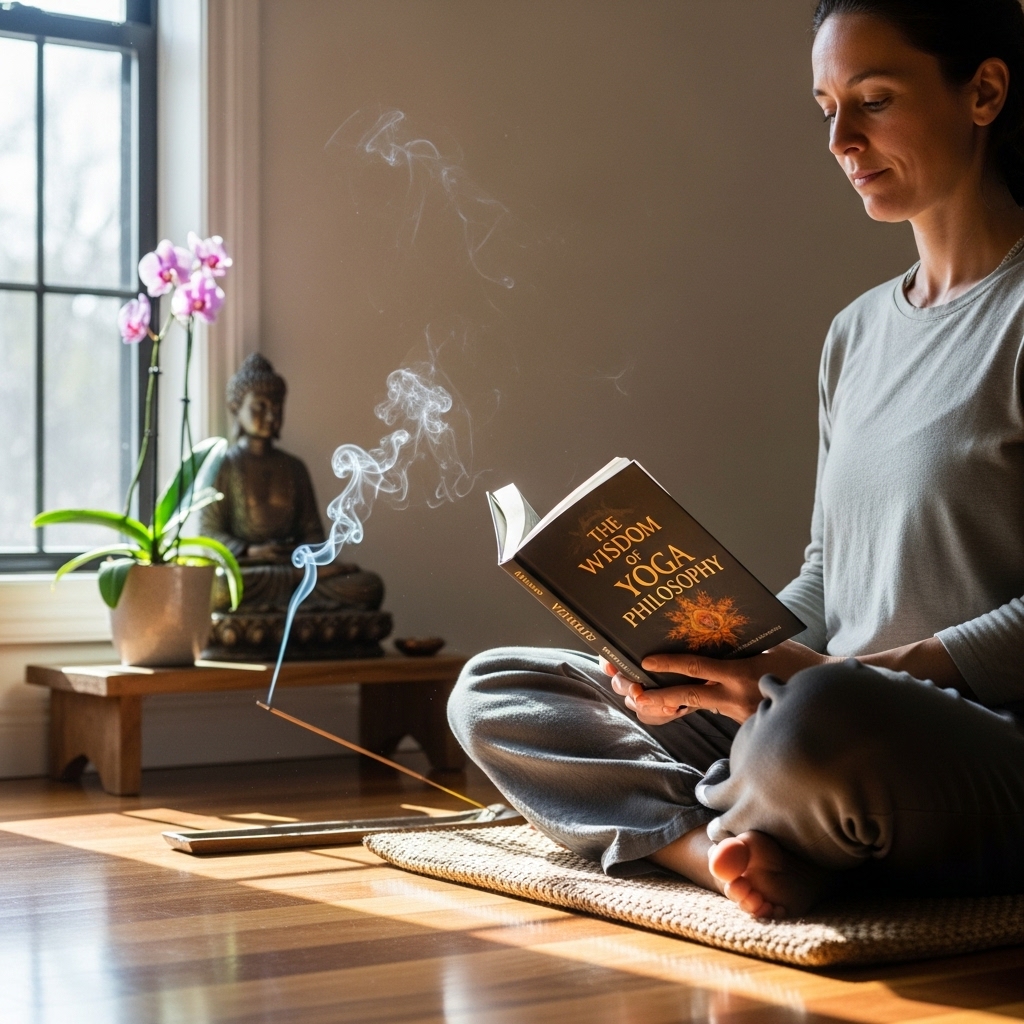
The yoga philosophy provides valuable insights into the deeper aspects of the practice. It teaches us how to live in alignment with our true nature. The yoga sutras, ancient texts that offer guidance on how to live a purposeful life, emphasize the importance of balancing body and mind. As you continue your journey, you may discover that yoga is not just a physical practice, but a way of living—one that honors the mind-body connection.
Incorporating yoga philosophy into your daily life helps you to approach each day with mindfulness and intention. It encourages you to cultivate emotional balance, practice self-compassion, and embrace life as a whole. Whether you’re new to yoga philosophy or you’ve been practicing for years, its teachings will guide you in integrating yoga into your entire existence. As you practice, you’ll notice that yoga’s benefits extend far beyond the mat, enhancing all areas of your life.
READ ALSO: Top 10 Yoga Teacher Pet Peeves
7. How Yoga Helps You Achieve Balance and Well-being
Yoga is not a one-size-fits-all practice. It’s adaptable and personalized, meeting you where you are and supporting your growth. It allows you to improve physical well-being, mental health, and spiritual health. Whether it’s through physical postures, breathing techniques, or meditation, yoga creates a pathway for self-improvement. Yoga leads you toward inner peace, offering the tools you need to manage stress and stay grounded in the present moment.
The beauty of yoga lies in its ability to evolve with you. As you continue to deepen your practice, you’ll begin to notice changes in how you feel—more at ease, more connected to your physical body, and more attuned to your emotions. These shifts are the result of a consistent regular yoga practice, one that integrates both physical activity and mindfulness. As you commit to this journey, you’ll discover the profound mind-body connection yoga offers, leading you to greater balance, well-being, and a richer experience of life.
Conclusion: Embracing the Journey to Whole Living
As you explore the yoga mind-body connection, remember that this practice is a journey, not a destination. It’s a path that encourages you to connect deeply with your physical body, your breath, and your mind. Yoga offers you the tools to cultivate balance, reduce stress, and enhance your mental clarity. Whether through the practice of vinyasa yoga, hatha yoga, or any other style, each movement brings you closer to a state of well-being.
Take your time and explore at your own pace. As you immerse yourself in yoga, remember that every breath, every movement, and every moment spent on your mat is a step toward greater overall well-being. Yoga is a practice that nurtures, heals, and elevates—leading you to a balanced life where the mind body and spirit can thrive in unison. Embrace this practice with patience, compassion, and love for yourself. The journey is yours, and it’s one of transformation, peace, and profound connection.
UP NEXT: Gentle Yoga Poses