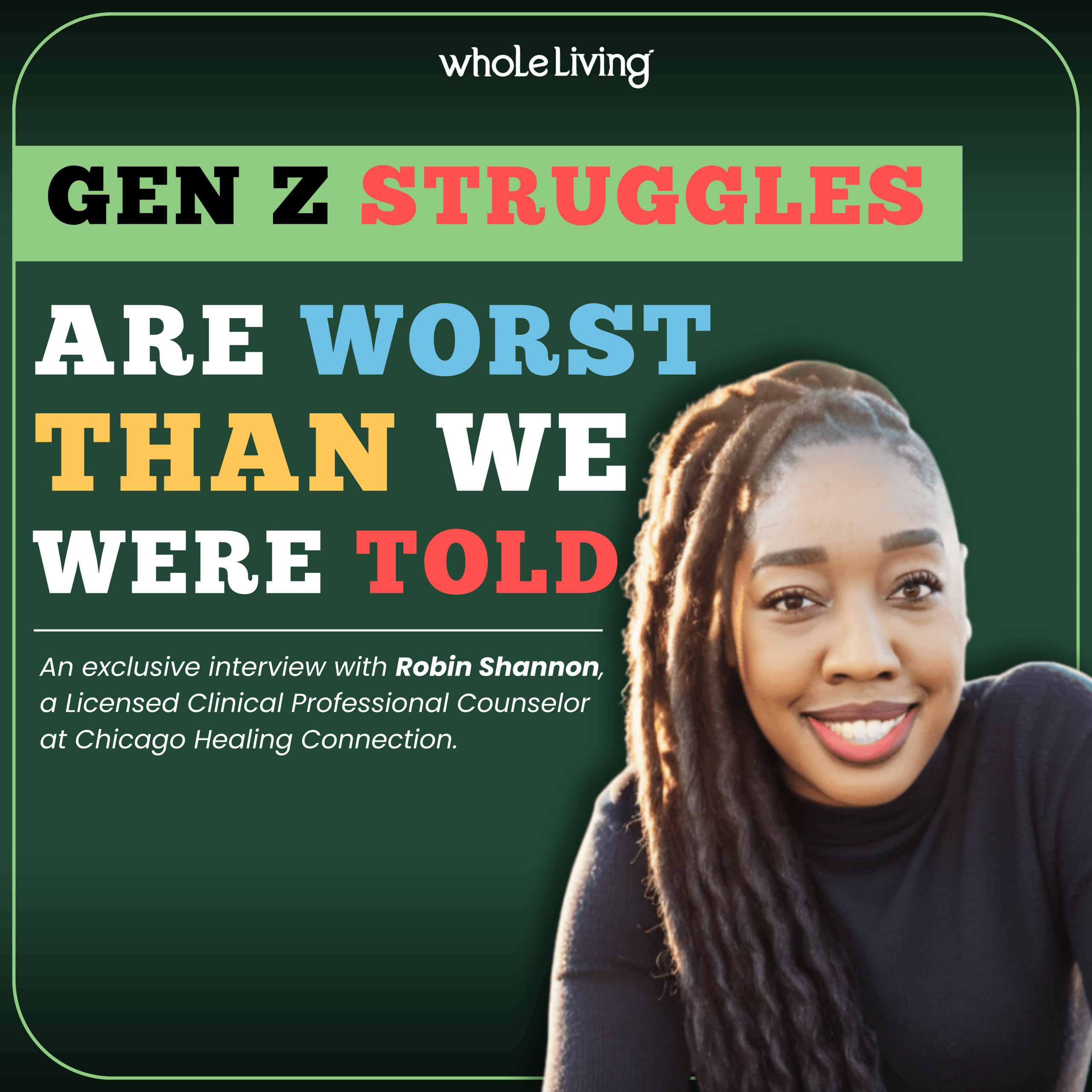


In today’s fast-paced world, many of us battle stress, negative emotions, and stress-induced problems. To cope, we often turn to emotional brain training (EBT). This approach helps us manage emotions and improve mental well-being.
The emotional brain plays a critical role in how we experience life. With the right tools and practices, you can take control of your stress response, train your brain, and lead a more balanced life. Let’s dive into how emotional brain training can lift your mood daily and help you thrive.
Understanding Emotional Brain Training (EBT)
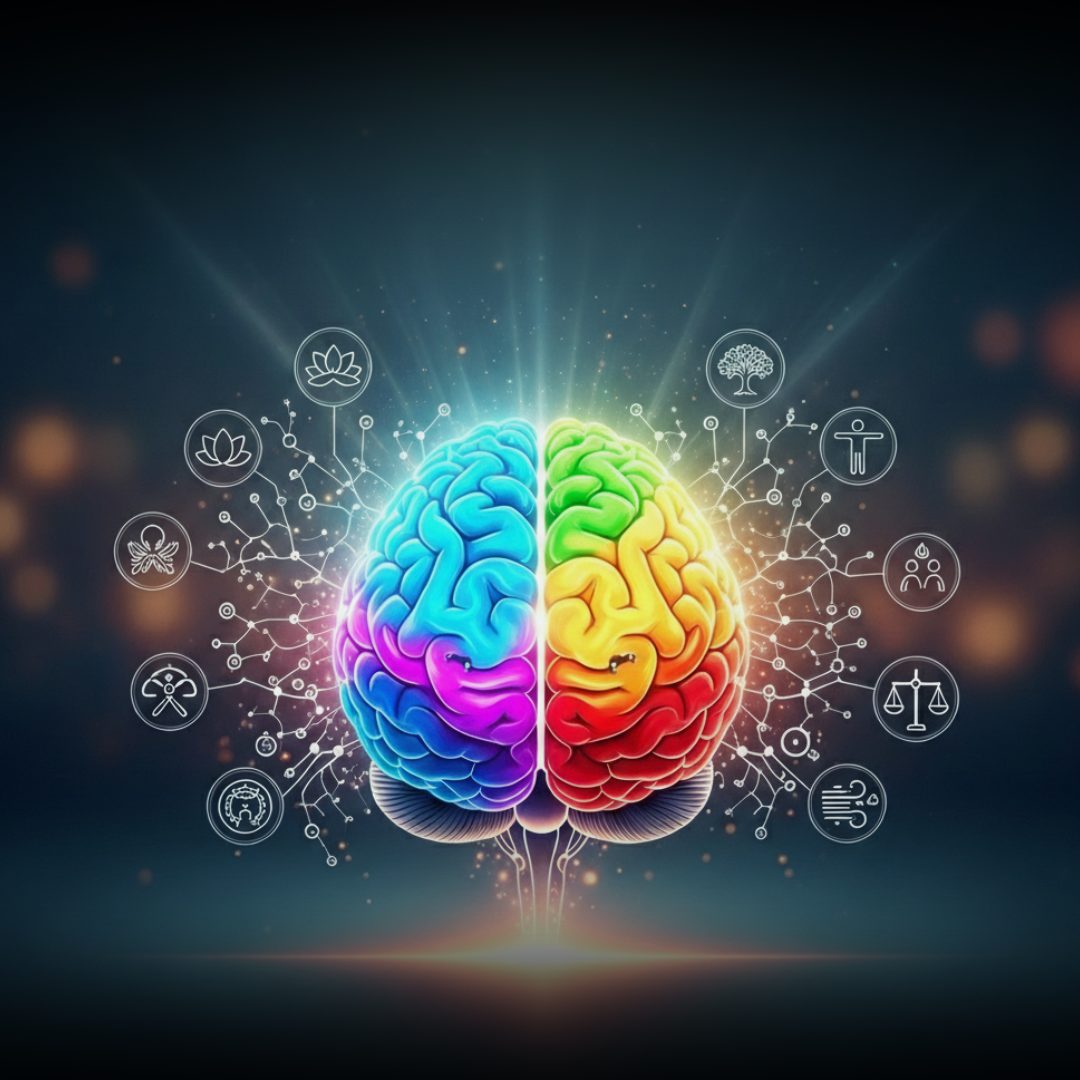 Emotional brain training is based on neuroscience, specifically how the emotional brain works. Dr. Laurel Mellin developed a structured approach grounded in neuroscience and physiology. It involves brain training techniques designed to reshape emotional responses and reduce stress. EBT focuses on strengthening the self-regulatory circuits in the brain, which allows you to better manage stress and emotions. This method rewires your brain’s response to daily triggers and builds resilience over time. In stressful situations, emotional circuits become activated, influencing automatic reactions and behaviors.
This method emphasizes that stress and emotional overload are often rooted in unregulated emotional circuits. EBT is especially helpful for adults, as chronic stress contributes to many health issues. EBT includes five stress levels, each with corresponding techniques to help rewire emotional circuits. By using EBT tools, you develop effective coping strategies and restore balance to your emotional brain. With regular practice, you’ll notice decreased stress levels and increased positive emotions, like joy and calm.
The Impact of Stress Overload

Stress overload happens when daily demands exceed the emotional brain’s ability to cope. When stress levels remain high for too long, the brain’s self-regulatory circuits become overwhelmed. This makes it harder to manage emotions and maintain balance. It can create a constant state of tension, where even small challenges feel unmanageable.
Common stress symptoms of overload include irritability, fatigue, trouble sleeping, and difficulty concentrating. Over time, chronic stress weakens the body’s resilience, making you more susceptible to illness and emotional struggles. The emotional brain may become stuck in a cycle of negative emotions, making it difficult to experience joy or calm.
Emotional brain training (EBT) offers tools to break this cycle. By becoming aware of your stress levels and using EBT techniques, you can reset your stress response and restore balance. Regular self-care, mindful breathing, and connecting with supportive people are effective ways to prevent stress overload and enhance overall well-being.
The Root Cause of Negative Emotions

At the heart of emotional brain training is the idea that negative emotions often stem from unresolved stress and unchecked emotional responses. Chronic stress, if not managed, leads to stress overload, which can turn into intense feelings like anxiety or anger. These extreme emotions can overwhelm the brain and affect both mental and physical health.
By identifying the root cause of these emotions, EBT helps address them with simple tools like breathing exercises, mindfulness, and guided imagery. EBT also uses emotional tools—practical strategies to help process and rewire emotional circuits. The EBT method includes five emotional processing techniques, each corresponding to a specific stress level. By integrating these tools into daily life, you take the power away from negative emotions and begin rewiring the brain for emotional resilience.
Understanding Stress-Induced Problems
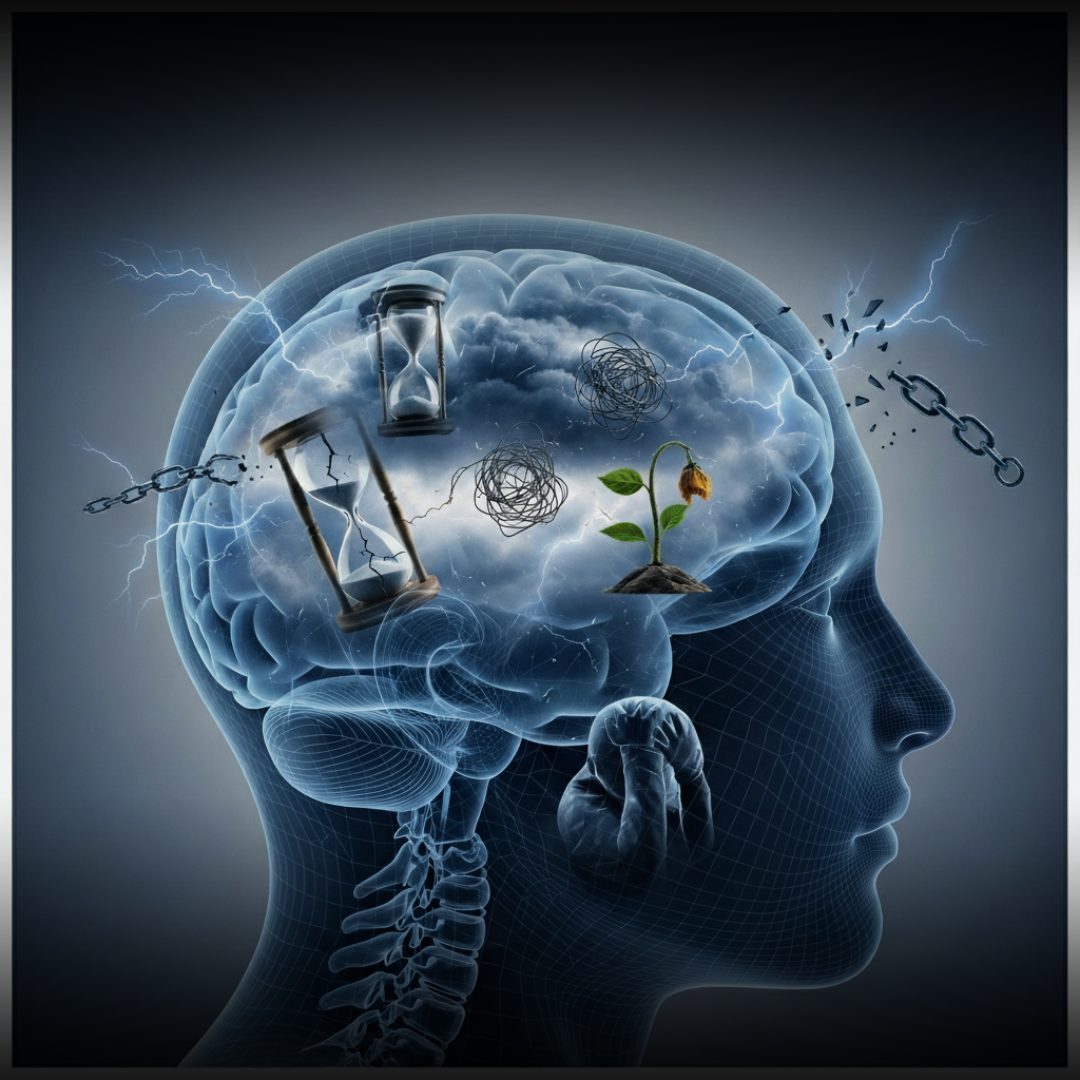
When the brain’s stress response is triggered too often, it leads to stress-induced problems that affect both mind and body. These issues can show up physically, like headaches, digestive problems, or high blood pressure. They can also appear emotionally, as anxiety, depression, or persistent fear. Left unchecked, these negative emotions can spiral into unhealthy behaviors like overeating, withdrawal, or irritability.
The root cause of many of these problems lies in the brain’s wiring. When self-regulatory circuits are overwhelmed, the emotional brain struggles to process and release stress, causing a buildup of tension and unhealthy patterns. EBT tools are designed to address these problems at their source. They help you rewire the brain for healthier emotional responses and greater resilience.
By using emotional brain training methods, you can decrease the impact of stress-induced problems and improve your health. This process involves becoming aware of your stress symptoms, using tools to process emotions, and building circuits that support well-being and joy.
Training Your Brain to Respond to Stress
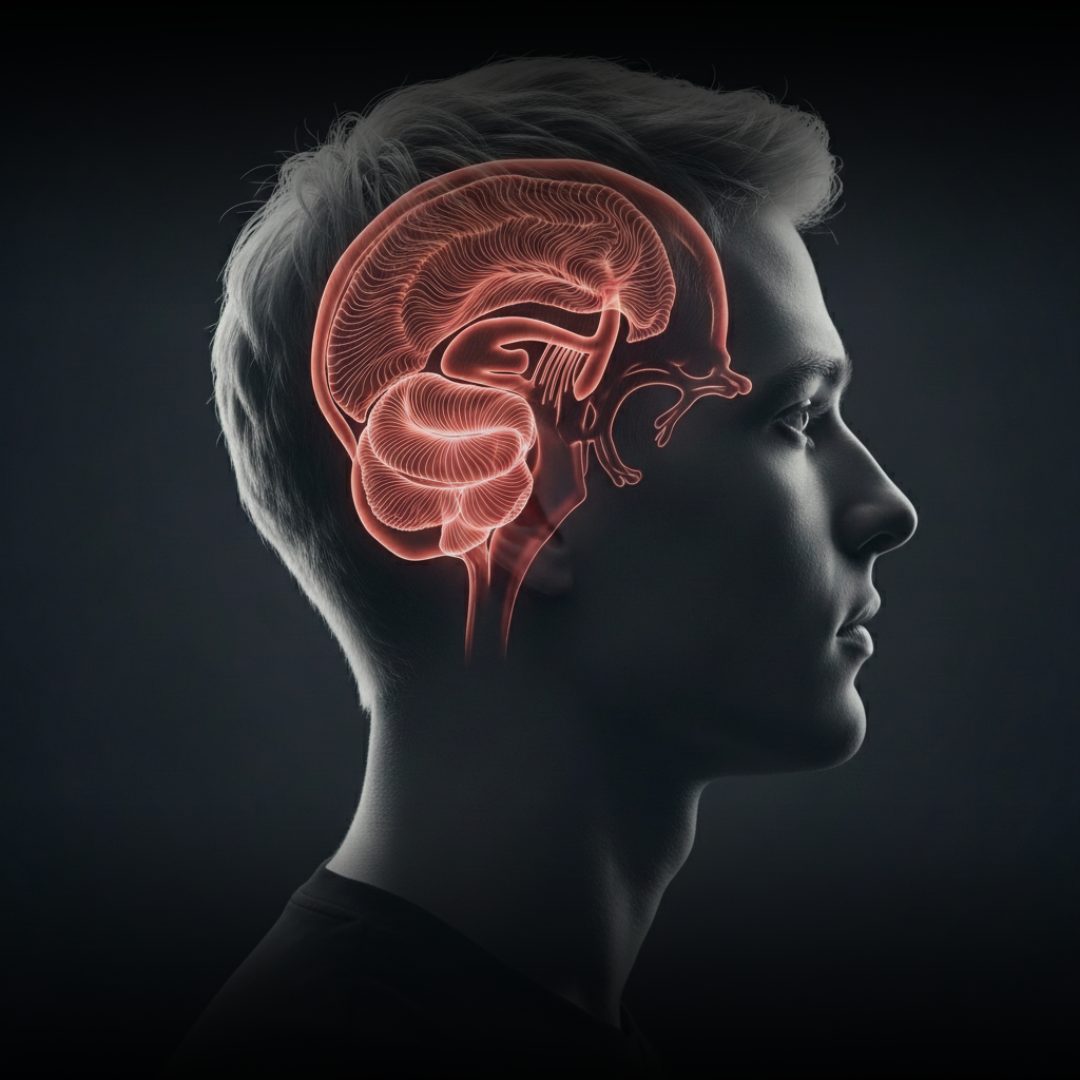
A key part of emotional brain training is learning how to respond to stress in a healthy and effective way. Everyone experiences stress symptoms from time to time, like tight muscles, racing thoughts, or irritability. But how we respond to these symptoms determines their impact on us.
Brain training exercises focus on rewiring the brain’s stress response. With EBT, you learn to recognize early signs of stress and use tools like deep breathing or positive affirmations to shift your response. This shift is crucial in preventing stress from escalating into a full-blown emotional crisis.
READ ALSO: Mind and Peace Tips to Achieve Calm and Clarity
Building Emotional Resilience with EBT Tools

The power of emotional brain training lies in its ability to build long-term emotional resilience. With consistent practice, you can train your brain to respond better to stress and emotional challenges. Techniques like mindfulness meditation, emotional awareness, and cognitive reframing can help strengthen the emotional brain’s ability to manage and regulate stress. By using EBT tools, you can rewire your brain circuits to achieve well-being and start feeling great.
Building this resilience allows you to face life’s challenges with greater ease. It’s not about eliminating stress, but learning to manage it so it doesn’t control your emotions or behaviors. The EBT 5-Point System empowers people to process high-stress emotions and return to joy.
The Neuroscience Behind Emotional Brain Training
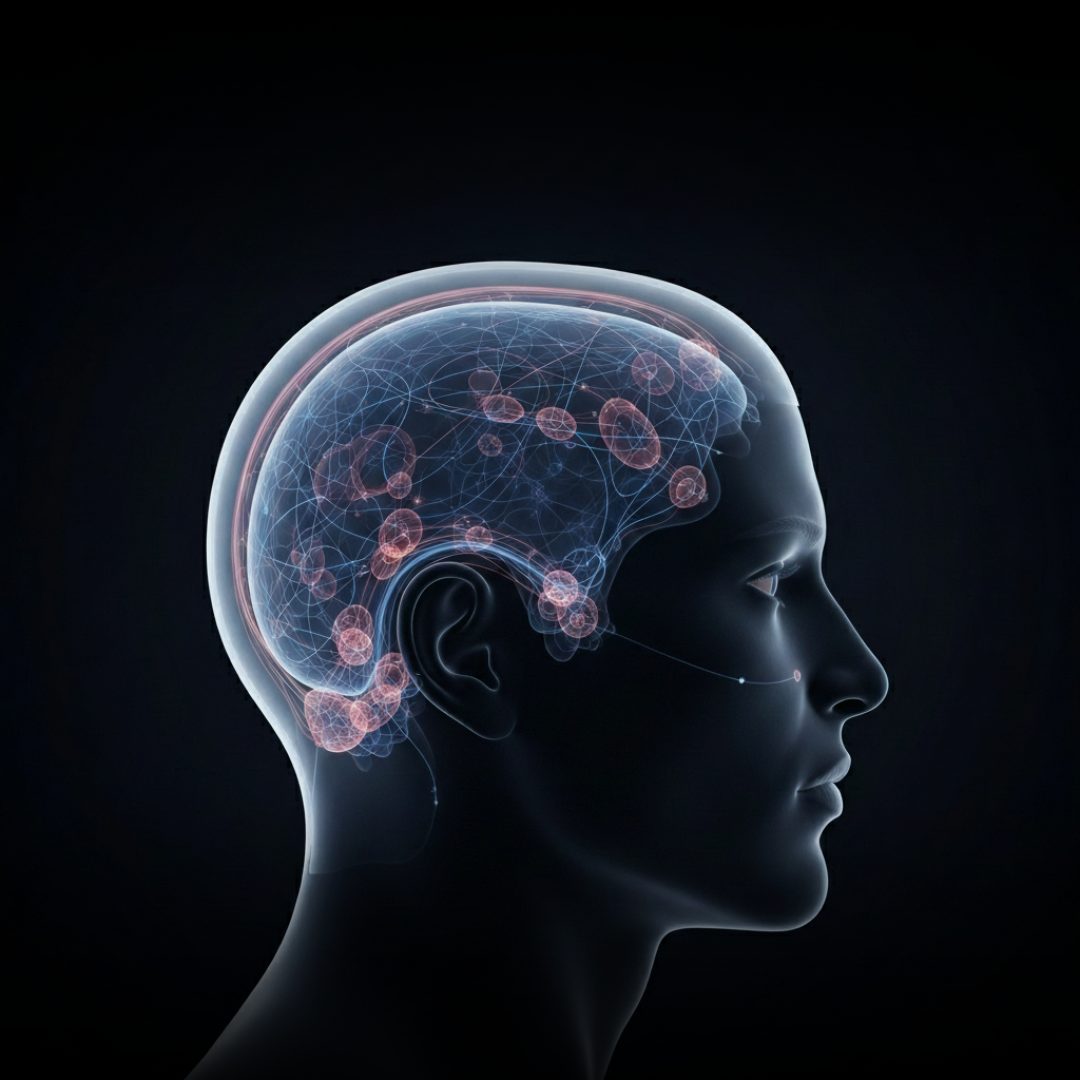
The neuroscience of emotional brain training shows how the brain’s circuits can be rewired to enhance emotional regulation. EBT helps rewire neural circuits related to stress and emotional regulation. This allows you to reshape automatic responses. By activating specific brain regions, EBT trains the brain to manage stress, reduce negative emotions, and improve emotional well-being. This process involves both conscious awareness and unconscious rewiring, creating lasting changes in how you respond to daily stressors. EBT is recognized as a brain-based treatment for stress symptoms and obesity.
Research shows that stress-induced problems can be alleviated by regularly engaging in brain training activities. EBT focuses on long-term brain changes by identifying and eliminating ineffective circuits related to challenges. The emotional circuits that trigger stress are among the most responsive in the brain, making them especially adaptable to EBT. With regular practice, the self-regulatory circuits become stronger, improving stress levels and emotional health. EBT can be seen as a form of brain-based medicine, promoting natural healing and resilience.
Simple Tools for Stress Management

One of the best parts of emotional brain training is its simplicity. The tools don’t require complex routines or extensive time commitments. Instead, they focus on small, manageable practices that fit easily into your daily life.
Simple tools like deep breathing, positive visualization, or progressive muscle relaxation can quickly reduce stress and shift negative emotions into balance. You don’t need to spend hours on emotional health. Just a few minutes a day can make a significant difference in how you respond to life.
READ ALSO: Calm the Nerves Without Numbing Who You Are
How EBT Reduces Chronic Stress

Chronic stress is a major contributor to many health problems. Over time, it weakens the brain’s ability to cope, leading to burnout, anxiety, and depression. But with emotional brain training, you can manage and even reduce chronic stress.
The key is rewiring the brain’s stress response. By practicing EBT methods like mindfulness, self-care, and emotional awareness, you teach your brain to respond more effectively to stressful situations. This reduces the impact of stress on your body and mind, allowing you to live a healthier, more vibrant life.
The Role of the Social Brain in Emotional Regulation
Another fascinating aspect of emotional brain training is its connection to the social brain. The way we connect with others plays a significant role in how we regulate our emotions. Positive social interactions reduce stress and increase happiness. Negative or toxic relationships can worsen stress and contribute to emotional turmoil.
EBT encourages individuals to cultivate supportive social connections and build emotional intelligence. When we connect with others meaningfully, our emotional brain is better equipped to handle stress and negative emotions. We can use EBT tools with loved ones or through a private online community.
Daily Practices to Lift Your Mood
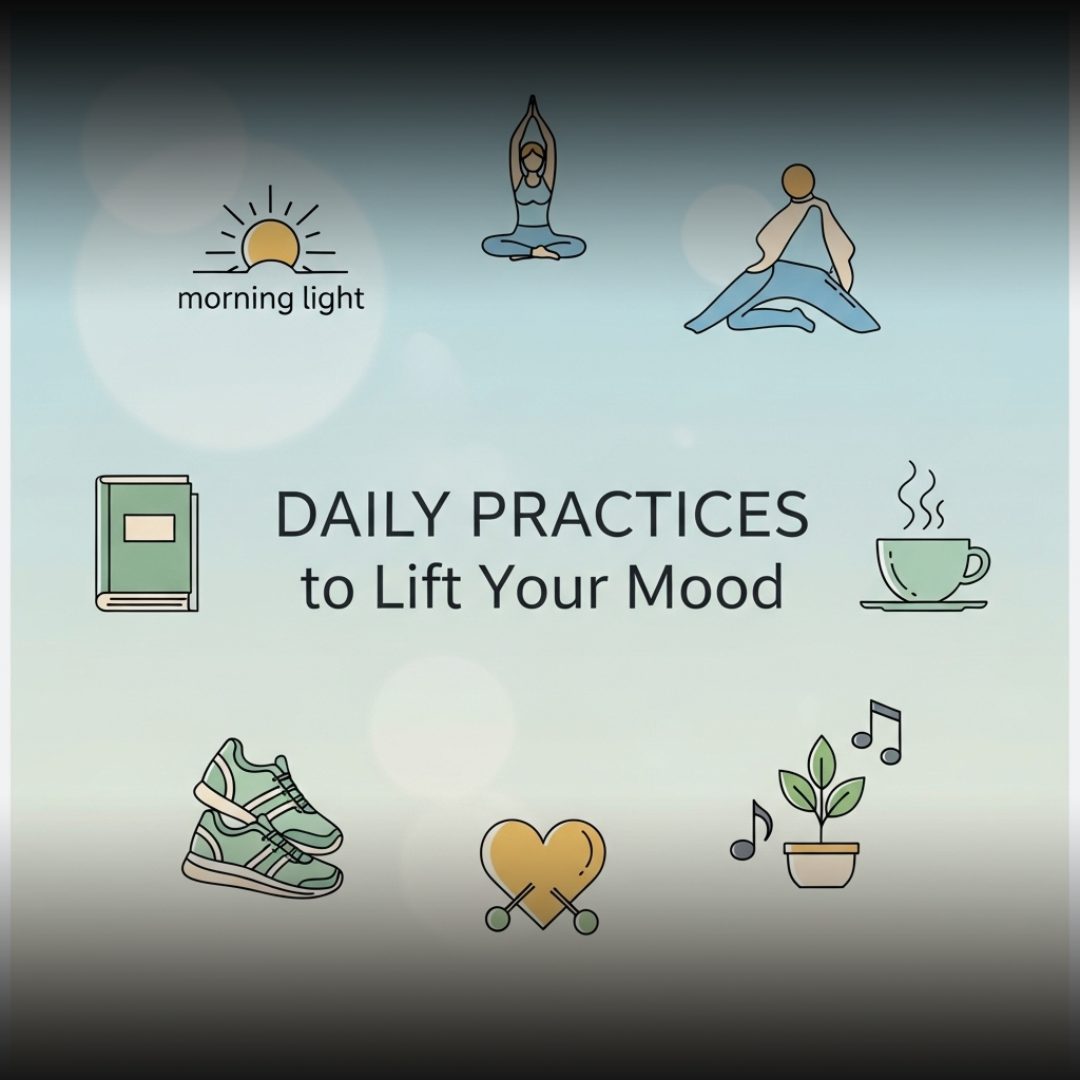
To incorporate emotional brain training into your daily life, focus on key practices that impact your mood. Start your day with gratitude, engage in mindfulness exercises, and practice self-care regularly. Talking with a trusted friend or therapist to process stress and emotions is also vital. These simple actions reduce stress and encourage positive emotions.
Make emotional well-being a daily habit. The more consistent you are, the better your emotional health will become. EBT utilizes a specialized app to facilitate these techniques, offering a ‘therapist in your pocket' for emotional triggers.
READ ALSO: How to Clear Mind When You Can’t Slow Down
Embrace Emotional Brain Training for a Better Life

Incorporating emotional brain training into your life is a powerful way to manage stress and enhance emotional well-being. With the right tools and practices, you can reduce stress, build resilience, and cultivate joy and balance. Remember, the goal is not to eliminate stress but to create a healthier stress response that empowers you to live your best life.
So, take a deep breath, practice mindfulness, and begin your journey toward emotional balance. With dedication, you can enjoy a peaceful, joyful life. The future of healthcare will prioritize emotional regulation and neuroplasticity, making these skills more essential than ever.
UP NEXT: Mindful Health Solutions That Start With Stillness