

You move through life carrying your posture every single day. Posture correctors exist to support that journey with care and intention. When posture correctors guide you gently, your body feels calmer, steadier, and more aware.
You are not broken. You are simply adapting to modern life. A sedentary lifestyle, long sitting hours, and daily stress slowly shape posture habits. With the right support, a simple brace can help you reconnect with balance and comfort.
Why Posture Matters in Daily Life
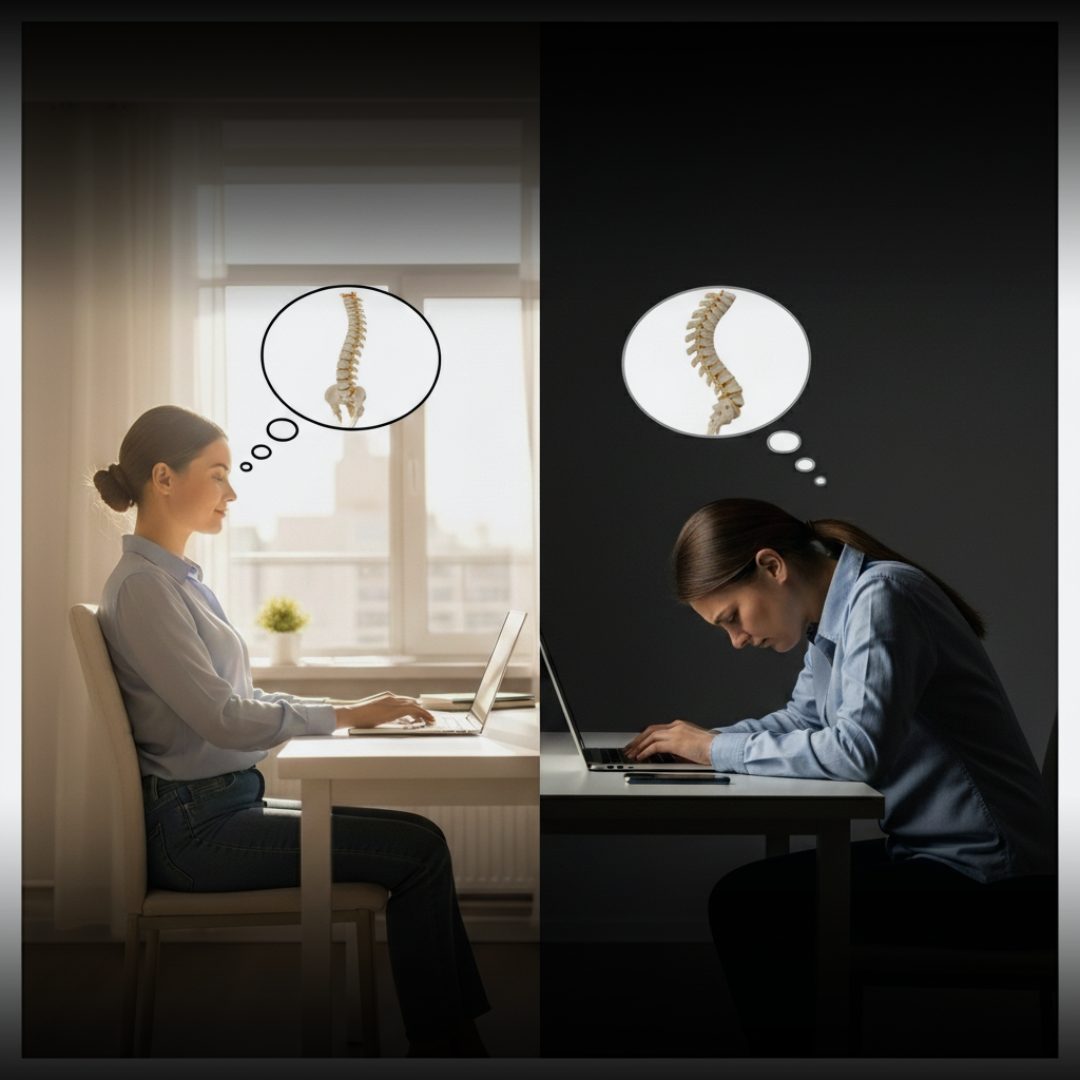
Your posture shapes how your body feels and functions. Good posture supports breathing, focus, and energy. Poor posture slowly strains muscles, joints, and nerves. Over time, bad posture can create discomfort that spreads across the body.
When you slouching starts, your shoulders roll forward. Your neck shifts out of balance. Your upper back tightens. This pattern often leads to back pain and shoulder pain during daily movement.
Support tools build awareness first. They remind your body where proper alignment lives. With consistent wear, posture correction becomes easier and more natural.
Understanding How Posture Correctors Work
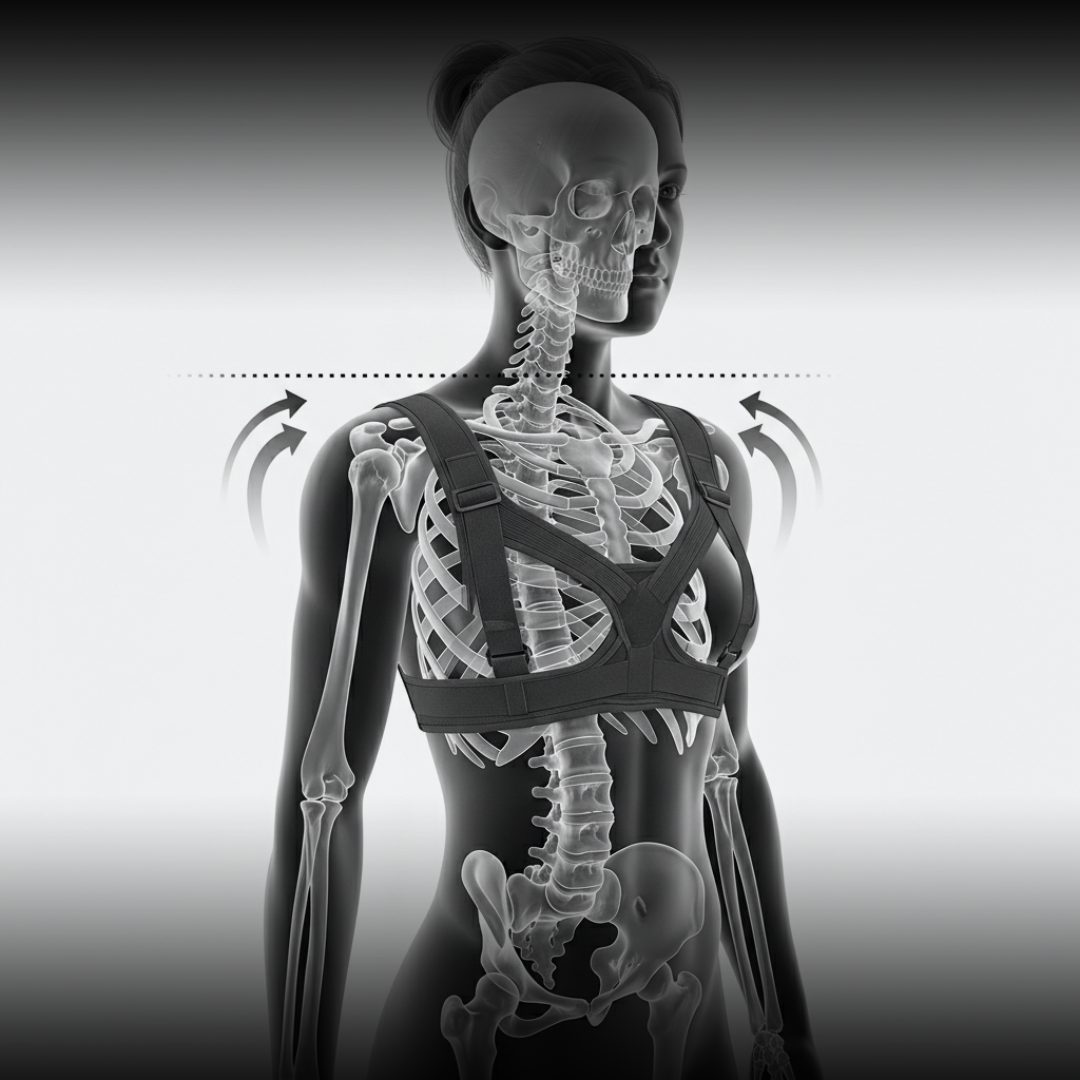
Many people ask if posture correctors work. The answer lies in gentle guidance, not force. These supports act like training wheels for your posture habits. They guide, remind, and support.
A brace posture corrector applies light resistance. This resistance encourages correct posture without rigid control. Over time, muscle memory develops, helping you stand straighter naturally.
These supports work best when paired with awareness. You learn how it feels to stay upright. That feeling slowly becomes familiar and comfortable.
READ ALSO: Mindful Body Whispers the Path to Inner Balance
The Role of the Back Brace Posture Corrector
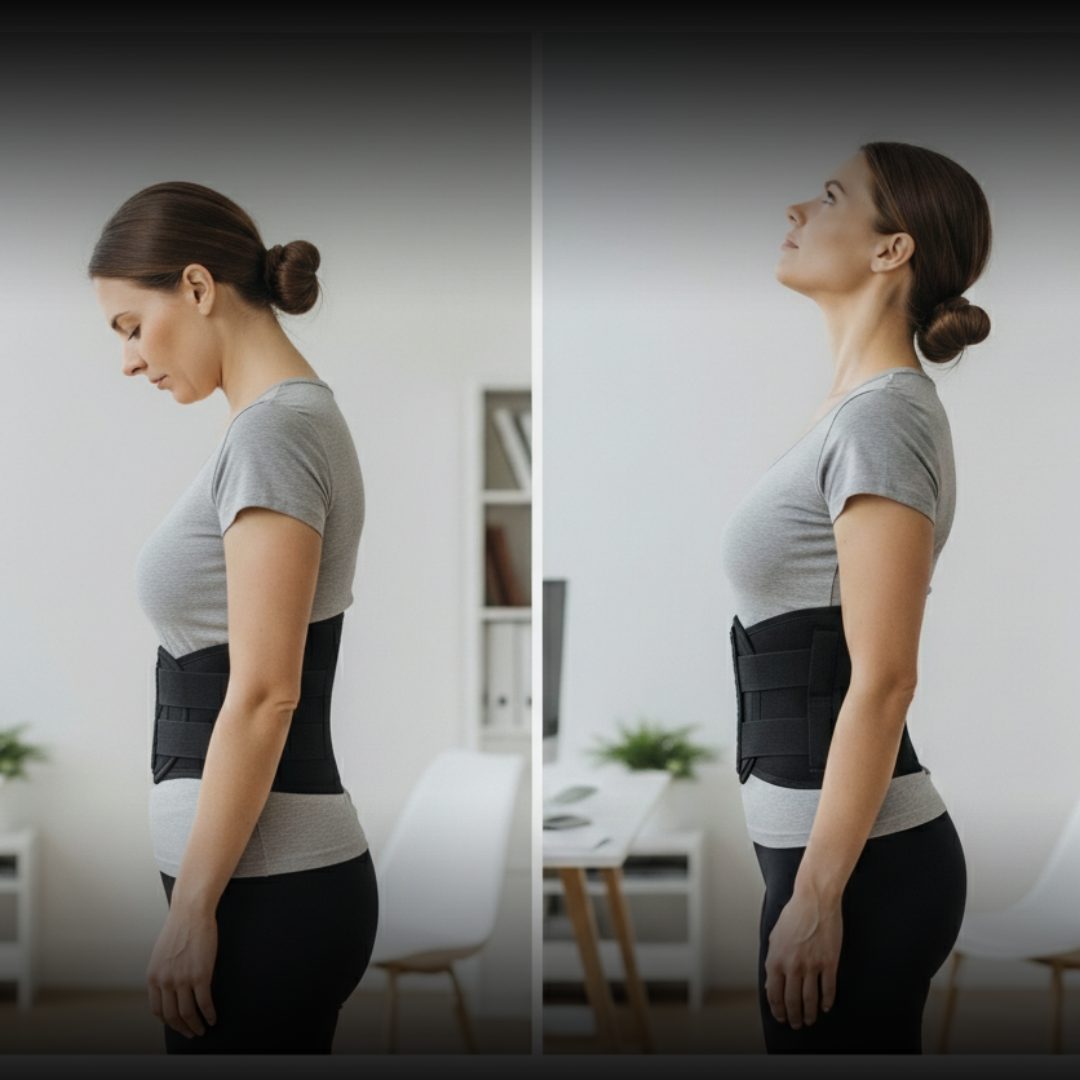
A back brace posture corrector offers structured support for the upper and lower body. It supports the upper back, shoulders, and lumbar spine together. This balanced approach helps reduce strain.
Many back brace posture corrector designs include adjustable straps. These straps let you customize fit and tension. Proper adjustment improves comfort and reduces constant adjustment later. A back brace works well during sitting, walking, or light movement. It encourages upright posture without taking over your day.
Check out this ComfyBrace Posture Corrector here.
Brace Posture Corrector vs Everyday Slouching
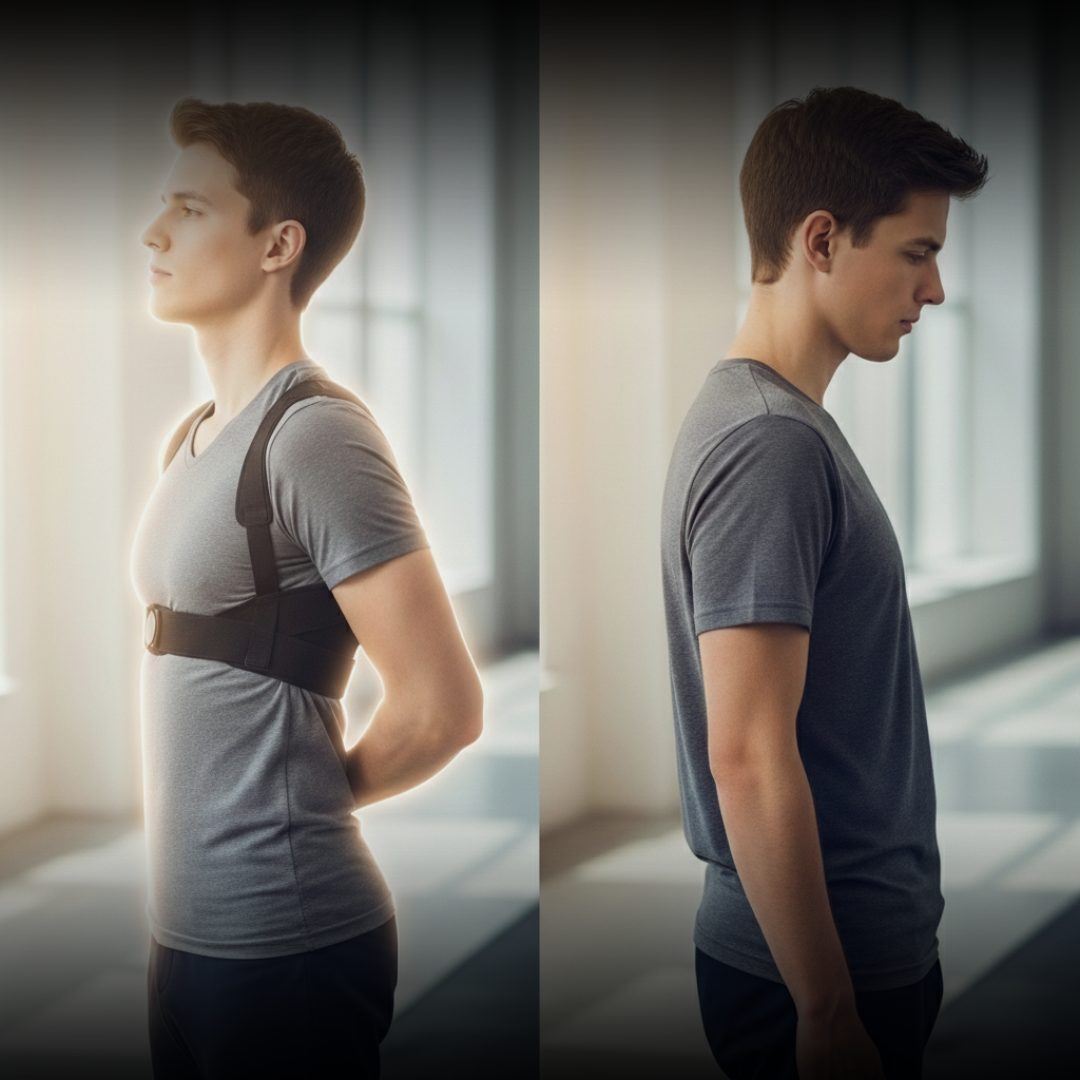
Slouching becomes a habit before you notice it. A brace posture corrector helps interrupt that habit gently. It reminds your shoulders to stay back and your chest to open.
A brace posture corrector often targets shoulder alignment and upper back support. This reduces pulling shoulders forward during longer periods of desk work. Over time, discomfort may drop. Using a brace does not replace your muscles. It supports muscles while they relearn good posture. That balance matters for long-term results.
Supporting the Upper Back and Neck

The upper back plays a key role in stability. When the upper back collapses, neck pain often follows. A well-fitted back brace supports the area gently.
By guiding your shoulder blades into better alignment, pressure on the neck can reduce. Your muscles relax instead of overworking. This support can help reduce upper back pain. Many users notice pain relief within weeks. Consistent wear helps muscles adapt to healthier movement patterns.
READ ALSO: Back Muscle Exercises For Strength And Balance
Shoulder Alignment and Daily Comfort
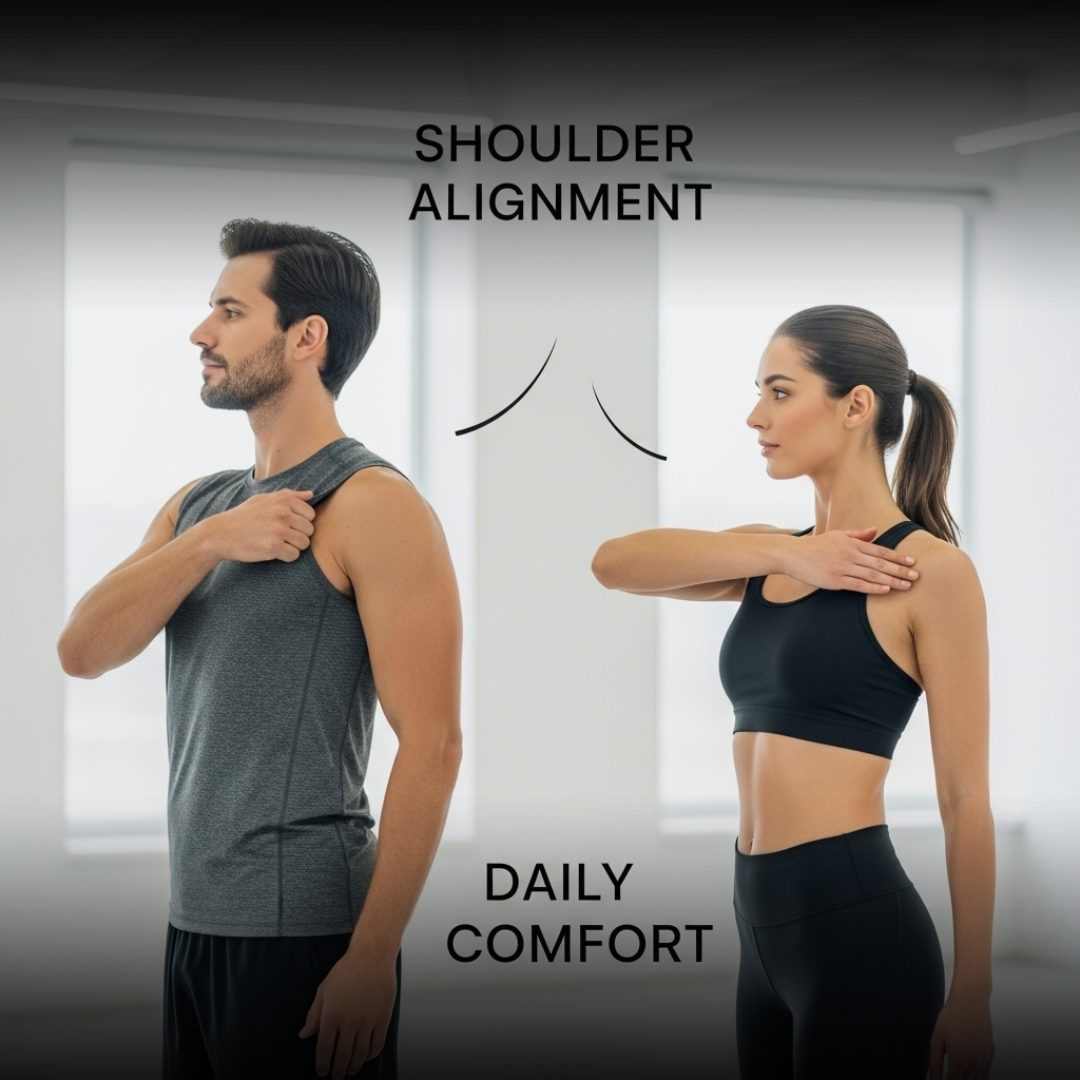
Your shoulders carry emotional and physical stress. Rounded shoulders strain muscles and joints. Posture supports help restore shoulder alignment in a steady way.
Soft shoulder straps apply gentle guidance. They remind your shoulders to stay upright without sharp tension. This support can reduce shoulder pain during daily tasks. Better shoulder alignment supports breathing and confidence. You feel more open, balanced, and steady throughout the day.
Choosing the Right Fit for Your Body
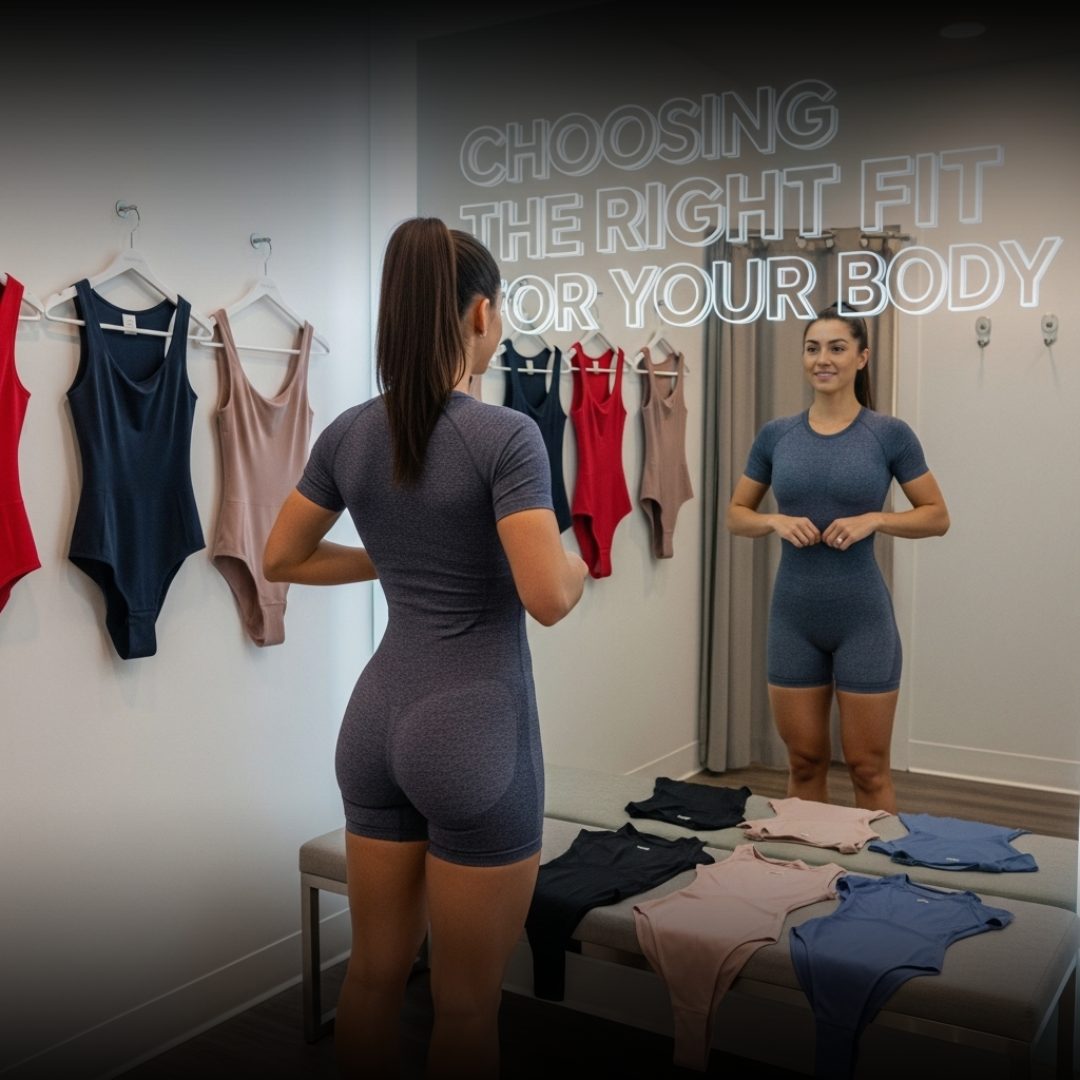
Every body is different. Body types, chest size, and muscle structure affect fit. The best posture correctors usually offer flexible sizing and simple adjustments.
Adjustable straps allow customization for men and women. An adjustable brace adapts as you improve posture over time. This makes daily wear feel easier.
A proper fit prevents constant adjustment. You should comfortably wear your support during normal routines. Comfort makes consistency possible.
Comfort, Materials, and Daily Wear

A Comfort determines consistency. Breathable material reduces heat and irritation. Some designs use medical grade silicone padding for softer edges.
If there is direct skin contact, it should feel gentle. Many braces are built for extended wear without rubbing. This helps you wear them for longer periods.
When support feels steady, daily use becomes simpler. You stay focused on your day, not your gear. That calm experience supports good posture habits.
Pain Relief and Muscle Support
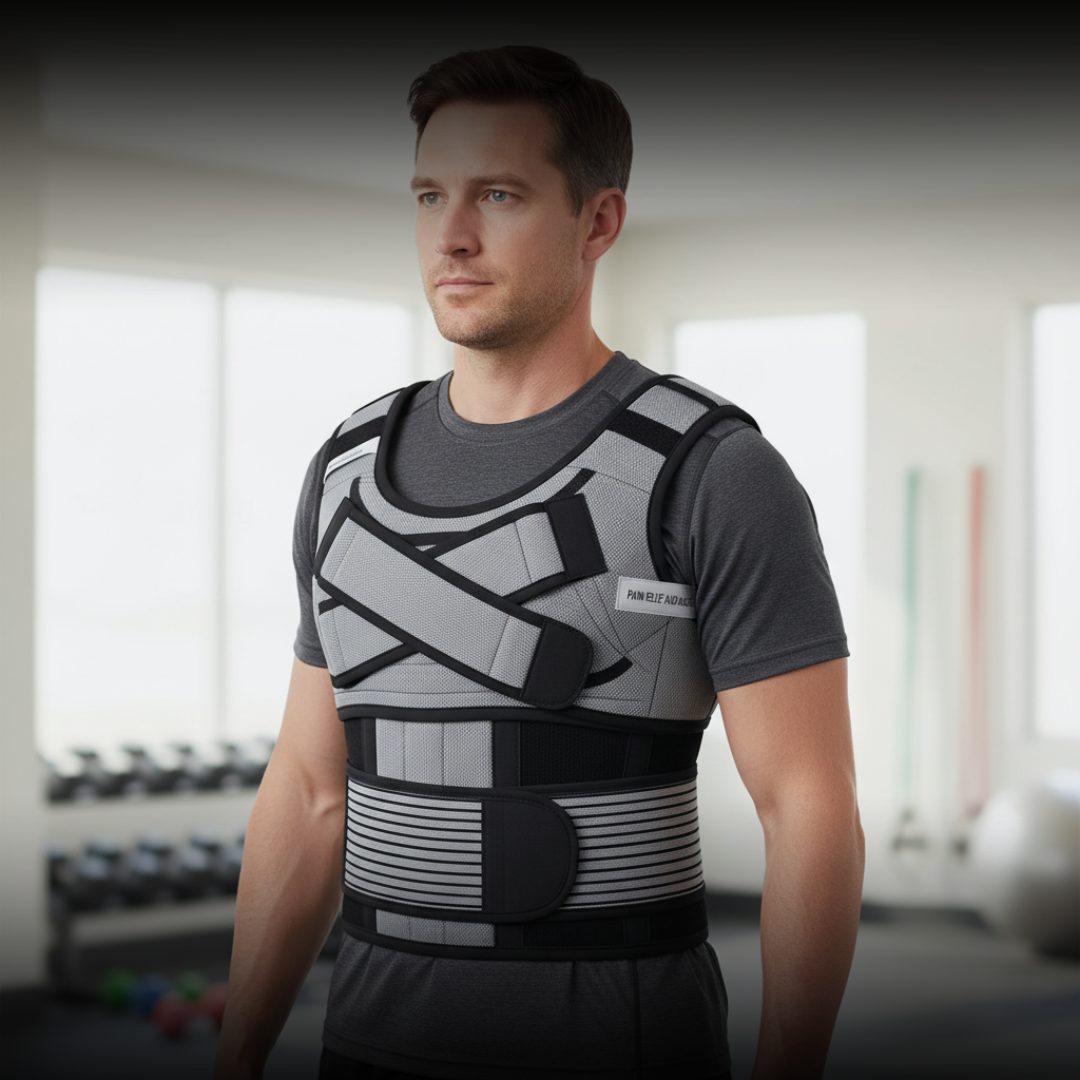
Pain often signals imbalance. A back brace can support your muscles while reducing strain. This combination supports pain relief across the back and neck.
Back pain, shoulder pain, and upper back pain often improve when alignment improves. Support braces reduce stress on sensitive areas. They help your muscles share the workload more evenly. This balance supports long-term comfort. It also helps you improve posture without forcing change overnight.
READ ALSO: Stretching Exercise for Lower Back Pain You Can Do in Bed
Posture Correctors as Training Tools
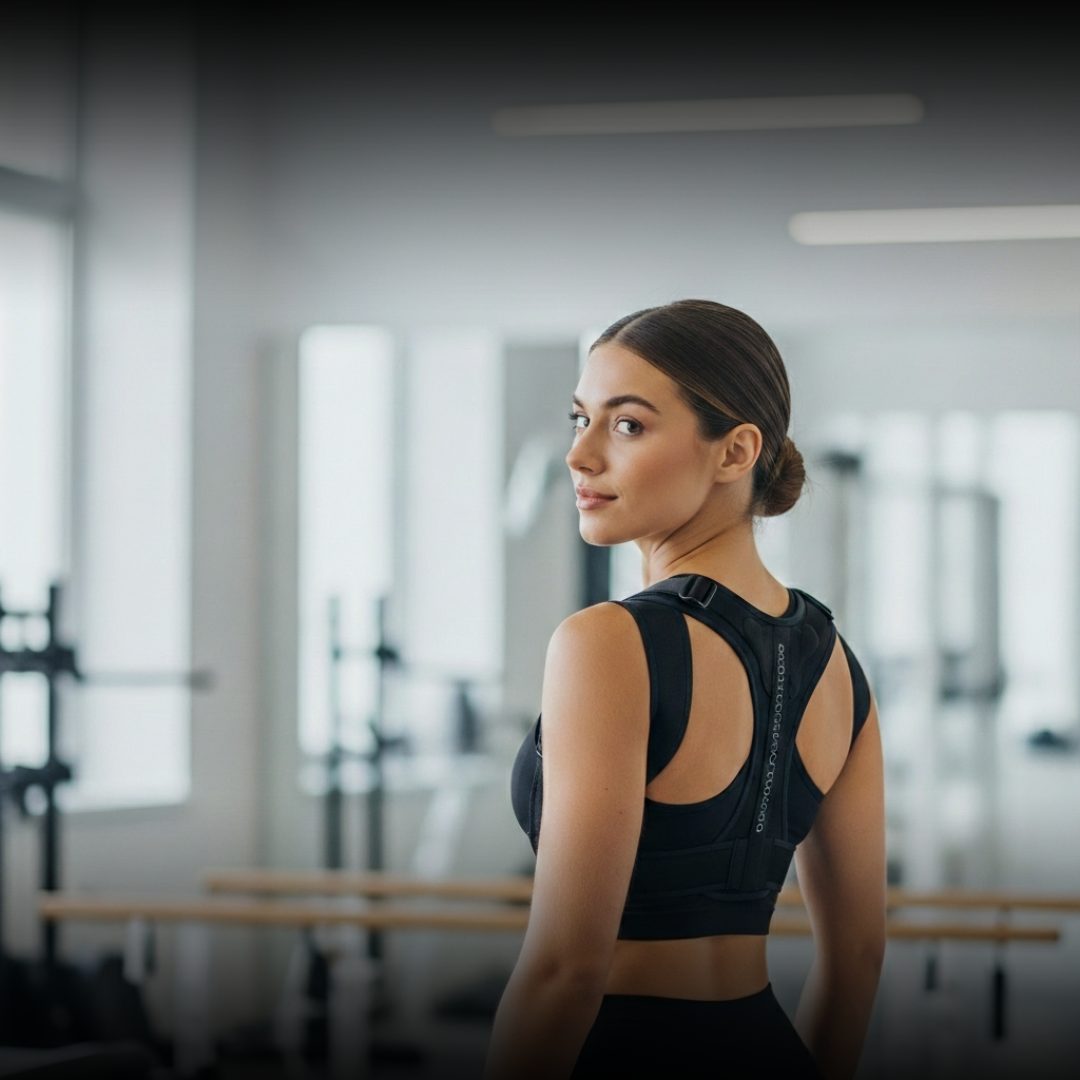
Think of a support brace as training wheels. It guides without replacing effort. Over time, your body learns to maintain good posture with less help.
Muscle memory builds gradually. You begin to stand taller without thinking. Upright movement starts to feel like your normal. That is the goal. You build control, not dependence. You move toward proper posture through awareness and steady practice.
Sitting, Standing, and Everyday Movement

Sitting habits shape posture patterns. Long hours encourage slouching and poor posture. A posture brace supports you during seated work without stealing your comfort.
Standing benefits too. You feel more upright and balanced. Better alignment can reduce fatigue during daily movement. Many braces adapt to walking and light activity. They support without locking you in place. That freedom helps your posture improve naturally.
Insights from Physical Therapists

Many physical therapist professionals support braces as temporary aids. They often recommend pairing support with strength training. This combination helps your body hold posture on its own.
Strength training builds muscles that support posture naturally. When you train your back, core, and shoulders, you create stronger foundations. That makes the brace feel like guidance, not a crutch. A physical therapist can guide fit and use. Their input helps you adjust safely. It also helps you avoid strain during early wear.
Popular Posture Corrector Options
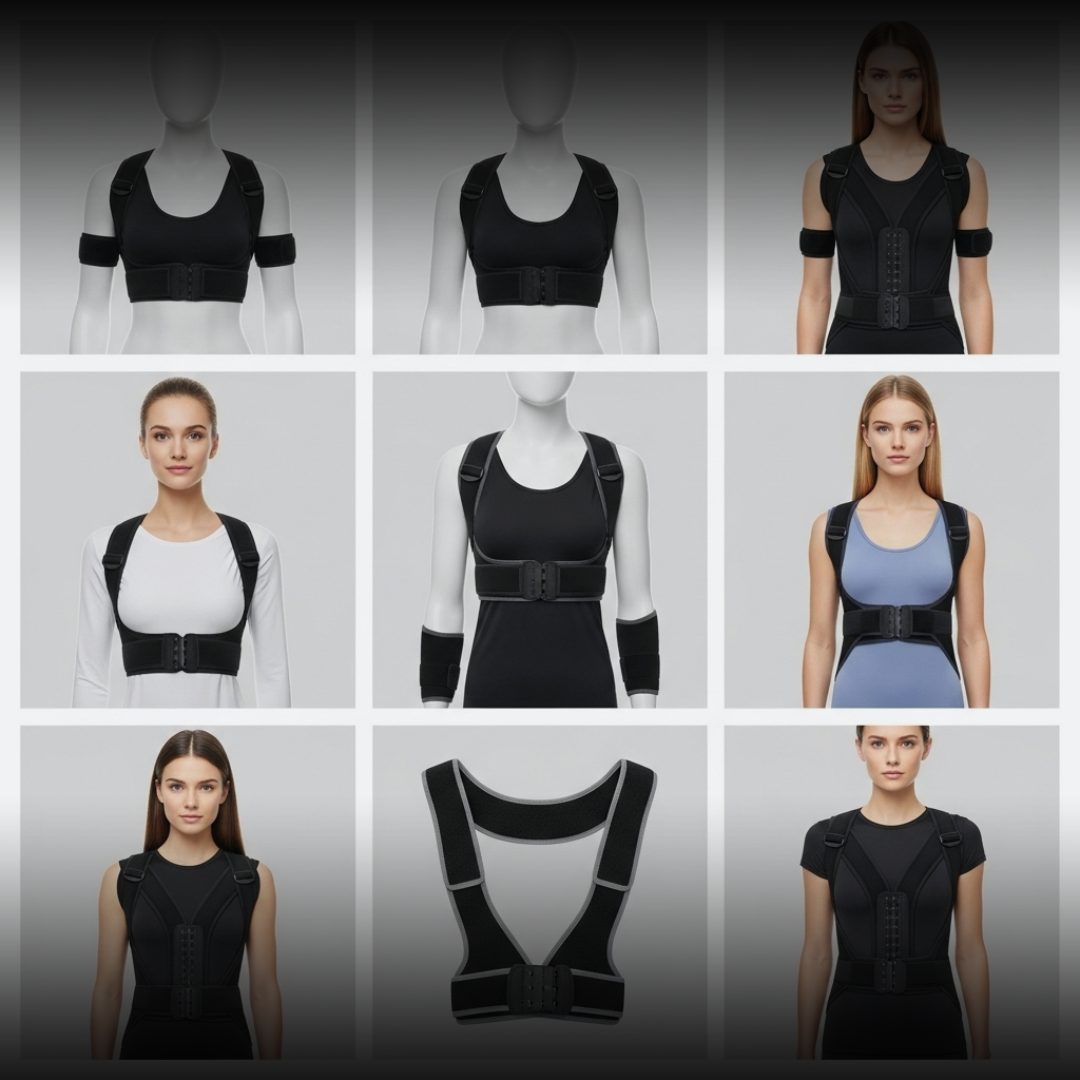
Some people explore options like upright go, comfybrace posture corrector, and backembrace posture corrector. Others prefer posture correcting bras such as the forme power bra. Each option supports different lifestyles and comfort needs.
Wearable devices may include a companion app. Braces focus on physical guidance and support. Your choice depends on your schedule, comfort, and daily movement. Pay attention to product details before buying. Focus on fit, comfort, and adjustability. That is how you find support you will actually wear.
Check out this Leonisa Multi-Functional – Posture Corrector Bra here.
Trust, Reviews, and Expert Testing
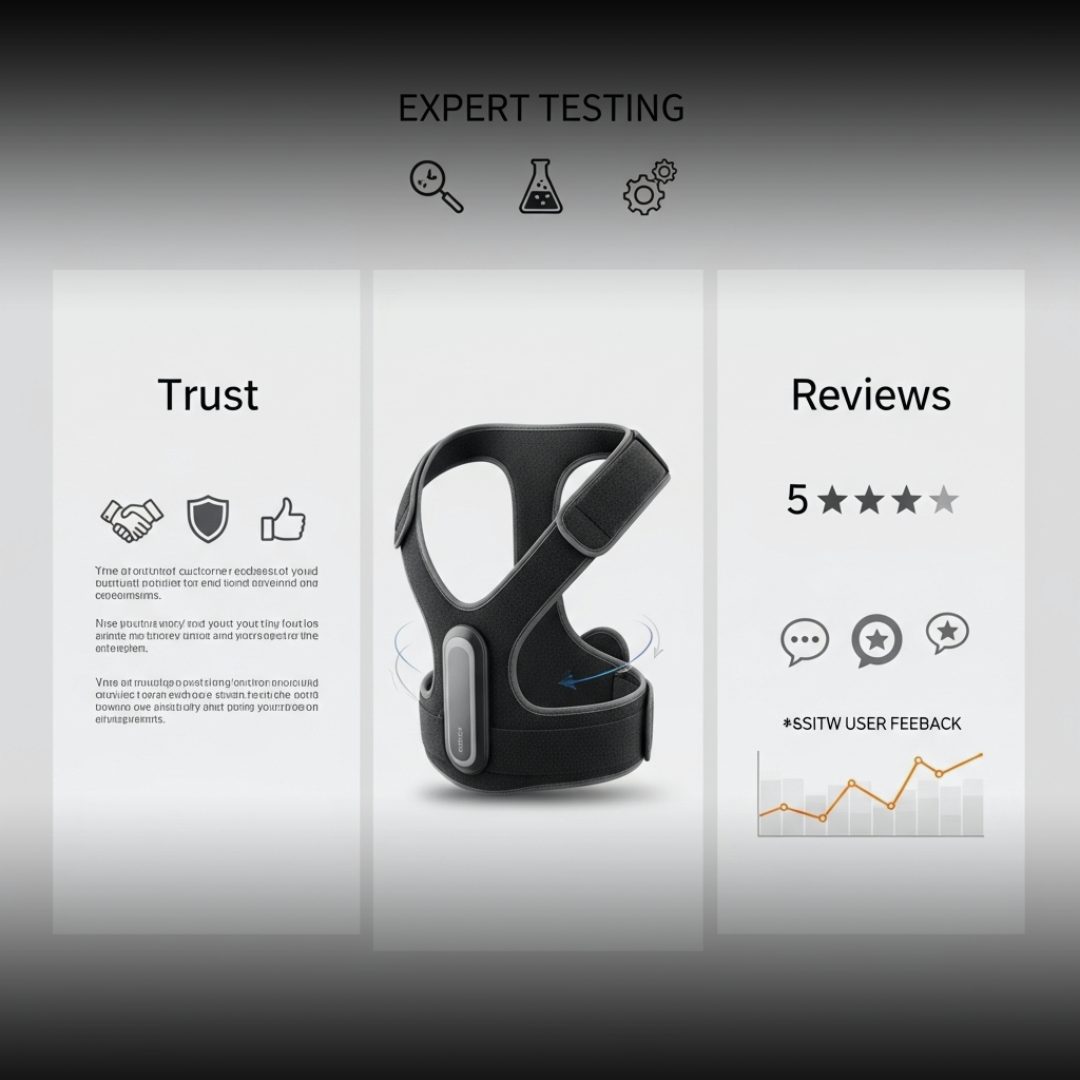
Reliable reviews matter. Sources like verywell health share expert-backed guidance. Some reviewers say they have tested dozens of supports before naming a top pick. Look for balanced opinions. A runner up can still deliver strong support. An affordable option can still feel comfortable when fit is right.
When smith recommends comfort and fit first, that advice helps you choose wisely. Trust grows when the product feels honest and supportive. You deserve that kind of clarity.
A Gentle Path Toward Better Posture

You do not need perfection. You need support, patience, and awareness. A posture brace offers daily guidance toward better alignment, without overwhelm.
As you wear your brace, you reconnect with your body. You reduce pain, improve posture, and feel more present. Small steps create lasting change. You deserve comfort and confidence in your posture journey. Walk forward upright, supported, and empowered.
UP NEXT: Latissimus Muscle: The Secret to a Stronger, Leaner Back